Roundup: “Soul Food Love,” call for Sufjan Stevens papers, and more

LECTURES:

Calvin University’s January Series is an annual fifteen-day series of lectures and conversations that “aims to cultivate deep thought and conversations about important issues of the day, to inspire cultural renewal and make us better global citizens in God’s world.” It brings in various scholars on various topics, but the two lectures I want to call out in particular are both about food!

Also note: upcoming events in the series include “Neurodivergent Storytelling” with Daniel Bowman Jr., a novelist and professor with autism; a live recording of the Poetry for All podcast featuring guest poet Marilyn Nelson; and “Tuning Our Minds, Ears, and Hearts to Sing God’s Grace: Reflections of a Conductor” with Pearl Shangkuan.

>> “Soul Food and the Collective Cultural Memory” by Caroline Randall Williams (available through Feb. 15): Caroline Randall Williams is a multigenre writer (of poems, YA fiction, essays, recipes), educator, activist, and home cook in Nashville whom Southern Living recognized as one of “50 People Changing the South” for her work around food justice. She’s the coauthor (with her mother, Alice Randall) of Soul Food Love: Healthy Recipes Inspired by One Hundred Years of Cooking in a Black Family and host of the TV show Hungry for Answers. I enjoyed this wonderful introduction to her work—though frustratingly, the sound cuts in and out several times. The introduction starts at 14:05, and the Q&A starts at 1:04:40. She opens with a reading of the delicious poem “When the Burning Begins” by Patricia Smith.

>> “Table Conversations: Building Community as We Eat” by Kendall Vanderslice: Kendall Vanderslice is a baker, writer, and the founder of the Edible Theology Project, an educational nonprofit connecting the Communion table to the kitchen table. She earned her master’s of theological studies from Duke Divinity School and master’s in gastronomy from Boston University. . . . Through her work in food studies and theology, Vanderslice explores the ways God uses the table to restore communities and creation. In her most recent book, By Bread Alone: A Baker’s Reflection on Hunger, Longing, and the Goodness of God, she discusses her faith journey, shares recipes, and dives into the role of bread in church history.” Introduction starts at 11:45; Q&A, at 50:33.

+++

CALLS FOR PAPERS:

>> For inclusion in the forthcoming book My Impossible Soul: The Metamodern Music of Sufjan Stevens: Dr. Tom Drayton and Greg Dember are compiling essays for a new book on Sujan Stevens, and they’re seeking contributing writers from across academic disciplines. “My Impossible Soul will be the first academic volume dedicated to the work of multi-instrumentalist singer-songwriter Sufjan Stevens. A staple of the indie/alternative music scene since 2000, Stevens’ work transcends genres – ranging from minimalist folk to maximalist electronica. His prolific discography blends “stories of his own life with ancient mythology and religious references” (McKinney 2015), interweaving themes of grief (Minton 2023), nostalgia, queer relationships (Postelli 2016; Glow 2021), Christianity, disease, problematic families, and the apocalypse with intricately produced compositions. . . . This volume aims to provide the first international and interdisciplinary analysis of the music, lyrics, performance process and cultural impact of Sufjan Stevens, through the framework of metamodernism . . .” Proposal deadline: March 1, 2024.

>> On Religion and Film: The International Conference on Religion and Film is held every two years, gathering leading scholars in the fields of religious studies and film; 2022’s was in Amsterdam, and this year’s (June 27–28, 2024) is in Hollywood! The Brehm Center at Fuller Seminary is soliciting papers for the conference. “We invite papers exploring Hollywood films from their origins in the 1890s through the silent film era as well as the Classic Hollywood studio film era from the 1930s through the end of the Hays Code (1968). How did religion influence the creative process, production, reception, and distribution of these films? How might the intersection of religion and film in this historic era inform our conversations about religion and film today? We are especially interested in contemporary films that deal with the future and the role of religion in the future. In addition, we seek papers exploring how advances in film technologies and our collective experience of film (in-theater technologies, VR, Streaming) will influence the future of filmmaking. Additionally, how might AI change storytelling and human creativity? How will those who work in Religion and Film Studies adapt/respond to these changes?” Abstracts are due by February 10, 2024.

+++

ONLINE COURSE: “Philosophy and Theology in Film” with Dr. Mary McCampbell, February–May 2024: Mary McCampbell [previously] is a writer and educator on film, literature, and popular culture whose Substack, The Empathetic Imagination, is one of my favorites! In December she and nine other professors lost their jobs at Lee University because the university’s humanities major has been suspended due to financial difficulties—and this despite her being tenured and having taught there for fourteen years.

So, she won’t be in a traditional classroom this spring, but the course she had prepared to teach undergraduates she is adapting for online and opening up to the public! It costs just $20 (a four-month paid subscription to The Empathetic Imagination), which is a real steal. Beginning near the end of February and running through May, the course will include:

  • An introductory video for each of ten films, including a lesson on the main philosophical influences and parallels (including intro lectures on Marx, Nietzsche, Freud, Sartre, Descartes, and more)
  • A live Zoom discussion of each film
  • A written Substack post of McCampbell’s analysis of each film, hopefully followed by a lively discussion in the comments section

I’ll be participating!

+++

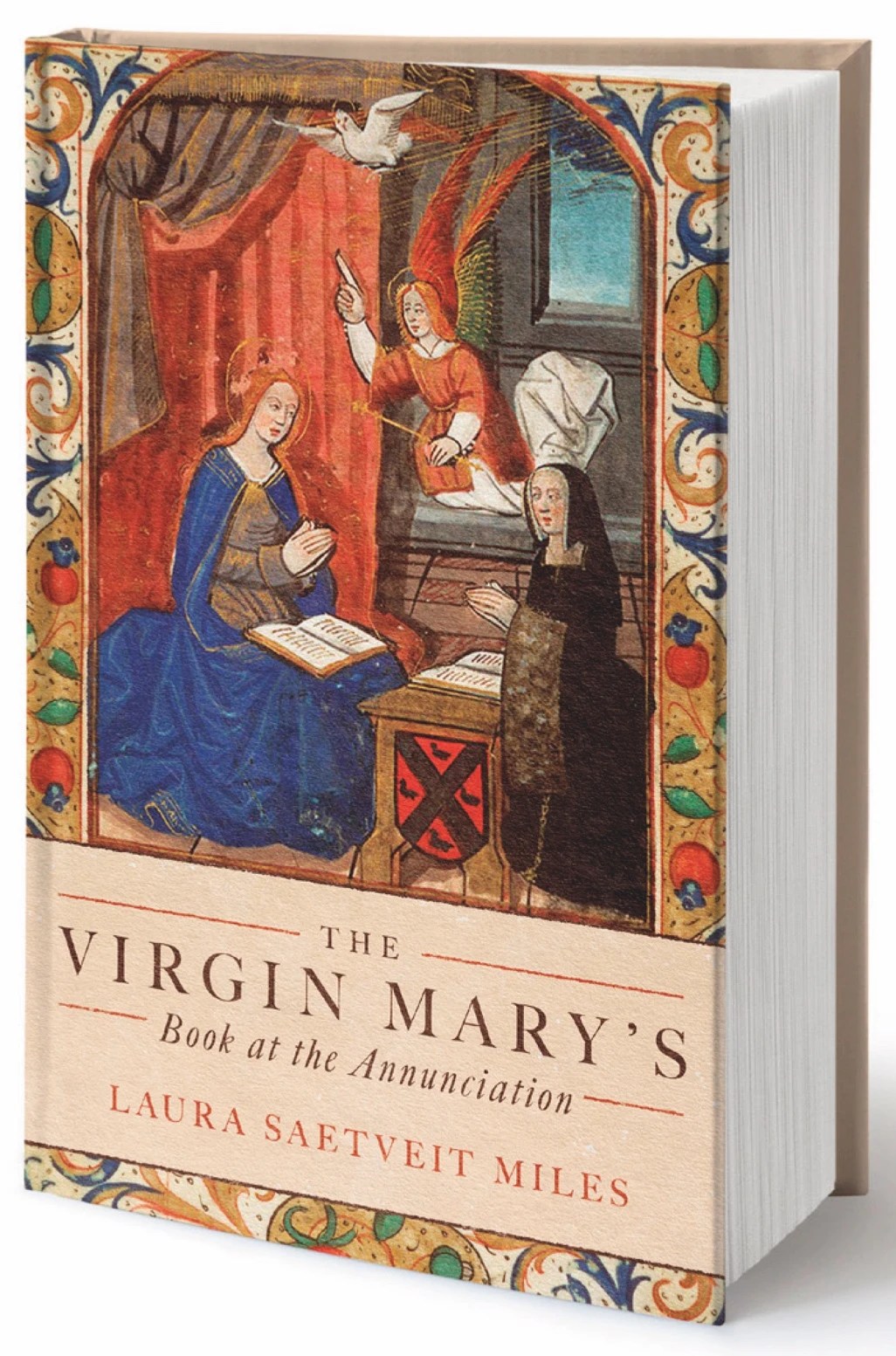
UPCOMING (ONLINE) LECTURE: “Reading alongside the Virgin Mary in Late Medieval Books of Hours Annunciation Scenes” by Laura Saetveit Miles, February 1, 2024: Professor Laura Saetveit Miles’s book The Virgin Mary’s Book at the Annunciation (Boydell & Brewer, 2020) has been one of my favorite reads of the last several years—so I was delighted to see she’ll be giving a free online talk on the topic next week! Organized by the Centre for Marian Studies at St Mary’s University in Twickenham, Miles’s lecture “will focus on two rare and fascinating versions of the standard Annunciation scene, as they are developed in both devotional literature and illuminations in Books of Hours. One type of representation captures the moment before Gabriel arrives; the other type depicts the reader herself as part of the scene. Some versions even combine these two. Where do these variations come from, and what do they mean? This neglected story of imitatio Mariae sheds new light on what Mary’s role in the Incarnation meant for medieval Christians across Europe.” (Update, 2/2: Here’s the recording.)

“If it is beauty you want, I am beauty” (Catherine of Siena)

Morley, Fiona_You Are Everything
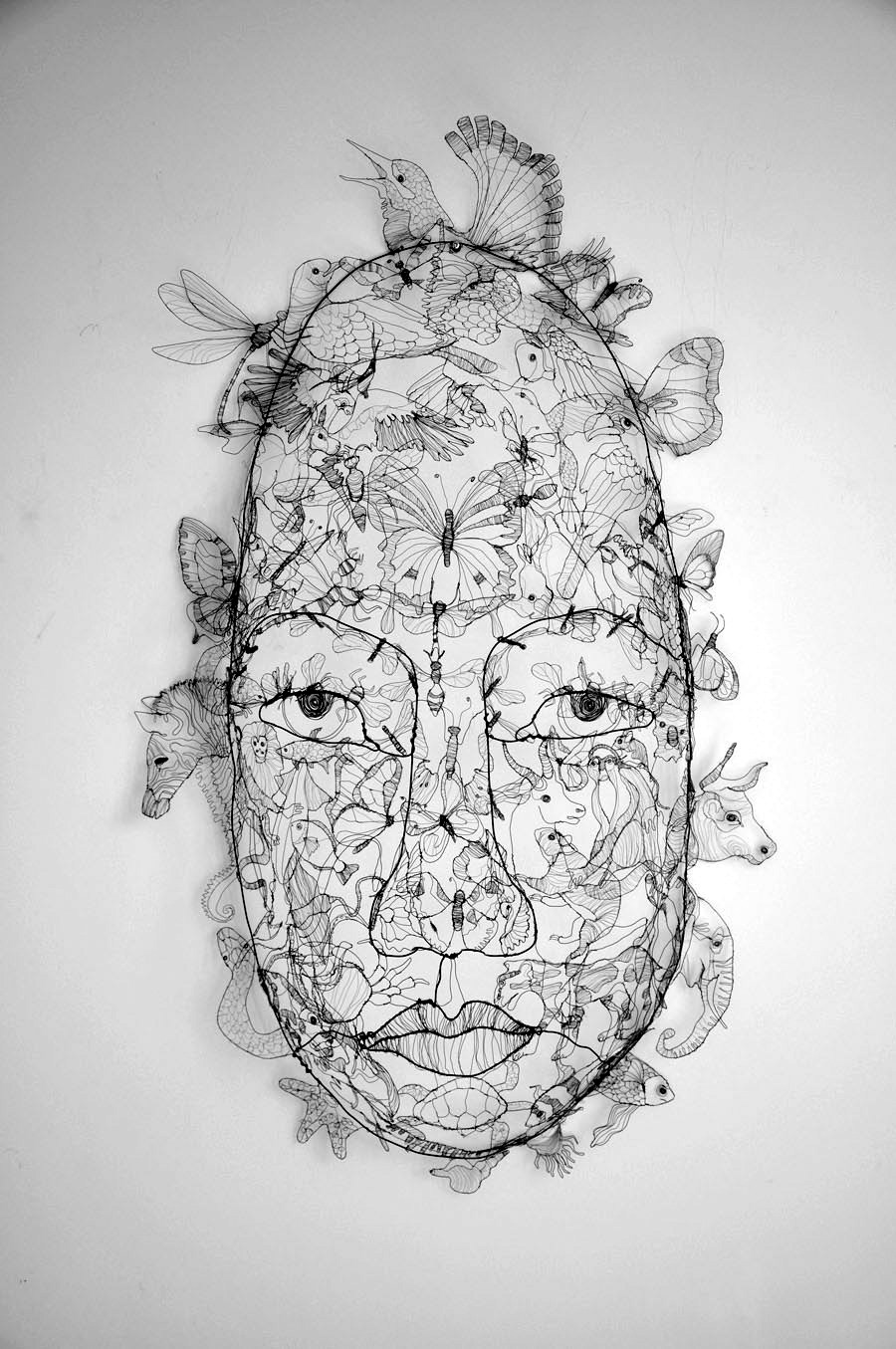
Fiona Morley (British, 1974–), You Are Everything, 2017–18. Stainless steel binding wire, 114 × 67 × 30 cm. Winner of the 2021 Chaiya Art Award on the theme of “God Is . . .”

If it is beauty you want, I [God] am beauty. If you want goodness, I am goodness, for I am supremely good. I am wisdom. I am kind; I am compassionate; I am the just and merciful God. I am generous, not miserly. I give to those who ask of me, open to those who knock in truth, and answer those who call out to me. I am not ungrateful but grateful and mindful to reward those who will toil for me, for the glory and praise of my name. I am joyful, and I keep the soul who clothes herself in my will in supreme joy. I am that supreme providence who never betrays my servants’ hope in me in soul or body.

How can people see me feeding and nurturing the worm within the dry wood, pasturing the brute beasts, nourishing the fish in the sea, all the animals on the earth and the birds in the air, commanding the sun to shine on the plants and the dew to fertilize the soil, and not believe that I nourish them as well, my creatures made in my image and likeness? As a matter of fact, all this is done by my goodness to serve them. No matter where they turn, spiritually and materially they will find nothing but my deep burning charity and the greatest, gentle, true, perfect providence.

—Catherine of Siena, The Dialogue, chap. 141, trans. Suzanne Noffke, in Catherine of Siena: The Dialogue (The Classics of Western Spirituality) (Mahwah, NJ: Paulist Press, 1980), p. 290

Roundup: Kenyan Annunciation; Jesus in utero; the politics of the Magnificat; and more

Many Catholics and Orthodox decry that Protestants really only ever talk about Mary during Christmas. While she does get some extra attention here on the blog in December, I also try to talk about her throughout the year, from the feasts of the Annunciation (March 25) and the Visitation (May 31) to her witness during Holy Week and Pentecost and her being such an important figure in Jesus’s life and exemplary for our own. Here’s a new Marian roundup, plus at the bottom a Christmas gift idea involving a product I helped create. 🙂

VISUAL MEDITATIONS:

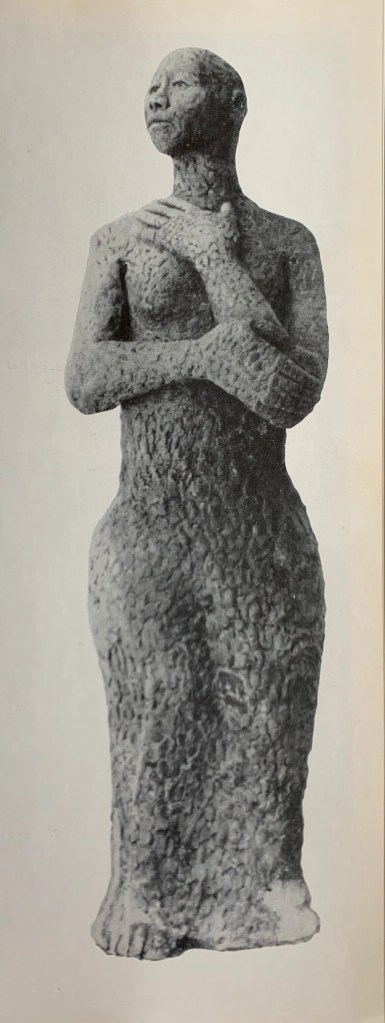
>> “Wondrous” by Paul Simpson Duke, Seeing the Sacred: In 2019, Rev. Drs. Paul and Stacey Simpson Duke, co-pastors of First Baptist Church in Ann Arbor, Michigan, ran an Annunciation art series on their blog, meditating on one artwork on the subject per day for twenty-five days. I commend the whole series, but I was particularly compelled by Day 13, which centers on a terracotta sculpture made by the late Kenyan artist Rosemary Namuli Karuga when she was a student at Makerere College Art School in Uganda. Paul Duke considers especially the mixture of sorrow and awe expressed in the figure’s face.

Karuga, Rosemary Namuli_Mary
Rosemary Namuli Karuga (Kenyan, 1928–2021), Mary, ca. 1950. Terracotta. This image is Plate 4 in the book Christian Art in Africa and Asia by Arno Lehmann.

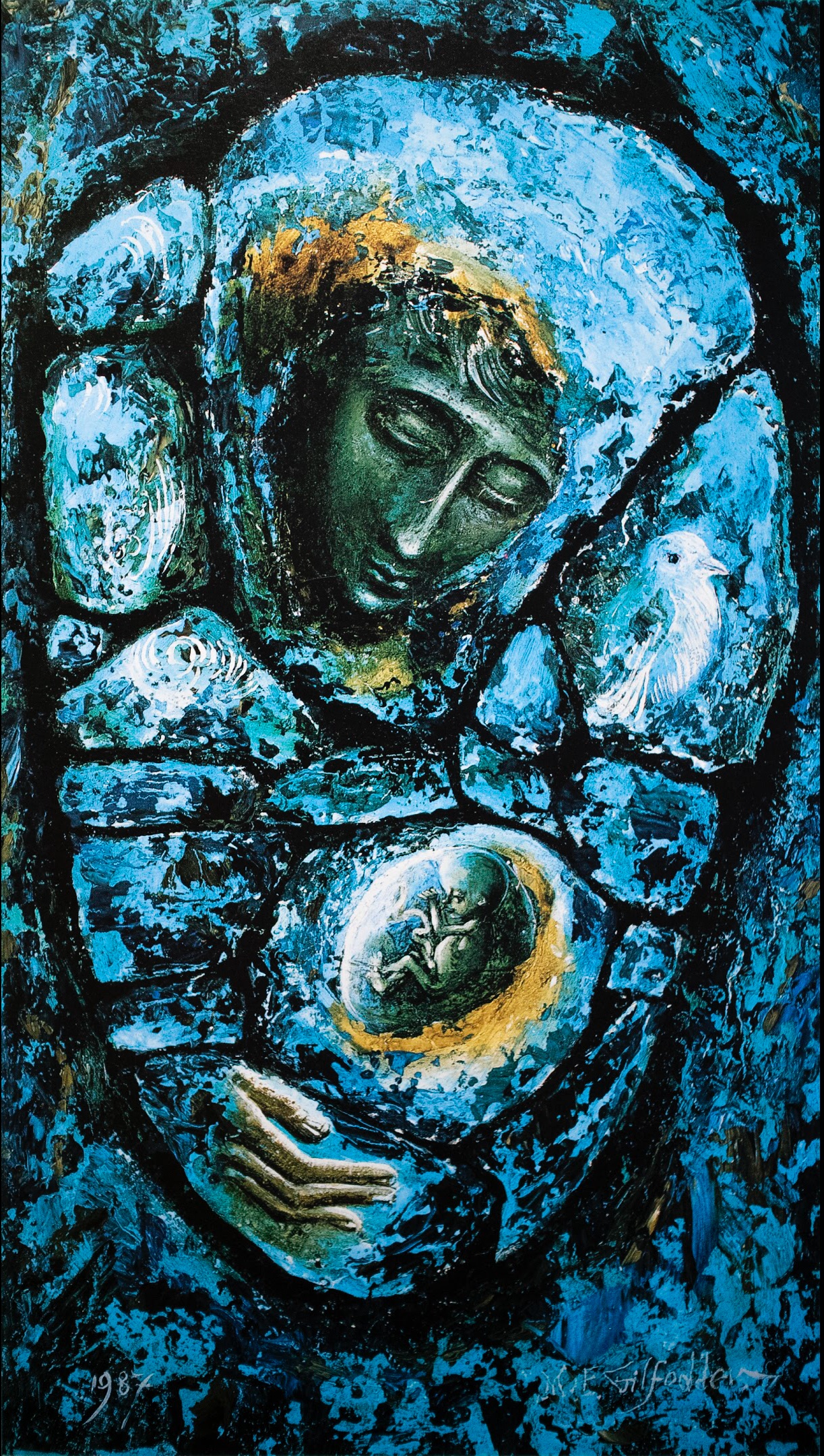
>> “Pregnant with God” by Victoria Emily Jones, ArtWay: For the first Sunday of Advent, I wrote about the painting Blue Madonna by Scottish Catholic artist Michael Felix Gilfedder, which shows the Christ child developing inside Mary’s womb. Pregnancy has always been an image I’ve carried with me during Advent, as it embodies the expectancy characteristic of the season—the growth of new life, a hidden fullness, about to come forth.

Gilfedder, Michael Felix_Blue Madonna
Michael Felix Gilfedder (Scottish, 1948–), Blue Madonna (Mary, Mother of God), 1987. Oil and tempera on wood with gesso relief, 25 1/4 × 13 in. (64 × 33 cm). Private collection, London. [prints for sale]

+++

PODCAST EPISODES: Both of the following come from For the Life of the World, the podcast of the Yale Center for Faith and Culture. Released back-to-back last December.

>> “Mary Theotokos: Her Bright Sorrow, Her Suffering Faith, and Her Compassion” with Frederica Mathewes-Green: Frederica Mathewes-Green is an American author and speaker, chiefly on topics related to Eastern Orthodox belief and practice. Here she discusses the Orthodox reverence for Mary; the scriptural account of her life; Mary as the mother of us all; the Protevangelium of James, which provides legendary material about Mary’s upbringing and betrothal; the ancient prayer “Sub tuum praesidium” (“Under Your Compassion”) from 250 CE, the earliest known appearance of the title “Theotokos”; and Mary’s role as intercessor. The latter point is something that Protestants like me are wary of—praying through saints who have passed on is not something I practice—but the way Mathewes-Green explains it is, just as we would ask fellow believers on earth to pray for us, why shouldn’t we also ask our friends in heaven to do the same, if we truly believe that they are alive and that we are in communion with them (as we confess in the Apostles’ Creed)?

Besides explicating several Marian doctrines, Mathewes-Green also speaks of Mary as an ordinary human being with an extraordinary call. With tenderness, she considers Mary’s experiences and emotions at different life stages: first as a perplexed young woman who is taken aback by Gabriel’s announcement but ultimately responds with humility and magnanimity, then as a parent who raises a child and later witnesses his violent death.

For more from Mathewes-Green on the topic, see her book Mary as the Early Christians Knew Her: The Mother of Jesus in Three Ancient Texts.

>> “A Womb More Spacious Than Stars: How Mary’s Beauty and Presence Upends the Patriarchy and Stabilizes Christian Spirituality” with Matthew J. Milliner: Matthew Milliner, an art history professor at Wheaton College and the author of Mother of the Lamb: The Story of a Global Icon, is a Protestant who wants to see other Protestants embrace a more robust doctrine of Mary as Theotokos, “Mother of God,” and develop a keener sense of her ecclesial presence. In this hour-long conversation he discusses Mary as person and as symbol; the need for “hermeneutical adventurousness anchored in the revelation of God in Christ”; how icons work, and particularly how Marian icons are spiritually formative; how to read a Nativity icon; the feminist objection to Mary; how Mary upends the ancient pagan goddess culture; and how we all must be Marian if we are to be orthodox Christians.

I’ve previously featured two other talks by Milliner on Mary: “The Art of Advent” and “Blessed Art Thou.”

+++

VIDEO: “Magnificat” by SALT Project: This short film features a reading of the Magnificat in Spanish, its words fleshed out in contemporary images. For the same video but in English, see here.

+++

ARTICLE: “The Political Is Personal: Mary as a Parent and Prophet of Righteousness” by Erin Dufault-Hunter, Fuller Magazine: What does the New Testament mean by “righteousness” (dikē)? Is it personal piety, or social justice? This article by Christian ethics professor Erin Dufault-Hunter examines how Mary upholds both connotations of the word. “Perhaps more than anyone else, Mary displays for us how saying yes to the kingdom, and its unlikely king, necessarily involves the personal but also reorients our social and political allegiances,” Dufault-Hunter writes. “Intimacy with God necessarily entails a political orientation, bringing or solidifying a way of seeing power and position.” Debunking the claim that Jesus’s coming was not political, Dufault-Hunter considers Mary’s Magnificat as well as other elements of the Christmas story—like the title “Son of God,” the word “gospel,” and the angels’ potentially treasonous news to the shepherds—showing how the good news of Christ is both personal and political.

+++

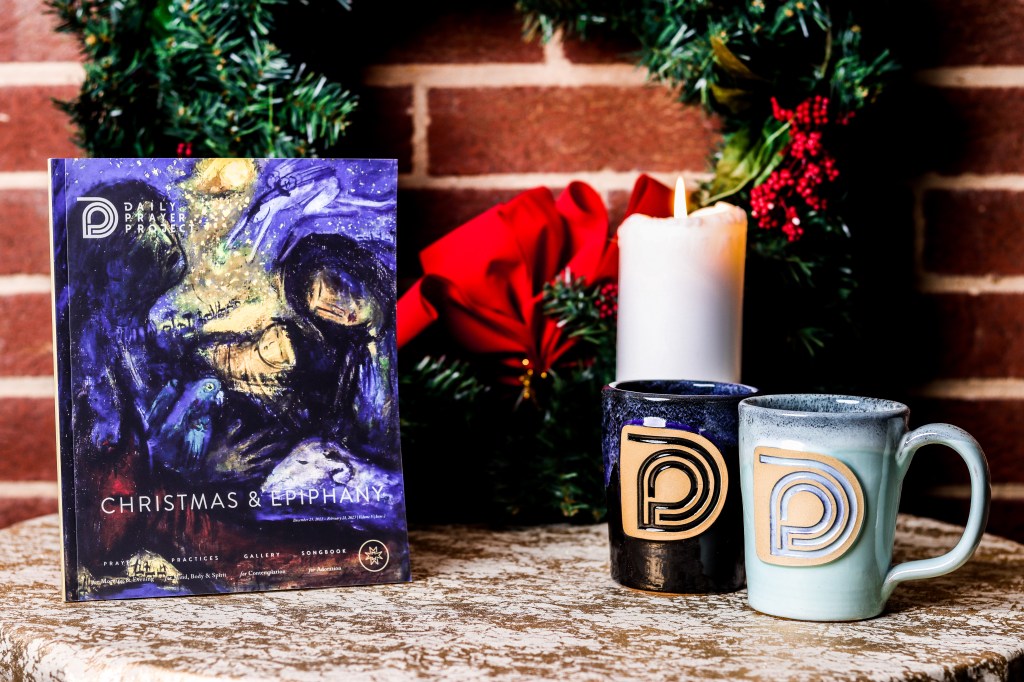
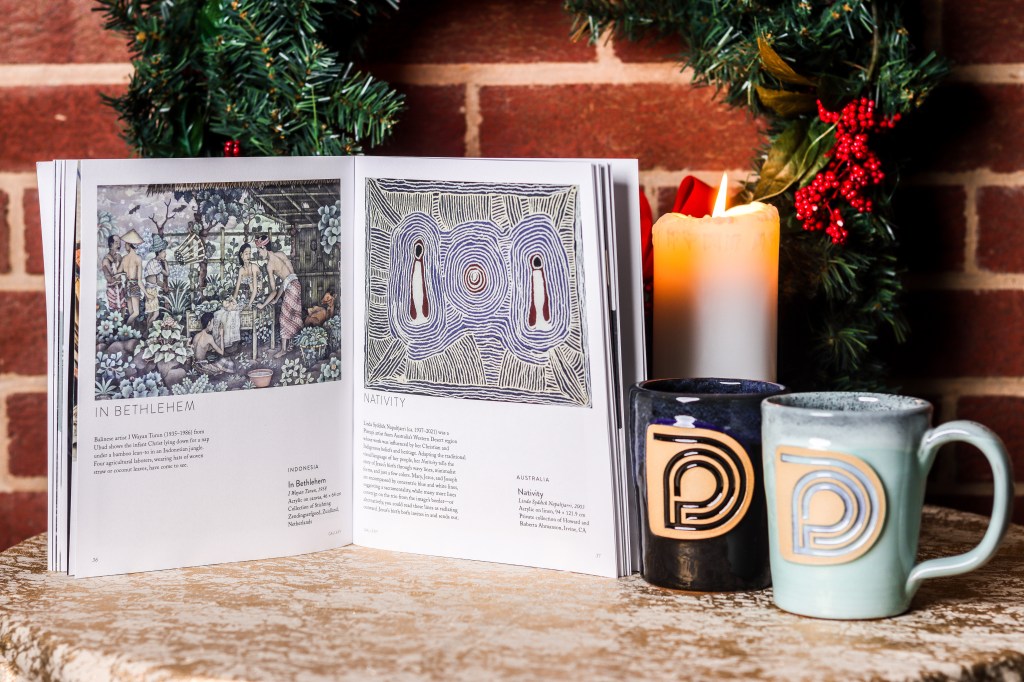
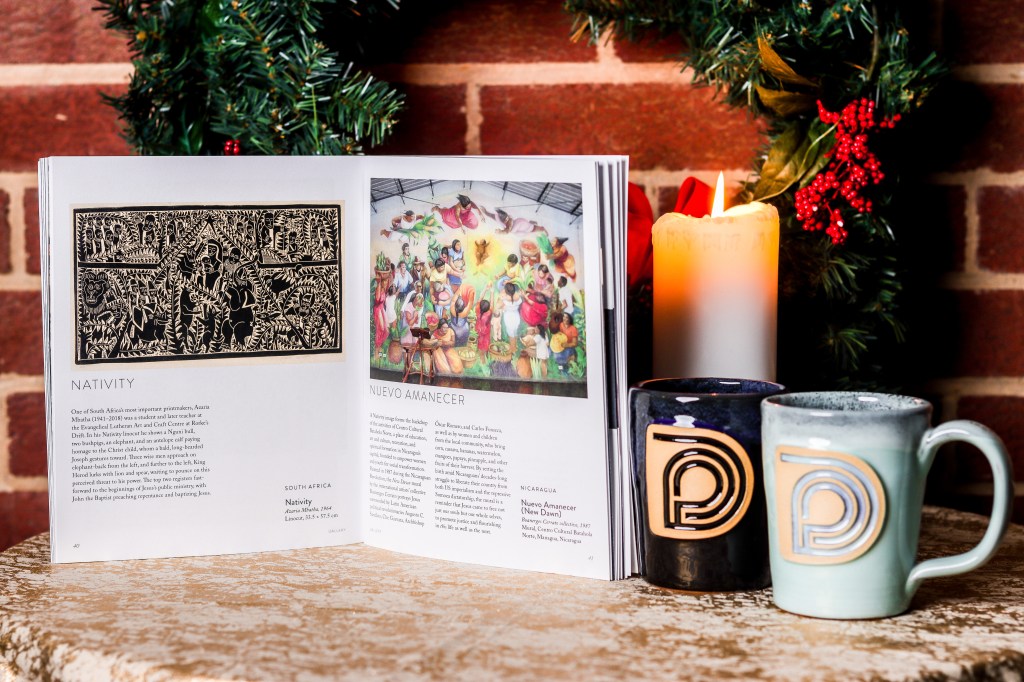
The Daily Prayer Project is running a special Christmas gift offer that, for $50, includes a physical and digital copy of our hot-off-the-press Christmas–Epiphany prayer periodical (covering December 25 through February 21) and two hand-thrown, dishwasher-safe mugs with a raised medallion of our labyrinth-inspired logo and glazes that map onto our morning and evening prayer colors. Packages ship early next week, so get your order in soon! There are also yearly subscription options, individual or communal, on the website.

In addition to working as a copyeditor and proofreader for the DPP, I also curate the art for the Gallery section, which is expanded in this edition to eight pieces—in this case, Nativities from around the world, each accompanied by a short reflection. The cover image is Morning Star by the Japanese Christian artist Hiroshi Tabata (1929–2014).

“A Blessing for Back to School” by Sarah Bessey

Hsu Tung Han_The Trend of Autumn
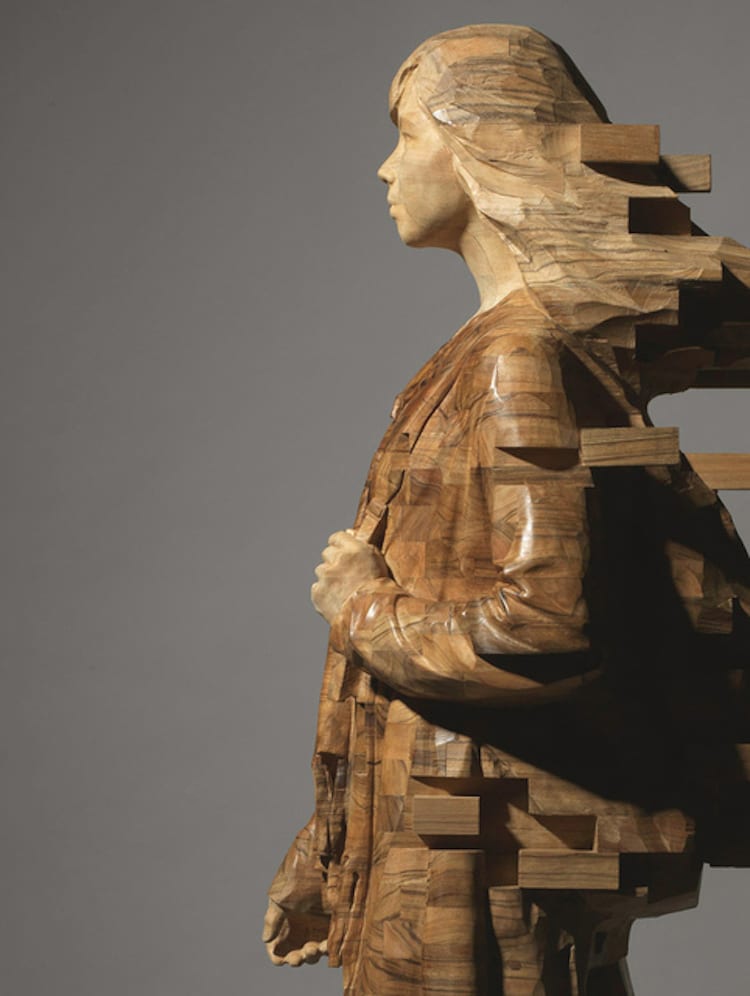
Han Hsu-Tung (韓旭東) (Taiwanese, 1962–), The Trend of Autumn (秋天の潮), 2013. Walnut wood, 155 × 98 × 50 cm. [artist’s website]
As we head back into our classrooms, may you go forth fully convinced of our love and your capacity. May you be the head and not the tail, leading others—and yourself—on a path of flourishing. 

May your roots go down deep into God’s soil so you will bear the fruit of love, joy, peace, patience, kindness, faithfulness, gentleness, and self-control. 

May you remember your people, where you come from, and find your place of belonging. 

May you become even more fully who you were always meant to be this year. We delight in you, darling.

We pray that you would sow seeds of life and hope wherever you find yourself, cultivating a harvest of shalom.

May you be prepared for every good work that lies ahead of you. 

May your mind be clear and engaged, your memory sharp, your wisdom beyond your years. May you ask for what you need without fear or shame.

May you be safe, beloved child, protected from anything that seeks to steal, kill, or destroy in any measure. When you are afraid, may you feel our love wrapped around you and take heart.

When disappointments or disasters come—and they will—may you find the depths of the resilience we already see in you and rise, rise, rise again. 

May you do what is right and good and kind and just, no matter what everyone else might do. Don’t submerge your true self into the dreams, plans, behaviors, or agendas of others. Bring your full beloved self to these days, knowing you are created in the image of God.

We pray that you would be a blessing to your teachers and the school staff, and we pray that they, in turn, would see and affirm you in the fullness God has created. 

We pray for good friendships that will sharpen and delight you. 

We pray you would have eyes to see the lonely ones. May you have many opportunities to practice being both brave and kind. 

Beloved child of God, we send you out in the power and peace of Love itself, prepared and anointed, knowing you walk upon steady ground.

In the name of the Father, the Son, and Holy Spirit, one God and Mother of us all.

Amen.

This adaptable parental benediction for a child’s return to school is from the August 8, 2022, edition of Sarah Bessey’s Field Notes and is reproduced here with Bessey’s permission.

Pádraig Ó Tuama on using power well

Gollon, Chris_Jesus and the Woman Taken in Adultery
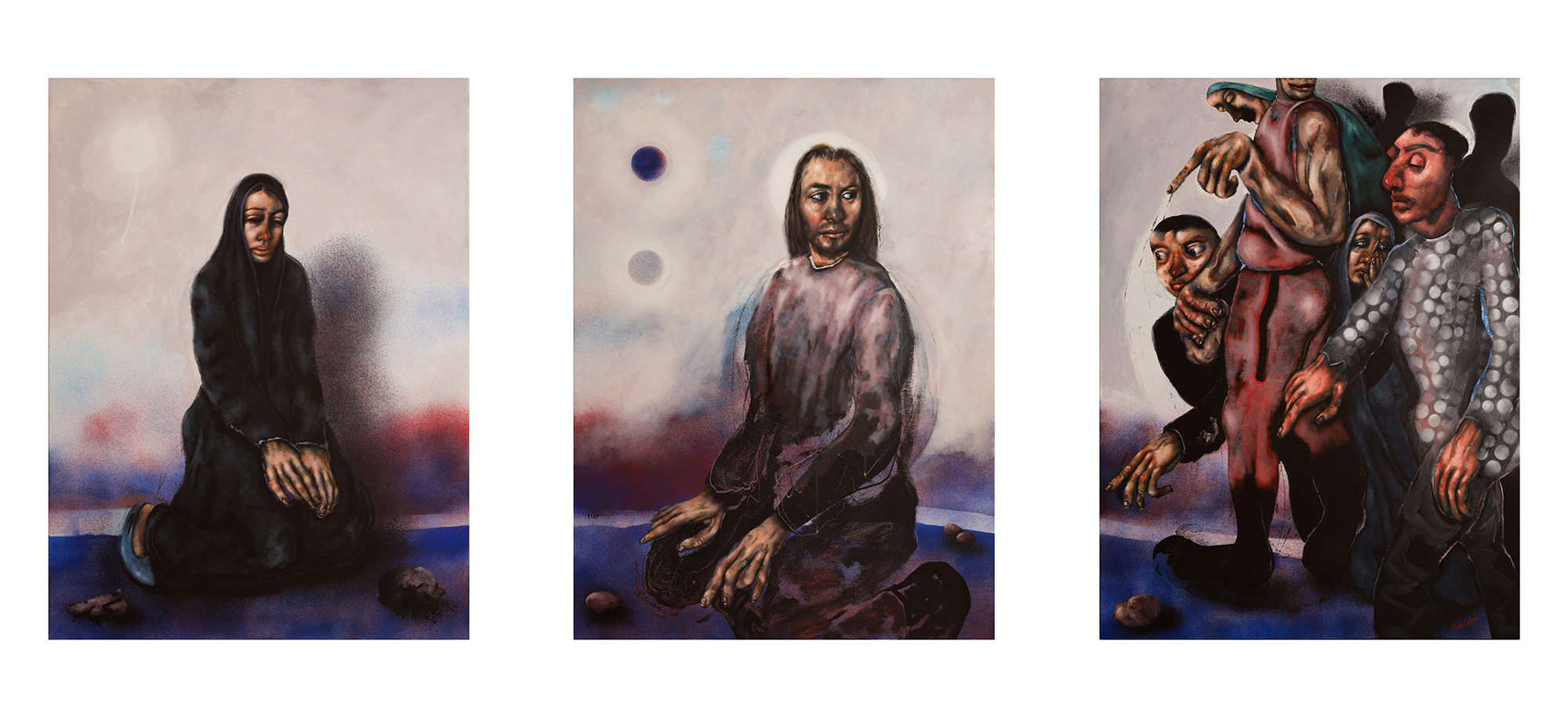
Chris Gollon (British, 1953–2017), Jesus and the Woman Taken in Adultery (Jesus Draws in the Dust) (triptych), 2015. Acrylic on canvas, each panel 48 × 36 in. (122 × 91 cm).

Jesus of Nazareth was not a powerless man. . . . Jesus knew exactly what he was doing, and he just used a different kind of power. When, in John’s Gospel [8:1–11], I read about a woman being stoned, I see Jesus using power. He bent down and scribbled in the ground, writing words that we do not know. He did that, knowing—I am guessing—that many of those who were about to throw stones couldn’t read the words even if they could have strained their necks to see them. He used his privilege to deflect attention, and in so doing he undid the story that held the slew of stoners together. This was not powerlessness. It was power and it is deep in us.

The woman was about to be stoned because of the addictions of the stoners. They were addicted to a violent kind of belonging, a kind of community that forges its borders through selective exclusion. She was about to be stoned with their bone-breaking morals that would prefer to kill a woman rather than examine their own complicity. We all need to be rescued from this kind of power—from both its appeal and its effect. An undoing of this power is seen when power is used for love. Power, used well, should be empowering, contagious, and protective. It should be self-critical, curious, and brave. It should know its own limits and be prepared to risk its own reputation. This kind of power asks questions to which it does not know the answers and listens because in listening is learning, and in learning is life.

Hello to the power of learning.

—Pádraig Ó Tuama, In the Shelter: Finding a Home in the World (London: Hodder & Stoughton, 2015; Minneapolis, MN: Broadleaf Books, 2021), 240–41

Evelyn Underhill on the Incarnation

El Greco_Nativity
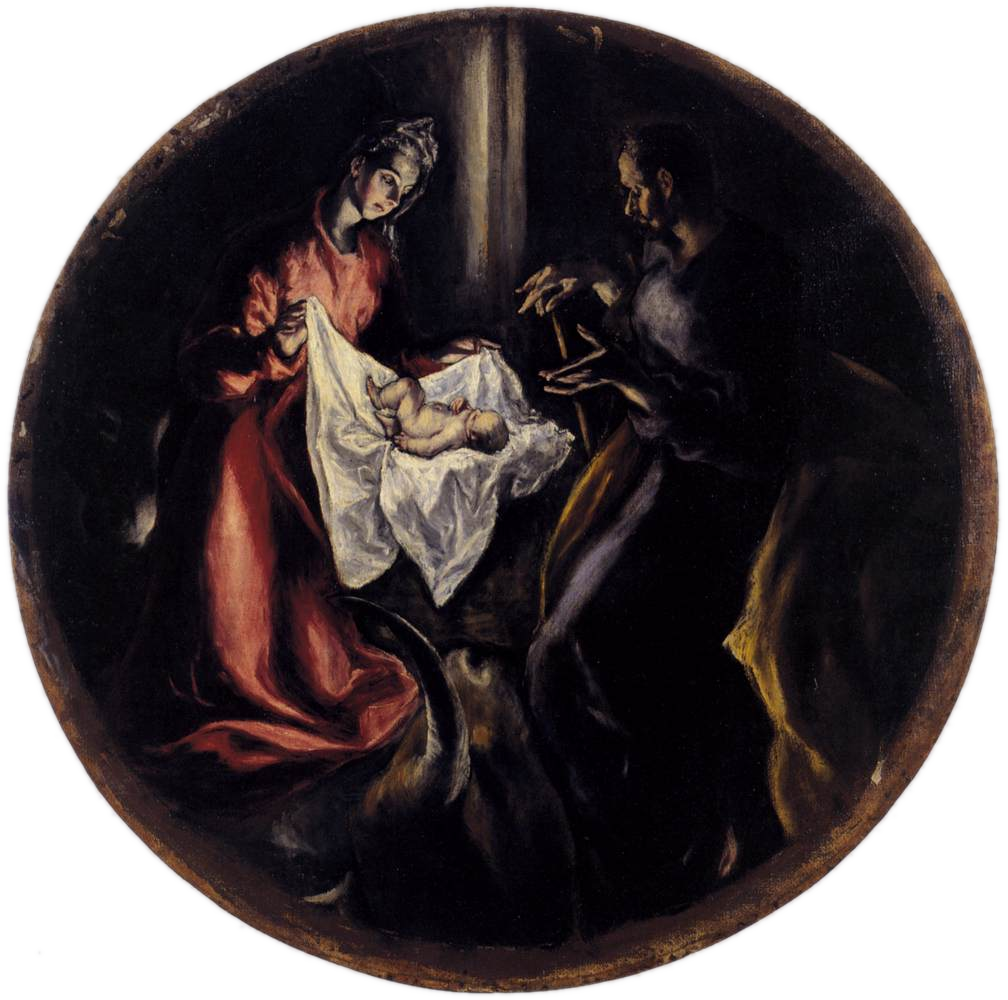
El Greco (Doménikos Theotokópoulos) (Greek Spanish, 1541–1614), The Nativity, 1603–5. Oil on canvas, diameter 128 cm. Church vestry, Hospital de la Caridad de Illescas, Villarrobledo, Spain.

We are being shown here [in the Incarnation] something profoundly significant about human life—“God speaks in a Son,” a baby son, and reverses all our pet values. He speaks in our language and shows us his secret beauty on our scale. We have got to begin not by an arrogant other-worldliness, but by a humble recognition that human things can be holy, very full of God, and that high-minded speculations about his nature need not be holy at all; that all life is engulfed in him and he can reach out to us anywhere at any level.

As the Christmas Day gospel takes us back to the mystery of the divine nature—In the beginning was the Word . . .—so let us begin by thinking of what St. Catherine called the “Ocean Pacific of the Godhead” enveloping all life. The depth and richness of his being are entirely unknown to us, poor little scraps as we are! And yet the unlimited life who is Love right through—who loves and is wholly present where he loves, on every plane and at every point—so loved the world as to desire to give his essential thought, the deepest secrets of his heart to this small, fugitive, imperfect creation—to us. That seems immense.

And then the heavens open and what is disclosed? A baby, God manifest in the flesh. The stable, the manger, the straw; poverty, cold, darkness—these form the setting of the divine gift. In this child God gives his supreme message to the soul—Spirit to spirit—but in a human way. Outside in the fields the heavens open and the shepherds look up astonished to find the music and radiance of reality all around them. But inside, our closest contact with that same reality is being offered to us in the very simplest, homeliest way—emerging right into our ordinary life. A baby—just that. We are not told that the Blessed Virgin Mary saw the angels or heard the Gloria in the air. Her initiation had been quite different, like the quiet voice speaking in our deepest prayer—“The Lord is with thee!” “Behold the handmaid of the Lord.” Humble self-abandonment is quite enough to give us God.

—Evelyn Underhill, from an address given at the Chelmsford Diocesan Retreat House at Pleshey in May 1932 (published in Light of Christ by Evelyn Underhill, 1945, 2004)

Rev. Kenneth Tanner on the fire of God

Schmidt, Linda_Pentecost
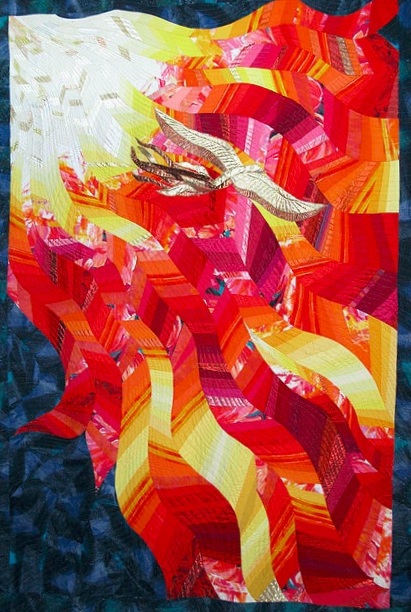
Linda S. Schmidt, Pentecost, 1991. Quilt, 111 × 80 in.

“I came to cast fire on the earth, and would that it were already kindled” (Luke 12:49).

In the churches in which many of us were raised, we were taught to live in fear of this fire of God.

We are not going to repeat that lie. The ancient Christians show us a better way of perceiving this divine fire as we encounter it in the Scriptures and in our experiences.

I want the children listening to me today to know and trust they can welcome and embrace the fire of God, that there is no reason to live in terror about the fire that has come from God, is coming even now, and will come at the end of time.

We welcome the fire of God because we know the character of the God who meets us in the flesh of Jesus Christ.

This God comes among us not to destroy humanity but to burn everything out of us that is not of love, that does not have its origin in the divine life.

Like all healing, deliverance, and reconciliation, there is pain involved in being set free and made well. It is not easy. It is not a cake walk.

But here is the good news: we are free from anxiety and fear as we embrace the cleansing fire of God. “With its fire, love makes better whatever it touches” (Ambrose).

We became cold in our self-imposed exile from God, and like any object, the further it gets away from the fiery source of its life, the colder it becomes.

Remember that God makes his ministers flames of fire, that we shine like the sun in the kingdom of heaven.

Remember that Cleopas, later in Luke, describes that their “hearts burned within them” as Jesus taught them from the Scriptures.

Remember at Pentecost that flames of fire come to rest on the heads of the gathered men and women.

As John promised, Christ baptizes us with fire and the Spirit.

For Cyril of Jerusalem, these words of Jesus about casting fire upon the earth find their fulfillment at Pentecost.

Remember that the flames of the fiery furnace do not consume the Hebrew children, but the angel—Christ himself—stands with them in scorching flames and they emerge from the fire unharmed.

Remember that the burning bush is aflame, is entirely engulfed, but never consumed by the fire of God.

So it is with us: the fire of the love that is the Spirit of God—Ambrose describes this fire of love as having wings—flies through us, consuming whatever is not of Love and trying whatever is good in us in order to purify the good and make it ready for the kingdom.

And we can trust this fire because it comes from the human who is God, who has journeyed through death and hell to bring us back alive with him.

We walk confidently into the fire that is God, knowing that his fire will keep us unto everlasting life.

Kenneth Tanner is the pastor of Church of the Holy Redeemer in Rochester Hills, Michigan, and a contributing writer for Mockingbird, Sojourners, Clarion Journal, and more. He frequently posts theological reflections and sermon excerpts on Facebook, such as the one above [source], which he preached August 18, 2019, the tenth Sunday after Pentecost. I’ve reposted it here with his permission. The liturgical quilt is by fiber artist Linda S. Schmidt.

An Affirmation of Faith

Painting by Jyoti Sahi
Painting by Jyoti Sahi, based on John 20:22

We believe in Jesus Christ,
our savior and liberator,
the expression of God’s redeeming
and restoring love,
the mark of humanness,
source of courage, power, and love,
God of God,
light of light,
ground of our humanity.

We believe that God resides in slums,
lives in broken homes and hearts,
suffers our loneliness, rejection, and powerlessness.

But through death and resurrection
God gives life, pride, and dignity,
provides the content of our vision,
offers the context of our struggle,
promises liberation
to the oppressor and the oppressed,
hope to those in despair.

We believe in the activity of the Holy Spirit
who revives our decaying soul,
resurrects our defeated spirits,
renews our hope of wholeness,
and reminds us of our responsibility
in ushering in God’s new order here and now.

This affirmation of faith originally appeared in the December 1986 issue of iGi, a publication of the Asian Women’s Resource Centre for Culture and Theology. Used by permission.

Short Prayers in a Time of Virus

From March 28 onward, Melbourne-based creative nonfiction writer, oral storyteller, and arts educator Julie Perrin has been writing and publishing collects (short prayers, pronounced KÄ-lekts) for anyone to freely use and republish (with credit) in this time of pandemic. I’m so grateful for her giving us this language to voice our anxieties, sadness, and pleas to God, and for reminding us of who God is. (And thanks to Art/s and Theology Australia for alerting me to this collect series.)

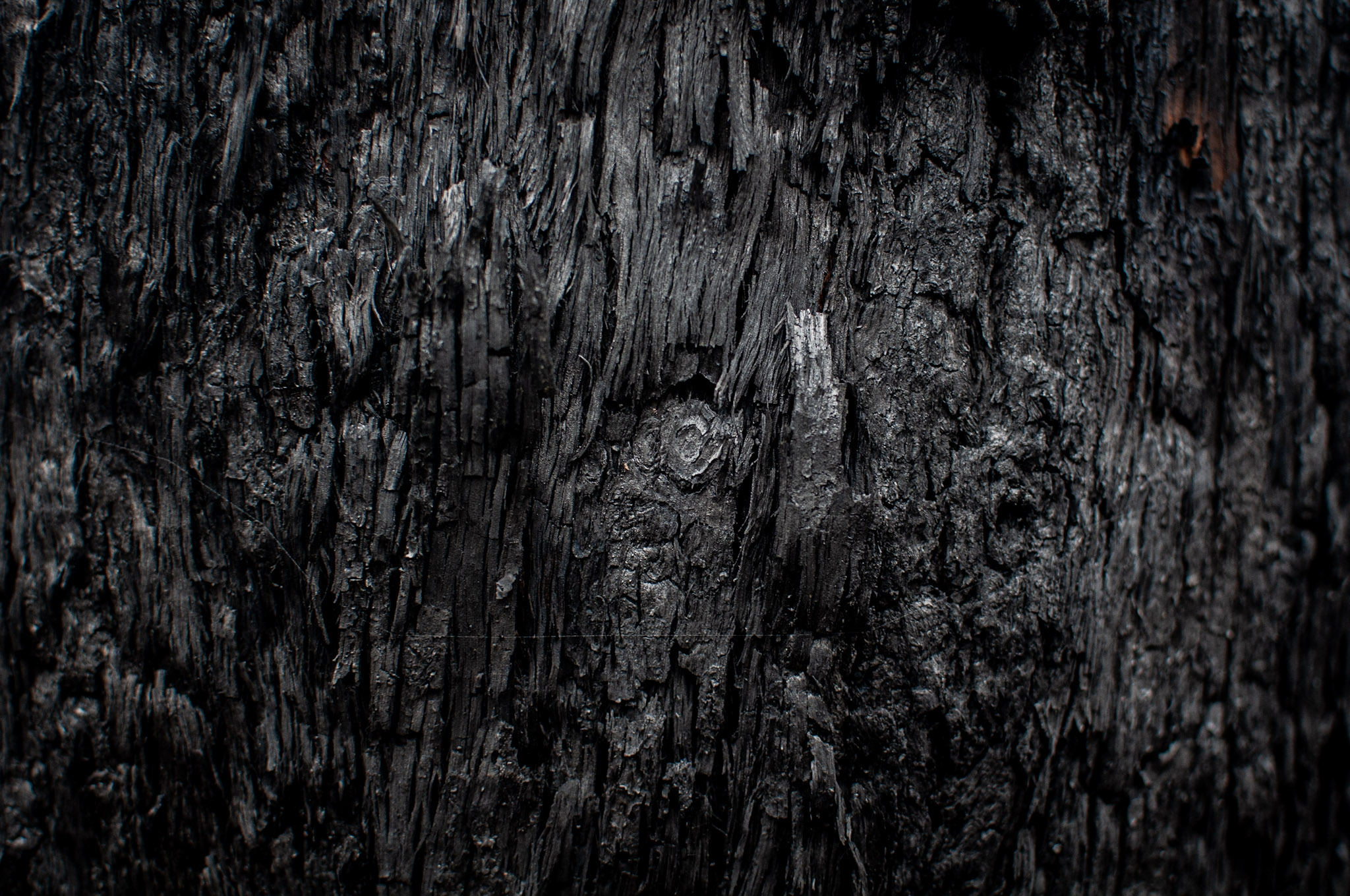
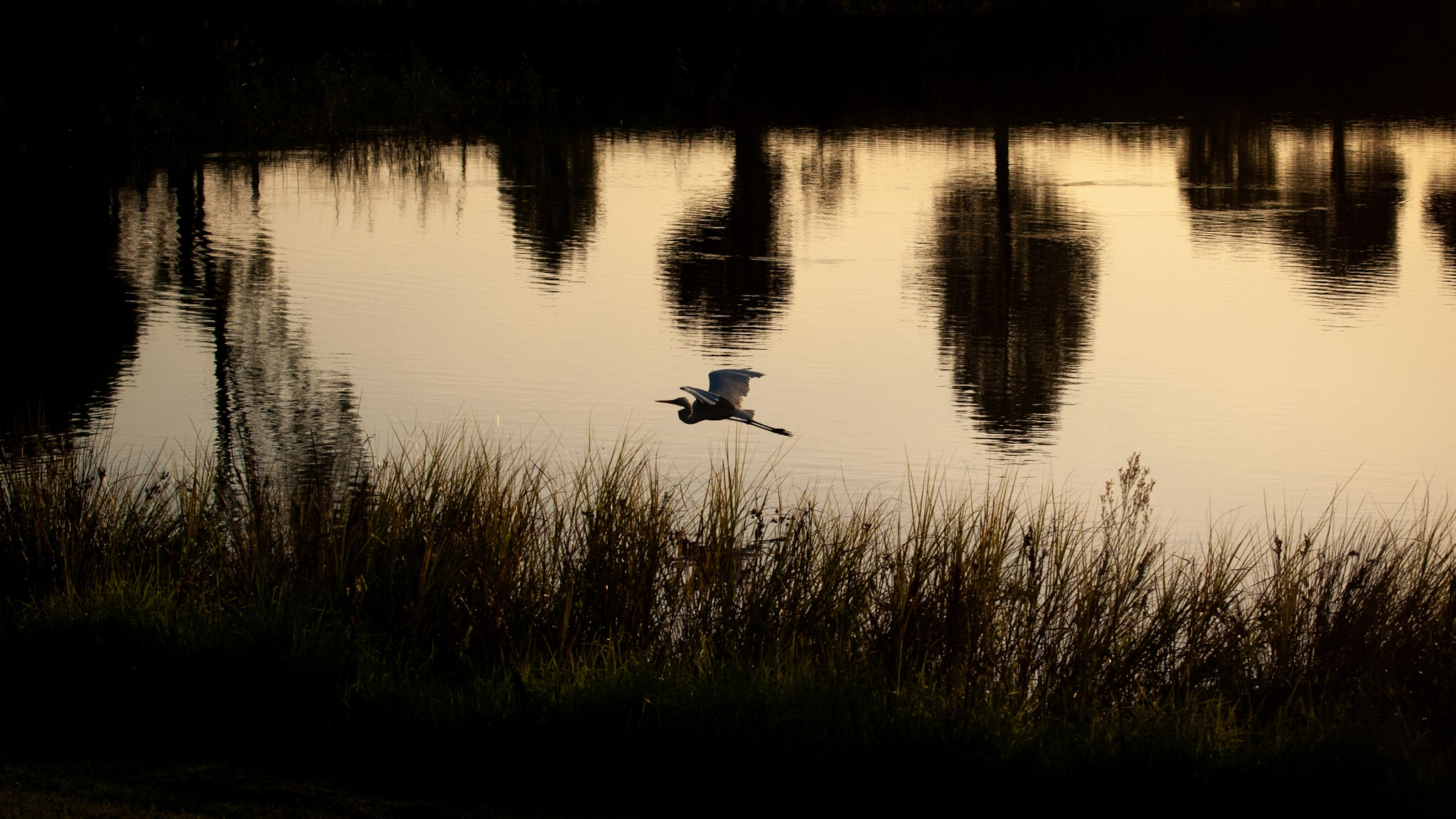
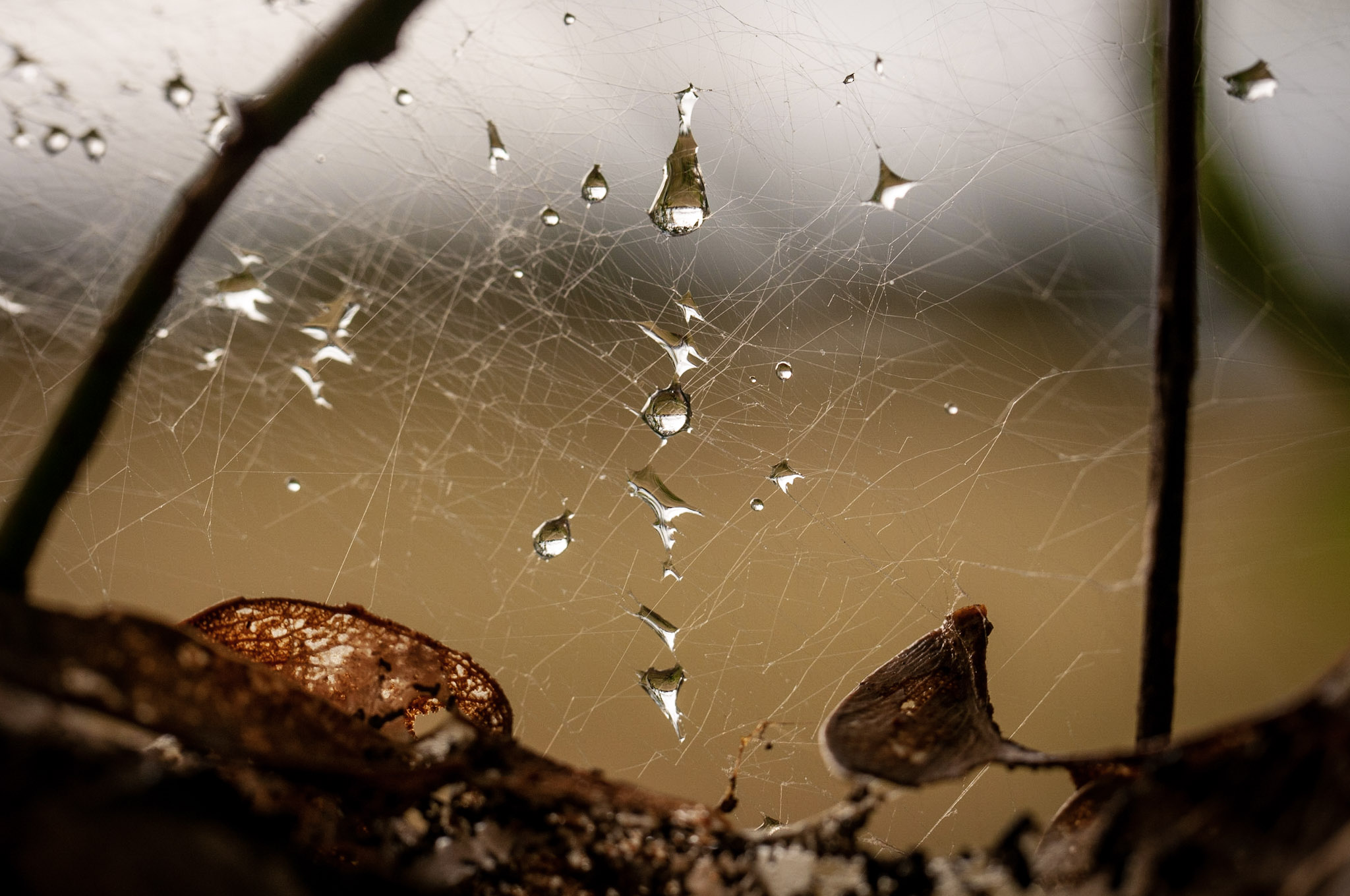
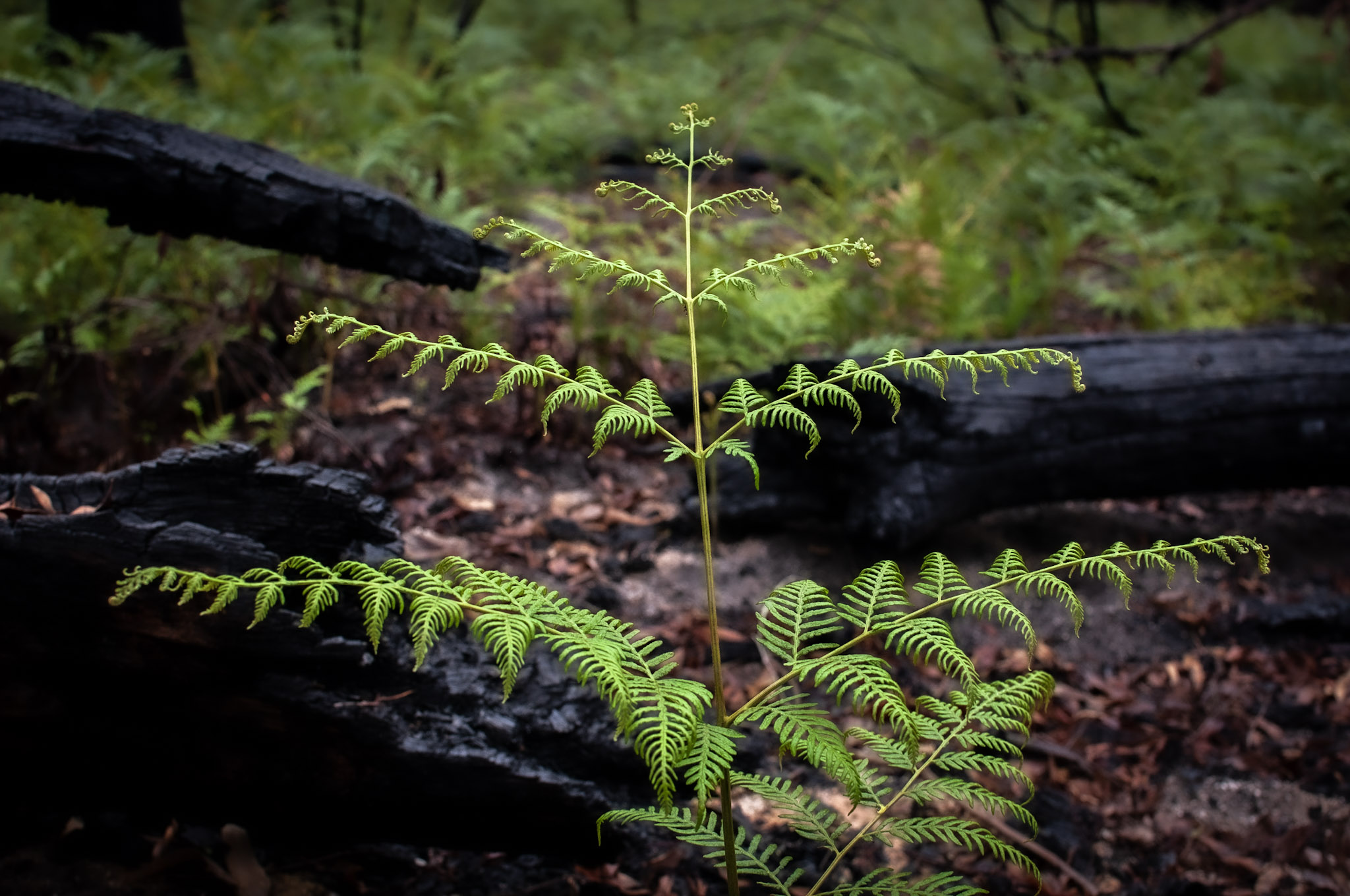
The photographs, posted here with permission, are by Ian Ferguson, a minister at Brunswick Uniting Church in Melbourne. They were taken in East Gippsland in February and March, following the Australian bushfires.

Burnt Tree, (c) Ian Ferguson

God of those who are numbed,
stunned by loss,
enfold us in a gentle darkness,
a hidden sleep, a long stillness.
Re-member us to ourselves,
awaken the courage we’d forgotten we had. [source]

God who knows chaos,
Who creates in darkness,
makes life from mud.
Give us back to ourselves
dissolved and helpless
may we feel ourselves forming
know our own shape. [source]

Fierce Lover of life,
give strength to our arms and our resolve.
Critical is this time for cleaning, swabbing, scrubbing
and washing our hands again.
And again, and again.
Let us join ourselves to the task
with readiness, steadiness, clarity.
Because we too love life,
our own and our neighbour’s. [source]

Bird over lake, (c) Ian Ferguson

Brooding God,
Who hovers over the waters,
Remain with us, for we are stranded on tiny islands of fear.
Draw a circle around our solitude,
hold us back from bringing danger to ourselves and others.
And where touch can no longer reach,
let love spin light across dark waters,
a thread of sweetness for small songs we might sing. [source]

God who speaks the word ‘Beloved,’
Keep watch on those who give voice to care,
Who speak trenchant truths,
explaining, instructing and chiding without blame.
Let us hear the warmth and strength in voices that stir response
and nourish hope in thoughtful action.
Give us ears to listen without fear. [source]

Spiderweb, (c) Ian Ferguson

God of the frail in body and mind,
be a companion in loneliness,
a consolation in absence,
a balm in mystified sorrow.
When doors, through dire necessity, must stay shut,
Let love arise in memory of gesture and embrace. [source]

God of Shadows,
give shelter to hollow, shaken humans
bewildered by sudden closure.
Sturdy structures shattered, hopeful trade ended,
meaningful work gone.
In the shocking silence where nothing can be said,
let birdsong be heard. [source]

Rainbow, (c) Ian Ferguson

Holy One who fears no fracture,
Lend your clarity to us for we are full of fear.
Already the abyss appears
Cracks in the earth, shifts in the ground we took for granted,
Now there is rupture
We do not trust our capacity to live.
That which is holy, divine, beyond us
frightens and allures us.
Call us to the mystery of the holy. [source]

God of the despondent,
Who sees our tiredness at futile effort,
Who knows that fear breeds phantoms,
help us we pray.
We are weary, and everywhere we turn
another impediment rises.
Our shoulders sag, the breath goes out of us.
In this stripped-back bareness, give us breath,
May we delight in human kindness, meet holiness anew. [source]

God of the harried,
Help us in the tension of these days,
for we are crushed by too many tasks,
nervous of new skills and tools in the too-much of this moment.
May we give heed without collapse,
restore our trust in longer spans of time – beyond the urgency of now. [source]

Ducks, (c) Ian Ferguson

Lover of all, Who watches through the night,
draw close to those who are dying,
and to those who mourn.
Calm our terror of abandonment.
Let us hold faith with one another
that love reaches beyond death. [source]

God who weeps,
comfort those who are dying,
may they die without fear.
And while they are yet living
give us courage to tell our love and trust in yours. [source]

Green fern in forest, (c) Ian Ferguson

This final prayer is not strictly a collect but rather a litany of things to love:

Great God who calls us to belonging,
Who delights in curiosity, invention, ingenuity:
Praise be for minds that bend and flex despite restriction,
for bodies that signal love by staying apart.
Praise be for neighbours talking across fences,
calling from balconies, waving through windows,
for greetings that cross the space between us.
Praise be for strangers, careful on footpaths,
for children asking their questions,
for truth tellers who earn our trust and speak to our fear.
Praise be for friends who warn and chide and encourage,
for human warmth in time of distance.
Praise be. [source]

You can follow Julie Perrin through her blog, Telling Words.

A prayer of thanksgiving

O my God,
. . . . . . . . . .
I bless You for the soul you have created,
For adorning it, for sanctifying it,
Though it is fixed in barren soil;
For the body you have given me,
For preserving its strength and vigor,
For providing senses to enjoy delights,
For the ease and freedom of limbs,
For hands, eyes, ears that do your bidding;
For your royal bounty providing my daily support,
For a full table and overflowing cup,
For appetite, taste, sweetness,
For social joys of relatives and friends,
For ability to serve others,
For a heart that feels sorrows and necessities,
For a mind to care for my fellow-men,
For opportunities of spreading happiness around,
For loved ones in the joys of heaven,
For my own expectation of seeing you clearly.
I love you above the powers of language to express,
For what you are to your creatures.
Increase my love, O my God, through time and eternity.

—Puritan prayer, compiled in The Valley of Vision (Edinburgh: Banner of Trust, 1975)