One of thirteen wall-mounted display panels (with opening doors) designed by Kossmanndejong for the ambulatory of the Church of St. Lawrence in Rotterdam, portraying the city’s diverse religious festivals. This one portrays Holi, a Hindu festival in March celebrating the victory of light over darkness and involving the throwing of colored powder and water. I took this photo when visiting during Lent 2019.
The following text has been floating around the internet for some time. It’s often attributed to the American motivational writer and Methodist lay leader William Arthur Ward (1921–1994), but it is not in his compilation of maxims, Fountains of Faith (Droke House, 1970), and it doesn’t sound like his other writings.
Fast from judging others; feast on the Christ within them. Fast from emphasis on difference; feast on the unity of life. Fast from apparent darkness; feast on the reality of light. Fast from thoughts of illness; feast on the healing power of God.
Fast from words that pollute; feast on phrases that purify. Fast from discontent; feast on gratitude. Fast from anger; feast on patience. Fast from pessimism; feast on optimism.
Fast from complaining; feast on appreciation. Fast from worry; feast on trust in God’s care. Fast from unrelenting pressure; feast on unceasing prayer. Fast from facts that depress; feast on verities that uplift.
Fast from lethargy; feast on enthusiasm. Fast from thoughts that weaken; feast on promises that inspire. Fast from shadows of sorrow; feast on the sunlight of serenity. Fast from problems that overwhelm; feast on prayer that undergirds.
Fast from bitterness; feast on forgiveness. Fast from self-concern; feast on compassion for others. Fast from personal anxiety; feast on eternal truth. Fast from discouragements; feast on hope.
It’s a stirring exhortation, and it always gets special traction during Lent, a penitential season in which many Christians practice the spiritual discipline of fasting (in the traditional sense of limiting food intake) and/or abstinence (refraining from eating a certain type of food). The language of “fasting” can be confusing, because traditionally, you’re to fast from good things for a set period of time, and then enjoy them all the more fully during a period of feasting; but people sometimes use the word “fast” to describe the act of giving up something that’s bad for them or that’s unholy and that, truth be told, would best be given up year-round. This text uses the latter meaning: reducing or abstaining from attitudes and behaviors that drag you or others down. It also acknowledges, as did the church fathers, that when you cut something unwholesome out of your life, it’s often wise to replace it with something wholesome.
Lent is an annual prompt for self-examination, a spiritual wellness check in which we’re invited to identify the ways we’ve veered off course from the way of Christ (or where we’re stumbling) and to let Christ’s grace draw us back (or help us surmount the obstacles). It’s a chance to tend to our disordered manners of being and develop healthy new habits as we seek to live more faithfully as people of God.
In February 2010, Msgr. Kerry Beaulieu adapted the above text for Our Lady Queen of Angels Catholic Church in Newport Beach, California, which he pastored from 2004 to 2018:
Fast from a gloomy outlook on life; Feast on what is bright and cheerful.
Fast from always being right; Feast on seeing another’s point of view.
Fast from always pointing out differences; Feast on what unites us all.
Fast from words that pollute; Feast on those that purify.
Fast from complaining; Feast on appreciation.
Fast from self-pity; Feast on goodness in others and self.
Fast from self-concern; Feast on going out to others.
Fast from overdoing; Feast on time for prayer.
Fast from worry; Feast on God’s love.
It was also adapted into the song “Fast from, Feast On” in 2014 by Latifah Alattas and Dave Wilton and is performed by Alattas (under the artist name Page CXVI) on the album Lent to Maundy Thursday.
Fast from the swelling darkness Feast on the power of his light Fast from discontentment Feast on the joy that he brings
Refrain: Sustainer, protector, the well of life My helper, my comfort, the bread of life Is you Is you
Fast from the fear that haunts us Feast on the power of his might Fast from the trap of judgment Feast on all that’s been redeemed [Refrain]
Bridge: From the sorrow’s shadow to perfect light From the darkness of our doubt to a cleansing white From the sorrow’s shadow to perfect light From the blindness of our sin to healing sight [Refrain]
I recommend choosing one or more of these fast-feast pairings to partake of during Lent. Or you could write your own aspirational list, tailored to the areas where you struggle and want to see growth. Rephrase it as a vow: “I will fast from . . . I will feast on . . .” If you are comfortable sharing for the edification of other readers, feel free to do so in the Comments section below.
February is Black History Month, and while I endeavor to showcase Black art year-round, today’s post gives it dedicated attention.
VIDEO: “Kerry James Marshall, Now and Forever; Elizabeth Alexander, ‘American Song,’ Washington National Cathedral,” Smarthistory, January 22, 2024: Art historian Beth Harris and Kevin Eckstrom, former chief public affairs officer of Washington National Cathedral, explore the latest artwork to be permanently installed in the US capital’s “house of prayer for all people”: two Now and Forever stained glass windows by Kerry James Marshall, depicting a march for racial justice. Unveiled on September 23, 2023, these replace windows that memorialized Confederate generals Robert E. Lee and Stonewall Jackson, which had been donated by the United Daughters of the Confederacy and installed in 1953. (For my international readers: The Confederacy was a group of eleven Southern US states that seceded from the Union in 1860 and 1861 to preserve the institution of race-based chattel slavery on which their plantation economies relied; its government was dissolved in 1865 following the end of the Civil War, but its legacy continued.)
In 2015, when a white supremacist, who touted the Confederate flag as symbolic of his ideology, murdered nine Black churchgoers in Charleston, South Carolina, Washington National Cathedral’s dean at the time, the Very Rev. Gary Hall, called for the removal of the Lee-Jackson windows, which initiated a two-year discernment process involving ample community discussions. The cathedral finally took down the windows in 2017 following a white nationalist rally in Charlottesville, Virginia, that claimed yet another life. The Very Rev. Randolph Hollerith, then the dean, said the windows “were a barrier to our mission, and an impediment to worship in this place.” Their removal and the installation of the Now and Forever windows in their place were funded by private foundations.
Kerry James Marshall (American, 1955–), Now and Forever, 2023. Fabricated by Andrew Goldkuhle. Stained glass windows, south outer aisle, bay 7, Washington National Cathedral, Washington, DC. Photo: Steven Zucker.
“American Song” by Elizabeth Alexander, commissioned by Washington National Cathedral and inscribed below Kerry James Marshall’s Now and Forever windows in bay 7. Photo: Victoria Emily Jones.
In addition to commissioning Marshall to design new windows, the cathedral commissioned the Pulitzer-nominated poet Elizabeth Alexander, who wrote and read “Praise Song for the Day” for President Barack Obama’s 2009 inauguration, to write a poem for this occasion. Titled “American Song,” it is inscribed on two limestone tablets beneath Marshall’s windows. The Windows Replacement Committee gave both artists this assignment:
We seek to tell a story of resilience, endurance, and courage that gives meaning and expression to the long and arduous plight of the African American, from slavery to freedom, from alienation to the hope of reconciliation, through physical and spiritual regeneration, as we move from the past to present day. The artist will capture both darkness and light, both the pain of yesterday and the promise of tomorrow, as well as the quiet and exemplary dignity of the African American struggle for justice and equality and the indelible and progressive impact it has had on American society. Each artist should respond in his or her own creative way to these ideals and aspirations, framing both the earthly and the divine, within the sacred space of the Washington National Cathedral.
When I was there last year, I asked the guide why the signs the figures hold don’t bear any of the more familiar slogans of our historical moment, such as “Black Lives Matter.” She said the artist deliberately did not want to tether the protest to a particular time period, in order to emphasize that the struggle for racial equality is ongoing. “Fairness,” “No Foul Play,” “No,” “Not”—these are expressions of demand and defiance that could apply to a number of justice-related issues and that encompass people of all races.
DANCE: “Still I Rise,” choreographed by Sean Cheesman: I really miss the TV show So You Think You Can Dance, which had aspiring dancers train across genres—contemporary, hip-hop, ballroom, jazz, etc.—with renowned choreographers, performing to compete for the title of “America’s favorite dancer.” It was entertaining, impressive (the athleticism!), and often moving. Here’s a contemporary routine choreographed by Sean Cheesman to spoken word artist Alexis Henry’s reading of a classic poem by Maya Angelou about Black strength and defiance. It’s danced by Koine “Koko” Iwasaki, Kiki Nyemchek, Taylor Sieve, and Mark Villaver. It’s from season 14, episode 12, which aired September 4, 2017.
(Another memorable Cheesman-choreographed dance from season 14 is an African jazz duet to Sheila Chandra’s “Speaking in Tongues II,” which unfortunately, I cannot find online.)
+++
ARTICLE: “Stephen Towns’ Quilted Works Emphasize Black Joy as Resistance in ‘Safer Waters’” by Kate Mothes: Through June 14, the Wichita Art Museum in Kansas is hosting the exhibition Safer Waters: Picturing Black Recreation at Midcentury, featuring eleven quilts and six paintings by the Baltimore-based artist Stephen Towns [previously]. Black history has always been an important aspect of Towns’s work, and in this series he was inspired by historic photographs (by Bruce Mozert) of Paradise Park, a segregated attraction in Silver Springs, Florida, that operated from 1949 to 1969 and that was popular among Black vacationers, providing a space for leisure and togetherness away from Jim Crow.
Stephen Towns (American, 1980–), All We Knew Was Joy, 2025. Natural and synthetic fabric, polyester and cotton thread, cubic zirconia, glass beads, and shell, 55 × 65 1/2 in.
Towns began his Paradise Park series in 2022 after reading Remembering Paradise Park by Cynthia Wilson-Graham and Lu Vickers, and this show is a continuation of it, for which he made seven new quilts (pictured in Mothes’s article). His art is displayed alongside some of Mozert’s photographs and related objects from Florida archives and collectors. See an exhibition walk-through on the artist’s Instagram page; see also photos from the opening on January 16–17.
Gospel music is one of the many gifts the Black church has given the world. Here are two songs from that distinctive choral tradition.
>> “Perfect Praise (How Excellent)” by Brenda Joyce Moore, performed by the Sunday Service Choir: Written in 1989 based on Psalm 8, this song gained recognition through its performance on the 1990 album This Is the Day by Walt Whitman and the Soul Children of Chicago, featuring Lecresia Campbell. It has since become a gospel choir standard, though often with the lead vocals eliminated (and that part taken by the full choir). It’s performed in this video by Sunday Service at the Théâtre des Bouffes du Nord in Paris on March 1, 2020.
>> “He’s a Wonder” by Jamel Garner, performed by the Chicago Mass Choir, feat. Cornelius Owens: This song about Jesus’s miracles is from the Chicago Mass Choir’s 2024 album Greater Is Coming.
+++
PODCAST EPISODES:
>> “Artist Archetypes with Jakari Sherman,”Be. Make. Do., January 21, 2025: I really enjoyed this conversation with Jakari Sherman on the soul|makers podcast hosted by Rev. Lisa Cole Smith, where he describes his journey as an artist and a believer. Sherman is a choreographer within the tradition of stepping, a percussive dance practice in which dancers use primarily their hands and feet to create music. Stepping comes from the African American Greek letter organizations and has roots, Sherman explains, in the antebellum South, where enslaved people had their drums taken away and thus had to find ways to express the rhythms they felt using just the floor and their own bodies. (Tap evolved largely for the same reason.)
Sherman is the creative director of [Jk]creativ, a multidisciplinary company developing purpose-driven and truth-seeking cultural works. From 2007 to 2014 he served as the artistic director of Step Afrika! and has continued to develop and direct works for them, such as Drumfolk and The Migration (which I saw in 2024 and was excellent). To establish a foundation for his scholarly research on the history of stepping, he completed a master of arts program in ethnochoreology at the Irish World Academy of Music and Dance in 2015. Below is a trailer for one of Sherman’s latest works, Our Road Home, an interactive rhythmic production that meditates “on what is means to find freedom—and to live it fully in body, soul, and spirit”; it premiered last June as part of a year-long collaboration with the Houston Freedmen’s Town Conservancy.
>> “Cole Arthur Riley – Black Liturgies,”Nomad, February 9, 2024: Tim Nash interviews Cole Arthur Riley, the best-selling author of Black Liturgies: Prayers, Poems, and Meditations for Staying Human(which grew out of her popular Instagram account @blackliturgies) and This Here Flesh: Spirituality, Liberation, and the Stories That Make Us. She is a wise, feeling, richly spiritual and embodied writer and speaker whose work I’ve appreciated. In this conversation she discusses her hang-ups with the Book of Common Prayer; battling chronic illness; balancing the active and contemplative lives; the revival of lament; self-sacrifice versus self-care; her experience of white people engaging with her work (“I like to think that there’s something mysterious that’s healed in us when we encounter each other’s interior worlds; when we hear words written by a Black woman toward God, that that could somehow move someone in some way, and move us closer to each other”); and what hope means to her and where she sees signs of it.
Even though I, as a white person, am not the intended audience for the book Black Liturgies, in reading it, I found it meaningful to listen to the cries of Riley’s heart. While many of the prayers are particular to the experience of being Black, still many others are general enough that they could be prayed by anyone. Part 1, organized thematically, consists of chapters such as “Dignity,” “Wonder,” “Doubt,” “Lament,” “Rage,” and “Rest,” whereas part 2 contains prayers for dawn, day, and dusk as well as for the liturgical year, secular holidays, and life occasions. I like the names for God with which she opens each prayer—e.g., “God of the shadows,” “God who expands,” “Divine Labyrinth,” “God aware,” “God of locked doors,” “God who reclaims,” “God our home,” “God of delight,” “God of the art that will never be seen,” “God who whispers”; it has prompted me to consider the names and descriptions I use for God and how they influence how I pray.
To give you a flavor of Black Liturgies, here are two prayers from the book (and note that prayers are only one component; also included are letters, quotes, questions for contemplation, confessions and assurances of pardon, and benedictions):
For Marveling at Your Own Face
God of the flesh, When we consider what is worthy of our wonder, it is easy to forget our own faces, our bodies. The world is relentless in indoctrinating us into self-hatred—into anti-Blackness, into transphobia, into misogyny in all forms. We are slowly and steadily brainwashed to despise our own faces from the time we’re tall enough to stare up at ourselves in the mirror. How can we resist this? Let the tyranny of the mirror be no more. May it instead become a portal—to delight, to pleasure, and to love. These noses, these hips, the way our hair rises and falls. The memories etched into our hands and faces. Remind us of the miracle of flesh that grows back, of blood that pulses warm beneath the skin that holds us. Of bodies, these holy beautiful bodies, that are working a thousand unseen miracles just so that we can read these lines, breathe this air, cry or not cry. As we peer into the face before us, remind us that we are something to behold. We believe; forgive our unbelief. Ase.
For Those Who Doomscroll
Still God, We confess that we are addicted to pessimism. Although we rarely name it as such, so much of our attention is devoted to negativity. Show us how we use technology to soothe and stir the aches in us. Keep us from turning control over to our anxiety, that it would no longer feed itself with news of tragedy and impending disaster. It is easy to become lost, buried in the quicksand of digital catastrophe. Draw our attention upward. Guide us to look away habitually; and not just away, but up at the sky, the grass, the table. Guide us inward as well. Acquaint us with goodness again. In the world, and in ourselves. Let us follow the children, freed from the grip of seriousness. Renew our playfulness. Lead us into wise rhythms of engagement, retreating to rest and breathe. Remind us that there is much the world needs, including our attention to atrocity—but if we watch the world burn for long enough, the fire will become our only reality. Amen.
Rembrandt Harmensz. van Rijn (Dutch, 1606–1669), Simeon in the Temple, 1669. Oil on canvas, 98.5 × 79.5 cm. Nationalmuseum Stockholm, Sweden. Photo: Erik Cornelius.
after Simeon in the Temple, Rembrandt, 1669
Fingers stretch as if supplicating hands are interrupted— the answer placed in his waiting arms.
Light glistens on his temple— the mind consoled by consolation’s burden.
Death takes the prophet; takes the artist before his painting is complete; takes the one already bearing sin’s stripes.
CONFERENCE: The Breath and the Clay: Exploring the Intersections of Art, Faith, and Culture, Winston-Salem, North Carolina, March 20–22, 2026: “Before the first word is spoken, before the brush touches the canvas or the note strikes the air, there is silence. Creation begins with a clearing, making space for new worlds to exist. An empty chair waits in welcome, an empty forest beckons us to come aside. Even absence itself becomes an opening for presence.
“At The Breath & The Clay 2026, we are exploring what it means to make space—for rest, for renewal, for art, for one another, and for the Presence that meets us in the emptiness. Together, we will practice making room: for the unfinished, and the unfurnished, for the overlooked, for voices not our own. In this space, we will make art—our response to the silence that precedes creation, our offering to the mystery and miracle that ever calls us onward.”
This annual gathering features presenters from across the disciplines of poetry, music, visual art, theater, film, dance, creativity coaching, and real estate development. General admission is $299.
>> “How Long (A Christian Lament)” by IAMSON: This week the Richmond, Virginia–based singer-songwriter IAMSON (the artist name of Orlando Palmer) wrote his pain into a song and shared it on social media. “I challenge all Christian artists to write about what’s really going on,” he says, likely referring to the two murders committed this month by US federal agents from Immigration and Customs Enforcement (ICE) and Customs and Border Protection (CBP) and, more broadly, the agencies’ hypermilitarized tactics, indiscriminate raids, illegal detainments, and terrorizing of communities in deference to President Trump’s mass deportation initiative.
>> “Psalm 10” by Poor Bishop Hooper: Poor Bishop Hooper (Leah and Jesse Roberts) have set all 150 psalms of the Bible to music. Psalm 10 is one I had not ever heard a musical interpretation of. Belonging to the genre of lament, it opens:
Why, O LORD, do you stand far off? Why do you hide yourself in times of trouble? In arrogance the wicked persecute the poor— let them be caught in the schemes they have devised.
>> “Micah 6:8” by Monroe Crossing:Monroe Crossing [previously] is a Minnesota bluegrass band whose members are Lisa Fuglie (fiddle), David Robinson (banjo), Derek Johnson (guitar), Matt Thompson (mandolin), and Mark Anderson (bass). This is a song Fuglie and Anderson wrote in 2011 inspired by Micah 6:8, one of this coming Sunday’s lectionary readings: “He has told you, O mortal, what is good, and what does the LORD require of you but to do justice and to love kindness and to walk humbly with your God?” Many Christians hold on to this as a “life verse,” a summation of God’s values that serves as a guiding principle.
FREE DIGITAL POETRY BOOKLET: Inkwell Poetry for the New Year (2026): Last week Inkwell (formerly Ekstasis), a publication of Christianity Today, released a collection of twenty poems curated by guest editor J. C. Scharl, and it’s excellent! “A storytelling community seeking transcendence,” Inkwell is in a period of refining their identity, and this offering is a sort of stopgap until they reintroduce poetry features into their editorial flow. (Right now they’re focusing on creative nonfiction.)
“Knocking on the Door,” woodcut from Von der ynnigen selen wy sy gott casteyet vnnd im beheglich mach, aka Christus und die minnende Seele (Christ and the Loving Soul), published in Erfurt, Germany, ca. 1500. Museum Otto Schäfer, Schweinfurt, Germany, OS 231, fol. 5v. Digitized by Bayerische Staatsbibliothek.
“Sonnet XVIII” by Lope de Vega
¿Qué tengo yo que mi amistad procuras?
¿Qué interés se te sigue, Jesús mío,
que a mi puerta cubierto de rocío
pasas las noches del invierno escuras?

¡Oh, cuánto fueron mis entrañas duras
pues no te abrí! ¡Qué extraño desvarío
si de mi ingratitud el hielo frío
secó las llagas de tus plantas puras!

¡Cuántas veces el ángel me decía:
«¡Alma, asómate agora a la ventana,
verás con cuánto amor llamar porfía!»
¡Y cuántas, hermosura soberana,
«Mañana le abriremos» – respondía,
para lo mismo responder mañana!
From Rimas sacras (Sacred Rhymes) by Lope de Vega (Madrid, 1614). Public domain.
Lope de Vega (1562–1635) was as astoundingly prolific Spanish playwright, poet, and novelist who was a key figure in the Spanish Golden Age of Baroque literature. His 1,800-some plays encompass the categories of religious, mythological, historical, pastoral, chivalric, and comedies of manners. A known philanderer, Lope had multiple love affairs throughout his life; besides the four children he had from his two wives, he also had at least ten more by his mistresses. The death of his son in 1612, and then of his lover the following year, threw him into an existential crisis, and he turned toward religion, even joining the Catholic priesthood in 1614—but that path didn’t lead to the personal reform he had thought he wanted, as he continued his womanizing. He died of scarlet fever at age seventy-two.
Translated by Henry Wadsworth Longfellow
Lord, what am I, that with unceasing care
     Thou didst seek after me, that thou didst wait,
     Wet with unhealthy dews, before my gate,
And pass the gloomy nights of winter there?

Oh, strange delusion, that I did not greet
     Thy blest approach! and oh, to heaven how lost,
     If my ingratitude’s unkindly frost
Has chilled the bleeding wounds upon thy feet!

How oft my guardian angel gently cried,
     “Soul, from thy casement look, and thou shalt see
     How he persists to knock and wait for thee!”
          And oh, how often to that voice of sorrow,
“Tomorrow we will open,” I replied,
          And when the morrow came I answered still, “Tomorrow.”
Henry Wadsworth Longfellow (1807–1882) was an American poet, educator, and linguist, best known for “Paul Revere’s Ride” and “The Song of Hiawatha.” From 1829 to 1854, he was a professor of modern languages, first at Bowdoin College, his alma mater, and then at Harvard University. Though rooted in New England, he traveled extensively in Europe and was proficient in—besides his native English—Spanish, Portuguese, French, German, Italian, Danish, Swedish, Finnish, and Polish, as well as Latin and Greek. He frequently translated poetry from those languages into English, his most influential translation being of Dante’s Divine Comedy, which brought that work to a wider English-speaking audience.
Translated by Geoffrey Hill
Based on the prose translation by J. M. Cohen in The Penguin Book of Spanish Verse, 3rd ed. (Penguin, 1988)
What is there in my heart that you should sue
so fiercely for its love? What kind of care
brings you as though a stranger to my door
through the long night and in the icy dew

seeking the heart that will not harbour you,
that keeps itself religiously secure?
At this dark solstice filled with frost and fire
your passion’s ancient wounds must bleed anew.

So many nights the angel of my house
has fed such urgent comfort through a dream,
whispered ‘your lord is coming, he is close’
that I have drowsed half-faithful for a time
bathed in pure tones of promise and remorse:
‘tomorrow I shall wake to welcome him.’
Sir Geoffrey Hill (1932–2016), a Fellow of the Royal Society of Literature, was an English poet and literary critic who is recognized as a principal contributor to those fields in the twentieth and twenty-first centuries. He was a Christian. From 1988 to 2006, he lived in the United States, where he taught literature and religion at Boston University, but throughout his career he also had professorships at Oxford, Leeds, and Cambridge. “Hill’s poetry is known for its barbed humor, personal intensity, and deep interests in culture, history, and religion,” Poets.org states, and for being dense and intellectually rigorous.
The eighteenth sonnet from Lope de Vega’s Rimas sacras—reproduced above in its original Spanish and in two English translations—portrays Jesus as a lover, knocking tenaciously to be let into his beloved’s heart. He stands outside at night in the cold, a coldness matched by the beloved’s indifference, for she says, “I’ll open tomorrow,” but then keeps putting off that promise to the next day and the next . . .
“The poet marvels at the persistence of divine love in the face of human ingratitude,” writes Colin Thompson in his journal article “‘The Resonances of Words’: Lope de Vega and Geoffrey Hill.” Lope mines the paradox of fiery passion and icy rejection, Thompson says, “pressing . . . the traditional language of Petrarchan and courtly love into the service of spiritual love.”
Lope derived the conceit of “¿Qué tengo yo?” from two biblical passages: one in the Old Testament and one in the New. Part of an ancient Hebrew erotic love poem, the first is Song of Solomon 5:2–6, in which a woman narrates how, lying in bed one night, she hears her lover’s call outside, but she waits too long to answer, for when she rises to open the door, he has gone:
I was sleeping, but my heart was awake. The sound of my beloved knocking! “Open to me, my sister, my love, my dove, my perfect one, for my head is wet with dew, my locks with the drops of the night.”
I had put off my garment; how could I put it on again? I had bathed my feet; how could I soil them? My beloved thrust his hand into the opening, and my inmost being yearned for him.
I arose to open to my beloved, and my hands dripped with myrrh, my fingers with liquid myrrh, upon the handles of the bolt. I opened to my beloved, but my beloved had turned away and was gone. My soul failed me when he spoke. I sought him but did not find him; I called him, but he gave no answer.
Chapter 3, verse 20 of Revelation, the final book of the Bible, implicitly references this passage. Christ exclaims to the church in Laodicea, “Listen! I am standing at the door, knocking; if you hear my voice and open the door, I will come in and eat with you, and you with me.” The extrapolation of the Song of Solomon romance to the relationship between Christ and the church, allegorized as his bride, would become common in early Christian biblical interpretation.
In his poem, Lope was also likely drawing on Augustine, a fourth- and fifth-century church father he is known to have read. In a famous passage from book 8 of his Confessions, Augustine describes how he initially responded to Christ’s wooing with indecisiveness:
I had no answer to make to you when you called me: Awake, thou that sleepest, and arise from the dead, and Christ shall give thee light. And, while you showed me, wherever I looked, that what you said was true, I, convinced by the truth, could still find nothing to say except lazy words spoken half asleep: “A minute,” “just a minute,” “just a little time longer.” But there was no limit to the minutes, and the little time longer went a long way. (trans. Rex Warner)
Augustine’s conversion to Christianity was a slow one because of his slothful will. Many modern readers find that they relate to him in this—procrastinating making a faith decision because of force of habit and resistance to change. We worry what a commitment to Christ would demand of us, and it’s easier to just continue living for ourselves. So we settle for the status quo. Geoffrey Hill, in his translation of Lope, describes “the heart . . . / that keeps itself religiously secure,” punning on “religiously,” which in this case means “fervently, zealously”: the heart that, unwilling to be vulnerable, not daring to love and be loved, keeps itself closed to Christ.
Besides these biblical and patristic influences on Lope’s poem, Rafael Lapesa, in his 1977 book Poetas y prosistas de ayer y de hoy (Poets and Prose Writers of Yesterday and Today), identifies another: De los nombres de Cristo (The Names of Christ) by the Spanish Augustinian friar Luis de León, a masterpiece of Renaissance philosophical and theological thought first published in 1583. The “Pastor” (Shepherd) section in book 1 reads in part:
Madruga, digo antes que amanezca se levanta; o, por decir verdad, no duerme ni reposa, sino, asido siempre al aldaba de nuestro corazón, de contino y a todas horas le hiere y le dice, como en los Cantares se escribe: Abreme, hermana mia, Amiga mia, Esposa mia, abreme; que la cabeza traigo llena de rocio, y las guedejas de mis cabellos llenas de gotas de la noche.
He [Christ] rises early, I say; before dawn he rises. Or, to tell the truth, he neither sleeps nor rests but, always clinging to the knocker of our heart, continually and at all hours strikes it and says to it, as it is written in the Song of Songs: “Open to me, my sister, my love, my bride, open to me; for my head is covered with dew, and the locks of my hair are full of drops of the night.” (my translation)
Lope eulogized Luis in his seven-thousand-line Laurel de Apolo (1630) and clearly admired him.
The “Christ as lover” trope appears copiously in Christian literature, and Lope de Vega is but one poet who developed it, engaging it from a personal, confessional angle. Written right after his return to Christianity—after he finally opened the door to Christ—his “Sonnet XVIII” looks back on the many years he spent ignoring Christ’s entreaties so that he could pursue various lusts, which he would continue to struggle with for the rest of his life. He expresses wonder that Christ would love someone like him, and be so steadfast in his knocking. Unlike the knocking lover in the Song of Solomon, Christ stood before Lope’s door until Lope answered at last, “Come in.”
11. The Ballad of Wallis Island, dir. James Griffiths. The award goes to Charles Heath (Tim Key) for being 2025’s most endearing onscreen character, and for eliciting the most laughs. Charles is a quirky, widowed lottery winner living on a remote island off the coast of Wales. As a superfan of McGwyer Mortimer, a folk duo who broke up over a decade ago, he hires the two musicians, Herb (Tom Basden) and Nell (Carey Mulligan), to reunite for the performance of a private concert at his home. Herb didn’t know Nell was coming, and her presence causes tension, as they used to be in a romantic relationship—from which Herb has never fully moved on—and now she’s married.
The Ballad of Wallis Island was written by the male costars, Key and Basden, longtime comedy collaborators, who based the script on a short film they released in 2007. It’s about growing apart in love and ambition; looking back with gratitude on what once was while also recognizing the inability to recover it, and embracing new possibilities.
Streaming on Prime Video.
12. The Plague, dir. Charlie Polinger. A psychodrama with elements of body horror, The Plague is set at a middle school boys’ water polo summer camp in 2003. Ben (Everett Blunck) is kind and timid but also eager to fit in, so he cautiously befriends cool guy Jake (Kayo Martin). Jake and the other boys bully the socially awkward Eli (Kenny Rasmussen), who has a severe rash that they call “the plague” and that they claim spreads through contact. Ben feels sympathy for Eli and surreptitiously reaches out to him, at the risk of his own ostracization. The film explores the brutal peer group dynamics that male adolescents must navigate, especially as they seek to conform to cultural definitions of masculinity and normalcy. The performances by the three main child actors are excellent.
13. Familiar Touch, dir. Sarah Friedland. When the film opens, we’re inside Ruth’s (Kathleen Chalfant) kitchen; a former professional cook, she’s fixing a gourmet lunch for a date with a younger man (H. Jon Benjamin). But it turns out that man is not a boyfriend but her son; and the luggage he has prepared for her is not for some romantic getaway but for her new home in the “Memory Lane” wing of an assisted living facility. Familiar Touch is a humane (nonmiserabilist) portrayal of living with dementia, granting priority to Ruth’s perspective as she adjusts to her new living situation, facing fears and disorientation but also finding moments of comfort, connection, and joy. Writer-director Sarah Friedland said she wanted to tell a coming-of-old-age story, a transition as dramatic, she says, as that from teen to adult.
Streaming on MUBI.
14. A Little Prayer, dir. Angus MacLachlan. As I started watching this film, I thought how similar it feels to Junebug, one of my favorite movies—then I realized it’s by the same writer, who here also steps into the director’s chair. Shot and set in Winston-Salem, North Carolina, where MacLachlan has spent his whole life, A Little Prayer is, as reviewer Brian Tellarico sums up on Letterboxd, “a gentle dramedy about a decent man realizing he hasn’t raised a decent son.”
David (Will Pullen) and his wife Tammy (Jane Levy) live with David’s parents, Bill (David Strathairn) and Venida (Celia Weston). When Bill discovers that David is being unfaithful in his marriage, he confronts him. He is protective of his daughter-in-law. Bill and Tammy’s relationship is the central one of the film and is beautifully portrayed—the genuine affection they have for one another; they’re “kindred spirits,” as Tammy says. Bill finds it easier to talk with Tammy than with his own two children. (His flaky daughter is a sometime tenant in the house, whenever she’s fighting with her cocaine-dealing romantic partner.)
I also really like, in Bill and Venida’s characters, the portrayal of a seasoned marriage, especially as relates to parenting adult children. They want their kids to be strong, kind, fulfilled, principled—but they are continually disappointed in these hopes. The film shows them trying to accept the freedom their kids have to make their own choices, even when what they choose is short-sighted, dangerous, or immoral.
15. Souleymane’s Story, dir. Boris Lojkine. Souleymane (Abou Sangaré) is a Guinean immigrant to Paris, working illegally as a food delivery cyclist while in the process of seeking asylum. Set over two days, this social realist drama is empathetic and unsentimental in its look at the precarity of living in Europe without documents and the stress of navigating government bureaucracies to attain them. Other than the asylum interviewer, all the actors in the film are nonprofessionals. The lead was an auto mechanic when the casting director found him and is himself a Guinean seeking permanent residency in France. The story Souleymane tells at the end of the film is Sangaré’s real story of why and how he came to Paris.
Streaming on Kanopy.
16. Sinners, dir. Ryan Coogler. A southern gothic horror blockbuster, this is the most talked-about movie on my list, and the most ambitious. It’s October 1932, and twin brothers Smoke and Stack (both played by Michael B. Jordan) have just returned to their hometown of Clarksdale, Mississippi, after having worked with Al Capone in Chicago. They are opening a juke joint to carve out a space of freedom for their Black community, and they arrange for their cousin Sammie (Miles Caton), the blues-loving son of a disapproving preacher, to perform. But Sammie’s music—its ability to “pierce the veil between life and death, past and future”—attracts a group of white vampires led by the centuries-old Irishman Remmick (Jack O’Connell). He’s seeking converts to his community of “fellowship and love,” and when they don’t join willingly, he takes them by force.
Going in, I had assumed the film would be an allegory of the terror of white supremacy, but it is more layered than that, and I’m not sure I understand all the layers. It’s in one sense about how white people feed on Black culture in destructive ways. But Remmick is a complex villain, as he shares with the protagonists a history of being oppressed, and he seems to be motivated by his homesickness for Ireland; he mourns the loss of his culture and yearns to reconnect with his ancestors. If that’s Remmick’s objective, it’s unclear to me how his actions would achieve that. I’m also confused as to what Remmick is selling—a melting pot of world musics? a vast, cross-cultural ancestral community? harmonious coexistence?—but most interpret it as assimilation in the guise of “let’s all get along.” While the film’s treatment of racial and cultural identities, ancestral ties, and racism is complex, its treatment of religion is (sadly) simplistic, portraying Christianity only as a sinister colonizing force, a system that not only does not contain the resources for liberation but that is itself oppressive both for cultures, which it kills or dilutes, and for individuals, restricting the pursuit of bodily pleasures.
Still, I rate Sinners highly for its big swings, its entertainment value, its cinematic craftsmanship, the popular discourse it has sparked, its phenomenal music, and the best scene of the year—the one in which the juke joint fills with centuries’ worth of African and African American music and dance traditions (from Senegalese xalam playing to G-funk, Zaouli dancing to Alvin Ailey ballet), creating an energy that literally burns the house down.
Streaming on HBO.
17. Grand Theft Hamlet, dir. Sam Crane and Pinny Grylls. Cinema, theater, and gaming combine in this unique and riotous documentary shot entirely inside Grand Theft Auto Online, an online multiplayer action-adventure game in which players roam as criminals through a hyperviolent variation on Los Angeles. During the COVID-19 pandemic lockdown in January 2021, two professional but out-of-work actor friends from the UK, Sam Crane and Mark Oosterveen, found themselves increasingly spending time on GTA and decided, for a fun challenge and for community, to stage a complete production of Shakespeare’s Hamlet inside the video game. They posted notices for auditions (no experience required), recruited security (to deter shootings), assigned parts, scouted locations, chose costumes, ran rehearsals, then oversaw the performance of the full play in July 2022 before an audience of in-game avatars, excerpts of which are shown in the last fifteen minutes of the film.
What makes the film so charming is the incongruity of it all. Grand Theft Auto enables players to indulge all sorts of depravities through a fictional character—steal cars, pick up prostitutes, blow people up. While sure, there’s depravity in Hamlet too, I wouldn’t think that those who enjoy GTA would enjoy classic Elizabethan drama. One taps into our baseness, the other into our nobler sentiments. So it’s surprising that Crane and Oosterveen’s project gained traction. And so comical! But also beautiful, in how lonely, isolated people all over the world endeavored to make art together in this unlikely virtual space during quarantine.
Streaming on MUBI.
18. When Fall Is Coming, dir. François Ozon. Michelle (Hélène Vincent) lives in the Burgundian countryside, enjoying a quiet retired life, which includes the regular company of her longtime friend Marie-Claude (Josiane Balasko). Michelle has a good relationship with her preteen grandson Lucas (Garlan Erlos), but not with her daughter Valérie, Lucas’s mother (Ludivine Sagnier). When Valérie is hospitalized one day after eating poisonous mushrooms her mom unwittingly served for lunch, she cuts her off from Lucas. Meanwhile, Marie-Claude’s son Vincent (Pierre Lottin) has just gotten out of prison, and Michelle forms a motherly bond with him. He, in turn, becomes protective of Michelle and, seeing the pain she’s in being separated from Lucas, tries to mediate a reconciliation between mother and daughter—but his confrontation of Valérie causes a whole new set of troubles and turns this domestic drama into a character-driven mystery.
Streaming on Tubi and Prime Video.
19. East of Wall, dir. Kate Beecroft. Just east of Wall, South Dakota, the real-life Tabatha Zimiga works as a rancher, rescuing, training, and selling horses with her teenage daughter Porshia, a champion barrel racer. On her 1,200 acres, she also offers refuge to local teens who have fled abusive situations or whose parents can’t afford to take care of them, giving them a home and coaching them in competitive rodeo. Filmmaker Kate Beecroft met the Zimiga family (which also includes sons Chevy and Stetson) while looking for a story, and ended up living with them for three years in preparation for shooting the docufiction drama East of Wall, a female western. Other than professional actors Jennifer Ehle and Scoot McNairy, all the actors, including the two leads, play versions of themselves. The film centers on the mother-daughter pair, who are grieving the death of their husband and stepfather while also finding strength and solace in riding and in the community they’ve built.
20. Don’t Let’s Go the Dogs Tonight, dir. Embeth Davidtz. When casting the lead for her adaptation of a portion of Alexandra Fuller’s best-selling memoir, director Embeth Davidtz was looking for a grubby-faced wild child who could ride a horse and a motorbike and who had never acted before—and she found one in a small village in the South African bush in Lexi Venter, whose performance as eight-year-old Alexandra, aka “Bobo,” a white Rhodesian, is extraordinary. The movie depicts Bobo’s life on her family’s cattle farm during the final stages of the Bush War in the late 1970s, in which Black Rhodesians fought for independence from their white (British and British-descended) colonizers. Bobo is plucky and imperious and says outrageous things, some of which she’s heard from adults; family chaos, racial tensions, and national politics are narrated from her perspective, innocent (in the sense of simple, candid, ingenuous) and ignorant as it is. Davidtz plays Bobo’s mentally unstable mother, who drinks heavily to deal with her grief, not primarily over a collapsing way of life but over something more personally wrenching.
The title is a British idiom meaning “Let’s avoid ruin” or “Let’s not act in degrading ways,” an admonition spoken especially before parties—let’s not become like spoiled food thrown to the dogs. It originated with a poem by the English humorist A. P. Herbert, who writes, “Don’t let’s go to the dogs tonight, / For mother will be there.”
This is my sixth consecutive year of sharing my top twenty newly released films—see my favorites from 2024, 2023, 2022, 2021, and 2020. My criterion for qualifying as a 2025 release is the film had to have shown in commercial screenings in the US in that year; or if there was no theatrical release, it had to have become available through video on demand. I’ve seen over a hundred such films and will share with you the ones I like best, split across two posts.
The first Shaker settlement in colonial New York, the forests of early twentieth-century Idaho, a juke joint in Jim Crow Mississippi, the political prisons of 1970s Brazil, a crumbling ranch during the Rhodesian Bush War, a night market in Taipei, the beaches of a remote Welsh island—these are some of the places where the stories unfold. They explore parent-child relational fracture; the grief of losing a child or a spouse; the experience of spiritual ecstasy; the beauty of building a life and a family; the pressures of unemployment; the struggles of settling into a new city, country, or living arrangement; the horrors of adolescence; the consuming urge for revenge against an oppressor, and what to do when you’re confronted with their humanity; art making in (virtual) community; and the complicated process of healing from the trauma of sexual assault; among other themes.
Viewer discretion advised: Please beware that about half of these films have R ratings and may contain content that some find offensive. I do not flag such content because I don’t keep track of it and I evaluate movies based on their merit as a whole, recognizing that “mature” content is often necessary to tell a particular story; my descriptions should give you a good sense of whether that story is one you’d like to engage. But of course, if your conscience proscribes you from viewing certain content, please consult a content guide beforehand to determine if the film will be safe for you.
1. Sentimental Value, dir. Joachim Trier. Nora (Renate Reinsve), a stage actress, and her father Gustav (Stellan Skarsgård), a filmmaker, have a broken relationship. When she was a child her dad drank a lot, cheated on her mom, and left Norway for long periods of time to focus on his career. Now in his old age, Gustav wants to reconcile, and the only way he knows how to affirm the hurt his daughter feels and apologize for it is to write a role for her in a movie inspired by his own childhood, in which she would play a version of his mother. Nora has no interest in the project. She thinks it’s only a publicity stunt, not realizing it’s her dad’s way of saying, “I see you.”
Sentimental Value is about the emotional communication we lack, but also art as a way of translating pain into something we can share. (Film has the power to say things without saying them, fostering understanding.) It’s about the wounds family members inflict on each other, about love and rage and regret.
We come to learn that depression has afflicted three generations of this family: Nora, her mother, and her paternal grandmother. One of the most poignant scenes is where, when Nora is incapacitated again from her mental illness, her sister Agnes (Inga Ibsdotter Lilleaas) comes to clean her apartment while she lies awake on the couch—a simple act of care. The sisters’ bond is, I think, the sweetest aspect of the film.
2. The Testament of Ann Lee, dir. Mona Fastvold.The Testament of Ann Lee is a musical biopic of the primary founder of the Shakers, a Christian sect that emerged in mid-eighteenth-century England and that was known for its ecstatic worship (“shaking”); under the visionary Ann Lee’s leadership, it would also come to be distinguished by its practice of communal living, celibacy, gender and racial equality, pacifism, and meticulous craftsmanship. Fleeing religious persecution, Lee (played by Amanda Seyfried) emigrated to America in 1774 with a small group of followers, building a community in upstate New York—but their loud, night-long worship services (which sparked rumors of witchcraft), their refusal to fight in the Revolutionary War (due to their commitment to nonviolence), and many men’s disapproval of sexual abstinence (women, including wives, flocked to the new movement) led to attacks in their new home country too.
Visceral and rousing and built largely on the rhythm of breaths and body slaps, Daniel Blumberg’s soundtrack is phenomenal; much of it consists of new arrangements of old Shaker hymns, including “Hunger and Thirst,” “All Is Summer,” and “Pretty Mother’s Home,” but he also composed a few original songs as well. Using historical documentation of Shaker dancing as fodder for the imagination, choreographer Celia Rowlson-Hall designed the ways in which the characters commune with God together through movement, bringing all their emotions to bear in their bodies.
As someone deeply interested in Christian history (even unorthodox offshoots) and early American hymnody, I was already inclined to like this movie. But I did not expect to be as transported as I was. The story, the acting, the music and dancing, the costumes, the set design, the cinematography—all contribute to an electric, devotional film that illuminates the life and legacy of a radical woman preacher from centuries past. I did not know that Lee had had four children and lost them all in infancy; this repeated trauma likely prompted her teaching, which she claimed to have received in a revelation from God, about the sinfulness of sex. In many ways, the film is about moving through grief.
3. Hamnet, dir. Chloé Zhao. We don’t know much about William Shakespeare, and still less about his wife Anne (aka Agnes, pronounced AHN-yes). One thing we do know is that the couple had three children, and their only son Hamnet—a name interchangeable with “Hamlet” in the loose orthography of the time—died at age eleven, likely of the bubonic plague. Based on a novel by Maggie O’Farrell, Chloé Zhao’s Hamnet traces Will (Paul Mescal) and Agnes’s (Jessie Buckley) relationship from courtship to marriage to childbearing and -rearing and then, in the second half, through the waves of grief that hit them in different ways after the sudden death of Hamnet (Jacobi Jupe). The film focuses especially on Agnes’s perspective, opening with her nestled in the exposed roots of a giant tree (establishing her deep connection to nature), developing her as a feral yet tender character at first radiant with the joys of motherhood and then ripped apart by loss, and climaxing with a transcendent moment she experiences in community at the premiere performance of Hamlet at the Globe Theatre in London.
Several Shakespeare biographers have speculated that his writing Hamlet was a means by which he processed his grief over the loss of his son, reconfiguring that grief into a work of art. Even though it’s about the death of a father, the play contains ghosts, mourning, madness, guilt, and contemplations of suicide that may have been at least partially colored by Will’s own personal tragedy. O’Farrell and Zhao, who cowrote the Hamnet screenplay, have given this theory a compelling narrative framework, a story of marital love that’s strained by grief but that survives it.
4. No Other Choice, dir. Park Chan-wook. Man-su (Lee Byung-Hun) is a hardworking, upper middle-class South Korean family man with a wife (Son Ye-jin) and two kids. He takes pride in his work as a manager at a paper mill, producing beautiful products. Then suddenly, after twenty-five years at the same company, he’s laid off due to an American buyout. After more than a year of unemployment, he grows desperate and decides to eliminate the three highest-qualified men in competition with him for a job in the paper industry.
Often in dark comedy thrillers, murder is treated lightly. Not so here. We see the humanity of Man-su’s targets, the shocking and unjust nature of his determined course of action, and the soul-hollowing cost of moral compromise. Despite the film’s premise, there’s actually no graphic violence, other than when Man-su extracts from his mouth a rotting tooth, symbolic of his pained conscience, with pliers (plus a disturbing image having to do with bonsai wiring). A satire of capitalism and the male ego, the film explores the lengths to which a man is willing to go to maintain an affluent lifestyle for himself and his family. And oh, what wonderfully composed shots! (Props to cinematographer Woo-hyung Kim.)
5. I’m Still Here, dir. Walter Salles. This Brazilian biographical drama is about the real-life Eunice Paiva (played by Fernanda Torres), a mother of five who fought for the truth after her politically dissident husband, Rubens Paiva (Selton Mello), was forcibly disappeared by the country’s military dictatorship in 1971. Suddenly thrown into the role of sole head of family, Eunice must hold everyone together and reinvent herself. She moves her family to São Paulo, earns a law degree, and becomes an activist at the center of campaigns to open archives on the victims of the military regime. She is indefatigable in demanding answers and pursuing justice. Her endurance is a form of resistance.
The director of I’m Still Here, Walter Salles, spent time with the Paivas during his adolescence—he was friends with one of Eunice’s boys and frequented their teeming, music-filled oceanfront home in Rio de Janeiro before Rubens went missing. The first half hour of the film activates those memories, while the film as a whole is based on a book by Eunice’s son Marcelo Rubens Paiva.
Streaming on Netflix.
6. On Becoming a Guinea Fowl, dir. Rungano Nyoni. Made and set in Zambia, this comedy-drama is in Bemba and English. Its title is a metaphor referring to how guinea fowl use their voice—a screech—to warn the flock of predators or other impending dangers. The film opens with Shula (Susan Chardy) driving home from a party one night—wearing a glittering helmet and a puffy black jumpsuit inspired by Missy Elliott’s “The Rain” video—when she finds her uncle Fred lying dead in the road. She doesn’t seem upset, and later, when gathered with her relatives, they press her. Where are your tears? She observes her family’s performative grief for a man she knew to be immoral and their mistreatment of Fred’s widow, and she wants no part of it.
It’s hard to talk about this film without giving away a key reveal. But I can say that it’s about the silence families keep to maintain the myth of a happy and well-functioning unit, the behavior of elders that families pretend not to notice for the sake of cohesion. Consider who gets mourned and who/what does not. A critique of patriarchal culture in Zambia, the film confronts generational differences, especially as relates to traditionalist versus progressive notions of accountability, agency, respect, and respectability.
Streaming on HBO.
7. Train Dreams, dir. Clint Bentley. Adapted from Denis Johnson’s 2011 novella of the same name, Train Dreams spans the 1890s through 1960s in and around Bonners Ferry, Idaho. Both grand and quiet, transcendent and personal, it chronicles the small, simple frontier life of Robert Grainier (Joel Edgerton)—all the beauty and pain it holds. Orphaned at age six, Robert meets Gladys (Felicity Jones) sometime in his twenties, and the two marry. They build a cabin together near a river, and have a daughter. The family enjoys ordinary pleasures, like supper by candlelight, naps on the front porch, chasing chickens in the yard.
Robert works first as a railroad bridge builder, then as a logger—which takes him away from home for months at a time—then as a hauler. He suffers incredible loss, but he keeps moving on, into old age, as the wild country all around him modernizes and marvels like airplanes, television, and space travel are introduced. The film is about dreams realized and unrealized, about grief and change, about the fleetingness and yet (paradoxically) substantiality of human life.
Streaming on Netflix.
8. It Was Just an Accident, dir. Jafar Panahi. Working one day in an auto shop in Tehran, Vahid (Vahid Mobasseri) is traumatized by the voice and gait of a first-time customer, whom he swears is Eghbal (Ebrahim Azizi), an Iranian government security officer who, years earlier, had blindfolded and tortured him when he was imprisoned for speaking out for workers’ rights. In a thirst for vengeance, Vahid kidnaps the man and is in the process of burying him alive in the desert when he starts to have doubts as to whether he’s the right person. He tracks down a few of his fellow ex-prisoners, including a wedding photographer (Mariam Afshari) and a young bride-to-be (Hadis Pakbaten), to provide identity confirmation—but they, too, have mixed degrees of certainty.
Equal parts retribution drama, moral thriller, and screwball road comedy, this film explores what happens when four victimized men and women turn the tables on their victimizer. It wrestles with justice and mercy—what they look like, which is more virtuous or more prudent in this situation, and what would distinguish the civilians’ act of killing from the murders committed by the regime they resist.
Writer-director Jafar Panahi has spent time in Iranian prisons under the charge of “propaganda against the Islamic Republic of Iran” and has been banned from filmmaking in that country, so he had to shoot It Was Just an Accident furtively. I was surprised by how effective the comedic elements are against the backdrop of brutality. (My description makes the film sound only harrowing, but it’s also funny; there were quite a few laughs in the audience during the screening I attended.) It’s a difficult tonal balance to pull off, but Panahi does.
9.Left-Handed Girl, Shih-Ching Tsou. Single mom Shu-Fen (Janel Tsai) and her daughters, college-age I-Ann (Shih-Yuan Ma) and five-year-old I-Jing (Nina Ye), have just moved from rural Taiwan back to the city of Taipei. Shu-Fen opens a noodle stand at a night market, I-Ann takes a job as a “betel nut beauty” (dressing seductively to sell a fruit chewed for its stimulant and mild narcotic effects), and I-Jing attends school and takes care of her pet meerkat. This family drama is about these three female protagonists adapting to their new environment, each navigating their own challenges, whether that be paying the rent and dealing with old-fashioned parents; finding a new social scene and a place to belong; or overcoming the shameful “curse” (as I-Jing’s grandpa keeps reminding her) of being left-handed. There’s a clichéd plot device used to amp up the drama that irks me, but other than that, I enjoyed this story of acclimation and survival.
Director Shih-Ching Tsou wrote the screenplay with Sean Baker—whose Florida Project, which Tsou co-produced, is one of my favorite all-time films. She shot Left-Handed Girl entirely on an iPhone 13.
Streaming on Netflix.
10. Sorry, Baby, dir. Eva Victor. Writer-director and lead actor Eva Victor’s feature film debut is a tragicomedy about healing after sexual assault. Her character, Agnes, is a literature professor at a college in small-town New England—the same college where, three years earlier, her graduate thesis adviser raped her. She works through her trauma with the support of her friend Lydie (Naomi Ackie); her adopted cat Olga, her neighbor Gavin (Lucas Hedges), and a stranger with a sandwich shop (John Carroll Lynch) also offer her their presence. Wit and empathy combine in this nonlinear, life-affirming story of a woman in the process of recovering her sense of self and security that were wrenched from her by a trusted other.
SPOTIFY PLAYLIST: January 2026 by Art & Theology: Almost every month I compile thirty faith-inspired songs on Spotify—roughly two hours of listening—to showcase just a sampling of the well-crafted, spiritually nourishing music that is out there. Though this is several days late, here are some songs to kick off the new calendar year.
+++
NEW ALBUM + OTHER RESOURCES: Matthew: Gospel Collection by The Soil and The Seed Project: Directed by Seth Thomas Crissman, an educator, musician, and pastor in the Mennonite Church, The Soil and The Seed Project is “a community-supported ministry of the church working for spiritual renewal—in individuals, families, and communities—through beautiful, creative resources that help us together turn towards Jesus in the ordinary moments of life.” I always look forward to their releases, the latest of which is a thirty-song “folk opera,” as they call it, based on the Gospel of Matthew, accompanied by seven commissioned linocut prints by Bethany Tobin (free for church use), seven poems by Michael Stalcup, and twenty-five “little liturgies.”
The beautiful opening track, cowritten and performed by Spectator Bird (“Won’t you tell me a story that’s true . . .”), is followed by a range of narrative-based songs (on the Dreams of Joseph, the Temptation in the Wilderness, the Calming of the Storm, the Transfiguration, the Entry into Jerusalem, the Last Supper, the Resurrection, etc.); settings of the Beatitudes, the Lord’s Prayer, and other teachings from the Sermon on the Mount, as well as cherished sayings about the greatest commandment and Jesus’s easy yoke; songs on parables such as the foolish builder, the sower, the lost sheep; and more. There are far fewer songs about Christ’s passion than I would have expected, but that may be because there’s a relative dearth in music that engages the other parts of the Gospel, or because they anticipate overlap with forthcoming Gospel Collection albums on Mark, Luke, and John. I love what they present here.
Bethany Tobin, Mary Magdalene and Mary sit opposite the tomb, 2025. Used courtesy of The Soil and The Seed Project.
>> RELEASE CONCERT: On Sunday, January 18, 2026, at 3 p.m. at First Presbyterian Church in Harrisonburg, Virginia, The Soil and The Seed Project are going to perform the entire album from start to finish, with a full band and almost all the contributing artists. Admission is free, but they ask that you consider donating some toiletry items for the local food pantry; there will be a collection box on-site. Find more info at https://www.thesoilandtheseedproject.org/matthew#release-concert.
+++
END-OF-YEAR READING STATS: My Year in Books 2025 (Goodreads): I read 138 books last year, mostly poetry. Exactly half were written by women—I’ve been more intentional about seeking out female authors, ever since someone challenged me on that. I hadn’t realized how disproportionately I was reading male authors, especially for theology. Nothing wrong with men!—but in the interest of closing the gender gap in my personal reading habits so that I can benefit from a wider swath of voices and support women writers, I commit to reading at least as many women as men each year.
(The book covers in this graphic are randomly generated by Goodreads from my list of read books.)
I’ve mentioned several of my favorite recent reads on the blog already (e,g., A Whole Life in Twelve Movies, An Axe for the Frozen Sea, Picturing the Apocalypse), but let me mention a few more. I wish I had time to write thoughtful reviews. I’m obliged to mention that if you make a purchase from any of the following links, I earn a small commission from Amazon.
Motherhood: A Confession by Natalie Carnes: This one’s hard to describe, but here’s the publisher’s attempt: “What if Augustine’s Confessions had been written not by a man, but by a mother? How might her tales of desire, temptation, and transformation differ from his? In this memoir, Natalie Carnes describes giving birth to a daughter and beginning a story of conversion strikingly unlike Augustine’s―even as his journey becomes a surprising companion to her own.” Despite my not being a mother, this book, which is also about embodiedness, and by a theologian I’ve met at conferences on multiple occasions, really captivated me. Thank you to a reader who purchased it for me from my wish list!
I really love the newish Fullness of Time series from InterVarsity Press, edited by Esau McCaulley, which celebrates the riches of the church year in seven short little volumes. It starts withAdvent: The Season of Hopeby Tish Harrison Warren and Christmas: The Season of Life and Light by Emily Hunter McGowan. As someone who didn’t grow up observing the liturgical calendar but who now does and gets asked about it by Christians for whom it’s unfamiliar, I find these explainers to be a helpful resource as well as personally enriching, and I look forward to reading more.
Bruegel: The Complete Works: This monster of a book from the art publisher Taschen, which comes in a carrier case, was a present from my husband. It’s beautifully produced, with full-color reproductions, foldouts, essays, and cataloging info. Pieter Bruegel (the Elder), a sixteenth-century Flemish artist, is known for his detailed, densely populated (sometimes a hundred-plus figures!) paintings of biblical narratives and peasant scenes, many of which were copied by his son, Pieter Bruegel the Younger. I give the text four stars but an overall five stars merely for the quality of the images (especially the inclusion of high-resolution details, which are generally not accessible online) and the value of having an authoritative catalog of all the artist’s authenticated works.
Goodreads is a social cataloging website for book lovers. I use it mainly to keep track of the books I’ve read and the ones I want to read. You can also tag books, a feature I use to group by topic or genre, though I’m not entirely consistent with the labeling. I’m a volunteer Goodreads Librarian, meaning I can edit book details and create new book records. Follow me on Goodreads.
+++
Victoria’s Book Wish List: If you would like to support Art & Theology, buying me a book from my Amazon wish list is one tangible way to do that. (Only those with a US Amazon account can do this, I believe.) The books I read influence the content I write and the artists I feature. I keep this link up-to-date year-round, and it lives permanently on this site’s Donate page (where there’s also a link to give financially through PayPal). I only include books that relate to the objectives of this blog. Thank you to those who have gifted me with surprise shipments throughout this past year! My husband says my eyes light up the brightest when I’m receiving a new book. I think it’s because I delight so much in growing my mind and spirit through wisdom and beauty.
Sometimes people ask me how I decide which books to buy versus which to get from the library. On his Astonishing Things Substack, Wes Vander Lugt shares the criteria he uses—and mine are largely the same. He writes:
Is it a book from a favorite writer that I will want to digest slowly, re-read, and cherish having in my home? Buy it.
Is it a book that piques my interest but the quality of writing and value of the content is relatively unknown? Get it from the library.
Is it a novel from a trusted author that I may not be able to finish in a month and/or will most likely want to re-read or at least revisit for inspiration and reflection? Buy it.
Is it a novel that I can reasonably finish in a month without feeling rushed? Get it from the library, along with the audiobook format if available.
Is it a book by a friend? Buy it!
Is it a book by a writer who feels like a friend, and none of the local libraries have a copy after a reasonable time following the release? Buy it.
Is it a book I would really love to own but my buy-it list is too long? Get it from the library first, and if it strikes a deep chord and the book budget is not maxed out, buy it.
I do get many books from the Linthicum Public Library right down the road from my house here in Maryland, which I usually visit at least once a week. I’m grateful for the service they provide, and for their partnership with Marina Interlibrary Loan, through which I can request books from other libraries in the state. I also regularly borrow movies from the library. However, books that I will take a long time to read, will reference again and again, or would want to lend to a friend—or that simply are not available through the library system in my area but that I desperately want to read and are reasonably priced—those are the kinds I’m likely to add to my wish list or purchase myself.
+++
EXHIBITION: The Stars We Do Not See: Australian Indigenous Art, November 15, 2025–March 1, 2026, National Gallery of Art, Washington, DC: I saw this show last month, curated by Myles Russell-Cook from the collection of the National Gallery of Victoria in Melbourne, and it was fantastic. I recommend the free guided tour, especially if Aboriginal art is new to you. “Don’t miss this once-in-a-lifetime exhibition of Aboriginal and Torres Strait Islander art—the largest ever shown in North America. Australian Indigenous art is a visual thread connecting more than 250 nations across 65,000 years. Explore its breadth and brilliance through nearly 200 works from the late 1800s to today. You’ll find ochre paintings made on bark, maps of the Central and Western deserts (so-called ‘dot paintings’), groundbreaking works in neon, video, and photography, and more. And you’ll meet iconic artists who maintain and reinvigorate Ancestral traditions—revealing the rich, living history of creativity behind the world’s longest continuous culture.”
Here are some of the photos I took:
Nyapanyapa Yunupiŋu (Gumatj, ca. 1945–2021), Gäna (Self), Yirrkala, Northern Territory, 2009–18. Earth pigments on eucalyptus. National Gallery of Victoria, Melbourne. Photo: Victoria Emily Jones.
Nyapanyapa Yunupiŋu, Gäna (Self) (detail)
Gulumbu Yunupiŋu (Gumatj, 1945–2012), Garak (The Universe), Yirrkala, Northern Territory, 2008. Earth pigments on eucalyptus. National Gallery of Victoria, Melbourne. Photo: Victoria Emily Jones.
Gulumbu Yunupiŋu, Garak (The Universe) (detail)
Paintings by (top, left to right) Kunmanara (Patju) Presley, Boxer Milner Tjampitjin, Walangkura Napanangka, Tjayanka Woods, Donkeyman Lee Tjupurrula, Ronnie Tjampitjinpa, (bottom, left to right) Turkey Tolson Tjupurrula, Nora Wompi, Wingu Tingima (×2), Wakartu Cory Surprise, Eubena Nampitjin
Larrakitj (memorial poles) are hollowed eucalyptus logs, carved and painted, made by the Yolŋu people of Arnhem Land, Australia, traditionally to hold ancestral bones, though some, like these, are made exclusively for the contemporary art market and contain no human remains. Photo: Victoria Emily Jones.
Gawirriṉ Gumana (Dhalwangu, ca. 1935–2016), Guyamirrilil (detail), Gäṉgaṉ, Northern Territory, 2003. Earth pigments on eucalyptus. National Gallery of Victoria, Melbourne. Photo: Victoria Emily Jones.
Malaluba Gumana (Dhalwangu, 1953–2020), Dhatam (Waterlilies) (detail), Gäṉgaṉ, Northern Territory, 2017. Earth pigments on eucalyptus. National Gallery of Victoria, Melbourne. Photo: Victoria Emily Jones.
Emily Kam Kngwarray (Anmatyerre, ca. 1910–1996), Anwerlarr Anganenty (Big Yam Dreaming), Delmore Downs, Northern Territory, 1995. Synthetic polymer paint on canvas. National Gallery of Victoria, Australia. Photo: Victoria Emily Jones.
Claudia Moodoonuthi (Kaiadilt, 1995–), 360 Flip on Country, Meanjin/Brisbane, Queensland, 2014. Synthetic polymer paint on skateboards. National Gallery of Victoria, Melbourne. Photo: Victoria Emily Jones.
Yvonne Koolmatri (Ngarrindjeri, 1944–), Magic Weaver, Berri, South Australia, 2005. Sedge, wood. National Gallery of Victoria, Melbourne. Photo: Victoria Emily Jones.
Tony Albert (Girramay / Yidinji / Kuku Yalanji, 1981–), History Repeats, Meanjin/Brisbane, Queensland, 2022. Found kitsch objects and timber. National Gallery of Victoria, Melbourne. Photo: Victoria Emily Jones.
The title of the exhibition comes from the late artist Gulumbu Yunupiŋu, known affectionately as “Star Lady.” She developed “a signature style characterized by dense networks of crosses unified by fields of dots. Each cross represents a star and all that is visible within the known universe, while the dots in between symbolize everything that remains unknown.” See images 3 and 4 in the slideshow above.
After its run at the National Gallery in Washington, The Stars We Do Not See will be traveling to the Denver Art Museum in Colorado, the Portland Art Museum in Oregon, and the Peabody Essex Museum in Massachusetts.
LOOK: Adoration of the Magi by Silvestro dei Gherarducci
Silvestro dei Gherarducci (Italian, 1339–1399), Adoration of the Magi in an Initial E, cutting from a gradual, Florence, 1392–99. Illumination on parchment, 59 × 40 cm. Morgan Library and Museum, New York, MS M.653.5. All photos by Victoria Emily Jones. [object record]
(See commentary below.)
LISTEN: “Ecce advenit dominator Dominus” (Behold, the Sovereign Lord Is Come), introit for the Epiphany of the Lord, ca. 7th century | Performed by Floriani (men’s vocal ensemble), 2024
Ecce advenit dominator Dominus:
et regnum in manu eius
et potestas et imperium.

Deus, judicium tuum regi da,
et justitiam tuum filio regis.

Gloria patri,
et filio, et spiritui sancto,
sicut erat in principio,
et nunc, et semper,
in saecula saeculorum. Amen.
Behold, the Sovereign Lord is come,
and in his hand the kingdom,
and power, and dominion.

Give the king your justice, O God,
and your righteousness to a king’s son.

Glory be to the Father,
and to the Son, and to the Holy Spirit,
as it was in the beginning,
is now, and ever shall be,
world without end. Amen.
In the Roman Catholic Church, the introit (sung while the priest approaches the altar for the Eucharist) for the Mass of the Epiphany is derived from three Old Testament texts: Malachi 3:1, 1 Chronicles 29:12, and Psalm 72:1. It communicates the royalty of Christ.
The church has sung this cento since as far back as the seventh century. The musical notation has been preserved in graduals (books that collect all the musical items of the Mass).
Two years ago at the Morgan Library and Museum in New York, I saw an Ecce advenit leaf from a now-dispersed medieval gradual that caught my attention with its glimmering gold. It’s one of twenty-three cuttings that the museum owns from a manuscript made at the Camaldolese monastery of Santa Maria degli Angeli in Florence, Italy, in the late fourteenth century, for the monastery of San Michele a Murano in Venice. The illuminations are by the then-prior (head) of Santa Maria, Silvestro dei Gherarducci.
The primary image on the page is an Adoration of the Magi inside a letter E (for Ecce). When a scene or figures appear inside a large decorative letter at the start of a text section, it’s called a historiated initial.
In the scene, the Holy Family stands at the mouth of a cave—Jesus is seated on Mary’s lap, while Joseph stands beside them holding a vessel that the elder magus handed him, a gift for the Christ child. It was typical for artists to depict the three magi as different ages: young (beardless), middle-aged, and elderly (gray-haired). The oldest of the group kneels on the ground, lays down his crown, and kisses Christ’s feet while the other two await their turn. In the background, a servant restrains two bridled camels.
Across the top and left margins of the page is a colorful vine scroll, and in the lower margin there’s a bas-de-page depicting the magi following the star. I love their fantastic hats! The elder one, astride a horse, points the way forward (the guiding star shines from the left of the page near some blue foliage); the other two follow his direction on camels. In front of the caravan are two servants, one walking on foot with a bag slung over his shoulder, and the other riding a camel beside a second camel carrying a chest that contains the treasures the magi will bestow on the newborn king they’re journeying to pay homage to.
I like to imagine the community of Camaldolese monks in late medieval Venice singing from this choirbook on Epiphany, the lovingly wrought images of Christ-pursuing, Christ-worshipping magi enlivening their engagement with the gospel story and supplementing their own worship.
While monastic choirs have retained the monophonic style of music (that is, a single melody line sung in unison or traded off) that the church used for most of the Middle Ages—what we call Gregorian chant—over time, the church at large developed a taste for more elaborate, polyphonic music (that is, music with two or more simultaneous but relatively independent melodic lines), which came into full flower during the Renaissance and was sung in cathedrals.
To illustrate the difference between medieval monophony and Renaissance polyphony, here’s an example of the latter: the English composer William Byrd’s setting, from 1607, of the Ecce advenit. During his lifetime it was sung in Epiphany services in the Church of England as well as in the manor houses of recusant Catholic families (who were forced by law at the time to worship clandestinely).
Epiphany is no isolated and solitary act. It is a process: it is eternally typical of the Divine character. We will not merely look back over the long centuries at the manifestation that first flashed forth before the eyes of the Three Wise Men. Here and now, God is revealing Himself afresh before our very eyes. . . . For us too, clogged and choked by the dismal sand, there is a star that guides, a God who beckons. If only we would see!
Today’s art and music selections are not a cultural match—the painting comes from the United States, bears Nigerian, Chinese, and Persian influences, and features a famous Dutch modernist in the corner, while the piano composition, written by a Hungarian based on a Romanian folk tune, comes from Central and Eastern Europe. But I find them to be a great match tonally—they’re both vibrant and spirited—not to mention the subject matter they share.
Tomorrow will be the final post in the daily Christmas series for this liturgical year.
LOOK: The Magi and Mondrian by Tanja Butler
Tanja Butler (American, 1955–), The Magi and Mondrian. Oil and acrylic on Masonite, cradled with 2-inch unstained birch plywood, overall 10 × 12 in.
Artist’s statement by Tanja Butler [previously], via ArtWay: “The magi represent the cultures of the world, coming from the four corners of the earth to bring homage to the newborn King. The poses are drawn from royal Nigerian sculpture, Chinese paintings, and Persian manuscripts. The magi are forerunners of generations to come; all nations will bring the gifts of their unique cultures. In the bottom left corner Piet Mondrian offers his painting of chrysanthemums, an image reflecting natural order and creative stasis, the single-minded goal for which he sacrificed all nonessentials – a reminder of the determined search of the magi.”
LISTEN: “Trei crai de la Răsărit” (Three Kings from the East), series 1, no. 10 from Romanian Christmas Carols (Sz. 57, BB 67) by Béla Bartók, 1915 | Performed by György Sándor, 1962
“Trei crai de la Răsărit” (Three Kings from the East) is from a suite of twenty very short piano compositions in two series by the Hungarian composer Béla Bartók, which he based on Romanian colinde he had collected throughout the Transylvanian region. This one comes from the village of Rogoz in Bihor County.
Colinde (sing. colindă) are Romanian folk songs sung at Christmastime, typically by small groups of young men who after some rehearsal walk from house to house on Christmas Eve, caroling at each door. As Bartók himself noted, not all the colinde texts relate to Christmas; many regale folktales, ancient battles yarns, and pagan myths about nature and spirits. Christianity in Romania has absorbed and transformed some elements of the region’s pre-Christian past, integrating winter solstice traditions into a repertoire of Christmas song that also, of course, includes stories of Jesus’s birth.
“Trei crai de la Răsărit,” about the visit of the three wise men, is one of the explicitly Christian colinde. As the piano prances, I can picture the travelers riding with excitement toward Bethlehem.
Though I’ve found a few slow, somber Romanian songs with this same title, I’ve been unable to find the particular tune Bartók adapted for this più allegro (more lively, faster) movement that concludes the first series of his Romanian Christmas Carols. I’m curious to hear a vocal version and to know the lyrics—which Bartók had suggested be printed above the right hand in the score, an idea his publisher decided against.
To listen to the full suite as performed by Dezső Ránki and to follow along with the sheet music, see this video (“Trei crai de la Răsărit” occurs at 4:39–4:54):

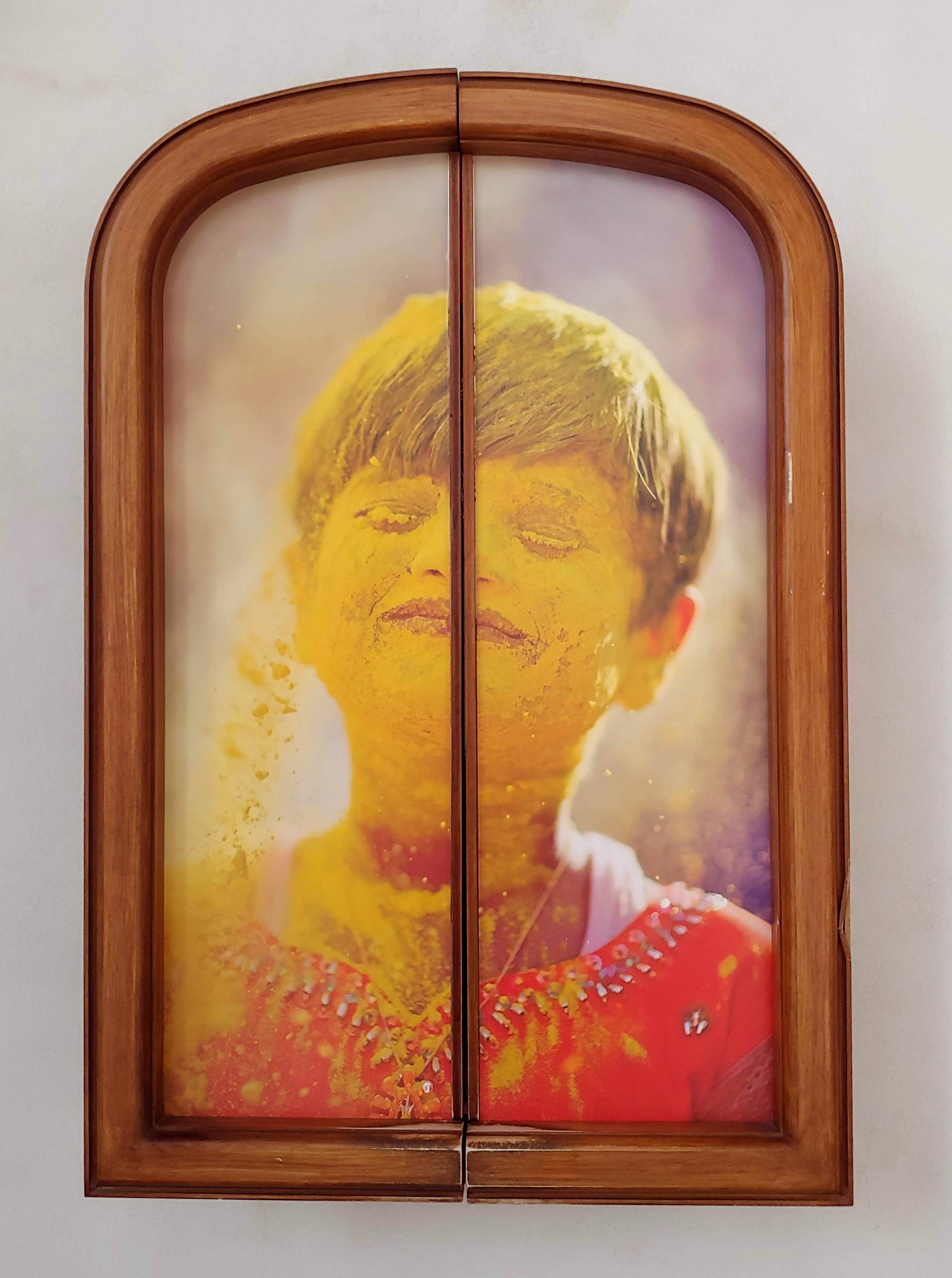
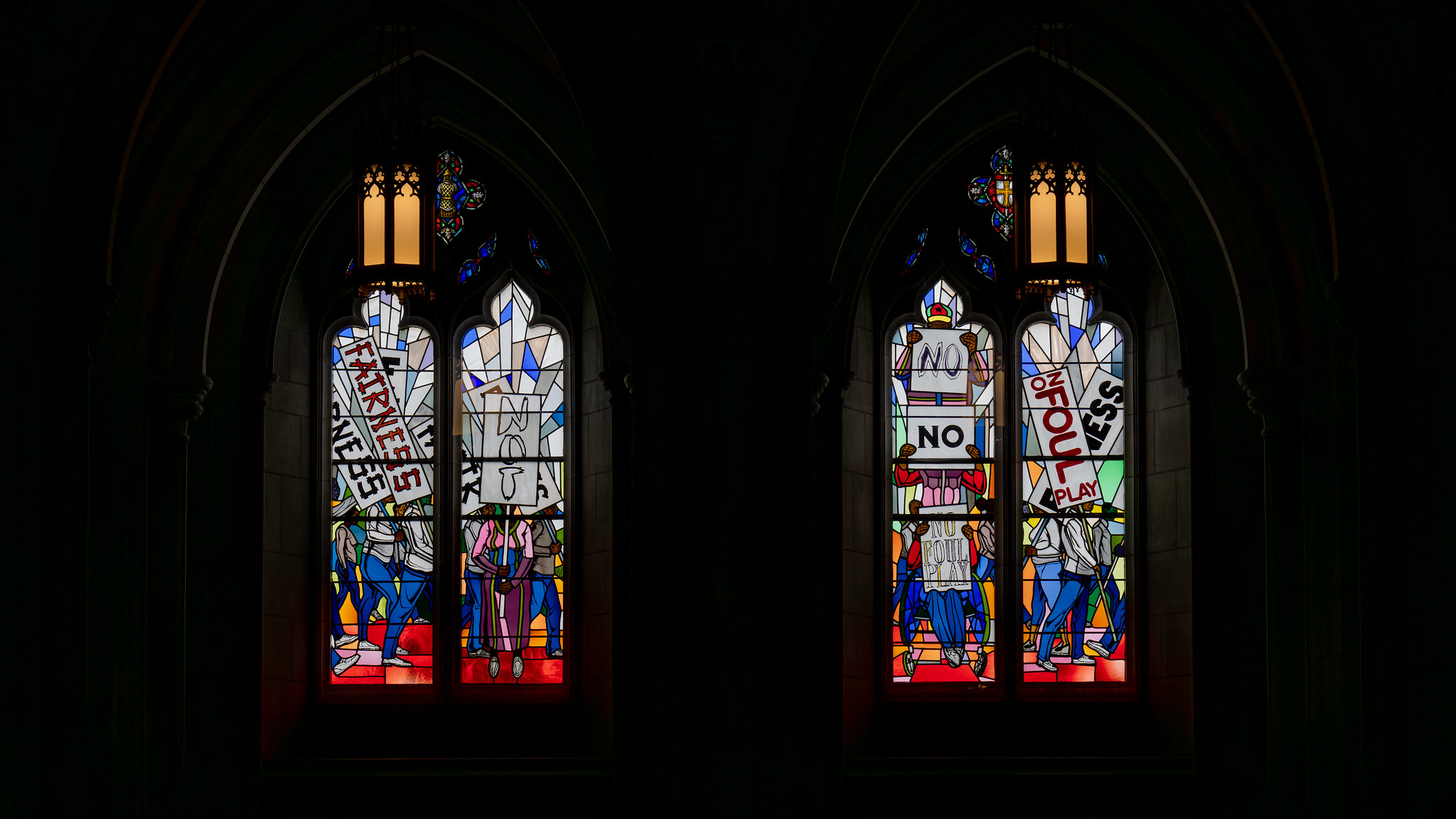
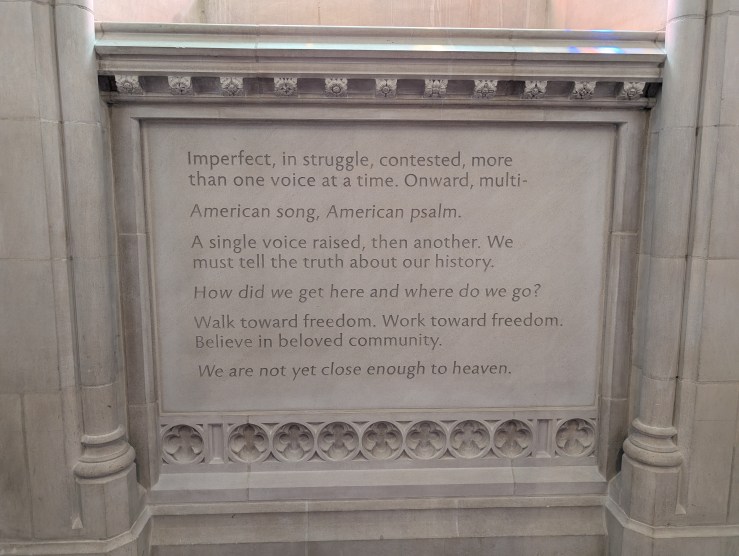
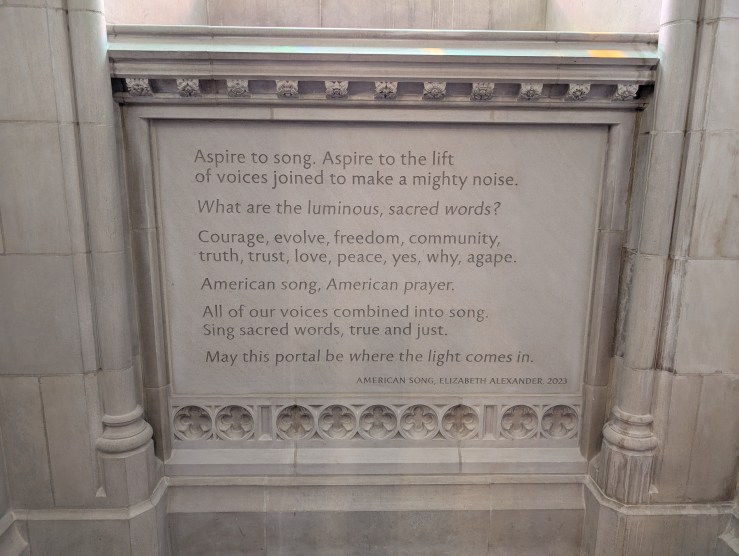
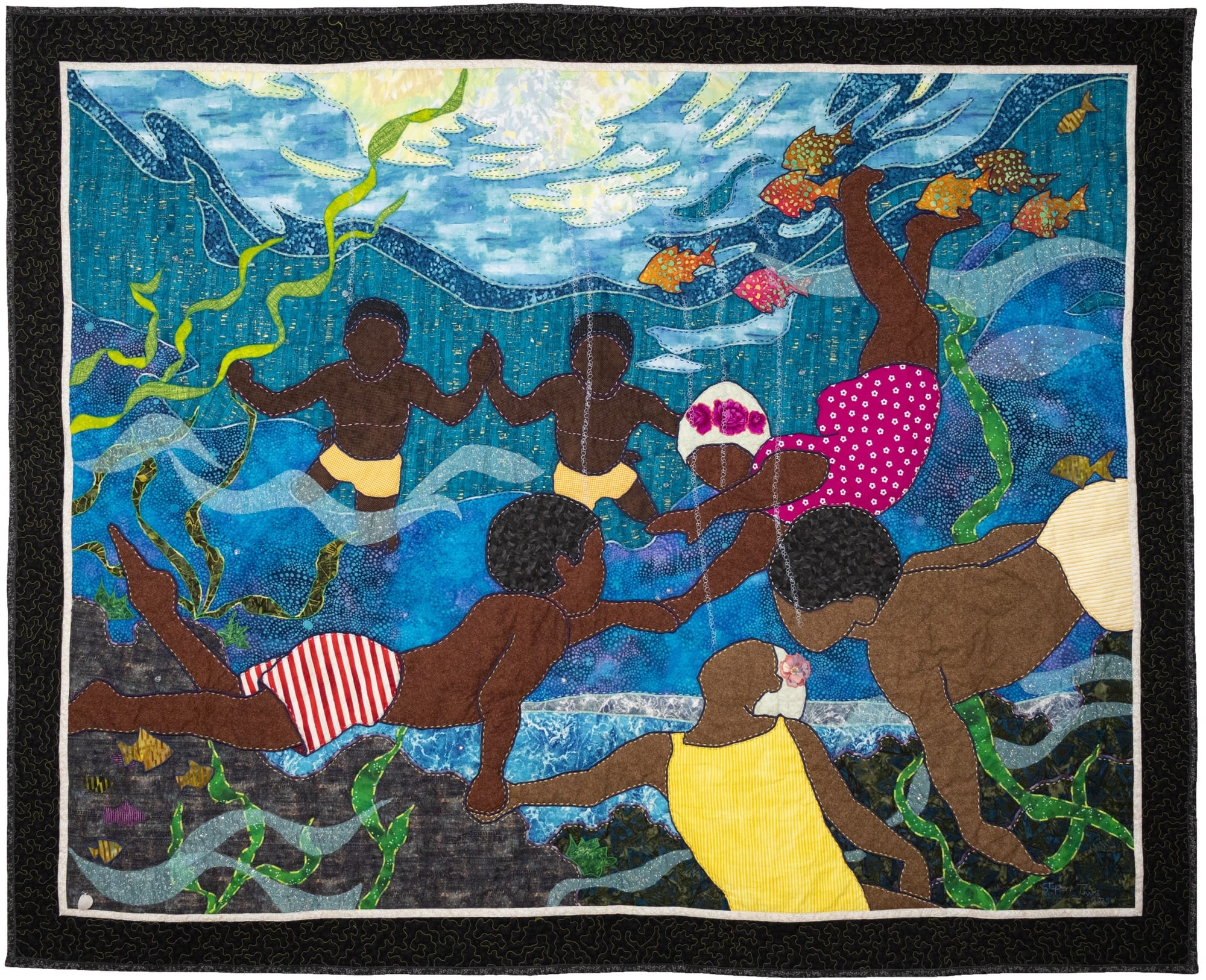
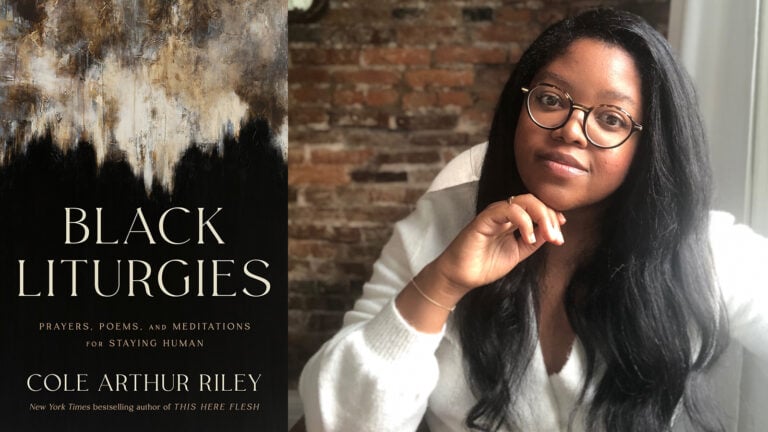
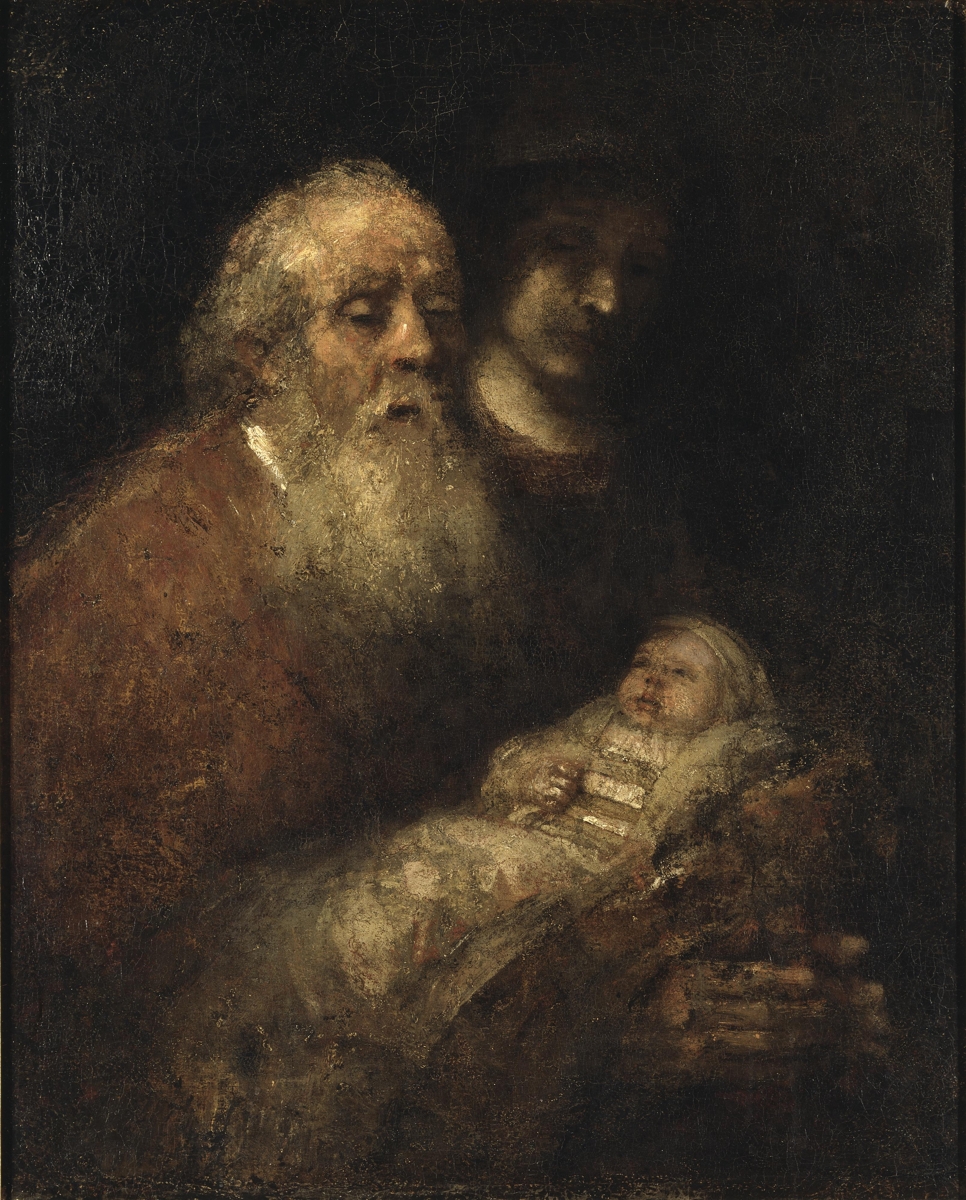
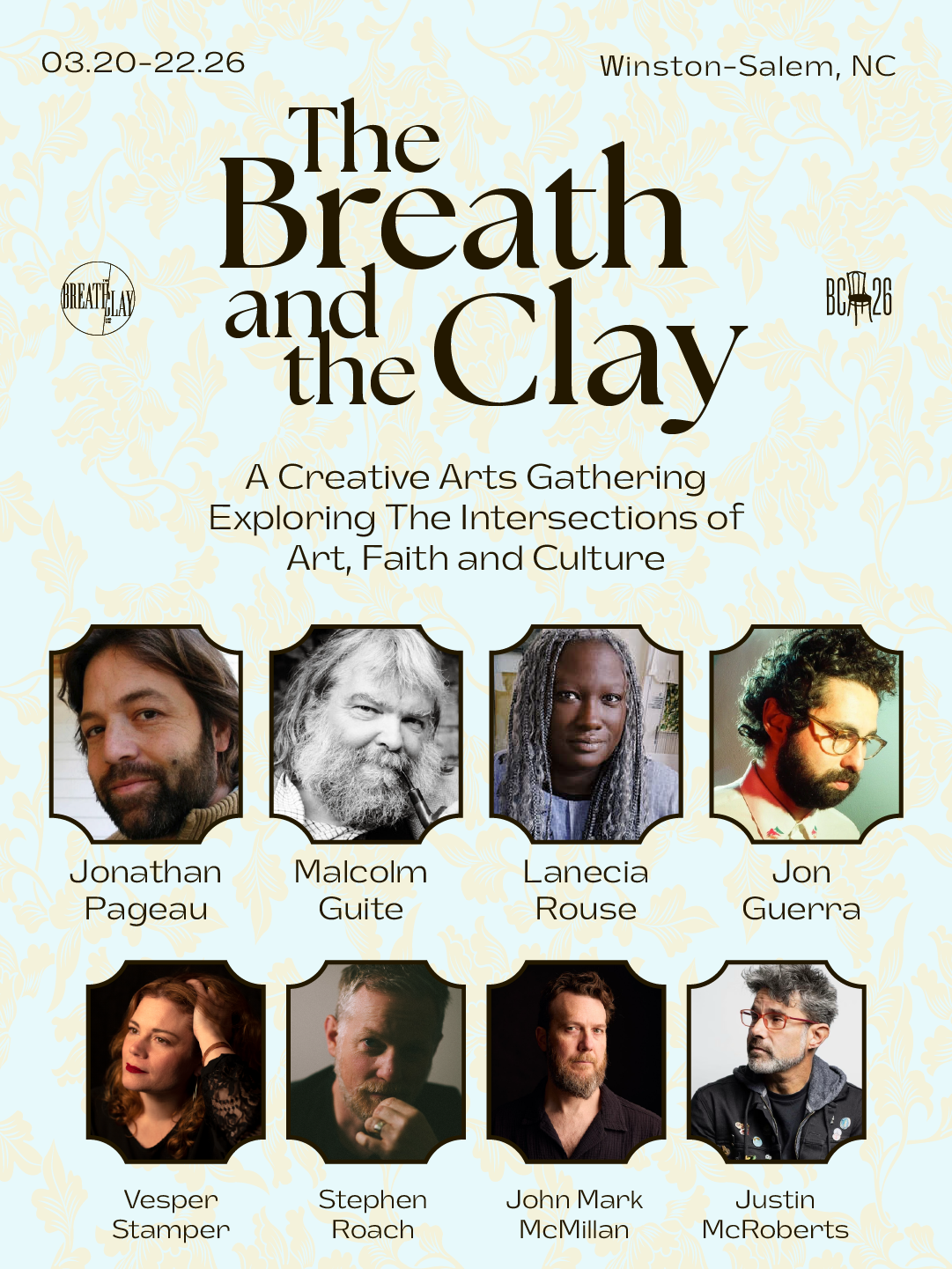

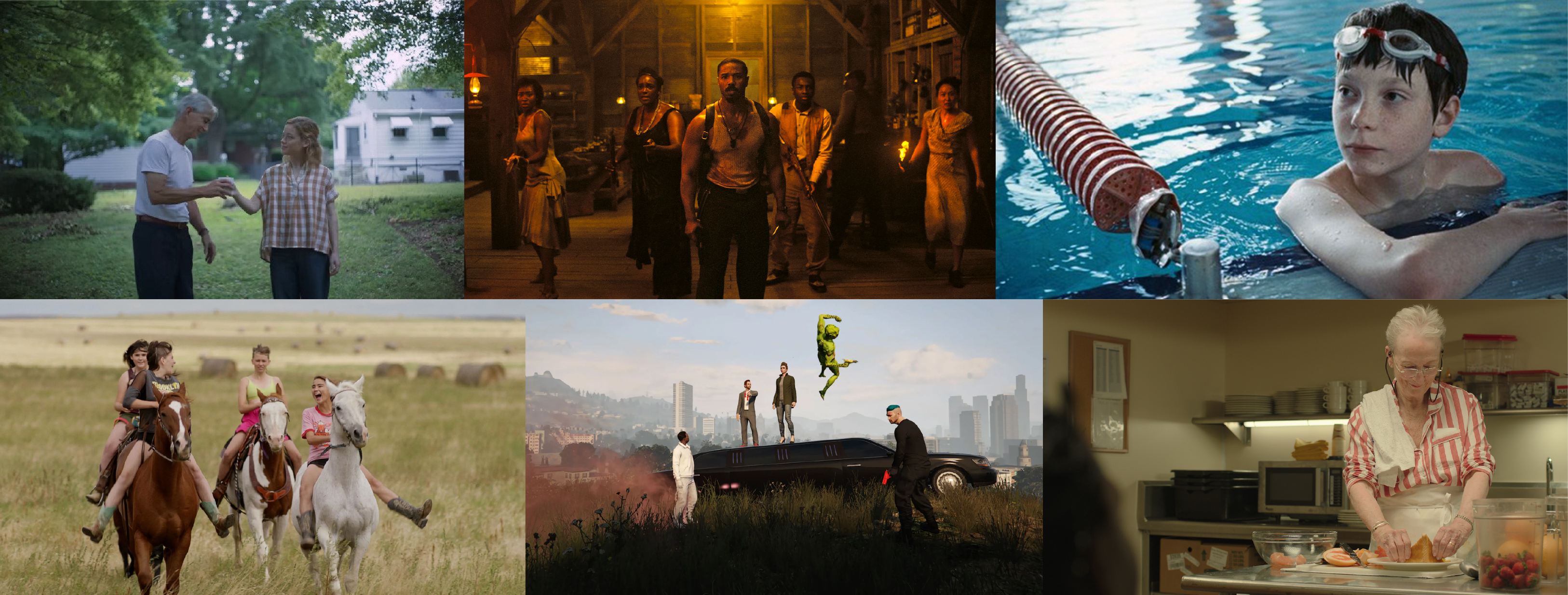
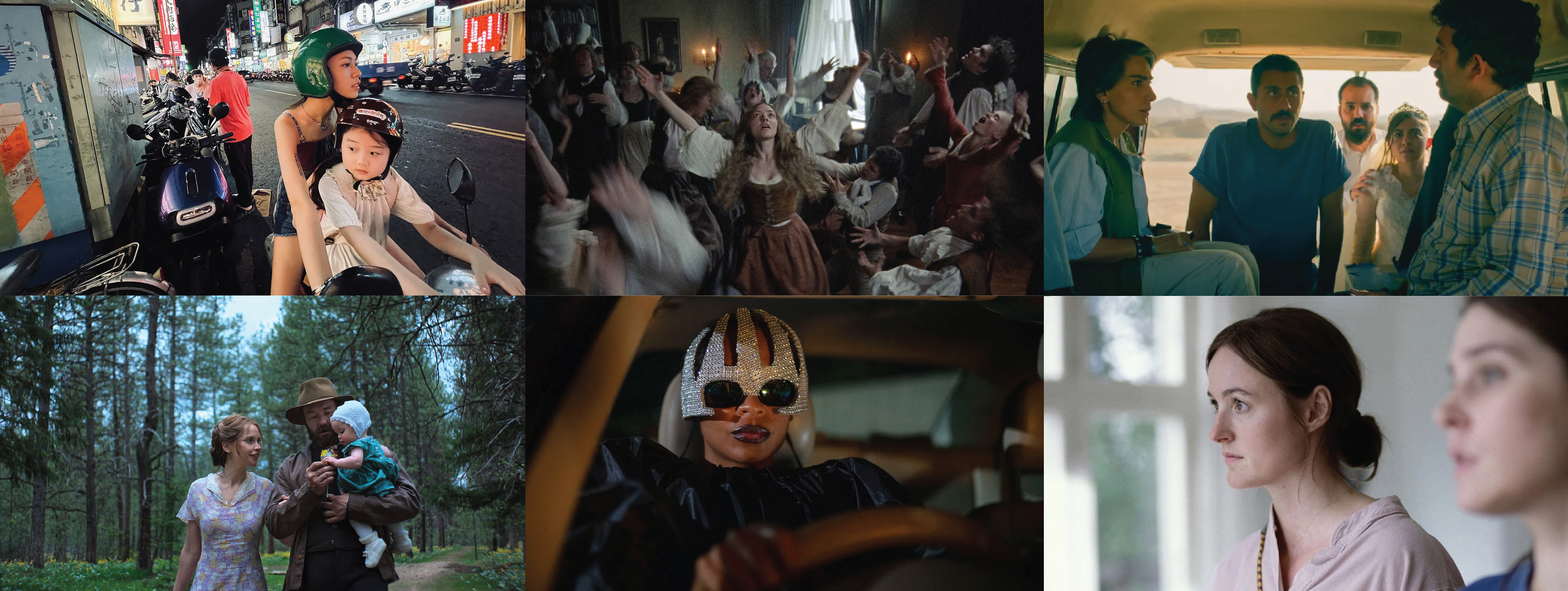
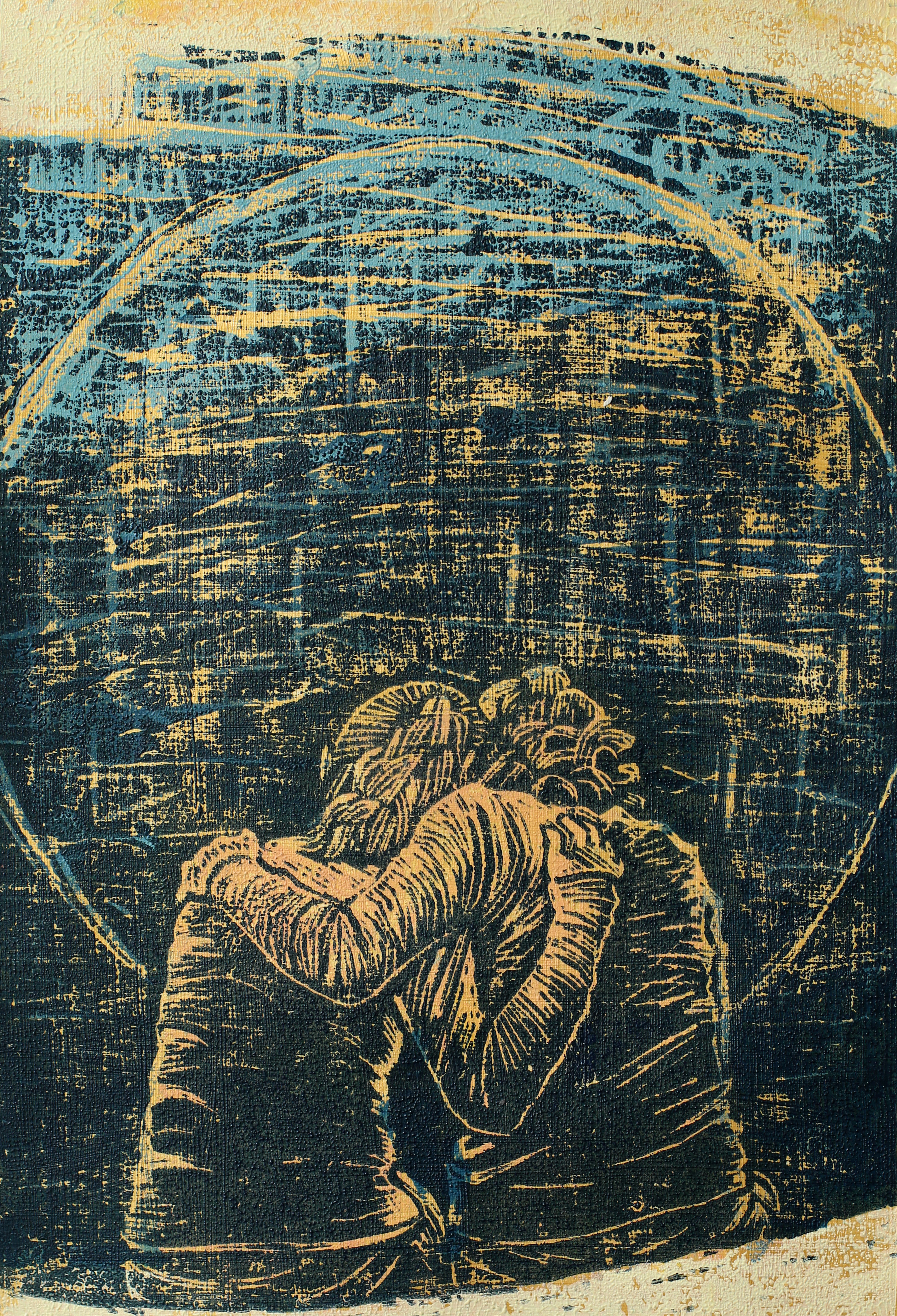
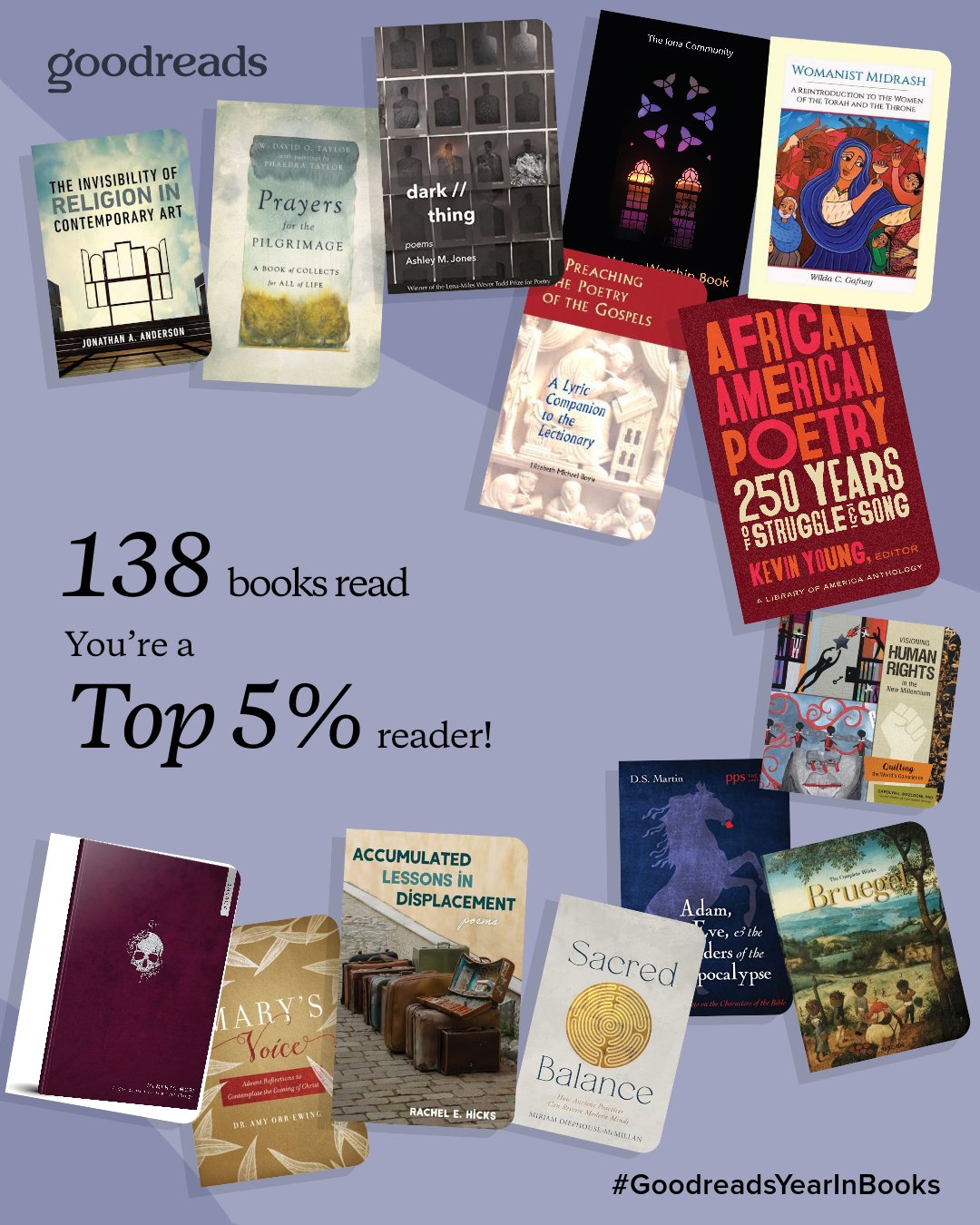
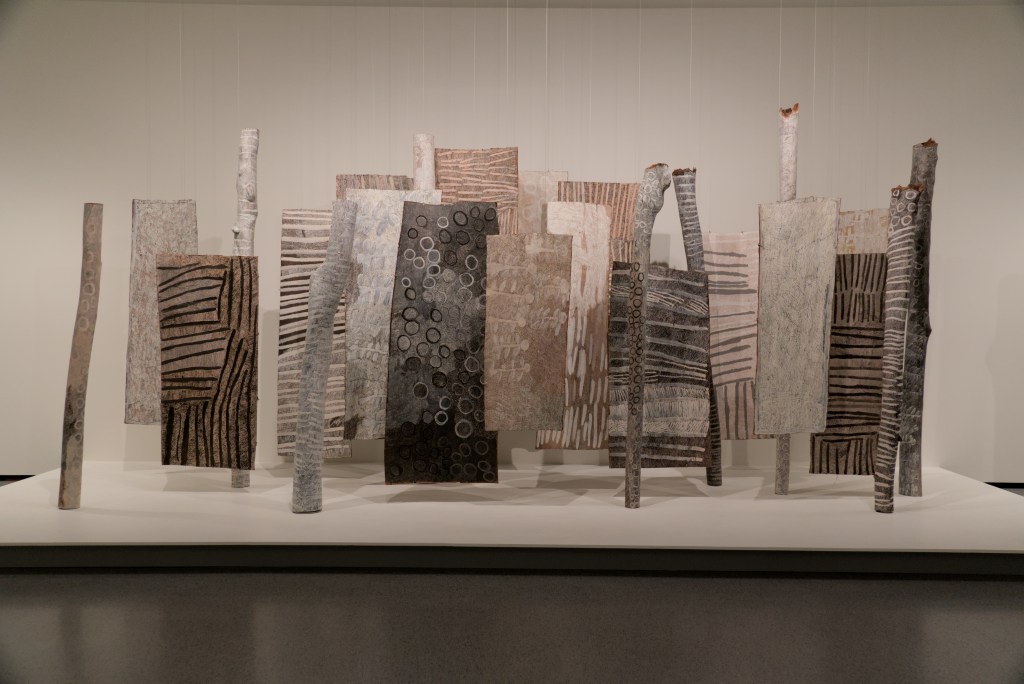
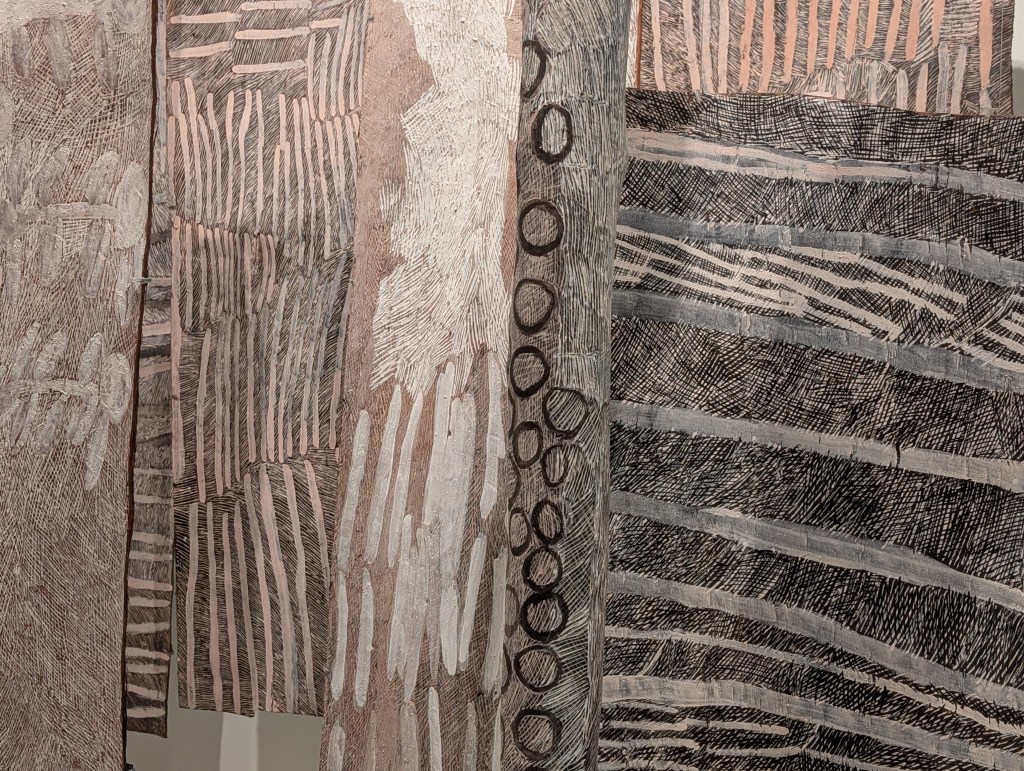


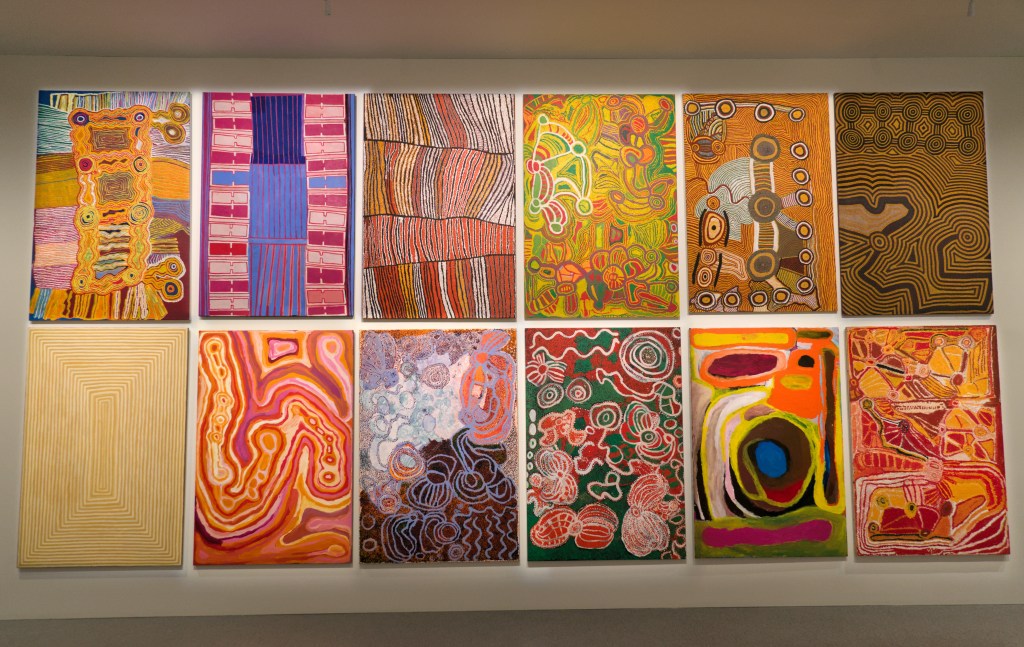

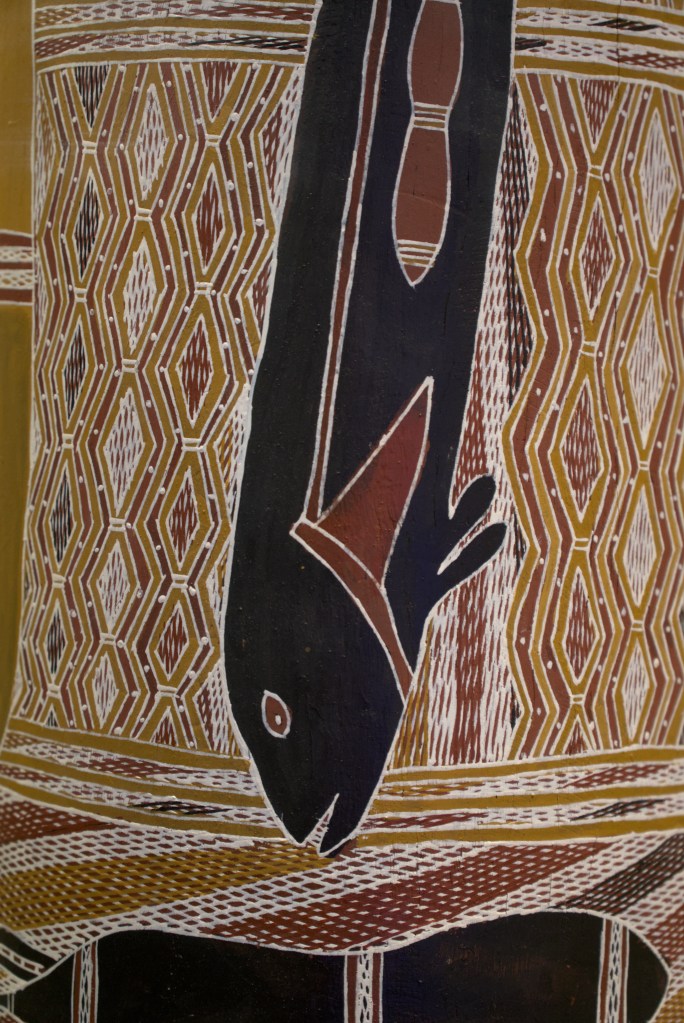

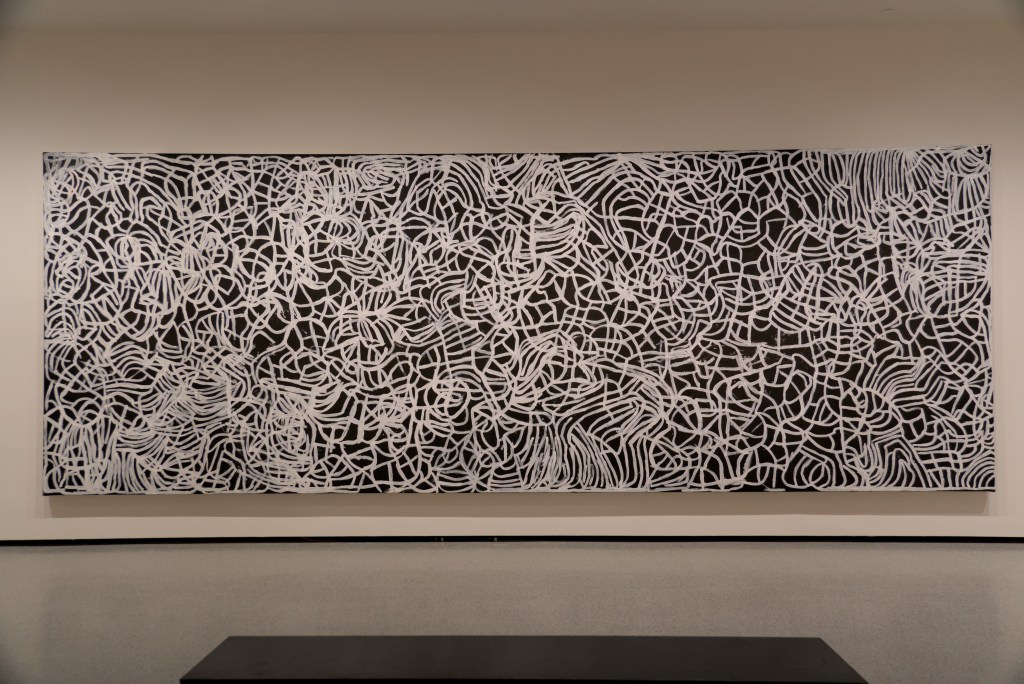

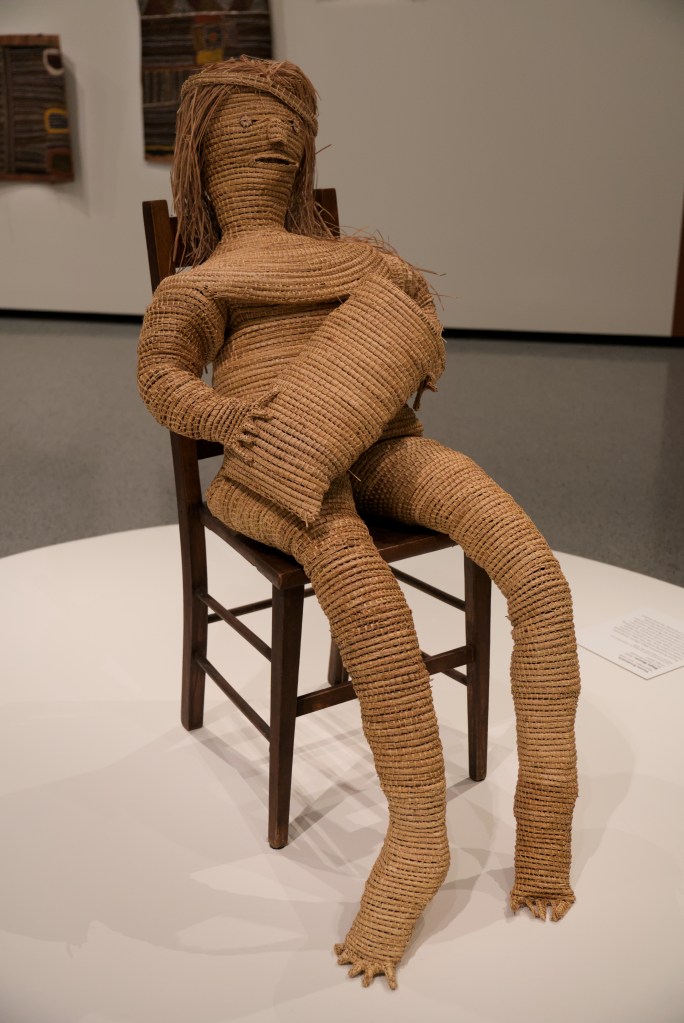
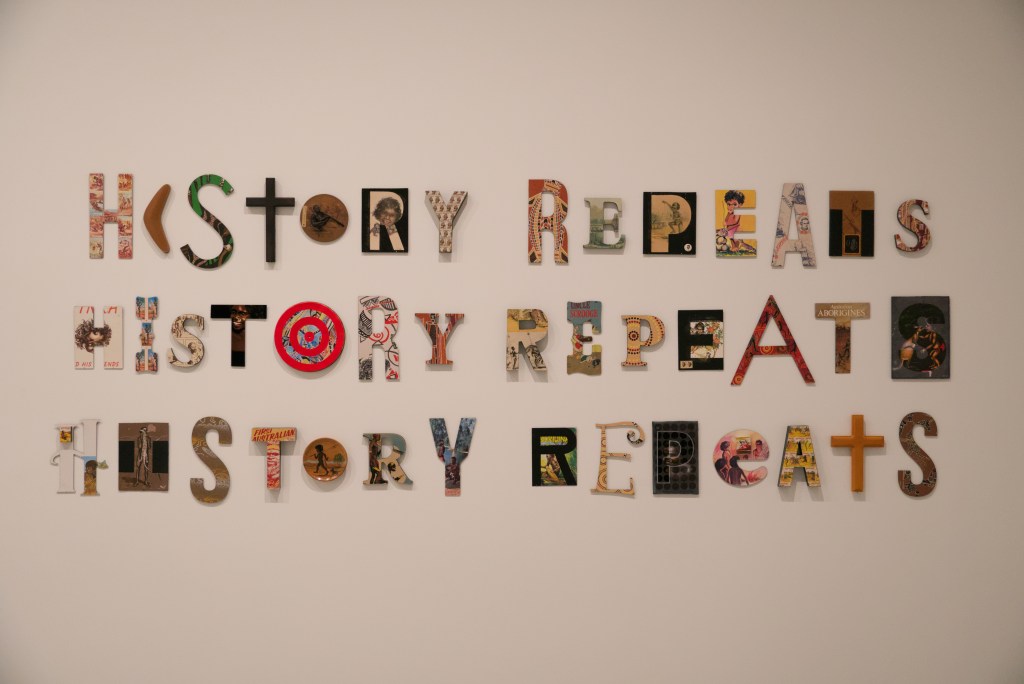
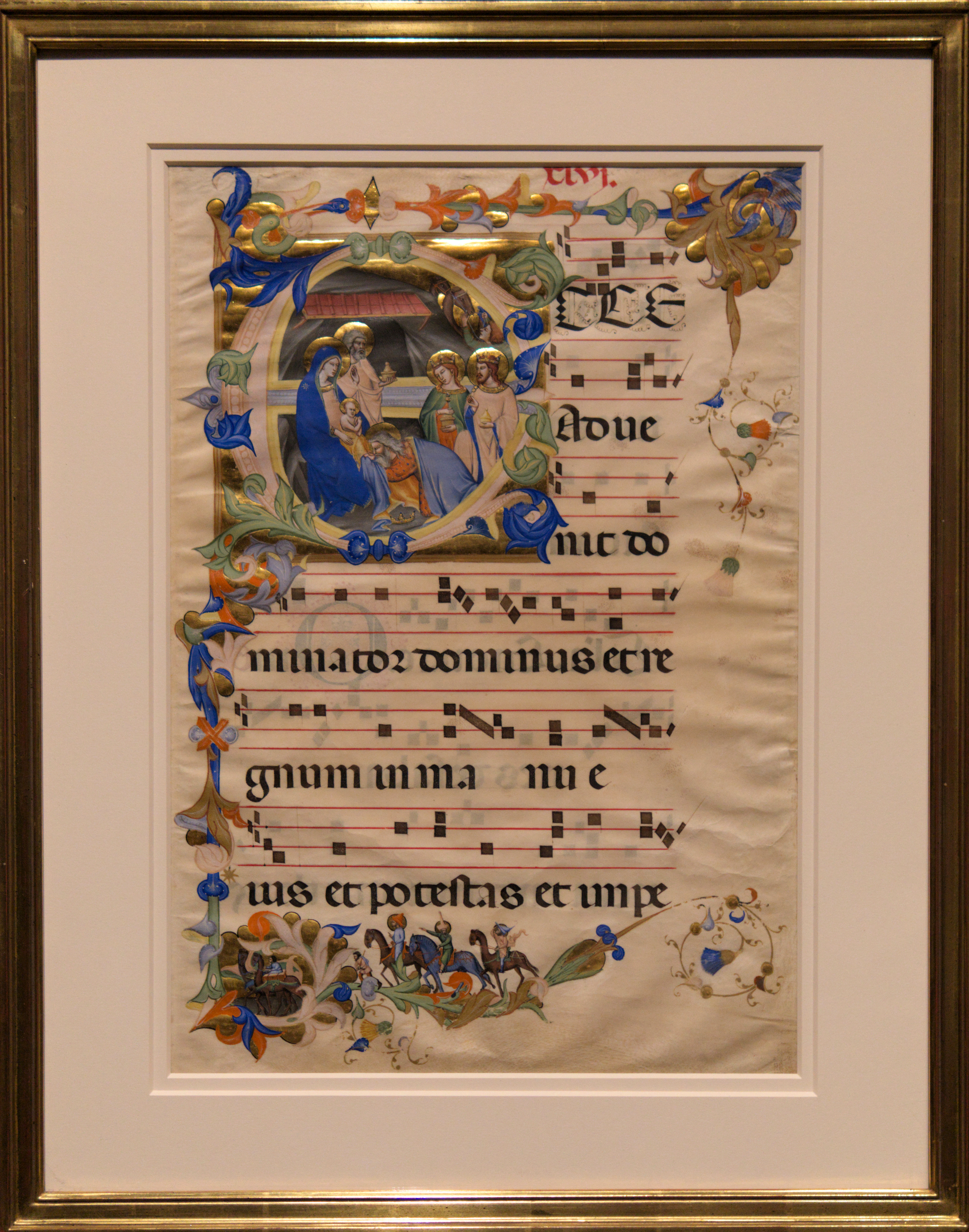
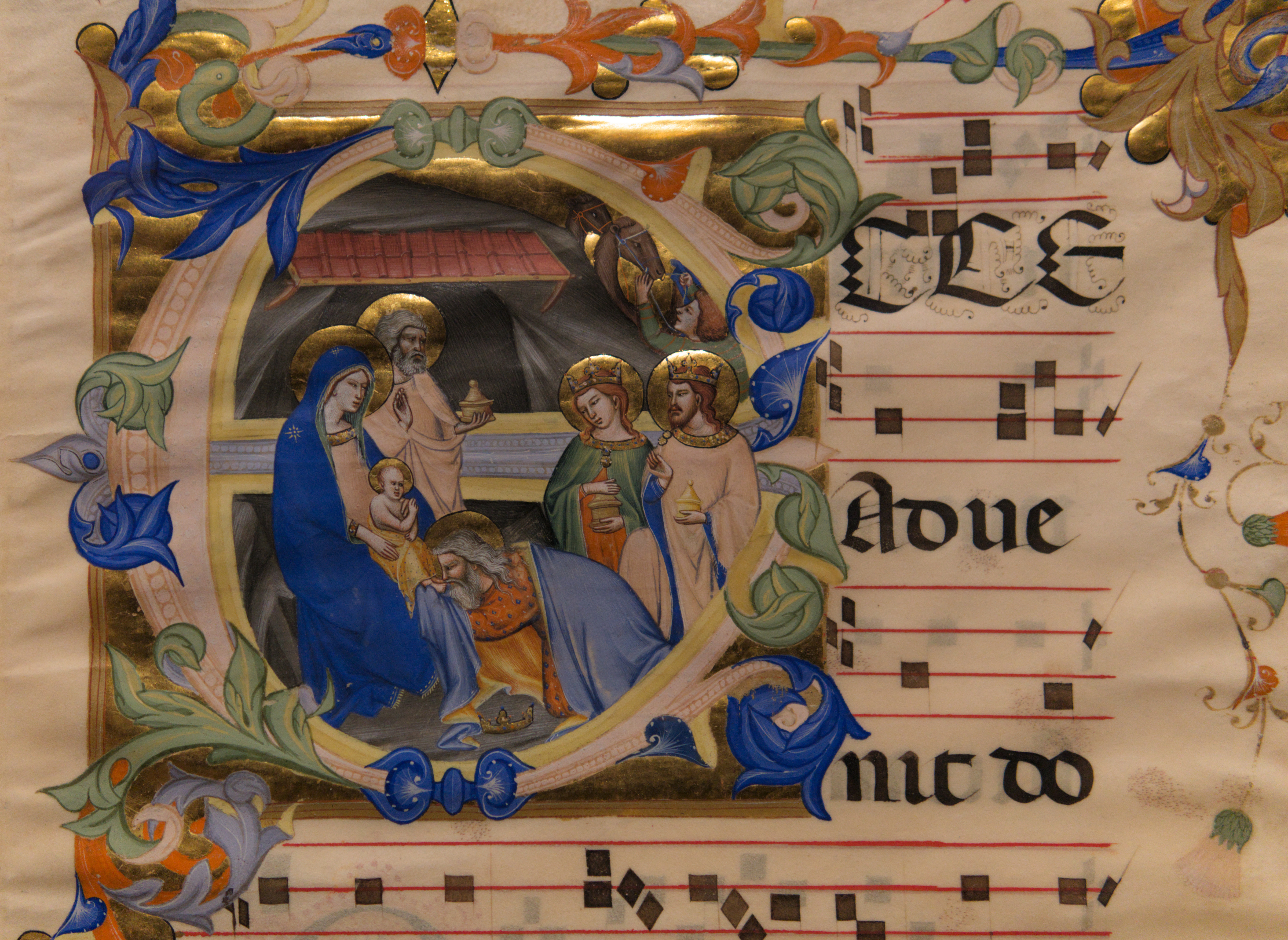
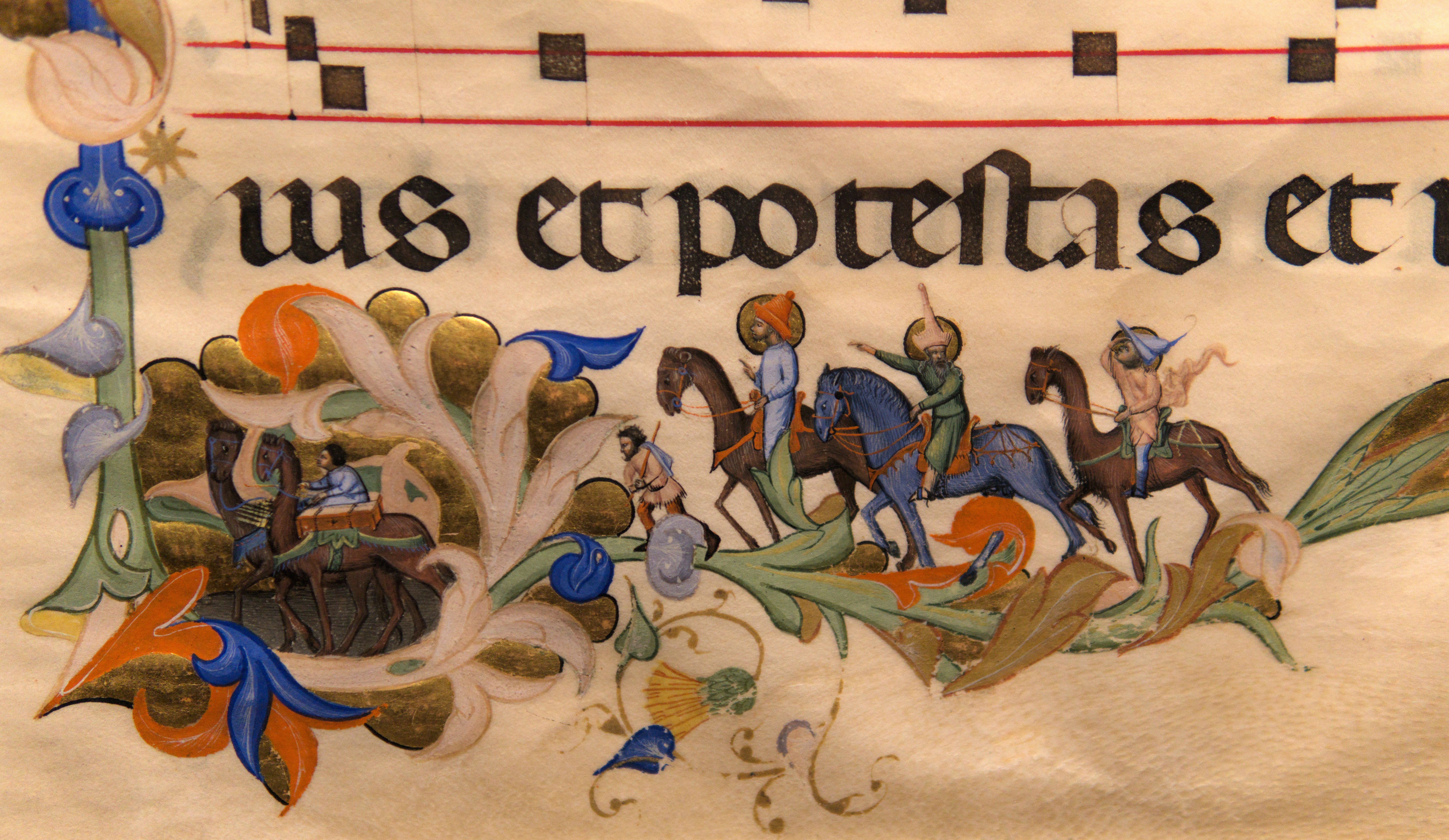
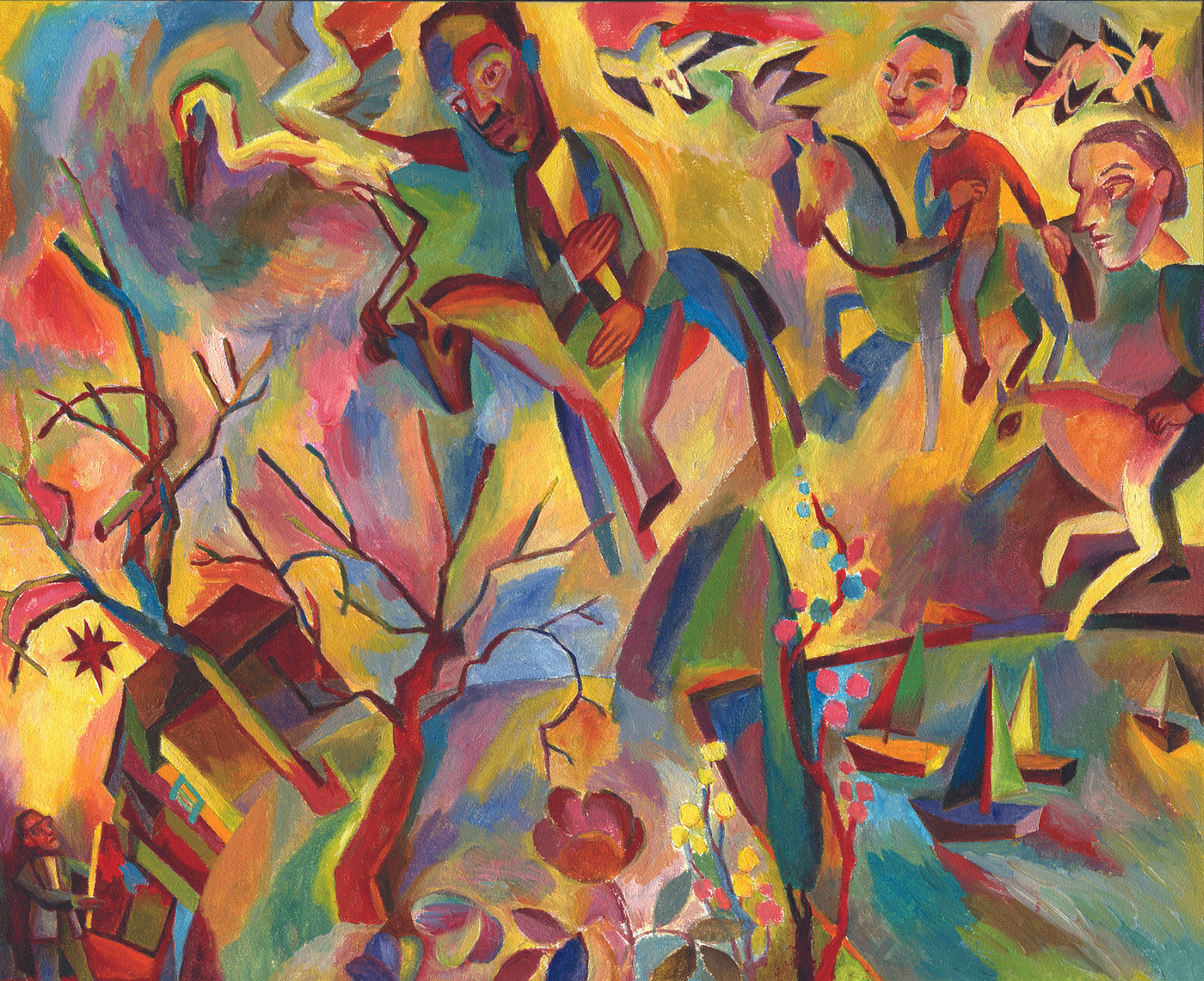
 Art & Theology