Five Films about Finding Community

There are many great movies that spotlight the positive role of family, friendship, and community, showing how humans are built for interdependence. For this article of recommendations, I’ve chosen a narrower subset of that theme: movies about a character or characters who don’t have community at the beginning, or who aren’t receptive to it, but who find it throughout the course of the story. That may sound cliché, but I promise, all five selections are nonsappy and bring something new to the table.

What movie(s) would you add to the list? Also, what other thematic film lists would you like to see on this website?
About a Boy
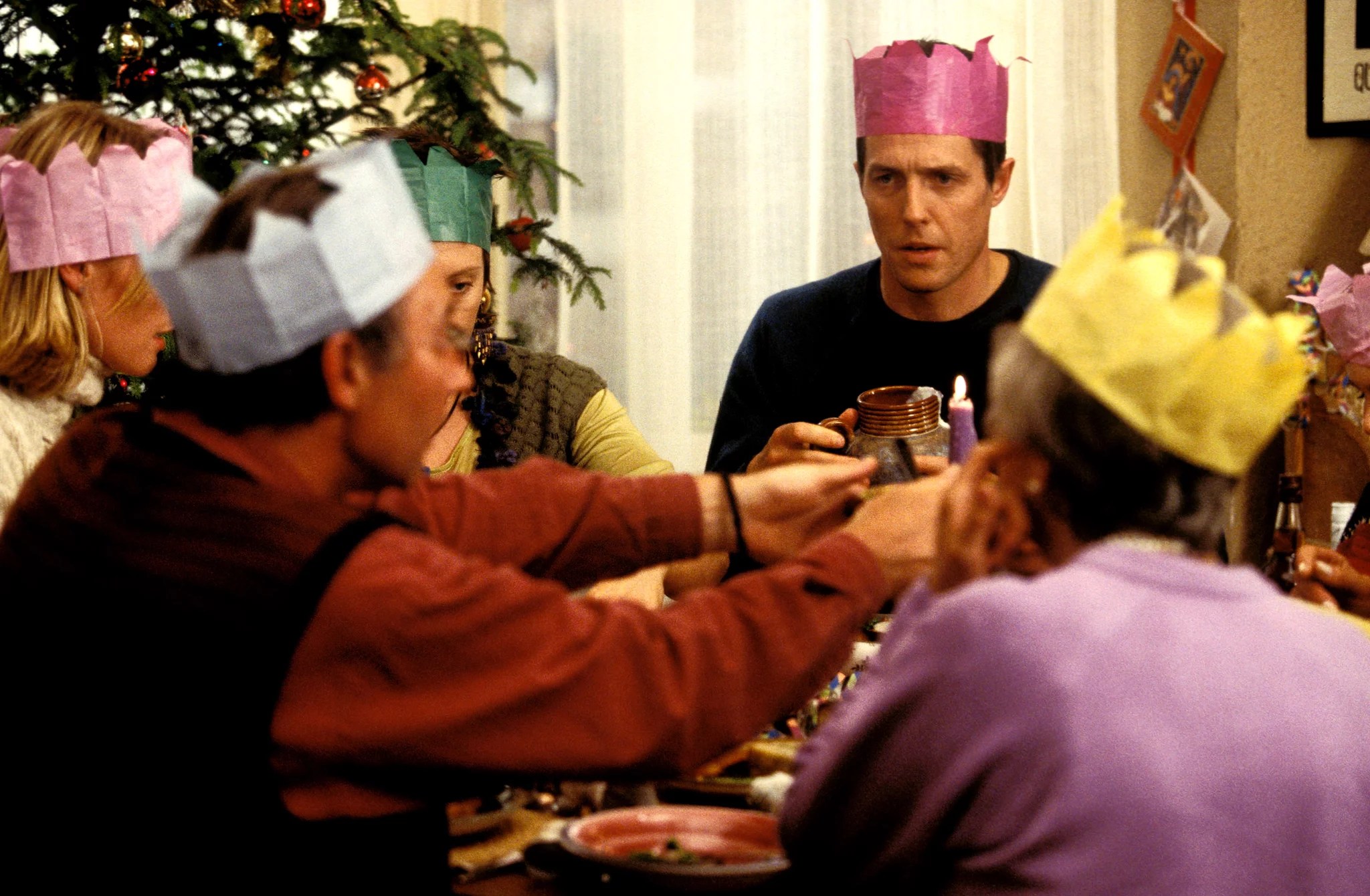
Will (Hugh Grant) sits through an uncomfortable Christmas dinner at Fiona’s house (the main course: nutloaf), having been invited by her son, Marcus, in this scene from About a Boy.

1. About a Boy (2002), dir. Chris Weitz and Paul Weitz. In general, my favorite type of movie is one that makes me both laugh and cry. About a Boy hits that spot. Based on a novel of the same name by Nick Hornby, it stars Hugh Grant as Will, a thirty-something single man who lives a carefree life in a swanky apartment—with no responsibilities, no commitments—subsisting off the royalties of a hit song his late father wrote many years ago. He prides himself in this unattached, “island living.”

Sleazeball that he is, he joins a Single Parents Alone Together group for access to vulnerable single women, despite his not having kids. It’s through that group that he meets a nerdy twelve-year-old named Marcus (Nicholas Hoult), whose mom, Fiona (Toni Collette), has depression. Marcus strategizes to make Will a part of their life so that they have a bigger support network as his mom navigates her mental illness. (“Two people isn’t enough; you need a backup,” he reasons.) Will is resistant at first. He doesn’t want the complexity or inconvenience that come with relationships. But Marcus’s persistence wears him down, and as he warms up to Marcus’s friendship and later Fiona’s, he learns to care for people and things other than just himself. His autonomy breaks down the more he allows his behaviors and decisions to be influenced by those around him whom he’s grown fond of and invested in, and he eventually realizes that, as the poet John Donne famously wrote, “no man is an island.”

(Not currently streaming for free through any subscription services but can be rented digitally. If you’re a local friend, you can borrow my Blu-ray copy—or come over and watch it with me!)

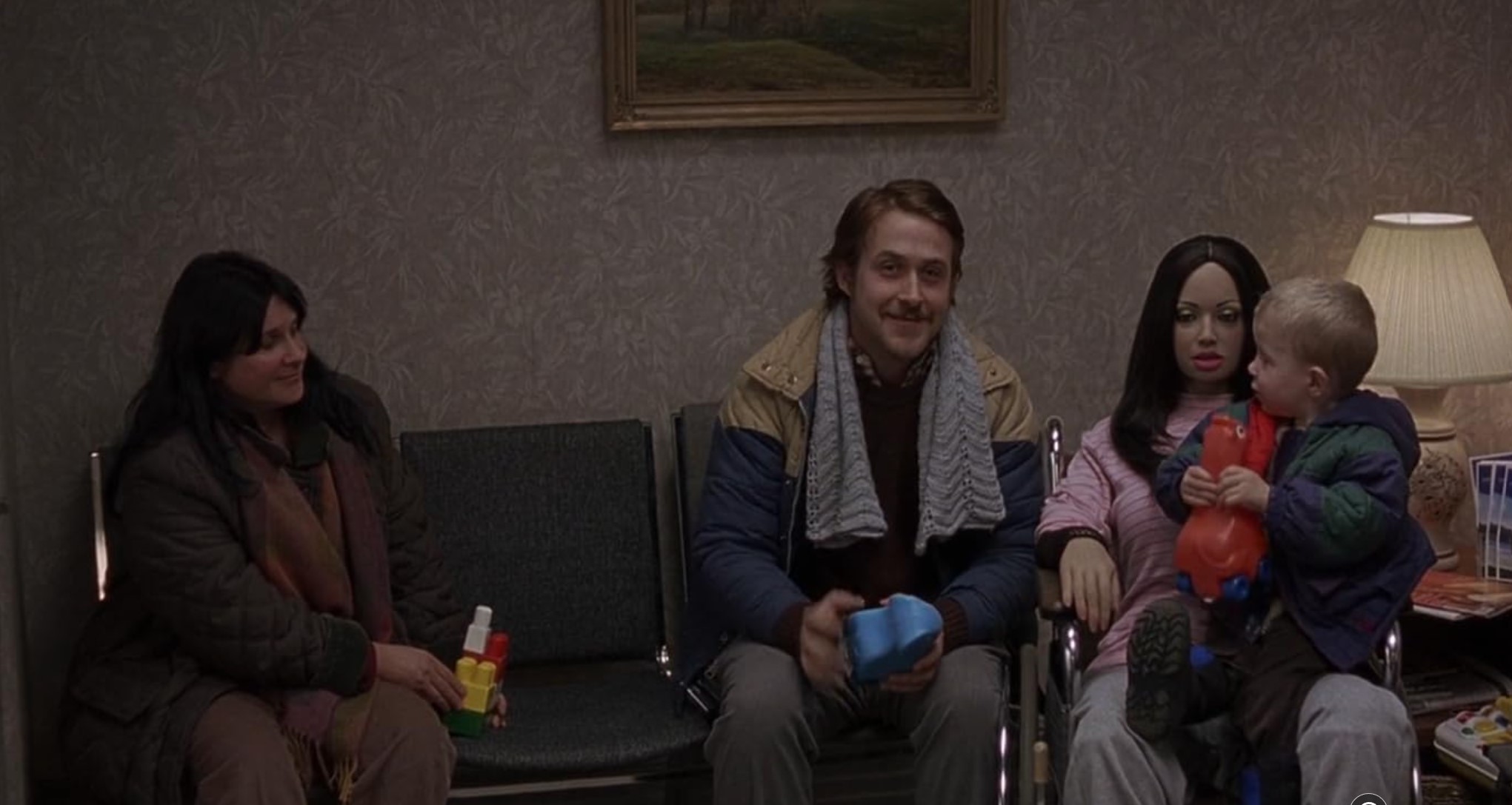
2. Lars and the Real Girl (2007), dir. Craig Gillespie. Twenty-seven-year-old Lars Lindstrom (Ryan Gosling) lives in a small Wisconsin town in his brother Gus (Paul Schneider) and sister-in-law Karen’s (Emily Mortimer) garage. Conversation and physical contact make him anxious, so he generally keeps to himself. But then one day a sex doll named Bianca arrives at his house, and he develops a chaste relationship with her. He gives her a backstory—she’s a half-Brazilian, half-Danish missionary with nurse’s training who was orphaned as a baby—and starts introducing her around town as his girlfriend.
Lars and the Real Girl (doctor's office)
Bianca, at right, waits for her doctor’s appointment in Lars and the Real Girl. (“She loves kids,” Lars says.)

The beauty of this film is in how Lars’s family, his church (one of the rare positive portrayals of Christianity in contemporary cinema), his coworkers, and local retailers all compassionately care for Lars as he experiences this delusion, not judging or teasing—although there is some initial resistance—but instead welcoming Bianca into the community, as his psychiatrist advised. Bianca attends worship, gets her hair done at the salon, volunteers at the hospital, leads story time at the elementary school, even gets elected to the school board! Karen bathes and dresses her; a work colleague dances with her at a party; her new friends drive her to a girls’ night out. As the people in Lars’s life embrace Bianca, Lars becomes more open to human interaction, more sociable, until he no longer needs the delusion. Waiting in the wings is Margo (Kelli Garner), the “real girl” of the title, who works in Lars’s office and sings in the church choir—and who has a crush on him. The love and support of his community as he works through psychological issues is what enables him to eventually pursue healthy relationships with real-life people.

Streaming on Tubi (no account necessary).

3. Shoplifters (2018), dir. Kore-eda Hirokazu. My favorite film by one of my favorite writer-directors, Shoplifters is a preeminent onscreen example of “found family.” It follows a band of outsiders living together in a small house on the outskirts of Tokyo. Each of them has suffered some form of abuse or neglect, having been cast off by their biological families or spouses. None of them are blood-related, and yet they’ve formed bonds of love and loyalty. They support each other emotionally and financially: Hatsue (Kirin Kiki), aka “Grandma,” contributes funds allegedly from her deceased husband’s pension; Nobuyo (Sakura Andô) works for an industrial laundry service, while her husband, Osamu (Lily Franky), works as a day laborer; Aki (Mayu Matsuoka) works at a sex parlor; and the boy Shoto (Jyo Kairi) engages in petty theft.

Shoplifters
Nobuyo, Aki, Lin, Shota, and Osamu take a day off from their workaday lives to spend time together at the beach in the found-family film Shoplifters—Kore-eda’s best, in my opinion.

The conflict is introduced when the family finds a little girl named Yuri/Juri (Miyu Sasaki), dirty and hungry, left alone on a front porch, and they decide to take her. They rename her Lin, and she becomes part of their family. But now they are guilty of kidnapping. The film explores themes of belonging and of being unwanted versus wanted—that is, chosen. It also asks, What is a mother or a father? What is a sibling? Kore-eda deftly folds together the delicate layers of the various relationships, most movingly (to me) Grandma and Aki’s, and Shoto’s with his new younger sister, Lin.

Sakura Andô is outstanding as Noboyu—the best performance of any of the films on this list, and of 2018. She delivers a zinger during the interrogation scene, and the nuances of her voice and body language throughout bear so much of the film’s complexity and meaning.

Streaming on Hulu.

4. A Man Called Ove (2015), dir. Hannes Holm. Based on the best-selling Swedish novel En man som heter Ove by Fredrik Backman, this movie centers on Ove (pronounced “oo-vah”) (Rolf Lassgård), a grumpy old widower and retiree obsessed with enforcing block association rules no one cares about and still mourning the death of his wife. When a lively young couple and their two kids move in next door, the commotion interrupts Ove’s suicide attempt. He is called on to help out with increasing frequency—lend his ladder, watch the girls, teach the wife, Parvaneh (Bahar Pars), to drive—which outwardly annoys him but, he subconsciously realizes, gives him purpose and opportunities for meaningful human connection. He gradually learns also to receive acts of care and outreach, like a chicken and rice dinner, and to interact with others in modes other than just criticism and judgment.
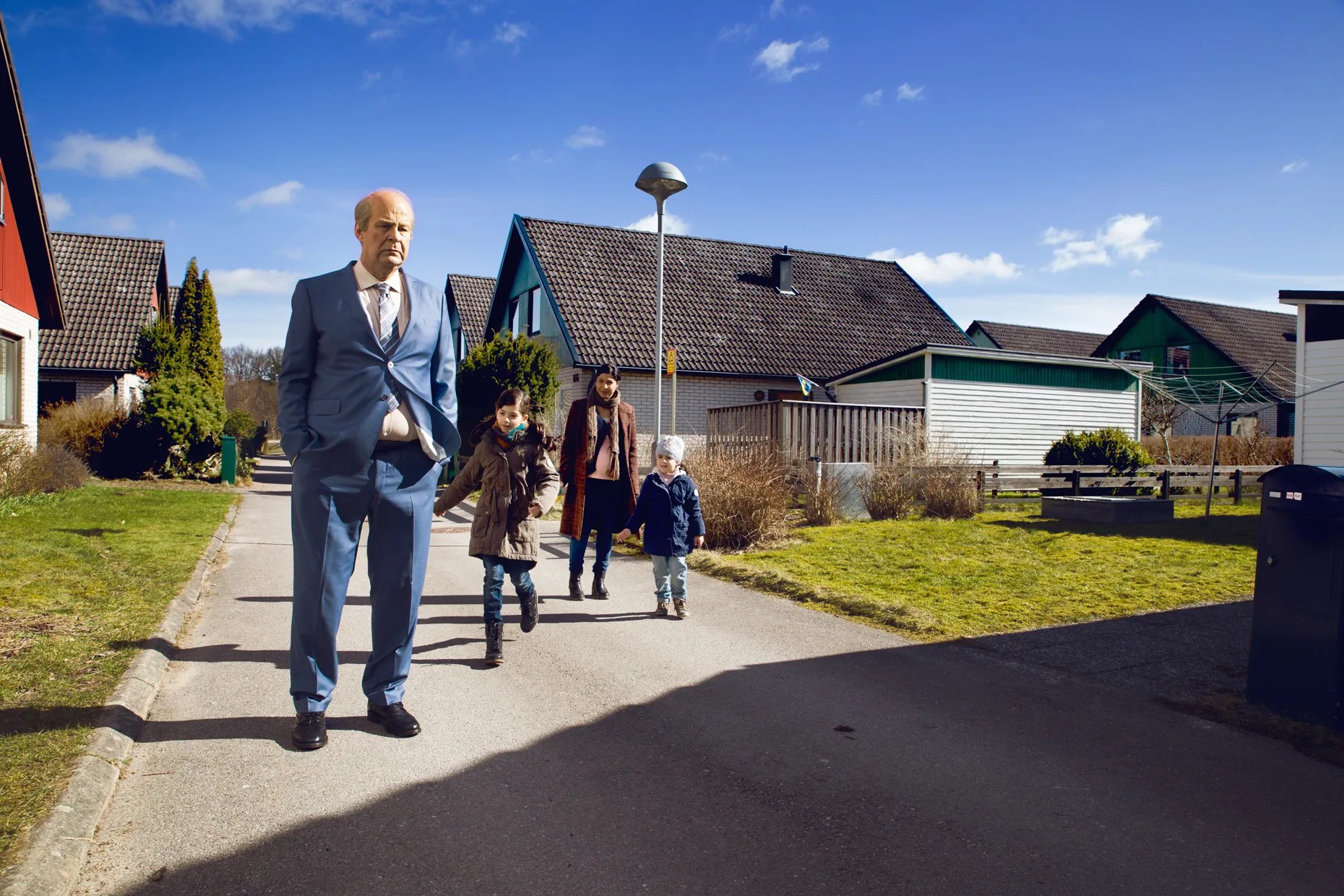
A Man Called Ove
In A Man Called Ove, the titular character becomes disgruntled when a boisterous family moves in next door, but they ultimately draw him out of his suicidal ideation and help him let go of his bitterness over the hand he’s been dealt in life.

Through flashbacks, we learn about Ove’s childhood and his romance and married life with Sonja (Ida Engvoll) and begin to better understand the bitterness he holds. It’s beautiful to see that bitterness fade, even if it doesn’t entirely go away, as he begins to let his guard down and open himself to small joys.

The film was remade in English in 2022 as A Man Called Otto, set in Pittsburgh and starring Tom Hanks, but the original Swedish adaptation is the better of the two.

Streaming on Amazon.

5. The Station Agent (2003), dir. Tom McCarthy. When his only friend dies, Fin (Peter Dinklage), a train enthusiast, inherits an abandoned train depot in rural New Jersey, which he moves into, intent on living in solitude. But situated just outside his new digs is a chatty hot dog vendor, Joe (Bobby Cannavale)—in town indefinitely from Manhattan to care for his sick father—whose stand is frequented by Olivia (Patricia Clarkson), a discombobulated woman who, we later find out, is grieving the death of her son and the fraying of her marriage. Fin gradually surrenders to the uninvited companionship. He also befriends a local elementary school girl who plays alone and likes trains, and a librarian with an abusive boyfriend.
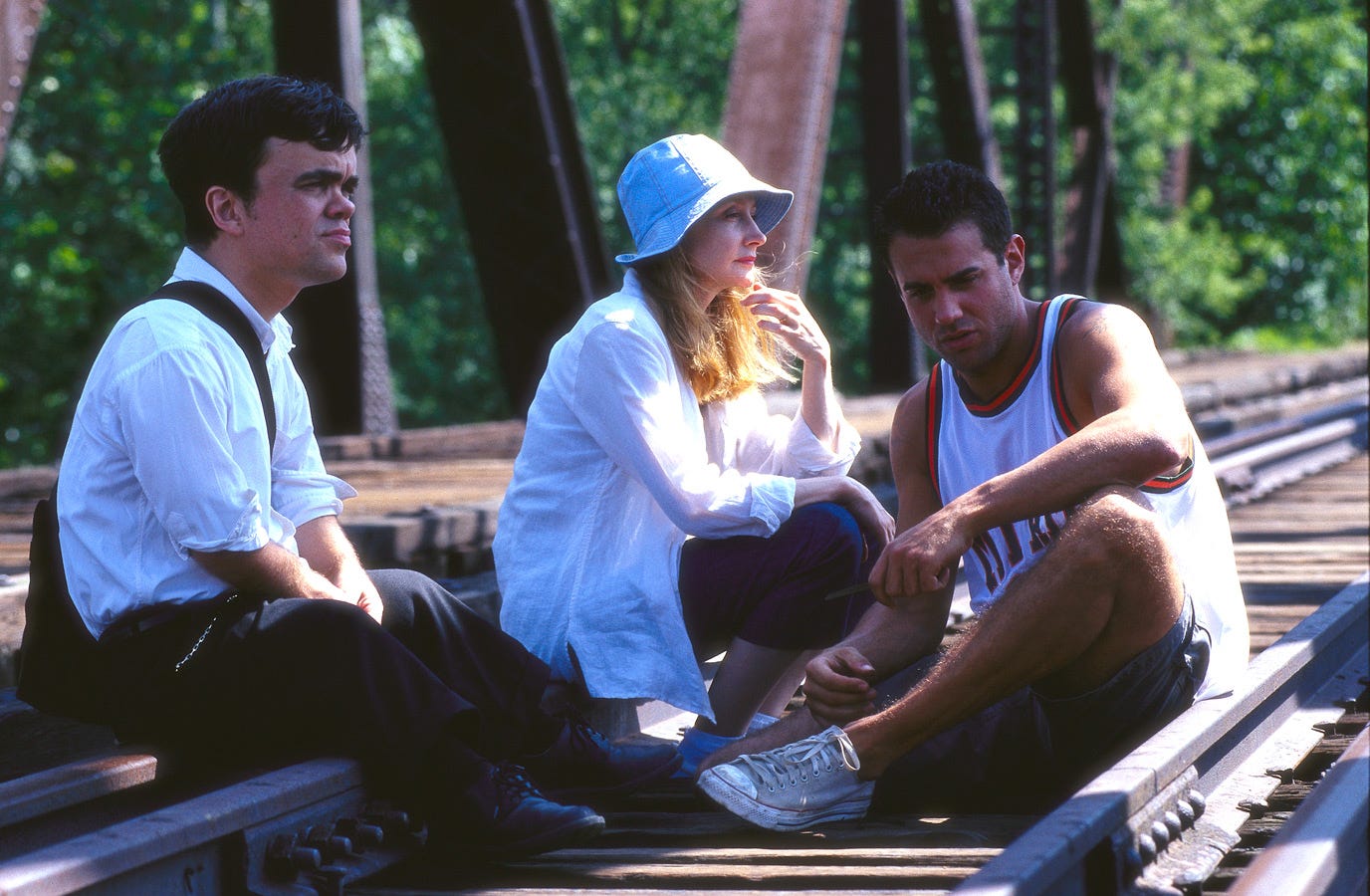
The Station Agent
In The Station Agent, Fin’s deliberate life of solitude is interrupted by Olivia and Joe, who adopt his hobby of train watching not so much for their interest in trains as for their desire for companionship.

Fin had chosen a solitary life to protect himself from the taunts he receives because of his dwarfism. But he finds that vulnerability—putting yourself out there—is ultimately the better way to live, even though it means greater unpredictability and susceptibility to hurt. He forges a community from an unlikely bunch, people with whom he learns to enjoy comfortable silences and talk both small and large. The movie is punctuated by long walks along railroad rights-of-way and ends with a meal around a table.

Streaming on Amazon.
Roundup: “Soul Food Love,” call for Sufjan Stevens papers, and more

LECTURES:

Calvin University’s January Series is an annual fifteen-day series of lectures and conversations that “aims to cultivate deep thought and conversations about important issues of the day, to inspire cultural renewal and make us better global citizens in God’s world.” It brings in various scholars on various topics, but the two lectures I want to call out in particular are both about food!

Also note: upcoming events in the series include “Neurodivergent Storytelling” with Daniel Bowman Jr., a novelist and professor with autism; a live recording of the Poetry for All podcast featuring guest poet Marilyn Nelson; and “Tuning Our Minds, Ears, and Hearts to Sing God’s Grace: Reflections of a Conductor” with Pearl Shangkuan.

>> “Soul Food and the Collective Cultural Memory” by Caroline Randall Williams (available through Feb. 15): Caroline Randall Williams is a multigenre writer (of poems, YA fiction, essays, recipes), educator, activist, and home cook in Nashville whom Southern Living recognized as one of “50 People Changing the South” for her work around food justice. She’s the coauthor (with her mother, Alice Randall) of Soul Food Love: Healthy Recipes Inspired by One Hundred Years of Cooking in a Black Family and host of the TV show Hungry for Answers. I enjoyed this wonderful introduction to her work—though frustratingly, the sound cuts in and out several times. The introduction starts at 14:05, and the Q&A starts at 1:04:40. She opens with a reading of the delicious poem “When the Burning Begins” by Patricia Smith.

>> “Table Conversations: Building Community as We Eat” by Kendall Vanderslice: Kendall Vanderslice is a baker, writer, and the founder of the Edible Theology Project, an educational nonprofit connecting the Communion table to the kitchen table. She earned her master’s of theological studies from Duke Divinity School and master’s in gastronomy from Boston University. . . . Through her work in food studies and theology, Vanderslice explores the ways God uses the table to restore communities and creation. In her most recent book, By Bread Alone: A Baker’s Reflection on Hunger, Longing, and the Goodness of God, she discusses her faith journey, shares recipes, and dives into the role of bread in church history.” Introduction starts at 11:45; Q&A, at 50:33.

+++

CALLS FOR PAPERS:

>> For inclusion in the forthcoming book My Impossible Soul: The Metamodern Music of Sufjan Stevens: Dr. Tom Drayton and Greg Dember are compiling essays for a new book on Sujan Stevens, and they’re seeking contributing writers from across academic disciplines. “My Impossible Soul will be the first academic volume dedicated to the work of multi-instrumentalist singer-songwriter Sufjan Stevens. A staple of the indie/alternative music scene since 2000, Stevens’ work transcends genres – ranging from minimalist folk to maximalist electronica. His prolific discography blends “stories of his own life with ancient mythology and religious references” (McKinney 2015), interweaving themes of grief (Minton 2023), nostalgia, queer relationships (Postelli 2016; Glow 2021), Christianity, disease, problematic families, and the apocalypse with intricately produced compositions. . . . This volume aims to provide the first international and interdisciplinary analysis of the music, lyrics, performance process and cultural impact of Sufjan Stevens, through the framework of metamodernism . . .” Proposal deadline: March 1, 2024.

>> On Religion and Film: The International Conference on Religion and Film is held every two years, gathering leading scholars in the fields of religious studies and film; 2022’s was in Amsterdam, and this year’s (June 27–28, 2024) is in Hollywood! The Brehm Center at Fuller Seminary is soliciting papers for the conference. “We invite papers exploring Hollywood films from their origins in the 1890s through the silent film era as well as the Classic Hollywood studio film era from the 1930s through the end of the Hays Code (1968). How did religion influence the creative process, production, reception, and distribution of these films? How might the intersection of religion and film in this historic era inform our conversations about religion and film today? We are especially interested in contemporary films that deal with the future and the role of religion in the future. In addition, we seek papers exploring how advances in film technologies and our collective experience of film (in-theater technologies, VR, Streaming) will influence the future of filmmaking. Additionally, how might AI change storytelling and human creativity? How will those who work in Religion and Film Studies adapt/respond to these changes?” Abstracts are due by February 10, 2024.

+++

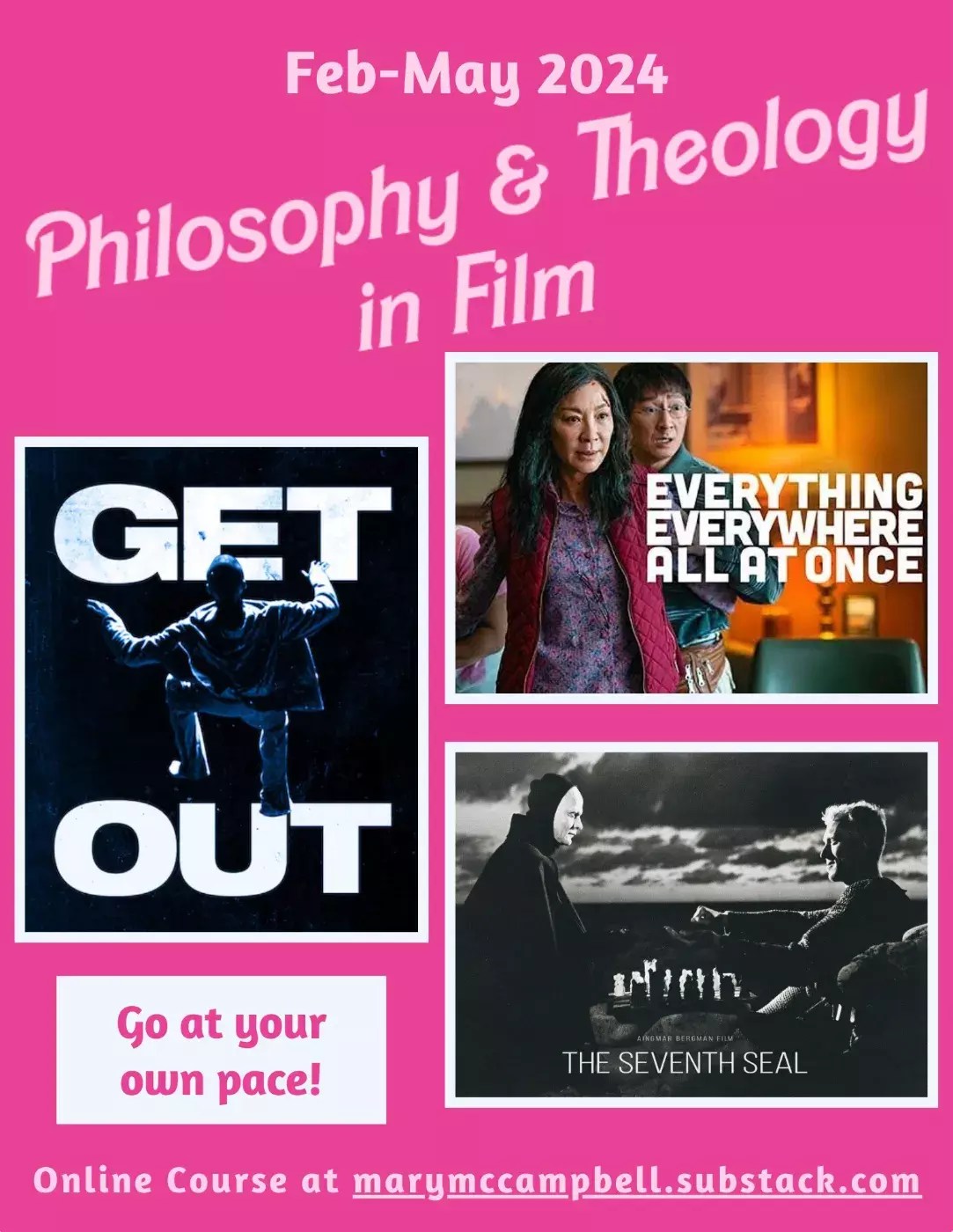
ONLINE COURSE: “Philosophy and Theology in Film” with Dr. Mary McCampbell, February–May 2024: Mary McCampbell [previously] is a writer and educator on film, literature, and popular culture whose Substack, The Empathetic Imagination, is one of my favorites! In December she and nine other professors lost their jobs at Lee University because the university’s humanities major has been suspended due to financial difficulties—and this despite her being tenured and having taught there for fourteen years.

So, she won’t be in a traditional classroom this spring, but the course she had prepared to teach undergraduates she is adapting for online and opening up to the public! It costs just $20 (a four-month paid subscription to The Empathetic Imagination), which is a real steal. Beginning near the end of February and running through May, the course will include:

  • An introductory video for each of ten films, including a lesson on the main philosophical influences and parallels (including intro lectures on Marx, Nietzsche, Freud, Sartre, Descartes, and more)
  • A live Zoom discussion of each film
  • A written Substack post of McCampbell’s analysis of each film, hopefully followed by a lively discussion in the comments section

I’ll be participating!

+++

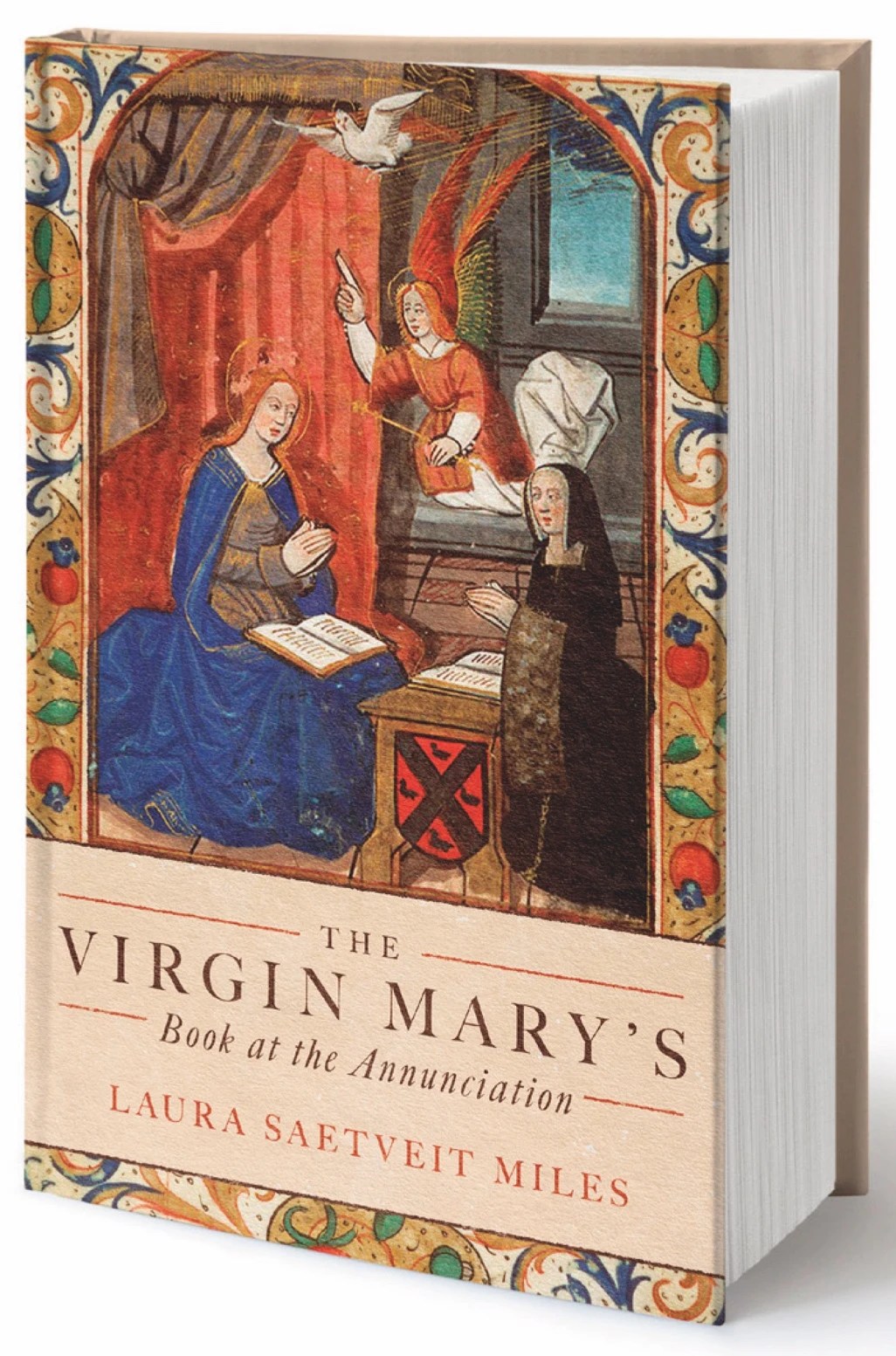
UPCOMING (ONLINE) LECTURE: “Reading alongside the Virgin Mary in Late Medieval Books of Hours Annunciation Scenes” by Laura Saetveit Miles, February 1, 2024: Professor Laura Saetveit Miles’s book The Virgin Mary’s Book at the Annunciation (Boydell & Brewer, 2020) has been one of my favorite reads of the last several years—so I was delighted to see she’ll be giving a free online talk on the topic next week! Organized by the Centre for Marian Studies at St Mary’s University in Twickenham, Miles’s lecture “will focus on two rare and fascinating versions of the standard Annunciation scene, as they are developed in both devotional literature and illuminations in Books of Hours. One type of representation captures the moment before Gabriel arrives; the other type depicts the reader herself as part of the scene. Some versions even combine these two. Where do these variations come from, and what do they mean? This neglected story of imitatio Mariae sheds new light on what Mary’s role in the Incarnation meant for medieval Christians across Europe.” (Update, 2/2: Here’s the recording.)

Lent, Day 31

Jesus said to them, “I am the bread of life. Whoever comes to me will never be hungry, and whoever believes in me will never be thirsty. . . . Your ancestors ate the manna in the wilderness, and they died. This is the bread that comes down from heaven, so that one may eat of it and not die. I am the living bread that came down from heaven. Whoever eats of this bread will live forever; and the bread that I will give for the life of the world is my flesh.”

—John 6:35, 49–51

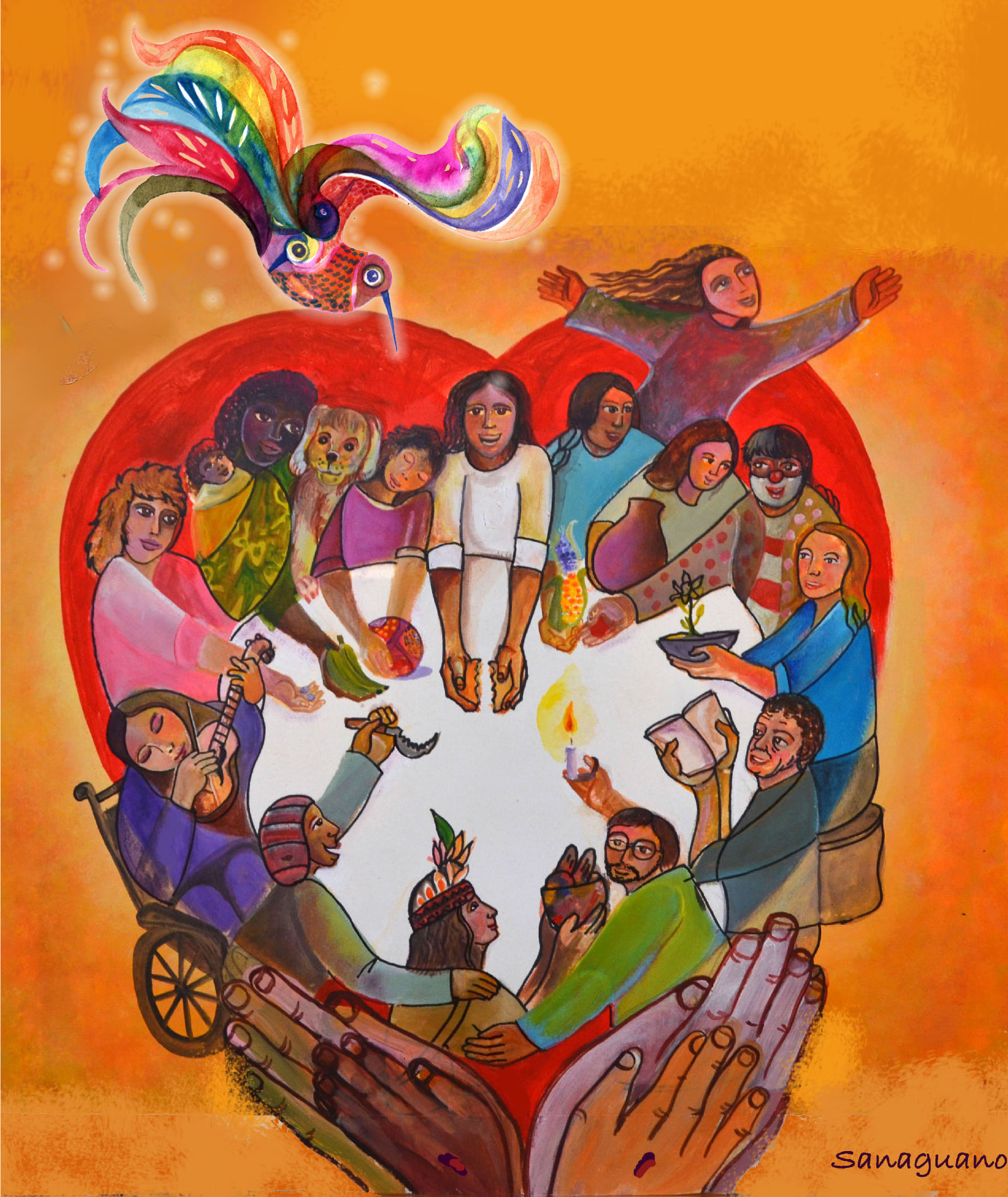
LOOK: Painting by Pablo Sanaguano

Painting by Pablo Sanaguano
Painting by Pablo Sanaguano (Ecuadorian, 1964–), 2021

LISTEN: “Jesus, Bread of Life” by Audrey Assad and Fernando Ortega, feat. Diana Gameros, on Neighbor Songs by The Porter’s Gate, 2019

This song was written for the Porter’s Gate album Neighbor Songs, which released in 2019. Diana Gameros, a member of the collective, sings on the recording and plays guitar. Here she is a year later, singing the song with Minna Choi for a City Church San Francisco [previously] virtual worship service.

Jesus, bread of life
Manna from heaven
Broken for the world
Offered up for every man

The feast of angels becomes food for the weary
And hungry hearts are filled
When you open up your hand

O Lord, come fill us with your love
This table laid for us
There is more than enough
Jesus, bread of life

Sister, take what you need
Anything I own
There is no famine here
Jesus’ love will multiply

Brother, what’s mine is yours
You are not alone
There is no shortage here
Jesus’ love satisfies

O Lord, come fill us with your love
This table laid for us
There is more than enough
Jesus, bread of life

[Related post: “Open Your Mouth (Artful Devotion)”]