Not only are humans tired and stressed and in need of deliverance; so is the environment. Today’s two featured works function as a call to care for the earth—the one a performative enactment of said care, tender and consoling, and the other an urgent lament by choir.
The gospel is for more than just humanity; it’s for all the earth—animals and insects, plants and soil, skies and oceans. All creation groans for redemption, Paul says in his letter to the early church in Rome. And in the final book of the Bible, John the Revelator’s vision is of the whole world renewed.
LOOK: Earth Rite by Holly Slingsby
Holly Slingsby (British, 1983–), Earth Rite, performance at St Pancras Church, London, July 6, 2024. Duration: 1 hour. Photo: Adam Papaphilippopoulos.
Artist Holly Slingsby’s Earth Rite premiered at the Ritual/Bodies live performance event that took place at St Pancras Church in London on July 6, 2024, organized by Dr. Kate Pickering. It was one of eight performance works by eight different artists (one work was by two performers; two works were by one) that collectively spanned some three hours, followed by a ninety-minute panel discussion.
In Earth Rite, “a solo performer sits atop a mound of earth, cradling it in her arms. The earth slips away only to be regathered, in a continuous act of generating, losing, and regenerating.” Charles Pickstone, an Anglican priest, reviewed the work in the Autumn 2024 issue of Art + Christianity journal, writing:
Holly Slingsby, in a loose white dress, sat on the church steps on a mound of rich soil, arms folded in embrace. Where one might have expected a baby, the artist was embracing armfuls of soil, constantly replenishing her burden as the soil slipped away from her. Part earth mother, part mourner, on the edge of the busy and noisy Euston Road, the artist made what could have been rather a moralistic revisiting of a well-known theme (compare William-Adolphe Bouguereau’s Charity, perhaps an influence on this work) into a courageous and compelling glimpse of the earth’s abused and vulnerable soil.
Slingsby reprised the performance on September 27, 2025, at the International Forum of Performance Art in Drama, Greece.
LISTEN: “Kasar mie la Gaji” (The Earth Is Tired) by Alberto Grau, 1987 | Performed by Stellenbosch University Choir, dir. André van der Merwe, 2024
“Kasar mie la gaji” is a Hausa saying from the Sahel region of Africa that means roughly “The earth is tired.” In 1987 leading contemporary Venezuelan composer Alberto Grau (b. 1937) set it to music, creating a magnetic choral composition for, in his words, “an international mobilization to save THE EARTH.”
In their performance notes, the Stellenbosch University Choir from South Africa writes: “The composition is designed on hypnotic repetition, with a steady reiteration of the text. Plaintive glissandos and layered ostinato patterns create a compelling chant, begging for justice and rebirth.”
Kathy Romey, the director of choral activities at the University of Minnesota, offers further description:
The work is broken into three distinct sections, of which the first and third incorporate short melodic motives combined with rhythms from traditional South American dance music intensified by clapping and stomping. The middle section is a slow lament and utilizes various special effects for a cappella chorus, including glissandi, whispering, talking, and hissing.
Why is the earth tired? Because we are depleting her resources. We are disrupting her ecosystems. The carbon emissions from our burning of fossil fuels for energy and transportation are trapping heat in her atmosphere and causing extreme weather.
Lord, have mercy. Please help us restore our planet to health and treat her with respect, recognizing that she, as part of your creation, is precious to you.
Among this month’s thirty spiritual songs of note are three by Indigenous artists of Turtle Island (North America):
>> “Ambe Anishinaabeg” from Cree composer Andrew Balfour’s Nagamo project, which explores the intersections of Indigenous song and Anglican choral music. The Ojibway text of “Ambe Anishinaabeg” was gifted to Balfour by Cory Campbell: “Ambe Anishinaabeg / Biindigeg Anishinaabeg / Mino-bimaadiziwin omaa” (Come in, two-legged beings / Come in, all people / There is good life here). On the album (and the playlist), the text is set to the “Gloria in excelsis Deo” by the late English Renaissance composer Thomas Weelkes; but in another iteration, captured in the following video, Balfour pairs the text with the music of William Byrd’s “Sing Joyfully” (itself a setting of Psalm 81:1–4). (Balfour has also written original music for Campbell’s text.) See the third roundup item for more about Nagamo.
>> “Jesus I Always Want to Be Near to You,” a solo by Doc Tate Nevaquaya (1932–1996) on Native American flute. Nevaquaya, who was Comanche, played an important role in the revival of the Native American flute in the 1970s, expanding the repertoire and playing techniques. This instrumental is one of twelve from the album Comanche Flute Music, originally released in 1979 by Folkway Records, which also includes Nevaquaya’s adaptations of non-Comanche flute melodies, his own compositions, and one piece by his son Edmund. As he states in his introduction to this track, “Jesus I Always Want to Be Near You” is an original Christian hymn written by the Comanche people. I couldn’t find the lyrics, but to listen to some more Comanche hymns, with words, see this video by Comanche Nation tribal members Anthony Nauni and Chad Tahchawwickah, and this recorded gathering at Lawton Indian Baptist Church in Oklahoma.
>> “naká·yè·ʔr sihskę̀·nęʔ (may it be that you have peace)” by Tuscarora singer Jennifer Kreisburg, a song of blessing from the new Yo-Yo Ma EP Our Common Nature. According to Sony Classical, the song expresses “hope for a future where humanity and nature coexist in harmony.” I just started listening to the album’s wonderful companion podcast, for which four of the seven episodes have been released.
+++
Also for November: See my Thanksgiving Playlist [introduction], comprising a hundred-plus songs of gratitude, with a few recent additions at the bottom; and my Christ the King Playlist [introduction], which I made for the final feast of the church year, celebrated Sunday, November 23, this year.
+++
ALBUM: Nagamo by Andrew Balfour: In May and June 2022, the Vancouver-based vocal ensemble musica intima teamed up with composer Andrew Balfour to create Nagamo (Cree for “sings”), a concert and CD recording that reimagines the Anglican choral tradition through an Indigenous lens. A child of the Sixties Scoop, Balfour was born in 1967 in the Fisher River Cree Nation near Winnipeg but at six weeks old was forcibly removed from his birth family by child welfare authorities of Manitoba and adopted by white parents. He says his childhood was happy, and that he was fortunate to have been put in a men and boy’s choir from a young age, where he received a musical education and international travel opportunities; but of course, the sudden rupture from his culture of origin left wounds.
With Nagamo, Balfour seeks to bring together his identities as Cree and as the son of Anglicans of Scottish descent, who raised him in the church (his father was a minister); his love of Renaissance choral music, much of which voices polyphonic praises to the God of Abraham, Isaac, and Jacob, and an Indigenous spiritual sensibility. The album comprises two original compositions (including one in Scots Gaelic), five Renaissance songs retexted (not translated) in Cree or Ojibway, and five unaltered works by William Byrd and Alfonso Ferrabosco. “The concept mines the fantastical question of what might have happened musically should Indigenous and European musics and cultural expressions come together in a manner collaborative and respectful, rather than divisive,” writes music journalist Andrew Scott for The WholeNote.
Examples of the adaptations include “Four Directions,” a recitation in Ojibway of the four cardinal directions—Ningaabiianong (West), Giiwedinong (North), Wabanong (East), Zhaawanong (South)—set to Thomas Tallis’s “Te lucis ante terminum” [previously], a prayer for protection through the night. And “Ispiciwin” (Journey), whose musical basis is Orlando Gibbons’s “Drop, drop, slow tears,” a Christian hymn of contrition, but whose Cree lyrics make reference instead to a smudging ceremony, a sacred cleansing ritual practiced by many Indigenous peoples. Here’s a mini-documentary about the Nagamo project:
Balfour “re-imagines how settler and Indigenous spiritualities can interact with one another. In essence, Balfour imagines a new system of power relations where both spiritualities can co-exist and engage in dialogue without the power imbalances of colonization,” Lukas Sawatsky writes in his master’s thesis Converging Paths: Settler Colonialism and the Canadian Choral Tradition, the final chapter of which explores Nagamo as a case study of “the reclaiming of settler-originated aesthetic models and genres by Indigenous people for their own storytelling purposes.” Sawatsky continues, “Through the lens of the Anglican choral tradition, Balfour synthesises his Indigenous cultural identity into music that proudly celebrates both parts, without resolving their differences. Through this, Balfour looks towards a world where the settlers and Indigenous people can exist without settler colonialism.”
+++
EVENT RECORDING:“A Timbered Choir: The Witness of Creation,”Wheaton College, Illinois, October 28, 2025: Last week the Marion E. Wade Center and the Conservatory of Music at Wheaton College presented “A Timbered Choir: The Witness of Creation,” an evening of music and poetry inspired by J. R. R. Tolkien’s and Wendell Berry’s love of creation and visions of stewardship. Readings and reflections by Wheaton professors from across the disciplines of biology, literature, and art culminated in the world premiere of a new Wade Center commission, a fifteen-minute choral cycle by Josh Rodriguez called A Timbered Choir, which sets to music three poems by Berry. “It was my aim to create a work which captures a sense of awe: at the trees which play such an important role in our fragile ecosystem, at the beauty and life-giving pleasure they provide for us, and at our urgent responsibility to care for them,” Rodriguez explains. “In this three-part tale on the life of trees, the audience is invited to witness an opening lullaby about the birth of the forest, followed by a desperate lament on the destruction of nature’s life-giving biodiversity, and a concluding celebration of nature’s resilience.”
The Wade Center is dedicated to promoting the study of seven British Christian writers: Owen Barfield, G. K. Chesterton, C. S. Lewis, George MacDonald, Dorothy L. Sayers, J. R. R. Tolkien, and Charles Williams. Wendell Berry—an American poet, novelist, and farmer especially known for his “Sabbath poems,” an expansive series he wrote over decades during his Sunday walks in the woods—is not part of their archive. But Wade Center Director Jim Beitler says they built this recent event around Berry because they want to encourage learners not just to look at the seven authors but to look with them, at the things they cared about. The center identified particular resonance between Berry and Tolkien.
Here are the time stamps from the video recording. The songs are performed by the Wheaton College Concert Choir under the direction of John William Trotter:
Opening remarks by Jim Beitler, director of the Wade Center
Also, the Armerding Center for Music and the Arts, where the event was held, is hosting tree-related art in the lobby: Cross of the Feast by Sung Hwan Kim (a crucifix in wood and mixed media made for a past KOSTA [Korean Students All Nations] Conference at Wheaton), permanently installed; and a set of graphite drawings by David Hooker, on display through Christmas break.
ARTICLE: “Regarding the Face of God: On the Paintings, Drawings, and Notebooks of Paul Thek” by Wallace Ludel, Triangle House Review:Last month I wrote about a chalk drawing by Paul Thek that the Archdiocese of Cologne curated for its latest exhibition at Kolumba museum. In preparation for writing, I did some basic research about the artist, who’s best known for his “Meat Pieces,” and was led to this fascinating article that focuses instead on his paintings, drawings, and notebooks, especially the religiosity and contradictions they are charged with.
Writer Wallace Ludel describes Thek’s “Diver” paintings of 1969–70, speculated to have been inspired by an ancient fresco inside the Tomb of the Diver in Paestum, Italy, as “at once ebullient and lonesome, womb-like and deathly.”
Thek identified as a “predominately gay” Catholic man and was even accepted as a novice by a Carthusian monastery in Vermont shortly before he died of AIDS in 1988. From 1970 onward, he kept notebooks where he copied long passages from spiritual texts and wrote his own devotional musings, as well as made drawings and watercolors and recorded various diaristic thoughts and mantras. One set of the pages, for example, titled “96 Sacraments,” enumerates ninety-six activities—“to breathe . . . to pee . . . to do the dishes . . . to forget bad things . . .”—each followed by the refrain “Praise the Lord.” This list evinces the spiritual influence of Brother Lawrence, who talked about “practicing the presence of God” in all things, which Thek remarked on in a 1984 letter to the Carthusians.
Thek is an artist I had never heard of prior to seeing his work exhibited at Kolumba. Visiting art museums, taking note of the works that intrigue you, and following up afterward with online searches to see and learn more is a great way to develop knowledge of the art that’s out there and to start to identify some of your own personal favorites—which is one of the primary questions I get asked. (“Where do you find all this art?”)
CHILDREN’S BOOK: Let There Be Light by Desmond Tutu, illustrated by Nancy Tillman: I saw this enchanting little book at my local library recently—a retelling of the creation narrative from Genesis 1 by the late South African Anglican bishop, theologian, and Nobel Peace Prize laureate Desmond Tutu. Published by Zonderkidz in 2014, it opens, “In the very beginning, God’s love bubbled over when there was nothing else . . .” Hear it read aloud, and view the illustrations, in this video from the Seuss’s Gooses YouTube channel:
+++
ARTICLES:
>> “Artist Traveled to Over 30 Cities to Perform Tea Ceremony with Strangers,” an interview with Pierre Sernet by Jessica Stewart: From 2001 to 2008, artist Pierre Sernet (French-born and residing in Japan) traveled to over thirty countries to spontaneously enact abbreviated Japanese tea ceremonies, inviting passersby to come sit and drink the cup of matcha he prepared in front of them. From deserts and beaches to villages and construction sites, he would set up a portable, open-air wooden cube that denoted the “tea room,” and the ensuing encounters were documented with photography. Called One (and nicknamed Guerrilla Tea), the series was meant to promote respect across cultures and “to emphasize to viewers the importance of each moment we live in.”
>> “A Teeter-Totter Style Bench Invites Sitters to Find Common Ground” by Grace Ebert: “In the Garden of Generations in Einbeck, Germany, a playful new installation asks park goers to find equilibrium with their neighbors. ‘Balance Bench” is the latest project of Berlin-based artist Martin Binder. Installed in his hometown, the interactive artwork rests on a central cylinder rather than four legs, requiring that at least two people sit on either side to level. ‘It cannot be used alone—it demands awareness, consensus, and cooperation between people to become a functional public space,’ he says.”
Martin Binder (German, 1990–), Balance Bench, 2025. Steel, oak. Installation at the Garden of Generations, Einbeck, Germany. Construction by Henning Müller Sondermaschinen. Photo by Spieker Fotografie.
+++
PHOTO SERIES: Hierotopia by Kieran Dodds: “Kieran Dodds (Scottish, b. 1980) is a non-fiction photographer known for his research-driven photo stories and portraiture. His personal work considers the interplay of environment and culture, and the importance of spiritual belief in global conservation.” In his Hierotopia series (from the Greek for “sacred place”), carried out from 2015 to 2018, he explores the green “church forests” east of Lake Tana in Ethiopia—little islands of biodiversity scattered throughout the region’s desert landscape. “To its guardians,” Dodds writes, “each forest resembles a miniature Garden of Eden and is essential to the dignity of the building. . . . The air inside the forests is cool, fragrant and filled with a cacophony of life. This is in stark contrast to the arid silence of the surrounding land which is feeling the strain of centuries of human activity and agriculture.”
Debre Mihret Arbiatu Ensesa church near Anbesame, Ethiopia, surrounded by woodland and fields. Photo: Kieran Dodds, from the Hierotopia series, 2015–18.
“The core Christian belief in stewardship for the environment is a powerful concept,” Dodds continues, remarking on the Ethiopian Orthodox Tewahedo Church’s commitment to conservation, “and, if applied globally by people who are at least nominally Christian, could transform the world for better.”
+++
SONGS:
>> “Hold You in Our Circle” by Emily Roblyn: This simple song of blessing by UK-based singer-songwriter and retreat leader Emily Roblyn has been sung at the bedsides of the sick or dying, over women about to be released from prison, and through myriad other life transitions and trials, by friends and communities seeking to voice their support. “We hold you in our circle, hold you in our love.” [HT: Nadia Bolz-Weber]
>> “The Lord Bless You and Keep You” by Peter C. Lutkin: Performed by the Capital University Chapel Choir in 2020, this song is a choral setting by the Midwestern composer Peter C. Lutkin (1858–1931) of the Aaronic Blessing from Numbers 6:24–26: (in Lutkin’s rendering) “The LORD bless you and keep you; the LORD lift his countenance upon you, and give you peace; the LORD make his face to shine upon you, and be gracious unto you.” God instructed the Levitical priests of ancient Israel to pronounce these words over the people, and though the Levitical priesthood is no more, this particular benediction is still used regularly in Jewish and Christian liturgies.
I’ve been following the work of comics artist Madeleine Jubilee Saito for several years (you may recall me featuring her here and here), and I’m thrilled that her debut collection of comics, You Are a Sacred Place: Visual Poems for Living in Climate Crisis, has now hit shelves! It’s gorgeous, you all. To coincide with the book’s release date today, I asked if she’d be willing to write a guest post providing some background and insight on comics as an art form and how Christians, including herself, have used the form. Before sharing two of her own comics, she explores three earlier examples by others—an Italian Gothic devotional painting, a late nineteenth-century African American quilt, and (where my mind typically goes when I hear “Christian comics”) a popular series of evangelistic tracts—expanding my sense of what a comic can be.
—Victoria Jones
A guest post by Madeleine Jubilee Saito
Comics have always been an art form for ordinary people—the medium of children, the illiterate, and the learning-to-read.
Since the 1960s, underground comix have been a scrappy, democratic, DIY art form: anyone with access to a black-and-white printer can make their own eight-page zine. And many Christians have found that humblest of publications, the self-published evangelistic tract, in that humblest of locations: the bathroom stall.
I am a Christian artist, and my medium is experimental comics. I define comics expansively as any visual artwork where meaning comes from the viewer reading discrete sections in sequence.
Breaking down my definition of comics
To put it more simply, comics are pictures (and sometimes text) that you read across panels.
Christian artists throughout time have been drawn to working in this medium. And because comics have always been a popular medium, often directed at those on the margins, reading Christian comics from the past can tell us something about how Christians of a particular time viewed ordinary people.
Three very different examples:
1. Pacino di Bonaguida, 14th century, Italy
Pacino di Bonaguida (Italian, active 1302–ca. 1340), Tabernacle with Scenes from the Life of Christ, ca. 1325. Tempera and gold leaf on panel, 44.5 × 63.5 cm. University of Arizona Museum of Art, Tucson.
Pacino di Bonaguida is one example of an Italian artist making sacred comics alongside the rise of the Dominican and Franciscan mendicant orders in the thirteenth through fifteenth centuries.
Panels showing sequential scenes from the life of Christ were a popular choice for altarpieces. (An example of artworks in this tradition is the Stations of the Cross—I made my own entry into that tradition a few years ago.)
Pacino di Bonaguida, Tabernacle with Scenes from the Life of Christ, bottom left detail. Note the way that the rock forms echo between the two panels, creating rhythmic repetition between the Baptism of Christ and the Agony in the Garden.
In this period, Dominicans and Franciscans helped launch a movement in the church emphasizing preaching to and teaching common people and seeing oneself in the biblical story.
While we don’t have any writing from Pacino, we can look to the theological trends of the time to understand his comics.
The Dominicans and Franciscans encouraged ordinary Christians, including the illiterate, to move sequentially, systematically, through the story of Christ. The anonymously authored manual The Garden of Prayer (1454) instructs:
Alone and solitary, excluding every external thought from your mind, start thinking of the beginning of the Passion, starting with how Jesus entered Jerusalem on the ass. Moving slowly from episode to episode, meditate on each one, dwelling on each single stage and step of the story. And if at any point you feel a sensation of piety, stop: do not pass on as long as that sweet and devout sentiment lasts.
Pacino di Bonaguida, Tabernacle with Scenes from the Life of Christ, bottom right detail
We see this sequential movement reflected in the sacred comics of the time—sometimes in square panels, other times in more creative shapes.
Pacino di Bonaguida, The Tree of Life, 1320. Tempera and gold leaf on wood panel, 248 × 151 cm. Galleria dell’Accademia, Florence. Note the round panels extending from a central point.
Sermons from the time extolled the usefulness of images depicting scenes from the life of Christ as a way to expand access to the gospel narrative. In 1492, for example, the Dominican friar Michele da Carcano, citing a famous letter of Pope Gregory’s from around 600, preached that images were introduced in churches “first, on account of the ignorance of simple people, so that those who are not able to read the scriptures can yet learn by seeing the . . . faith in pictures.”
These comics were intended to expand ordinary Christians’ access to the biblical story—making it more present and compelling, especially for those who couldn’t read.
2. Harriet Powers, 19th century, American South
Harriet Powers (American, 1837–1910), Pictorial Quilt, 1895–98. Cotton plain weave, pieced, appliqued, embroidered, and quilted, 175 × 266.7 cm. Museum of Fine Arts, Boston.
Harriet Powers was a Black American quilter and folk artist who was born into slavery in 1837 and lived near Athens, Georgia.
Like the Dominicans and Franciscans several centuries earlier, Powers saw her comics as a more-than-verbal way to preach the gospel. She described her work as “a sermon in patchwork,” saying she intended to “preach the gospel in patchwork, to show my Lord my humility” and to “show where sin originated, out of the beginning of things.”
Rather than preaching a discursive message, [Powers] offers one that is “archaic,” or “predicated on the priority of something already there, something given.” Her symbols and textures facilitate a process of “crawling back” to a deeper level of consciousness or evoking knowledge that is already within but encumbered. . . .
Powers focuses on what her audience already knows by nurturing memory and offering faith-enlivening symbols that will embolden their Christian imagination.
Powers’s quilts weave historical scenes from the recent past with biblical scenes—visually and metaphorically linking the biblical story and her immediate reality.
In her Pictorial Quilt, five of the fifteen panels depict recent historical and climatological events. The remaining ten depict stories from scripture.
Harriet Powers, Pictorial Quilt, edited by the author to highlight historical and climatological panelsPanels from Pictorial Quilt by Harriet Powers
Left: “The dark day of May 19, 1780. The seven stars were seen 12 N. in the day. The cattle wall went to bed, chickens to roost and the trumpet was blown. The sun went off to a small spot and then to darkness.“
Right: “The crucifixion of Christ between the two thieves. The sun went into darkness. Mary and Martha weeping at his feet. The blood and water run from his right side.”
Note the way that the visual repetition of celestial bodies creates a link between the scene of recent history and Christ’s passion.
Powers’s comics, written from the margins (Powers was a formerly enslaved woman in Reconstruction-era Georgia) and for those on the margins, reflect a vision of a world where biblical stories and lived reality are not distant or separate, but already intertwined.
God is already fully present on the margins. In “Quilting the Sermon,” McCray remarks:
A vibrant spirituality drives Powers’ preaching. She envisions God as a mighty sovereign who intervenes in earthly affairs and is known primarily through obedience to scripture and attentiveness to divine revelation. This revelation is not limited to scripture but continues to unfold in human history through climatological events, celestial occurrences, and everyday activities.
Chick tracts are broadly viewed as hate literature because of their anti-Semitic and anti-Catholic content. And Jack Chick (and his collaborators) are likely among the best-selling cartoonists in human history, with one billion tracts sold (according to Chick.com’s numbers).
While I don’t commend Chick’s work for distribution or personal meditation, I think that a critical reading of his comics reveals something interesting about a particular tradition of American Christianity—and how that tradition views the ordinary people who encounter Chick tracts in their mailboxes and workplaces and on public bathroom floors.
Each tract is a little larger than a business card (3″ × 5″), and usually around twenty pages long. Most tracts have a consistent rhythm: a setup, a shocking encounter, and a dramatic conversion.
If reading the Stations of the Cross feels like solemnly walking behind Christ as he makes his way through Jerusalem, Chick tracts feel like being pushed off a cliff.
In Chick’s imagination, the reader’s encounter with Christ is flat, rote, and tightly choreographed: Chick gives his readers the words to say. The reader’s encounter with God is compressed and mass-produced—an industrial object, like the tracts themselves.
Detail from The Bull, in which the titular character has a conversion experience while reading a Chick tract
For all three artists—Pacino di Bonaguida, Harriet Powers, and Jack Chick—the form’s legibility, irresistibility, and overall accessibility made comics a compelling tool to facilitate their readers’ encounters with God.
When I started making comics in high school, I was drawn to the medium for similar reasons: there is something irresistible and magical about the format.
My first comics were influenced by the autobiographical cartoonists of the early 2000s, especially Kate Beaton and Marjane Satrapi. In recent years, I’ve begun working more experimentally, influenced by the tradition of Christian comics described above.
I’ve always loved the poetry and repetition of the Psalms and the Prophets. Comics, especially poetry comics, can have poetic resonances on multiple levels at once: in the text, in the imagery, and in the interplay between the text and imagery.
My first book, You Are a Sacred Place: Visual Poems for Living in Climate Crisis (out from Andrews McMeel March 25, 2025), is my attempt to bring the comics medium’s unique complexity into questions about the climate crisis, God’s justice, and how it feels to live in our moment in history.
Madeleine Jubilee Saito is a cartoonist and artist from rural Illinois living in Seattle and the author of You Are a Sacred Place (Andrews McMeel, 2025). In 2022, she was an inaugural artist-in-residence at On Being. Her comics open each section of the best-selling anthology of women’s writing about climate, All We Can Save (One World, 2020), and her work was recognized in Best American Comics 2019. Follow her on Instagram @madeleine_jubilee_saito.
From the publisher: “In her debut collection of comics, artist and climate activist Madeleine Jubilee Saito offers a quietly radical message of hope. Framed as a letter in response to a loved one’s pain, this series of ethereal vignettes takes readers on a journey from seemingly inescapable isolation and despair, through grief and rage, toward the hope of community and connection. Drawing on the tradition of climate justice, Saito reminds readers that if we’re going to challenge fossil fuel capitalism, we must first imagine what lies beyond it: the beauty and joy of a healed world.”
“The wild animals honor me, the jackals and the owls, because I provide water in the wilderness and streams in the wasteland . . .”
—Isaiah 43:20 (NIV)
This verse from the prophetic book of Isaiah supplies the title of artist Josh Tiessen’s Streams in the Wasteland series. Comprising seventeen paintings of wild animals inhabiting abandoned cities, it took six years to complete, from 2015 to 2021. In this body of work Tiessen weds a biblical imagination with his passion for wildlife conservation to promote ecological ethics, or what Christians call “creation care”—the biblical imperative to be benevolent stewards of the environment and all its creatures. He says he wants to represent “the majesty, particularity, and beauty of animals” (Streams in the Wasteland, p. 33)—to evoke wonder, love, and empathy, and a greater sense of responsibility.
“The whole creation has been groaning,” the apostle Paul writes in Romans 8, seeking to “be liberated from its bondage to decay and brought into the freedom and glory of the children of God.” Creation has been damaged in large part by humanity’s sin, which has caused deforestation, land degradation, ozone depletion, and species endangerment and extinction, among other harms. Instead of enjoying the full flourishing God intended, the natural world suffers.
Streams in the Wasteland engages with the question, What would the liberation of animals from the bondage to decay look like? Some of Tiessen’s creative visual responses:
An Indian temple elephant breaks free of its shackles, no more to be prodded and paraded for the people’s religious festivals.
Released from aquarium amusement parks where they were exploited for entertainment, a pod of orcas journeys down a canyon river into the ocean past their ancestors’ skeletal remains, which will one day rise.
A jackalope—the mythical horned rabbit of North American folklore—sheds its antlers, a passing shadow of the old world. Rabbits with hornlike protrusions on or near their heads have actually been found in nature, the cancerous growths a result of a papillomavirus.
Josh Tiessen (Canadian, 1995–), Liberation of the Jackalope, 2018. Oil on braced Baltic birch, 21 × 29 in.
Tiessen calls his style “narrative hypersurrealism,” as he renders the animals with technical precision and great attention to naturalistic detail (hyperrealism) but places them in a postapocalyptic context, revealing strange beauty in the unexpected (surrealism). And in contrast to traditional wildlife art, Tiessen’s art tells a story. For Streams in the Wasteland, that story is one of reclamation and healing—but also one of warning for those who neglect God’s laws.
In preparation for this series, Tiessen wrote a research paper on zoological motifs in the book of Isaiah. He found that in several prophecies of judgment, God gives animals dominion over human civilization—an ironic reversal, the “weak” shaming the powerful.
Babylon, the jewel of kingdoms, the pride and glory of the Babylonians, will be overthrown by God like Sodom and Gomorrah. She will never be inhabited or lived in through all generations; there no nomads will pitch their tents, there no shepherds will rest their flocks. But desert creatures will lie there, jackals will fill her houses; there the owls will dwell, and there the wild goats will leap about. Hyenas will inhabit her strongholds, jackals her luxurious palaces. Her time is at hand, and her days will not be prolonged.
In addition to Babylon, Isaiah indicts other unjust nations: in Cush the fruit of the vine “will all be left to the mountain birds of prey” (18:6), and in Edom “the desert owl and screech owl will possess it; the great owl and the raven will nest there” (34:11). Concerning the kingdom of Judah: moles and bats will take over idols of silver and gold (2:20), lambs will feed on the food of the rich (5:17), and Jerusalem will become void of human activity and instead be “the delight of donkeys, a pasture for flocks” (32:14). It’s not just nocturnal animals and scavengers that crop up, but also harmless ones like foals and sheep.
Returning to the opening quote of this article, we see that Isaiah describes an eschatological reality in which God’s abundant provision elicits thanksgiving and praise from the animal kingdom. But they are Israel’s foil: whereas the animals are sensible of God’s goodness, God’s people are not. “Yet you have not called on me, Jacob. . . . You have burdened me with your sins and wearied me with your offenses” (43:22, 24).
Tiessen understands such animals “as the Creator’s special agents worthy of intrinsic value and a role in history. I caught a glimpse of Isaiah’s larger vision for animals serving as co-workers with the Creator to confront humanity, calling from within the ruins of human moral decay” (Streams in the Wasteland, p. 22).
Therefore, in Streams in the Wasteland, a barn owl stakes its place on a plinth of a Gothic cathedral alongside sculptures of the saints, meerkats lounge on a chaise inside a Baroque manor, lar gibbons swing from the entryway of a university, and a pack of spotted hyenas wanders through Bodie, a California Gold Rush boomtown known for its sin, now a ghost town.
Josh Tiessen (Canadian, 1995–), Occidental Babylon, 2017. Oil on braced Baltic birch, 52 × 75 in.
I’m very familiar with the Isaiah passages where creatures are presented as blessings of Edenic hope for the future, existing peaceably with humans (e.g., Isa. 11:6–9), but I had never really stopped to consider all the places where they are said to overtake what we deem human domains. Such passages are certainly more uncomfortable for us humans!
Though humans’ neglect or mistreatment of animals is not specifically what prompts God’s pledged use of animals to shame the rebellious nations, surely our disregard for the creation mandate in Genesis—to rule the earth with care and compassion—is a form of rebellion against God. And so Tiessen extends his reading of Isaiah to address that call in particular, which is echoed in other parts of scripture, such as Proverbs 12:10: “The righteous care for the needs of their animals.” By placing animals in human habitations, Tiessen compels us to remember our obligations to our nonhuman neighbors.
Perhaps my favorite painting from Tiessen’s series is Whale Hymn. The setting is the ruined shell of St. Dunstan-in-the-East, a twelfth-century church that once towered over the city of London but that was irreparably bombed during World War II. It has since been converted into a public garden. In his futuristic vision, Tiessen imagines it surrounded by floodwaters, a humpback whale swimming by. This giant of the deep sings its song to the Creator in the same place where generation after generation of Christians sang their praises until human violence rendered the building unusable.
Josh Tiessen (Canadian, 1995–), Whale Hymn, 2015. Oil on braced Baltic birch, 36 × 48 in.
Isaiah is not the only biblical source of inspiration for Tiessen. Ezekiel’s vision in the valley of dry bones inspired Can These Bones Live?, which shows a monarch butterfly gliding through the ribcage of a human skeleton, and its sequel, Rise Up—the only two paintings with human figures.
Tiessen was born in 1995 in Moscow to Canadian missionary parents. His Russian nanny, Lena Zhuk, taught him drawing basics, like perspective and shading, and, when he showed aptitude, bought him his first set of tempera paints, brushes, large heavy paper, and other materials. When he and his family moved back to Canada, Valerie Jones, a fellow church member and artist, noticed his talent and got him his first public art exhibition at age eleven. Then when Tiessen was fifteen, Canadian wildlife artist Robert Bateman took him on as a student and mentee. He graduated from high school at age sixteen and began exhibiting throughout North America while working on a bachelor’s of religious education in arts and biblical studies at Emmanuel Bible College in Kitchener, Ontario, which he earned in 2020. His professional memberships include Artists for Conservation, the Society of Animal Artists, and the International Guild of Realism.
He currently lives in Stoney Creek, Ontario.
Tiessen has self-published a hardcover, glossy-paged, full-color book that collates all the works from Streams in the Wasteland, providing commentary on them (additional to that on his website), which includes engagement with scholarly interpretations of the Isaiah passages. Through sketches and more, he sheds light on his artistic process and also provides autobiographical information. The book comes with a CD of instrumental compositions by his brother Zac Tiessen that respond to each of the paintings—an atmospheric soundscape. It would make a great gift.
The culmination of the series is Agnus Dei, a triptych featuring all the animals in the individual paintings gathering around a horned altar where the Lamb of God lies slain. Tiessen drew inspiration from Jan van Eyck’s Adoration of the Mystic Lamb, Francisco de Zurbarán’s Agnus Dei, and the paintings of Caspar David Friedrich featuring abandoned abbeys, churches, and cemeteries in winter.
Instead of saints from the Homo sapiens species surrounding the Lamb in worship, Tiessen shows a giant panda, a double-wattled cassowary, a narwhal, and other animals paying homage to Christ. They, too, are drawn up into God’s awesome story of redemption. They, too, participate in the “new thing” God is doing.
“My painting is . . . a critique of the human-centric bias within Western art history,” Tiessen writes. “This is best seen in Renaissance paintings where animals seldom appear, and if they do, it is simply for allegorical purposes. By enlisting wild animals as protagonists with intrinsic value amidst the wasteland of human existence, I endeavor to revise Western art history through a zoological lens, liberating the Judeo-Christian worldview from its perversion at the hands of anthropocentric Greek philosophy.”
This final image shows animals liberated from the effects of the fall, honoring the One whose atoning death and resurrection reconciles all to God (Col. 1:19–20).
To see which of these paintings are available for purchase—either the originals or reproductions or notecards—visit https://www.joshtiessen.com/store.
PRAYER COMPILATION: “Prayers for a Violent World” by W. David O. Taylor: “How exactly do we pray in the aftermath of violence? What words should we put on our lips? What can the whole people of God say ‘amen’ to and what might only one of us be able to say amen to in good conscience? These questions are, of course, far from easy to answer, but over the past couple of years I have attempted to give language to such matters and I have included here a number of those prayers, in the hope that they might prove useful, and perhaps comforting, to people who face the terrors and traumas of violent activities on a regular basis.” Included are prayers After a Mass Shooting, Against Bloodthirstiness, For Loving a Hurting Neighbor, For Enemies, For Bitter Lament, For Peace in a Time of War, For Those Who Weary of Doing Justice, and more.
Alfred Kubin (Austrian, 1877–1959), War, 1903
Here’s Taylor’s Prayer of Allegiance to the Prince of Peace:
O Lord, you who deserve all our loyalties, we pledge allegiance this day to the Lamb of God and to the upside-down Kingdom for which he stands, one holy nation under God, the Servant King and the Prince of Peace, with liberty and justice for all without remainder. We pray this in the name of the Holy Trinity. Amen.
+++
NEW ALBUMS:
>> Sorrow’s Got a Hold on Me by Paul Zach: On May 20, singer-songwriter Paul Zachwrote on his Instagram, “My new album of thirteen sad church songs is out today! Many of these songs were written right after one of my weekly EMDR therapy sessions, as I have been working through the sorrow, trauma, and grief of the past few years. I’m learning to bring all of myself to God in prayer and songwriting, which includes my sorrow and anger. I’ve always heard that God shows up in a unique way in times of grief but that has not been my experience. These songs are an invitation for the ‘man of sorrows’ to join me in my grief.”
Zach often writes collaboratively (including as part of the Porter’s Gate! see below), and the cowriters on some of the songs here are Kate Bluett, Latifah Alattas (Page CXVI), Nick Chambers, Orlando Palmer (IAMSON), Jessica Fox, Alex Johnson, and Philip Zach. There are also a few guest vocalists.
>> Climate Vigil Songs by the Porter’s Gate:The Porter’s Gate is a collective of fifty-plus songwriters, musicians, scholars, pastors, and music industry professionals from a variety of Christian worship traditions and cultural backgrounds, making music for churches. This sixth album of theirs, made in partnership with the #ClimateVigil movement, is themed around environmental justice and creation care. Below are videos for “Brother Son (Giving Glory!)” and “Jubilee.”
Besides “Brother Sun,” my favorite tracks are “Satisfied,” a prayer that we would stop seeking to build our wealth (a motive that drives a lot of environmental injustices) and instead be grateful for God’s provision; “The Kingdom Is Coming,” a marchlike call-and-response song that rallies us to pray, wait, and work for an end to creation’s groaning; and “Water to Wine,” which wonders at the miraculous process of planting and growing grapes for harvest. There’s also “All Creatures Lament,” a minor-key arrangement of “All Creatures of Our God and King” with new lyrics that enjoin the animals to mourn habitat loss, air pollution, and other results of humans’ power abuses and irresponsible stewardship.
To learn more about the album, listen to this great interview with Porter’s Gate cofounder and producer Isaac Wardell; it’s from the RESOUNDworship Songwriting Podcast, hosted by Joel Payne. Wardell discusses the vision for Climate Vigil Songs, and especially the difficulty, with thematic albums, of avoiding the pitfalls of being too heavy-handed with the messaging on the one hand, and on the other, being so vague that people don’t see the connection. There’s also a need for tonal balance, and for songs that fill different functions.
We wanted to write for this album at least three different kinds of songs. One kind is essentially songs of lament—songs lamenting the state of creation because of human sin and the brokenness of the world. Secondly, we wanted to write hopeful, you might even call them eschatological, songs—songs that are joyful, that are about this is the world that God has made, this is God’s creative work, this is how God calls us into his creative work. . . . And lastly, we wanted to write mobilization songs—songs that have some kind of an ethical component of calling people to action in some way. . . . We want to make sure the record is not too much of a downer, like all lament songs; we want to make sure that it’s not too much of a happy-clappy “Isn’t creation beautiful!”; and we also don’t want to let it just delve into being a 100 percent political action record. . . . We want to balance those things.
Wardell also talks about the group’s collaborative songwriting approach (including all the theological and editorial work that’s put in), Te Fiti’s stolen (and later, restored) heart in Disney’s Moana, personified nature in the Psalms, creation as an experiencer of the fall and redemption, the role of provocation in church, and biblical imagery he wishes they could have included on the album but had to leave out for length.
+++
POEM + CHORAL SETTING: “when god decided to invent” by E. E. Cummings: “Here’s a brief powerhouse of a poem from E. E. Cummings, two stanzas that draw a sharp distinction between God’s inventive, joyful creativity on the one hand, and our too-frequent turn toward violence on the other. As the mass shootings in Buffalo, Uvalde, and elsewhere continue to reverberate, Cummings’ poem helps us feel and think about what’s at stake – and what the way forward looks like.”
SALT Project reproduces the poem, provides brief commentary, and links to a musical setting by Joshua Shank—a composition for SATB, soprano saxophone, and finger cymbals that premiered in 2005. Shank says the arc of his piece is creation-destruction-recreation. “This final chord is the creator taking control of the creation again.”
+++
RADIO EPISODE: “Belief in Poetry: John Donne”: John Donne (1572–1631) is one of my favorite poets, and looking back on the blog, I can’t believe I’ve not yet featured any of his poems! (I’ll have to rectify that . . .) In this BBC Radio 4 segment from March 13, poet and theologian Pádraig Ó Tuama considers Donne’s complex faith life through his poetry. He speaks with Julie Sanders, professor of English literature and drama at Newcastle University; Mark Oakley, writer and dean of St. John’s College, Cambridge; and Michael Symmons Roberts, poet and professor of poetry at Manchester Metropolitan University. Sir Simon Russell Beale reads the four featured Donne poems: “Death, be not proud” and “Batter my heart, three-person’d God” from his Holy Sonnets series, “Hymn to God, My God, in My Sickness,” and “A Hymn to God the Father.”
Here are two of the quotes that stood out to me:
“It’s easy to think of John Donne’s life falling neatly into two parts: the worldly man, and the spiritual seeker; the lover of women, and the lover of God; Catholic, then Protestant; before Anne, and after Anne; love poet, and religious poet. But life is rarely that clear. And rather, it’s the tension between these dynamics of him that gives birth to so much of his work.”—Pádraig Ó Tuama
“There’s an assumption that a poet working in this territory is sure of their ground and knows what they’re writing about. I don’t think that’s ever true, because why would you write the poems, if that were true? You’d just bathe in your certainty! The whole act of sitting down to write a poem is not to dress up something you already know in a way that makes it an enticing package for other people to be convinced by—and if you attempted that, it’s going to fall like the deadest thing on the page. Making a poem is an exploratory process. You don’t know where it’s going to end when you start it.”—Michael Symmons Roberts
Ears to the Ground Family is a group of friends in their early thirties, making music together in and around their hometown of Harrisonburg, Virginia. Minimalist and totally acoustic, they sing songs of hope, sustaining faith, and resistance to oppression and empire. Their stylistic influences include the spirituals, soul, hip-hop, R&B, folk/Americana, chant, Taizé, and Anabaptist hymns, especially from the Mennonite tradition, to which they belong.
The core members of Ears to the Ground Family are, from left to right, Jake Cochran, percussionist; Matt Dog, trumpeter; Nichole Barrows, lead vocalist; Hannah Win, vocalist; and Dimitris Campos, lead vocalist, classical guitarist, and multi-instrumentalist.
The band formed in 2010 and has “always preferred the outdated and peculiar model of the elusive traveling troubadour,” sharing their music in small settings, unplugged, locally or regionally. Its members first met during the Petrol-Free Jubilee, an annual two-week bicycle-powered music and art tour of the mid-Atlantic, which they went on to participate in as a group for seven years. Its purpose was “to promote peace, social justice, and a healthy planet.”
“We biked two hundred to three hundred miles with ten to twenty people on average, often several bands or musicians with us at a time, and our regular stops and show locations included a lot of farms, community centers, and Catholic Worker houses,” band member Nichole Barrows told me. “Just imagine twenty people rolling down Main Street in your city in the middle of a hot summer afternoon on their bikes, with drums and guitars in tow, ringing their bike bells and singing at the top of their voices! I mean, it was like summer camp on wheels; we brought the show with us!”
This small-scale approach and casual touring schedule, Barrows said, “enables us to root ourselves deeply within our home community and invest in the valuable work that inspires our music.” That valuable work includes church ministry, community organizing, farming, and outdoor education.
In June 2017 Ears to the Ground Family recorded eight original songs (written between 2007 and 2013) plus a traditional African American spiritual, but jobs, family, and other projects prevented them from being able to mix, master, and self-release until recently. Finally, on December 18, 2020, their debut album, Full Moon in June, came into the world, making their music available to a much wider audience for the first time.
“It’s funny,” Barrows said, “some people talk about ‘slow music’ (you know, slow food, etc.) to describe homegrown, independently released local music. But we’re so ‘slow’ that it takes us about ten years to release our first album!”
Infused with prophetic imagination, Full Moon in June denounces the forces of evil at work in the world on a grand scale—things like war, environmental exploitation, predatory lending practices, and the prison industrial complex—and casts a beautiful vision of all things new under Christ. Stop participating in that which is destructive, the album invites, and join instead with the creative work of the Spirit, which is love, joy, peace, patience, kindness, generosity, faithfulness, gentleness, and self-control (Gal. 5:22–23). These songs awaken my enthusiasm for the promised future of all that is and for our journey toward it, sowing seeds of Christ’s kingdom all along the way.
An exploration of “Almond Blossom”
My favorite song on Full Moon in June is the first one, “Almond Blossom” by Dimitris Campos, which uses the image of a tree to signal abundance and renewal. “There’s an almond blossoming in Jerusalem,” it opens. Almond blossoms are a harbinger of springtime, and in fact Israel’s almond trees are the first to bloom each year. The song’s second line, “The buds on a fig tree becoming tender again,” evoke the recurring comparison of God’s people to a fig tree in the Hebrew Bible (e.g., Hosea 9:10; Jer. 8:13; Jer. 24) as well as the story of Jesus cursing a fig tree for failing to bear fruit, a symbolic act of judgment against those who reject his ways. The image here, though, is of a withered fig tree becoming healthy and vibrant once again.
The lyrics go on to note how the trees and other parts of the natural world appear to worship God; the “mountains are clapping their hands” (cf. Psa. 98:8; Isa. 55:12), and the trees reach toward the heavens. Humanity, by contrast, turns in on itself, and rather than living into the flourishing it was created for, invents new means of destruction—bombs dropped from drones, for example, leaving orphans in their wake.
In the song, Campos recalls a visit to the National Air and Space Museum in Washington, DC, the horror of families posing happily for photos in front of bombers, fighter jets, missiles, military avionics, and other tools of combat, celebrating national might. Campos contrasts the heaviness of those metal death-traps with the light feeling of floating on the “river of life” (cf. Rev. 22:1), and their sterility with a fructifying olive vine, delicately tended (cf. Rom. 11:11–24).
Empires fall—Egypt, Rome; America one day will too, and another will rise in its place. “I proclaim that Jesus, he will decide / If it is that Rome is on I-95”—the highway that the US capital is located off of. Earthly kingdoms that put their trust in arsenals and that deal in death rather than life may be in for a divine toppling. The same goes for corrupt systems.
Jesus himself said as much. For example, in Mark 13:2, he says regarding the Jewish temple complex, “Do you see these great buildings? Not one stone will be left here upon another; all will be thrown down.” It’s because the religious establishment at the time had become oppressive and was rejecting Jesus as the Christ. They were trusting in all their rules and learned interpretations of scripture while failing to see the plain revelation of God right in front of them.
The penultimate stanza of “Almond Blossom” is excerpted from “Canticle of the Turning” by Rory Cooney, a paraphrase of Mary’s Magnificat, which is one of the Bible’s most radical songs:
From the halls of the power to the fortress tower Not a stone will be left upon a stone Let the king beware, for your justice tears Every tyrant from his throne
The song concludes with a reprise of the first two lines, circling back to the image of trees and their eschatological (end times) resonances. In Matthew 24:32–33, Jesus tells his disciples, “From the fig tree learn its lesson: as soon as its branch becomes tender and puts forth its leaves, you know that summer is near. So also, when you see all these things, you know that [the Son of Man] is near, at the very gates.”
“Almond Blossom” is a clever interweaving of biblical allusions, spanning Genesis to Revelation, that calls America to account for its warmongering while inviting her citizens into the beautiful, lasting, life-giving way of Christ.
The following poem from the book of Isaiah, about the messianic age, was resounding in my mind as I listened to this song:
For you shall go out in joy and be led back in peace; the mountains and the hills before you shall burst into song, and all the trees of the field shall clap their hands. Instead of the thorn shall come up the cypress; instead of the brier shall come up the myrtle; and it shall be to the Lord for a memorial, for an everlasting sign that shall not be cut off.
—Isaiah 55:12–13
Other songs
All but two of the songs on Full Moon in June were written (or cowritten) by Dimitris Campos. Half Greek and half Peruvian, he was raised in a Latino culture in the United States, which itself has mixed Spanish, Indigenous, and African influences. His musical compositions are informed by this background.
“Recession Don’t Bother Me,” subtitled “No te compliques la vida” (Don’t complicate your life), reflects on a mother’s words of advice regarding not staking your identity on material things, and not climbing over others to get ahead. It was released with this statement:
We are releasing this album in the midst of the historic COVID-19 pandemic. The virus has left record numbers of people without work and we realize that in this moment, working-class people are suffering. With that in mind, we want to note that our song “Recession Don’t Bother Me” (which was written during the Great Recession of 2007 and 2008) is not saying “the recession don’t affect me,” because as the current pandemic has shown us, the circumstances and effects of the current situation do indeed have profound consequences for us all. Nor is this song saying that we are insulated from the economic effects of recession because of our wealth or privilege—although we acknowledge that in this current context, many people have had it much harder than we have. What this song is saying is that our current destructive and dehumanizing economy must, one day, collapse. And that we hope to be among those who welcome and rejoice at an exodus from an Egypt to a promised land, even if it means a journey through the desert to get there. We are praying for providence for all those suffering during these deeply trying times.
In downtown Harrisonburg, amidst hip college-town cafés, sits the Rockingham County Jail, right across the street from the courthouse. At certain times of day, men in jumpsuits and chains are very visibly marched to and from these locations. Disgusted by this flagrancy and following the arrest of one of his undocumented friends, Campos wrote “Prison Cells.” It’s a condemnation of America’s for-profit prison system and retributive (as opposed to restorative) model of justice. How does our lust for punishment cohere with Jesus’s blessing on the merciful (Matt. 5:7) and the apostle Paul’s insistence that “love keeps no record of wrongs” (1 Cor. 13:5)? We teach our kids to forgive offenses and to let go of grudges, and yet our criminal law teaches the opposite. Lord, have mercy.
Fourth up on the album is a new interpretation of the spiritual “Sheep, Sheep, Don’t You Know the Road?” from the Georgia Sea Islands, popularized in the 1960s by folk singer and African American music preservationist Bessie Jones, who learned it from her formerly enslaved grandfather. Ears to the Ground Family has expressed the indebtedness of their work to “centuries of creative Black resistance against slavery and oppression,” of which this song is just one example. Its lyrics describe the road of faith as one of pain but also bridges, a road where “there’s no price tag” (cf. Isa. 55:1) and “the sword’s beat down” (cf. Isa. 2:3–4).
On this track the djembe and shekere are played by Jay Beck and Tevyn East, two of the lead organizers of the Carnival de Resistance. “A traveling carnival, village, and school for social change bridging the worlds of art, activism and faith,” this organization seeks to throw off sanitized pieties and “provide a raucous expression of grief and longing and hope for Creation.”
“Painter” is a parable that shows how indulging in sin cuts us off from ourselves and can inhibit us from showcasing God’s glory.
“Moneditas” (Coins), which Campos wrote with Ana Maria Febres, is a Spanish-language song about the emptiness of riches. It echoes Matthew 6:19–20: “Do not store up for yourselves treasures on earth, where moth and rust consume and where thieves break in and steal; but store up for yourselves treasures in heaven, where neither moth nor rust consumes and where thieves do not break in and steal.”
The whimsical “Time, Time, Time,” with its coffee-mug and glass-bottle percussion, seems to me to be a celebration of the unfolding of time just as it is. May we not wish for time to move any faster or slower, but instead appreciate the now and live with an openness to whatever’s next.
“Walnut Textures,” by Campos and Lightning Lucas, encourages a closer relationship with the natural world. It remarks with regret how we have such a strong desire to explore the far reaches of the universe, and yet many of us hardly know the beauty and wonders of our own planet, or even our immediate environs—or if we do, we don’t care enough to protect them. Instead of stewarding nature we squander and abuse it, building highways (dirty paved “rivers”) through forests and then packing cars onto them, increasing air pollution and contributing to global warming. This dominating stance over God’s creation is vanity, and God urges us toward a better way—one of friendship with creation, in which we recognize our mutual groaning for redemption (Rom. 8:22–23) and take up our responsibility as caretakers, which includes adopting sustainable environmental practices.
Spending time in nature is refreshing and even liberating, a chance to experience the givenness of life. Living in right relationship with her now is great practice for the age to come, when all will be reconciled.
The last song, “Shade of the Most High,” was written by Nichole Barrows amid her grief following the death of her mother. It was inspired by the promise in Psalm 91 that we will find rest in the “shadow” of the Almighty God. She says,
I found great comfort in this image of grief as a dark place where God can still find us and bring us rest, because although we feel that we don’t deserve the bad things that are happening to us, we can trust that we are still in his “shade.” And this gift of trust in God’s faithfulness helps us not to fear disease or darkness or even death. I sang these words over myself that year [of my mother’s decline] and I sing them over you now: “With a hope like this, we are fearless, and with a love like this, I will not despair.”
Loss is wrenching and often unexplainable, but it can also be an occasion “to find new life, to find new eyes,” and to lean all the more firmly on the One who bears our sorrows in love.
Already and not yet
When I was talking to Barrows, she expressed emphatically one of the great paradoxes in Christian teaching: “that the kingdom of God is not yet here and that we are together longing for Christ to come make all things new, and also that he is already here, now, on this earth, in this place.” She mentioned how Ears to the Ground Family wishes to affirm not just the spiritual elements of faith (which, I will add, are the central preoccupation of the vast majority of faith-based music) but the physical elements as well, “such as care for the earth and the peace witness and the works of mercy.” This commitment is certainly reflected on their album, which is centered on holistic liberation. I love how it so joyously embraces the broadness of the good news of Jesus Christ, which is not just for individual souls but also for bodies and communities and for the whole created world—presently as well as futurely!
Full Moon in Juneis available for digital download or as a CD in a cardboard sleeve with handprinted letters (produced by Campos’s vintage, treadle-powered letterpress) and stamped with handmade rubber stamp art. The latter option is a limited edition of 200.
I didn’t post an Artful Devotion this week, as I struggled to satisfactorily put together image and song for any of the readings, but I’ve now cycled through all three lectionary years on the blog, which are stored in the archives. For content on Sunday’s lectionary reading from the psalms, Psalm 133, see “When Brothers Dwell in Unity (Artful Devotion)” (featuring a Chicago mural by William Walker and a joyful new psalm setting from the Psalter Project); see also the poem “Aaron’s Beard” by Eugene Peterson.
+++
NEW ALBUM: Quarantine Sessions by Eric Marshall: Eric Marshall is the frontman of and songwriter for the meditative art rock band Young Oceans. During the COVID-19 quarantine he recorded eleven of the band’s old songs acoustically in his home studio—just his voice and guitar—and has released them digitally on Bandcamp. Several music artists have been making stripped-down records during this season, and I’m digging it!
+++
ART COMMENTARIES from ART/S AND THEOLOGY AUSTRALIA
Art/s and Theology Australia is an online publication that aims to provoke public reflection and promote research on conversations between the arts and theology, predominantly in Australian contexts. Here are a few articles from the recent past that I particularly enjoyed.
Michael Galovic (Serbian Australian, 1949–), Creation of Lights in the Heavens, n.d.
^^“Jesus Dreaming: A Theological Reaction to Michael Galovic’s Creation of Lights in the Heavens” by Merv Duffy:Creation of Lights in the Heavens by contemporary artist and iconographer Michael Galovic is an authentically Australian reading and rewriting of one of the Byzantine creation mosaics at Monreale Cathedral. Like its visual referent, it shows the Logos-Christ seated on the cosmos, hanging the sun in place (medieval artists tended to show God the Son, who is depictable, as Creator), but the gold background, used in icons to represent the eternal uncreated light of God, is replaced with dots, curves, and circles that represent the Dreamtime of Aboriginal theology, the origin of time and eternity.
Penny Dunstan, Sixteen Earth Bowls, 2018. Installed at Holy Trinity Anglican Church, Merriwa, for the Festival of the Fleeces.
^^ “Sixteen Earth Bowls” by Penny Dunstan: Soil scientist and visual artist Penny Dunstan has crafted bowls out of topsoil from rehabilitated coal mines in the Hunter Valley in Warkworth, New South Wales, which she exhibits in churches, among other places. “Making earth bowls is a way of thinking about my ethical responses to soil use in a post-mining landscape,” she writes. “It is a way of thinking with my heart and not just my head. As I work with each Hunter Valley topsoil, I come to understand each as an individual, a special part of God’s creation. Each soil behaves according to its own chemical nature and historical past when I fashion it into a bowl shape. . . .
“These soils, full of tiny lives, are responsible for growing our food, making our air and storing atmospheric carbon. Our very lives as humans on the earth depend on them. By fashioning these soils into bowls and placing them in sacred places, I hope to remind us to honour the earth that we stand upon, that earth that speaks to us by pushing back at our feet.” (Note: See also Rod Pattenden’s ArtWay visual meditation on Dunstan’s work.)
Andrew Finnie (Australian, 1957–), The Body of Christ, The Tree of Life, 2014. Pigment print on Hahnemuhle paper, 78 × 182 cm.
^^“The Cross and the Tree of Life” by Rod Pattenden: “One of the pressing questions for the Church is how we see Christology being renewed in the face of climate change and the potential for the quality of life on this planet to decline,” writes art historian Rod Pattenden [previously]. “Who is Jesus for us in the midst of the profound changes that are occurring to the earth, water, and air of our world? . . .
“Andrew Finnie’s image The Body of Christ, The Tree of Life”—a large-scale ecotheological digital collage—“is an attempt to re-imagine the figure of Christ in conversation with the earth and the networks that sustain human life in all its thriving beauty. Here, the traditional figure of the cross has become entwined in the roots of the tree, a tree of life that is giving form to the variety and beauty of the natural world.”
+++
SONG: “Kadosh” by Wally Brath, sung by Nikki Lerner: The Kedushah is part of the Amidah, the central prayer of the Jewish liturgy. Its first verse is taken from the song of the seraphim in Isaiah 6:3: “Holy, holy, holy, is the LORD of hosts; the whole earth is full of his glory!” (Kadosh means “holy.”) In this original composition for voice, piano, and string quartet, Wally Brath [previously] has combined this Hebrew exclamation from the book of the prophets with an English excerpt from the Lord’s Prayer taught by Jesus in Matthew 6:10: “Thy kingdom come, thy will be done on earth as it is in heaven.” [HT: Multicultural Worship Leaders Network]
The performance captured in this video, featuring Nikki Lerner, took place at Winona Lake Grace Brethren Church in Winona Lake, Indiana, on July 11, 2020. A full list of performers is given in the YouTube description.
+++
CONCERT FILM: Amen! Music of the Black Church: Recorded before a live audience at the Second Baptist Church in Bloomington, Indiana, and airing April 26, this PBS special explores the rich traditions, historical significance, and meaning of black church music. Dr. Raymond Wise leads the Indiana University African American Choral Ensemble in twenty-one spirituals, hymns, and gospel songs, showing how black church music is not monolithic. He demonstrates the stylistic spectrum you can find among black church communities using a song text derived from Psalm 24:7–10 (“Lift up your heads . . .”): one performed with the European aesthetic preferred in more affluent congregations, one a classical-gospel hybrid, and one pure gospel. One thing I learned from the program is that there is a tradition of shape-note singing in the black church! (See, e.g., The Colored Sacred Harp.) [HT: Global Christian Worship]
Here’s the set list:
“We’ve Come This Far by Faith” by Albert Goodson
“Kumbaya”
“Run, Mary, Run”
“Oh Freedom”
“What a Happy Time” by J. M. Henson and J. T. Cook
“Amazing Grace” by John Newton
“Ain’t Got Time to Die” by Hall Johnson
“I’ve Been ’Buked”
“Lift Up Your Heads” by Emma Louise Ashford, arr. Lani Smith
“Lift Up Your Heads” by Clinton Hubert Utterbach
“Lift Up Your Heads, All Ye Gates” by Raymond Wise
“Glory, Glory, Hallelujah”
“Jesus on the Mainline”
“I Need Thee Every Hour” by Annie S. Hawks and Robert Lowry
“You Can’t Beat God Giving” by Doris Akers
“Come to Jesus” by E. R. Latta and J. H. Tenney
“We Shall Overcome” by Charles Tindley
“Lord, Keep Me Day by Day” by Eddie Williams
“Lord, Do It for Me” by James Cleveland
“Oh Happy Day” by Edwin Hawkins
“I’ve Got a Robe” by Raymond Wise
“Hallelujah, Praise the Lord, Amen” by Raymond Wise
+++
INTERVIEW: Last September The Cultivating Project interviewed Malcolm Guite [previously] on his latest poetry collection After Prayer, the poet-priest George Herbert, the life of a writer, art as faithful service, doubt and despair, his Ordinary Saints collaboration with Bruce Herman and J.A.C. Redford, his friendship with Michael Ward (author of Planet Narnia), the blessing of seasons (both earthly and liturgical), and making room for joy. The interview includes three of Guite’s poems: “Christ’s side-piercing spear,” “A Portrait of the Artist,” and “St. Augustine and the Reapers.”
Bruce Herman (American, 1953–), Malcolm Guite, 2016. Oil on panel with gold leaf, 30 × 30 in.
Below you will find a mix of annotated links to songs, interviews, articles, and art showings of interest: “The Sound of Silence” on classical guitar; an acoustic ecologist whose job is to record nature’s music; giving up books for Lent; two interfaith art exhibitions (Faces of Prayer in Vienna and To Bough and ToBend in Los Angeles); and two new folk music albums (Old Wow by Sam Lee and Civil Dawn by the Pharaoh Sisters).
+++
MUSIC VIDEO: “The Sound of Silence” (arr. Lawson, Trueman): Classical guitarist Miloš Karadaglić collaborated with members of the string orchestra 12 Ensemble on this instrumental rendition of Simon & Garfunkel’s “The Sound of Silence.” [HT: Philip Chircop]
This is the title track of Karadaglić’s fifth album, Sound of Silence, released last fall. To watch him perform the piece in London’s Air Studios, as filmed by Classic FM in October for Live Music Month 2019, click here.
+++
PODCAST EPISODE: “Silence and the Presence of Everything,”On Being interview with Gordon Hempton: “Acoustic ecologist Gordon Hempton collects sounds from around the world. He’s recorded inside Sitka spruce logs in the Pacific Northwest, thunder in the Kalahari Desert, and dawn breaking across six continents. An attentive listener, he says silence is an endangered species on the verge of extinction. He defines real quiet as presence—not an absence of sound but an absence of noise.”
Such a unique vocation—listening to places, preserving natural soundscapes. “I hear music coming from the land,” Hempton says. “Some of the most sublime symphonies have been hidden away in something as simple as a driftwood log.” Among his other favorite “musics” are “grass wind” (“the tone, the pitch, of the wind is a function of the length of . . . the blade of grass”) and sounds from “the most musical beach in the world,” Rialto Beach.
Earth is a solar-powered jukebox. . . . We can go to the equator, listen to the Amazon, where we have maximum sunlight, maximum solar energy. The solar panels, the leaves, are harvesting that and cycling it into the bioacoustic system. And, to my ears, that’s a little too intense. That’s a little bit too much action.
Then we can jump up into Central America, and we can still feel and hear the intense solar energy, but it’s beginning to wane.
And we notice a really big difference when we start getting into the temperate latitudes, of which I particularly enjoy recording in because it’s not just about the sound, but it’s about something that I call the “poetics” of space. . . .
“Silence is really wonderful, isn’t it?” he beams. “Even when we just let it exist, it feeds our soul.”
+++
ESSAY: Last year Leah Slawson gave up books for Lent. When I first read that headline, I balked. Books are so life-giving to me! But as I read on, I came to understand Slawson’s reasoning (with which I can identify), and, while I’m not fasting from reading, I admire her choice. “I put a high value on reading, but I am keenly aware that I can use it as an escape from thinking my own thoughts or from noticing my feelings. . . . Reading, for me, is a distraction from the hard work of writing, and since it is so worthy of an activity, I feel justified and redeemed. I even read and study as a way to fool myself into thinking I am practicing faith; when really, I am just reading about someone else’s spiritual practice.” [HT: Rachel A. Dawson]
+++
EXHIBITIONS:
>> Faces in Prayer: Photography by Katharina Heigl,Weltmuseum Wien, Vienna, December 5, 2019–March 24, 2020: A series of thirty-one intimate black-and-white photographs showing people of different faiths in prayer. To capture these shots, photographer Katharina Heigl visited churches, temples, mosques, synagogues, and other places of worship in Austria and Israel, but, important to the display, there are no labels to tell you who is praying to which god(s). That’s because Heigl wishes to emphasize the universality of the human impulse to communicate with the Divine. There are signs, however, that reproduce quotes from anonymous sources, printed in German, English, Hebrew, and Arabic, such as “Prayer is like an oasis of calm inside me. Like a tree giving me shade.” [HT: ArtWay]
Exhibition view of “Faces in Prayer: Photography by Katharina Heigl” (2019–20) at the Weltmuseum Wien, Vienna
Photograph by Katharina Heigl, from the “Faces in Prayer” series
>> To Bough and To Bend,Bridge Projects, Los Angeles, March 11–April 25, 2020: Officially launched last October, Bridge Projects is an LA exhibition space with public programs connecting art history, spirituality, living religious traditions, and contemporary art practices. Their second exhibition, To Bough and To Bend, opens Wednesday, with thirty-two participating artists.
“The Tree of Life is found in both the beginning of the Jewish Tanakh and in the last book of the Christian Scriptures. The Bodhi Tree is said to be the site of Siddhārtha Gautama’s awakening as the Buddha. Ancient Chinook prayers address God as the ‘Maker of Trees.’ As the novelist Richard Powers said, trees are rightly called ‘architecture of imagination.’ Their shade and branches have been sites of contemplation, suffering, and imagining our renewal.
“Today, trees still speak: blunt stumps communicate deforestation and charred limbs speak of Los Angeles fires started by our own hands—or our negligence. New discoveries of communicating root systems speak to a tangled web of connections just below the surface of the visible world, just as LA’s iconic—and imported—palms evoke a colonial past. In To Bough and To Bend, artists explore these ecological issues and look to both religious and contemporary art practices that help us listen to these old friends, so that we might relearn to ‘walk slowly and bow often’ and find our way back into the living world we share.”
Tal Shochat (Israeli, 1974–), Lessons in Time 3 (Yellow Apple Tree), 2016. C-prints, mounted and framed, 39 1/4 × 44 in. each. Photo courtesy of the artist and Meislin Projects.
The opening celebration on March 14 will consist of a communal poetry reading followed by a Tu B’Shevat (New Year of the Trees) ritual presentation by community organizer Michal David. Other events are: “Called to Shine: Trees in Myth, Symbol, and Art”; a live interview with artist Lucas Reiner on his Trees as Stations of the Crossproject; a talk on indigenous trees of Southern California, given by a member of the Tongva tribe; a discussion of art’s role in nature preservation; a lecture by Dr. Kimberly Ball on Yggdrasil, the tree of life in Norse mythology; “Paradise and Agony in the Garden: Sacred Trees in Italian Renaissance Art”; Dr. Duncan Ryūken Williams on the intersections of Buddhism and ecology; a bonsai demonstration; and a poetry reading and song performance by Iranian-born writer Sholeh Wolpé.
+++
NEW ALBUMS: Both these were released in January.
>>Old Wow by Sam Lee: An avid collector and reinterpreter of traditional songs, Britfolk artist Sam Lee is acclaimed for “breaking the boundaries between folk and contemporary music and the assumed place and way folksong is heard . . . not only inviting in a new listenership but also interrogating what the messages in these old songs hold for us today.” He studied under the Scottish storyteller and ballad singer Stanley Robertson (1940–2009) and, in addition to singing, plays the Jew’s harp and the Indian shruti box. Other instruments in his unique fusion include the klezmeresque cello, tabla, Japanese koto, ukulele, violins, and percussion.
Below are two music videos from his latest album, Old Wow. The first is “Lay This Body Down,” a song about death; in the choreographed video, Lee is tugged and caressed by a gaggle of deceased souls, who at the end enfold him in the ground. “The Moon Shines Bright,” on the other hand, which features Elizabeth Fraser, is about life: its call (fitting for Lent) is to “Rise, arise, wake thee, arise / Life, she is calling thee / For it might be the mothering of your sweet soul / If you open your eyes and see.” I’ve heard many different iterations of this song, which usually appears on Advent/Christmas albums with verses about the Nativity, Crucifixion, etc., but this adaptation was gifted to Lee by an elderly Gypsy woman named Freda Black and is absent of overt Christological references.
>> Civil Dawn by the Pharaoh Sisters: The Pharaoh Sisters is a folk outfit from Winston-Salem, North Carolina, whose debut album has arrived! Influenced by mountain, old-time, and gospel traditions, the band consists of Austin Pfeiffer on acoustic guitar and lead vocals, Jared Meyer on acoustic guitar and backing vocals, Kevin Beck on lap steel guitar, and John Daniel Ray on upright bass. “Their music blends the cowboy sensibilities of Western-native frontman and lyricist Austin Pfeiffer with the Appalachian traditions of dark imagery and poignant guitars from their current home in the foothills of the Blue Ridge.”
The biblical narrative is deeply embedded in the album, with many sideways references to specific scriptures. Topography is used symbolically throughout—fissures, canyons, mountains—and helps establish the central metaphor of Jesus as a pioneer, opening up a new frontier for us, leading us through the wilderness into the land of promise.
The album’s title, Civil Dawn, is a scientific term referring to when the center of the sun is six degrees below the horizon in the morning—in other words, the moment before the sun rises. The first song, which muses on the paradoxical character of Jesus, ends with a yearning for “Healing wings / Righteous sun,” a subtle nod to Malachi 4:2. That leads into “Awake, my soul, to the sun,” a prayer that we would incline ourselves toward the Light that’s already shining. As the journey continues, there’s darkness, dryness, a feeling of lostness and thirst. But we are not abandoned by our co-traveler, who is our light, our rest and refreshment, our way-maker. The last song, “Homecoming,” celebrates the “pioneer man with sun-scorched hands” who “guides on a trail he’s blazed”—an evocative image, which makes me think of Christ’s glorious wounds (in many traditional religious paintings, the nail prints emit light), but also, in light of the whole record, Isaiah 58:11: “The LORD will guide you always; he will satisfy your needs in a sun-scorched land and will strengthen your frame. You will be like a well-watered garden, like a spring whose waters never fail.”

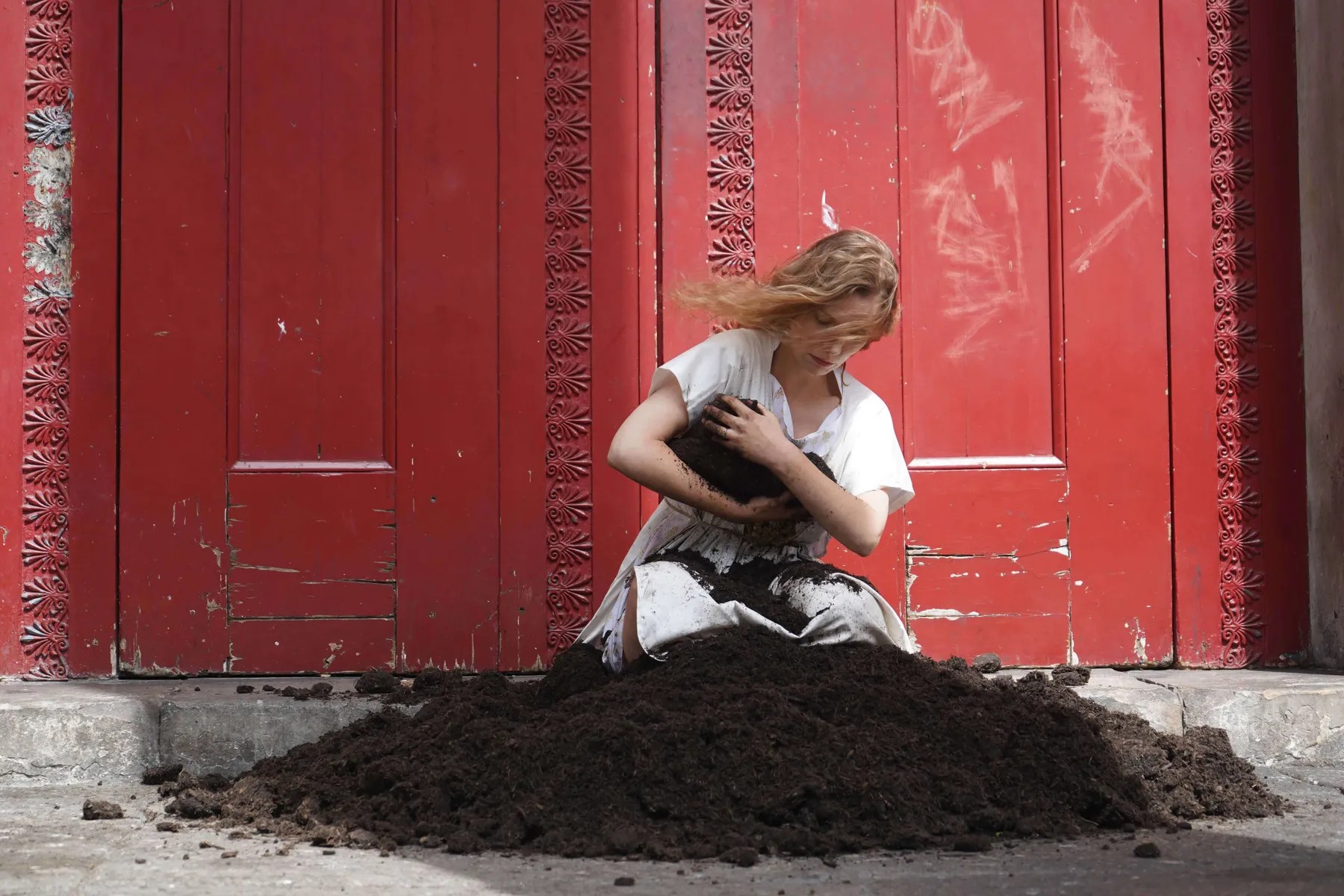
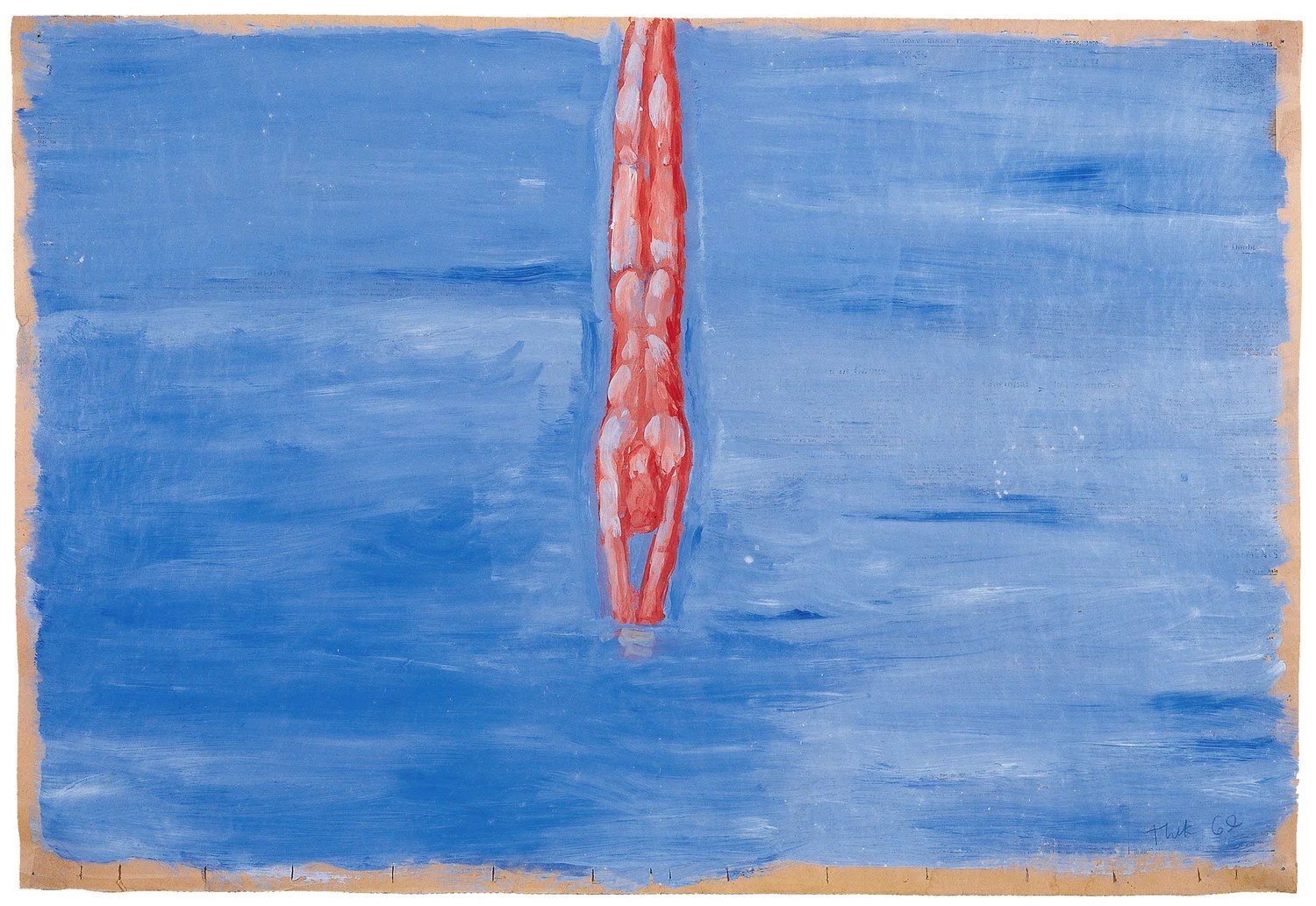
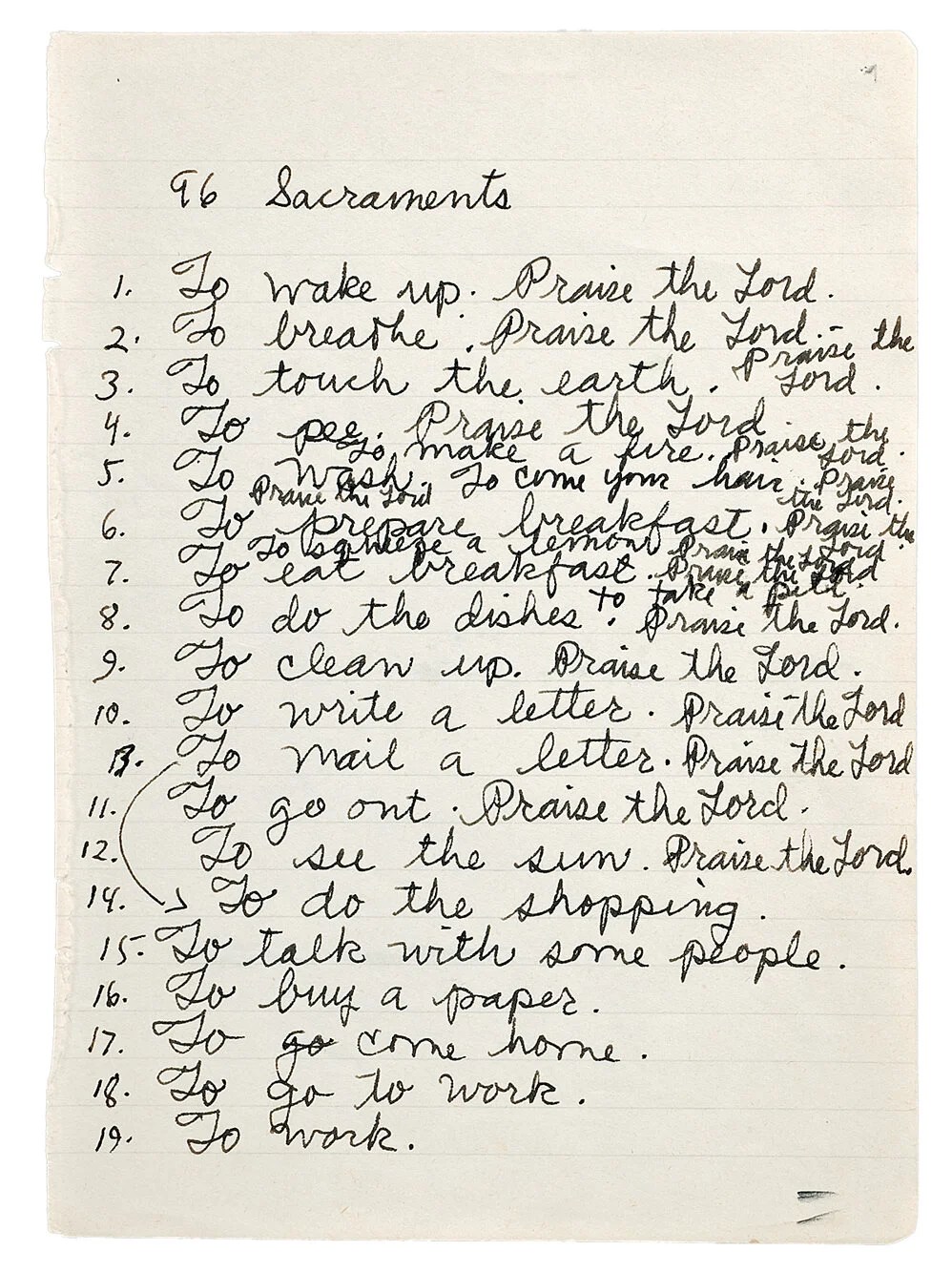
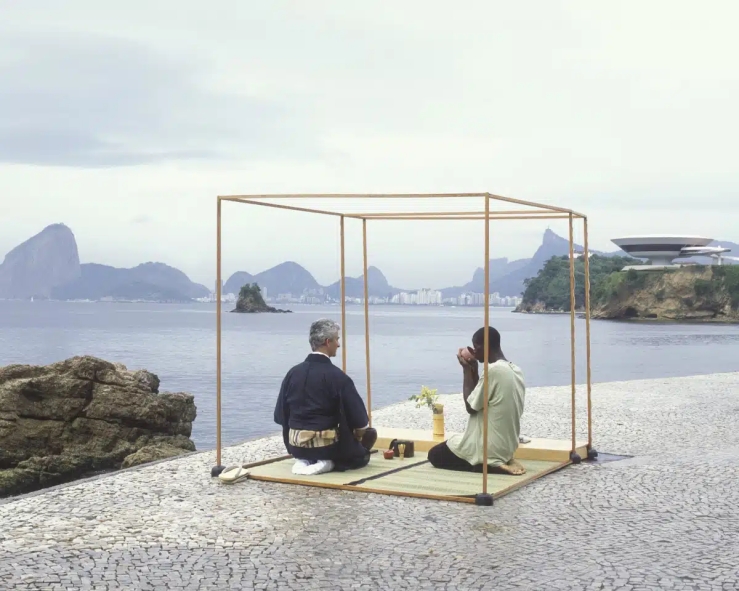
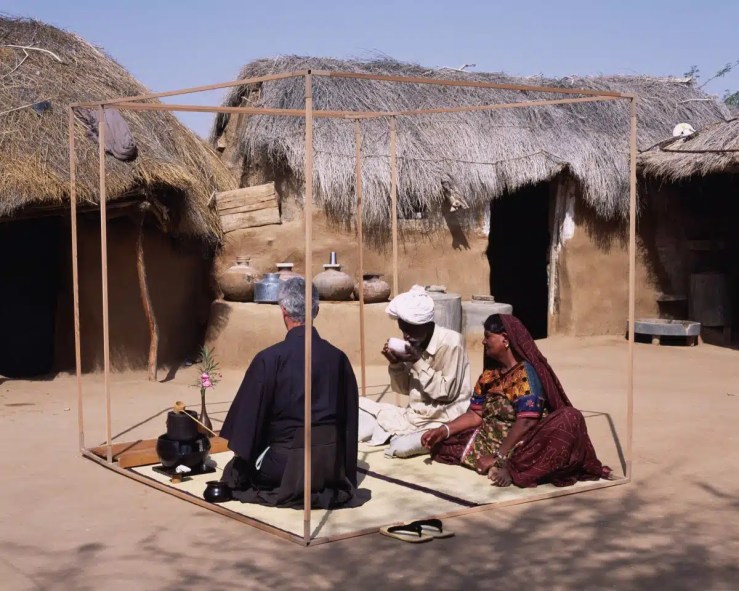
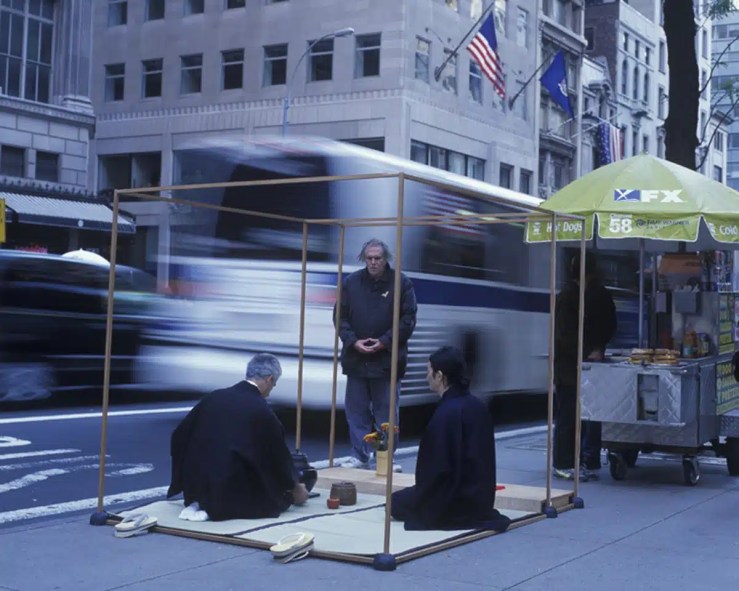
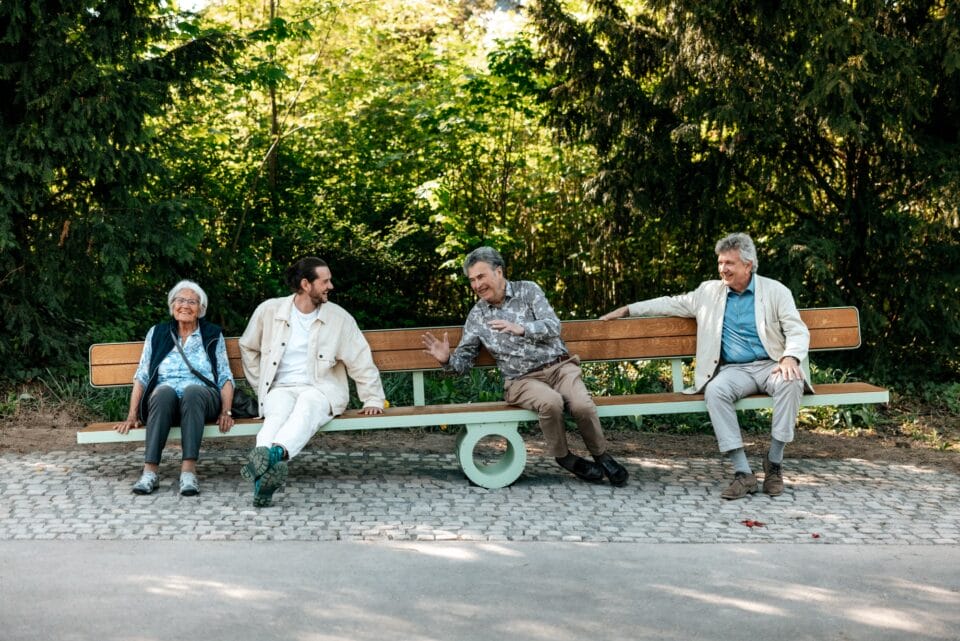
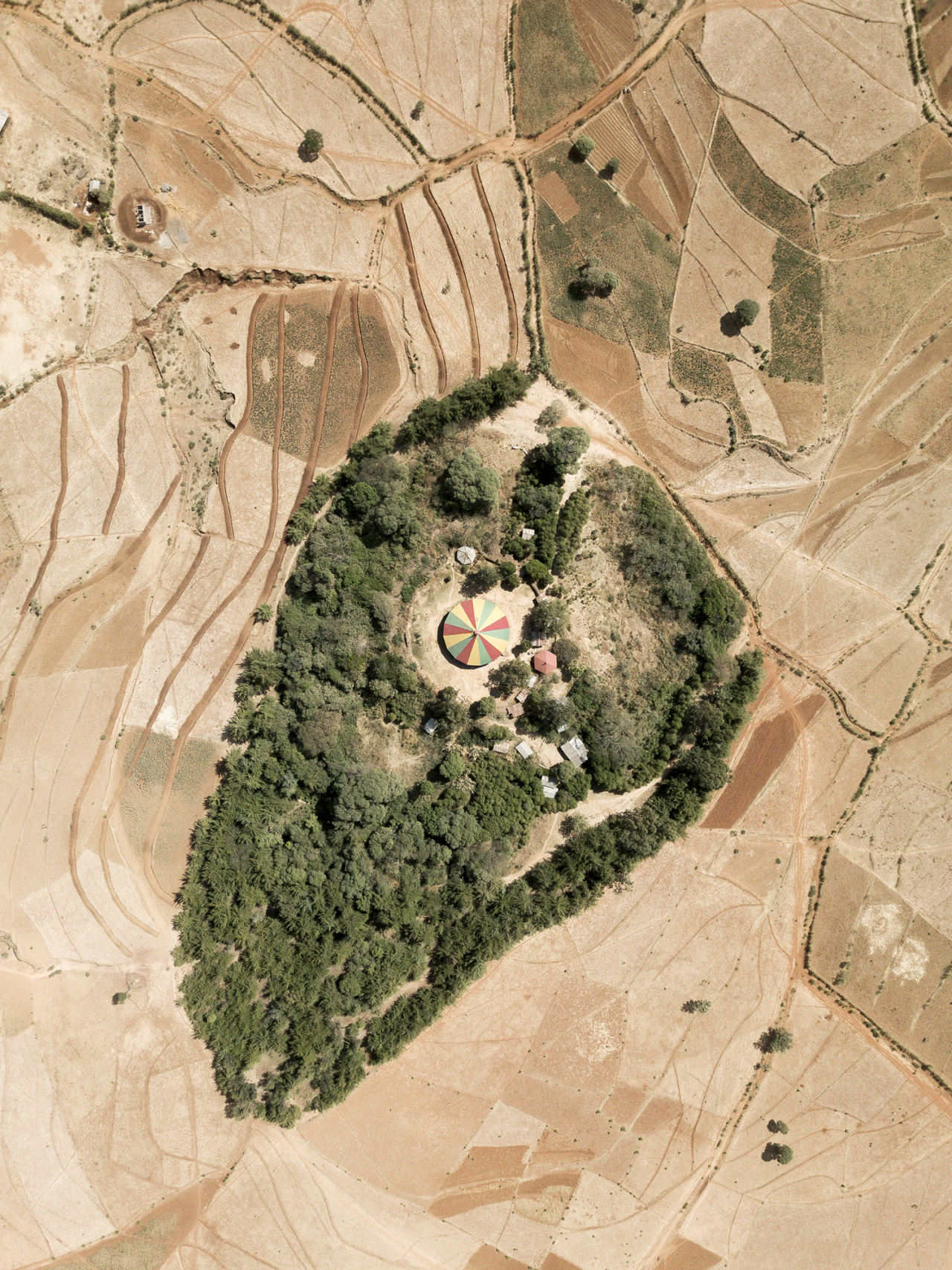
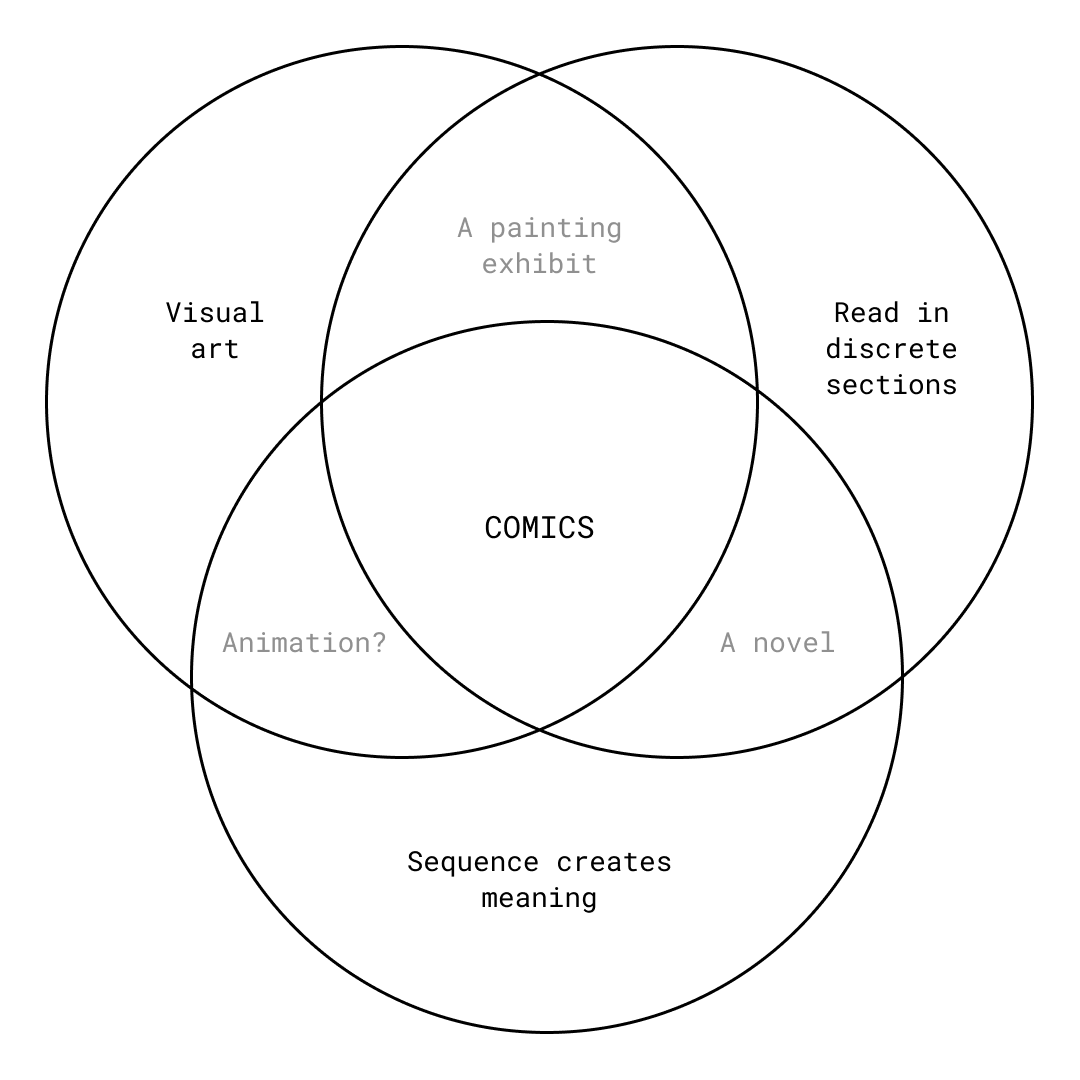
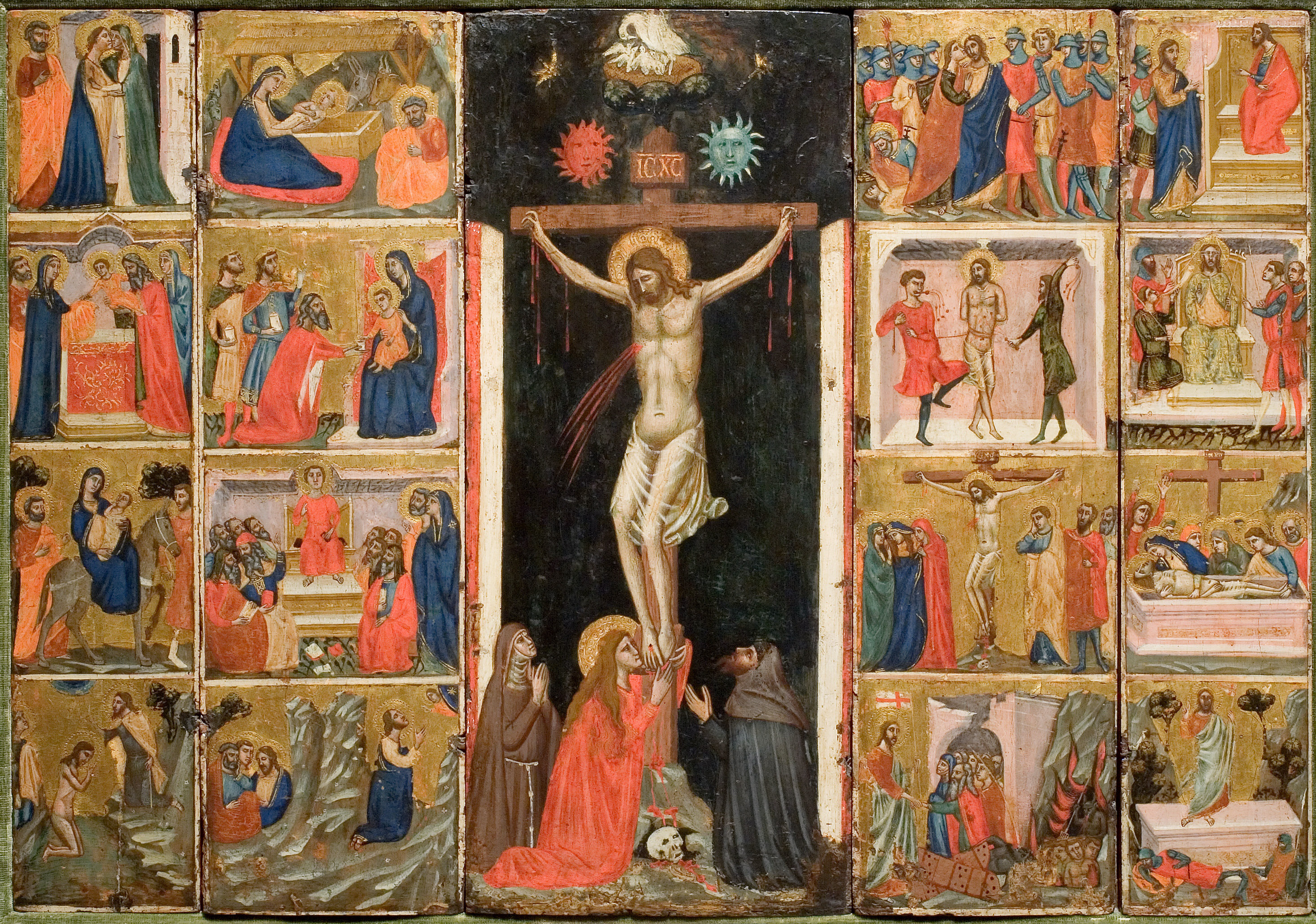
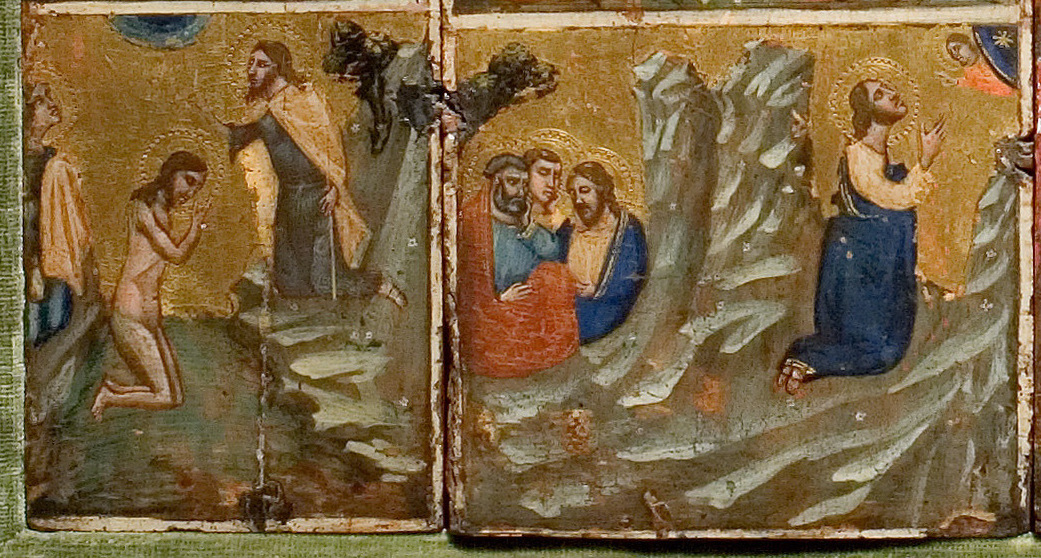
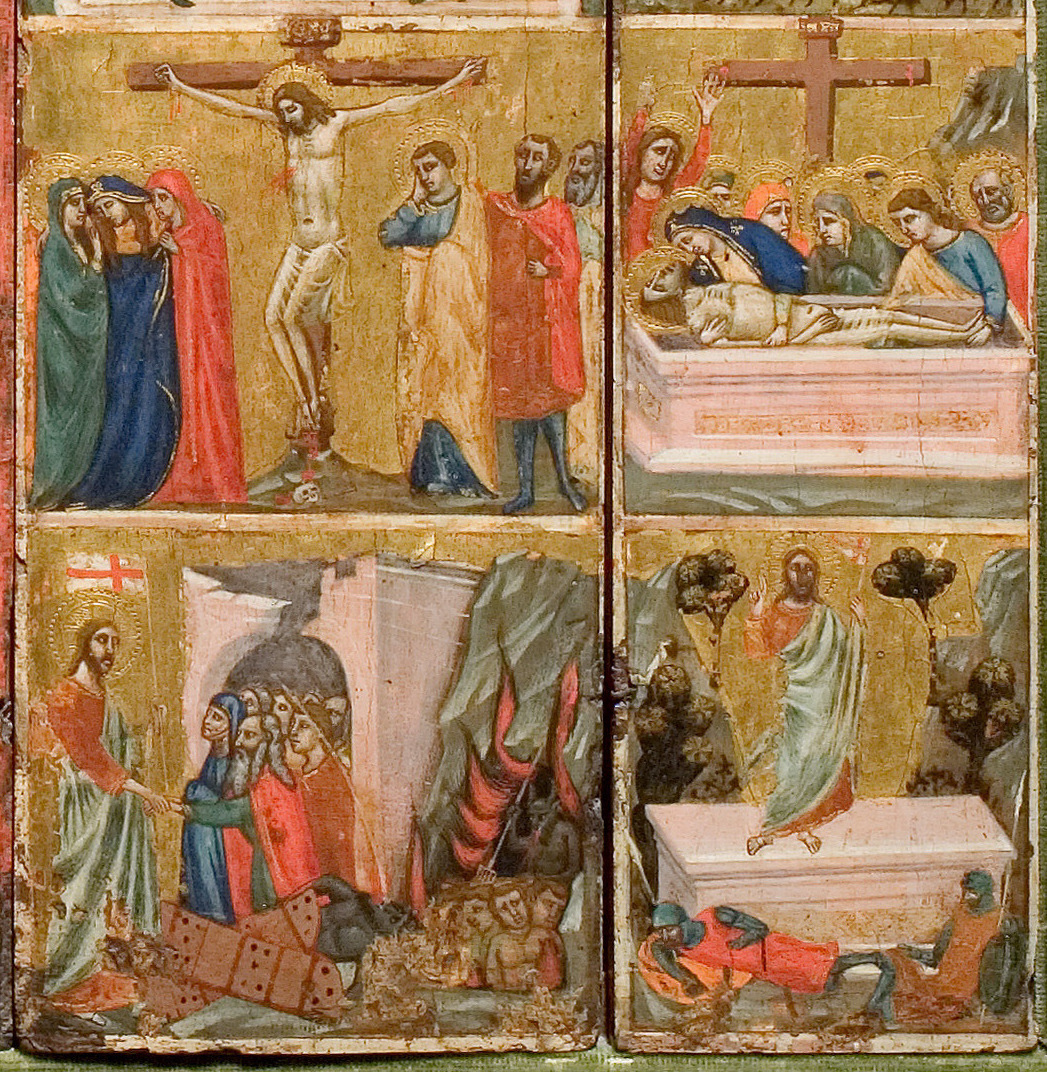
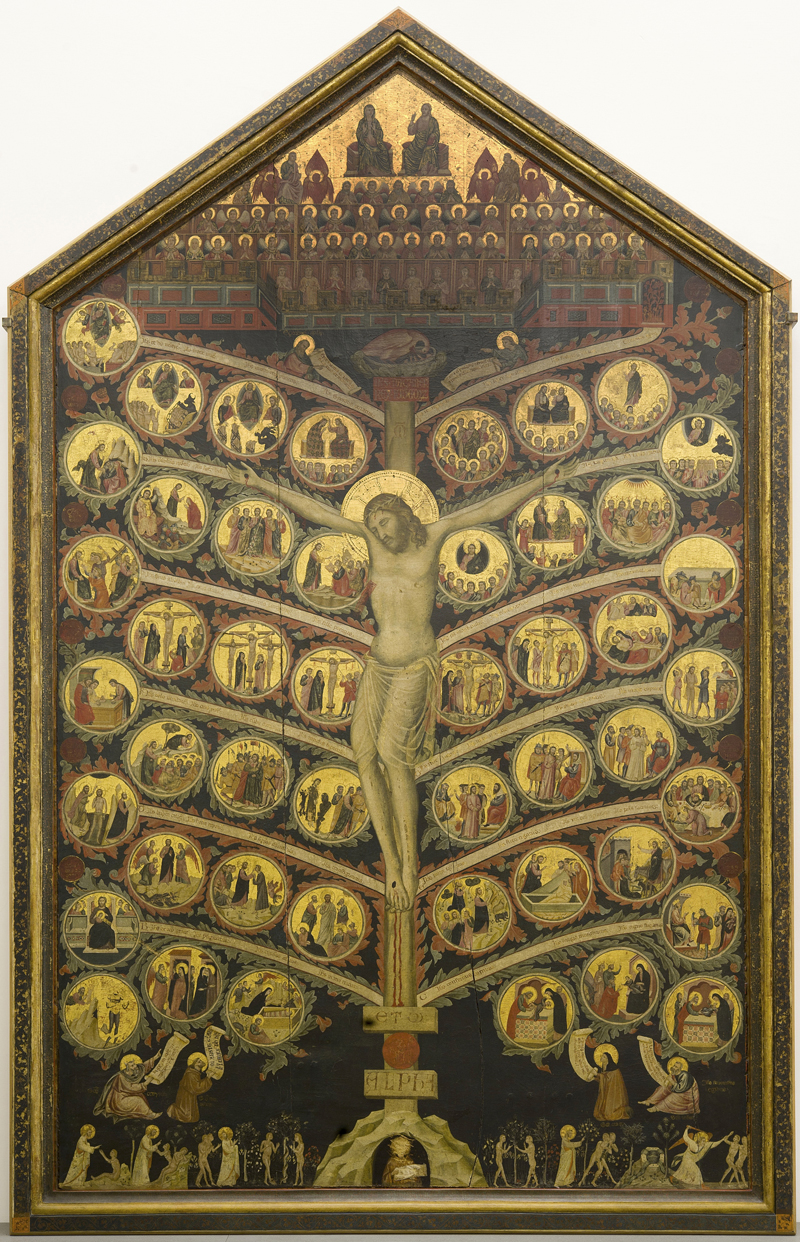
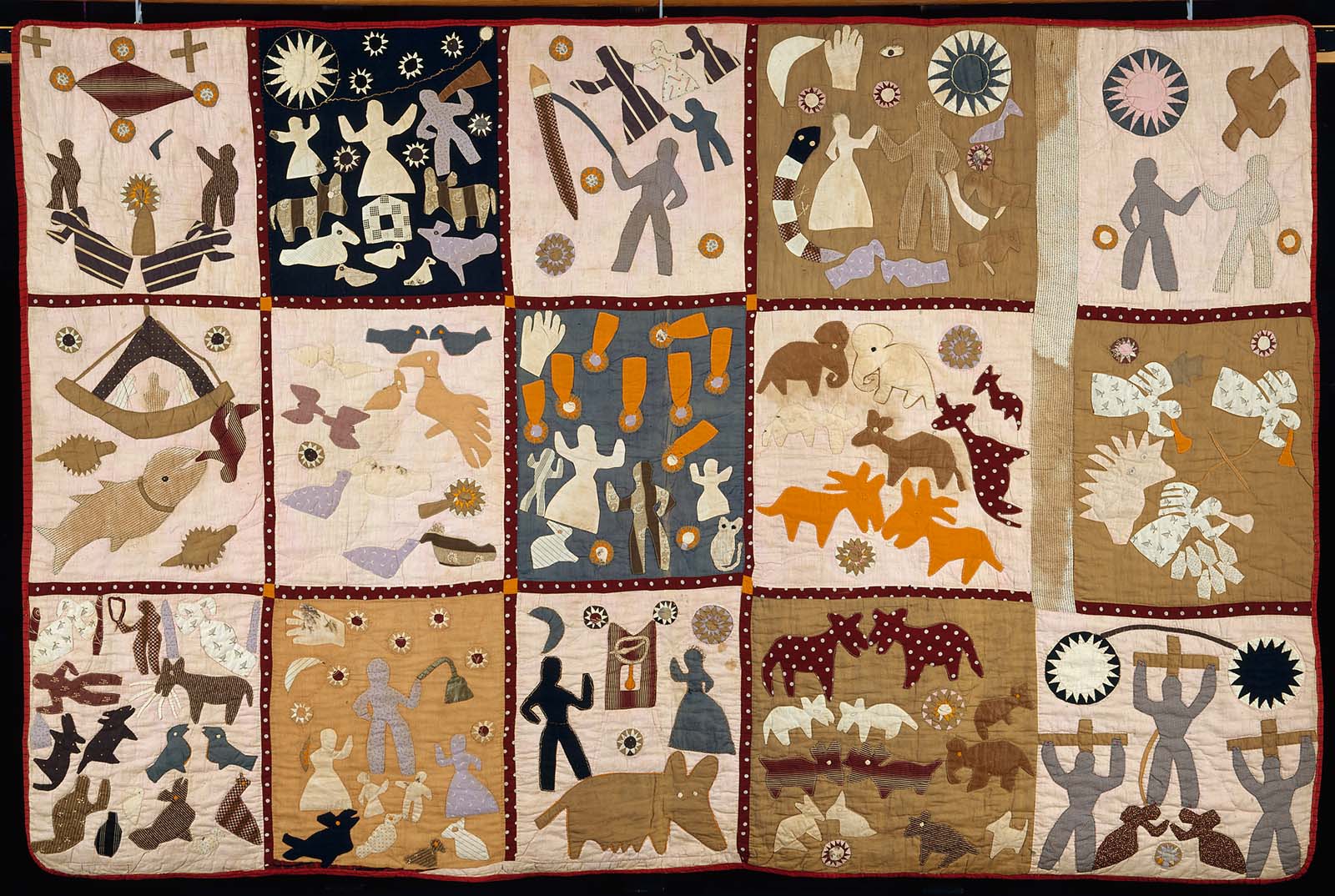
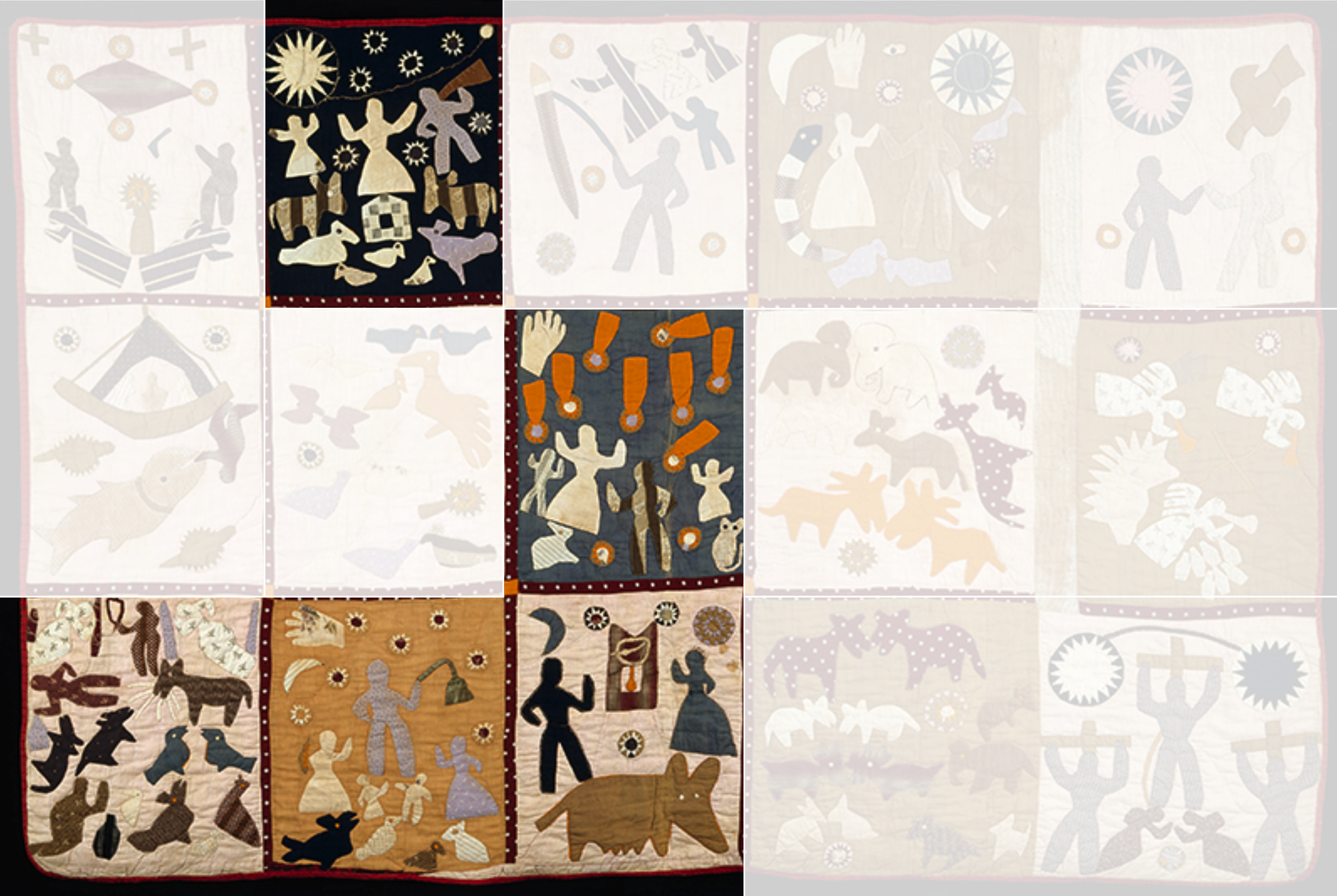
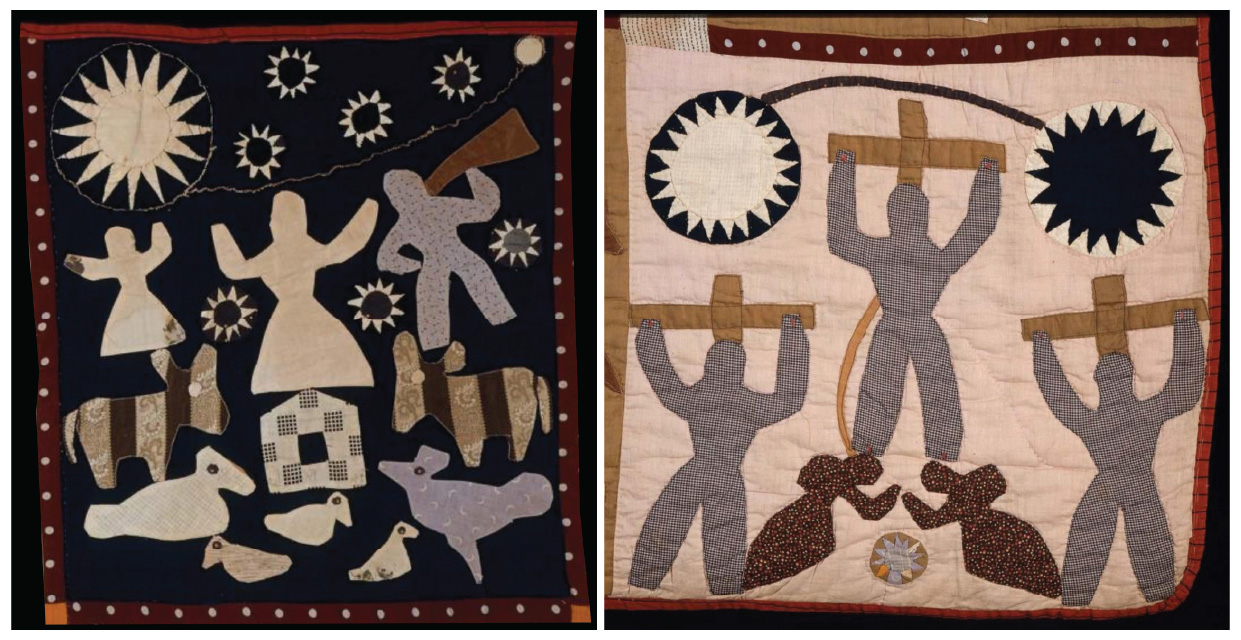
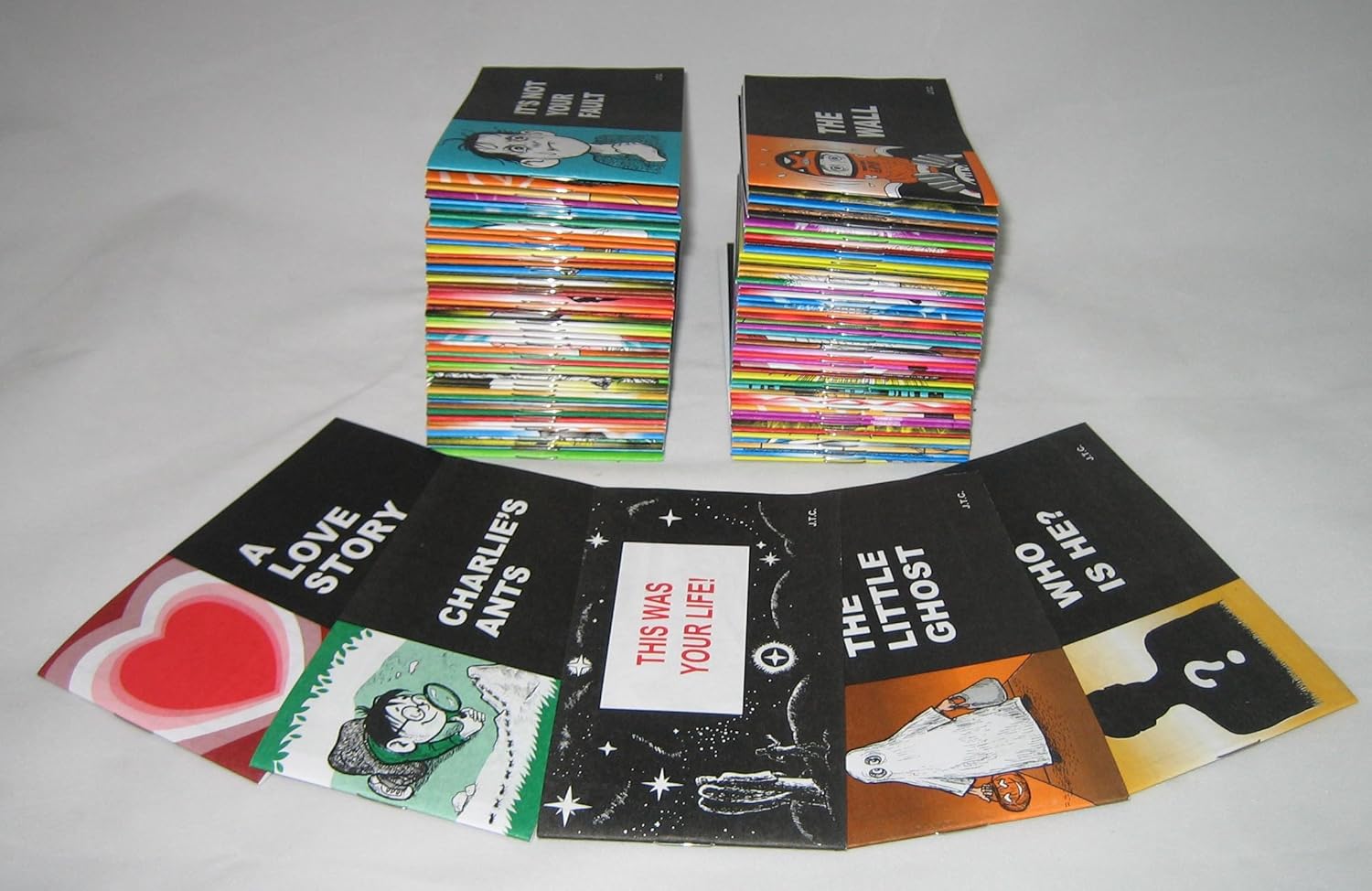
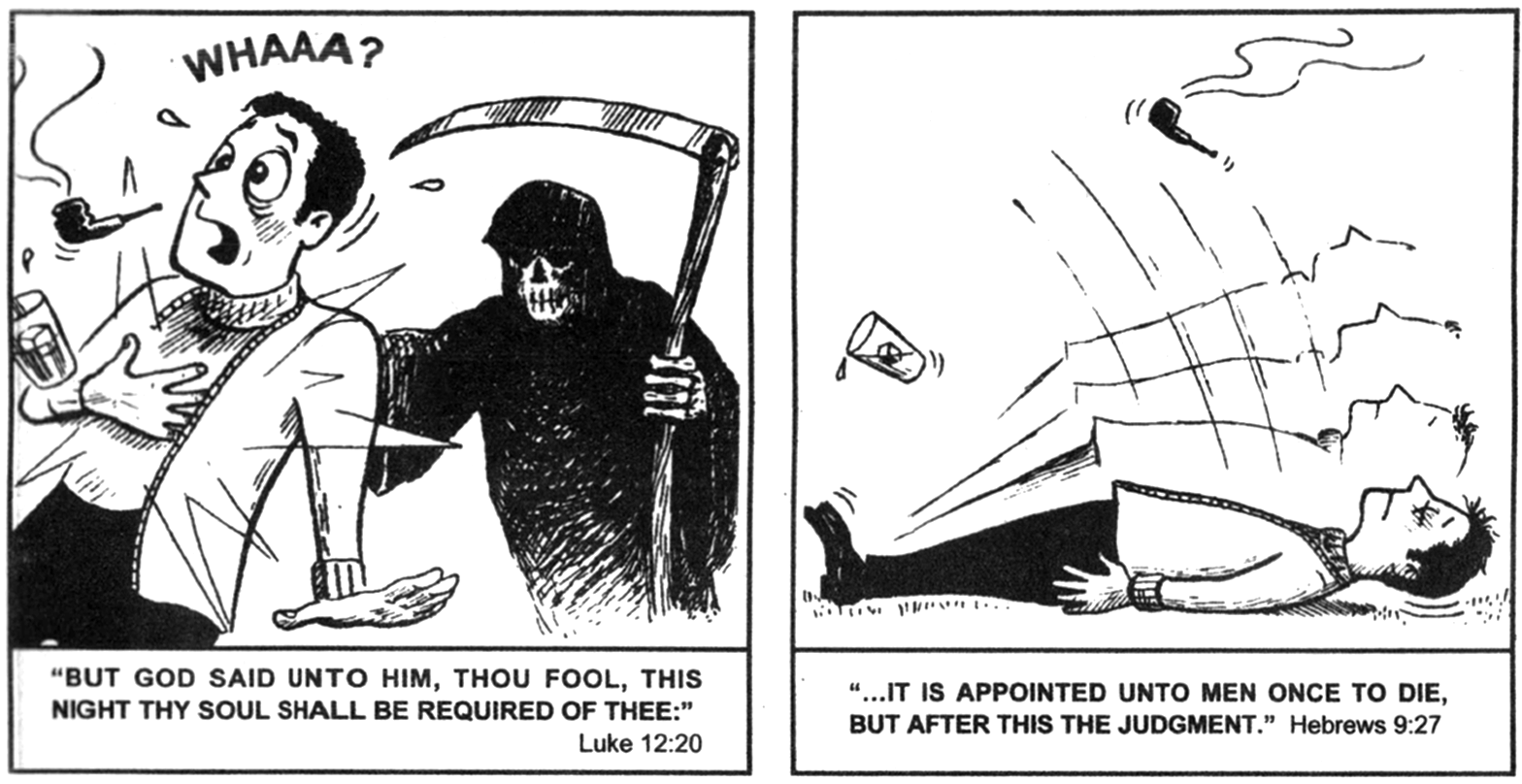
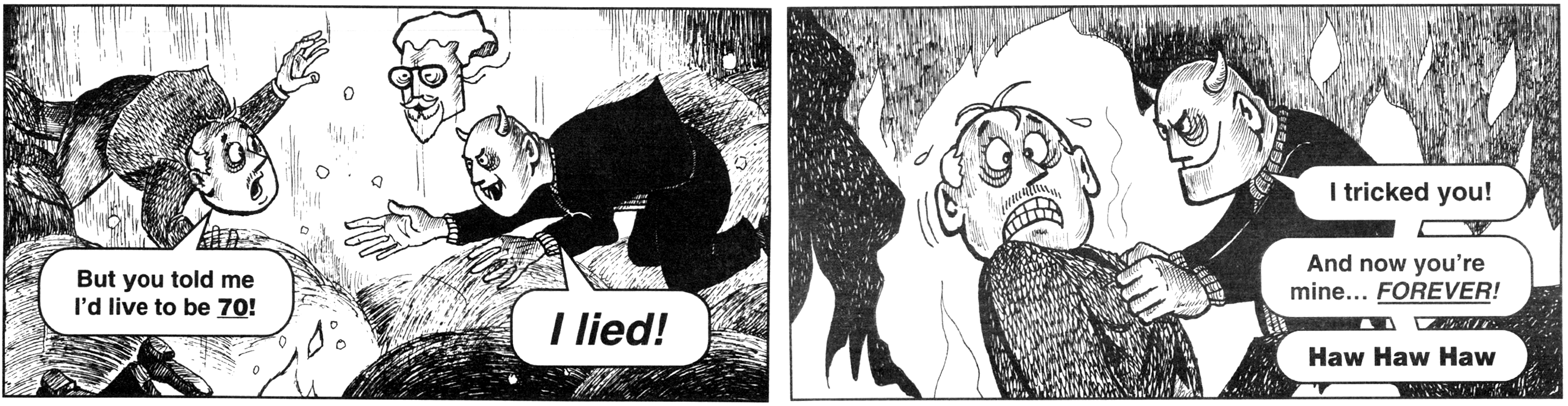
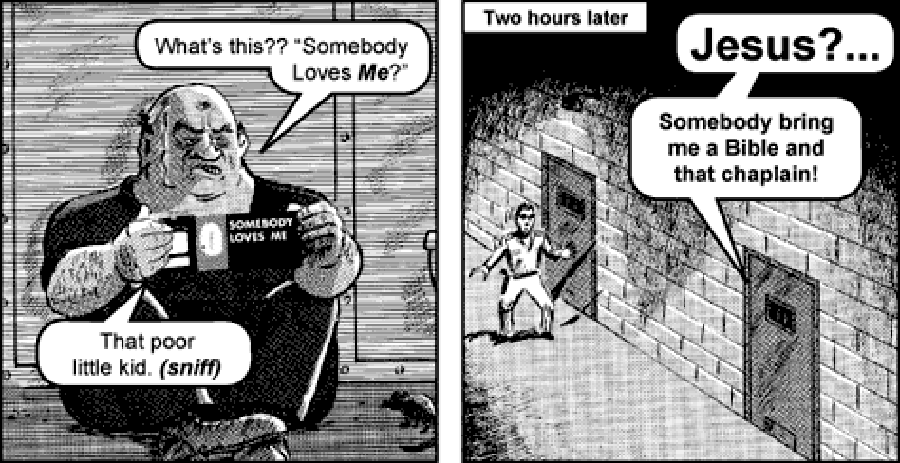
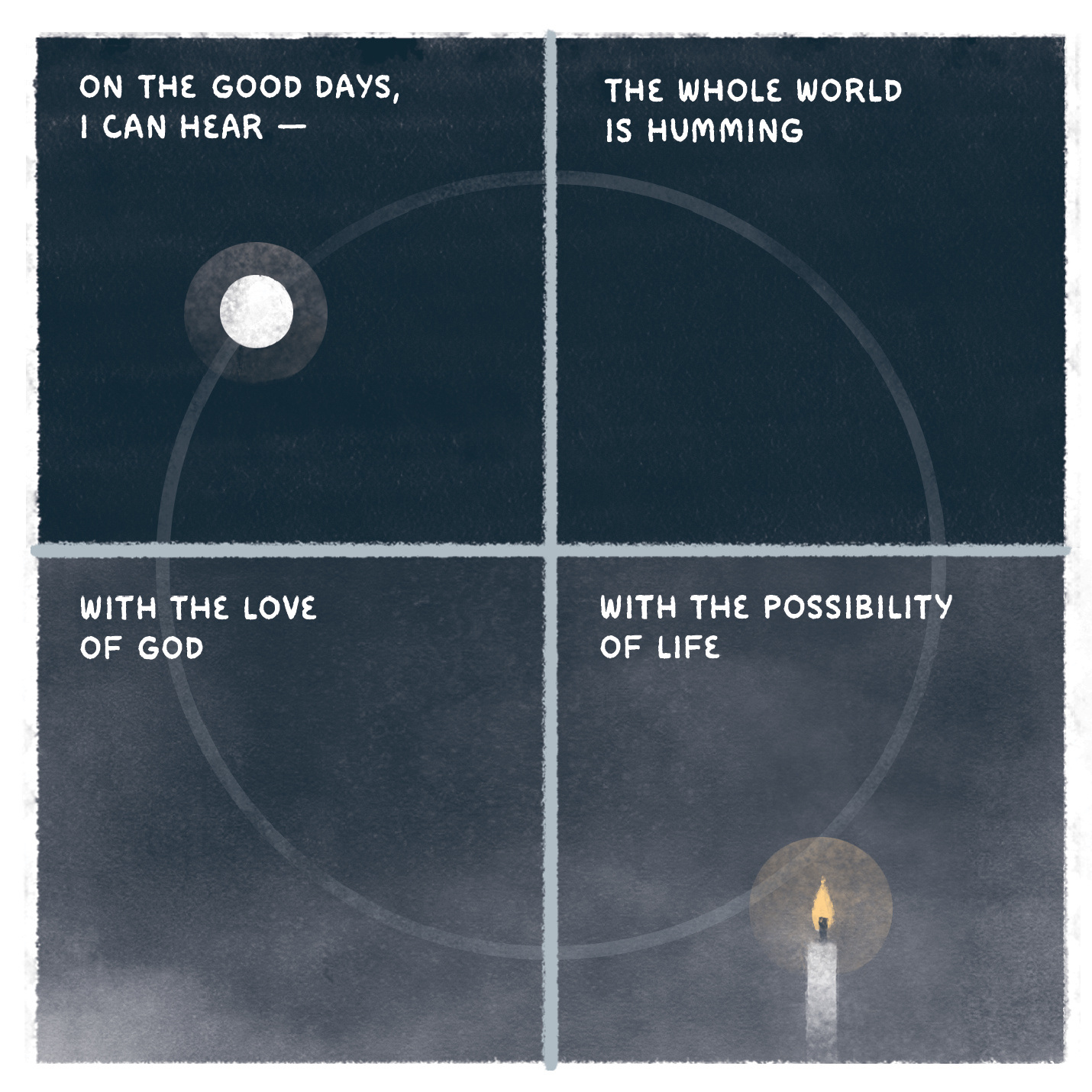
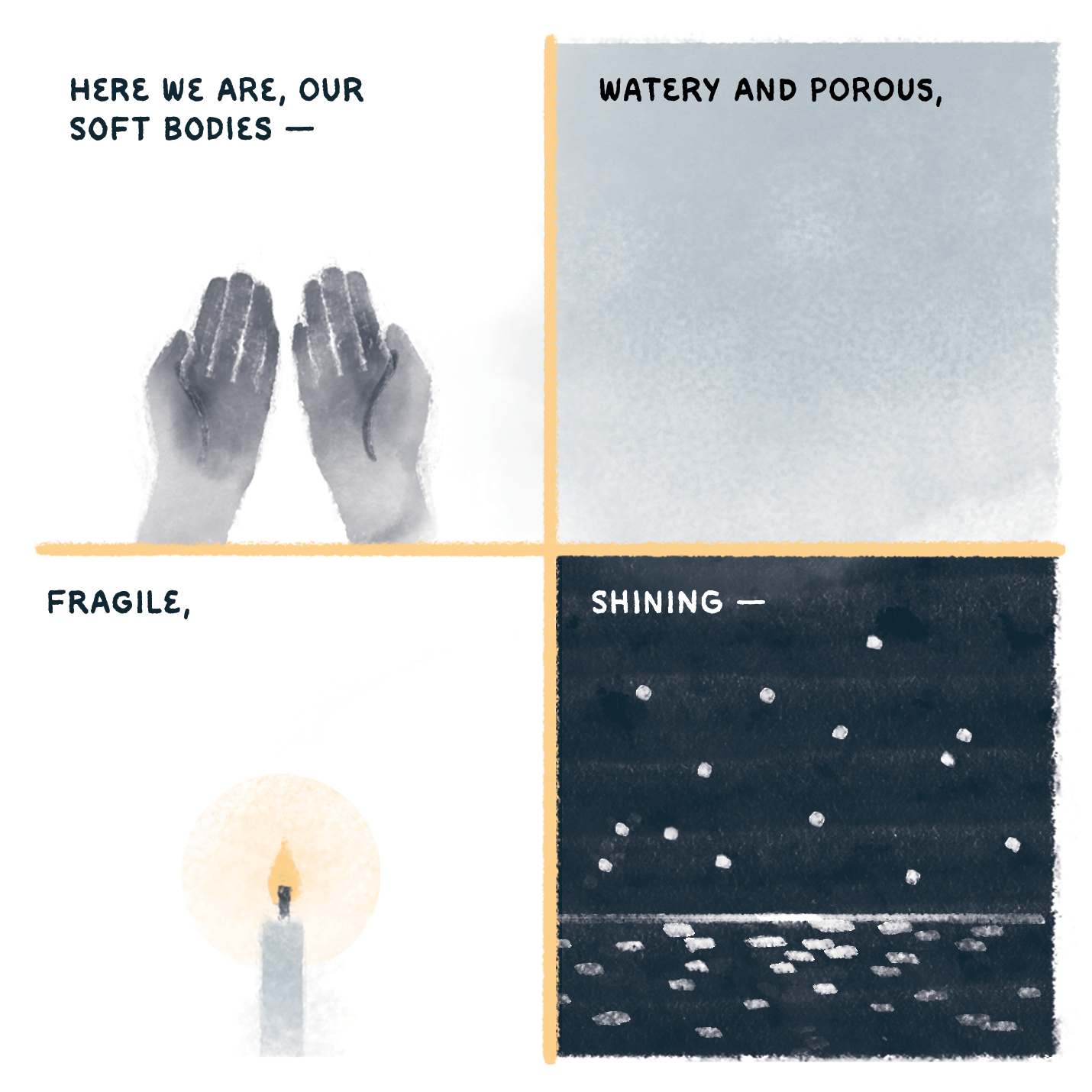
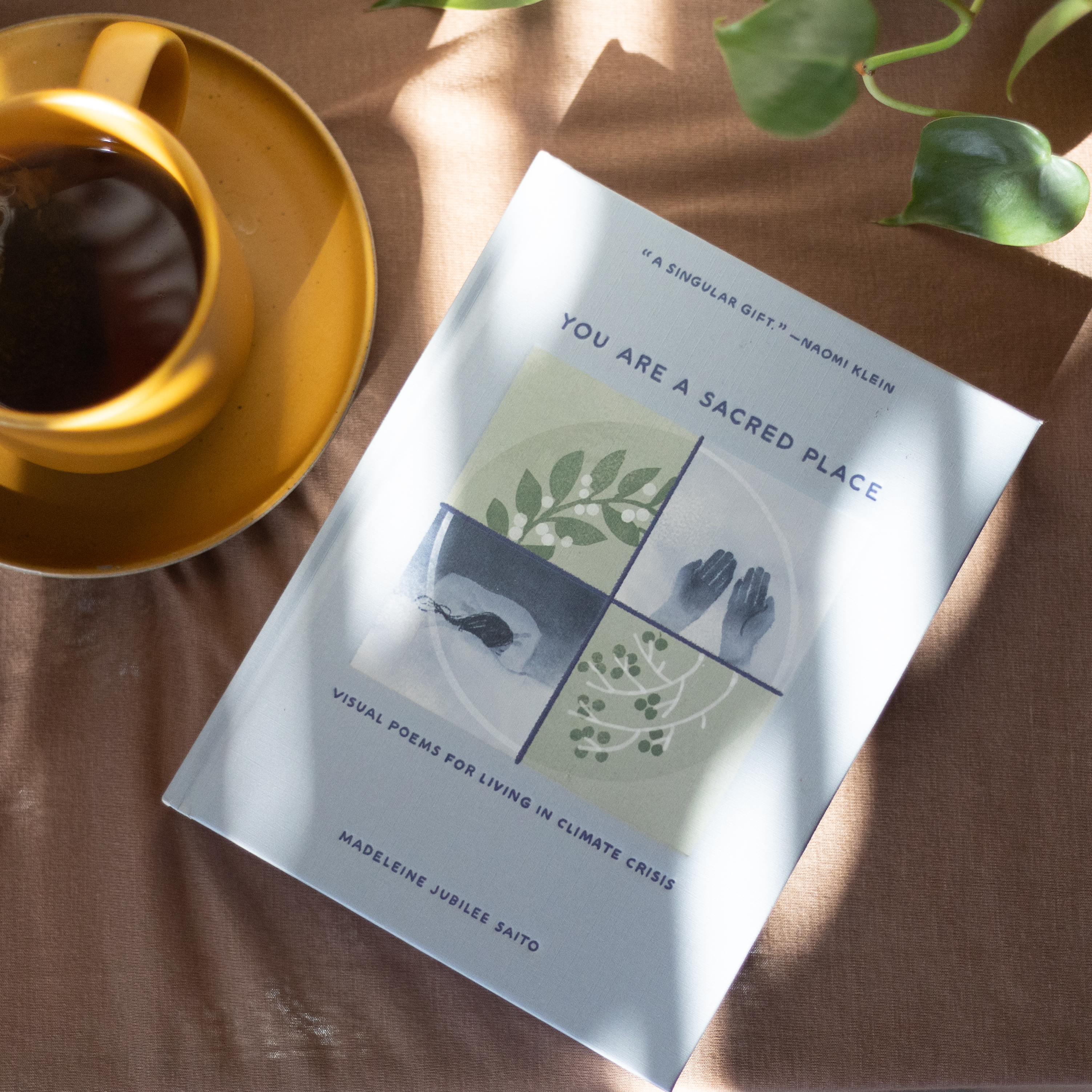
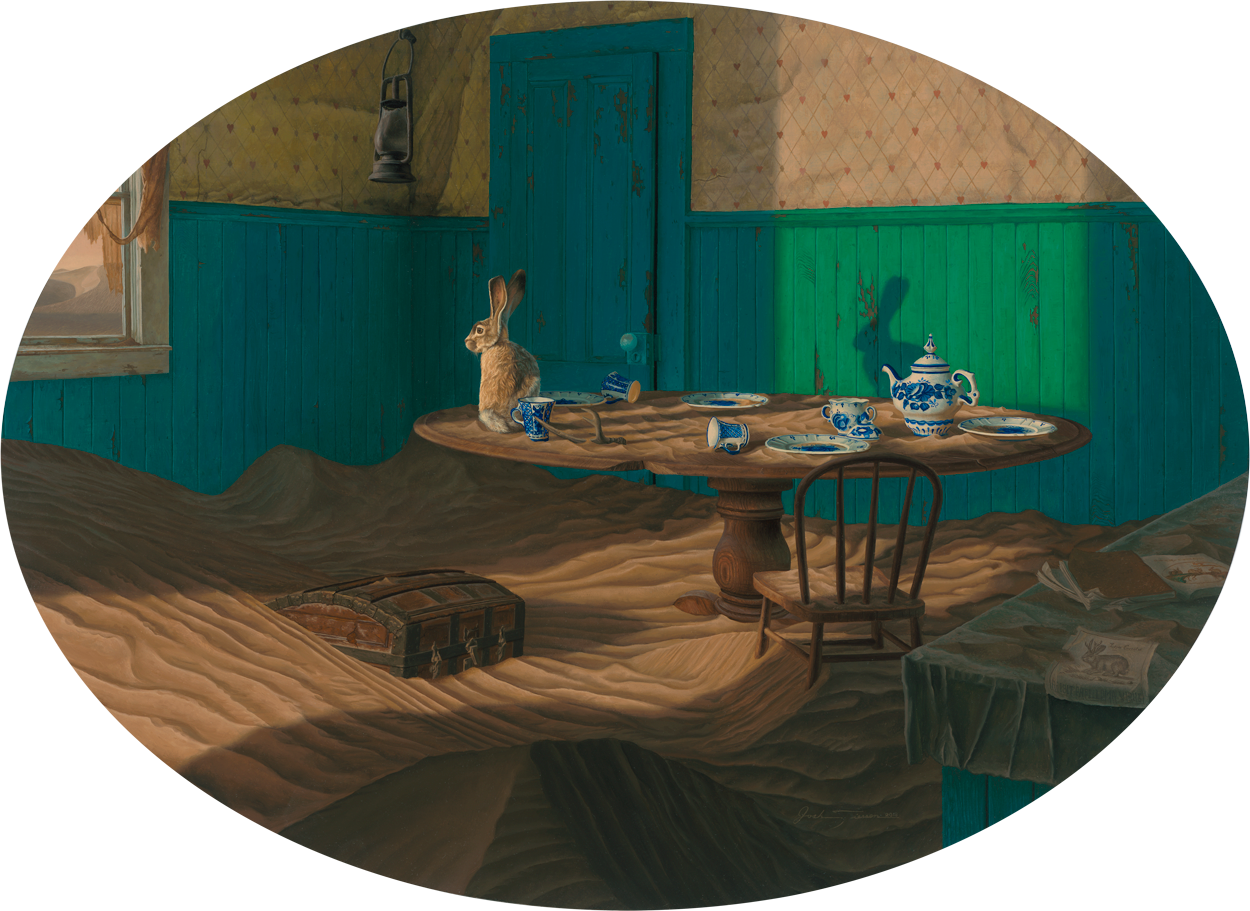


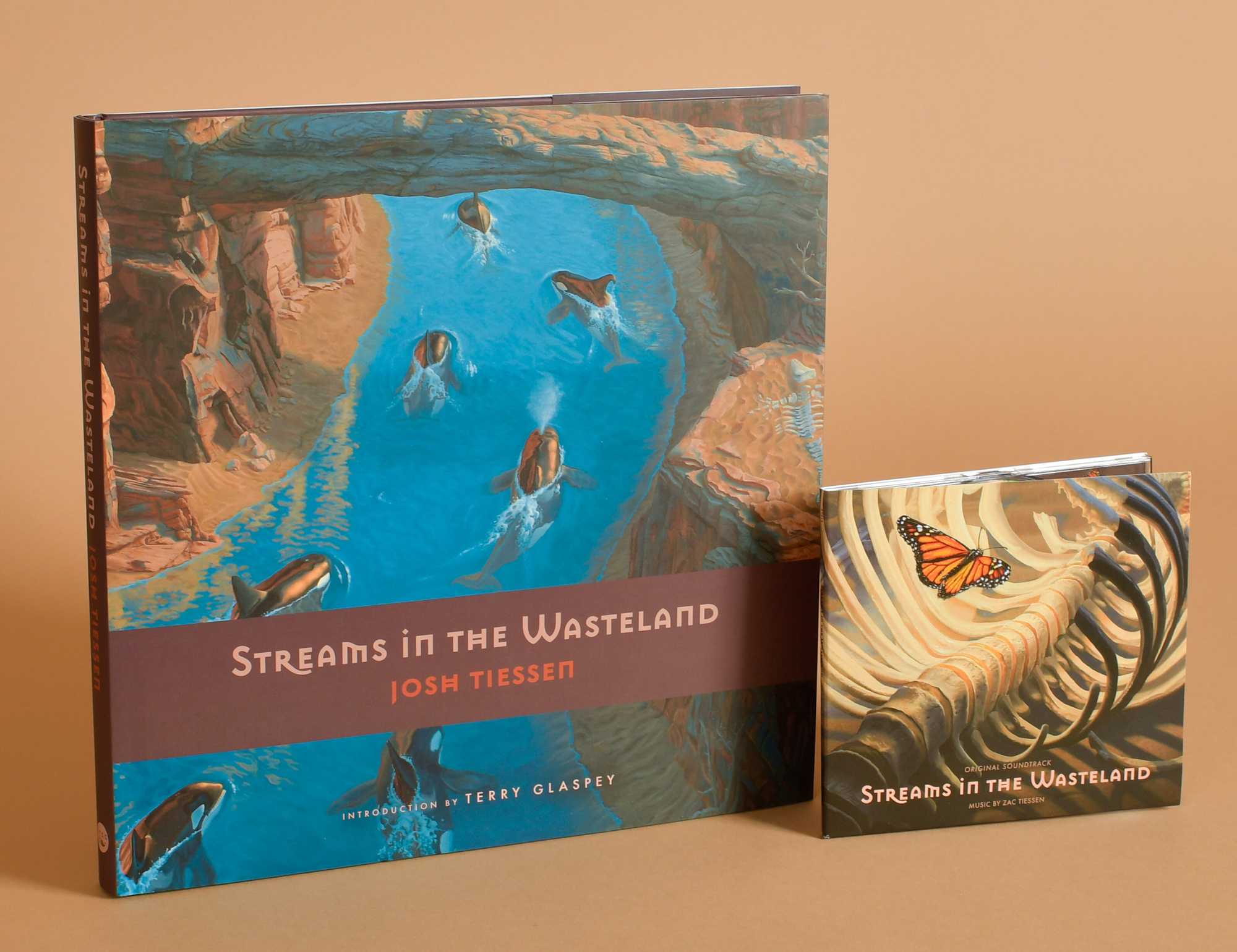

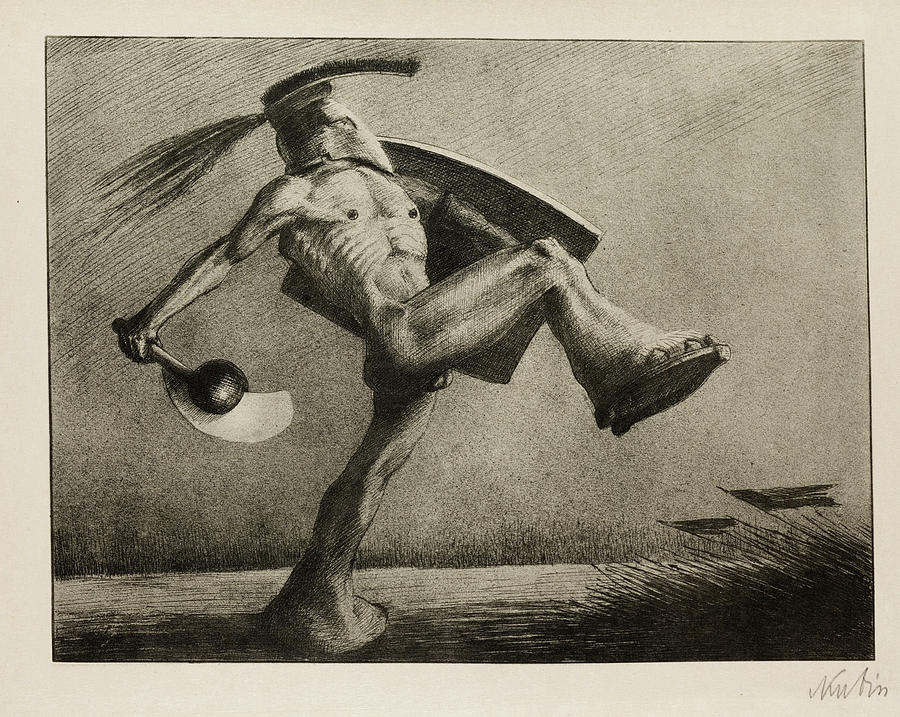

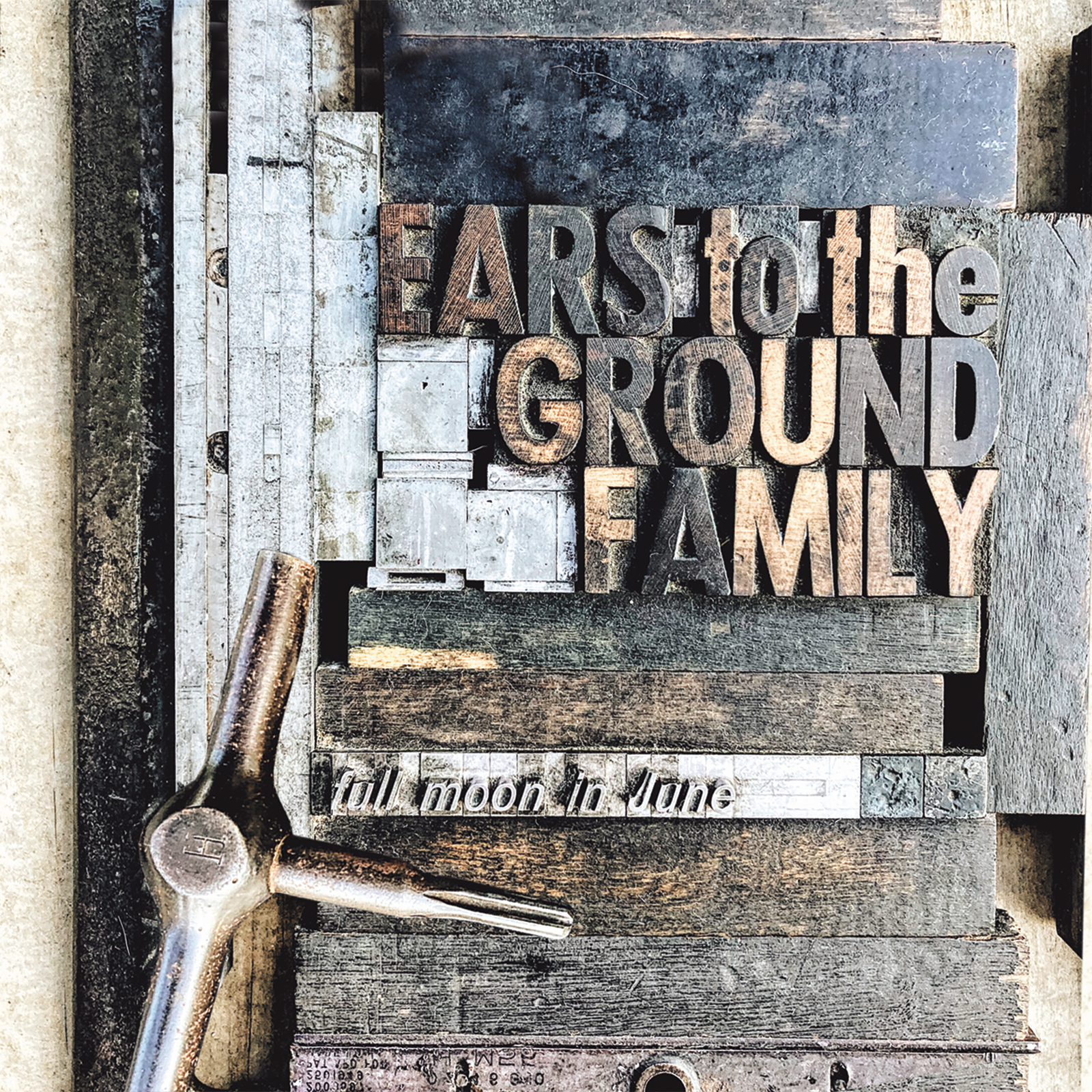
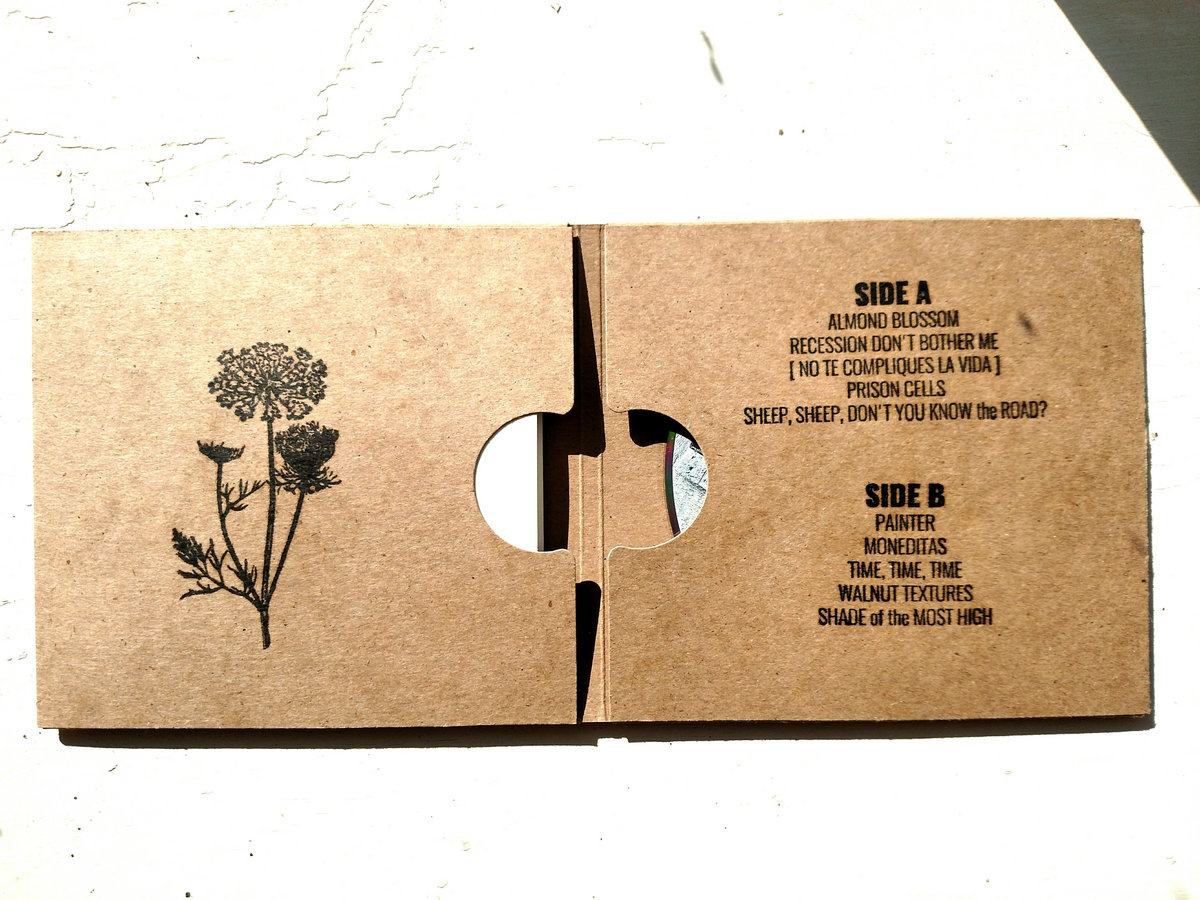
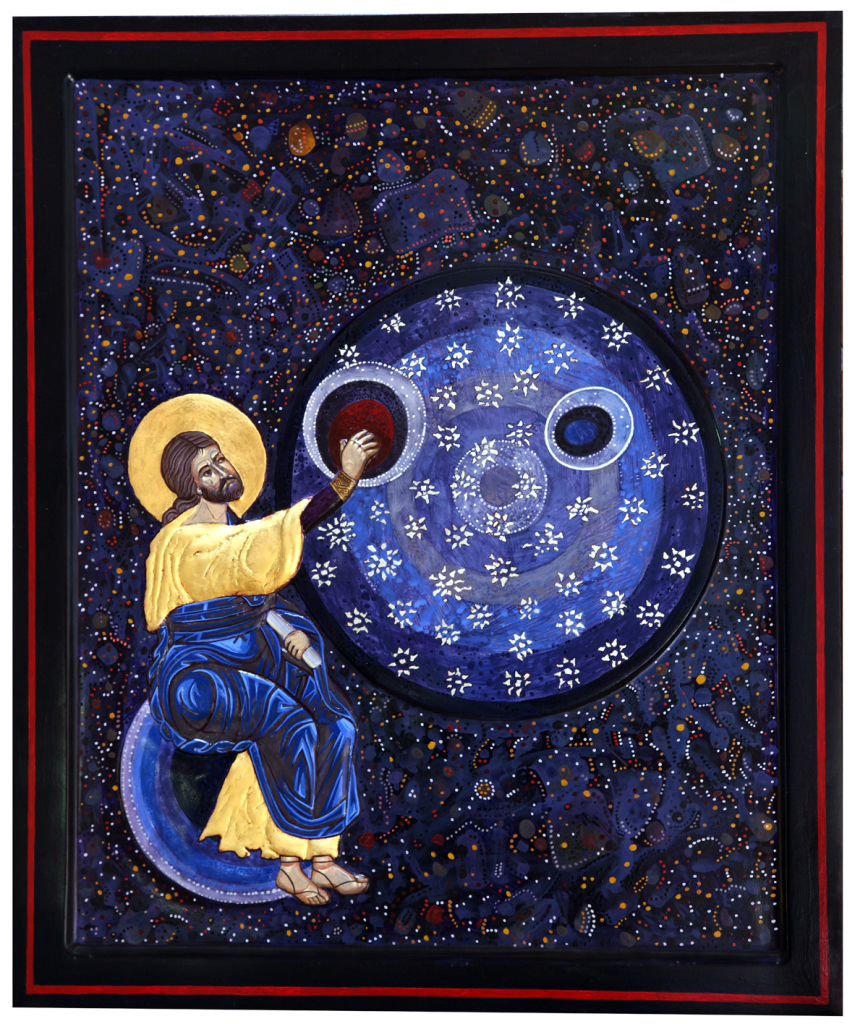
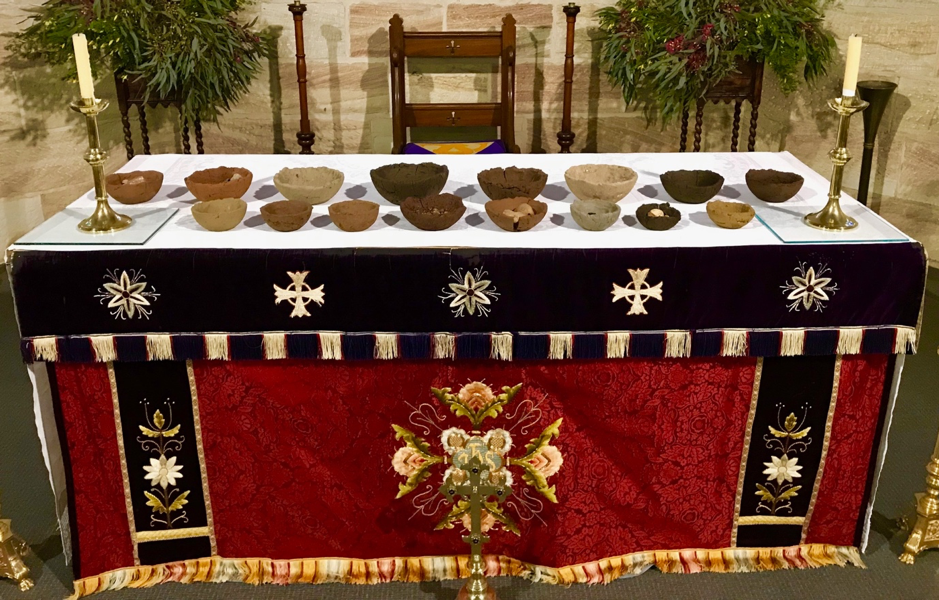
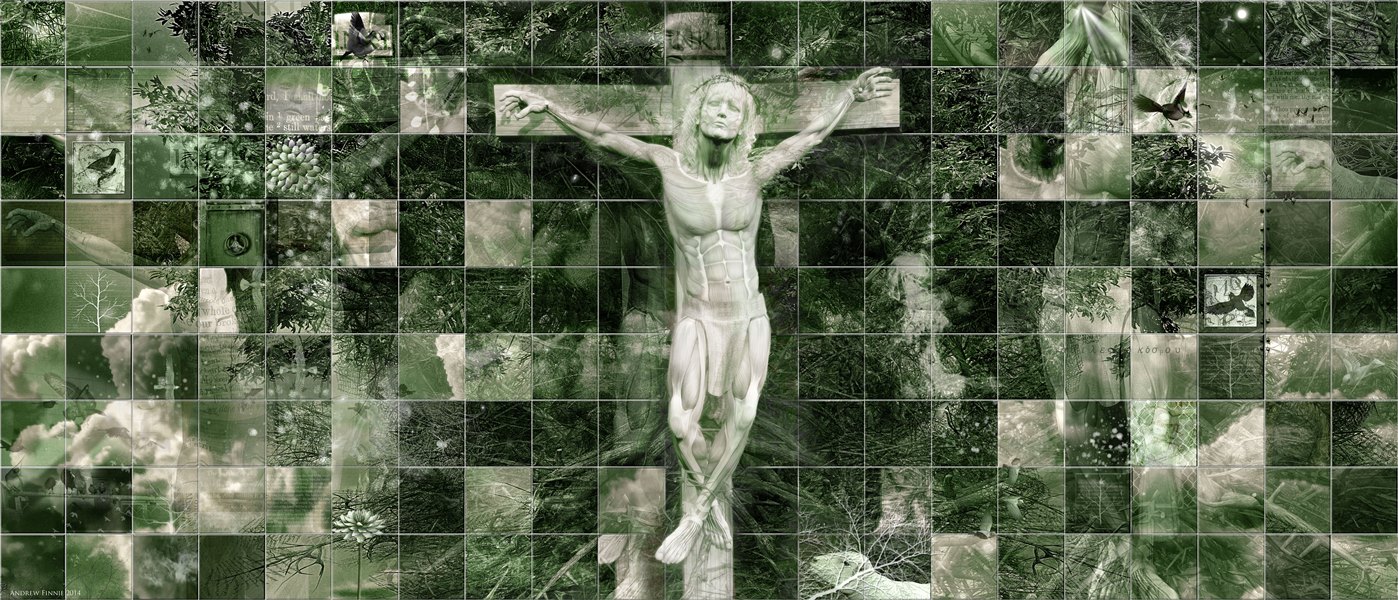
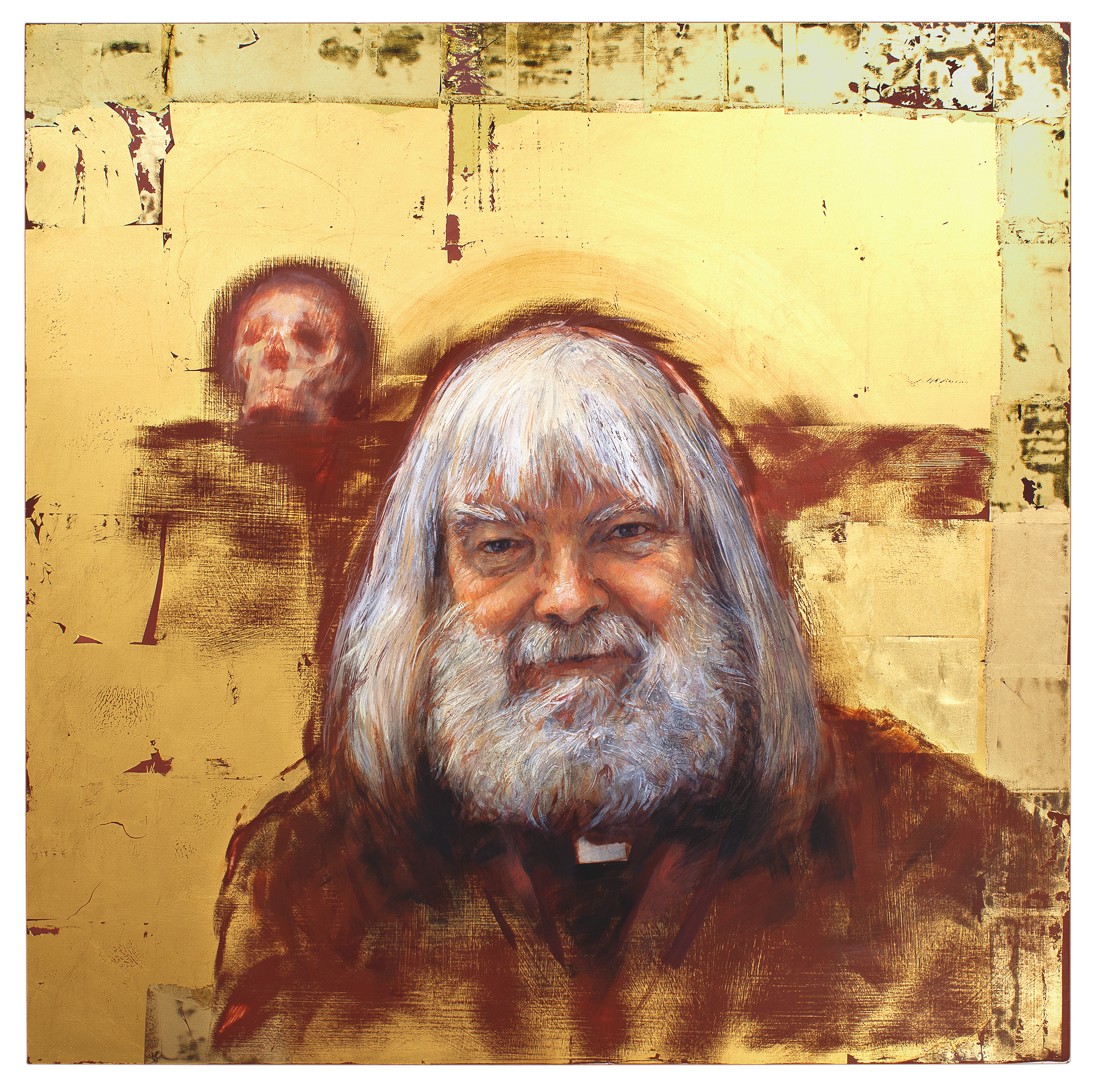
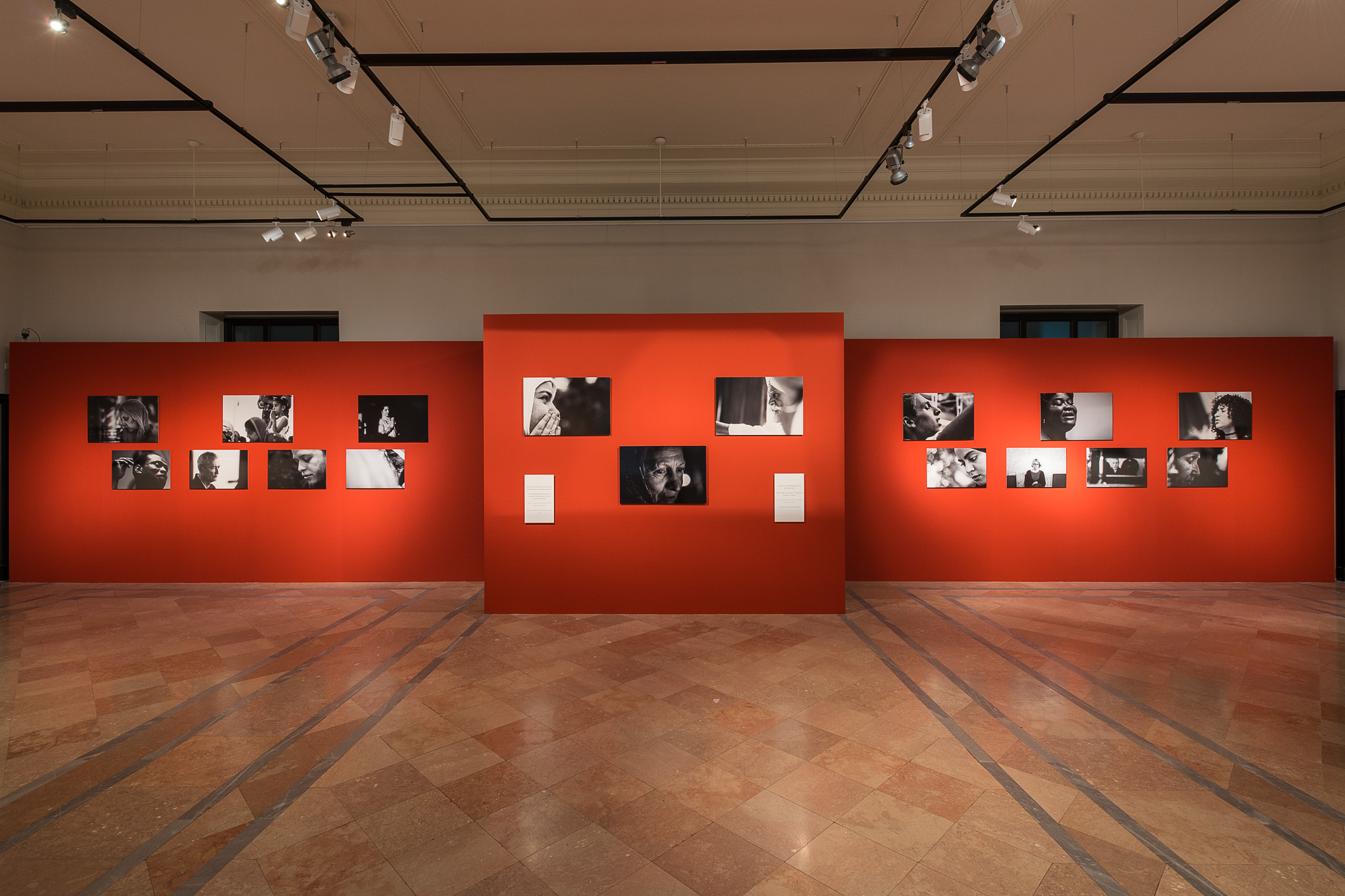
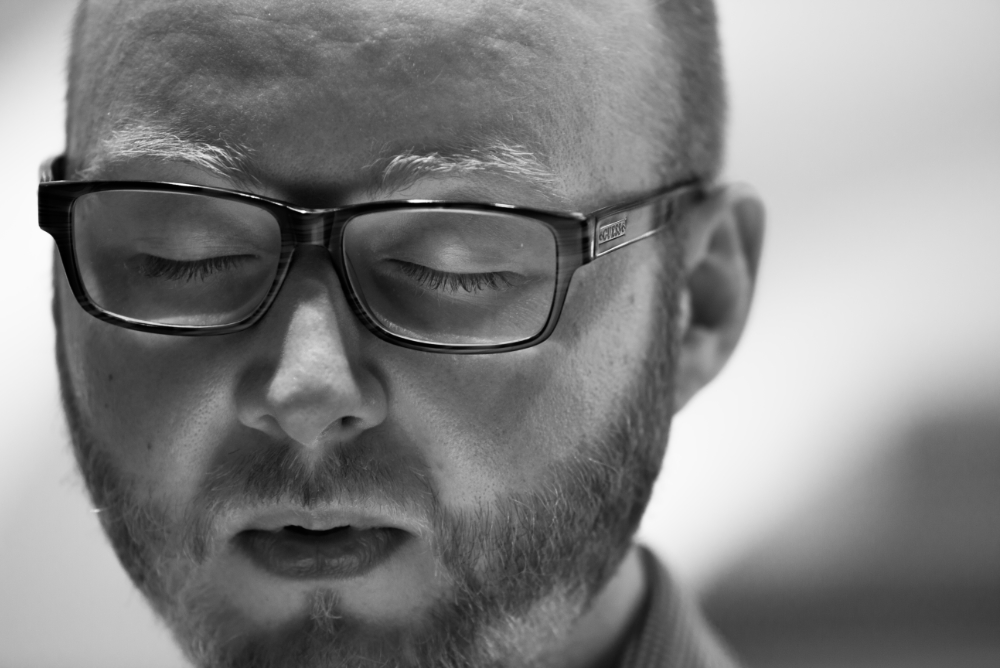
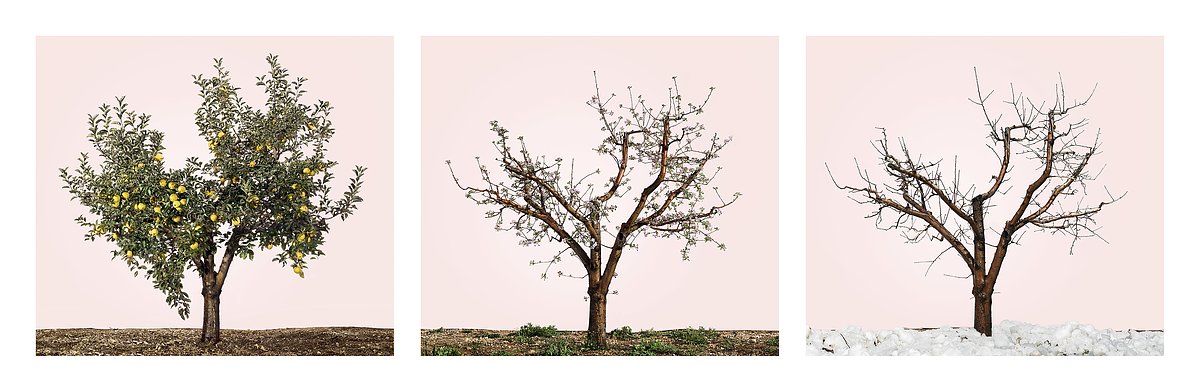
 Art & Theology