Roundup: Yom Kippur tune, DITA concert, Lilias Trotter, and more

SPOTIFY PLAYLIST: September 2023 (Art & Theology): Another monthly gathering of good, true, and beautiful music of a spiritual bent from a variety of sources, ranging from a Victorian lullaby to a hymn revamp by Ike and Tina Turner to a traditional Yom Kippur melodic motif reimagined to a bluesy saxophone prayer to an old-time song about Noah from the southern US to a Christian praise song sung by a Miskito church community in their native tongue. Two selections from the playlist are below.

>> “Abodah” by Ernest Bloch, performed by Sheku Kanneh-Mason: Ernest Bloch was a Swiss-born American composer who drew heavily on his Jewish heritage in his work. Abodah (עֲבוֹדָה) (more commonly transliterated avodah) is Hebrew for “service,” “work,” or “worship,” a word often used in relation to the ritual service that used to be performed by the Jewish high priest in Jerusalem each year on Yom Kippur (the Day of Atonement), before the temple was destroyed; described in Leviticus 16, it involved confession of sin and animal sacrifices.

“May the offering of our lips be accepted as a replacement for the sacrifice of bulls,” the rabbis now say—and thus present-day Yom Kippur liturgies feature poetic recitations from Leviticus 16 and related Mishnah texts, “an expression of the Jewish people’s yearning both for spiritual liberation and redemption,” writes Neil W. Levin. More conservative congregations will vocalize prayers for a rebuilding of the temple and the restoration of sacrificial worship. But for an example of a seder avodah from the Reform tradition, see here. Yom Kippur is celebrated on September 24–25 this year.

Bloch’s Abodah composition is based on a tune, part of a canon of tunes known as the missinai (lit. “from Sinai”), that originated in the Ashkenazi communities of medieval Germany and that is still used today in Ashkenazi synagogues on Yom Kippur. Bloch composed the piece for piano and violin, but it’s arranged here for solo cello and performed by the internationally acclaimed Sheku Kanneh-Mason [previously].

For Christians, the atonement rituals from Leviticus find their fulfillment in the once-for-all self-sacrifice of Jesus, and though this solemn tune has its roots in the Jewish faith tradition, its meditation on human sin and divine forgiveness can cross religious boundaries.  

>> “I’ll Fly Away” (Yo volaré) from We the Animals: This spare, a cappella performance of a 1929 southern gospel song by Albert E. Brumley plays during the opening credits of the film We the Animals (2018), sung by Josiah Gabriel, one of the three main child actors. I’m interested in how and why religious songs are employed in nonreligious films, and this one was really effective in establishing not only the tone of the movie but also its theme of freedom.

Based on a semiautobiographical novel of the same name by Justin Torres, We the Animals follows three Puerto Rican brothers ages seven and up navigating a volatile family life in rural upstate New York. There’s violence and tenderness, depression and joy, and I appreciate its exploration of complicated masculinity, and how nuanced the character of the father is. (Torres has said that the process of writing the book was partly about finding empathy for his father who was abusive, and that the story is really about love and grace in a family.) In the film, flying is used as a visual metaphor for the youngest son’s, the narrator’s, rising above captivity (mainly psychological) and coming to a place of existential flourishing. The film is excellent, as is the book, though beware the R rating. Streaming on Netflix and Hulu.

+++

UPCOMING CONCERT: “Beyond Measure: An Evening of Music in Celebration of Abundantly More,” dir. Jeremy Begbie, September 8, 2023, Duke Divinity School, Durham, NC: To celebrate the release of Dr. Jeremy Begbie’s book Abundantly More: The Theological Promise of the Arts in a Reductionist World, Duke Initiatives in Theology and the Arts is presenting a special concert with the New Caritas Orchestra, conducted by Begbie. It will take place next Friday at 7:30 p.m. at Goodson Chapel on the campus of Duke Divinity School, and no tickets or registration are required. The program will explore the power of music—along with words and images—to expand our theological imagination, and it will be followed by a reception and book signing.

I suspect it will be similar in format to Begbie’s “Home, Away, and Home Again: The Rhythm of the Gospel in Music” event, which I attended in 2017 and was wonderful. (View the video recording below.) In his lecture-concerts, Begbie interweaves composer biography, musical analysis, theological commentary, storytelling, and performance to help audiences truly hear and appreciate the music. In “Home, Away, and Home Again,” he discusses the technical term “tonic” (the note upon which all other notes of a piece of music are hierarchically referenced, the one that gives the piece its sense of stability), demonstrating with various examples how 90 percent of Western music starts at home, goes places, then arrives back home but changed. Along the way he discusses themes of war, despotism, (up)rootedness, loss, hope, the resurrection, and new creation. Featured composers include Béla Bartók, Antonín Dvořák, Aaron Copland, Ennio Morricone, Leonard Cohen, and Benny Goodman.

+++

UPCOMING CONFERENCE: “Poets of Presence: Faith, Form, and Forging Community,” October 27–28, 2023, Loyola University, Chicago: Sponsored by Presence: A Journal of Catholic Poetry and The Francis and Ann Curran Center for American Catholic Studies at Fordham University, this poetry conference will feature the keynotes “The Art of Faith and the Faith of Art” by Christian Wiman and “The Forge and the Fire: God in the Blacksmith Shop” by Angela Alaimo O’Donnell. There will be workshops on writing formal poetry, translating poetry, and an editor’s secrets for successful submissions, among others, and poetry readings. I was excited to see Paul J. Pastor [previously] on the list of presenters! Cost: $60.

+++

DOCUMENTARY: Many Beautiful Things: The Life and Vision of Lilias Trotter, dir. Laura Waters Hinson (2015): Available for free on YouTube, this seventy-minute documentary shines a light on Lilias Trotter (1853–1928), an English painter and protégé of the leading Victorian tastemaker John Ruskin who, instead of pursuing an art career as Ruskin had urged her to do, became a Christian missionary in Algiers for forty years—as a single woman, self-funded (all the missions agencies rejected her because she had a heart condition that made her physically vulnerable). Her ministry centered on the women in the kasbah—teaching them to read, helping them attain economic independence. She also befriended a Sufi brotherhood whose members were eager to hear her talk about God. In Many Beautiful Things, Michelle Dockery of Downton Abbey voices words from Trotter’s books, journals, and correspondence, and art director Austin Daniel Blasingame has deliciously animated her art! (See behind the scenes of that process.) Sleeping at Last supplied the original soundtrack.

While in North Africa, Trotter continued making sketches and watercolors, documenting the everyday life that surrounded her—people, bees, flowers, sunsets. These are minor works/studies, not intended for the art market, but they were for Trotter a major way of delighting in God’s creation. I don’t like how the marketing of the film leans heavily into the narrative of “Oh, look at Lilias, so selfless and heroic, sacrificing artistic fame for service, she really could have been tops if she hadn’t given it up,” as it wrongly suggests that evangelistic or nonprofit work is more God-honoring than art making, or that recognition in one’s field is not something a Christian should desire. The film itself mostly avoids that way of looking at it, focusing instead on Trotter’s faithfulness in responding to a call that was particular to her and then finding ways to integrate art, as an avocation, into her new life in Algiers. “Her art . . . wasn’t lost in Algeria. If anything, it was fed,” says biographer Miriam Rockness. As viewers, we’re asked to reexamine our conception of success.
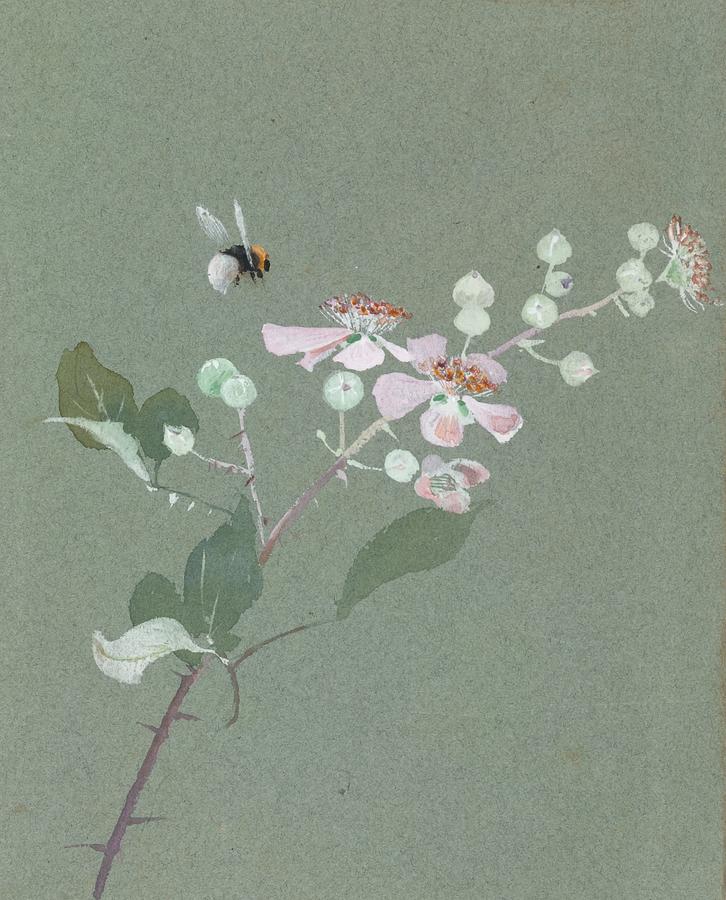
Trotter, Lilias_Desultory bee
Watercolor by Lilias Trotter, July 9, 1907

I had never heard of Lilias Trotter before watching this documentary (thanks for the recommendation, Sarah!), but now I’m glad to know about her. Learn more at https://liliastrotter.com/, and follow the Lilias Trotter Legacy on Instagram, Facebook, and/or Twitter. Also, the current issue of Christian History magazine (no. 148) is devoted entirely to Trotter; you can download a free copy (or purchase a physical one) here.
Roundup: Musical Passions beyond Bach; Angola inmates enact the Passion; and more

VIDEO: “Waiting with Christ: An Artful Meditation for Holy Week”: A collaboration between Duke Initiatives in Theology and the Arts in Durham, North Carolina, and City Church in Cleveland, Ohio, this half-hour video from 2021 presents a small collection of scripture readings, poems, visual art, and music for Holy Week, interspersed with reflections by theologian Jeremy Begbie. The artistic selections are a spoken word performance by Paul Turner, Malcolm Guite’s sonnet “Jesus Meets His Mother,” the Adagio movement of Schubert’s String Quintet in C Major, the painting Riven Tree by Bruce Herman, and Bifrost Arts’ “Our Song in the Night,” performed by Salina Turner, Allison Negus, and Joel Negus [previously].

+++

ARTICLE: “6 Musical ‘Passions’ Beyond Bach” by Josh Rodriguez: Composer, professor, and Deus Ex Musica cofounder Josh Rodriguez is an excellent classical music curator and guide. In this article he introduces us to six modern large-scale musical works about Jesus’s final week: The Passion of Yeshua by Richard Danielpour, La Pasión Según San Marcos by Osvaldo Golijov, The Passion of the Christ Symphony by John Debney, Johannes-Passion by Sofia Gubaidulina, Simeron by Ivan Moody, and the St. John Passion by James MacMillan. He interweaves composer biography, musical analysis, and meaning in concise ways, with nods to music history. Stylistic influences for these diverse selections range from Byzantine chant to salsa! Audio/video excerpts are provided, such as the cued-up “¿Por qué?” from Golijov’s Pasión (see below), a movement centering on the woman who anointed Jesus’s feet with perfume (Mark 14:3–9).

+++

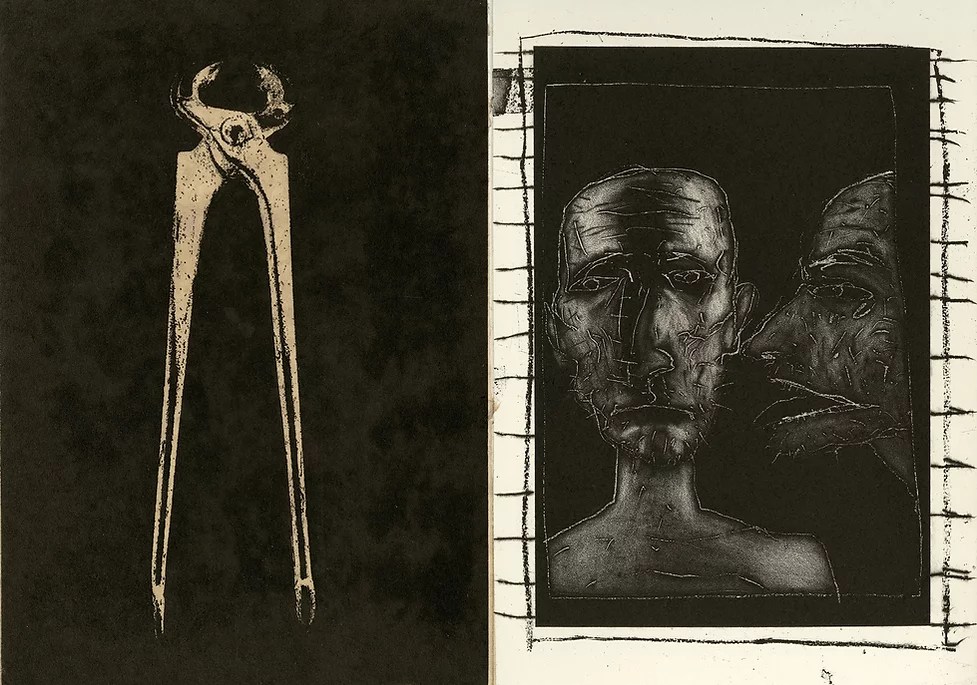
PRINT SERIES: The Passion and Its Objects (after Dürer) by Marcus Rees Roberts:The Passion and Its Objects (after Dürer) is a series of etchings and monotypes by Marcus Rees Roberts. The images derive from fragments from Albrecht Dürer’s series of woodcuts The Small Passion (1511). Images of the Passion – and of the crucifixion in particular – are so embedded in Western consciousness that we forget that it is a depiction of betrayal, prejudice, and torture. In this version of the Passion by Dürer, one of several he made, small, everyday objects lie scattered within the images – a jug, pliers, a hammer, a coil of rope. Even five hundred years later, we recognise these objects as our own; we can identify with them. But in so doing, we enter the depicted space, and we become complicit in the cruelty. This is one reason why Dürer’s Small Passion is both so powerful and so uncomfortable.”

Roberts, Marcus Rees_Passion I
Marcus Rees Roberts (British, 1951–), The Passion and Its Objects (after Dürer) I, 2019. Diptych etching and aquatint with chine collé printed on Somerset Satin soft white 300gsm, each plate 29.5 × 21 cm (overall 29.5 × 42 cm). Edition of 15.

+++

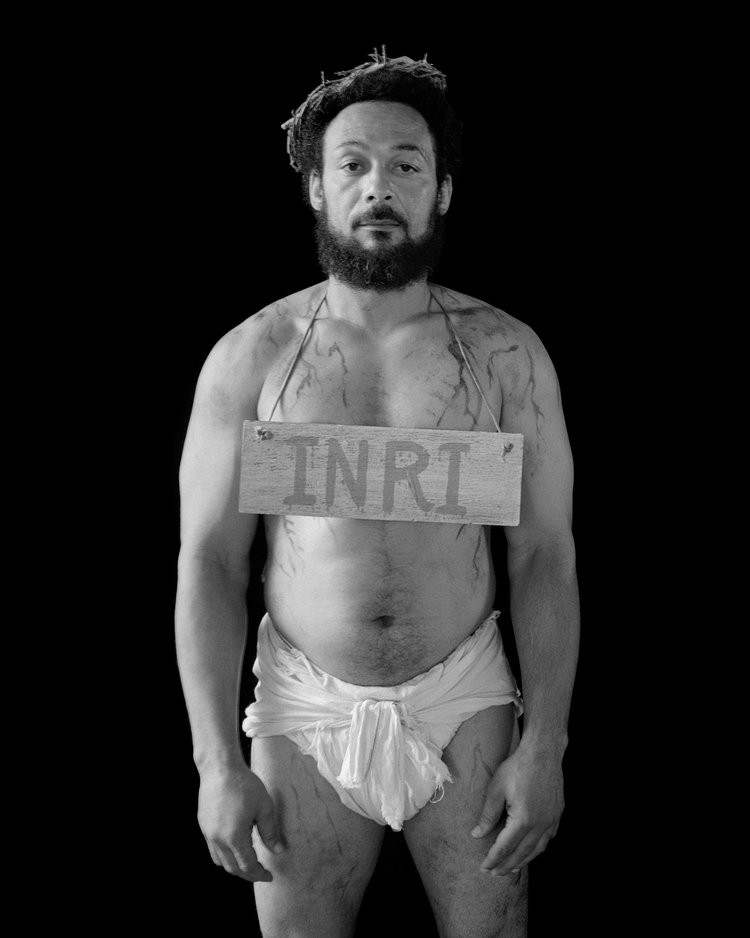
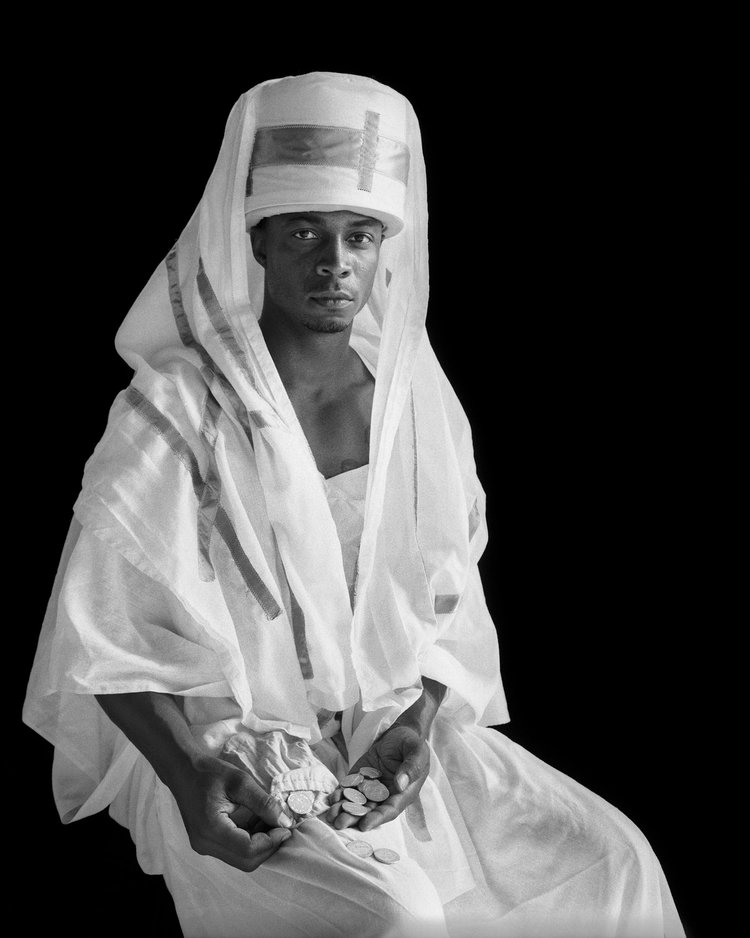
PHOTOGRAPHY SERIES: Passion Play by Deborah Luster: “There are more than 5,300 inmates at the Louisiana State Penitentiary at Angola. Nearly 4,000 of them are serving life without parole. In 2012 and 2013 the Angola Prison Drama Club staged a play unlike any other in the prison’s experience. The Life of Jesus Christ featured 70 inmates, men and women acting together for the first time—in costume, with a real camel, performing for the general public. For the untrained actors, this production held special meaning as they saw pieces of their own lives revealed in the characters they played.”

Luster, Deborah_Layla "Roach" Roberts (Inquisitor)
Layla “Roach” Roberts (Inquisitor), sentenced to LIFE, Angola Prison, Louisiana. Photograph by Deborah Luster, from the Passion Play series, 2013.

Luster, Deborah_Bobby Wallace (Jesus)
Bobby Wallace (Jesus), Angola Prison, Louisiana. Photograph by Deborah Luster, from the Passion Play series, 2013.

+++

SONGS:

>> “May I Go with You” by January Lim: This Maundy Thursday song was written in 2020 in the voice of Jesus in Gethsemane, speaking to God the Father. In the first stanza, it seems to me that Jesus is asking to be taken up to heaven, like Elijah—just whisked away back to glory, and spared tomorrow’s cruelties and pain. But in the second stanza that same request seems to shift in meaning as Jesus expresses a desire to go with God’s plan and asks for the strength to follow through. The song was released on the EP Gathered Sighs (2021), put out by Evergreen Baptist Church of Los Angeles, where Lim serves as worship arts pastor. [HT: Global Christian Worship]

>> “Calvary” (Traditional): In this excerpt from Washington National Cathedral’s 2020 Good Friday noon service, Imani-Grace Cooper performs Richard Smallwood’s arrangement of the African American spiritual “Calvary,” accompanied on piano by Victor Simonson. Wow. Chilling!

See also Cooper’s performance of “Lamb of God” by Twila Paris and “Were You There” from the same service, which I cued up at those time-stamped links.

Roundup: Upcoming Texas events (music of the Psalms, art seeking understanding) and more

UPCOMING EVENTS:

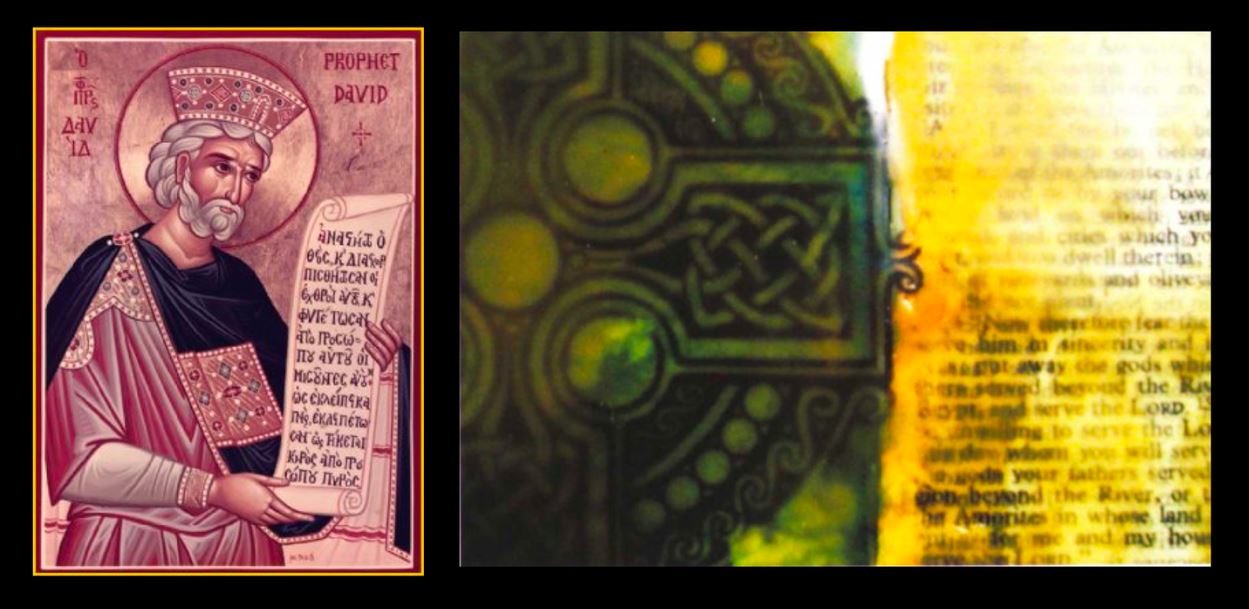
>> “The Music of the Psalms in Church History” by W. David O. Taylor, Christ Church, Austin, Texas, October 1, 2022: “For two thousand years, Christians have found the Psalter to be an invaluable resource for worship and prayer. And, like the original psalmists, Christians have felt compelled and inspired to set the text of the psalms to music, of all sorts: from a cappella to choral, from folk to rock, from reggae to gospel, and more. In collaboration with local musicians, David Taylor, Associate Professor of Theology and Culture at Fuller Theological Seminary and author of Open and Unafraid: The Psalms as a Guide to Life, will explore how Christians in different periods of church history have sung the psalms within corporate worship,” spanning the apostolic, medieval, Renaissance, Reformation, modern, and contemporary eras.

Psalms (David Taylor)
Left: Icon of the Holy Prophet-King David. Right: Celtic Cross with Bible Page, encaustic by Phaedra Jean Taylor.

A choir will perform several chants (Hebrew, Byzantine, Gregorian) and a motet, and then attendees will be led in a handful of Psalm-based songs, from a hymn of German origin to an African American spiritual to CCM classics. Along the way Taylor will provide historical context and trace a narrative.

Sponsored by the Brehm Center at Fuller Theological Seminary, the event is free, but registration is required and filling up; reserve your spot here. It will be recorded and eventually posted on the Fuller Studio YouTube channel (whether there will be a livestream is still TBD).

>> Baylor Symposium on Faith and Culture: Art Seeking Understanding, Baylor University, Waco, Texas, October 26–28, 2022: Every fall the Institute for Faith and Learning at Baylor University organizes a symposium around a given topic, and this year’s topic is the arts. Registration is still open! The standard cost is $250, or $125 for students. “The notion of art seeking understanding (ars quaerens intellectum) invites association with the notion of faith seeking understanding (fides quaerens intellectum). Just as faith is a gift of grace that grows toward deeper knowledge, so it seems that art is a gift whose practice leads to a deeper order of understanding. This seems true not only for the person who experiences art, but also the artist—whether musician, painter, sculptor, or poet. The 2022 Baylor Symposium on Faith and Culture invites contributions from across the disciplines (including scholars, artists, and other practitioners) as we explore together how art seeks understanding and thus contributes to human flourishing.”

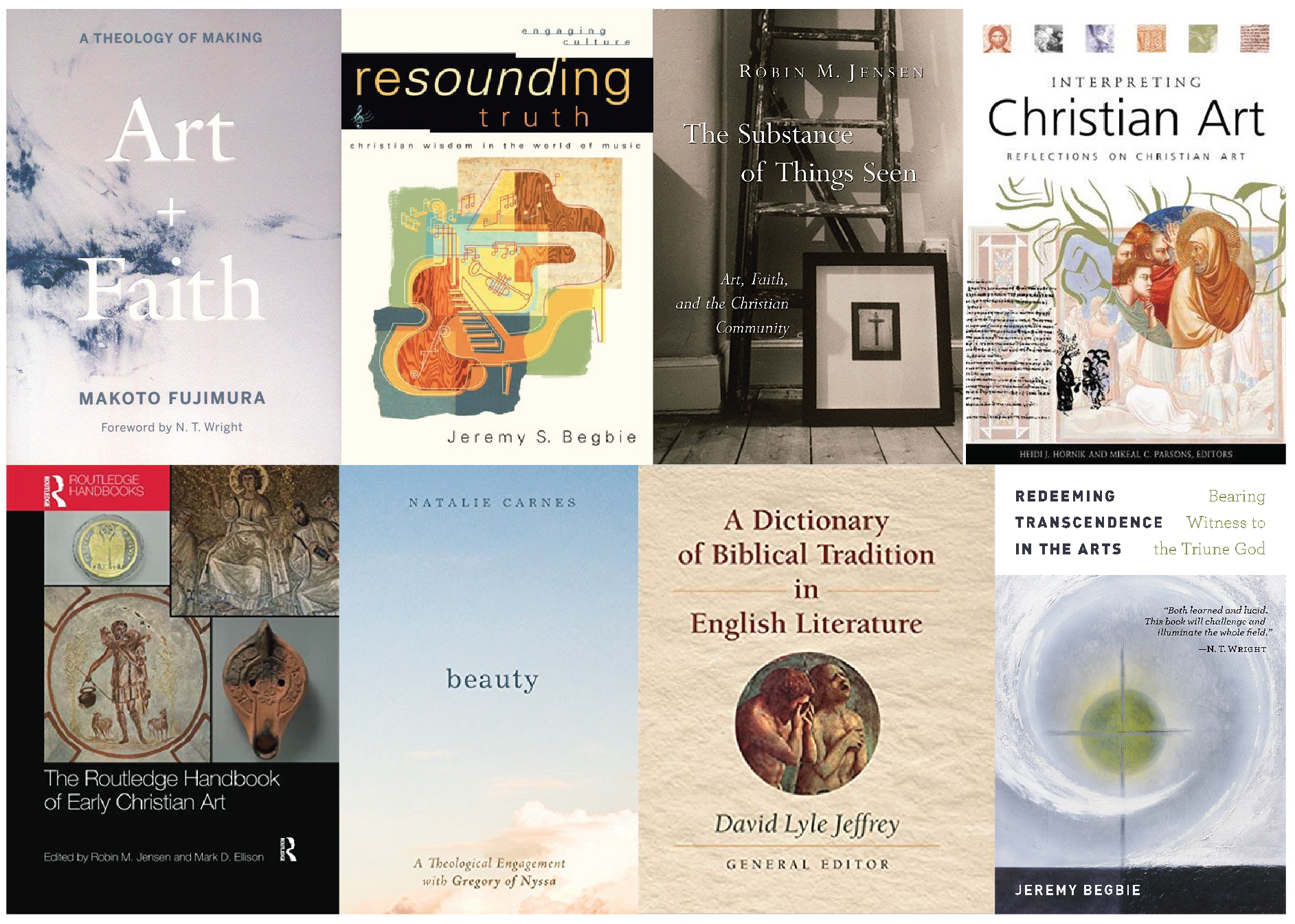
Their line-up of presenters includes several from within Baylor’s own distinguished ranks, such as composer and liturgist Carlos Colón, theologian Natalie Carnes, art historian Heidi J. Hornik, and literature scholar David Lyle Jeffrey, in addition to famous outside guests like theologian-pianist Jeremy Begbie, contemporary nihonga painter Makoto Fujimura, and Early Christian art historian Robin M. Jensen. See a full list by clicking on the boldface link above.

Books
Just a fraction of the books authored by the eminent speakers at the upcoming Baylor symposium

The website does not provide a list of presentation titles, but among the topic suggestions on its call for proposals page are how art contributes to moral and spiritual perception, sensitivity, and/or character formation; the power of imagination; the relation of poetic art to the communication of moral truth; art therapy in pastoral counseling; how musical settings of biblical texts add value to those texts; and how to reconcile the making of religious art with the commandment in Exodus 20:4.

+++

SONG: “The Lord Is My Light” by Lillian Bouknight | Performed by the Notre Dame Folk Choir, dir. Emorja Roberson: “Very little is known about Lillian Bouknight (d. 1990), except that she was an African American from North Carolina, and a soloist and composer in the Pentecostal Holiness movement in the Aliquippam, PA, Community, also serving as a prayer warrior and on the Mother’s Board.” This setting of Psalm 27 that she composed appears in the African American Heritage Hymnal #160.

+++

VIDEO: “Theology through the Arts” by Jeremy Begbie: A pioneer of the field of theology and the arts, UK-born and US-based scholar Jeremy Begbie is the headliner for the Baylor symposium mentioned above. I met him briefly at a Duke conference a few years ago, and he’s such a delightful person, not to mention a phenomenal teacher who often dispenses wisdom from a piano bench. If you’re not familiar with his work, this fourteen-minute video is a great introduction to it. He’s all about demonstrating how instrumental music (his specialization is Western classical) can help unlock the truths of the Christian gospel. Here he talks about the given, the improvised, and the ministry of the Holy Spirit.

+++

BLOG: Pray with Jill Geoffrion: The Rev. Dr. Jill Kimberly Hartwell Geoffrion is a spiritual director, pilgrim guide, workshop leader, and retreat facilitator who spends at least three months a year at Chartres Cathedral in France, known for its architecture, sculpture, prayer labyrinth, and the world’s most extensive collection of twelfth- and thirteenth-century stained glass. An ordained American Baptist minister with an MDiv from Princeton Theological Seminary and a PhD in women’s studies and Christian spiritualities, she is the author of Visions of Mary: Art, Devotion, and Beauty at Chartres Cathedral (2017) (beautifully produced, from Paraclete Press), Pondering the Labyrinth: Questions to Pray on the Path (2003), and more. Contact her if you are interested in a spiritually based visit to Chartres or in having her present to a group.

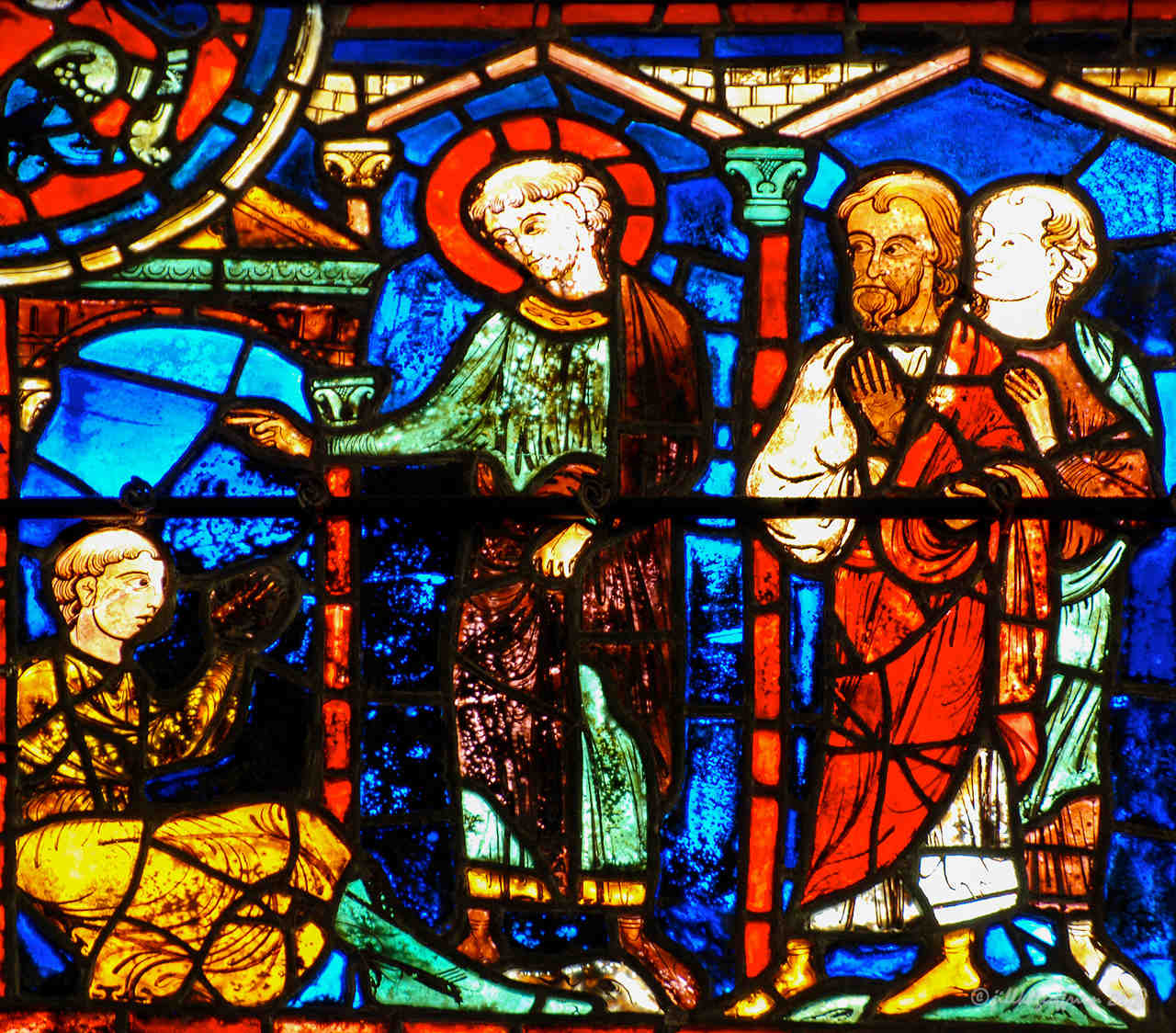
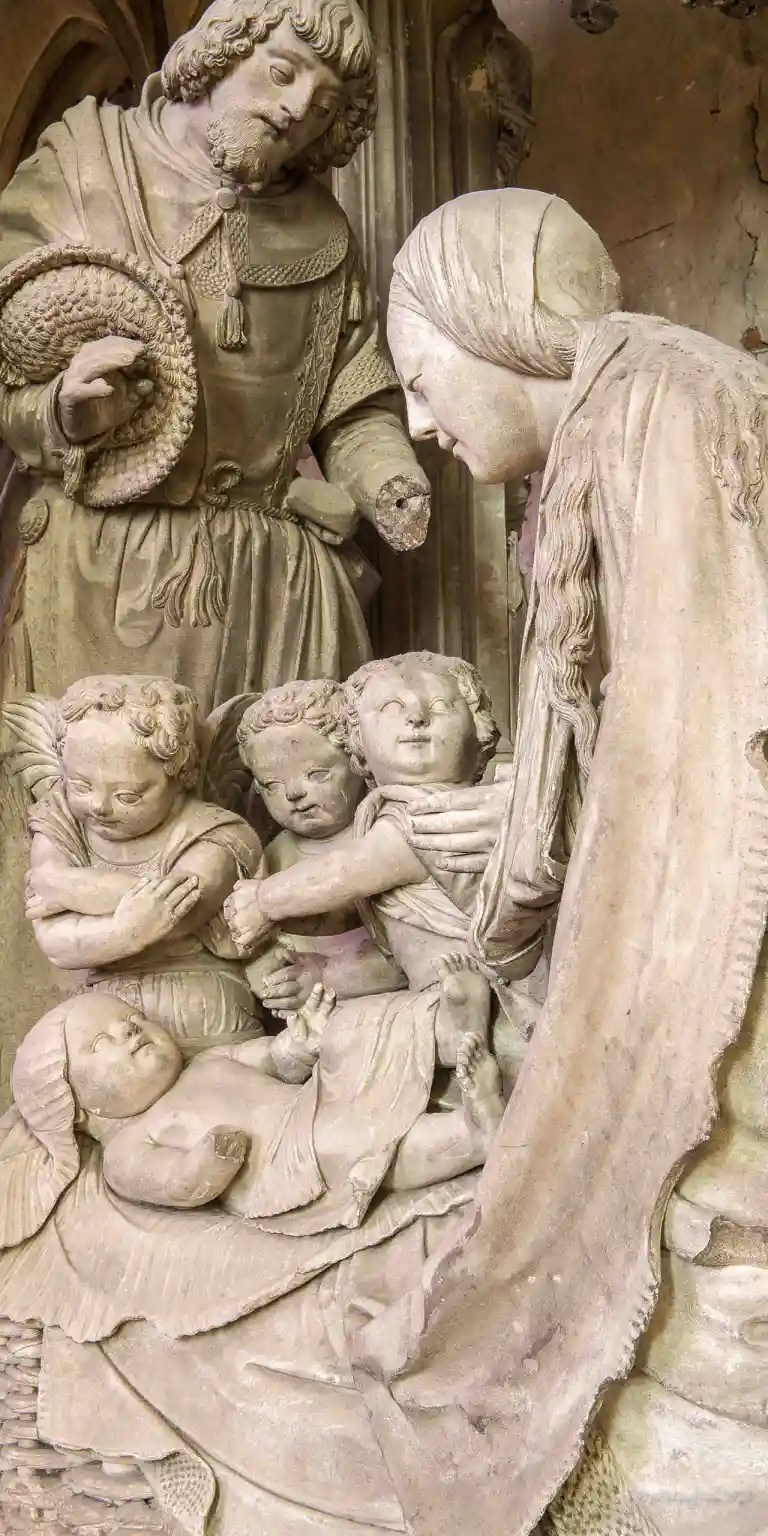
Geoffrion is also a professional photographer, and she shares many of her beautiful art photographs from Chartres on her blog, providing specific prompts for prayer and meditation based on the images. For example, in a post on the stained glass panel of Saint Martin bringing a man back to life, she writes, “Think of what is dead and needs resurrection in you, in those you love, in those who live within twenty-five miles of you, and in whatever country you call home. Then, take a very deep exhale and plead with God, ‘Bring resurrection!’” Or, reflecting on the sixteenth-century Nativity sculpture group attributed to Jehan Soulas, she invites us to “imitate one or more of the sets of eyes in the image . . . as you pray, ‘May I see with Your eyes, God. Teach me to see anew.’”

Saint Martin bringing a man back to life (with two onlookers), 1217–20, stained glass window panel in the south ambulatory at Chartres Cathedral, France. Photo: Jill Geoffrion.

Soulas, Jehan_Nativity
Jehan Soulas, Nativity, 1529, from the choir screen in Chartres Cathedral, France. Photo: Jill Geoffrion.

Geoffrion’s blog is a wonderful free resource for those looking to engage prayerfully with the art treasures of Chartres Cathedral. New content is typically posted in batches a few times a year, and the archive goes back to 2015. Sometimes Geoffrion digitally isolates certain details of the stained glass to aid in a more concentrated focus.

As I said when I featured the Tree of Jesse window several years ago, Chartres is high on my list of places to visit, for aesthetic, historical, and spiritual reasons. I hope to make it there sometime in the next five years.

Roundup: Round dance of praise; minimalist church architecture; Psalm 46 sung in Spanish; Armenian Christian heritage destroyed; and more

Image journal subscriptions are 50% off through the summertime—only $24 for four full-color issues! This is the magazine I most look forward to receiving in the mail. So much great poetry, art, essays, and more.

+++

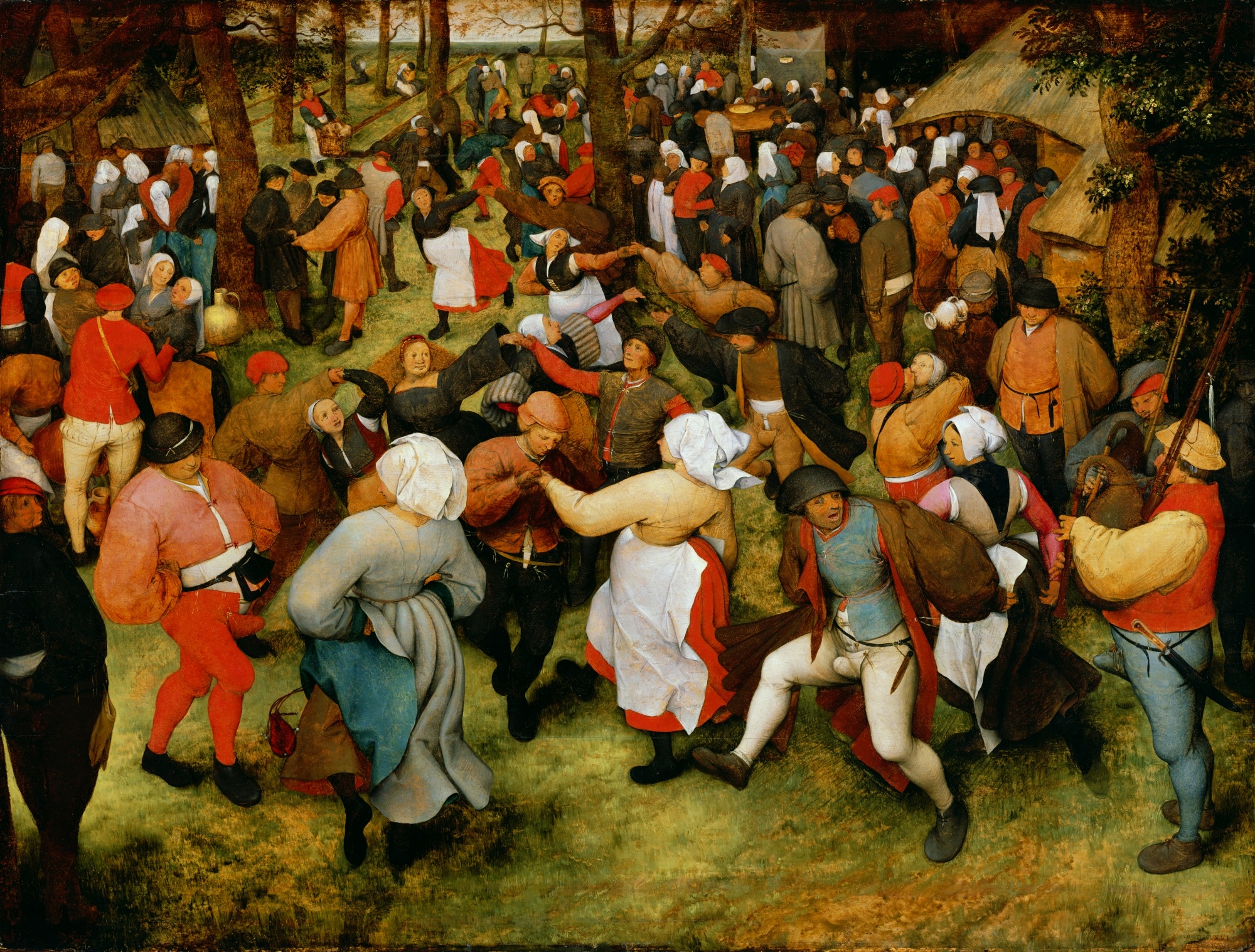
NEW POEM: “They Too Go Round” by Paul Mariani: This poem from the current issue of Image journal (no. 101) brings together Pieter Bruegel the Elder’s Wedding Dance with Fra Angelico’s Last Judgment at San Marco, gesturing toward a vision in which the terrestrial is taken up into the celestial. Bruegel’s Dutch peasant dancers “pound” and “rollick” with beer foam on their faces and general bawdiness; the saints from the Fra Angelico painting, by contrast, step lithely and with reverence in their round dance on the very grasses of paradise. Disparate though they are in tone, Mariani connects these two images, playing with the idea of circling. Just as the wedding guests dance round and round, so too does time; so too the spheres. And at the center of this cosmic round dance is praise: humanity linked hand in hand with the angels, not closed in on themselves but opening up into the glory of God.

The Wedding Dance by Pieter Bruegel the Elder
Pieter Bruegel the Elder (ca. 1525–1569), The Wedding Dance, ca. 1566. Oil on panel, 119.3 × 157.4 cm. Detroit Institute of Arts, Michigan, USA.

Fra Angelico_Last Judgment
Fra Angelico (ca. 1395–1455), The Last Judgment (detail), ca. 1431. Tempera on wood, 105 × 210 cm. Museum of San Marco, Florence, Italy.

The last stanza quotes an excerpt from a famous medieval Catholic prayer: “Sinning daily, and not repenting, the fear of death disturbs me, for there is no redemption in Hell. Have mercy on me, O God, and save me.” The speaker’s anxiety has been building up as he reflects on the empty pleasures to which he has been so long devoted and the imminence of death. This anxiety, however, is swept away in one turn as he catches a glimpse of God’s abundant salvation and its final consummation—a “sea-changing moment, now and forever.” Christ, the fulfillment of all desire, sits on his throne at the center of this turning world, beckoning us into the dance of the redeemed.

(FYI, Paul Mariani will be one of the plenary speakers at the Catholic Imagination Conference at Loyola in September. Registration is still open!)

+++

CHURCH ARCHITECTURE: Known for his work in concrete, Spanish architect Fernando Menis designed the new Holy Redeemer Church in Tenerife, Spain, consecrated May 12. I’m digging the minimalism. Learn more and view more photos on the architect’s website. [HT: ArtWay]

Holy Redeemer Church (Tenerife)
Holy Redeemer Church, Tenerife, Spain. Designed by Fernando Menis, completed 2019.

Holy Redeemer Church (Tenerife)
Interior: Holy Redeemer Church, Tenerife, Spain. Designed by Fernando Menis, completed 2019.

+++

CHORAL ARRANGEMENT: “Dios es Nuestro Amparo” (God Is Our Refuge), arr. Alfredo Colman: I love this traditional setting of Psalm 46 in Spanish, recently arranged by Alfredo Colman and performed by the Coro del Seminario Internacional Teológico Bautista (Choir of the International Baptist Theological Seminary) in Buenos Aires, Argentina. [HT: Global Christian Worship]

I was curious about the history of the song, so I wrote to Colman; he said he first encountered it in Paraguay, where he grew up, but doesn’t know its country of origin. The song, he told me, has been well known in Latin America since the 1970s. While this particular arrangement of Colman’s has not yet been published, you can find a simpler arrangement for congregational singing in the bilingual hymnal Santo, Santo, Santo: Cantos para el pueblo de Dios / Holy, Holy, Holy: Songs for the People of God, released just this month. Edited by the Calvin Institute of Christian Worship (CICW) in partnership with GIA Publications, it contains over 700 songs in Spanish and English.

For a vision and resources for singing together in Spanish and English, see this recorded CICW workshop, led by Colman and five others, and also the article “Expand Your Church’s Bilingual Music Repertoire.” Introducing bilingual music to a church congregation is “like introducing a new vegetable to toddlers,” says María Eugenia Cornou, the CICW program manager for international and intercultural learning. “Some kids love it, but usually it takes time. It’s a new flavor.”

+++

CULTURAL DESTRUCTION: “A Regime Conceals Its Erasure of Indigenous Armenian Culture” by Simon Maghakyan and Sarah Pickman: An investigative report published in February exposed Azerbaijan’s destruction of thousands of medieval Christian Armenian artworks and objects at the necropolis of Djulfa in Nakhichevan. The cemetery at Djulfa contained the world’s largest collection of khachkars, ornately carved memorial steles with crosses, characteristic of Armenian Christianity; 2,920 were documented clandestinely by native Argam Ayvazyan from 1964 to 1987, half of the 5,840 he documented in Nakhichevan as a whole. But, other than the dozen that were removed from the region during or before the Soviet era into church or museum collections, all these were demolished by Azerbaijani soldiers in 1997, 2002, and 2005–6, expunging the region’s last remaining traces of Christianity. (This was in addition to the demolition of 89 Armenian churches and 22,000 tombstones in Nakhichevan.)

Djulfa cross-stone
A 1915 photograph of researcher Aram Vruyr’s son with one of many thousand khachkars (cross-stones) at Djulfa, enhanced by Judith Crispin’s Julfa Cemetery Digital Repatriation Project. Courtesy Aram Vruyr Archives.

St. Thomas Cathedral (Armenia, now lost)
Surb Tovma (St. Thomas Cathedral) in Agulis, Nakhichevan, Azerbaijan, which tradition states was founded as a chapel by Bartholomew the Apostle. Now destroyed. Photo © Argam Ayvazyan Archives, 1970–1981.

“Unlike the self-publicized cultural destruction of ISIS, independent Azerbaijan’s covert campaign to re-engineer Nakhichevan’s historical landscape between 1997 and 2006 is little known outside the region. . . . While some Azerbaijanis have embraced their government’s vandalism as either righteous revenge or a national security measure against potential Armenian territorial claims, other Azerbaijanis . . . have mourned the destruction.”

Here is a short video posted in December 2005 by Nshan Topouzian, the leader of north Iran’s Armenian church, who was tipped off to the destructive activity taking place at the Djulfa cemetery by an Iranian border patrol. (Djulfa is located at the border of Azerbaijan and Iran.)

Hyperallergic pointed out the “cruel irony” and “insult” of Azerbaijan hosting UNESCO’s World Heritage Committee session earlier this month. UNESCO not only avoided a public condemnation of the destruction of Armenian Christian artifacts and churches in Nakhichevan but also praised Azerbaijan (one of its biggest donors) as a “land of tolerance.”

+++

ARTICLE: “6 Works of Classical Music Every Christian Should Know” by Jeremy Begbie: Theologian and pianist Jeremy Begbie is a superstar in the field of theology and the arts. Most of his books, published for academic audiences, are pretty dense, but this article that he wrote for The Gospel Coalition is wonderfully accessible. It opens, “Why bother with classical music? On the face of it, it seems like a serious indulgence to give time and attention to something so trivial as music—classical or otherwise. Yet the fact remains that no human society, however impoverished, has yet managed to do without music in some form. The impulse to sing, to blow air through wooden tubes, and to draw hair across strings seems ineradicable. What’s more, it’s long been recognized that people pour their deepest longings and passions into music-making. Music can be a remarkable index of the profoundest impulses and stirrings of a culture—impulses and stirrings that are often theologically charged.”

He then recommends six works of classical music to spend time with, highlighting the best recordings and musical guides available. From the “bubbling, joyful abundance” of a Mozart piano concerto (“a fresh iteration of creation’s hallelujah”) to the “aching beauty” of Rachmaninov, there’s variety here. Find out what Begbie considers to be “the greatest Christian musical achievement of the early modern era,” and which symphony contains, from its penultimate to final movement, one of the best transitions in Western music.

Begbie is the founder Duke Initiatives in Theology and the Arts, and the program is throwing a big symposium in September to celebrate its ten-year anniversary. I’ll be there! Join me? If you can’t swing the registration cost but live in the Triangle area of North Carolina, consider coming out on Saturday night to “Making All Things New: The Sound of New Creation,” a concert featuring a range of music, “from Bach to Bernstein, Rachmaninov to Latino, medieval to jazz, concert music to film music,” as well as a reflection by N. T. Wright. I attended a similar Begbie-led concert at Duke two years ago, and it was phenomenal.

+++

FILM: Ida (2013), dir. Pavel Pawlikowski: This Oscar Award–winning film about identity and faith is a great watch, especially for its stunning cinematography by Lukasz Zal and Ryszard Lenczewski. Shot in high-contrast black-and-white in the classic 4:3 format, it is almost entirely made up of static frames, exquisitely composed. I really just can’t get over the visuals. Watch the trailer and film clip below, and you’ll get a sense of what I mean. The movie is available on Kanopy, an on-demand streaming service provided for free by many public libraries.

Summer and fall conferences/retreats

Here is a list of upcoming arts conferences and retreats. I will be attending the CIVA conference next month as well as the DITA conference in September—if you’ll be at either, please let me know; I’d love to meet you!

All Things New (International Arts Festival)
Date: June 15, 2019
Location: Waterras Common Hall 3F, Tokyo, Japan
Cost: ¥2500 (about $22)
Presenters: Joshua Messick, Gerda Liebmann, Christopher Elmerick, Roger Lowther, and more
Organizer: Community Arts Tokyo (with additional sponsorship by Grace City Church Tokyo)
Description: “How can people in a city experience personal, social, and economic flourishing? What is the role of artists in making this world a better place? How can faith, work, and the arts come together for a holistic view of peace for the good of mankind? At this conference, we will hear from artists in the business world, the media world, and the plight of refugees from other countries. Their stories will give us a vision for how the arts point a way to new beginnings and bring goodness and hope into a broken world. Join us as we enter this world through speaker presentations, music performances, a short film, gallery exhibits, small group discussions, and more!” (Note: Presentations in Japanese will have simultaneous English translation over the wireless earphone system.)

Liebmann, Gerda_Salt of the Earth
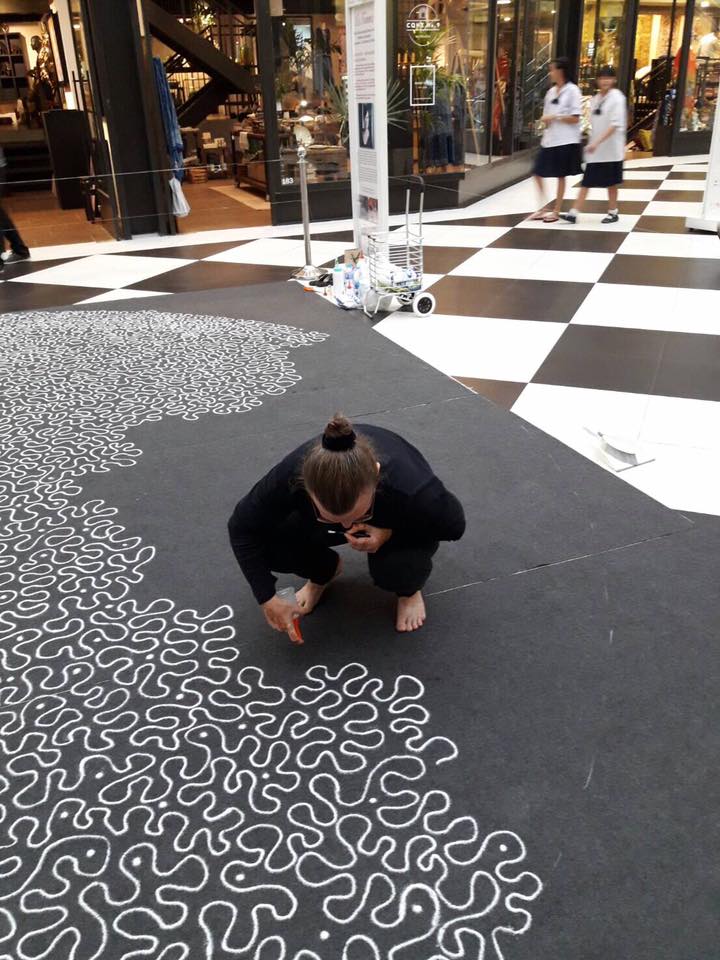
At the “All Things New” festival next month, Thai artist Gerda Liebmann will be installing one of her “salt art” pieces.

The festival will include presentations/workshops/performances by

  • hammered dulcimer player Joshua Messick, who contributed to the soundtrack of the Japanese animated fantasy film Mary and the Witch’s Flower
  • visual artist Gerda Liebmann, on how art can foster relationship and connection
  • Christopher Elmerick, who founded and runs a cultural center in Berlin that promotes the free exchange of ideas through shared work- and performance spaces and more
  • Megumi Project, a group of women artisans who upcycle vintage kimonos into shawls, scarves, bags, journals, and other accessories
  • the Charis Chamber Players
  • organist Roger Lowther, on the physics of music

Roger Lowther is, with his wife Abi, the founder and director of Community Arts Tokyo, “a team of artists, professionals, and Japanese nationals assisting church planting through outreach, discipleship, worship, and disaster relief.” Their work is supported through Mission to the World, the international missions arm of the Presbyterian Church in America (PCA).

+++

Are We There Yet?
Date: June 13–16, 2019
Location: Bethel University, St. Paul, Minnesota, USA
Cost: $350 for nonmembers; $300 for members
Presenters: Sedrick Huckaby, Letitia Huckaby, Hawona Sullivan Janzen, Chris Larson, Rico Gatson, Nate Young, Linnéa Spransy, Cara Megan Lewis, Rev. Babette Chatman, Jamie Bennett, Joanna Taft, Kelly Chatman, Joyce Lee, Caroline Kent, Lyz Wendland, Betsy Carpenter, Amanda Hamilton, Catherine Prescott, Vito Aiuto, and others
Organizer: Christians in the Visual Arts (CIVA)
Description: “If you’re anything like us, working in an age of high anxiety and disruption has been trying. At the same time, the art world has never seen more diversity, wealth, interconnection, and popular appreciation. Some experience our current creative conditions as a ‘joyful noise,’ others a ‘resounding gong.’ This makes art difficult yet at the same time crucial. With our hope rooted in the Lord, we can rejoice in the unfinished state of our work. There is still so much to be made!

Are We There Yet invites us to inhabit questions together: What are our shared pursuits? What practices and commitments can guide us in our work and collaboration? What would radical generosity do to the global art market? And how might we be participants in making ‘impossible things possible,’ as described by curator Hans Ulrich Obrist? With a commitment to hospitality, we will ask these questions and many more.”

Sedrick Huckaby
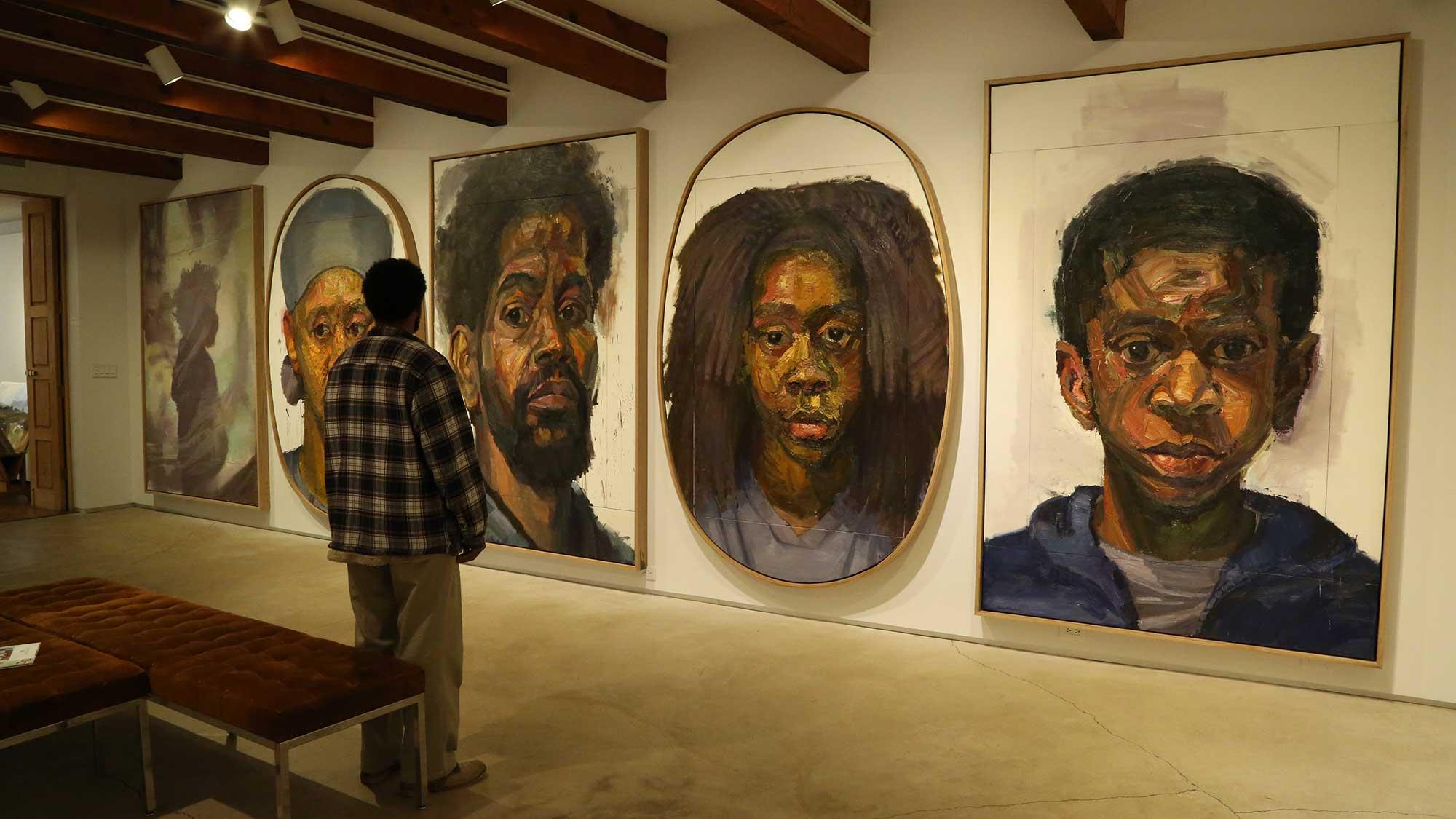
At Valley House Gallery in Dallas, Sedrick Huckaby stands in front of portraits he painted of his children, his wife Letitia, and himself. Sedrick and Letitia are two of the keynote speakers for CIVA’s 2019 Biennial Conference. Photo: Dane Walters/Kera News.

The conference will consist of plenary talks, panel discussions, and breakout sessions and will include a juried art show, late-night artist show & tells, optional day-ahead tours (art museums, city architecture, or sculpture garden) or workshops (printmaking or photography), a Liz Vice concert, and an ecumenical worship service.

+++

Visual Arts Retreat
Date: June 21–23, 2019
Location: Apple Hill Lodge, Moravian Falls, North Carolina, USA
Cost: $450 (includes lodging, food, and class materials)
Presenters: Allison Luce, Corey Frey, Ty Nathan Clark (via satellite), Stephen Roach, Thomas Torrey, Lauren Olinger
Organizer: The Breath & the Clay
Description: “Come get away for a weekend designed to inspire and deepen your understanding of visual art both as a spiritual practice and as an art form.”

+++

Vocation, Motherhood, and Artmaking
Date: July 25–28, 2019
Location: Laity Lodge, Leakey, Texas, USA
Cost: $495 (scholarships available)
Presenters: Andi Ashworth, W. David O. Taylor, Letitia Huckaby, Phaedra Taylor, Sandra McCracken, Ashley Cleveland
Organizer: Laity Lodge
Description: “This retreat is an invitation to explore the opportunities and challenges that are involved in the twin calling to motherhood and artmaking. It is open to mothers in all stations and circumstances of life, whether at the beginning of motherhood or in the fullest years of grandmothering, and to artists of all media, disciplines and contexts.” (Read more from David Taylor.)

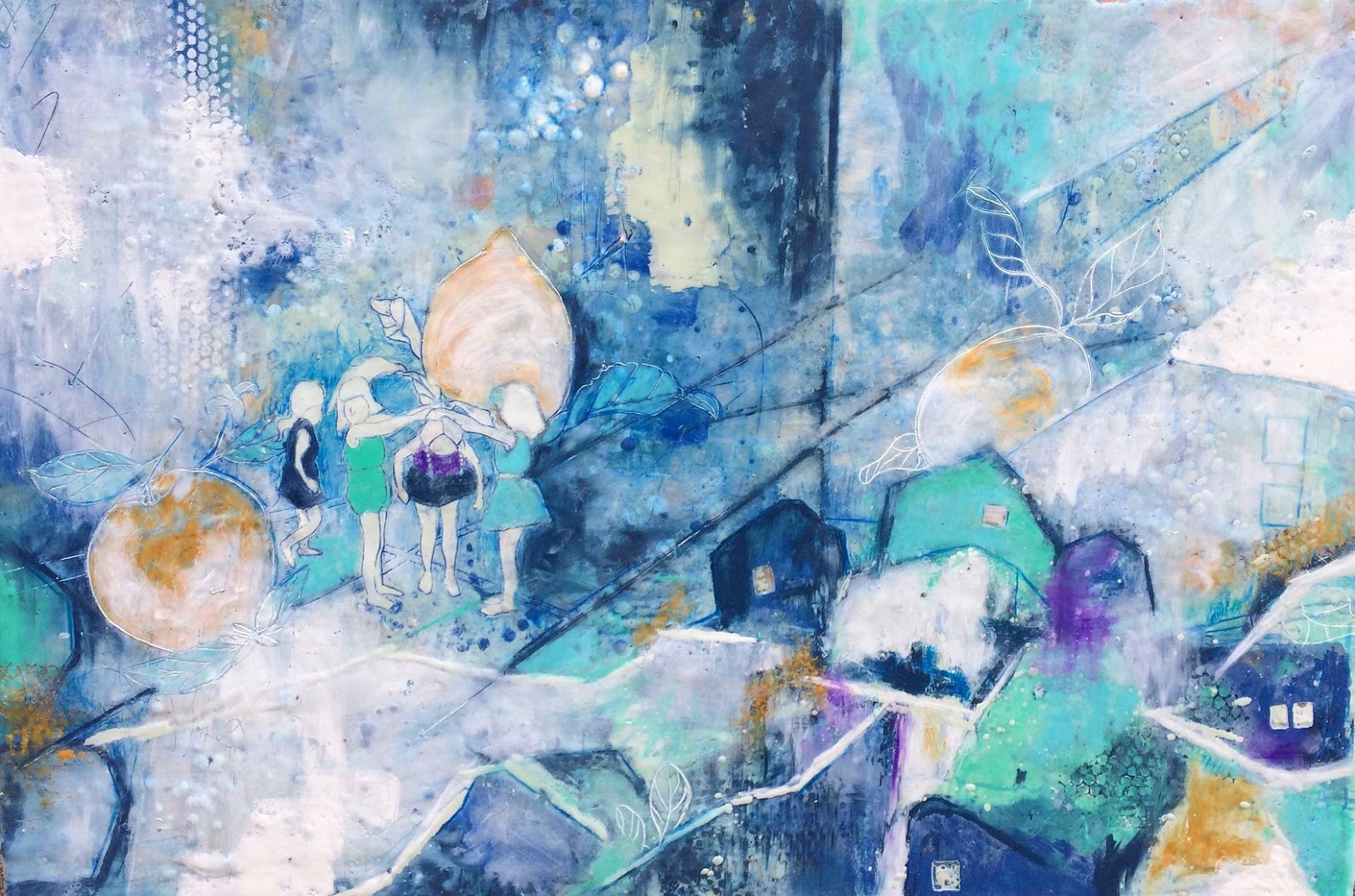
Taylor, Phaedra_The Book of Games
Phaedra Taylor (American), The Book of Games: Oranges & Lemons, 2018. Encaustic on wood panel, 20 × 30 in.

+++

Kingdom Creatives Con
Date: August 3, 2019
Location: National Union Building, Washington, DC
Cost: $99
Presenters: Noah Elias, Othello Banaci, Rachel Petrillo, Anifa Mvuemba, John David Harris, Ryan Han, Andrew Hochradel
Organizer: Bemnet Yemesgen
Description: A conference “aimed at igniting inspiration, learning, and networking in the Christian creative community. . . . Attendees will enjoy workshops and talks by creatives from diverse backgrounds and industries. The conference is specifically tailored towards creatives who love Jesus Christ . . . graphic designers, illustrators, photographers, filmmakers, developers, animators, copywriters,” etc.

+++

New York City Arts Weekend
Date: August 9–10, 2019
Location: Various venues, New York, USA
Cost: $295 CAN
Presenters: Makoto Fujimura, Iwan Russell-Jones
Organizer: Regent College (host: Jeff Greenman)
Description: “Makoto Fujimura and Iwan Russell-Jones lead this exploration of Christian faith and the visual arts in New York City. Enjoy a fascinating tour of the Metropolitan Museum of Art and participate in shared meals, stimulating presentations, and challenging conversations. Develop a deeper understanding of how creativity finds its place in the new creation.”

+++

Creation and New Creation: Discerning the Future of Theology and the Arts
Date: September 5–8, 2019
Location: Duke University, Durham, North Carolina, USA
Cost: $175 (student discounts available)
Presenters: Jeremy Begbie, Malcolm Guite, Christian Wiman, N. T. Wright, Natalie Carnes, Jennifer Craft, Carlos Colón, Steve Prince, Bruce Herman, Judith Wolfe, and others
Organizer: Duke Initiatives in Theology and the Arts (DITA)
Description: “At DITA10, we will celebrate past scholarship, reflect on today’s landscape, and imagine with tomorrow’s leaders.” The colloquium will include keynote lectures; workshops for church leaders and artists addressing the challenges of theology and the arts in the church and in our daily lives; panel discussions with artists and theologians; a concert by the New Caritas Orchestra; and a corporate worship service.

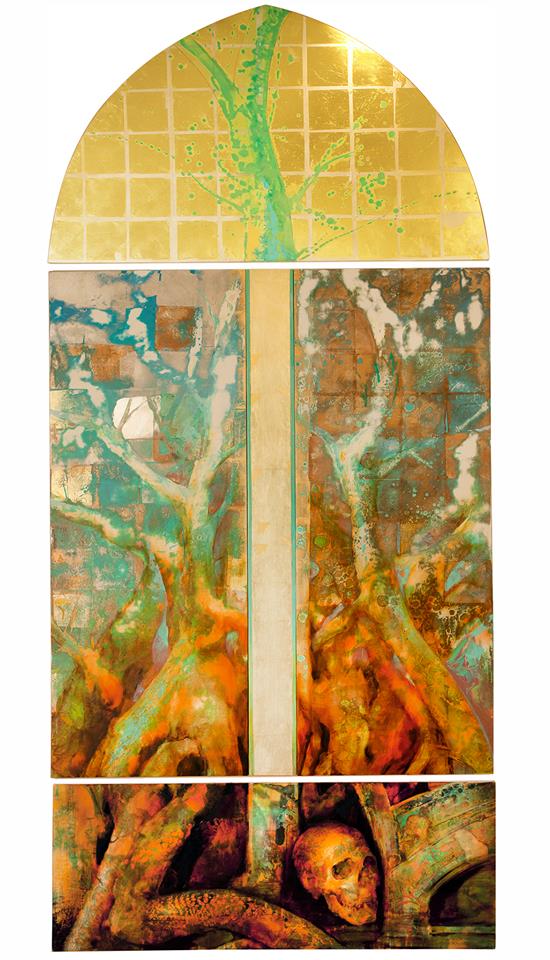
Herman, Bruce_Riven Tree
Bruce Herman (American, 1953–), Riven Tree, 2016. Oil on wood panels with gold, silver, and platinum leaf, 96 × 47 in. York Chapel, Duke Divinity School, Durham, North Carolina. [see “making of” video] [see in situ photo]

+++

The Future of the Catholic Literary Tradition (Catholic Imagination Conference)
Date: September 19–21, 2019
Location: Loyola University Chicago, USA
Cost: $150
Presenters: Tobias Wolff, Alice McDermott, Paul Schrader, Dana Gioia, Paul Mariani, Richard Rodriguez, Angela Alaimo O’Donnell, and others
Organizer: Hank Center for the Catholic Intellectual Heritage
Description: “This international biennial conference, sponsored by Loyola’s Hank Center, features over 60 writers, poets, filmmakers, playwrights, journalists, editors, publishers, students, and critics who will explore a variety of questions surrounding the Catholic imagination in literature and the arts. What is the future of the Catholic literary tradition? What is the state of discourses in faith and Christian humanism in a world increasingly described as ‘Post’—postmodern, post-human, post-Christian, post-religious? How is Catholic thought and practice (or the absence of it) represented in literature, poetry, and cinema? If, as David Tracy observes, religion’s ‘closest cousin is not rigid logic, but art,’ what might literary art be trying to communicate to its ‘cousin’—and to us all—as we travel along the first decades of the 21st century?”

The call for papers is still open, until June 15. Also check out some of the special events being offered, which will include a theatrical performance of Flannery O’Connor’s Everything That Rises Must Converge and an evening of poetry readings, live music, and a Chicago blues panel.

+++

Writer’s Retreat
Date: October 25–27, 2019
Location: Apple Hill Lodge, Moravian Falls, North Carolina, USA
Cost: $450 (includes lodging and food)
Presenters: TBA
Organizer: The Breath & the Clay
Description: “Come get away for a weekend designed to develop your writing both as a spiritual practice and as an art form.”

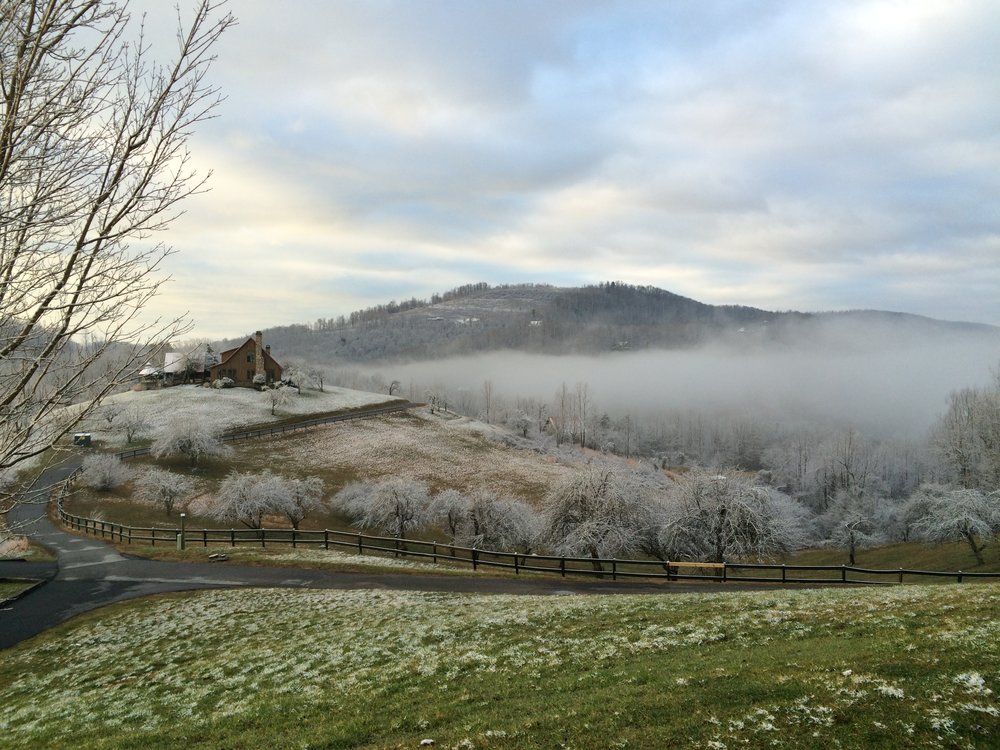
Apple Hill Lodge

+++

The Art of the Lost: Destruction, Reconstruction, and Change
Date: November 27–29, 2019
Location: Canterbury Cathedral, England
Cost: £175 for full conference (single-day tickets also available)
Presenters: Sandy Nairne, Simon Cane, James Clark, Ascensión Hernández Martínez, Emma J. Wells, and others
Organizer: Canterbury Cathedral
Description: “This conference will explore and appraise current and developing studies of how art changes, is reused or repurposed, disappears or is rediscovered. It will look at how and why art is defaced, destroyed or is lost within architectural settings, with a particular focus on art within the context of cathedrals, churches or other places of worship. It will consider changing ideologies, iconoclasm, war, fashion and symbolism. It will cover art from the 6th century to the modern day.”

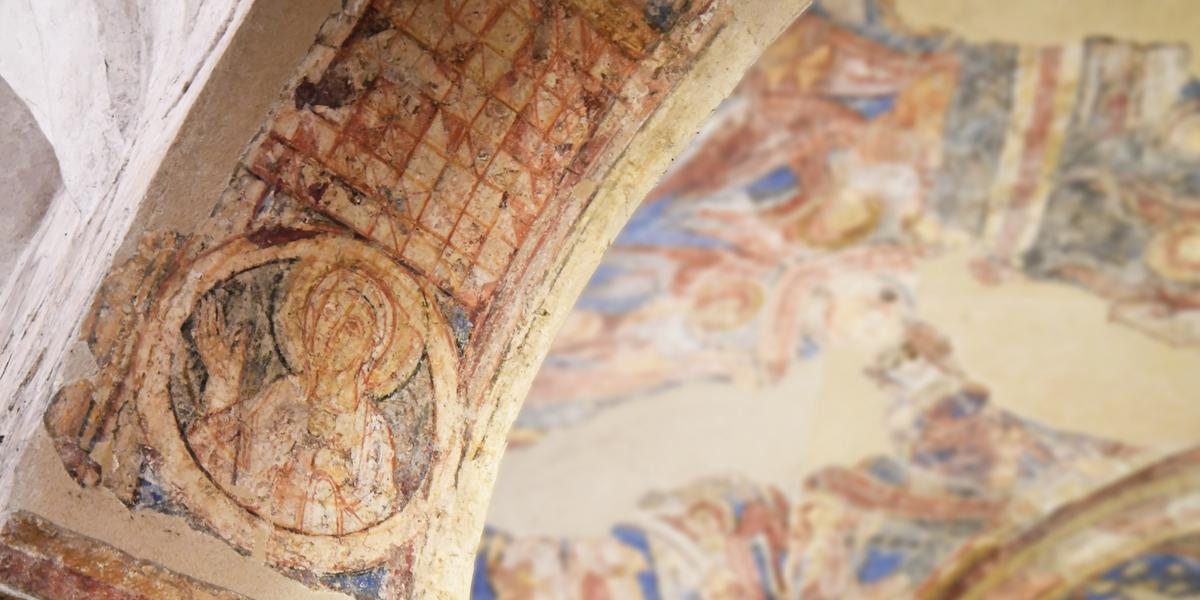
Art of the Lost (Canterbury Cathedral)