There are hundreds of creative works I could feature on the topic of Christ’s wounds. Here are just a few of note.
ARTICLE: “‘Your body is full of wounds’: references, social contexts and uses of the wounds of Christ in Late Medieval Europe” by Johanna Pollick, Emily Poore, Sophie Sexon, and Sara Stradal: In this three-part collaborative essay, I was most intrigued, in part because of its newness to me, by the first section, “The flowering wound: Christ’s heart in Princeton University, MS Taylor 17,” in which Dr. Johanna Pollick explores a small English illuminated devotional book, dating from around 1500, that portrays Christ’s wounds as wells. For help in interpreting these images, she turns to medieval literary traditions as well as to the Carthusian Miscellany.
Wounded Heart of Christ as the Well of Lyfe, England, ca. 1500. Princeton University Library, MS Taylor 17, fol. 10v.
Dr. Grace Hamman writes about MS Taylor 17’s extraordinary “well of lyfe” page in Jesus through Medieval Eyes (and for InterVarsity’s The Well), which is what brought me to this essay. The hand-colored image shows flowers—labeled “pyte” (pity), “loue” (love), and “charyte” (charity)—springing forth from the wounded heart of Jesus. The verse prayer at the top reads, “Well of lyfe that ever shall laste / My herte in thee make it stedfast.”
The same theme shows up in another late fifteenth-century English lyric in MS Arundel 286 at the British Library, which appears in modern compilations under the title “The Wounds, as Wells of Life” or “The Wells of Jesus’ Wounds”:
Ihesus woundes so wide
Ben welles of lif to the goode,
Namely the stronde of his syde
That ran ful breme on the rode.
Yif thee list to drinke
To fle fro the fendes of helle,
Bowe thu doun to the brinke
And mekely taste of the welle.
Jesus’s wounds so wide
Are wells of life to the good,
Namely the stream from his side
That ran fiercely on the rood.
If thou list to drink,
To flee from the fiends of hell,
Bow thou down to the brink
And meekly taste of the well.

Trans. Victoria Emily Jones
And in a late fifteenth-century gold ring, also from England, engraved with a Man of Sorrows image and hieroglyphs of Christ’s five wounds, labeled “The well of pitty, the well of merci, the well of confort, the well of gracy, the well of everlastingh lyffe”:
SONG: “Deep Were His Wounds” by William Johnson, 1953: This midcentury hymn is composed of three simple stanzas: The first half of each meditates on Jesus’s cruel death on the cross, whereas each second half (“But . . .”) celebrates the healing, freedom, and eternal life that death wrought.
>> Music by Leland B. Sateren, 1958: I like this tune, called MARLEE, but it’s difficult to sing congregationally. Here’s a soloist, Sarah Gulseth, singing it for her church’s 2011 Good Friday service, accompanied on organ by Luther Gulseth:
>> Music by Vito Aiuto, 2008: I was first introduced to “Deep Were His Wounds” through the Welcome Wagon’s debut album, Welcome to the Welcome Wagon, “a ramshackle singalong enterprise of a Presbyterian pastor (the Rev. Vito Aiuto) and his wife (Monique) wrestling out the influences of folk music, religion, popular culture, and church tradition.” Mood-wise, Aiuto’s tune wouldn’t work as well for Good Friday—even given the paradox of that day, it’s too bright, in my opinion, for that somber observance. But it’s great for throughout the year, especially for churches that favor a contemporary/folksy style of music.
+++
CANTATA CYCLE:“Membra Jesu Nostri” (The Limbs of Our Suffering Jesus) by Dieterich Buxtehude: Dieterich Buxtehude (ca. 1637–1707) was a Danish German organist and composer of the mid-Baroque period. For Good Friday 1680, he composed a cycle of seven concerto-aria cantatas. The texts of the aria sections are taken from the medieval Latin hymn “Salve mundi salutare” (Hail, the World’s Salvation) by the Cistercian abbot Arnulf of Leuven (ca. 1200–1250), whereas the concerto section texts are Old Testament quotations. The following video is a 2004 performance from Payerne, Switzerland; see the YouTube video description for further credits. The video includes English subtitles, but you can also read the lyrics (with translation) here.
The cycle begins by paying homage to Christ’s wounded feet (“Ad Pedes” = “To the Feet”), and then progresses upward to his knees, hands, side, breast, heart, and finally, face/head. Traditionally, Christ’s wounds are enumerated as five: a hole in each foot, a hole in each hand, and a hole through his side/heart (from the centurion’s spear). But Arnulf meditates on seven distinct body parts of Christ’s that were injured on Good Friday.
+++
ARTWORKS:
>> The Five Wounds of Christ by Fernand Léger | Commentary by Albert Hengelaar: This visual meditation is about the architecture and interior decoration of the Sacré-Coeur in Audincourt, France, a product of the Art Sacré movement, a Catholic art renaissance spearheaded by the French Dominican Order from 1919 to the 1950s. The centerpiece of the church, sited above the high altar, is a stained glass window depicting the five wounds of Christ shining like suns—one of seventeen windows the artist Fernand Léger designed to encircle the space in a strip.
Fernand Léger (French, 1881–1955), The Five Wounds of Christ, 1950–52. Stained glass window, Église du Sacré-Cœur (Church of the Sacred Heart), Audincourt, France.
>> The Great Wound, aka Go On, Wounded Healer by Jack Baumgartner | Commentary by Sam Kee: In this Substack post, Sam Kee unpacks a drawing by his friend Jack Baumgartner [previously], which shows that “there is life in His [Christ’s] wounds, and He pours His life into our wounds.” The drawing started with the roman numeral V, which stands for the five wounds of Christ. The circumference is one large wound that encompasses five smaller wounds, eye-like, each one weeping blood. Other symbols that Kee analyzes in the drawing are wheat, grapes, fig leaves, seashell, fire, heart, and womb. “Go on” is a refrain that Baumgartner uses often in his work, a mantra for persevering in the faith, for continuing on the path.
Jack Baumgartner (American, 1976–), The Great Wound, 2024. Drawing from the series The Diary of a Tree Standing on Its Head.
Kee concludes with an original ekphrastic poem.
You can purchase an archival reproduction of The Great Wound from Baumgartner’s online shop. I encourage you to explore his website as well. I admire how his work is somehow both mystical and earthy, rooted.
Marc Chagall (Russian/French, 1887–1985), Peace Window, 1964. Stained glass, 12 × 15 ft. Public lobby, General Assembly Building, United Nations Headquarters, New York. Manufactured by Brigitte Simon and Charles Marq.
This stained glass window by Marc Chagall was commissioned as a memorial for the Swedish diplomat Dag Hammarskjöld (1905–1961), who served as the second secretary-general of the United Nations, and for the fifteen other UN staff and peacekeepers who died with him when their plane crashed on the way to a peace negotiation for the Congo Crisis in Northern Rhodesia. The artist’s handwritten dedication reads, “A tous ceux qui ont servi les buts et principes de la Charte des Nations Unies et pour lesquels Dag Hammarskjöld a donné sa vie” (To all who served the purposes and principles of the United Nations Charter, for which Dag Hammarskjöld gave his life).
Chagall’s design was executed by master glassmakers Brigitte Simon and Charles Marq of Atelier Simon-Marq.
Chagall was born in 1887 into a Hasidic Jewish family in Vitebsk, Russia (now Belarus). He moved to Paris in 1910 to develop his art, becoming a French citizen in 1937. When Nazis took over the country, threatening Chagall’s safety, he was successfully extricated to the United States with the help of Alfred Barr, director of the Museum of Modern Art in New York. He returned to France for good in 1948. His impressive body of work, marked by a spiritual vivacity, includes—in addition to stained glass—paintings, drawings, book illustrations, stage sets, ceramics, and tapestries.
His 1964 Peace Window in New York City—not to be confused with his similar but much larger Peace Window of 1974 in the Chapel of the Cordeliers in Sarrebourg, France—is full of biblical allusions.
My eyes are drawn first to the red and purple bouquet in the center, under which stands an amorous couple. Who are they? What do they represent? I can think of several possibilities:
1. Adam and Eve. In the sketch Chagall made for the window, the woman is very clearly naked, though she’s less obviously so in the final window. That Eve, pre-fall, is traditionally portrayed unclothed, and that Chagall’s later Peace Window unequivocally portrays Adam and Eve within a red tree, lends credence to the interpretation of these figures as our primordial foreparents, in which case the flowering mass would stand for the tree of life in the garden of Eden (Gen. 2:9).
2. The Annunciation—the angel Gabriel coming to Mary to announce that she had been chosen to birth and mother God’s Son. The male head is bodiless, emerging from the crimson bloom (suggesting, perhaps, a supernatural entity), and there’s a yellow glow at the woman’s breast, perhaps signifying the conception of Christ. What’s more, the woman appears to be cradling something—her pregnant belly?
3. God and the human soul, or Christ and his church. One traditional Jewish interpretation of the poetic book of scripture known as the Song of Solomon is that it celebrates the love between humanity and the Divine. Medieval Christians, similarly, spoke of the book as an allegory of the future marriage of Christ and the church, his bride, drawing too on the New Testament book of Revelation, which culminates in a mystical union, a picture of cosmic harmony, heaven and earth inseparably joined.
4. The kiss of Justice and Peace. Psalm 85:8–11, a common Advent text, speaks of the divine attributes that coalesce to accomplish salvation (in the Christian reading, in the Incarnation):
Let me hear what God the LORD will speak, for he will speak peace to his people, to his faithful, to those who turn to him in their hearts. Surely his salvation is at hand for those who fear him, that his glory may dwell in our land.
Steadfast love and faithfulness will meet; righteousness and peace will kiss each other [emphasis mine]. Faithfulness will spring up from the ground, and righteousness will look down from the sky.
5. The kiss of Joy. Beethoven’s Ninth Symphony was a favorite of Dag Hammarskjöld’s, and its performance, at least the “Ode to Joy” chorus in its final movement, is a United Nations Day concert tradition. Hammarskjöld described the work as “a jubilant assertion of life,” championing universal peace and brotherhood. One of the lines from Friedrich Schiller’s text that Beethoven set exclaims that “Joy . . . kiss[es] . . . the whole world!”
I suspect some or all of these ideas were at play when Chagall designed the window. Or even just romantic love in general (with other types of love portrayed elsewhere in the composition), as he often painted himself and his wife Bella kissing or embracing.
After this tableau, my eyes go to the large male figure cloaked in purple just right of center. I take him to be the prophet Isaiah, beholding a vision of wild animals and children cavorting together in harmony (see Isaiah 11). A boy, for example, reaches his hand out toward a viper and is not harmed.
But it’s also possible that’s meant to be Isaiah at the bottom left of the window, his face illumined by the beauty spread out before him, which an angel gestures to, guiding the prophet’s imagination:
On the top right, another angel delivers the Ten Commandments to the people of God.
Next to this communication of God’s word is the death of God’s Word in the flesh, Jesus Christ, around whom the crowds have gathered. A man ascends a ladder propped against the cross, the ladder being a multivalent symbol harking back to Jacob’s dream at Bethel and evoking notions of descent and ascent.
Vignettes below include a couple embracing with an infant in hand, a woman being fed at a table (the Eucharist?), a family reading a book (probably the Bible), a woman making music, and another bearing flowers.
At the top left is a lamentation scene that evokes those of Christ deposed from the cross. A man in a loincloth lies dead or wounded on the ground, his head cradled by a loved one, while at his feet another mourner throws her arms up in grief. This is the cost of human violence.
By contrast, in the bottom left corner, a mother cradles her child, evoking scenes of the nativity of Christ—of Mary with her newborn son.
All these characters—human, animal, and divine—are sprawled across a warm azure background, playing out love, suffering, death, peace, joy, and reconciliation.
LISTEN: “Oracles” by Steve Bell, on Keening for the Dawn (2012)
O ancient seer, your vision told Of desert highways streaming home To the mountain of the Lord Where nations sound a righteous song forevermore
And on that mountain men will forge From cruel implements of war The tools to till and garden soil The rose will bloom and faces shine with gladdening oil
And it will surely come to pass Justice will reign on earth at last The wolf will lie down with the lamb No beast destroy, no serpent strike the child’s hand
And God himself will choose the sign A frightened woman in her time Will bear a son and name him well God with us! O come, O come, Emmanuel!
(All photos in this article are my own, taken either by me or my husband.)
I knew very little about the virgin martyr St. Ursula before visiting the basilica dedicated to her in Cologne, Germany, last month. She’s the patron saint of the city, where, according to hagiography, she was murdered sometime in the fourth century.
There’s no historical veracity to her story, which is why her name was removed from the Catholic calendar of saints when it was revised in 1969. But her feast day is still observed by many on October 21.
Johann T.W. Lentz, St. Ursula (detail), 1659. Alabaster. North transept, Basilica of St. Ursula, Cologne. This reclining figure of the saint lies over her Baroque tomb made of black marble.
As legend has it, Ursula was a Romano-British princess and a Christian. She was engaged to be married to a pagan prince. To delay the wedding, she successfully requested that she first be allowed to take a three-year pilgrimage to Rome, and that she be accompanied by eleven thousand virgins (a ridiculous number that was likely embellished from what was originally eleven). On their voyage, she converted all eleven thousand to the faith.
On their way back to Britain from Rome, they were traveling through Cologne when it was besieged by the Huns, a group of nomadic warriors from Central Asia. Ursula and her companions refused the soldiers’ sexual advances and were slaughtered as a result. One version of the legend says the women’s souls then formed a celestial army that drove out the Huns, saving Cologne.
The earliest possible reference to Ursula and company—though they are unnamed and unnumbered—is a stone plaque dated to 400. Now incorporated into the choir wall of the present Basilica of St. Ursula, it mentions a basilica restored on this site by the Roman senator Clematius to commemorate the “martyred virgins coming from the east, in fulfillment of a vow, . . . holy virgins [who] spilled their blood in the name of Christ.” This inscription not only provides the seed of what would become the Ursula legend; it’s also the earliest evidence of Christianity in Cologne, attesting to the presence of a church there in the fourth century.
It wasn’t until the tenth century that the name Ursula emerged, identified as the leader of the group of virgins, and that their number, which had previously ranged from two to thousands, became fixed at eleven thousand. The women were never officially canonized, but their veneration as saints grew immensely in the twelfth century after a large, late antique Roman cemetery was discovered in 1106 near the aforementioned Church of the Holy Virgins in Cologne during an excavation project to expand the city’s fortifications. The skeletal remains in the hundreds of graves were purported to be those of the martyred women (notwithstanding the presence of many men’s and children’s bones among them).
The discovery of these putative relics called for the rebuilding of the predecessor church to house them. Construction began in the second quarter of the twelfth century, and it’s that structure, with later renovations, refurbishments, additions, and (post–World War II) restorations and repairs, that stands today. The church was elevated to the status of minor basilica in 1920.
West facade, where you enterThe nave and the main tower of the Basilica of St. Ursula are Romanesque, but the choir was rebuilt in the Gothic style.Shrine altar in the choir apse, containing the relics of Ursula, Etherius, and Hippolytus. Behind it are grilled reliquary niches and paintings of the Legend of St. Ursula from from the “long cycle” of 1456.Chancel windows by Francis William Dixon, 1892. Left: St. James the Greater, St. Andrew, and St. Peter, accompanied by angels; lower register: Isaiah, Isaac, and Abraham. Center: Christ enthroned, with Mary and St. John the Baptist (Deesis) at his side; lower register: St. Ursula of Cologne with her companions. Right: St. James the Lesser, St. Matthew, and St. Thomas, accompanied by angels; lower register: Daniel, Malachi, and Joel.
The reason the Basilica of St. Ursula was on my list of stops was I wanted to see its so-called Golden Chamber.
The Golden Chamber
The largest ossuary north of the Alps, the Goldene Kammer (Golden Chamber) is decorated with the bones of, allegedly, St. Ursula and her eleven thousand travel mates, which are artfully arranged across the walls in geometric patterns, rosettes, and even words! Unlike most other relic displays I had seen before, where the relics are kept in some kind of encasement and usually only partially visible, this one puts many of the bones right out in the open, making the whole room a walk-in reliquary.
That’s me at the left, taking it in.
A Baroque marvel, the Golden Chamber was established on the south side of the church in 1643 through a donation by the imperial court councilor of the Holy Roman Empire Johann von Crane and his wife, Verena Hegemihler. It replaced a smaller medieval camera aurea (treasury and relic chamber), where the bones had previously been displayed. Crane and Hegemihler oversaw the design and construction of the space, with its ribbed, star-studded, sky-blue vault, and the arrangement of the bones into their present form.
Above the altar, tibias, fibulas, femurs, humeri, and other bones spell out “Sancta Ursula Ora Pro Nobis” (Saint Ursula, pray for us). Also rendered in bones are the name Etherius—Ursula’s fiancé, who converted to Christianity at her insistence and met her in Cologne to die with her—and a mention of the holy virgins.
Other sections of the wall use vertebrae, pelvic bones, ribs, shoulder blades, and so on to create ornamental designs like hearts, spirals, webs, flowers, and crosses.
“IHS” is a popular Latin acronym for “Iesus Hominum Salvator” (Jesus, Savior of Humankind).
Similar visual displays of bones in charnel houses, writes art historian Jackie Mann, had become increasingly common in Europe by the late fourteenth century.
The shelving cabinets below the bone decor belong to the second phase of furnishings around 1700. They contain niches that house 112 reliquary busts (most of them produced between 1260 and 1400 and made of polychromed wood), as well as gilded acanthus tendrils that encompass some 600 skulls. Out of reverence, many of the skulls are at least partially wrapped in red velvet with gold and silver embroidery made by the nuns of the nearby Ursuline convent.
Occasionally, where the wrapping has slipped, you’ll see an eye hole staring back at you.
To account for the presence of men’s bones in the ancient Roman churchyard, the legend of St. Ursula was adapted in the twelfth century to include male martyrs—namely, Etherius and his retinue. That’s why the Golden Chamber contains several male busts alongside the female.
To the average person, the Golden Chamber is a weird, macabre spectacle. But for Catholics, displaying human bones is not meant to be creepy or horror-inducing. Rather, by bringing remnants of the dead into spaces of the living, we are reminded of: (1) our own mortality, (2) the community of saints that transcends time, and (3) the promise of universal, bodily resurrection (dem bones gonna rise again!).
Memento mori (“remember you will die”) was a common trope in seventeenth-century art and devotion, meant to increase one’s awareness of the fleetingness of life and to encourage one to live in light of heaven. Mann calls the Golden Chamber an “immersive memento mori.” Again, the traditional Christian summons to remember our mortality is not meant to frighten. It’s meant to inspire us to live whole and holy lives.
While death is an ending in one sense, it’s also an entry into life immortal. The Golden Chamber gathers together the fragments of local saints that had been scattered in ancient burial ruins, preserving them for the saints of later generations as a witness that our bodies will never be finally lost; they will be raised and renewed by God on the last day and reunited with our souls. Christians treat the remains of the deceased with honor in recognition that our bodies—including the framework of bones that support our soft tissues, protect our organs, enable our movement, store minerals for our use, and produce our blood cells—are not just temporary shells encasing who we really are, but rather are a part of who we are. Hence why we proclaim, in the Apostles’ Creed, that “we believe . . . in the resurrection of the body.”
Memorial for the Martyrs of Today
While the Golden Chamber is the primary draw for visitors to the Basilica of St. Ursula, there are other sights in the church worth spending time with, ones I was not expecting. One of them is the Gedenkstätte für die Märtyrer der Gegenwart (Memorial for the Martyrs of Today), a chapel in the south transept that commemorates the Christians in Cologne, both religious and lay, who were killed for resisting the Nazi regime—or, in the case of Sr. Teresa Benedicta of the Cross (Edith Stein) and Elvira Sanders-Platz, for being ethnically Jewish.
Gedenkstätte für die Märtyrer der Gegenwart (Memorial for the Martyrs of Today), designed and built by the firm Kister Scheithauer Gross, 2003–5. South transept, Basilica of St. Ursula, Cologne.
Made by the architectural and design firm Kister Scheithauer Gross, the chapel consists of a double-shelled, slightly transparent canvas construction printed on the inside with the names and dates of the martyrs, as well as quotes they gave before their deaths. Sunlight enters from the window to the right of the chapel, causing the space to glow. There’s a small bench on each of the three sides, for people to sit and pray or reflect.
In the center is a life-size wood crucifix. The gaunt Christ figure is pierced all over and bears a deep wound in his side where the centurion’s spear went through. Like those whose names surround him, Jesus preached and pursued love and justice, ultimately laying down his life—a loss that God turned to gain in the Resurrection and in the redemption of the world.
A language barrier prevented me from effectively asking the staff person, or understanding the answer, whether the crucifix was carved in the early 2000s specifically for the chapel, or if it’s medieval. There’s no info inside the church about this chapel.
The Memorial for the Martyrs of Today is an example of what Christian martyrdom looked like in Cologne in the twentieth century. Fr. Otto Müller, Br. Norbert Maria Kubiak, writer Heinrich Ruster, medical student Willi Graf, Catholic Youth leader Adalbert Probst . . . The stories of the many individuals who were executed for subverting Hitler, for calling out his evils, in the name of Christ are far more compelling to me than the fabulous and convoluted story of an ancient princess killed in a land invasion and then heroized—for her virginity?
Contemporary Stained Glass
I also liked the contemporary stained glass in the church. In the choir, there’s a set of eight windows by Wilhelm Buschulte—abstract compositions in yellow, white, and gray.
Stained glass windows by Wilhelm Buschulte (German, 1923–2013), 1962, choir, Basilica of St. Ursula, Cologne
In the south aisle are two round-arched windows by Will Thonett, also abstract: a grid of blues, grays, and lavender, with yellow circles and thin vertical bands.
Stained glass windows by Will Thonett (1931–1973), 1967, south aisle, Basilica of St. Ursula, Cologne
To the right of these are three Mary-themed windows by Hermann Gottfried. The primary scene of the first one is the Annunciation. A giant red rose appears in the background, probably a reference to Mary as the Rosa Mystica. Below this scene, to the left, is the Creation of Adam and Eve, and to the right, the Expulsion from Paradise; these contextualize Christ’s conception in the greater narrative of scripture. The peripheral scenes in the middle register show the magi following the star to Bethlehem.
Stained glass window by Hermann Gottfried (German, 1929–), 1984, south aisle, Basilica of St. Ursula, Cologne
The central window portrays the Coronation of Mary. I believe both figures in the left lancet are Christ—crowning his mother as Queen of Heaven, and at the bottom, crushing the serpent, as the protoevangelium in Genesis 3:15 prophesied. Beneath the enthroned Mary on the right is a smaller vignette, which I think may be Mary again, also stepping on the serpent’s head, since by her cooperation with God’s plan, she shares in the victory over Satan. This imagery is also related to Woman of the Apocalypse described in Revelation 12, whom Catholics interpret as Mary. The hand of God dispenses blessing from above.
Stained glass window by Hermann Gottfried (German, 1929–), 1984, south aisle, Basilica of St. Ursula, Cologne
The final window in this trio portrays the Descent of the Holy Spirit at Pentecost. The two quadrants at the bottom right show Moses before the burning bush, in which Mary appears; Catholic teaching compares Mary to the burning bush of Exodus because for nine months she held the fire of divinity within her womb (God incarnate) and was not consumed. On the left Moses is receiving the tablets of the law on Mount Sinai, an event often read in parallel with the story of Pentecost in Acts 2, where God writes his word not on stone but on people’s hearts by giving his Spirit to dwell within them.
Stained glass window by Hermann Gottfried (German, 1929–), 1984, south aisle, Basilica of St. Ursula, Cologne
If you’re ever in Cologne, I encourage you to include the Basilica of St. Ursula on your itinerary. Entry to the church is free, but the Golden Chamber costs €2 (only cash is accepted, I believe). There are six large standing posters in the narthex that provide a timeline, in German, of the church’s history, and when I was there, there were two attendants who were available to answer questions, one of whom spoke some English.
>> “What Remains: The Making of Ellsworth Kelly’s Last Work,”Image interview with Rick Archer: I got to experience Ellsworth Kelly’s Austin—a modernist “chapel” containing three stained glass windows, fourteen black-and-white marble panels (Stations of the Cross), and a redwood totem—while in Texas for a CIVA conference in 2021; see some of my photos below. Kelly was an atheist inspired by Romanesque church architecture, and the architect he chose to collaborate with on Austin, Rick Archer, is a Christian. In this wonderful new interview by Bruce Buescher, Archer discusses his working relationship with Kelly, Kelly’s desire for randomization and form over meaning, the technical and architectural challenges of bringing Kelly’s vision to life, religious references, and the artist’s objective for the space. “I hope when people go in here, they will experience joy,” Archer remembers Kelly saying.
Ellsworth Kelly (American, 1923–2015), Austin, 1986/2015. Artist-designed building with colored glass windows, black-and-white marble panels, and redwood totem, 63 × 76 × 28 ft. Blanton Museum of Art, University of Texas at Austin. Photo: Victoria Emily Jones.
In this recent interview for Comment magazine, Anderson explains his purpose in writing the book:
I have become increasingly convinced that so many pivotal artists and artworks over the past century are deeply shaped by religious traditions and seriously engaged in theological questioning, but this remains severely under-interpreted or misinterpreted in the scholarship about these artists. One might see these threads running through an artist’s artworks and personal writings and even discuss these topics with the artist in their studio, but when one moves to the scholarly writing and teaching about that same artist, that language consistently disappears or is transposed into another register—usually politics, occasionally a highly esoteric spirituality. I wanted to understand, at a non-superficial level, why this was the case, and I wanted to see how other ways of speaking and writing about this topic might be possible.
Don’t miss, at the end of the article, his three hopes for the field of “art and theology,” which I very much share!
+++
LECTURE: “The Problems and Possibilities of Visual Theology: The Ascension as a Case Study” by Jonathan A. Anderson: With Ascension Day coming up on May 29, it’s timely to share this talk given by Jonathan Anderson (see previous roundup item) a few years ago at Duke Divinity School, where he worked as a postdoctoral associate of theology and the visual arts from 2020 to 2023. Anderson explores a handful of images depicting the Ascension of Christ, a particularly challenging subject because of the spatial ambiguity. The scriptural accounts of the event (Luke 24:50–53 and Acts 1:6–11) beg the question, “What does ‘lifted up’ mean? Where is Jesus?” Attempting to work out these spatial difficulties visually can be theologically and exegetically productive, Anderson claims—even if it sometimes leads to unsatisfying results, as, Anderson says, it often does in Western art from the Renaissance onward. By contrast, when artists foster intertextual readings across the biblical canon and focus not so much on what the Ascension looks like as a historical event but rather on what it means, they are generally more successful.
Here are some time stamps, with links to the artworks discussed:
38:33: The Ascension by Andrei Rublev: “Fundamental to all [the Ascension icons of the East],” Anderson says, “is the notion that the Ascension doesn’t have much to do with a higher part of the atmosphere (which Western images are continually struggling with) but with an entirely different kind of space. The relevant coordinates here are not down and up, or even higher and lower, but earth and heaven, old creation and new creation.” Anderson’s quotation of Douglas B. Farrow’s Ascension Theology is illuminating!
44:30: Interior of the katholikon (principal church) of Hosios Loukas
53:40: Q&A
Katholikon of Hosios Loukas monastery, Boeotia, Greece, 1011–12
+++
INSTRUMENTAL JAZZ: “Prayer” by Cory Wong: This video shows a live performance of Cory Wong’s “Prayer” on July 4, 2023, at Gesù music hall in Montreal. Wong, on guitar at far left, is joined by Ariel Posen on guitar, Victor Wooten on bass, and Nate Smith on drums. I learned about Wong through his collaborative album with Jon Batiste, Meditations (2020), which includes a version of this piece featuring Batiste’s piano playing.
+++
EXHIBITION: OMG! Reli Popart, Museum Krona, Uden, Netherlands, April 5–September 7, 2025: This exhibition at Museum Krona (housed in the complex of the still-active Birgittine Abbey of Maria Refugie in Uden, Netherlands) explores the connection between the pop art movement and Christianity through works by artists such as Andy Warhol, Corita Kent, Niki de Saint Phalle, and especially Dutch artists, including Woody van Amen and Wim Delvoye. Pop art is characterized by the use of imagery from popular culture, sourced from television, magazines, comic books, ads—and sometimes from the trash bin.
Jacques Frenken [previously], for example, built a body of work by salvaging discarded plaster sculptures of Christ and the saints—mass-produced for Catholic devotional use—and reconstructing them into assemblages. For his Spijkerpiëta, he “brought the Pietà back into our midst and accentuated the pain it radiates with nails,” the artist said.
Jacques Frenken (Dutch, 1929–2022), Spijkerpiëta (Nail Pietà), 1967. Plaster, paint, iron, wood. Museum Krona, Uden, Netherlands.
Another artist represented in the exhibition is Hans Truijen, who was commissioned in the 1960s by St. Martin’s Church in Maastricht to design eight stained glass windows for their worship space. The four along the left aisle of the nave depict human and divine suffering, whereas those on the right express hope, love, freedom, and happiness. He chose photographic images from various periodicals, including ones of the Vietnam War, and transferred them to glass using a special screen-printing process.
Hans Truijen (Dutch, 1928–2005), Studies for the eight stained glass windows commissioned by St. Martinuskerk, Wyck-Maastricht, Netherlands, 1966–68. Courtesy of the artist’s son, Marc Truijen.
>> “Jack’s Bookshelf: Julian of Norwich” with Dr. Grace Hamman, Pints with Jack: The “Jack’s Bookshelf” podcast series explores the authors and books that influenced the life and writings of C. S. Lewis. Hosted by David Bates, this episode covers Julian of Norwich (ca. 1343–after 1416), an English anchorite and mystic who authored what editors call Revelations of Divine Love or The Showings, the first English-language book by a woman. The most famous quote from this work is “Sin is behoovely, but all shall be well, and all shall be well, and all manner of thing shall be well.” Medieval scholar Grace Hamman [previously] unpacks the quote and discusses other key passages and themes from Julian, as well as what little we know of her biography. An excellent introduction!
>> “Ben Myers—The Divine Comedy,”Life with God: One of the many gifts my parents have given me over the years was a four-month study-abroad stay in Florence during my junior year of college, where one of my courses was devoted to reading and studying—in its original Italian and in the author Dante Alighieri’s hometown!—the masterful trilogy of narrative poems known as La Divina Commedia, or The Divine Comedy in English. Moving through hell, purgatory, and heaven, it is an allegory of the soul’s journey toward God. I enjoyed hearing Dr. Benjamin Myers [previously], director of the Great Books Honors Program at Oklahoma Baptist University, discuss this deeply influential work from the early fourteenth century, and sharing one of his own poems, “Listening to Reggae at the Nashville Airport.”
+++
VIRTUAL TOURS OF CATHEDRALS:
Cathedrals are, among other things, repositories of sacred art. I’m so appreciative of digitization initiatives that seek to make some of those treasures available to global publics online. Here are two admirable examples.
>> The York Minster Stained Glass Navigator:York Minster in northeastern England has the largest collection of medieval stained glass in the UK, with the earliest pieces dating from the late twelfth century. On behalf of the Chapter of York, the York Glaziers Trust is undertaking to photograph it all. These photos are available for viewing online through the cathedral’s “Stained Glass Navigator,” which enables you to hover over panels to identify the scenes, zoom in for higher resolution, and see where each panel in situated in the context of the window’s larger narrative.
I especially recommend exploring the extraordinary Great East Window, which depicts the beginning and the end of all things. The top section opens with the seven days of creation, followed by other select scenes from the Old Testament, but the bulk of the window—and my favorite sequence—consists of scenes from the book of Revelation. The bottom row depicts historical and legendary figures associated with the history of York Minster.
John Thornton of Coventry (British, fl. 1405–1433), St. John Takes the Book from the Angel (Rev. 10:8–11), 1405–8. Stained glass panel from the Great East Window, York Minster, York, England. Photo courtesy of the York Glaziers Trust.John Thornton of Coventry (British, fl. 1405–1433), The Dragon Gives Power to the Beast (Rev. 13:1–3), 1405–8. Stained glass panel from the Great East Window, York Minster, York, England. Photo courtesy of the York Glaziers Trust.John Thornton of Coventry (British, fl. 1405–1433), Satan Chained in the Bottomless Pit (Rev. 20:1–3), 1405–8. Stained glass panel from the Great East Window, York Minster, York, England. Photo courtesy of the York Glaziers Trust.
>> Life of a Cathedral: Notre-Dame of Amiens: Located in the heart of Picardy in northern France, Amiens Cathedral is one of the largest Gothic churches of the thirteenth century, renowned for the beauty of its three-tier interior elevation, its prodigious sculpted decoration, and its stained glass. This website put together by Columbia University’s Media Center for Art History offers a detailed virtual tour of the cathedral, drawing attention to its architectural features and artworks, from the many stone relief sculptures over its four portals (my favorite) to the octagonal labyrinth that adorns the marble floor in the nave to the early sixteenth-century misericords in the choir stall.
Detail of voussoirs from the south transept portal of St. Honoré at Amiens Cathedral, ca. 1240, featuring Adam working the ground, Noah building the ark, Jonah being disgorged from the fish, Hosea marrying Gomer, and other biblical figures and vignettes
+++
SONG: “Adon Olam,” performed by the Maqamat Masters, feat. Nissim Lugas: The well-loved text of this traditional Hebrew prayer in five stanzas probably originated in medieval Spain, having been first found in a thirteenth-century siddur (Jewish prayer book) from Andalusia. Drawn from the language of the Psalms, it praises God for both his transcendence and his immanence. He is incomparably great, the ruler over all, and yet he’s also a personal God, a refuge for those who call on him. The prayer’s title and opening phrase translates to “Master of the Universe” or “Eternal Lord.”
Various tunes have been used for the singing of this prayer over the centuries. The Maqamat Masters perform it here with a melody based on the traditional Armenian folk tune NUBAR NUBAR, arranged by Elad Levi and Ariel Berli. They also add to the prayer a few lines from the ghazals of the Persian Sufi poet Saadi (1210–ca. 1292), about the burning fire of God’s love; Lugas sings this Farsi passage from 3:06 to 4:08.
“Maqamat Masters is a unique group of musicians that coalesced around their work together teaching at the Maqamat School of Eastern Music in Safed, Israel,” 12 Tribes Music writes. “Each of the musicians is a master in a different traditional musical genre from the Middle East, and they bring their personal voices and decades of explorations together, to create a magical, new and innovative sound.”
+++
VIRTUAL EXHIBITION: The Faras Gallery: Treasures from the Flooded Desert: In 1960, Faras, a small town in Sudan near the Egyptian border, was one of the archaeological sites designated for flooding by the waters of the Nile to create Lake Nasser. Responding to an international call by UNESCO to preserve the area’s cultural heritage before it would be buried beneath the new reservoir, a Polish team led by Professor Kazimierz Michałowski proceeded with salvage excavations in 1961–64. Their efforts uncovered the wonderfully preserved ruins of a medieval cathedral, active from the eighth to fourteenth centuries (it was built on the remains of an early seventh-century church) and containing over 150 religious paintings, a trove of Nubian Christian art. By agreement with Sudan, half of the findings went to Poland’s National Museum in Warsaw, while the other half are kept in Sudan’s National Museum in Khartoum.
Wall Painting with Bishop Marianos under the protection of Christ and the Mother of God, early 11th century, excavated from Faras Cathedral in modern-day Sudan. Secco tempera on plaster, 247 × 155.5 cm. National Museum, Warsaw.
Curated by Paweł Dąbrowski and Magdalena Majchrzak and hosted by Google Arts & Culture, this virtual exhibition spotlights the wall paintings and artifacts from Faras that are housed in Warsaw. It discusses the importance of the discovery of the cathedral and the technical challenges of detaching the paintings (tempera on dry mud plaster) from the walls. It also includes digital reconstructions of the cathedral’s interior and exterior in 3D stereoscopy, as well as video elements. Here is one of the four videos from the exhibition:
New Mount Pilgrim commemorates the Maafa, the Great Migration, and martyrs of urban violence and instills hope with trilogy of rose windows, which include an African Christ
Designed by Charles L. Wallace and built in 1910–11, the French Romanesque–style church at 4301 West Washington Boulevard in Chicago’s West Garfield Park neighborhood was originally home to one of the largest Irish Catholic parishes in the city: St. Mel’s (named after Mél of Ardagh, a nephew of St. Patrick from the fifth century). They had the interior decorated with stained glass windows made by the studio of F. X. Zettler in Munich, portraying biblical figures and other saints—all as Caucasian, as was customary at the time and, frankly, still is. St. Mel’s, which merged with Holy Ghost Catholic Church in 1941 (whose parishioners were mainly of German descent), was a flourishing congregation. But in the late 1960s, white people began leaving the neighborhood as Black people moved in, and St. Mel’s membership waned until eventually the church closed its doors in 1988.
After the building had stood vacant for several years, in 1993, the Catholic Archdiocese of Chicago sold it to New Mount Pilgrim Missionary Baptist Church, a local Black congregation founded in 1950. The church leaders found that, due to lack of maintenance, the three large rose windows had structural issues that needed to be addressed. Rather than repairing the windows, they decided to replace them with new ones that better reflected the faith stories of their own parishioners—their history, heritage, and aspirations as a community. Rev. Dr. Marshall E. Hatch Sr., who had become the church’s pastor just a month after they moved into the new building and still serves in that role, developed the concepts for the windows with input from the congregation and started fundraising. All three were fabricated by Botti Studio of Architectural Arts in nearby Evanston, Illinois.
The Maafa Remembrance Window
The most striking and theologically profound of the three new windows, and the one I flew to Chicago to see last summer, is the Maafa Remembrance window on the wall to the left of the front altar. Because the church is oriented south rather than the traditional east, this is, directionally speaking, the East Rose Window; it purposefully faces the Atlantic Ocean. It was dedicated December 17, 2000, the church’s fiftieth anniversary year. It replaced an image of the Assumption of Mary (which you can view here); read more about the church building’s original windows on the website of art historian Rolf Achilles.
Maafa Remembrance, 2000, based on an illustration from The Middle Passage by Tom Feelings. Stained glass, diameter 25 feet. New Mount Pilgrim Missionary Baptist Church, West Garfield Park, Chicago. Photo: Victoria Emily Jones.Six of the twelve apostles are pictured in these stained glass windows inherited by New Mount Pilgrim from the building’s former owner, St. Mel’s Catholic Church. They appear beneath the newer Maafa Remembrance window, commissioned to counterbalance the preponderance of sacred white personages with sacred Black ones and to tell a narrative of liberation. Photo: Victoria Emily Jones.
Maafa (mah-AH-fah) is a Swahili word meaning “great disaster” or “great tragedy.” Since the late 1980s it has been used to refer to the transatlantic slave trade of the sixteenth through nineteenth centuries, during which an estimated 12.5 million African men, women, and children were kidnapped from their homes and forcibly brought to the Americas to work plantations without pay (by and large), building the wealth of their white enslavers. Some scholars prefer the term “African Holocaust” or “Black Holocaust” to describe this historic atrocity.
Based on an illustration by Tom Feelings from his extraordinary book The Middle Passage: White Ships / Black Cargo (Dial, 1995), the East Rose Window commemorates the Maafa through an evocation of the Middle Passage, the second leg of the triangular trade route. On this harrowing two- to three-month voyage across the Atlantic Ocean, which ships made many times over chattel slavery’s multicentury duration, at least two million enslaved Africans died of malnutrition, dehydration, disease, captor-inflicted violence, or suicide.
The closeness of the place, and the heat of the climate, added to the number in the ship, which was so crowded that each had scarcely room to turn himself, almost suffocated us. This produced copious perspirations, so that the air soon became unfit for respiration, from a variety of loathsome smells, and brought on a sickness among the slaves, of which many died, thus falling victims to the improvident avarice, as I may call it, of their purchasers. This wretched situation was again aggravated by the galling of the chains, now become insupportable; and the filth of the necessary tubs, into which the children often fell, and were almost suffocated. The shrieks of the women, and the groans of the dying, rendered the whole a scene of horror almost inconceivable.
In Feelings’s image, an African Christ figure stretches his chained arms out, as if on the cross. His body is constituted by the famous schematic representation of the crowded lower deck of the Brookes slave ship’s human cargo hold, first created in England in 1788 and widely disseminated throughout the nineteenth century. The perspective is such that we’re looking down on a body-as-slave-ship gliding through the waters—but it’s also a crucifixion. The Son of God carries the suffering of the sons and daughters of God, feeling it in his own body. He wears the slave ship like a giant wound that will forever mark him because it has marked his ecclesial body, the church.
The window functions, on one level, as a lament. Consider it in light of the following poem by Lucille Clifton, which draws out the cruel irony of the actual names some ostensibly Christian slave ship owners gave their vessels.
“slaveships” by Lucille Clifton
loaded like spoons into the belly of Jesus where we lay for weeks for months in the sweat and stink of our own breathing Jesus why do you not protect us chained to the heart of the Angel where the prayers we never tell and hot and red our bloody ankles Jesus Angel can these be men who vomit us out from ships called Jesus Angel Grace Of God onto a heathen country Jesus Angel ever again can this tongue speak can these bones walk Grace Of God can this sin live
The speaker of the poem, an enslaved African, addresses Jesus, questioning why he allows them to be so brutally treated—stolen from their homeland, marched to the coast in chains, claustrophobically packed in ship holds for maximum profitability, and spat out onto auction blocks in a barbarous country that appears to practice the devil’s ways more than God’s. How can God abide such sin? What kind of grace is it that transports them into oppression?
Christian Wiman brilliantly unpacks this poem, noting Clifton’s cunningly subtle tweak of a prophetic passage from Ezekiel that promises resurrection, both of individuals and of a nation. Underneath its acerbity, there’s a certain hopefulness to the poem—a hope that this sin will die, this suffering be transformed. In both Ezekiel’s vision of the valley of dry bones and Clifton’s poem, Wiman writes,
the Word comes streaming again through, and by means of, the word. In terms of the poem, Jesus (the man) is on board Jesus (the ship), but he is in the hold, just as, when the worship services took place above the captured slaves on the Gold Coast of Africa, God, if he was anywhere, was underneath it all, shackled and sweating and merged with human terror.
Emmanuel, God-with-us.
Clinging to this truth, the psalmist declares, “If I make my bed in hell, behold, thou [God] art there” (Psalm 139:8b). In his great compassion, God descends with us into the depths, and bears us up.
The Maafa Remembrance window plays with the themes of descent and ascent. As Emmanuel, Jesus was below deck, in the miserable belly of the thousands of slave ships that traversed the Atlantic, suffering with those chained inside. Christ’s arms are draped with chains, notes Marshall Hatch Jr., the pastor’s son and cofounder and executive director of the MAAFA Redemption Project (more on that below), “but he’s rising. And at some point those chains will break. That’s the hopefulness that shines through.”
Thus, the window commemorates both tragedy and triumph. It honors those who died on the Middle Passage and through the institution of slavery more broadly while also honoring those who persevered all the way to freedom. Hatch Jr. says this Christ is “carrying within himself the memories of those who lost their lives on the journey to America. But also he’s carrying the legacy of those who survived. And we are that living legacy,” descendants of the Middle Passage.
The border around the window’s central image calls parishioners to “REMEMBRANCE.” They must remember their history, the Great Catastrophe their ancestors endured, and, having faced the truth, commit to ending slavery’s legacy of racism in America’s civic, social, and religious spheres and in their own psyches.
Two of the roundels in the bottom border show a map of Africa and a Communion table laid with kente cloth, a loaf of bread, and a flask of wine. The roundel between these two displays the open word of God, which guides Christians forward in our work of justice and reconciliation.
Art historian Cheryl Finley features New Mount Pilgrim’s Maafa Remembrance window in her book Committed to Memory: The Art of the Slave Ship Icon (Princeton University Press, 2022), which traces the origins of the Brookes schematic and its proliferation in mass culture and art. She identifies the window, twenty-five feet in diameter, as the largest example of the “slave ship icon” in the world and writes that, like the cross of Christ, the slave ship embodies both death and rebirth. It is “a site of death, of dying Africans, and of new life, of a people who would persevere in the face of slavery and unspeakable cruelty to become a free people who helped define the modern era” (6).
“The children will need to know that this symbol, this window, is a representation of not only the pain but also the possibilities of a great and mighty God,” Rev. Dr. Gregory Thomas told the Chicago Tribune in 2000. Thomas was a theology professor at Harvard Divinity School, where Hatch Sr. served a fellowship sabbatical semester in 1999 and first encountered Feelings’s Middle Passage book.
In the window, slavery is interpreted in light of the paradox of the cross. Theologian James H. Cone famously interpreted another, later icon of Black suffering—the lynching tree—in light of the same in his essential book The Cross and the Lynching Tree (Orbis, 2011). He opens the book by explaining why and how the cross has held such power for the Black church:
The cross is a paradoxical religious symbol because it inverts the world’s value system with the news that hope comes by way of defeat, that suffering and death do not have the last word, that the last shall be first and the first last.
That God could “make a way out of no way” in Jesus’ cross was truly absurd to the intellect, yet profoundly real in the soul of black folk. Enslaved blacks who first heard the gospel message seized on the power of the cross. Christ crucified manifested God’s loving and liberating presence in the contradictions of black life—that transcendent presence in the lives of black Christians that empowered them to believe that ultimately, in God’s eschatological future, they would not be defeated by the “troubles of this world,” no matter how great and painful their suffering. Believing this paradox, this absurd claim of faith, was only possible through God’s “amazing grace” and the gift of faith, grounded in humility and repentance. There was no place for the proud and the mighty, for people who think that God called them to rule over others. The cross was God’s critique of power—white power—with powerless love, snatching victory out of defeat. (2)
A powerful reclamation of Christian iconography, New Mount Pilgrim’s Maafa Remembrance window weds Black history and Christian theology to offer its predominantly African American congregation a communal symbol that honors what they’ve been through as a people and reminds them that they worship a risen Christ who breaks chains and brings life out of death.
The North Star / Great Migration Window
The East Rose Window covered in the previous section is narratively the first in the trilogy of newly commissioned windows, but the first of the three to be fabricated and installed, earlier in 2000, was the North Rose Window, called the North Star or Great Migration window. It commemorates those who traveled north on the Underground Railroad to escape slavery, and, a few generations later (from about 1910 to 1970), as part of a mass movement to escape Jim Crow oppression.
North Star / Great Migration, 2000. Stained glass, diameter 25 feet. New Mount Pilgrim Missionary Baptist Church, West Garfield Park, Chicago. Photo: Victoria Emily Jones.
The North Star window shows a Black family unit, the father, in purple robe, lifting his newborn up to the heavens in a gesture of gratitude and pride. The child is backlit by the North Star, a beacon to freedom. The scene recalls the famous naming ceremony in the 1977 Roots miniseries, based on the best-selling novel by Alex Haley, in which Omoro Kinte, a Mandinka man living in The Gambia, carries his firstborn son, Kunta Kinte, to the edge of the village, raises him into the starry night sky, and exclaims, “Behold, the only thing greater than yourself!” This declaration affirms the child’s inherent worth and directs him toward worship of his Creator God.
During New Mount Pilgrim’s baby dedication ceremonies, the pastor raises the child in like manner while the parents vow to bring up the child in the nurture and admonition of the Lord and the congregation vows to support them in this task. This physical gesture of lifting up signifies surrender to God and hope that the next generation will carry the flame of faith out into the city of Chicago and the wider world. Because the North Star window is situated across from the pulpit, over the choir loft and organ, it is in full view of the dedicants.
Baby dedication ceremony, New Mount Pilgrim Missionary Baptist Church. Photo courtesy of Partnering for Community Impact.View from the pulpit of New Mount Pilgrim, facing the North Star window and the main entrance to the church. Photo courtesy of the church.
The inscription below the family in the window reads, “Lift holy hands,” a phrase taken from 1 Timothy 2:8, and the roundels in the border spell out the name of the church. The three portraits at the bottom are of the church’s longest-serving pastors: (from right to left) Rev. J. H. Johnson, the church’s first elected pastor; Rev. James R. McCoy, who served from 1965 to 1993; and Rev. Dr. Marshall Hatch Sr., who has served since 1993. Hatch Sr.’s father and McCoy both participated in the Great Migration, having moved to Chicago from Aberdeen, Mississippi, and so did the majority of the church’s founding members.
The North Star window fills the space previously occupied by a window depicting Saint Cecilia, a Roman virgin martyr.
The Sankofa Peace Window
The West Rose Window, known as the Sankofa Peace window, was the final one to be installed, replacing the clear panes that were there for over two decades. (New Mount Pilgrim sold the original window depicting Mary and the Christ child blessing and accepting the rosary from a male and female saint, to raise funds for the new one.) The Sankofa Peace window was dedicated on February 24, 2019 (watch the service here and view photos here), the year that marked the four hundredth anniversary of race-based slavery in America.
Sankofa Peace, 2019. Stained glass, diameter 25 feet. New Mount Pilgrim Missionary Baptist Church, West Garfield Park, Chicago. Photo: Victoria Emily Jones.
Sankofa is a Twi word from the Akan people of Ghana that means “go back and retrieve it,” a phrase that encourages learning from the past to inform the future. It comes from the proverb “Se wo were fi na wosan kofa a yenkyiri”—“It is not wrong to go back for that which you have forgotten,” to return to one’s roots to reclaim lost identity. The concept of Sankofa is traditionally symbolized by a mythical bird with its head turned backward while its feet face forward, carrying a precious egg in its mouth, which represents the knowledge of the past on which wisdom is based.
The Sankofa bird appears in the top center roundel of the window.
Hatch Jr., who preached at the window’s dedication service, discussed Sankofa as a spiritual discipline, highlighting how it can refer not only to returning to one’s cultural roots, but also to God, our Source. “Sankofa is the process of training my soul to reach back and remember the grace and the glory of God,” he says, which can fuel us for the forward journey. He quotes the famous gospel hymn that says, “My soul looks back in wonder how I got over.” We must regale one another with stories of where we’ve been and how far God has brought us, and remind ourselves and each other where we’re heading.
Besides the Sankofa bird, the other four adinkra symbols that New Mount Pilgrim chose to include in the window’s border are:
These are key guiding principles of the church, part of their missional purpose and identity. They seek liberation and peace for all, through the power of God, following the path of the Savior who is Love, who brings us back to who we most truly are.
One way the Sankofa Peace window looks backward while moving forward is through the memorialization of murdered Black American youth, from the civil-rights-era South and twenty-first-century Chicago. The portraits at the top depict the four girls who were killed by the Sixteenth Street Baptist Church bombing in Birmingham, Alabama, in 1963: Carole Robertson (age fourteen), Addie Mae Collins (fourteen), Denise McNair (fourteen), and Cynthia Wesley (eleven).
The five teens at the bottom, selected by members of New Mount Pilgrim’s youth leadership committee, were victims of Chicago violence from the previous decade or so. From left to right, they are:
Derrion Albert(1994–2009), age sixteen. On his way home from school, he got caught in the middle of a brawl between two rival factions of students and was beaten to death with a railroad tie. The crime was captured on cellphone video.
Laquan McDonald (1997–2014), age seventeen. He was shot sixteen times by a police officer while he was walking away.
Hadiya Pendleton (1997–2013), age fifteen. She was killed by a stray bullet while hanging out in a park with friends after her final honors exams.
Blair “Bizzy” Holt (1990–2007), age sixteen. He was fatally shot on a CTA bus while shielding his friend from gang gunfire.
Demetrius “Nunnie” Griffin Jr. (2000–2016), age fifteen. A lifelong member of New Mount Pilgrim, he was burned to death in a trash can in a West Side alley. His death was ruled a homicide, but his killer(s) have not been found. He had told his mother that a gang had been trying to recruit him.
All nine children are dressed in traditional African headwear.
Even as the window laments these unjust deaths, it also provides a vision of restoration. The central scene shows Jesus as the Good Shepherd, leading his children to green pastures and still waters lined with thatched-roof homes—an Edenic place of peace and rest. One might view this as the afterlife (Hatch Sr. told me the children are “going back to the Father’s estate”); but it could also be seen as a picture of Christ leading us into a future on this side of the parousia, where all God’s children are safe and thrive on earth as it is in heaven.
Hatch Sr. told me the window is about recovering a village mentality right in the heart of the city, embracing values like hospitality, family, mutual support, elder respect, and the protection and uplift of children. Whereas the North Star window visualizes the literal lifting up of a child, the Sankofa Peace window calls parishioners to do it metaphorically, through the building of strong community and advocacy for policies that prevent violence and tragedy.
The MAAFA Redemption Project
As a tangible outworking of the communal values expressed in its three rose windows, in 2017 New Mount Pilgrim established a workforce, social, and spiritual development program for young Black men in West Garfield Park, which is still running strong. (It graduated its seventh cohort last month!) Called the MAAFA Redemption Project, it is predicated on the belief that redemption and transformation must begin with the individual, and then that personal transformation can effect family and community transformation. The program emphasizes the importance of, as its website says, “remembering the past in order to create a more just and verdant present and future.”
Marshall Hatch Jr., director of the MAAFA Redemption Project (a ministry of New Mount Pilgrim MB Church), speaks with a group of participants about their experiences as young Black men living in West Garfield Park.
Using a dual direct-service and community-building approach, the program provides housing, job training, educational opportunities, psychotherapy, counseling, and wrapround social services to the young men who enroll. These supports are supplemented with programming that focuses on the arts, cultural identity development, spiritual enrichment, transformative travel, civic empowerment, and life coaching and mentoring.
The square-mile neighborhood of West Garfield Park has the highest rate of gun violence in Chicago and is one of the most crime-dense populations in the nation. The MAAFA Redemption Project seeks to recruit men between the ages of eighteen and thirty who are a part of this gun culture or at risk of becoming so, recognizing that young people are a neighborhood’s greatest resource for change. The project affirms the dignity and promise of the neighborhood’s Black and Brown youth and aims to instill hope in them, empowering them in activism against gun violence and the conditions that create it.
“The young people who come to us are tired of the subculture that only produces death, despair, and falling into the trap of the criminal justice system,” says Marshall Hatch Jr., the cofounder and executive director of the MAAFA Redemption Project. “They want something different for themselves and their loved ones.”
He continues, “We want to create the space for young men to see themselves differently, to reimagine themselves as men and leaders, pillars of this neighborhood. And so our goal is to embrace the truths that they give us of their experience but also challenge them to overcome, just as their ancestors overcame; to develop the inner resources to persevere and to challenge the system so that their sons, their daughters, don’t have to fight the same fights.”
The video storytelling unit NBC Left Field ran a wonderful segment in November 2018 that features the work of MAAFA Redemption Project:
I also recommend the feature-length documentary All These Sons (2021), directed by the Oscar-nominated Bing Liu and Joshua Altman (Minding the Gap) and streaming for free on Tubi, Amazon, and other services. MAAFA Redemption Project is one of the two Chicago antiviolence programs profiled, the other being the South Side’s Inner-City Muslim Action Network (IMAN) run by Billy Moore.
Most recently, MAAFA Redemption Project has partnered with other groups to build and share ownership of the Sankofa Wellness Village, a series of interconnected capital projects and social enterprises sited along the Madison and Pulaski corridor in West Garfield Park. Winner of the Chicago Prize awarded by the Pritzker Traubert Foundation, the village will be a sprawling, $50 million campus that will bring critical health, financial, and recreational resources back into the disinvested neighborhood, including a wellness center, a credit union, an art center, a business incubator and entrepreneurial support center, and pop-up fresh food markets.
The Sankofa Wellness Village breaks ground later this summer and is expected to open in late 2025.
Having identified the arts as an unmet need and desire of West Garfield Park residents, MAAFA Redemption Project has taken the reins on what will be called the MAAFA Center for Arts and Activism. They are working to restore the old St. Barnabas Episcopal Church to provide a space where residents can engage in intergenerational art making, relationship building, community organizing, political education, and civic empowerment.
Rendering of the future MAAFA Center for Arts and Activism in West Garfield Park, Chicago. Credit: Moody Nolan/Bureau Gemmel
“We’re part of a continuum of that liberation narrative of God,” Hatch Sr. says, referring to his church’s commitment to see their neighborhood flourish.
When in the nineties they inherited a grand church full of Eurocentric stained glass and other decoration from the Irish Catholic community that worshipped there previously, New Mount Pilgrim Missionary Baptist Church had some decisions to make. How would they honor the history of that sacred space while also making room for their own histories? What adjustments would have to be made to accommodate their different ecclesial and theological tradition? They made a few changes to the sanctuary, but they left most of it intact. The most significant change is the three new rose windows they commissioned to replace the old ones that were buckling. Once the first two were installed, Pastor Marshall Hatch Sr. told me, the space really started to feel like home.
Hatch Sr. spoke to me about “the power of art to reclaim an identity” for youth involved in or susceptible to gang violence. For sure, many local youth have been inspired by the Maafa Remembrance image in particular, which MAAFA Redemption Project uses as its logo, and thus it’s been widely visible throughout the neighborhood. And yet while the “under thirty” demographic is a particular focus of the church’s outreach efforts, the identity-forming power of art holds true for folks of any age. When a West Garfield Park resident enters the New Mount Pilgrim sanctuary for whatever reason—prayer, worship, respite, connection, religious education, compulsion from a family member—they can hopefully see themselves reflected in the imagery of the rose windows, and, in conjunction with the church’s music and preaching ministries, experience healing and revival.
Their culture, their history, their stories are sacralized in stained glass and integrated into the larger story of redemption God is telling.
Perhaps, from viewing the windows, they feel a deep identification with Christ in his crucifixion, or a sense of God’s presence with them in their suffering; perhaps they are dazzled by the dignity and endurance of their ancestors, or are compelled by the freedom Christ offers; perhaps that was one of their friends whose face shines down from the wall, or the niece or nephew of a friend, and they are turned toward somber remembrance of the lost life and moved to concrete action to reduce the city’s violence; perhaps they’re emboldened by the reminder that Christ goes with them as they seek transformation, as they bring to bear the gospel in this present age, in their own lives and the life of their community.
Visit the Church
Address: New Mount Pilgrim Missionary Baptist Church 4301 W. Washington Blvd. Chicago, IL 60624 (To see the windows in the sanctuary, I made a weekday appointment ahead of time with office manager Rochelle Sykes by calling the church at 773-287-5051. She let me in through the side door.)
The Middle Passage: White Ships / Black Cargo by Tom Feelings (Dial, 1995). This is an important work that every American should own a copy of. It consists of fifty-four powerful grayscale drawings that tell the story of the transatlantic slave trade’s Middle Passage. There’s no written narrative, but there is a brief introduction by the historian John Henrik Clarke. The book caught the attention of Marshall Hatch Sr. while he was a scholar-in-residence at Harvard Divinity School in 1999 and led him to reach out to Feelings for permission to have a stained glass window made based on one of the illustrations.
Committed to Memory: The Art of the Slave Ship Icon by Cheryl Finley (Princeton University Press, 2022). Thank you to Marshall Hatch Sr. for recommending this book to me. Finley, an art historian, explores how an eighteenth-century engraving of a slave ship became a cultural icon of Black resistance, identity, and remembrance, its radical potential rediscovered in the twentieth century by Black artists, activists, writers, filmmakers, and curators who have used it as a medium to reassert their common identity and memorialize their ancestors. It’s heavily illustrated and an insightful read, academic in tone but very accessible.
Painting the Gospel: Black Public Art and Religion in Chicagoby Kymberly N. Pinder (University of Illinois Press, 2016). This is where I first found out about the Maafa Remembrance window at New Mount Pilgrim. It’s one of sixty-some Black-affirming religious images from Chicago churches and their neighborhoods made between 1904 and 2015 that Pinder, an art historian, features, focusing on their intersection with the social, political, and theological climates of the times. Read my review here.
“Voices from Chicago’s Most Violent Neighborhood” by Andy Grimm, Chicago Sun-Times, 2023. The Sun-Times spent months last year talking to residents of West Garfield Park about why they’ve chosen to stay despite the rampant violence, and they’ve presented some of these stories in a well-designed, interactive web feature. One of the remarks that stands out to me is: “The most dangerous residents of the neighborhood are also the most endangered.”
Arcade, Main Chapel, Marianist Retreat and Conference Center, Eureka, Missouri. The chapel was designed by Br. Mel Meyer, SM. Photo: Kelly Kruse.
Behold the natural light filtered through the stained glass windows of this Marianist chapel in Eureka, Missouri, bathing the walls and flat arches in color.
LISTEN: “Come, My Way” | Words by George Herbert, 1633 | Music by Ralph Vaughan Williams, 1911; arr. Edward A. David, 2013 | Performed by Fr. Austin Dominic Litke, OP; Fr. Bob Koopman, OSB; and Leah Sedlacek of Blackfriar Music, 2013
Come, my Way, my Truth, my Life: such a way as gives us breath, such a truth as ends all strife, such a life as killeth death.
Come, my Light, my Feast, my Strength: such a light as shows a feast, such a feast as mends in length, such a strength as makes his guest.
Come, my Joy, my Love, my Heart: such a joy as none can move, such a love as none can part, such a heart as joys in love.
This phenomenal poem, “The Call,” is from The Temple by George Herbert (1633), a posthumously published collection of all his English-language poems. The famous British composer Ralph Vaughan Williams (1872–1958) set it to music in 1911, along with three of Herbert’s other religious poems (“Easter,” split into two parts, “Love [III],” and “Antiphon [I]”) for his composition Five Mystical Songs. Williams’s setting can be found in dozens of hymnals, usually under the title “Come, My Way, My Truth, My Life.”
In 2013, the media division of the Dominican Province of St. Joseph—one of four Dominican provinces in the United States, extending from New England to Virginia to Ohio—produced a music video featuring a new arrangement of the hymn by Edward A. David, who has a bachelor of music degree in classical piano performance from New York University. (He later went on to earn a master’s and doctorate in theology at Oxford and is now an ethicist.)
The project was inspired by Pope Francis’s call during the World Youth Day festivities in Rio de Janeiro in July 2013 to “take to the streets” in sharing the gospel. Scenes were filmed throughout New York City: at Brooklyn Bridge, Our Lady of Good Counsel Roman Catholic Church, Grand Central Station, Columbus Circle, and on the Staten Island ferry.
The filmmakers are graduates of NYU’s film school: A. Joshua Vargas, John S. Fisher, and Michael Crommett.
The singer in the video is Father Austin Litke, who at the time served as chaplain of NYU’s Catholic Center. He is currently an adjunct instructor at The Saint Paul Seminary and a visiting professor of Catholic studies at the University of St. Thomas.
For an acoustic performance by Ryan Flanigan, an Anglican church music director and the founder of Liturgical Folk, see here:
This post is part of a daily Advent series from December 2 to 24, 2023 (with Christmas to follow through January 6, 2024). View all the posts here, and the accompanying Spotify playlist here.Blackfriar Music’s and Ryan Flanigan’s recordings of “Come, My Way” are not on Spotify.
In the church calendar, the linked seasons of Advent, Christmas, and Epiphany are sometimes referred to as the “cycle of light.” “Since earliest times the Christian community has utilized light as a primary symbol to convey the meaning of the Christ-event,” writes Wendy M. Wright in The Vigil: Keeping Watch in the Season of Christ’s Coming. “The power of the symbol was not lost on most generations of believers who lived closer than we do to the truth that we are all ultimately dependent upon the light of the sun for warmth, vision, and life itself” (152). Light imagery permeates scripture and the writings of the church fathers.
The capstone of the cycle of light, celebrated each year on January 6, is Epiphany, which means “manifestation” or “appearance.” In the West, this feast commemorates the visit of the magi, to whom the divinity of Christ was revealed, and who brought back the light they received to their homelands, an early spreading of the gospel. Epiphany is exactly one month away, but I wanted to provide a few resources in advance. For those in the DC metro area: note that there are just two weeks left to see the Anne Lindberg exhibition!
+++
NEW PLAYLIST: Epiphany (Art & Theology): I put together a playlist of nearly a hundred Epiphany songs that celebrate Jesus as the light of the world and that mark the magi’s transformative encounter with him.
Besides the classic “We Three Kings,” it also includes a few versions of the ancient hymn “Phos Hilaron” (originally written in Koine Greek and translated into English as “Gladsome [or Gladdening] Light”), a Provençal carol popularized by Bizet, a shape-note hymn from Appalachia, aguinaldos from Puerto Rico, Arabic hymns from Syria and Lebanon, plainchant scripture settings, Renaissance motets, traditional and contemporary Black gospel songs, indie songs (including retuned hymns) from the past decade, and choral works from the UK, Jamaica, and Argentina. Some of the selections are quieter, more reflective, whereas others are very exuberant, like “Jesus Is the Light” by Hezekiah Walker and the Love Fellowship Crusade Choir:
And “Los Reyes Magos,” the fifth movement of Ariel Ramirez’s folk drama Navidad Nuestra (lyrics here); the song was written as a taquirari, a type of Bolivian folk song that has a syncopated rhythm and that is danced to, and features a charango (small guitar) and siku (Andean panpipe):
+++
ART COMMENTARIES: The VCS Advent Calendar 2023: Every Advent, the Visual Commentary on Scripture sends out a daily image from its online archives to its email list around a seasonal theme. This year’s theme is “light.” The images are keyed to particular scripture passages having to do with light and are accompanied by commentary from a range of contributors. So far the VCS has featured a Genesis 1–inspired Sistine Chapel fresco, John Piper and Patrick Reyntiens’s extraordinary Baptistery Window at Coventry Cathedral, a Trinitarian miniature from an English book of hours, a heliotropic landscape sculpture by David Wood, a light installation by Dan Flavin at a church in Milan, and Vincent van Gogh’s Starry Night.
Baptistery Window, Coventry Cathedral. Designed by John Piper and made by Patrick Reyntiens, 1957–61. Stained glass, 85 × 56 ft.
+++
EXHIBITIONS:
>> What color is divine light? by Anne Lindberg, January 5–December 22, 2023, Textile Museum at George Washington University, Washington, DC: I saw this installation last month, and it is striking! About four thousand strands of complementary yellow and blue cotton thread (and some white and green), stretching across the gallery against a backdrop of lavender-painted walls, evoking light. The artist describes the work as a drawing made of textile material in the air. It was inspired by a 1971 essay of the same title by the art historian Patrik Reuterswärd (see The Visible and Invisible in Art: Essays in the History of Art), and it opened adjacent to an exhibition of prayer carpets, titled Prayer and Transcendence.
Anne Lindberg (American, 1962–), What color is divine light?, 2023. Cotton thread, staples, 5 × 55 × 14 ft. Solo exhibition at the Textile Museum, George Washington University, Washington, DC. Photo: Derek Porter.
>> Bubble Universe: Physical Light, Bubbles of Light, Wobbling Light, and Environmental Light by teamLab, opens early February 2024, Borderless (museum), Azabudai Hills, Tokyo: teamLab is an international collective of “ultra-technologists” consisting of artists, programmers, engineers, CG animators, mathematicians, and architects who collaborate on immersive art projects. One of their upcoming installations is a room with hundreds of glowing spheres, each containing unique changing lights that interact with guests and the environment itself. [HT: My Modern Met]
teamLab, Bubble Universe, 2023 (work in progress). Interactive installation, Borderless, Azabudai Hills, Tokyo.
+++
NEW ALBUMS:
>> The Light by Sarah Sparks: A four-song EP by a Christian singer-songwriter from Hawaii. Here’s the first track:
>> Morning Star: Music for Epiphany Down the Ages by the Gesualdo Six: Released November 3, this wonderful album comprises twenty-one choral pieces for Epiphany—a mix of plainchant propers for Mass, hymns, Renaissance motets, and twenty-first-century works. One of the contemporary works is a setting by Owain Park of Psalm 43:3: “O send out thy light and thy truth, that they may lead me; let them bring me unto thy holy hill, and to thy dwelling”:
Soaring 150 feet into the air against a Rocky Mountain backdrop, the United States Air Force Academy Cadet Chapel in Colorado Springs is a National Historic Landmark and one of Colorado’s most-visited manmade attractions. It was designed by Walter Netsch Jr. of Skidmore, Owings and Merrill, the architectural firm responsible for the planning and design of the entire academy, and is a recipient of the American Institute of Architects’ Twenty-Five-Year Award. Construction of the Cadet Chapel began in 1959 and was completed in 1962. It was dedicated in 1963.
The Cadet Chapel was designed to house three distinct worship spaces—Protestant, Catholic, and Jewish—on two levels, with a large “All-Faiths Room” on a third (bottom) level available to members of other faiths. In 2007 a Buddhist Chapel (the Vast Refuge Dharma Hall) was added, and more recently a Muslim prayer room, and outside there is a Falcon Circle for the Earth-Centered Spirituality community (pagans, Druids, Wiccans, etc.), dedicated in 2011. Because of the building’s sound-proofing and separate entrances, different services can be held simultaneously without interfering with one another.
I visited the Cadet Chapel last year shortly before it closed in September for a major renovation and restoration project needed to address water damage. It is scheduled to reopen again in fall 2023.
The most striking feature of the exterior is its seventeen spires, made to resemble jet fighter wings. I must admit: though it is an impressive structure, and I’m fully aware it is a military chapel, the evocation of warplanes for a worship space is a little unsettling. But the design choice does give the building great height—it points to the heavens as do the great medieval Gothic cathedrals of Europe, meant to turn the eye upward toward God.
The steel frame of the chapel comprises one hundred identical tetrahedrons, each weighing five tons and enclosed with aluminum panels. The surfaces of the outer panels are striated so that they reflect light differently throughout the day, depending on the sun’s position.
The chapel is situated on a terrace that overlooks part of the campus as well as beautiful mountain vistas.
The front façade faces south—an atypical orientation for churches, which are traditionally built on a west–east axis, but a choice made, I’m assuming, to best utilize the sunlight for the interior decoration (see next section).
To reach the main entrance you have to ascend a wide granite stairway that leads up one story to an uncovered front porch. Walk inside, and you’re in the narthex (lobby) of the Protestant Chapel.
Protestant Chapel
The Protestant Chapel is by far the largest worship space within the Cadet Chapel, taking up the whole main floor—a choice made based on the religious demographics of enrolled cadets at the time of the building’s construction in the early sixties. (An article published shortly after the chapel’s dedication reported that 68% of cadets listed themselves as Protestant, 29% Catholic, and 2% Jewish, with a few listing other faiths or agnosticism.)
Though the exterior of the Cadet Chapel is, as I experienced it, somewhat cold, sterile, severe, the interior is incredibly warm and genial. Its vertical lift is spectacular. Stained glass strip windows provide ribbons of color between the tetrahedrons and progress from darker to lighter as they reach the altar, with some of the nearly 25,000 dalles (small, thick glass slabs) being deliberately chipped to produce jewel-like facets. The play of colored light across vault, floor, and pews was my favorite part of this space.
The Tree of Jesse, 12th century. Stained glass window (Bay 49), Chartres Cathedral, France. Photo: Painton Cowen.
There shall come forth a shoot from the stump of Jesse,
and a branch from his roots shall bear fruit.
And the Spirit of the Lord shall rest upon him,
the Spirit of wisdom and understanding,
the Spirit of counsel and might,
the Spirit of knowledge and the fear of the Lord.
And his delight shall be in the fear of the Lord.
He shall not judge by what his eyes see,
or decide disputes by what his ears hear,
but with righteousness he shall judge the poor,
and decide with equity for the meek of the earth;
and he shall strike the earth with the rod of his mouth,
and with the breath of his lips he shall kill the wicked.
Righteousness shall be the belt of his waist,
and faithfulness the belt of his loins.
. . .
In that day the root of Jesse, who shall stand as a signal for the peoples—of him shall the nations inquire, and his resting place shall be glorious.
—Isaiah 11:1–5, 10
The bottom panel depicts Nahum, Jesse, and Joel. This and all the following detail photos are by Dr. Stuart Whatling.
Ezekiel, David, Hosea
Isaiah, Solomon, Micah
Moses, generic king, Balaam
Samuel, generic king, Amos
Zechariah, the Virgin Mary, Daniel
Habakkuk, Christ with the Seven Gifts of the Spirit (wisdom, understanding, counsel, fortitude, knowledge, piety, and fear of the Lord, per Isa. 11:2), Zephaniah
+++
SONG: “O Root of Jesse” | Text: Latin original from the sixth through eighth centuries, English translation from the Church of England’s Common Worship liturgy | Music by Ole Schützler (b. 1976) | Performed by the Junger Kammerchor Rhein-Neckar (Rhine-Neckar Youth Chamber Choir), under the direction of Mathias Rickert, on Advent (2014)
Latin: O Radix Jesse, qui stas in signum populorum, super quem continebunt reges os suum, quem Gentes deprecabuntur: veni ad liberandum nos, jam noli tardare.
English:
O Root of Jesse, standing as a sign among the peoples;
before you kings will shut their mouths,
to you the nations will make their prayer:
Come and deliver us, and delay no longer.
“O Radix Jesse” (O Root of Jesse) is one of the seven O Antiphons, names for Christ that are sung during Advent. (The others are O Wisdom, O Lord, O Key of David, O Dayspring, O King of Nations, and O God-with-Us.) Their precise origin is unknown, but their use in the eighth century is substantiated.
+++
Chartres Cathedral is “the high point of French Gothic art” (UNESCO) and one of my must-sees before I die. Its portals boast many exquisite figural sculptures, and its interior is renowned for, among other things, its stained glass windows. The Tree of Jesse, showing the royal lineage of Jesus, is one of three large, rounded lancet windows at the west end—the other two depicting the Life of Christ (center) and the Passion of Christ.
This post belongs to the weekly series Artful Devotion. If you can’t view the music player in your email or RSS reader, try opening the post in your browser.
To view all the Revised Common Lectionary scripture readings for the Second Sunday of Advent, cycle A, click here.

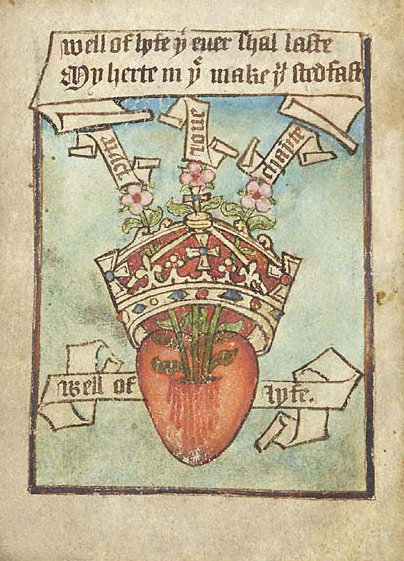
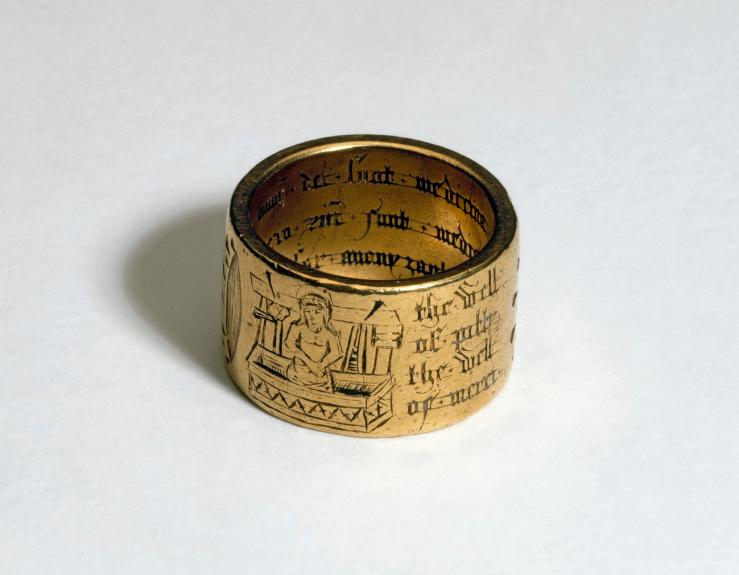
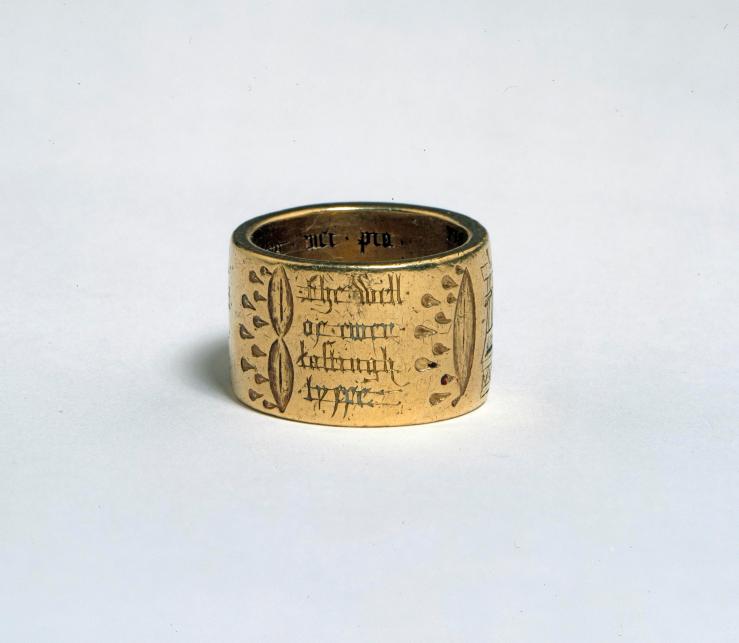
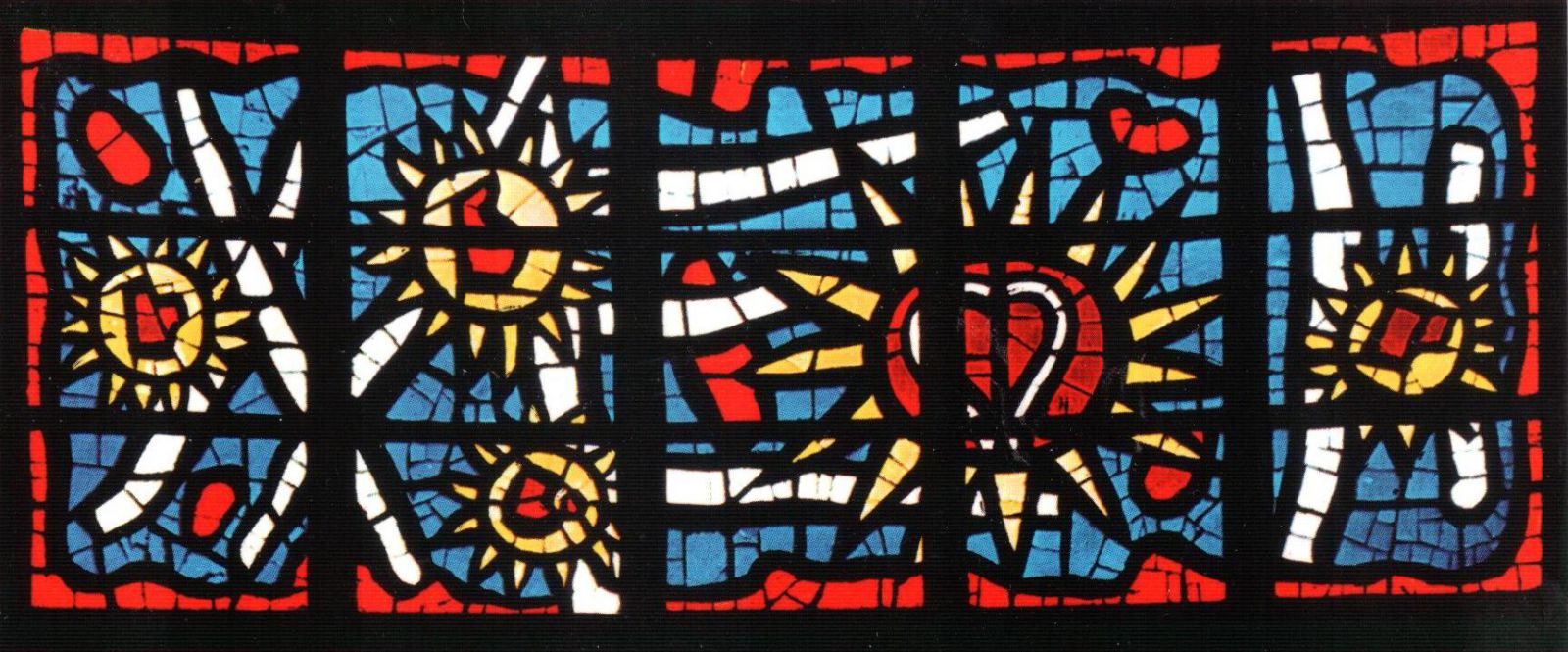
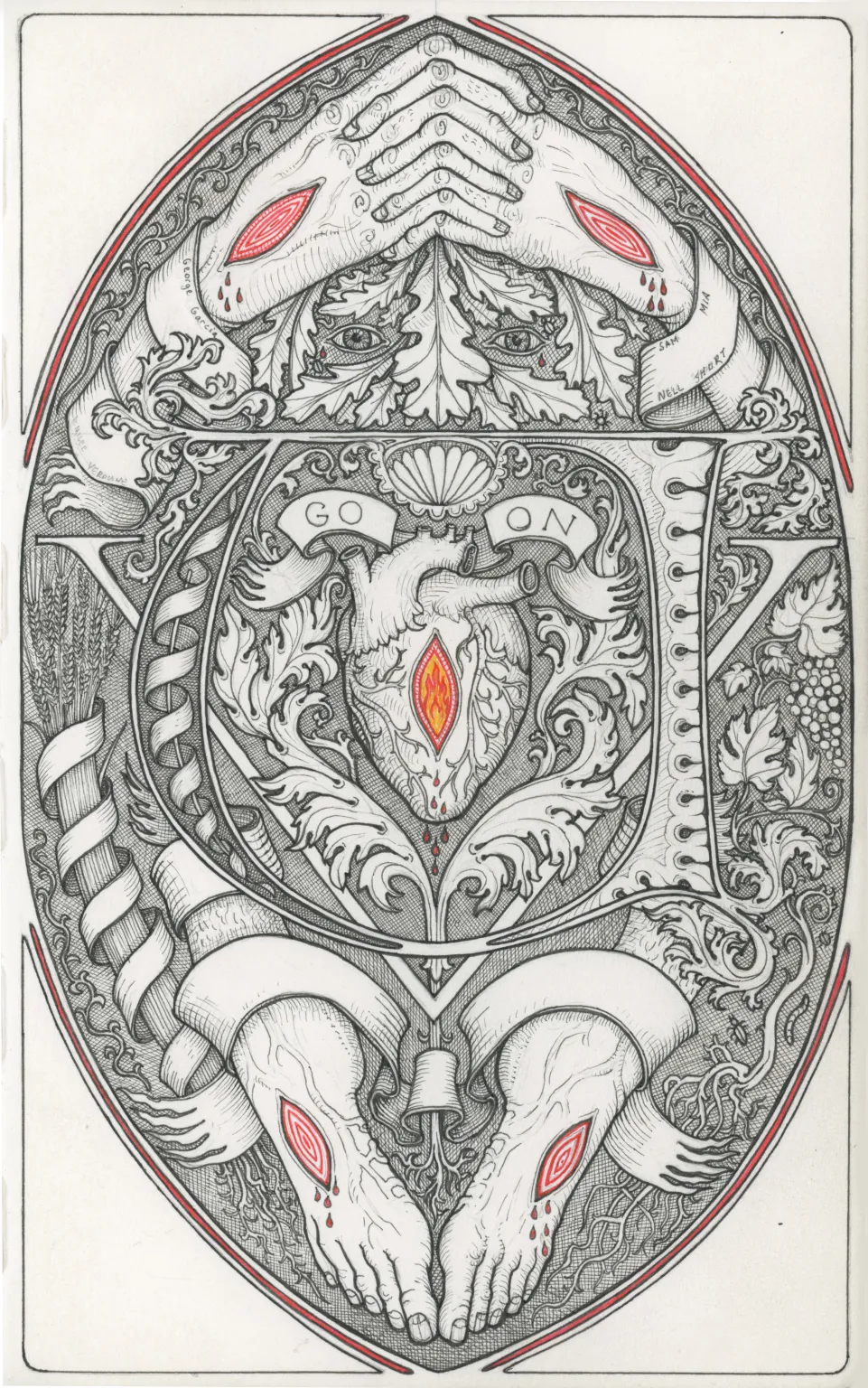
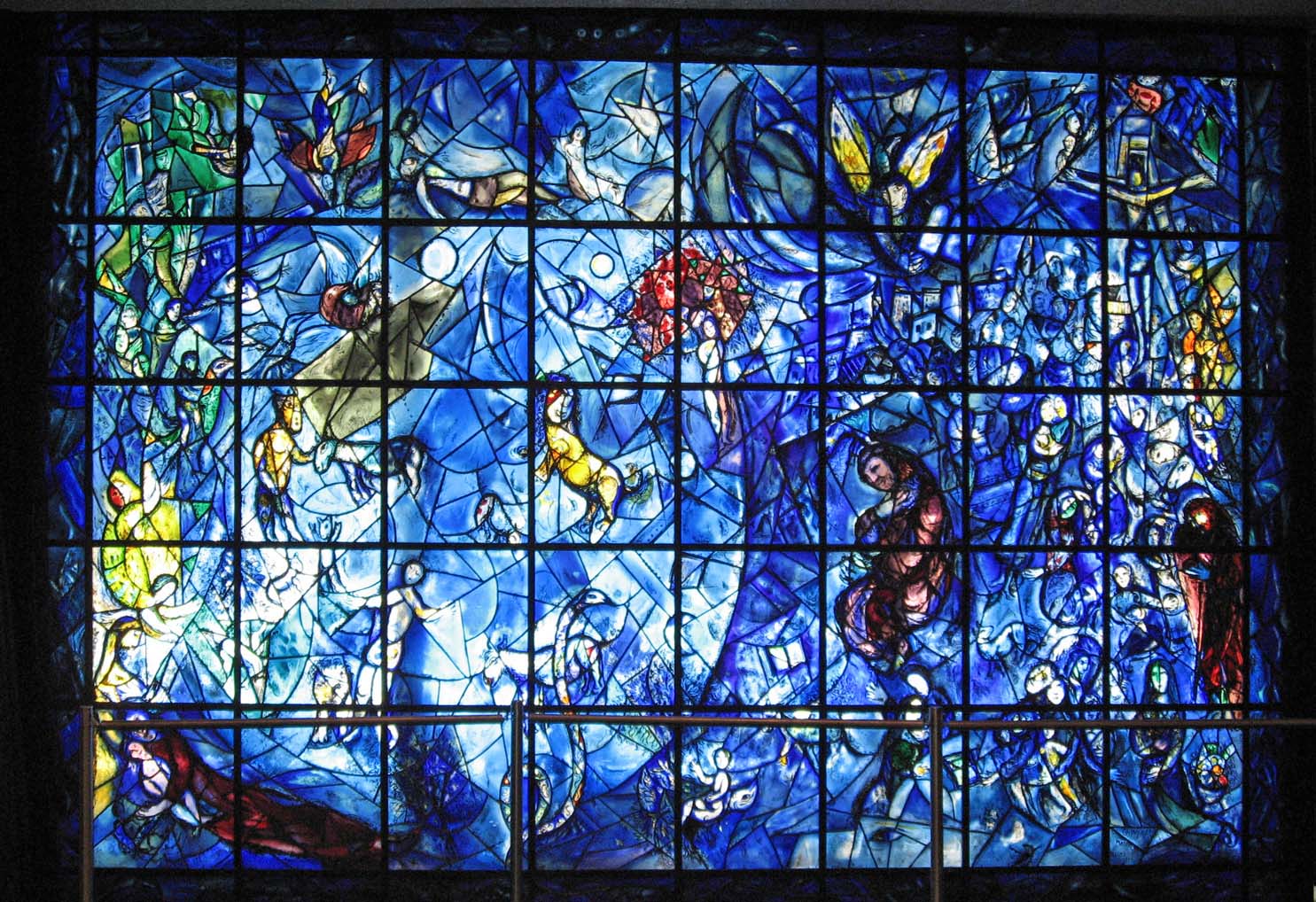
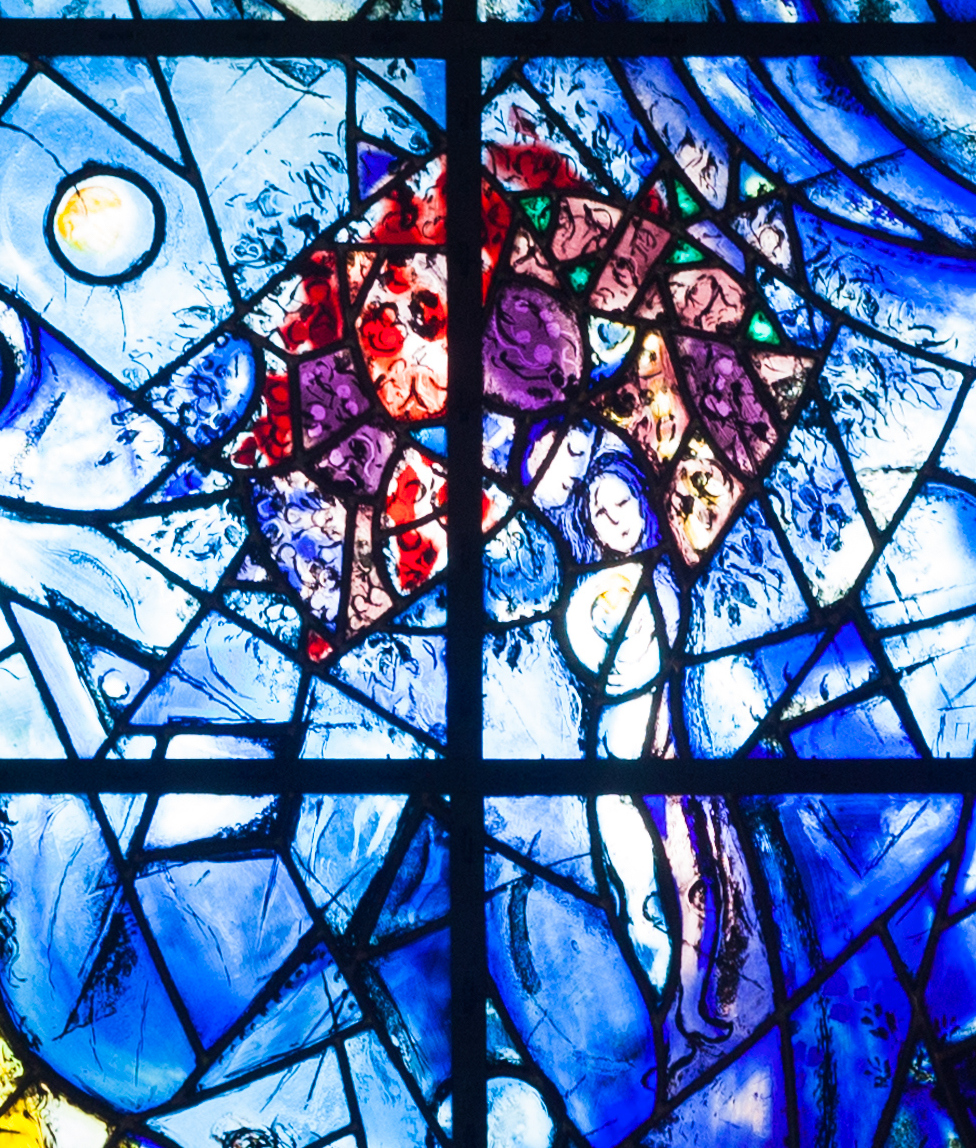
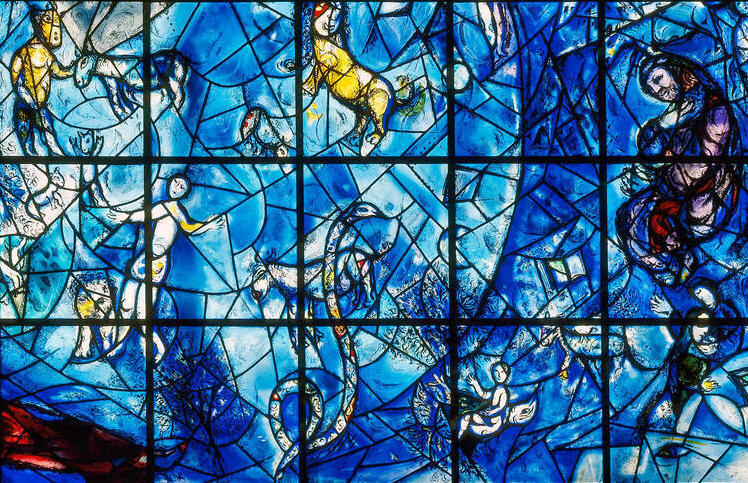
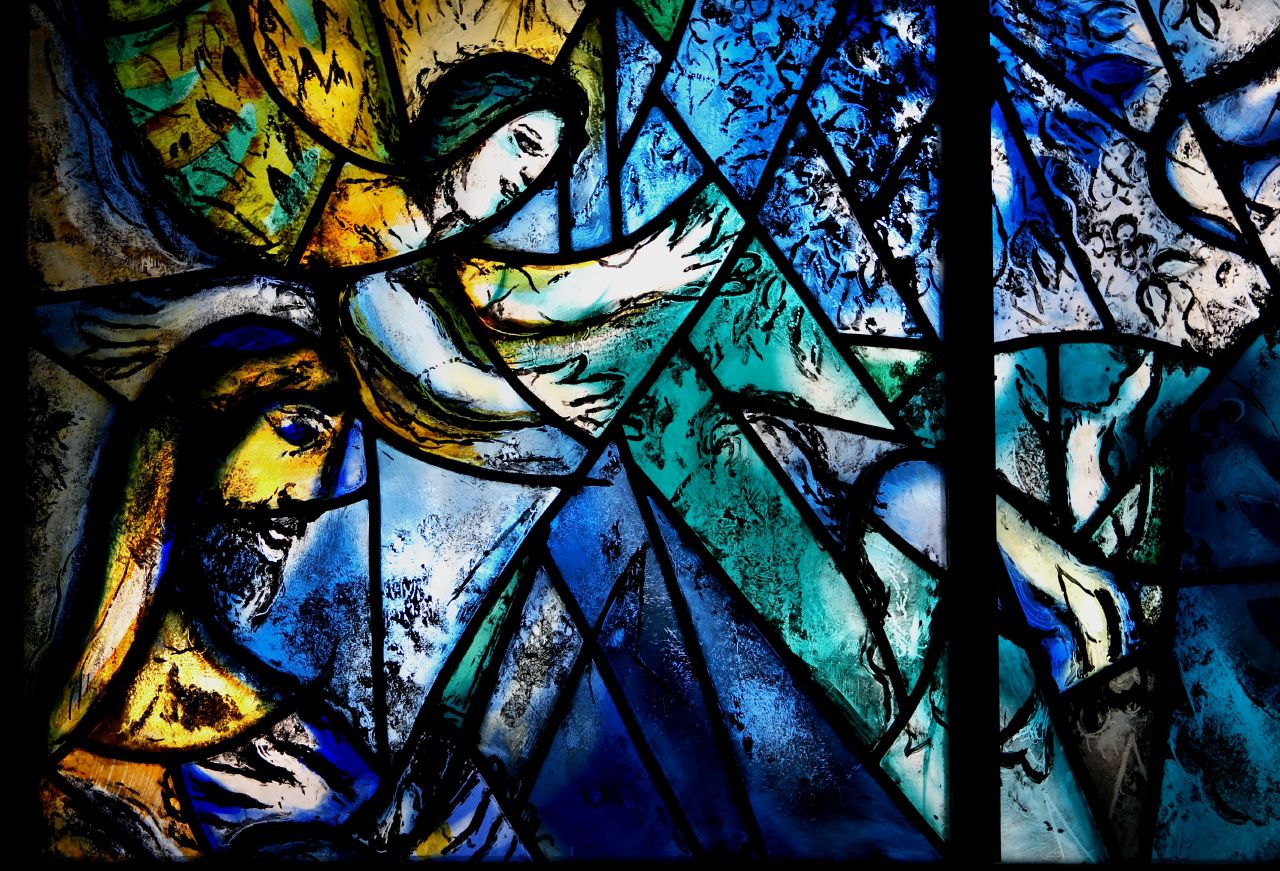
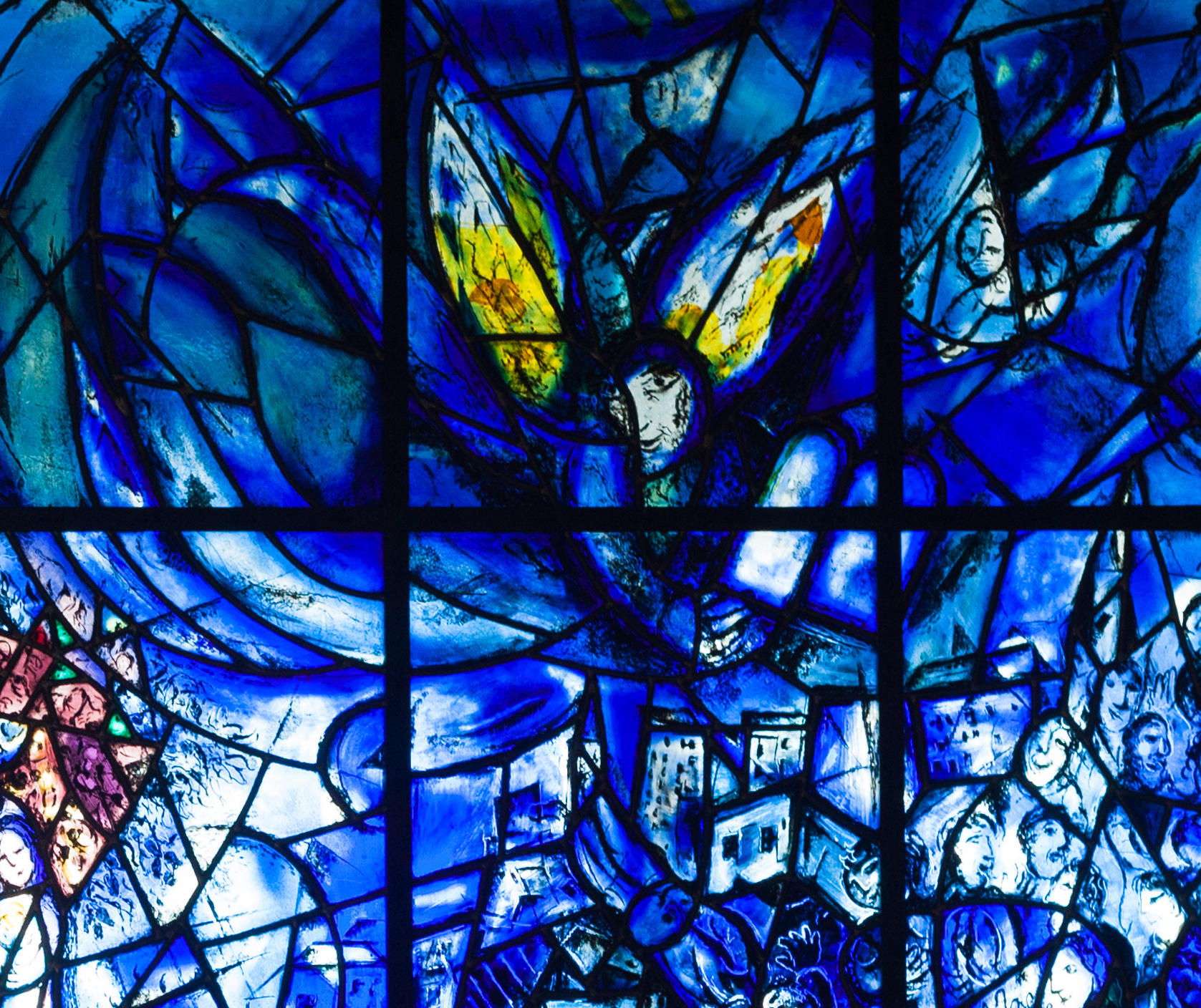
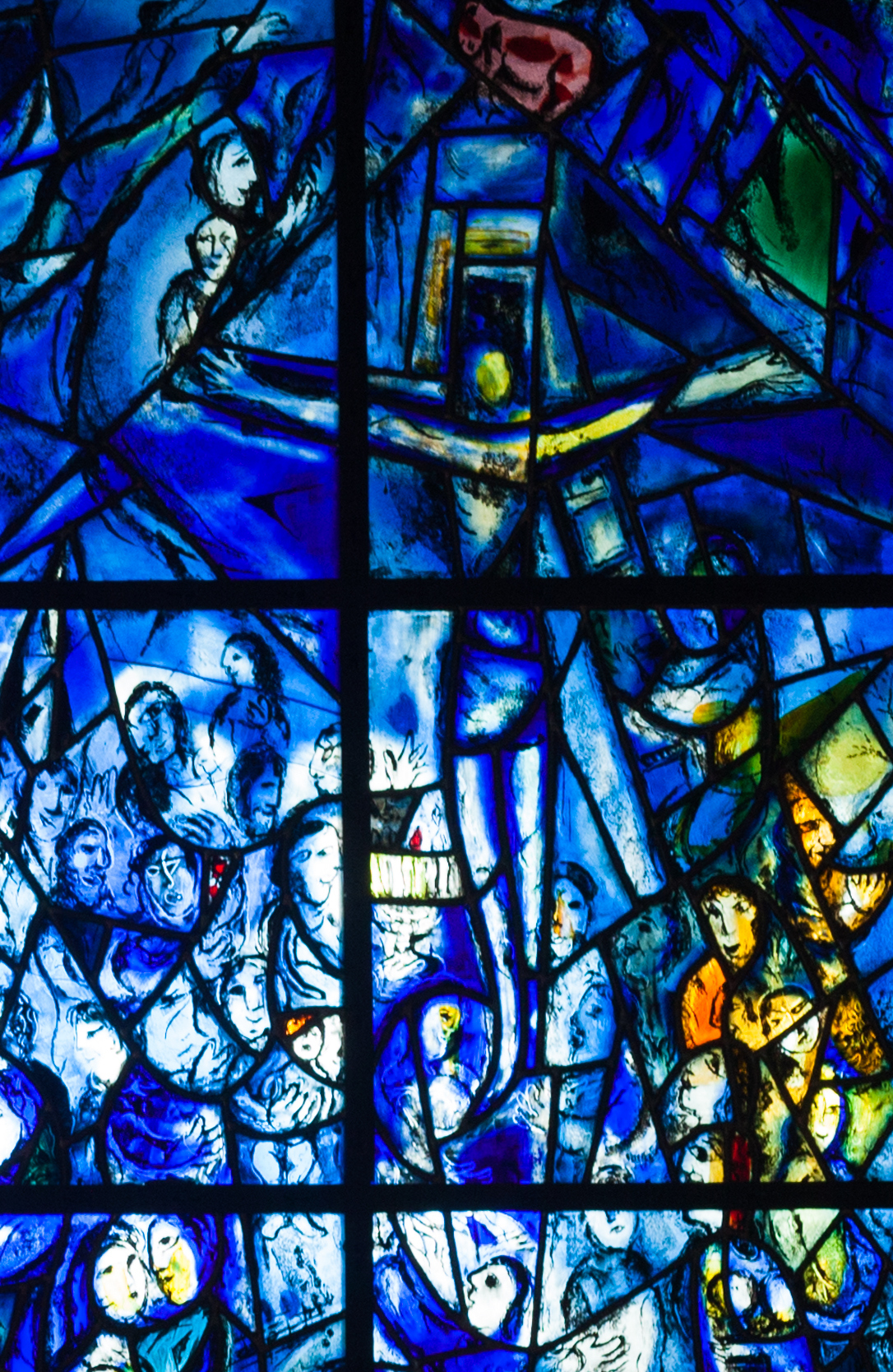
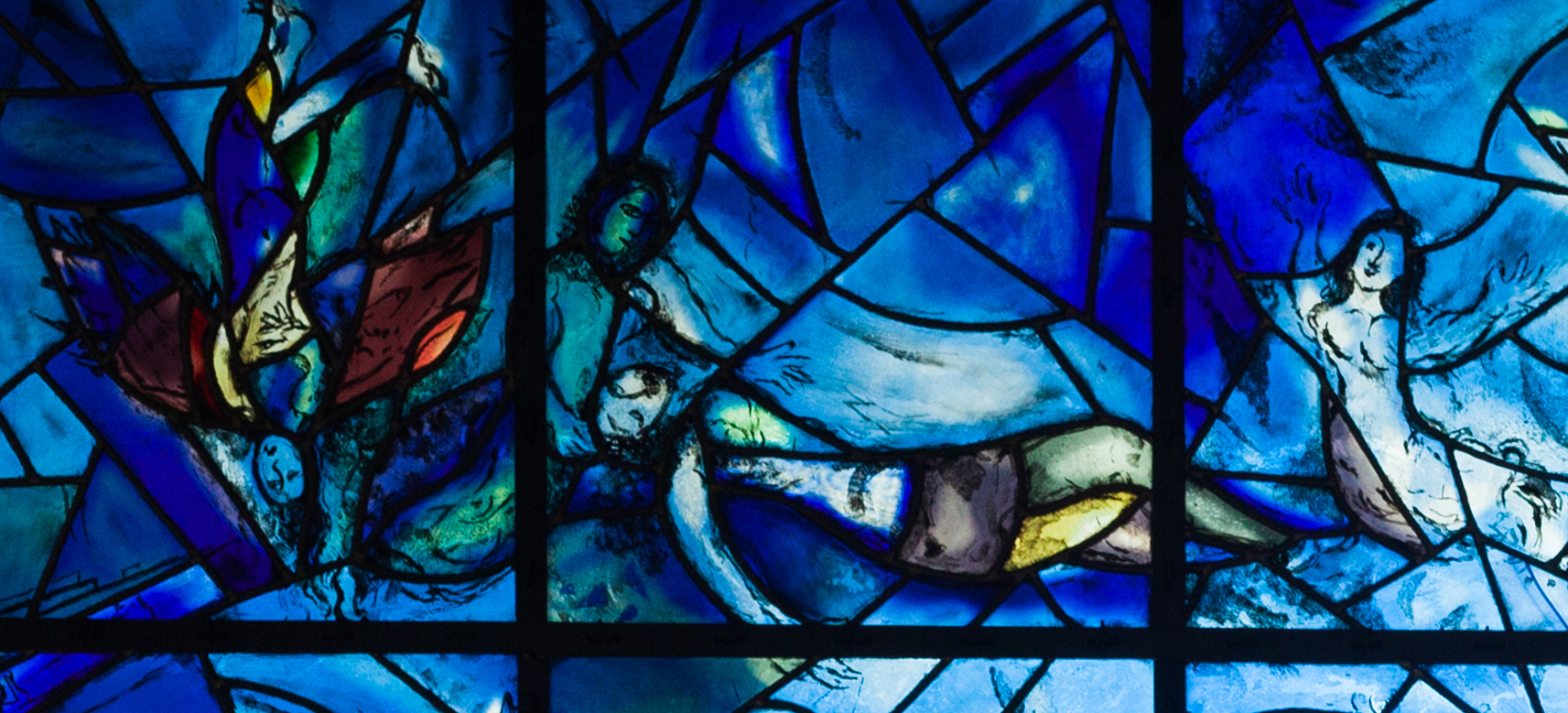
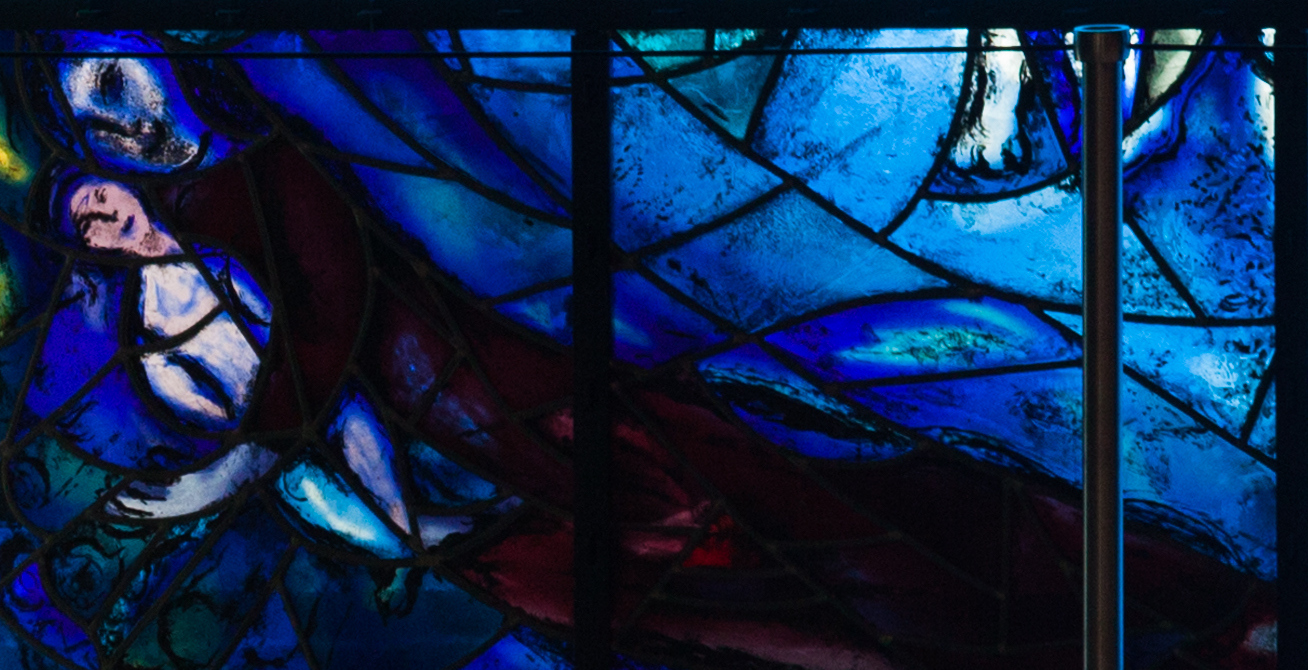
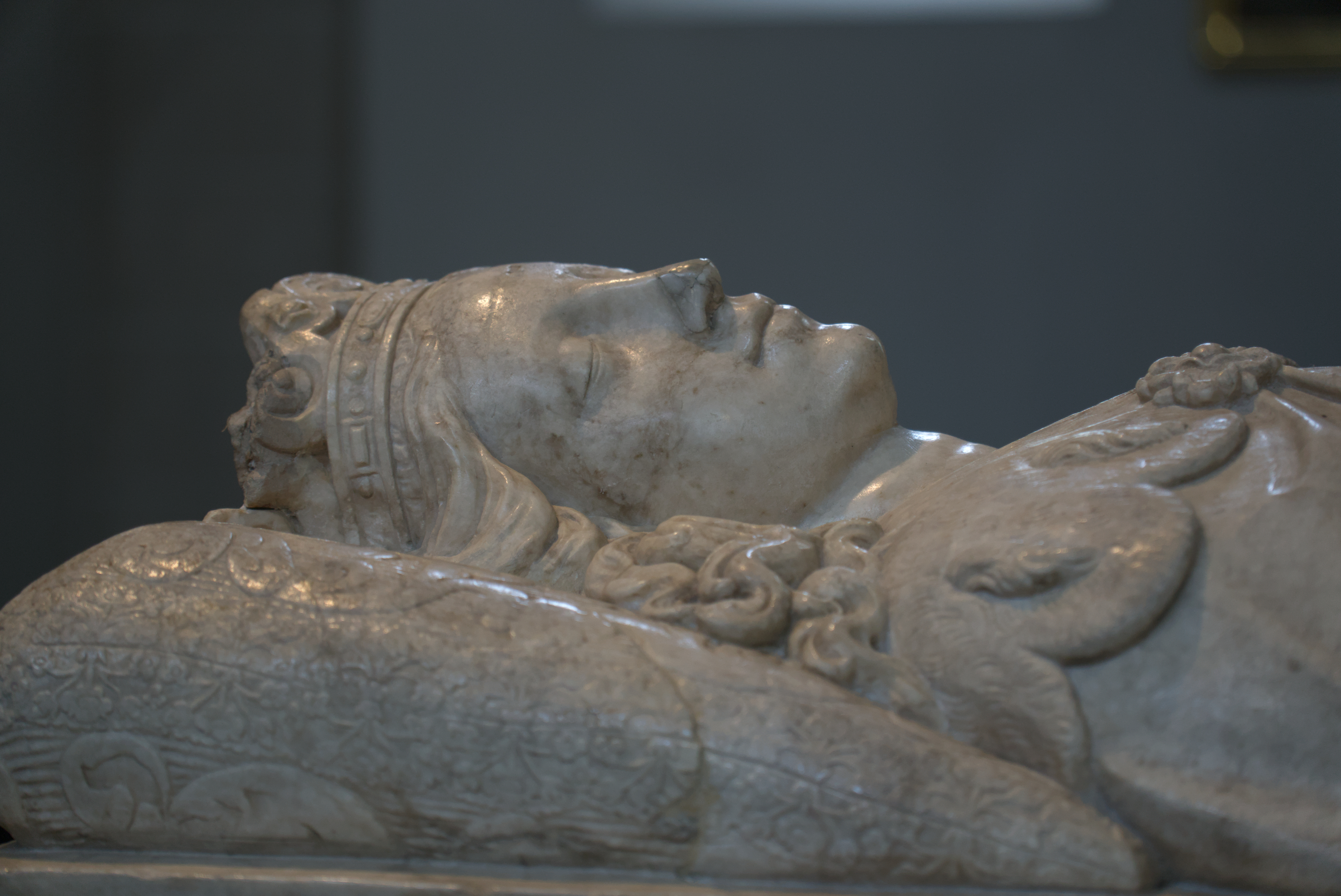
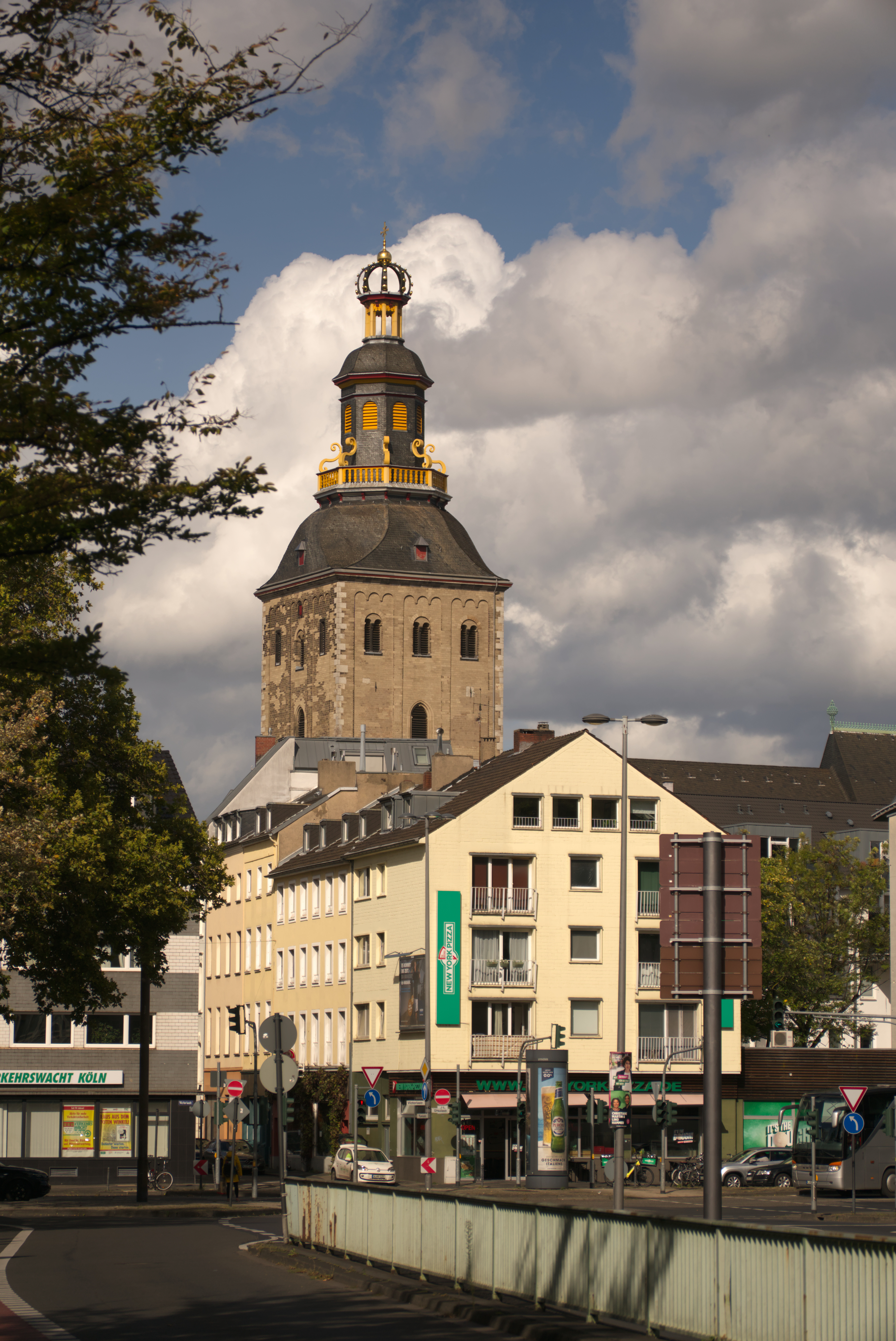
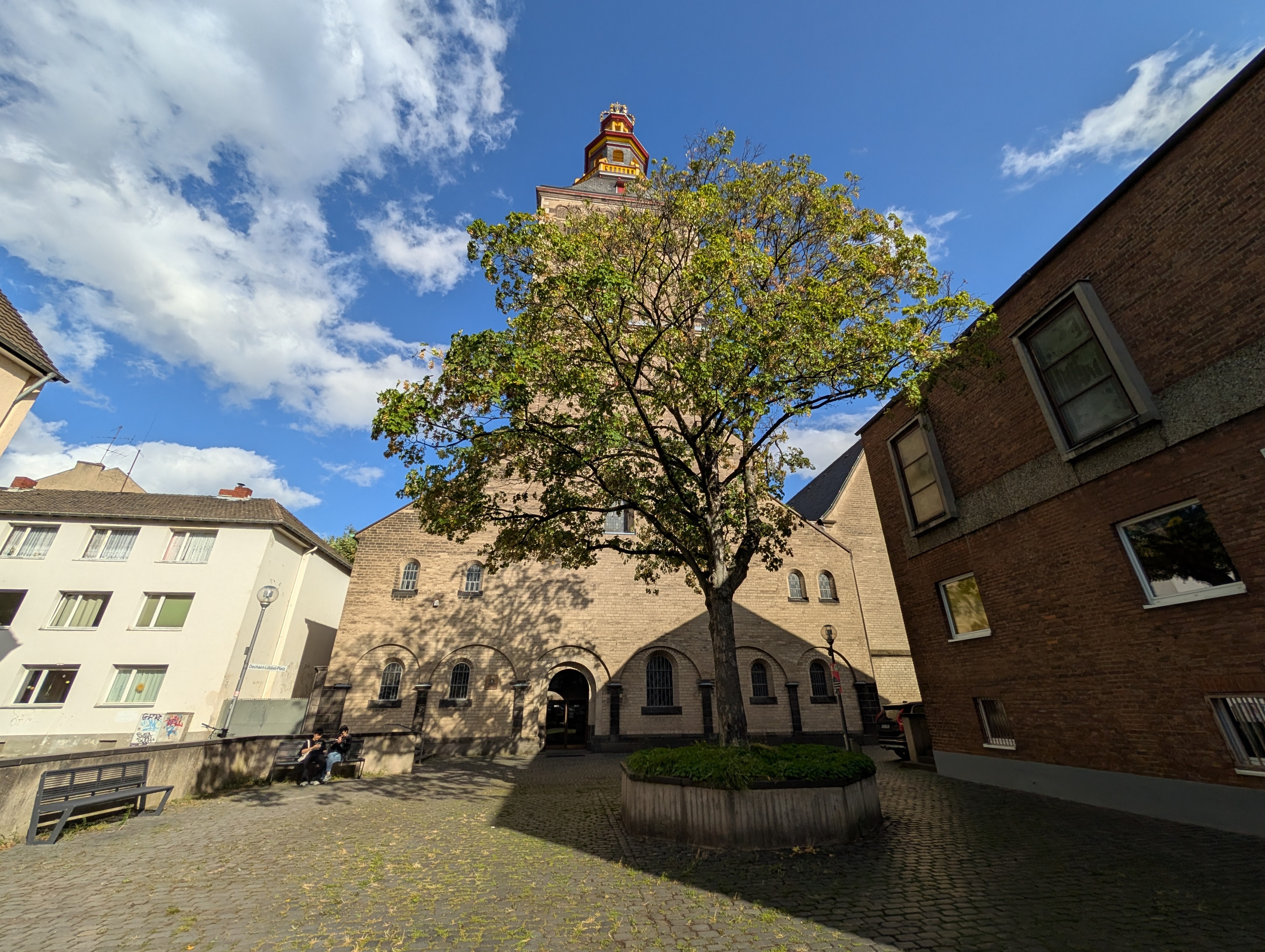
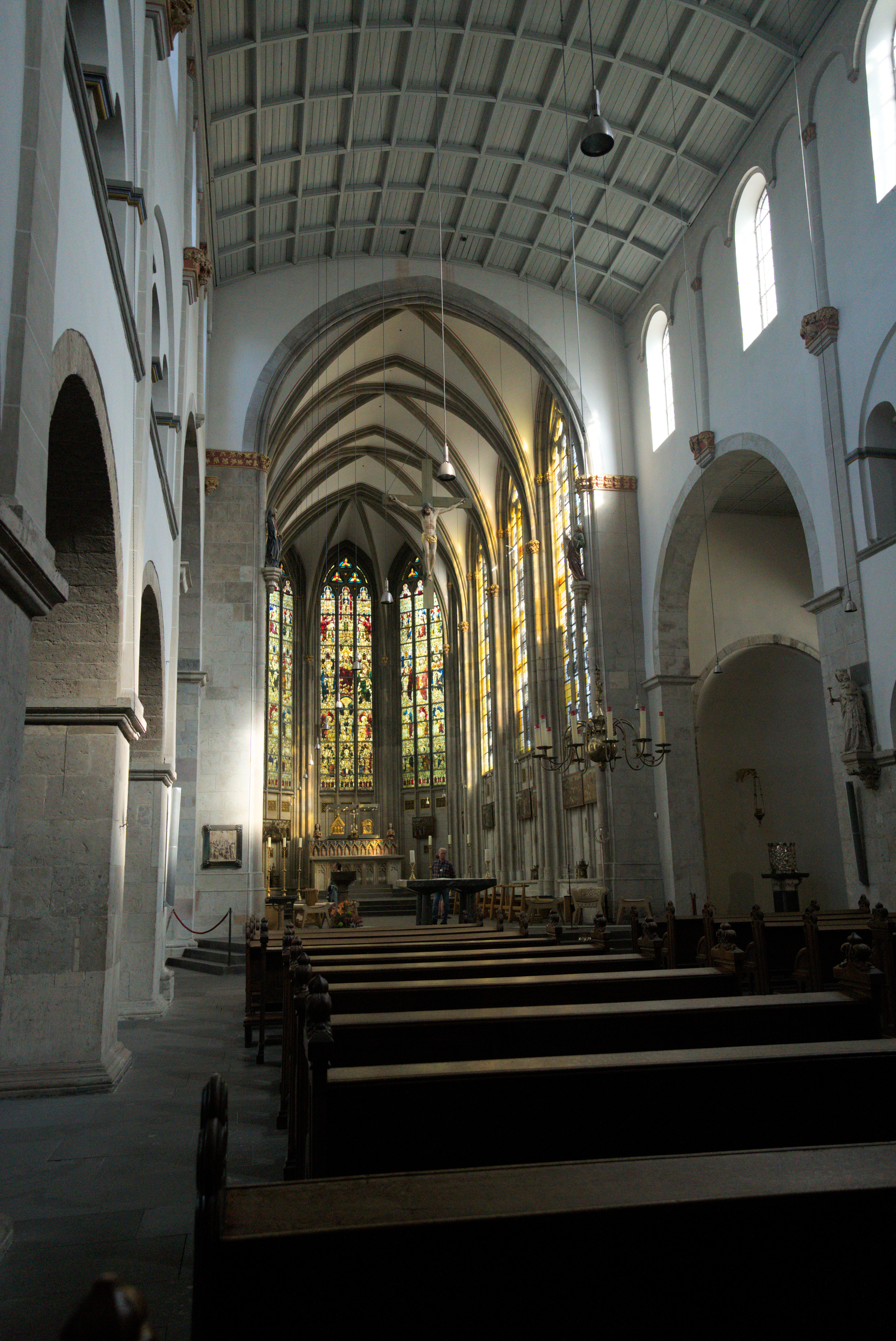
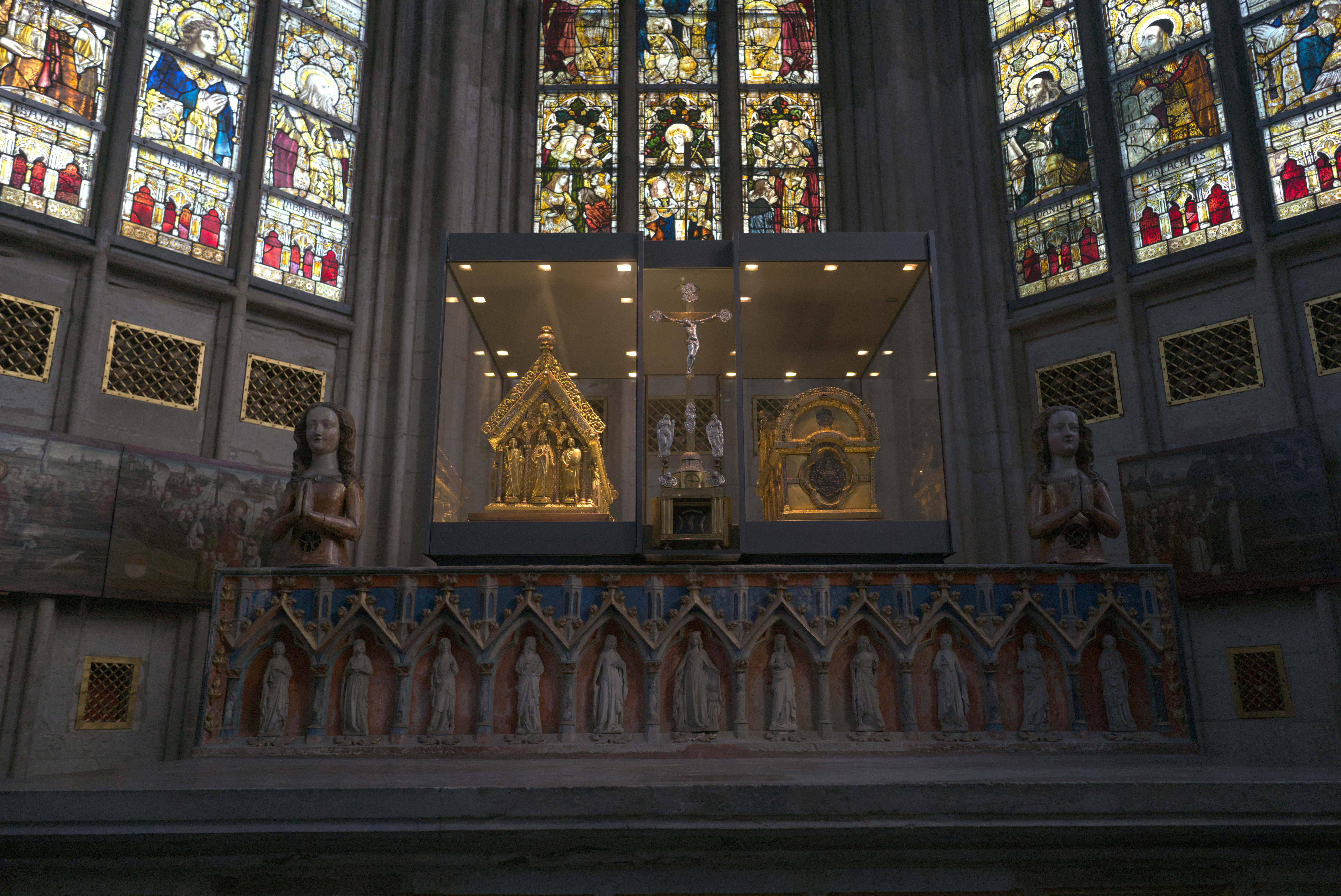
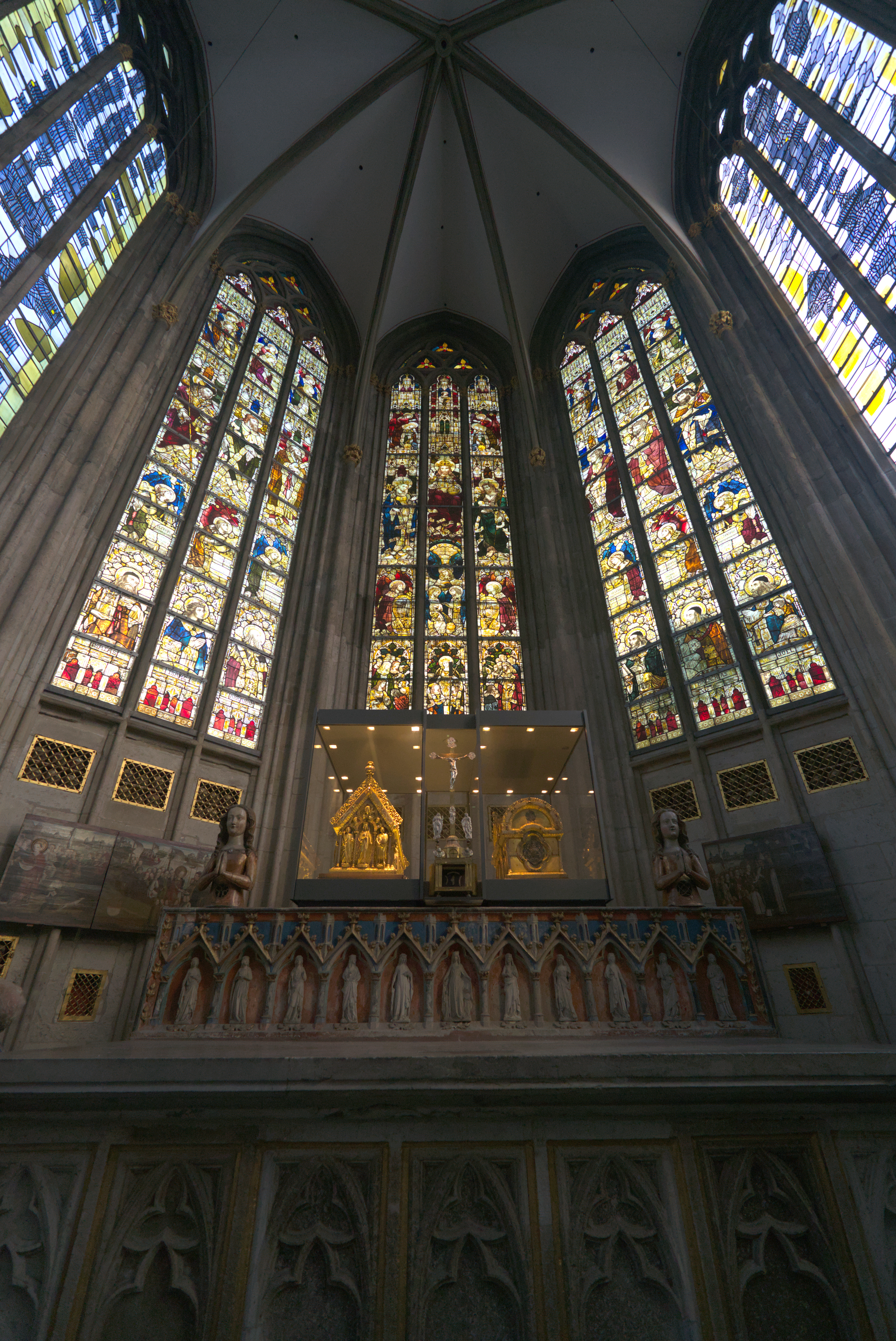
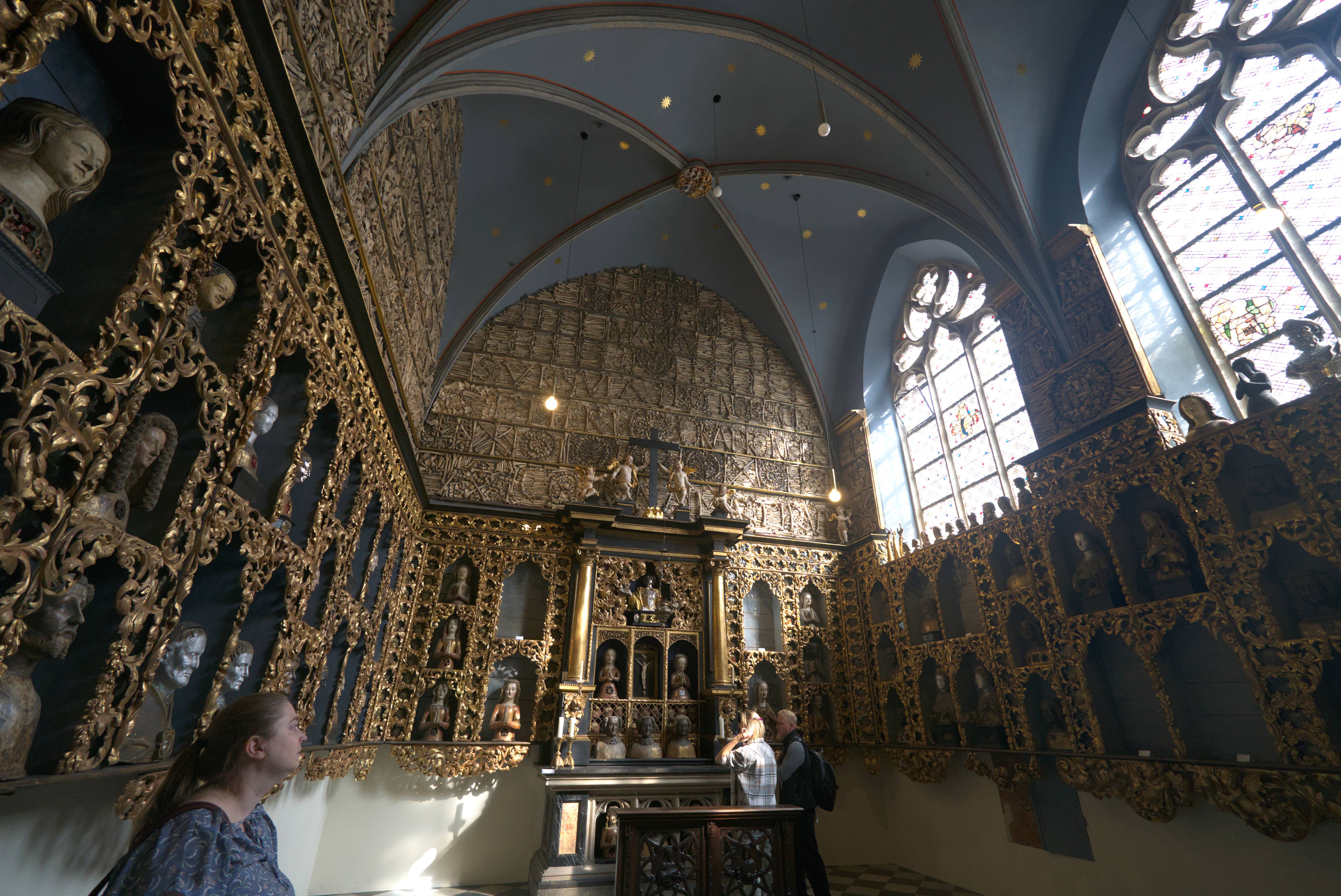
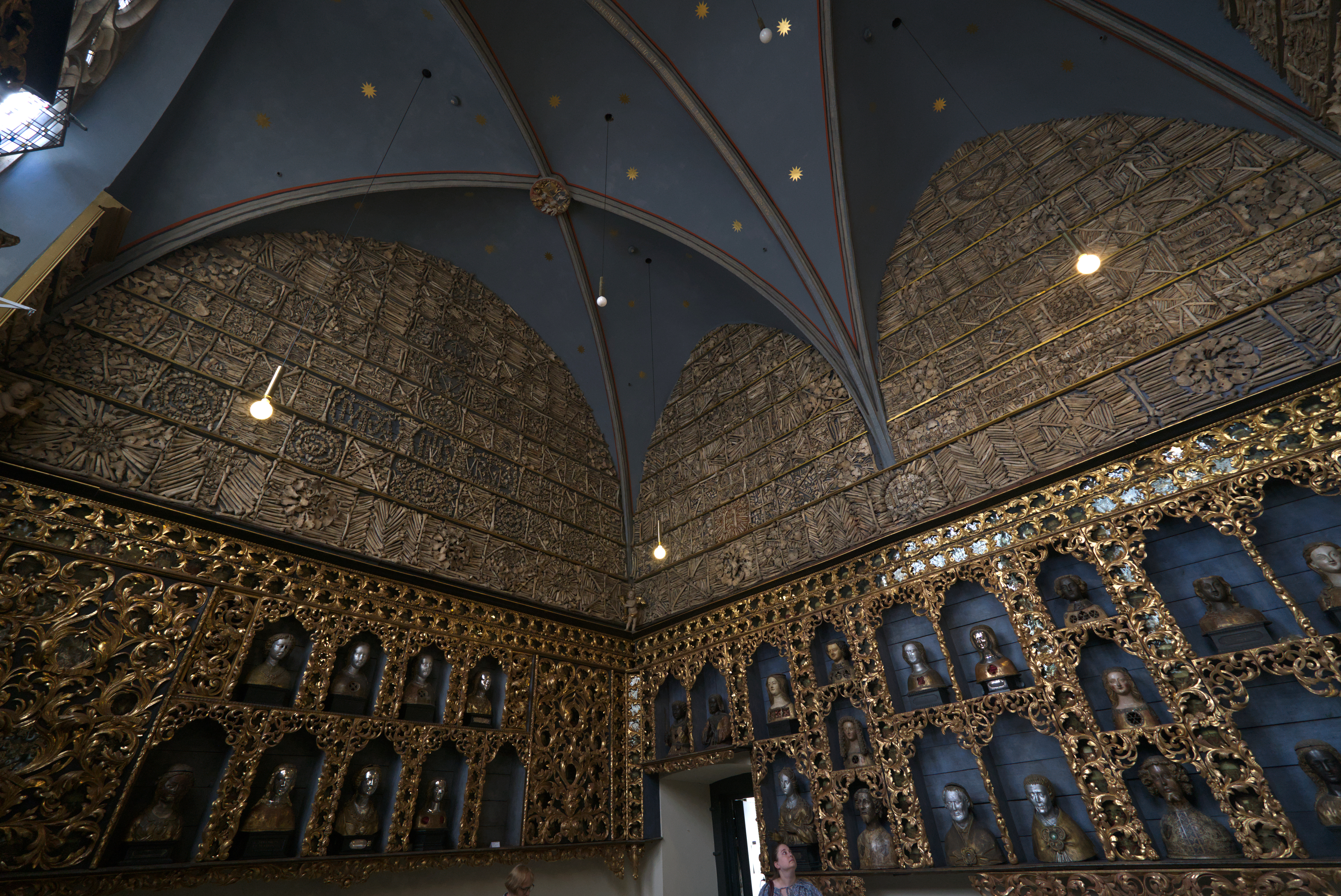
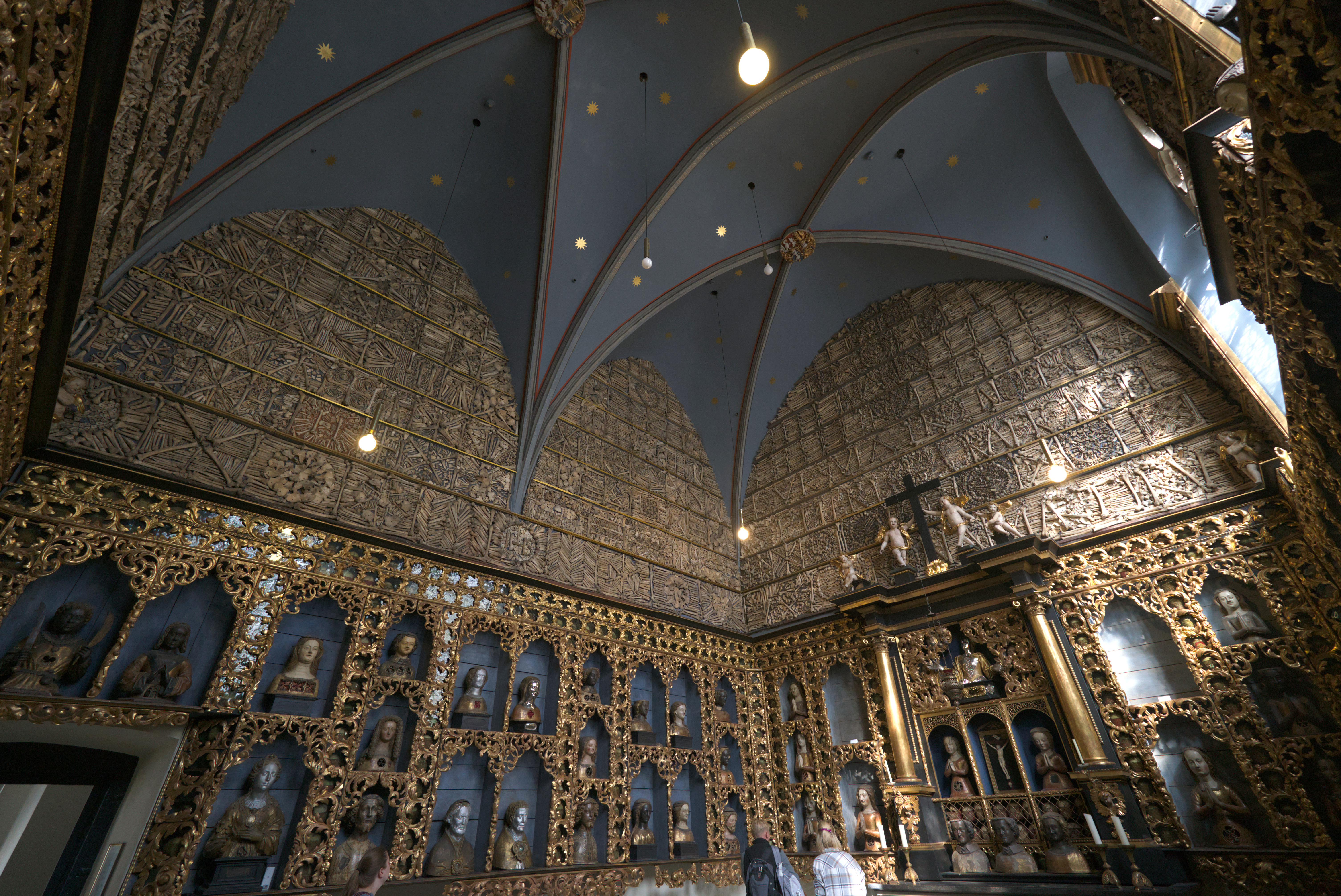
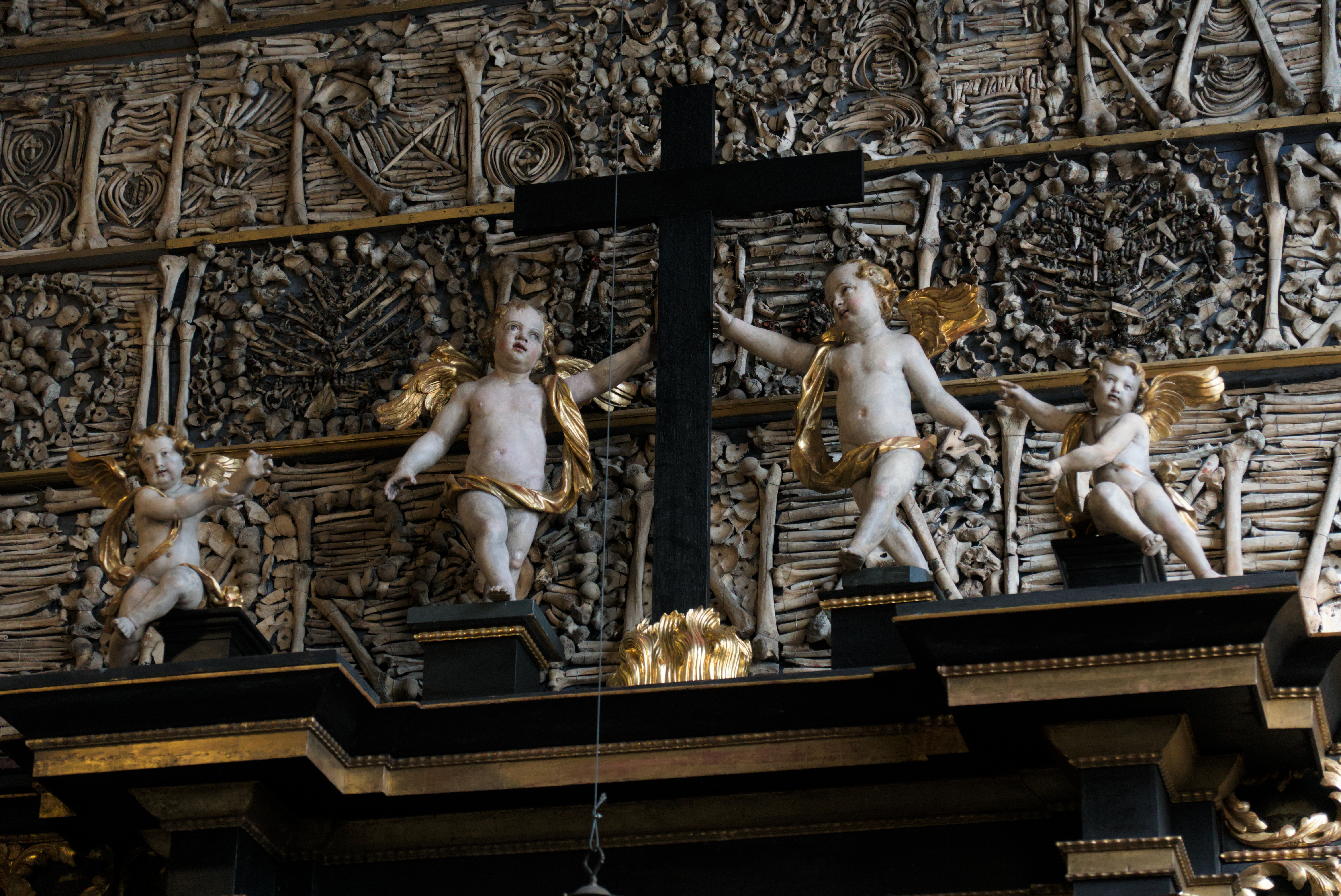
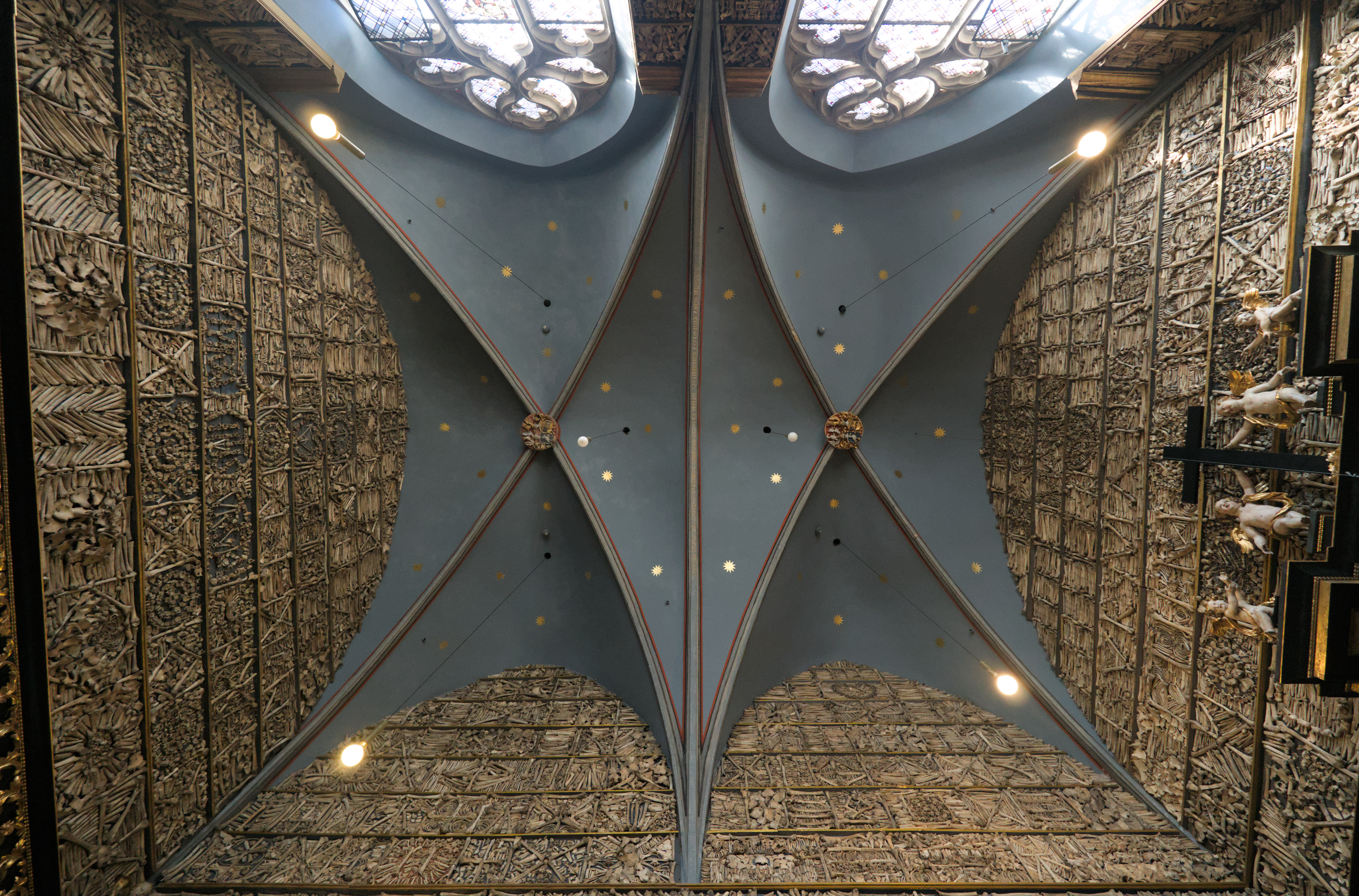
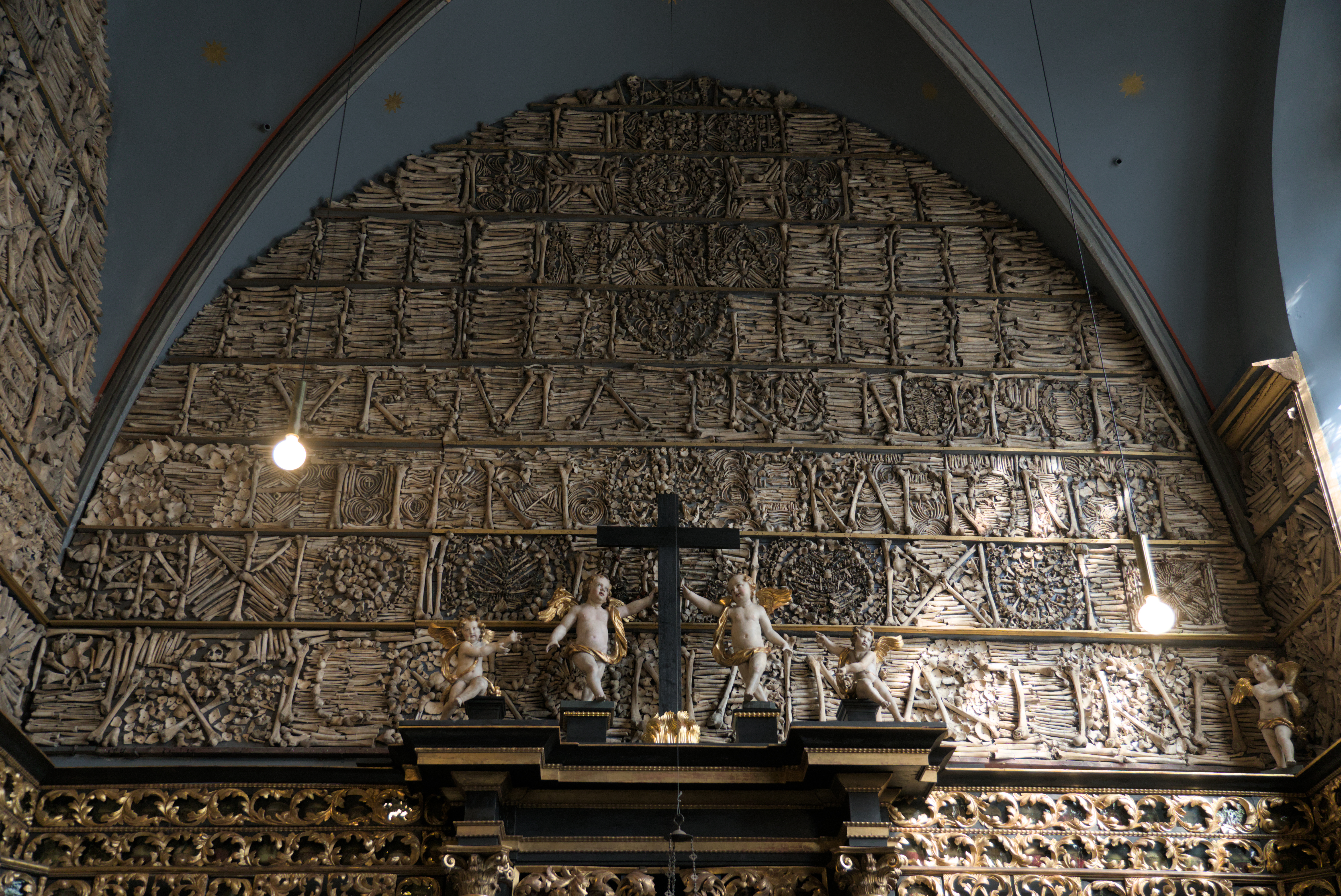
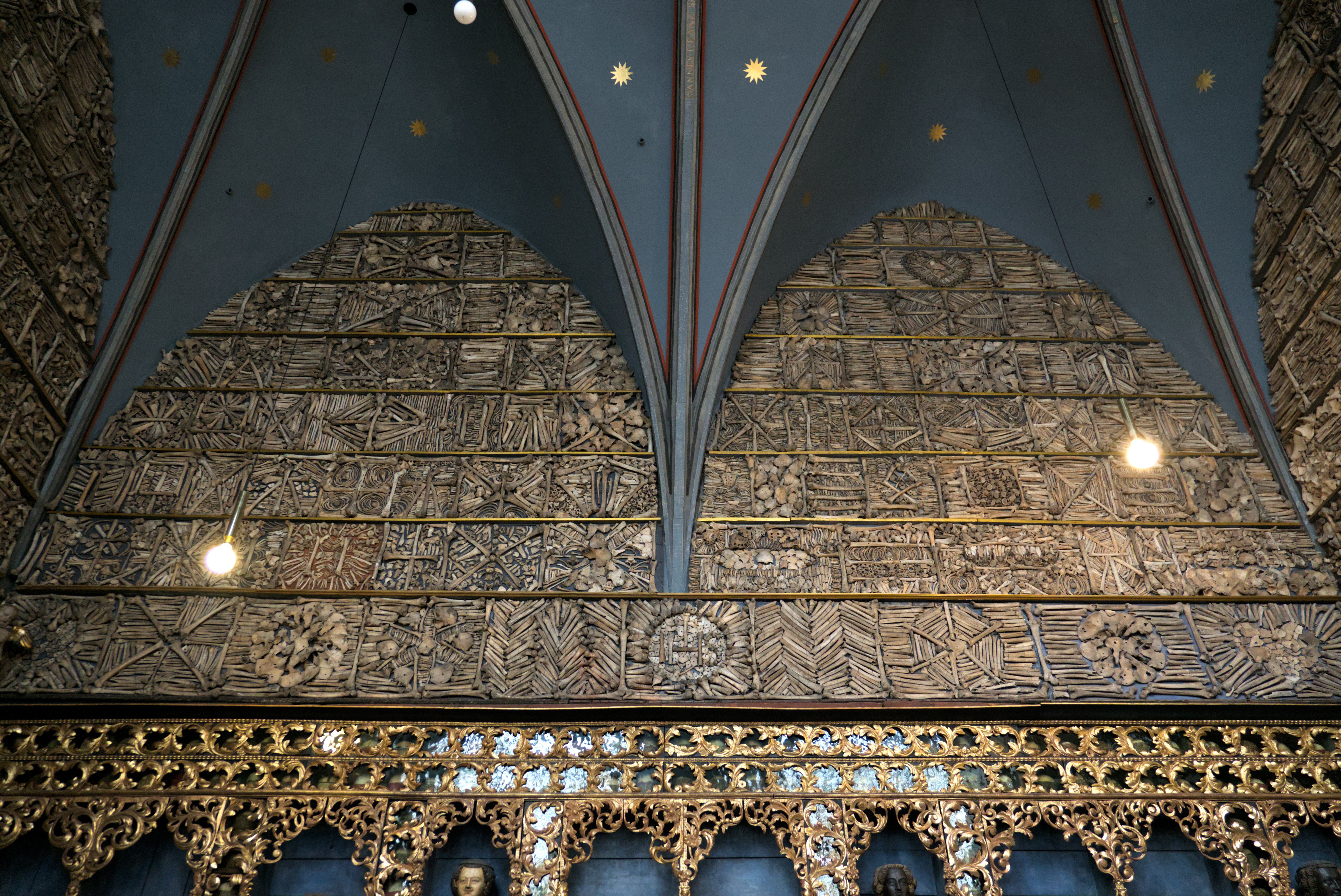
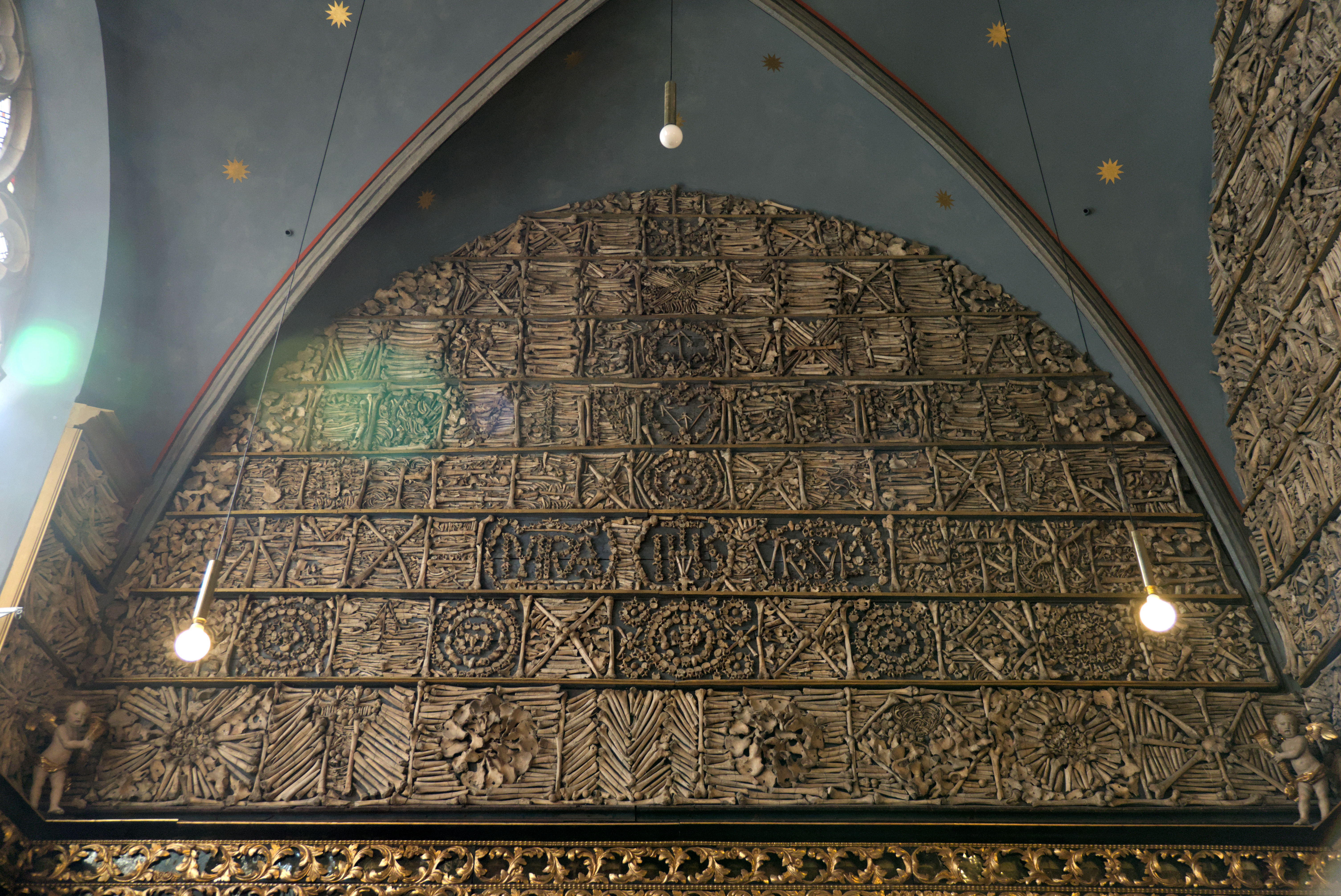
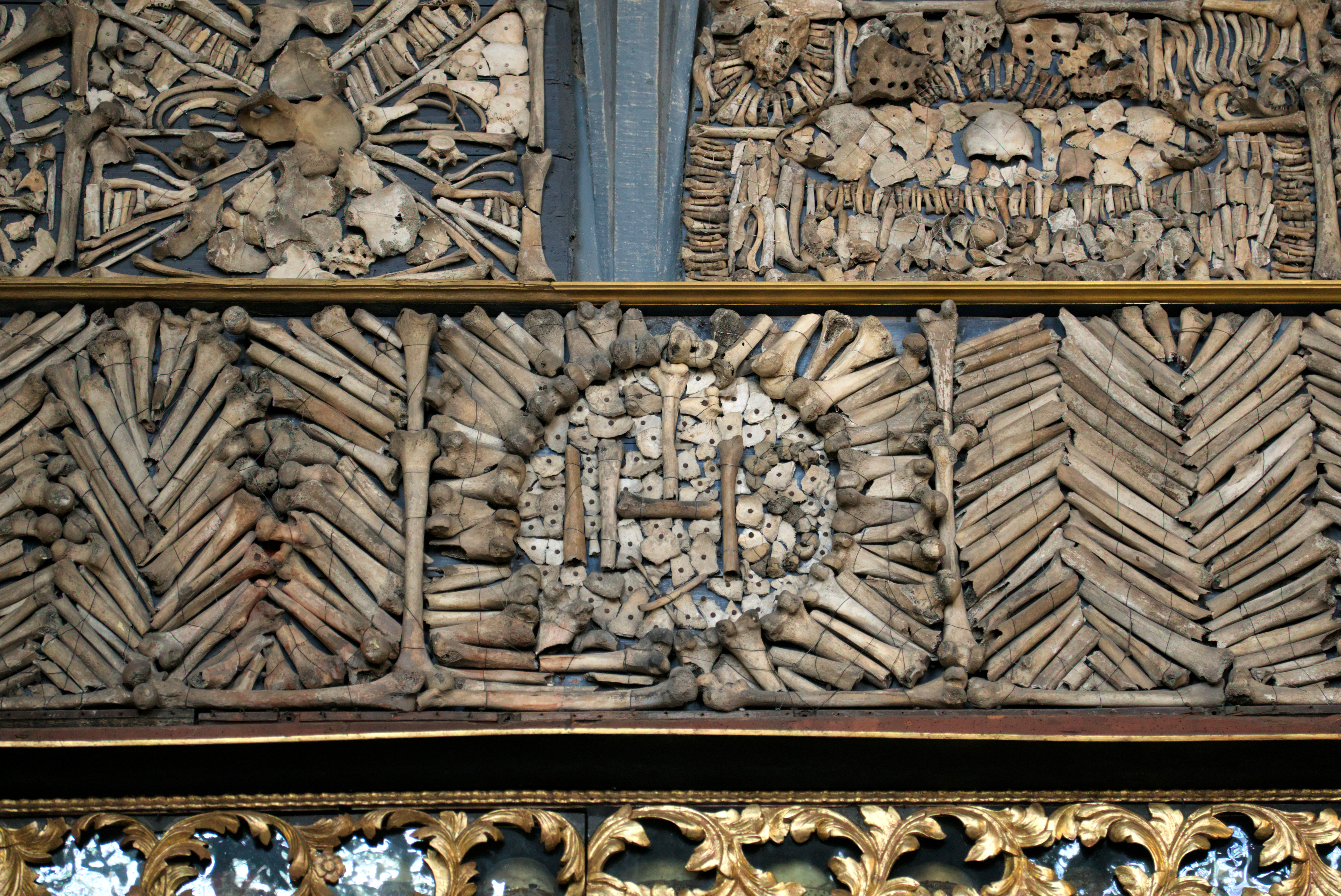
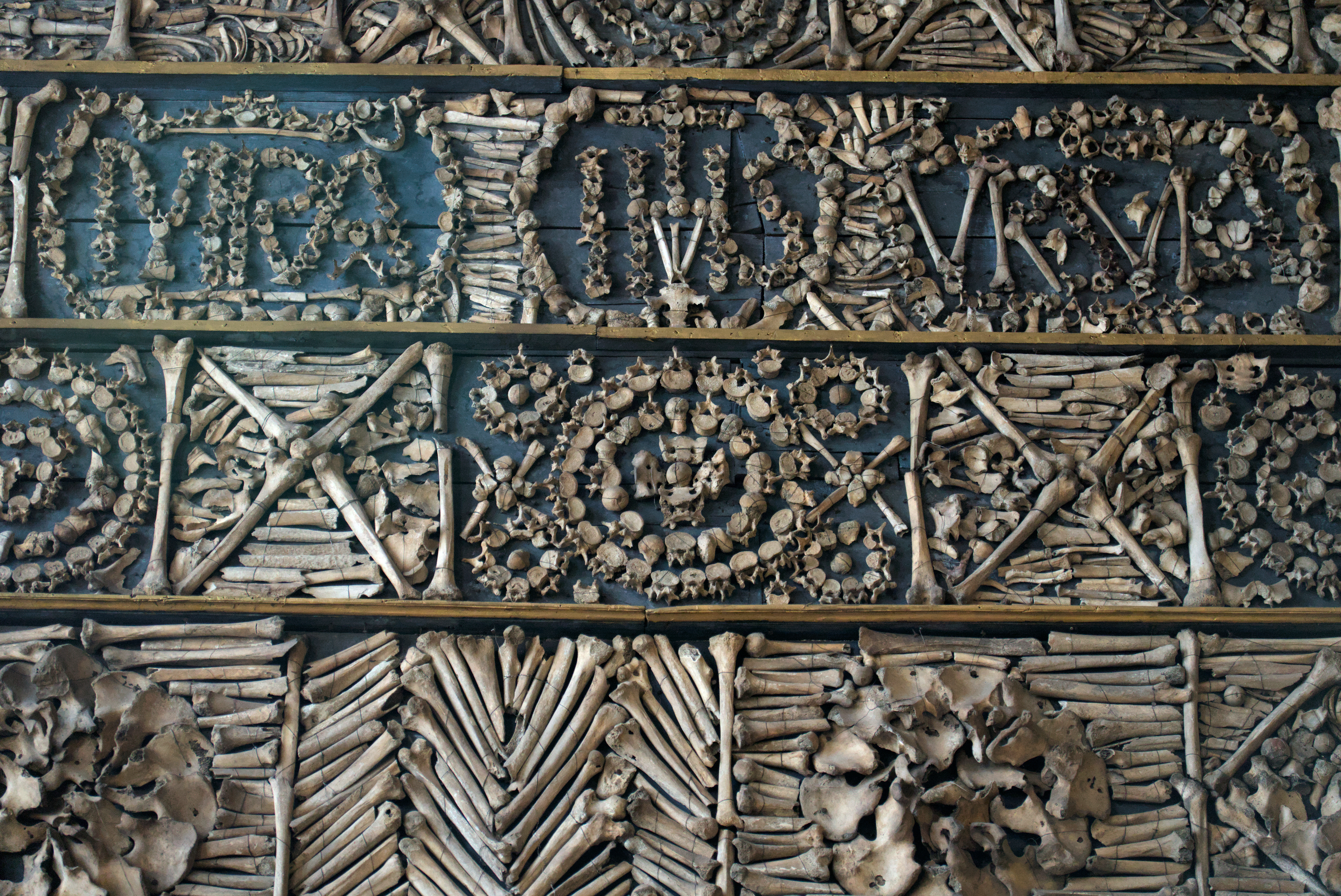
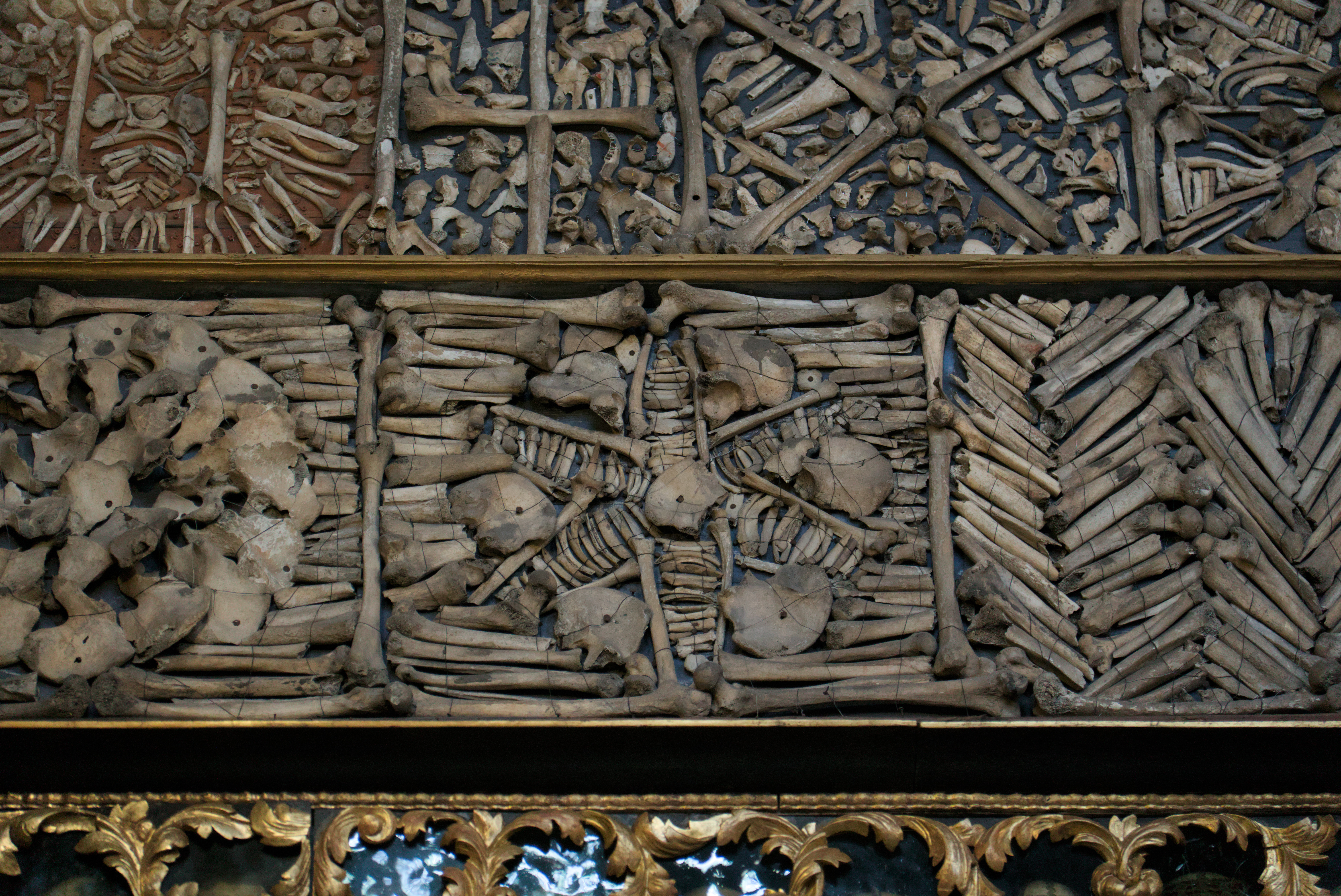
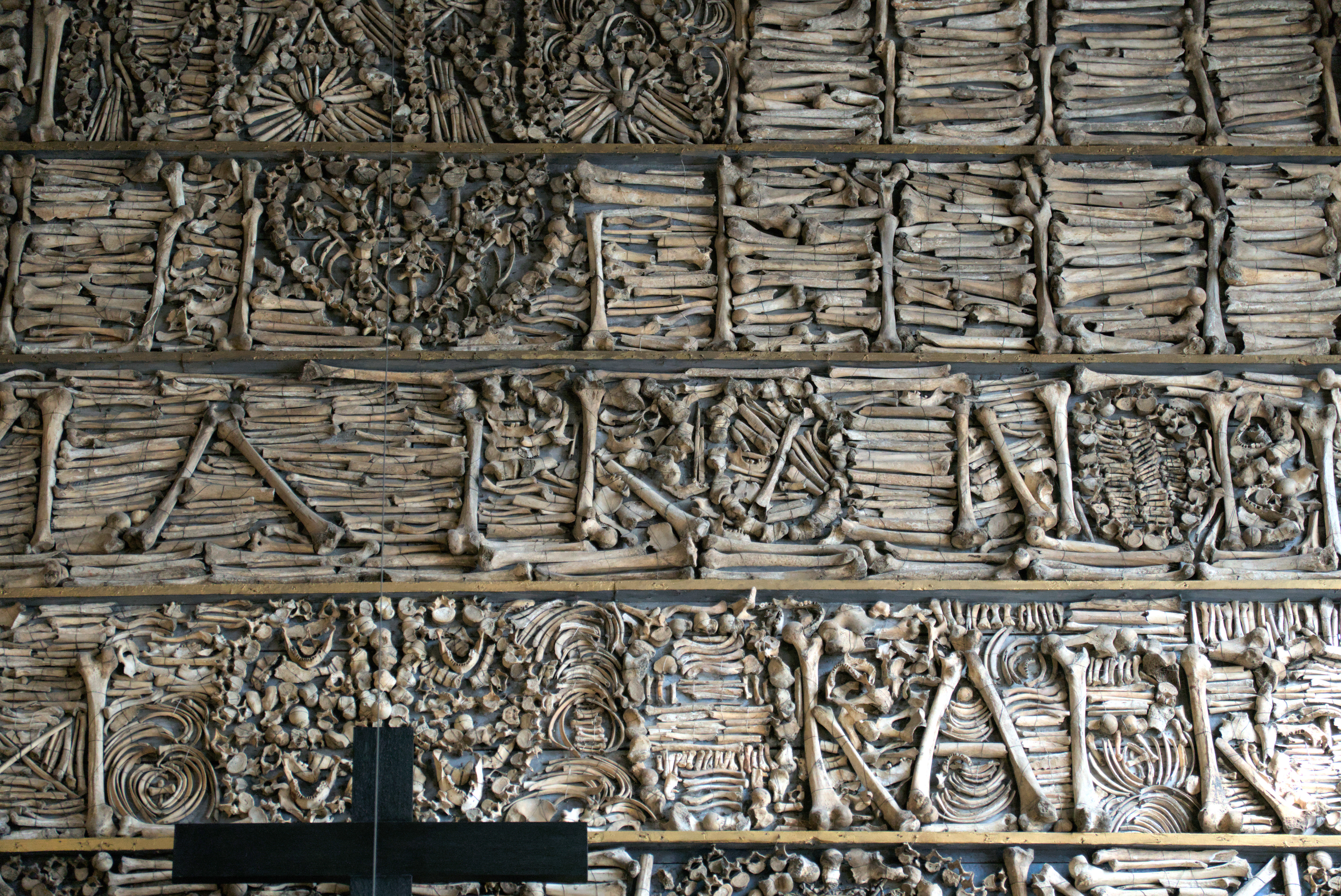
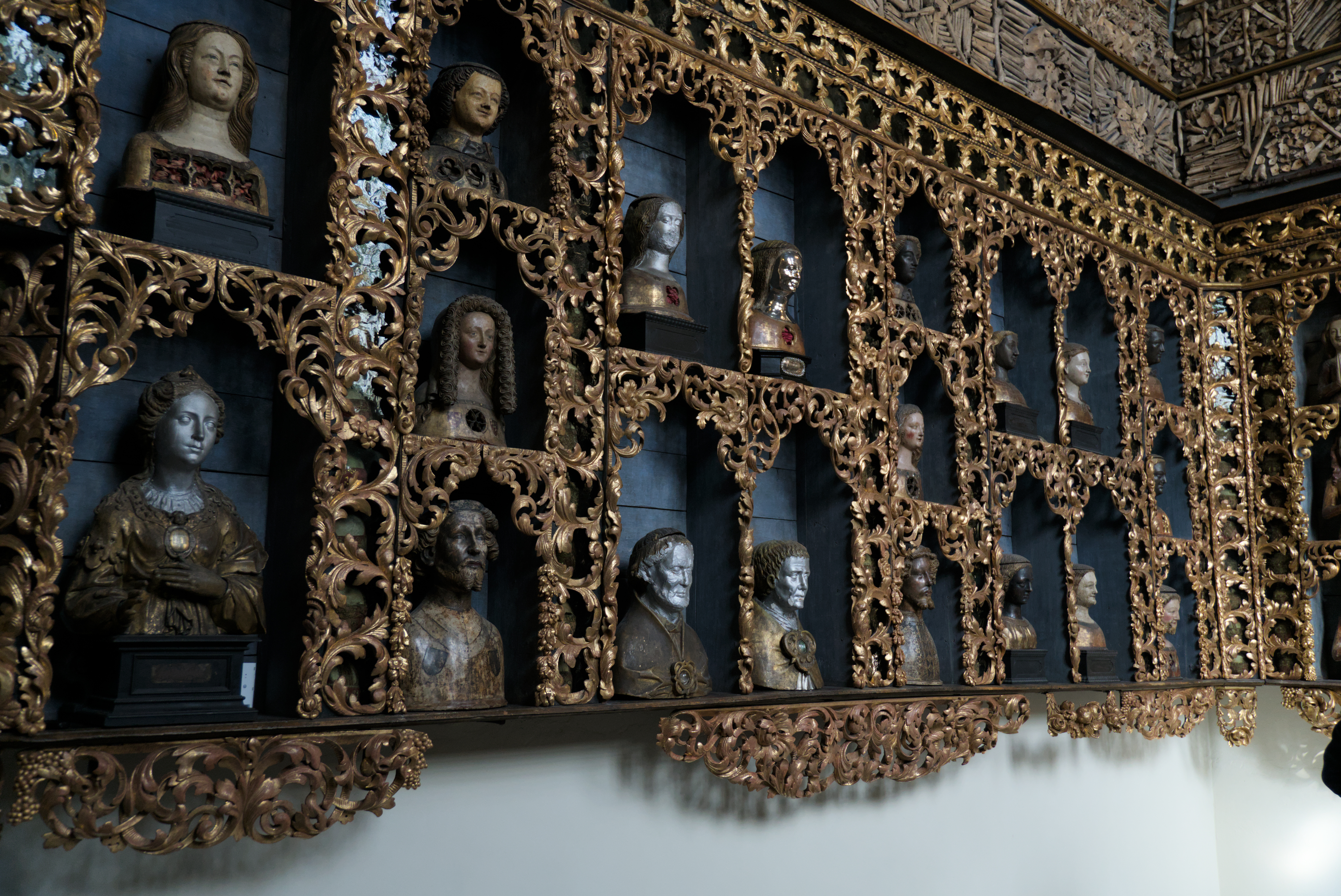
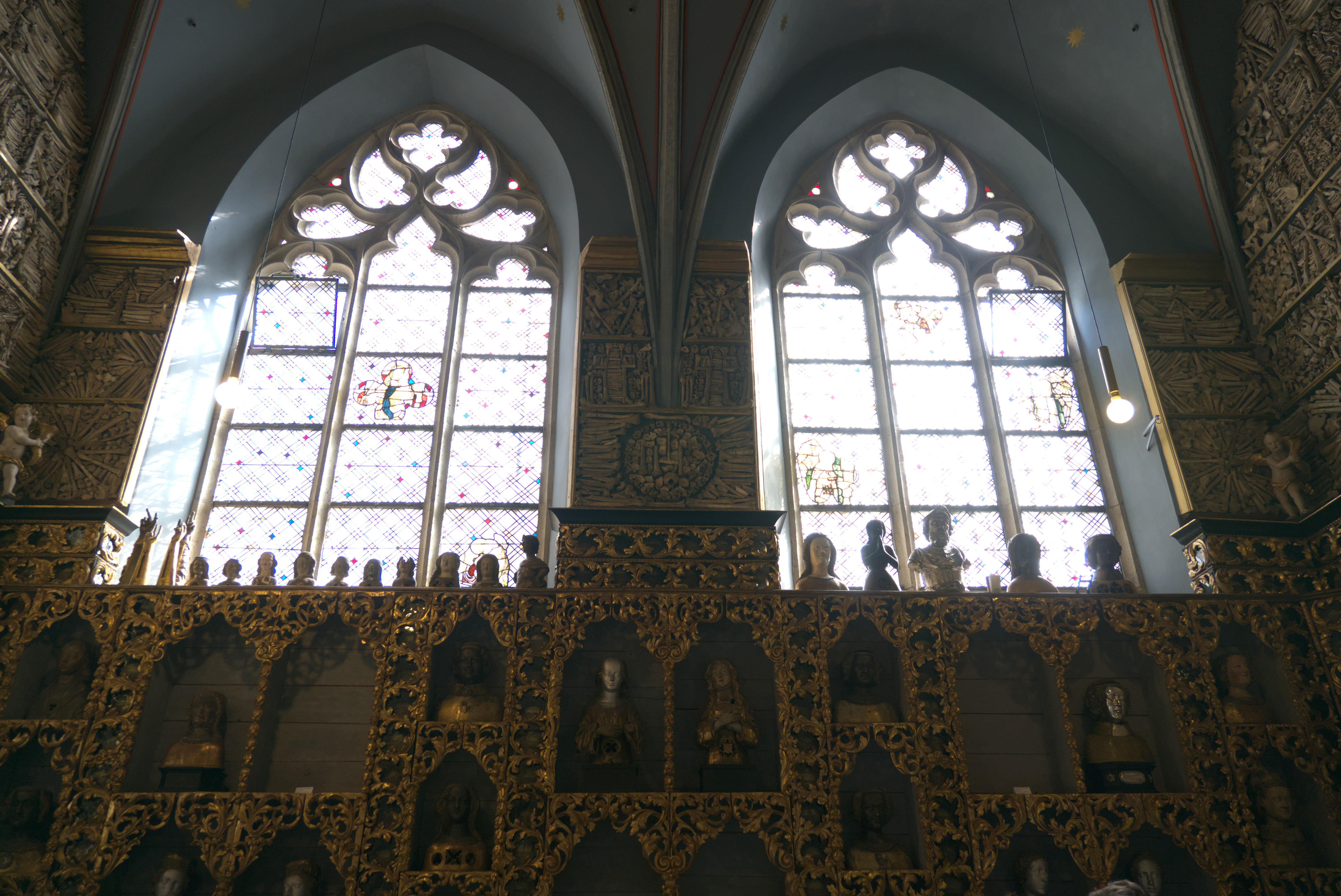
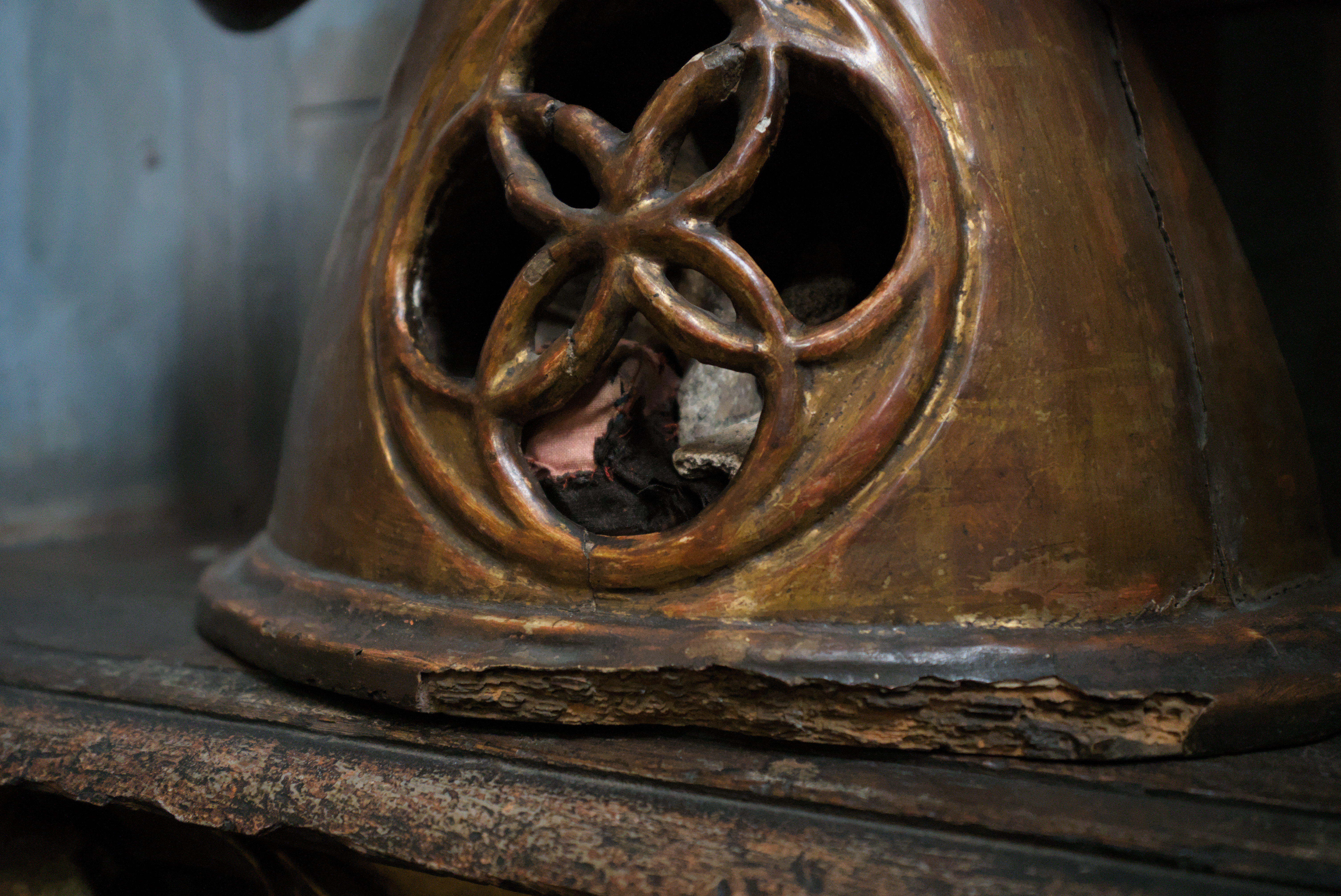
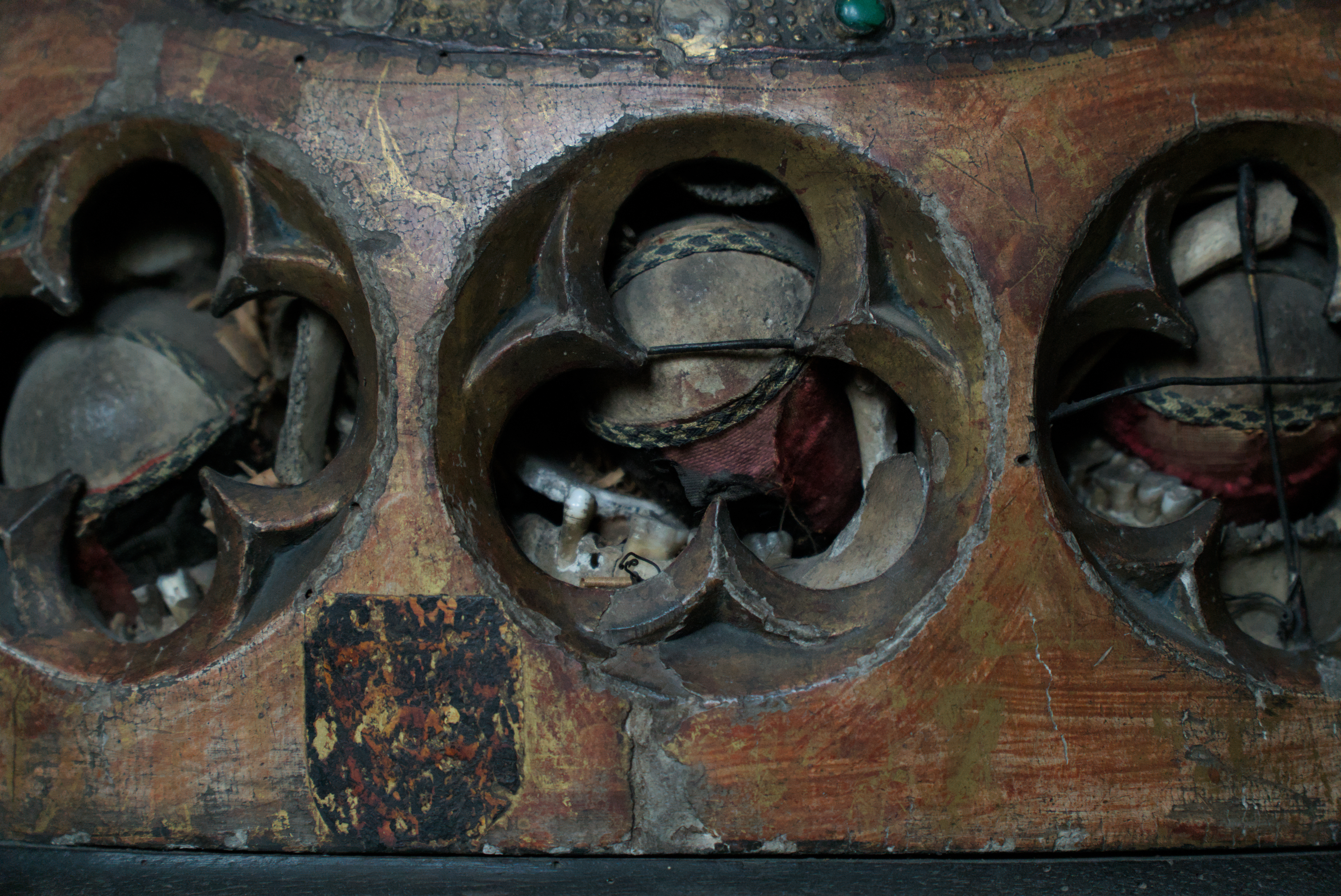
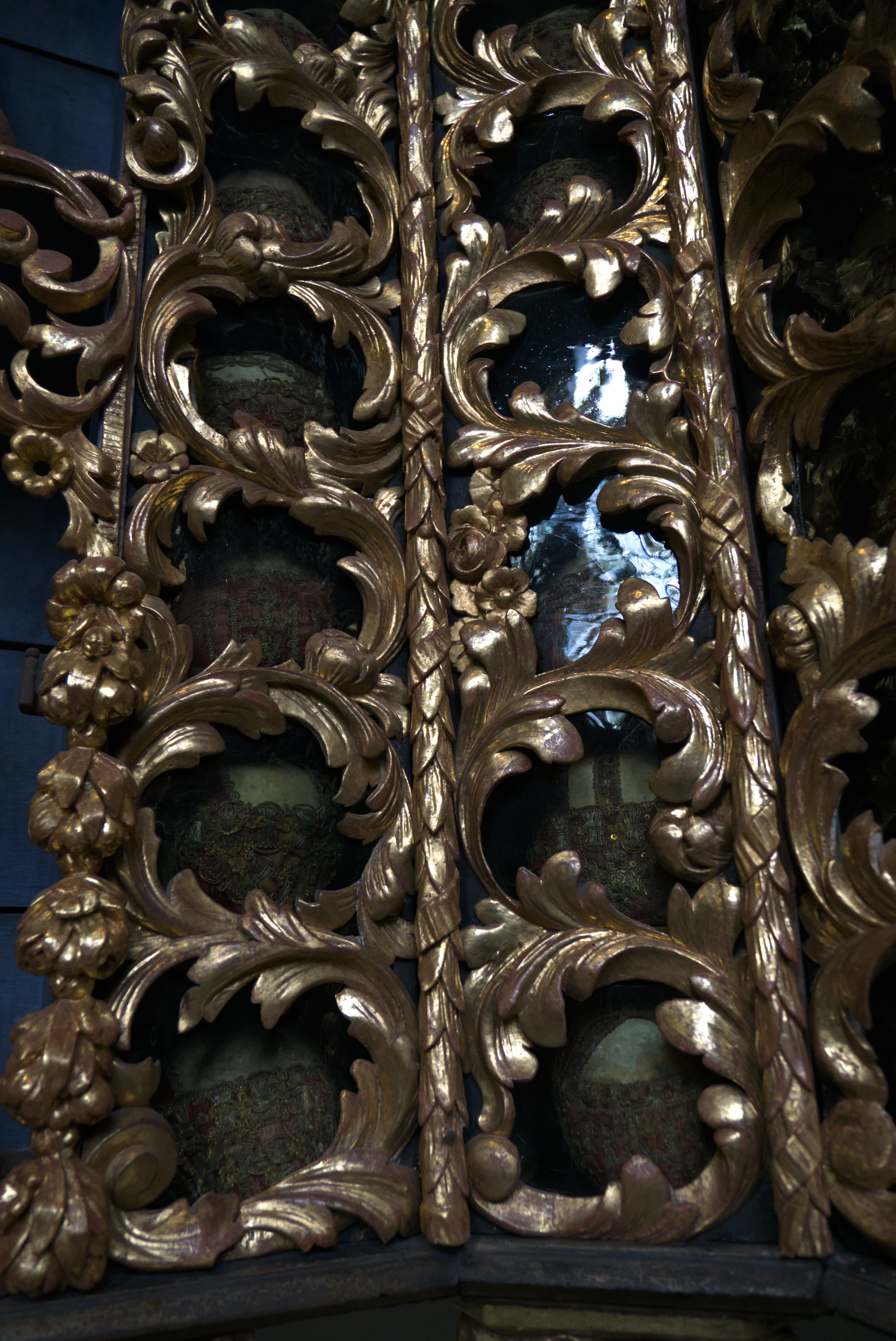
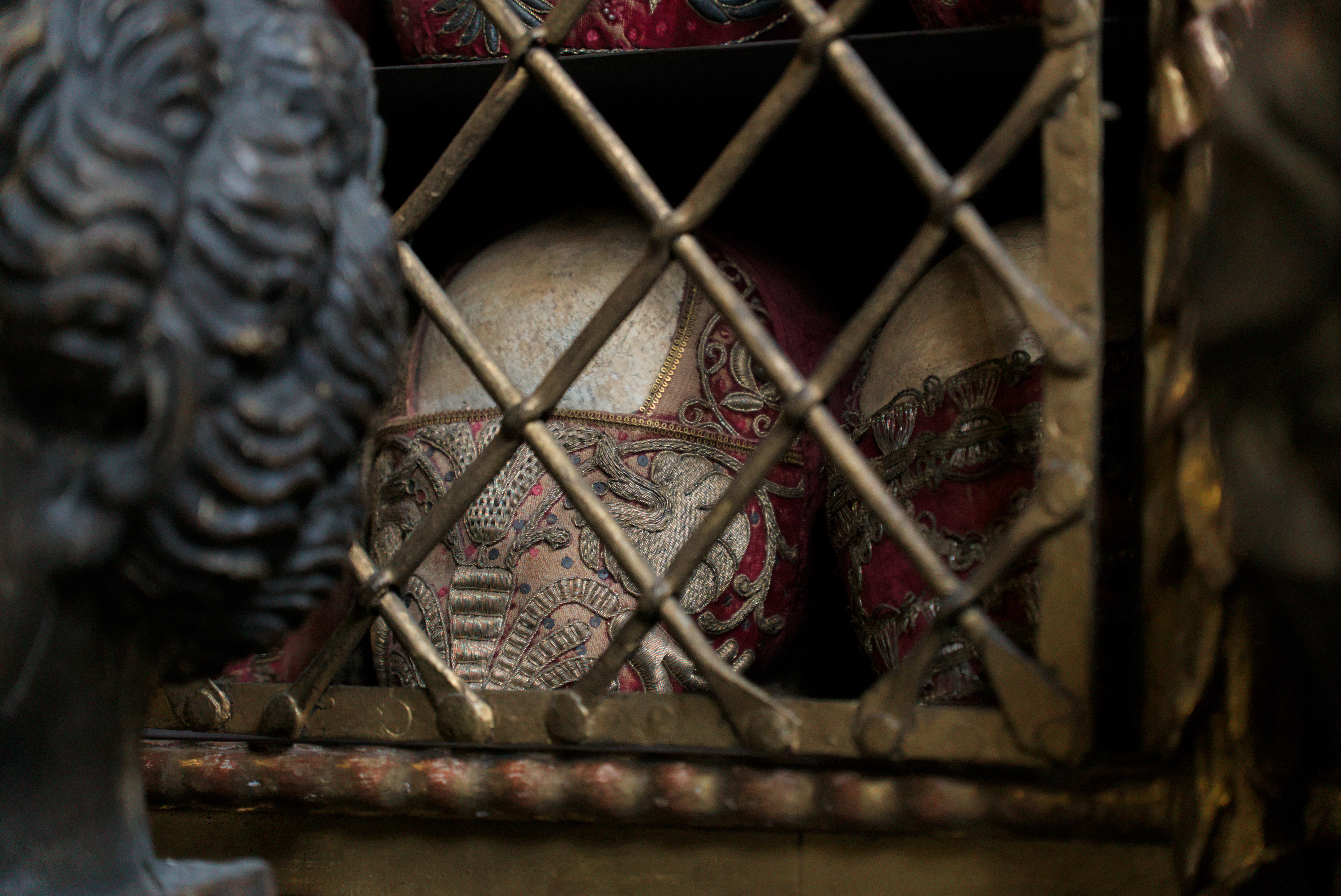
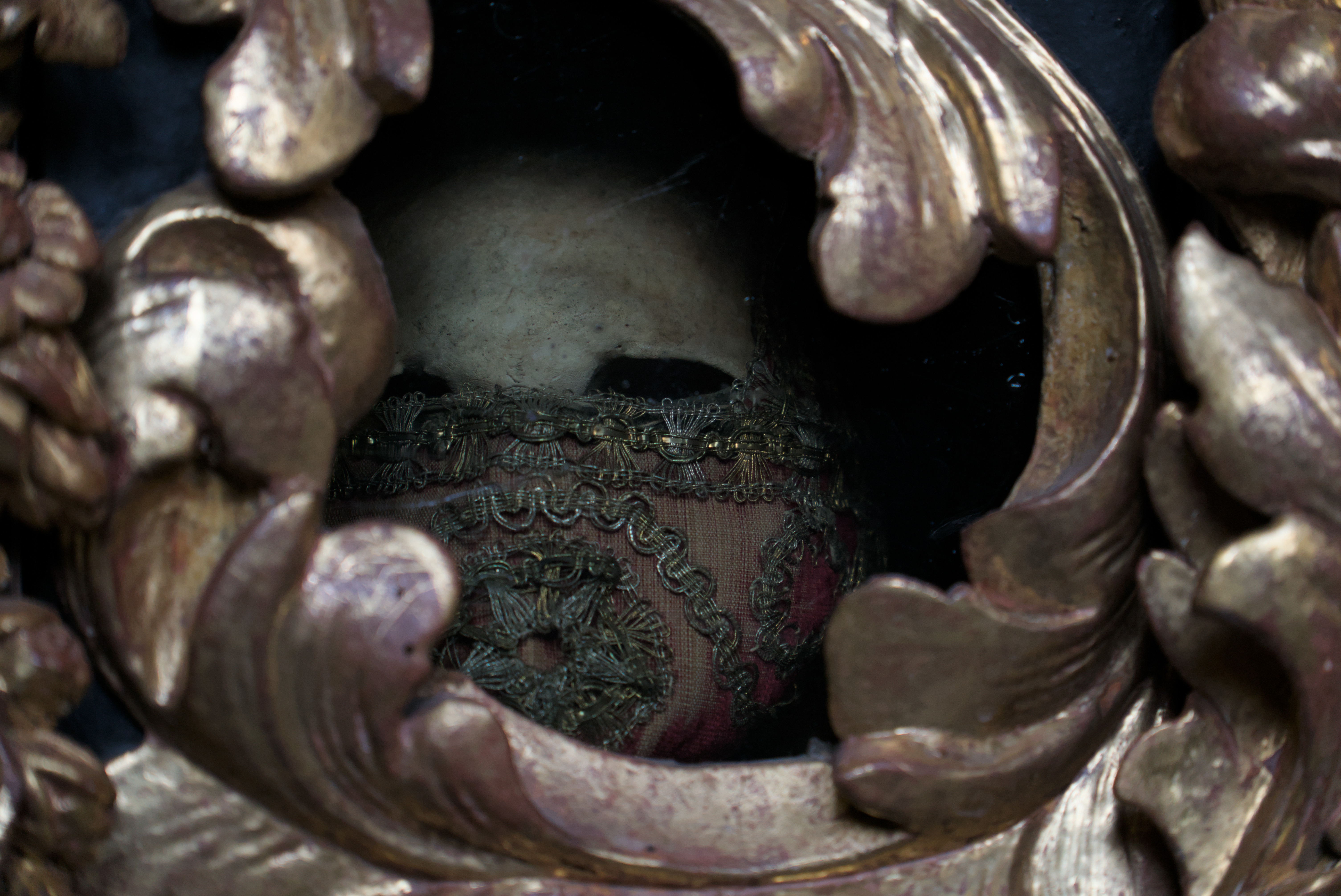
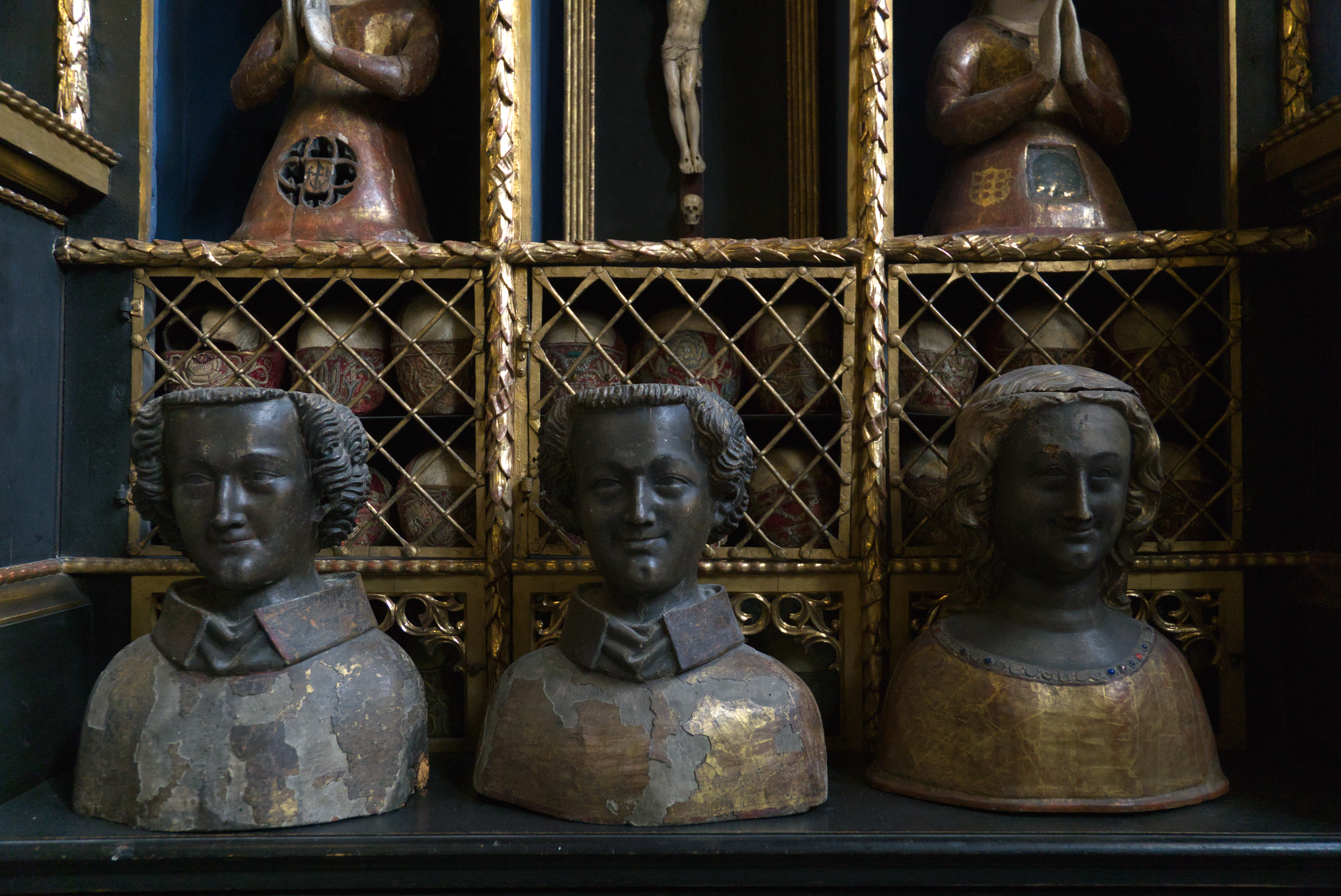
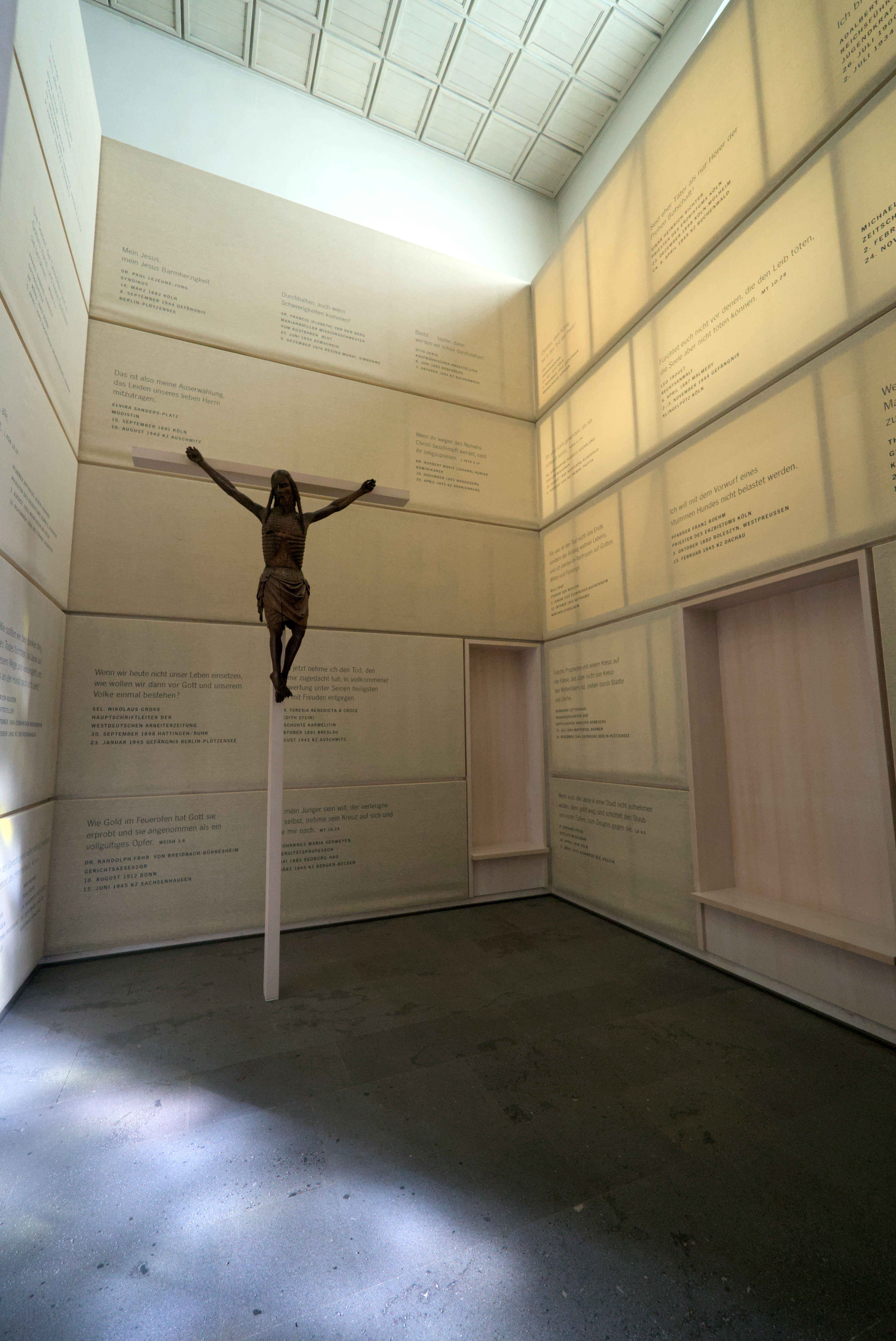
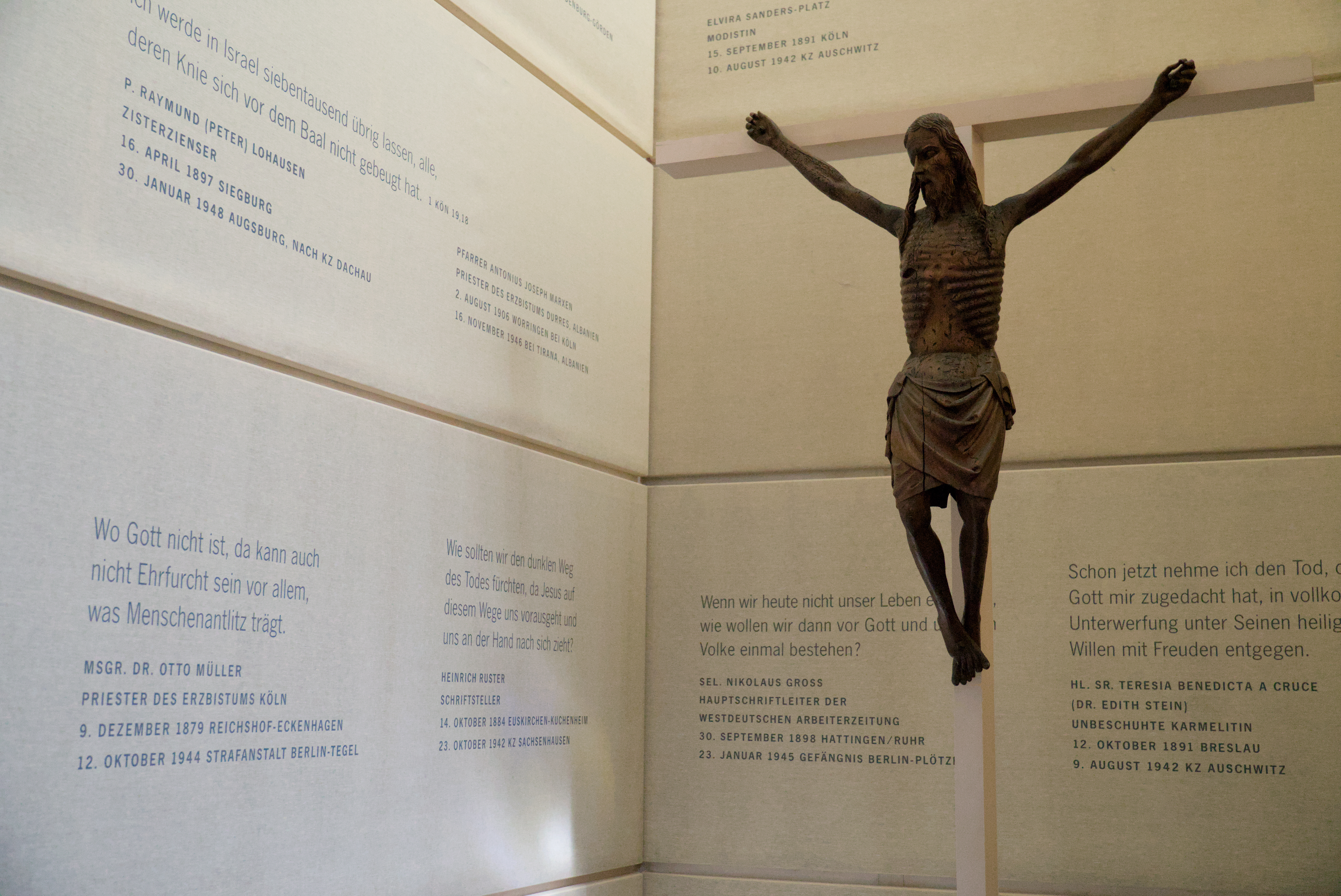
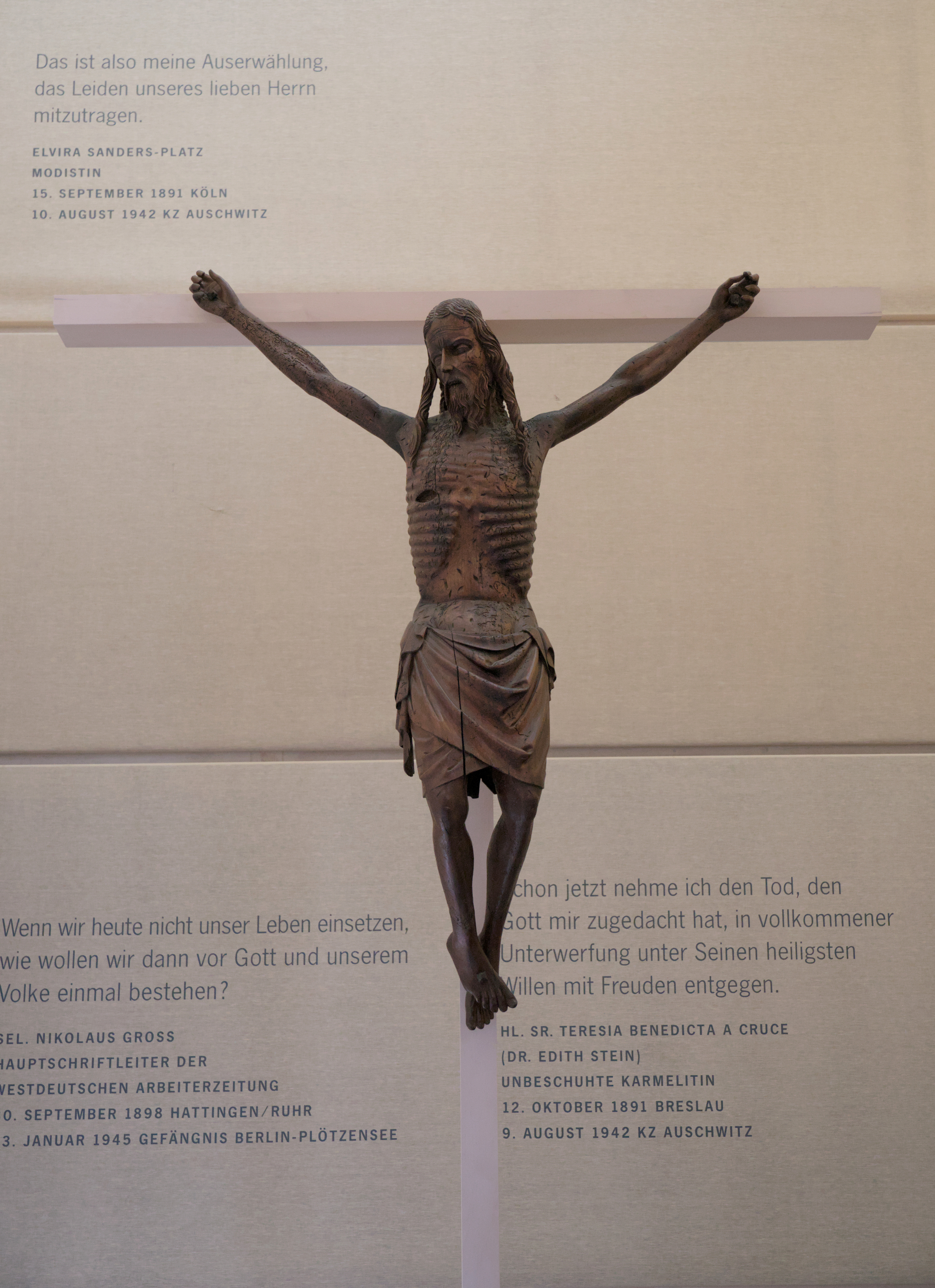
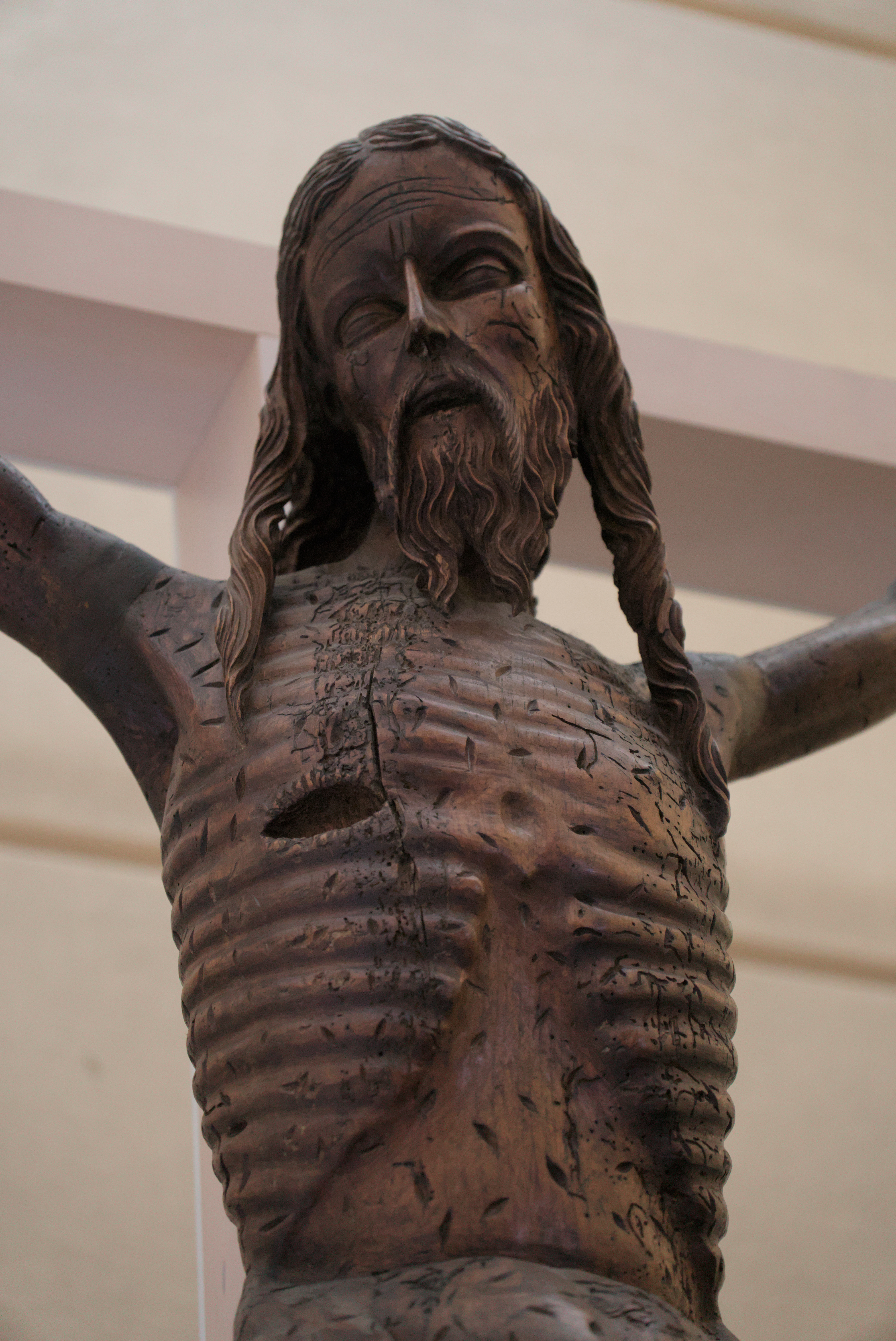
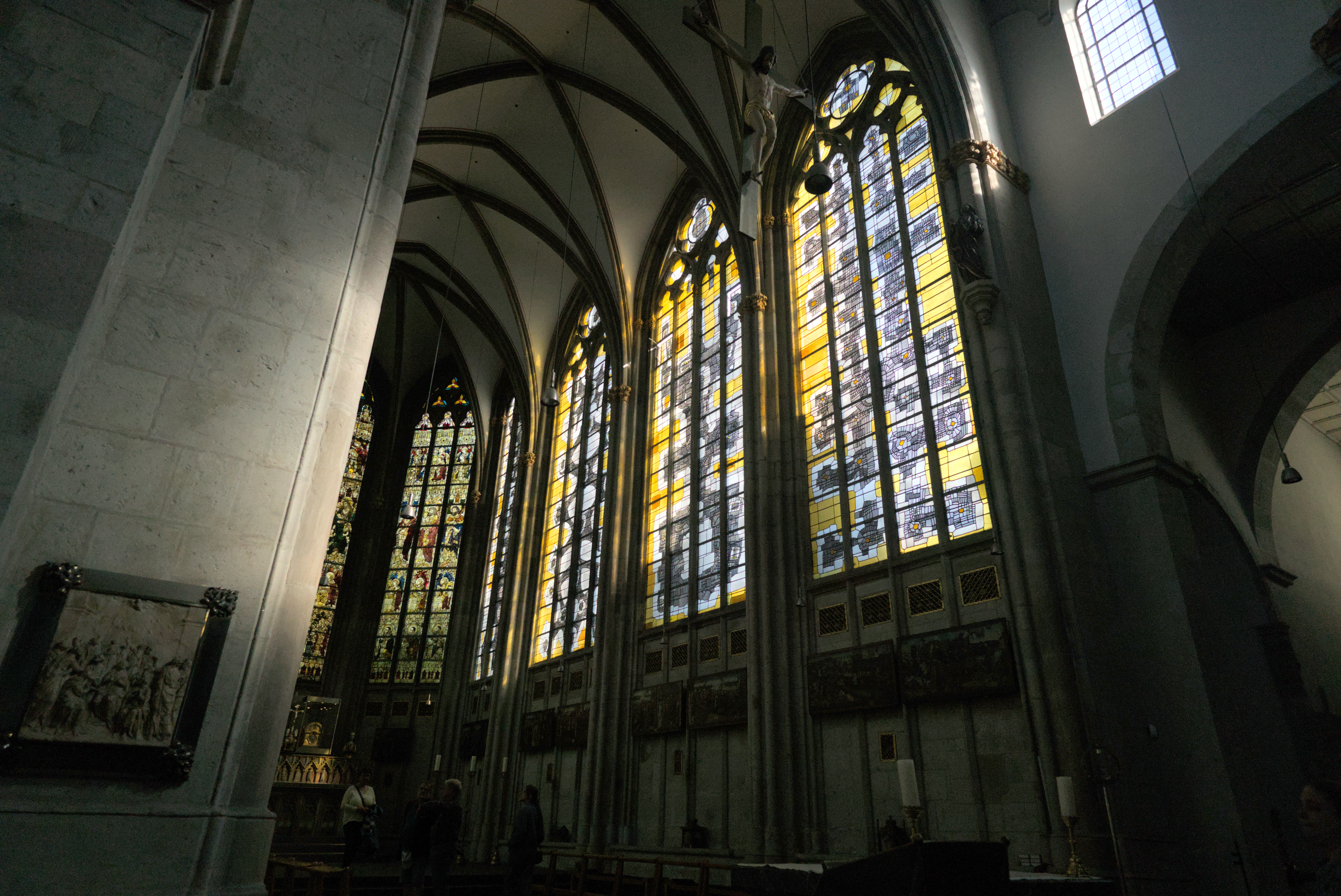
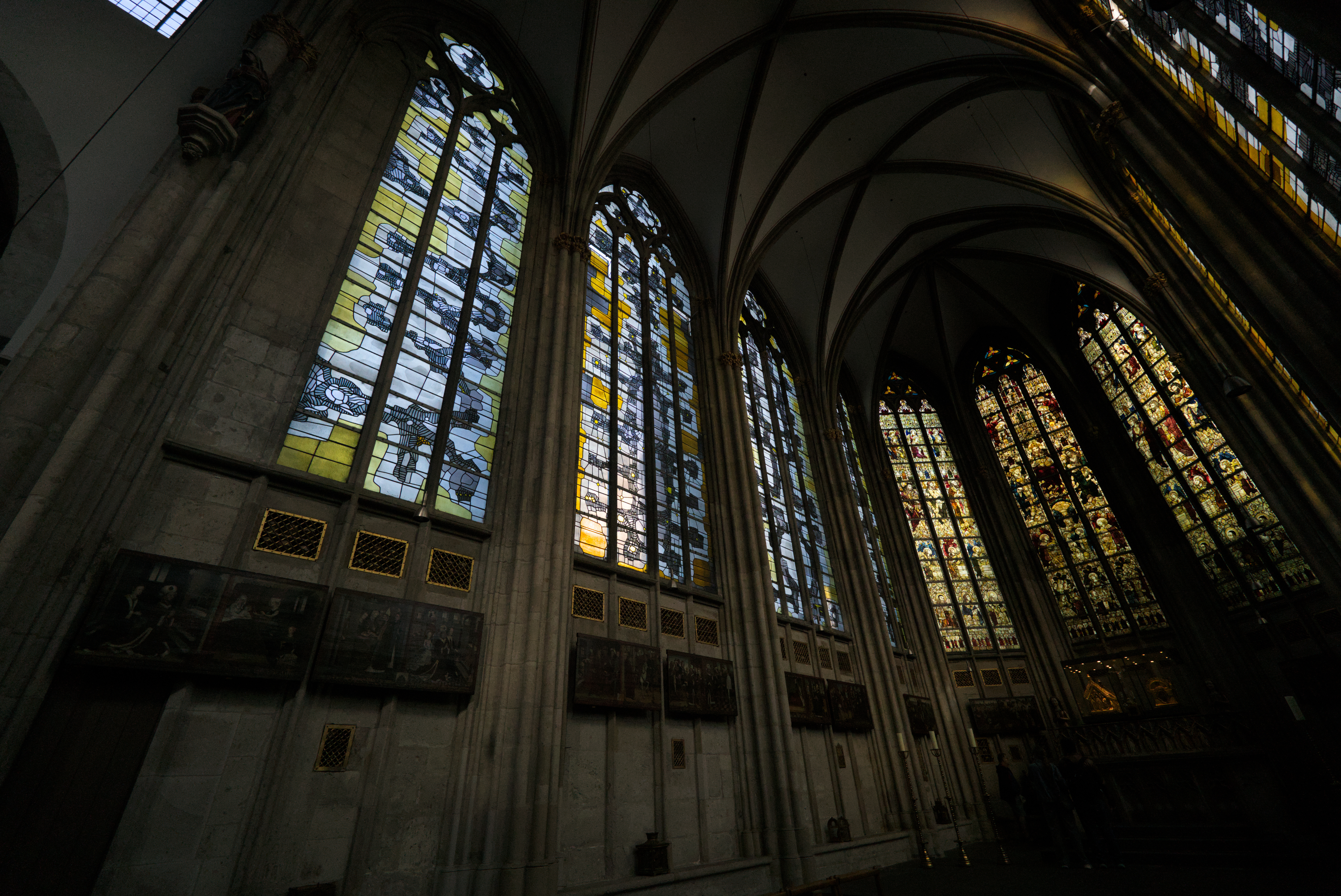
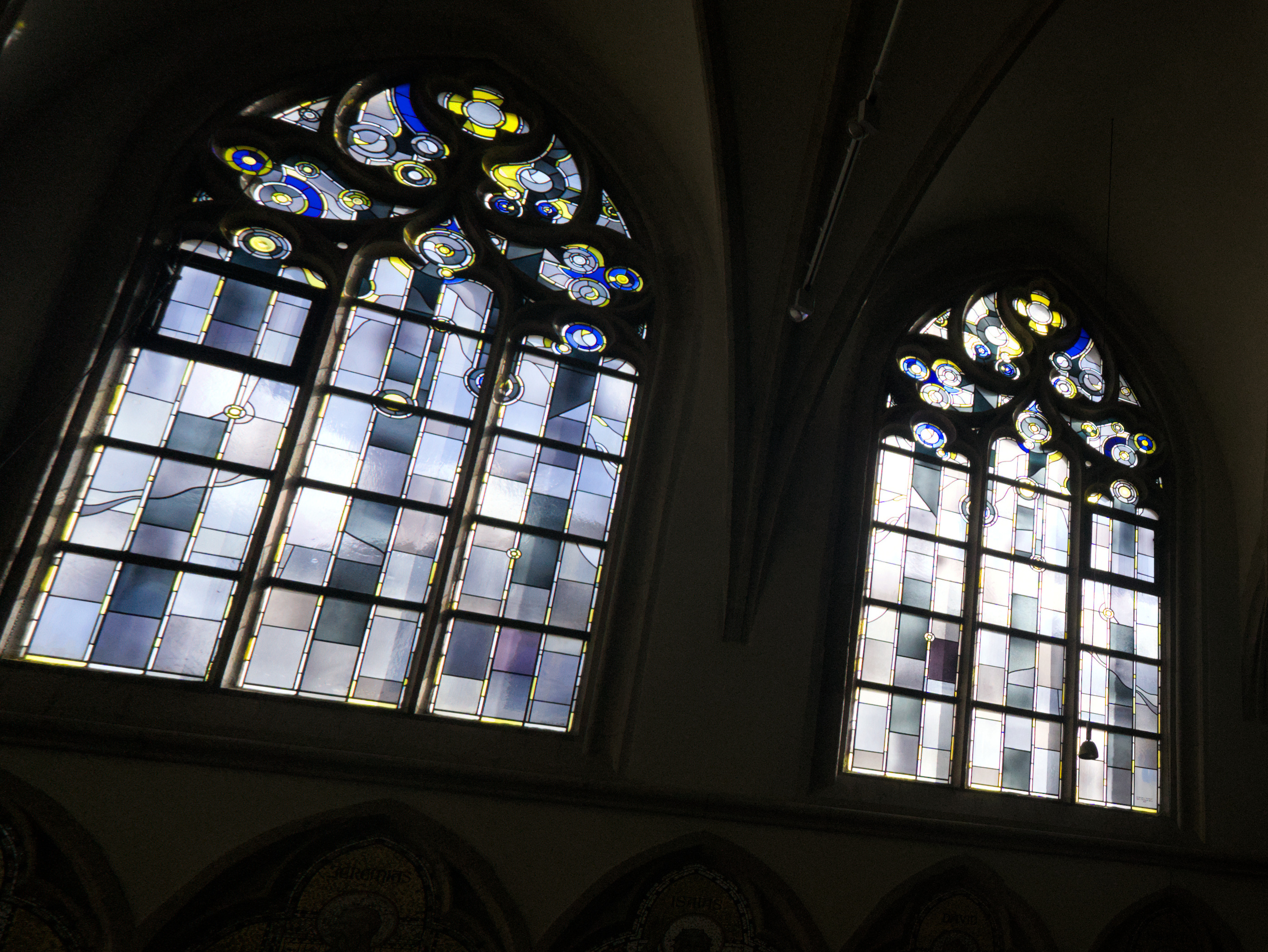
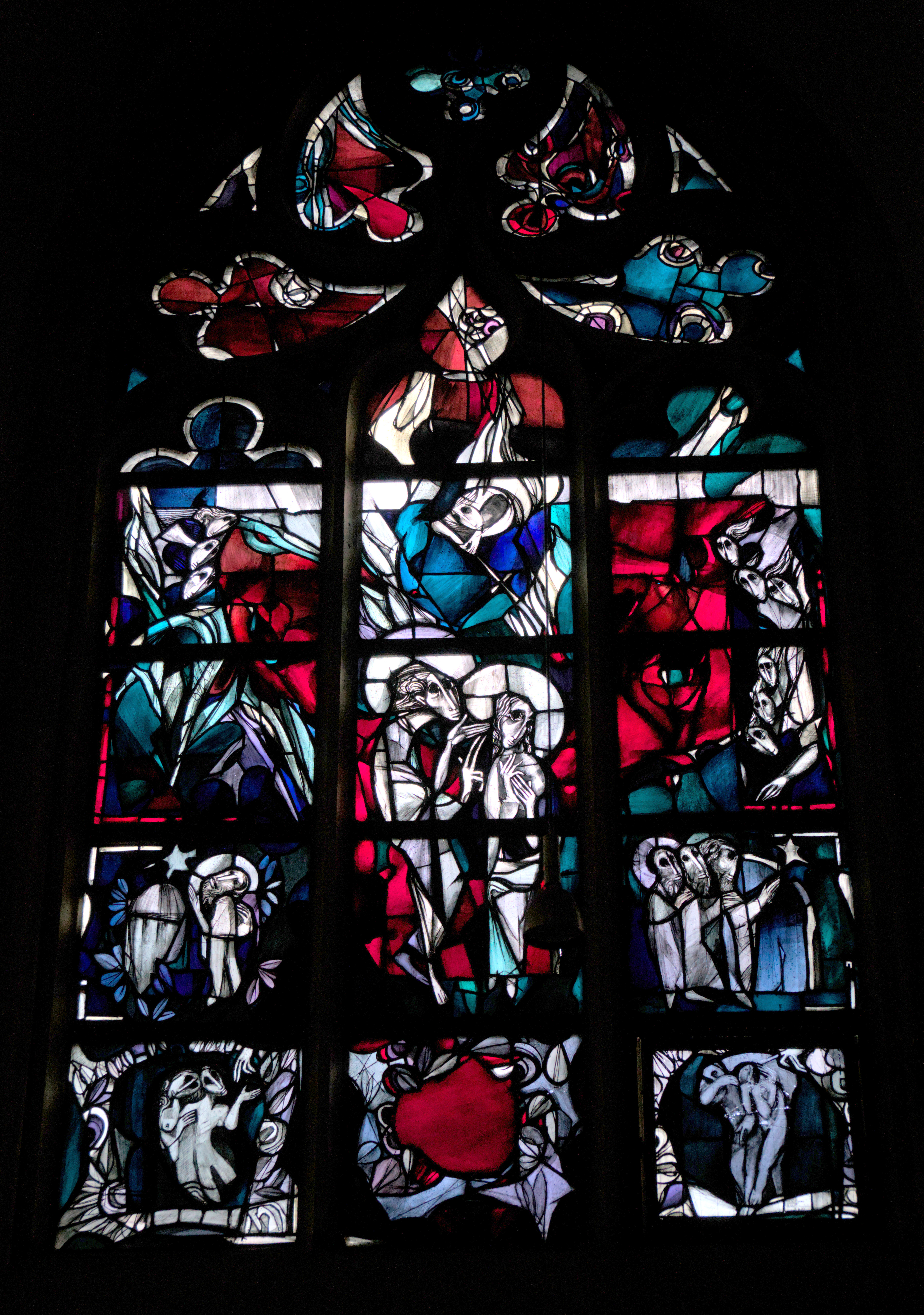
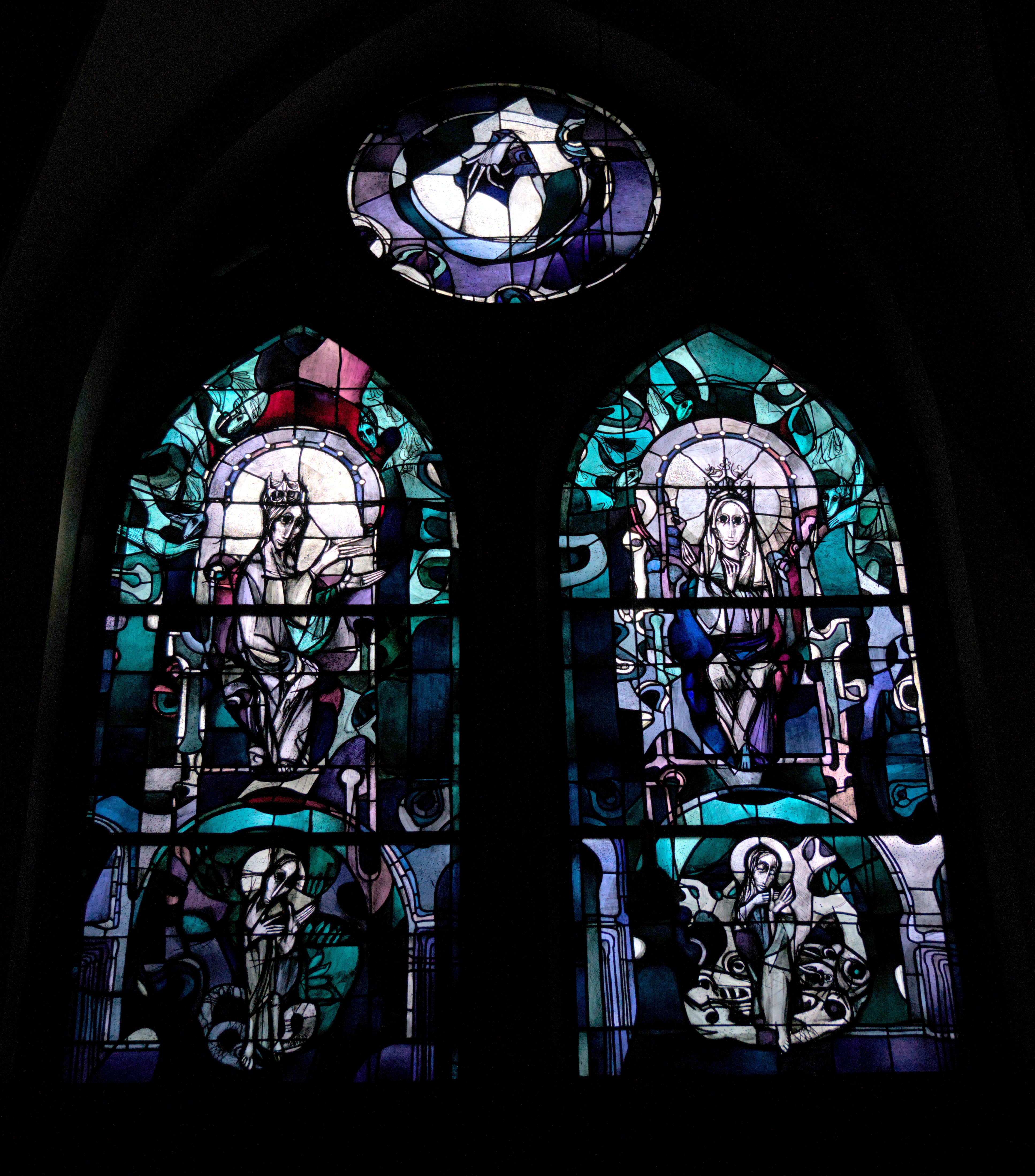
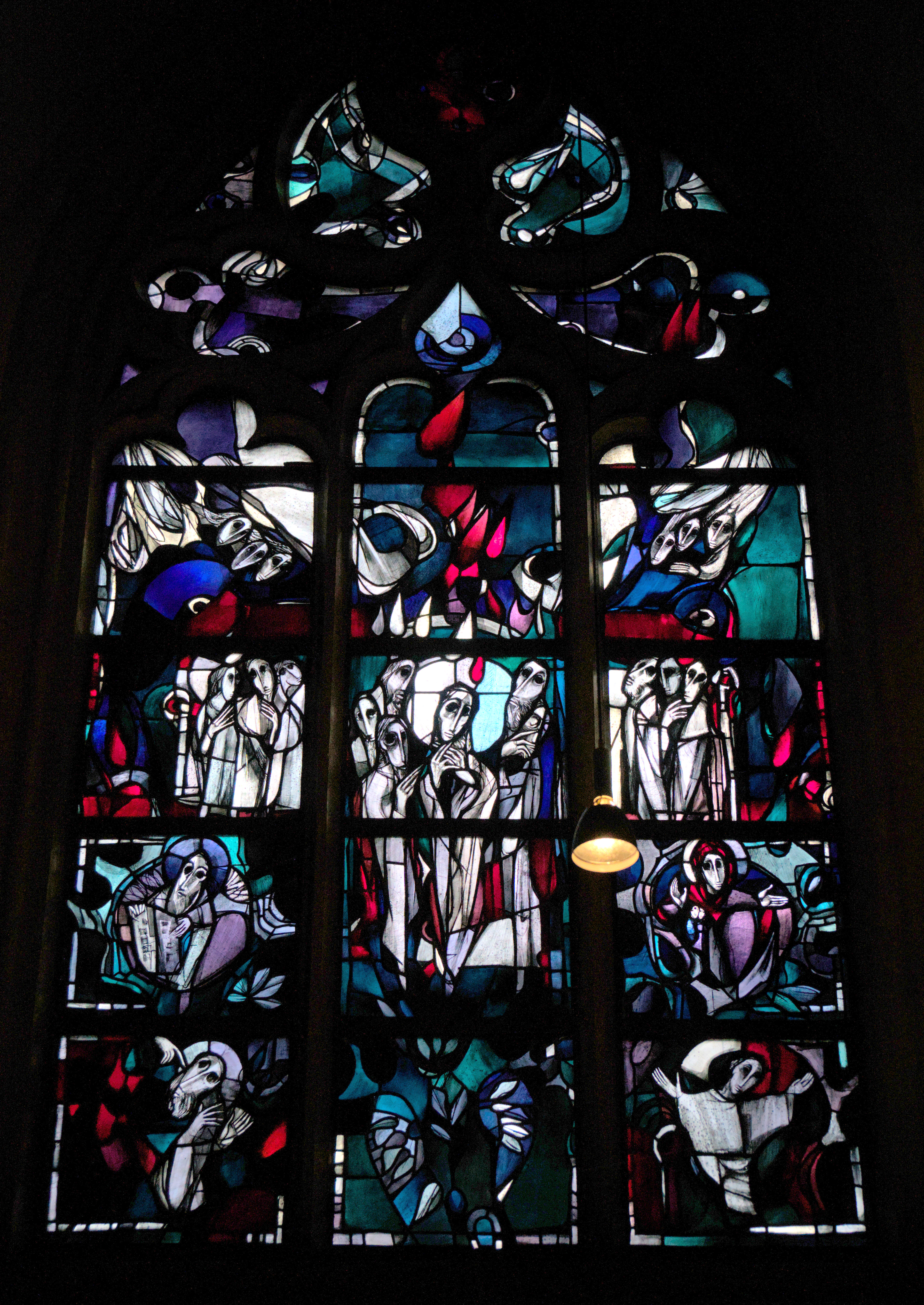
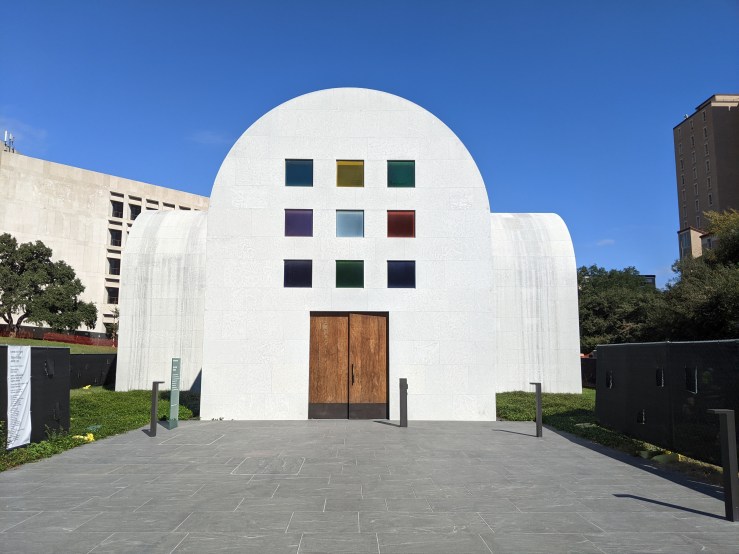
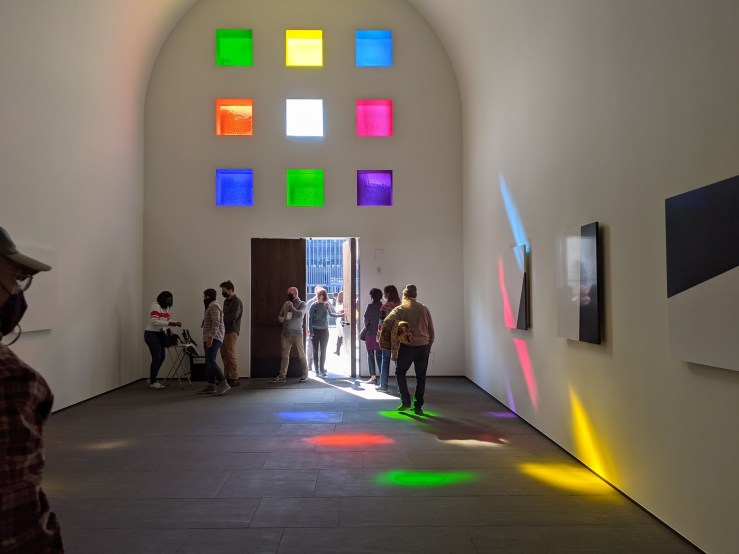
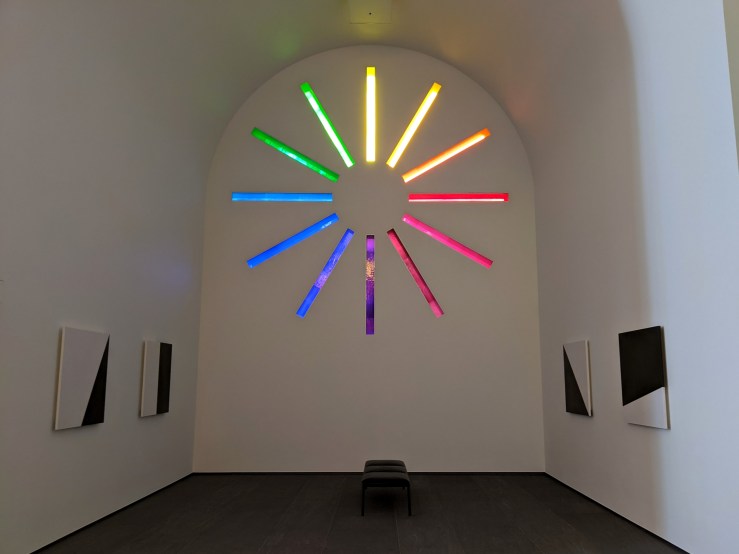
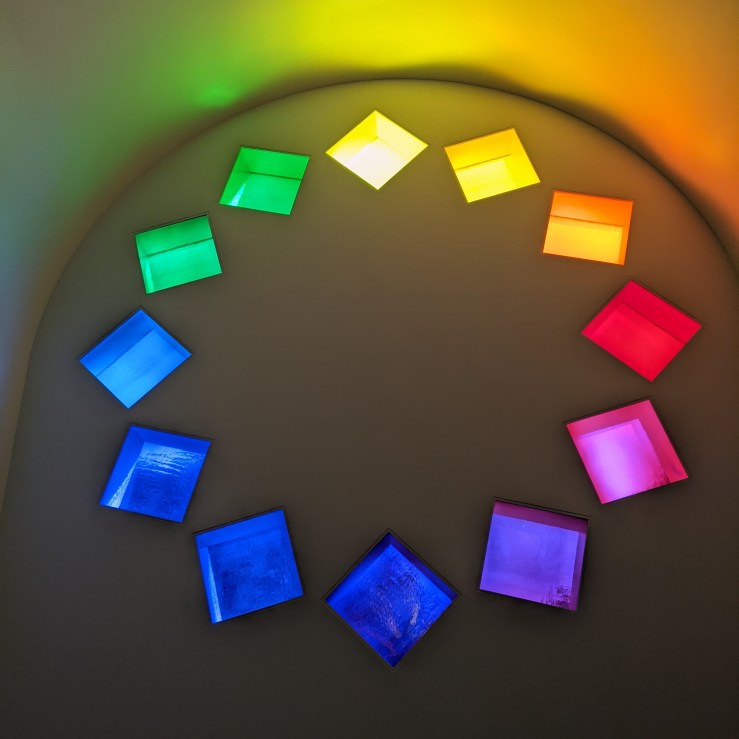
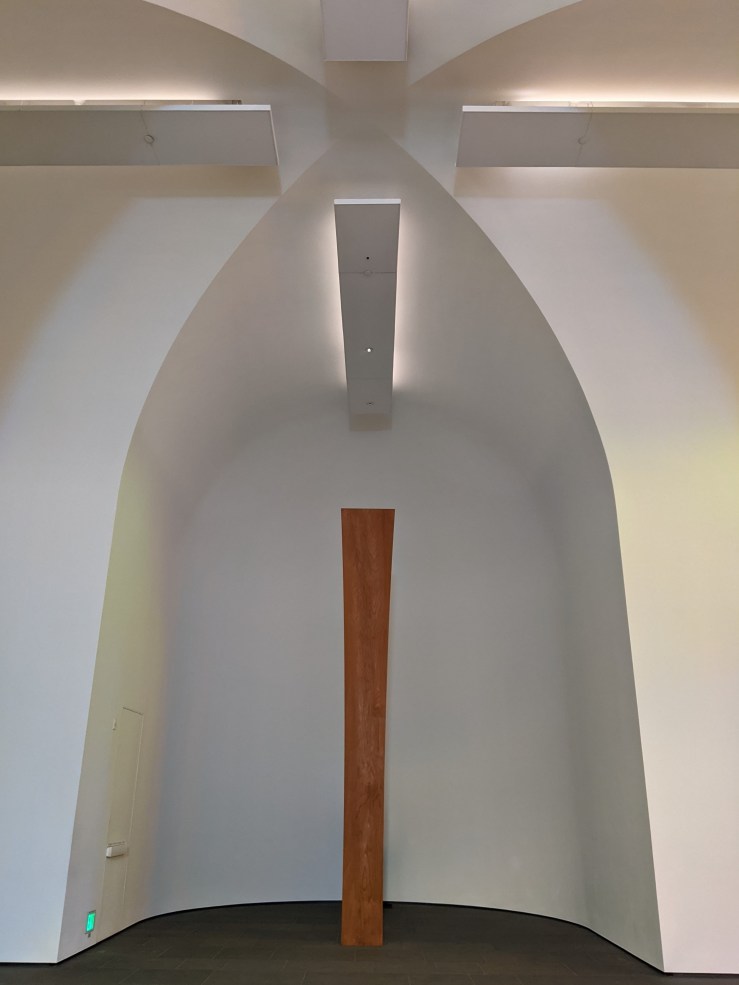
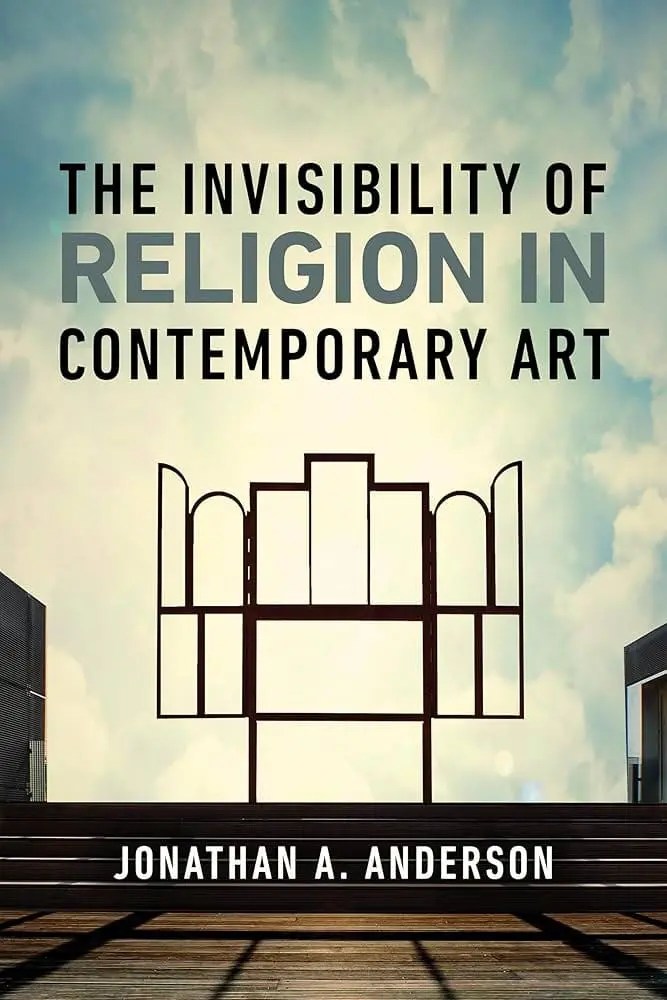
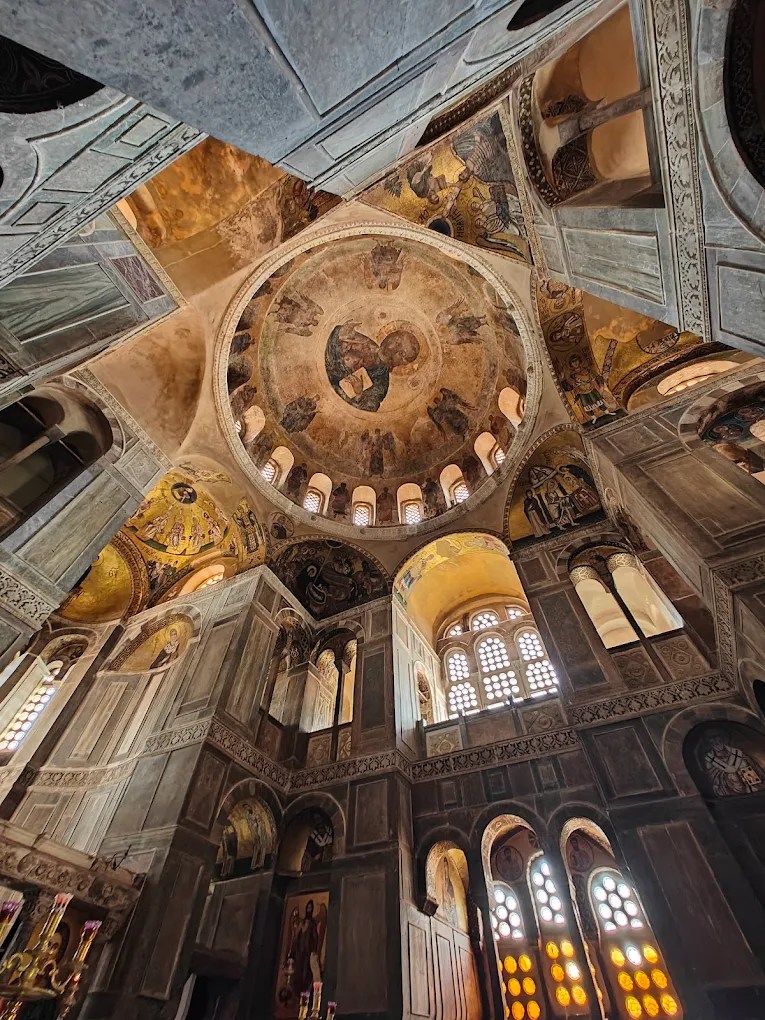
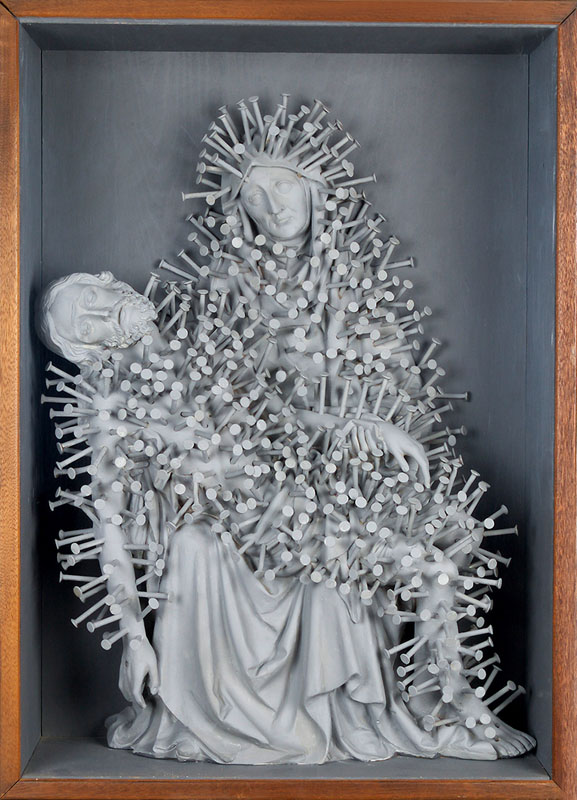
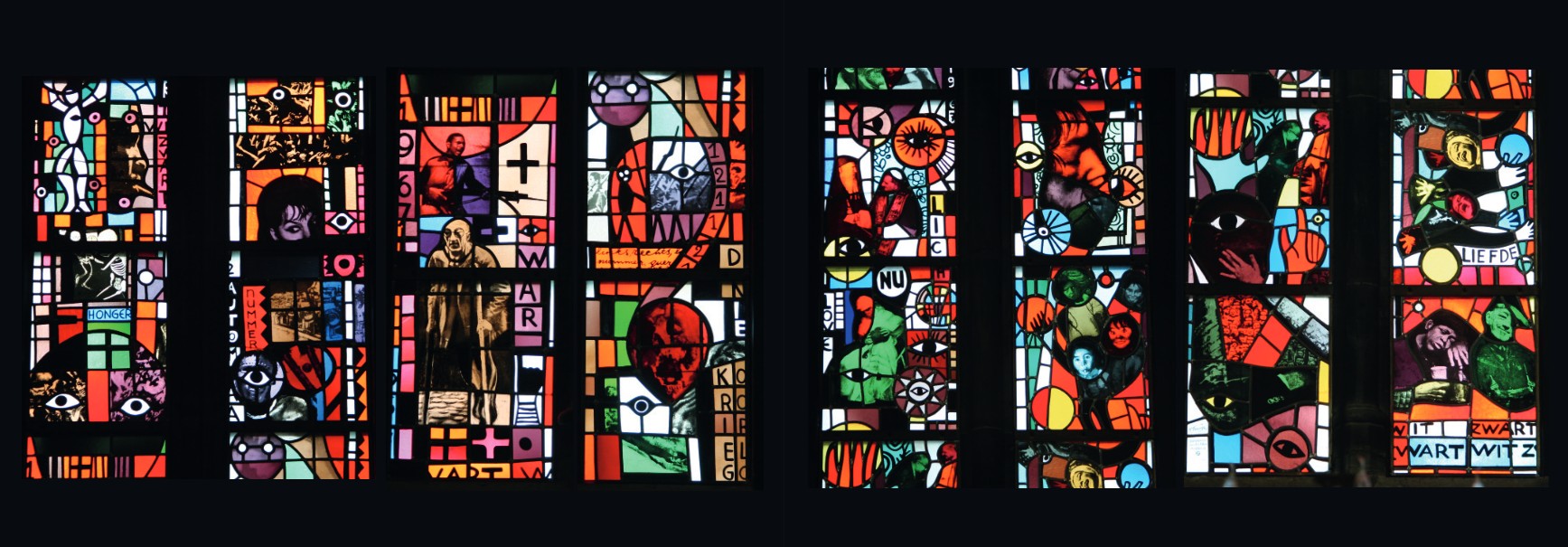
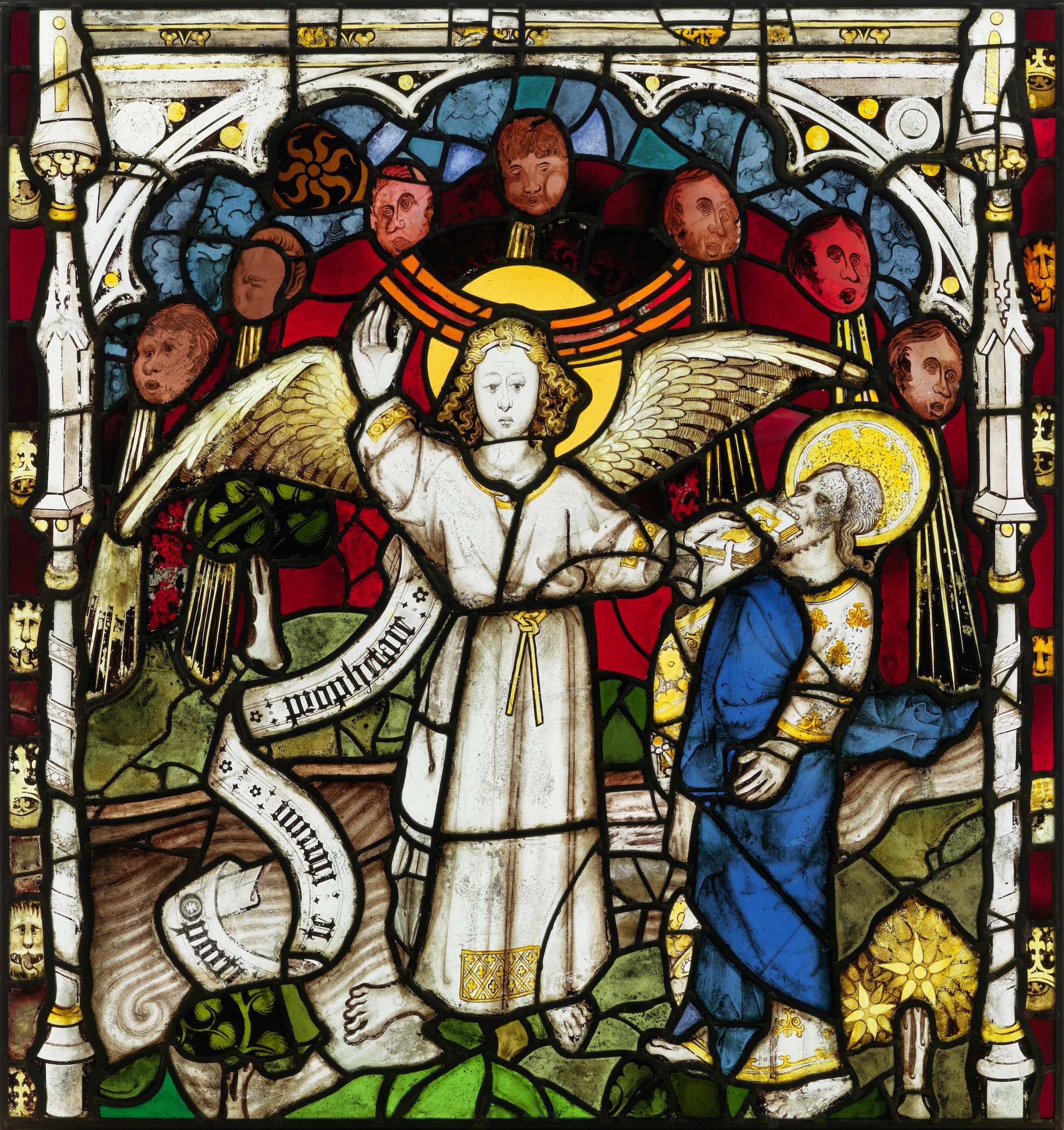
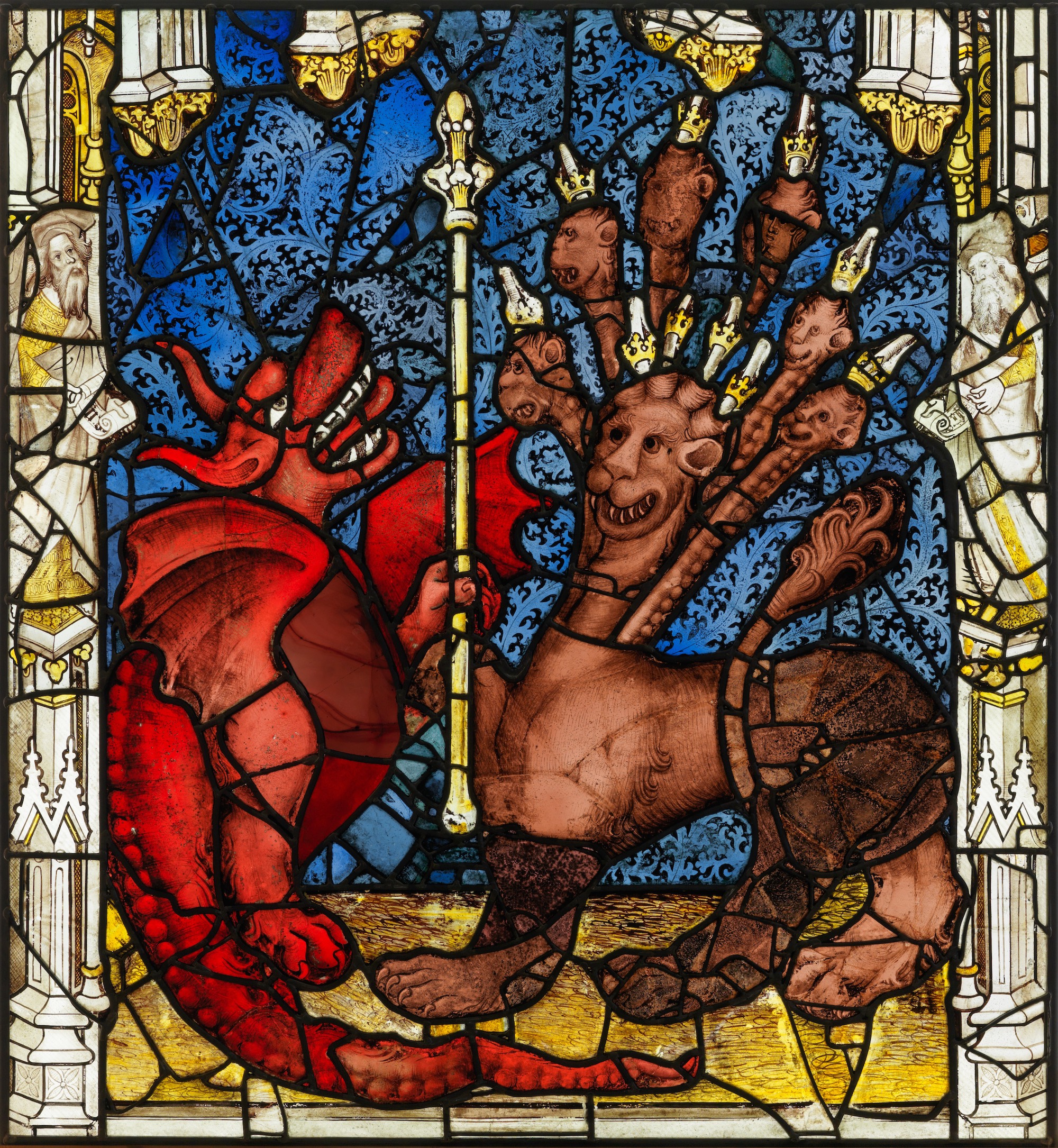
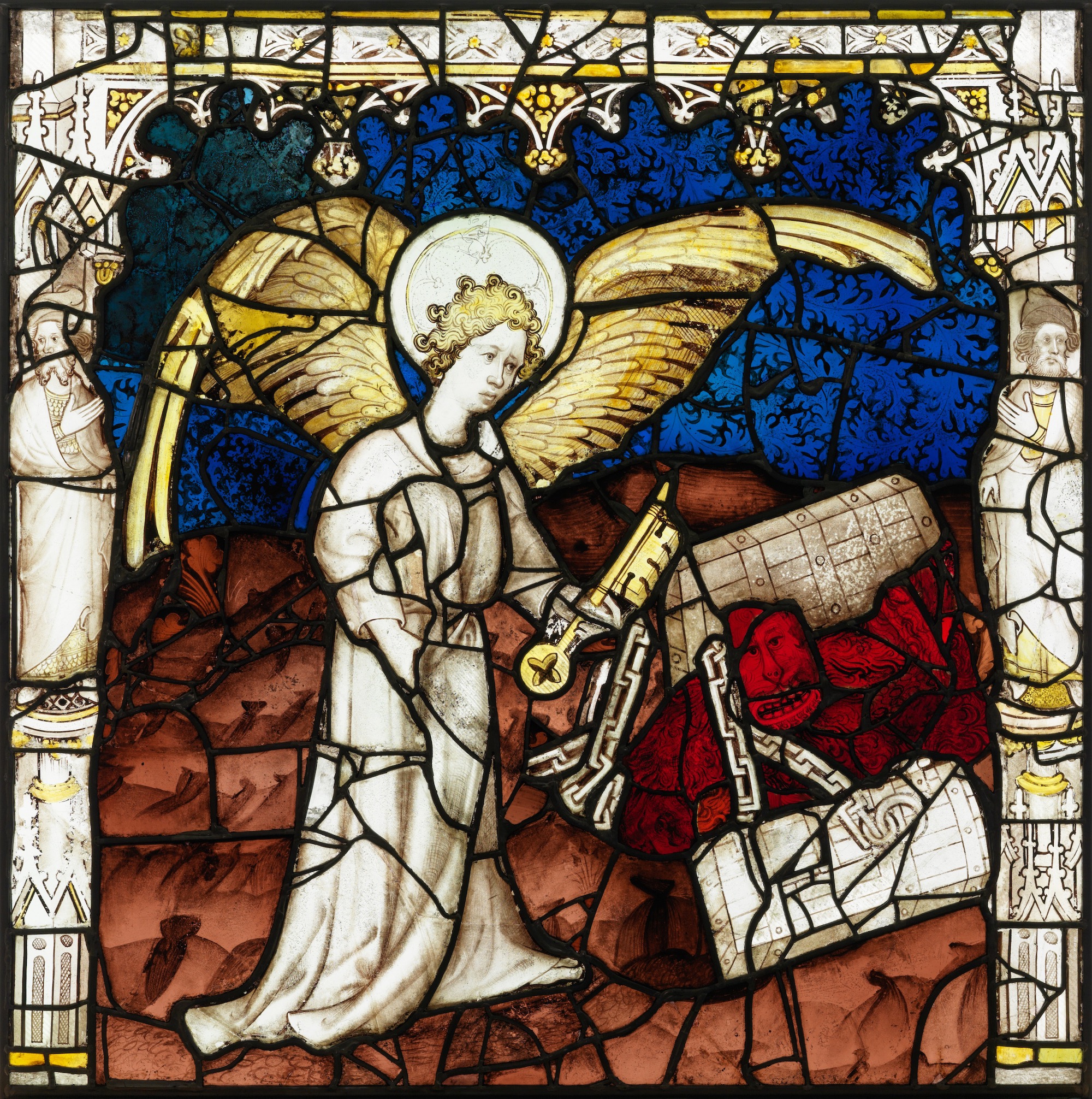
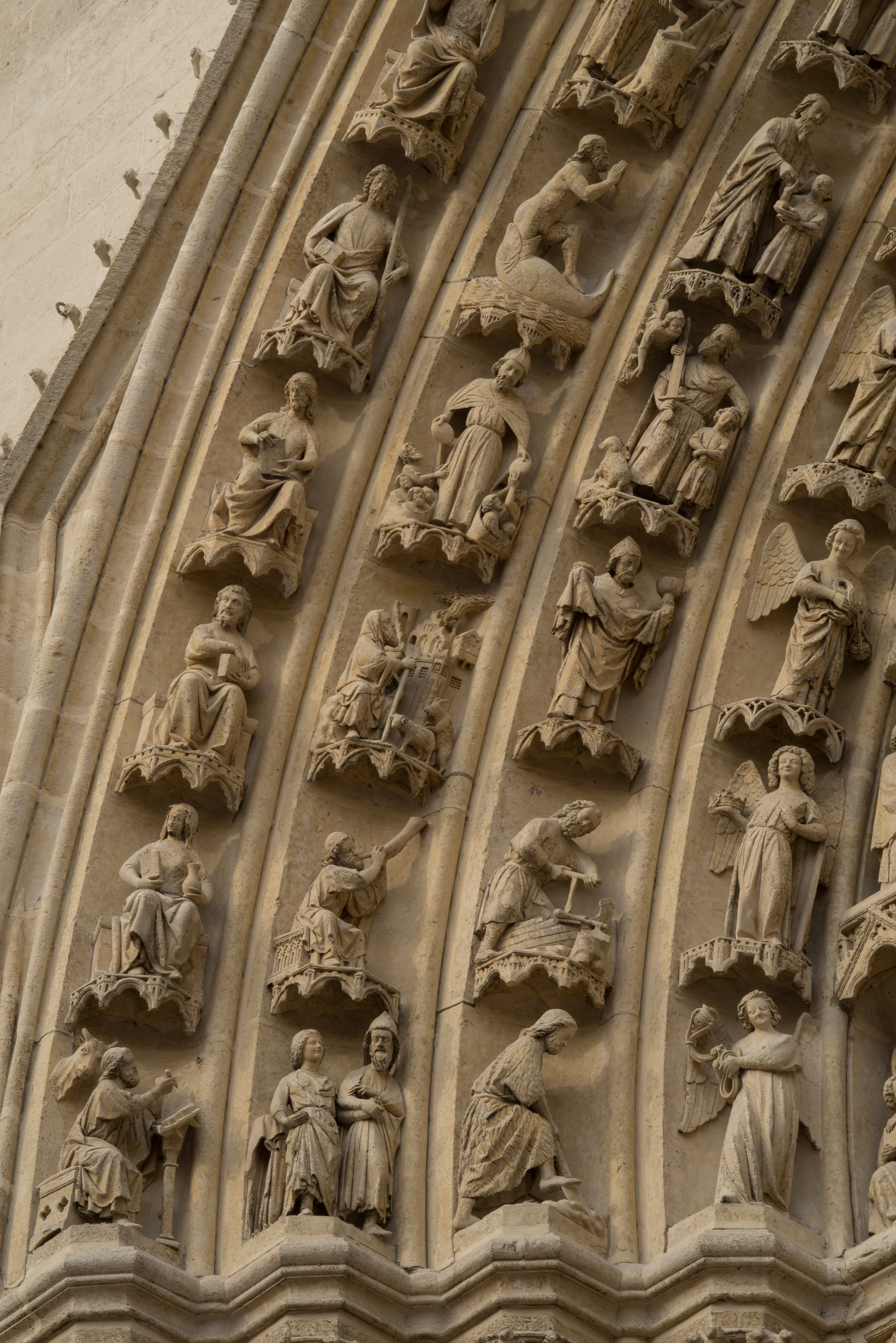

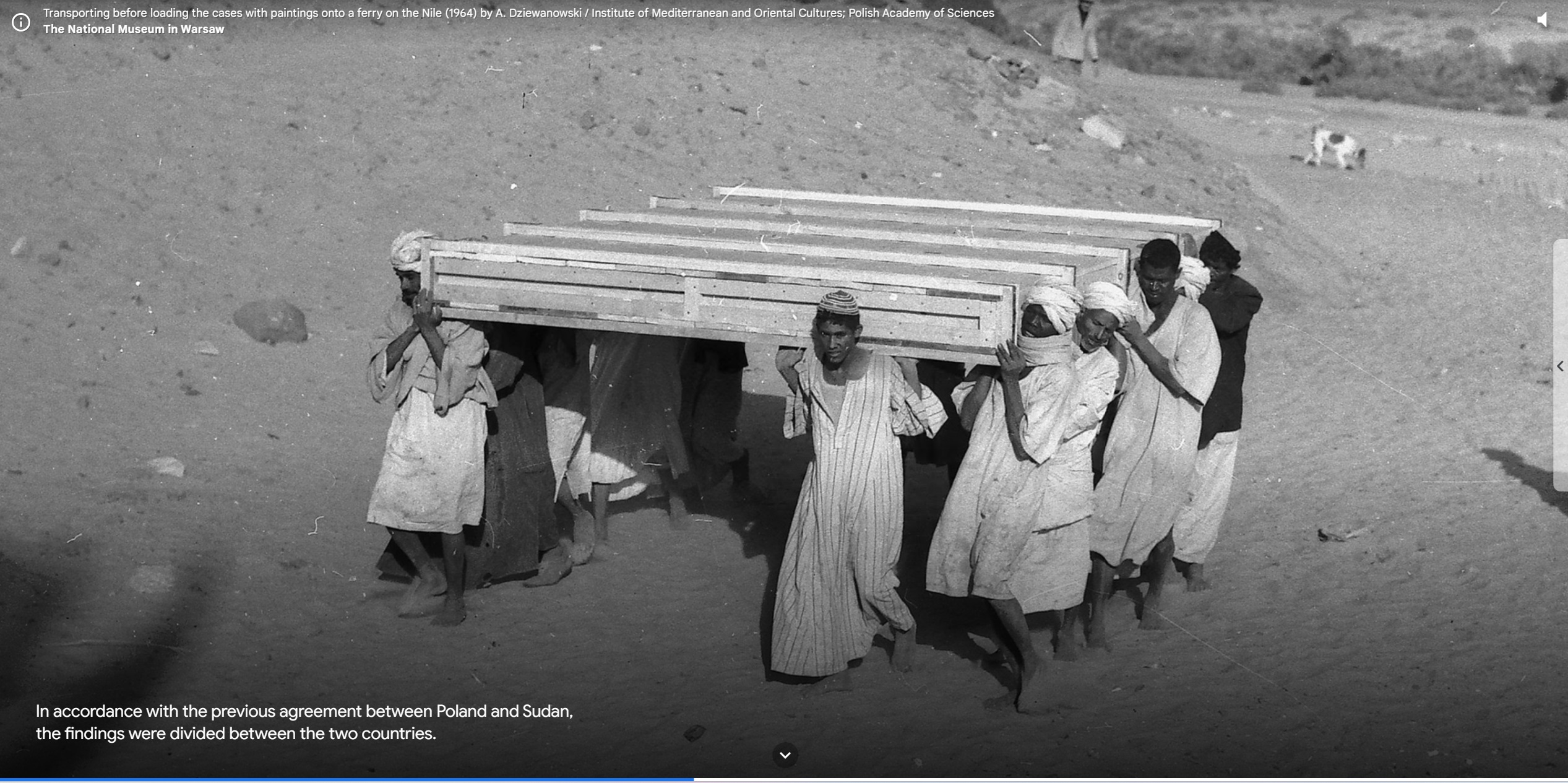
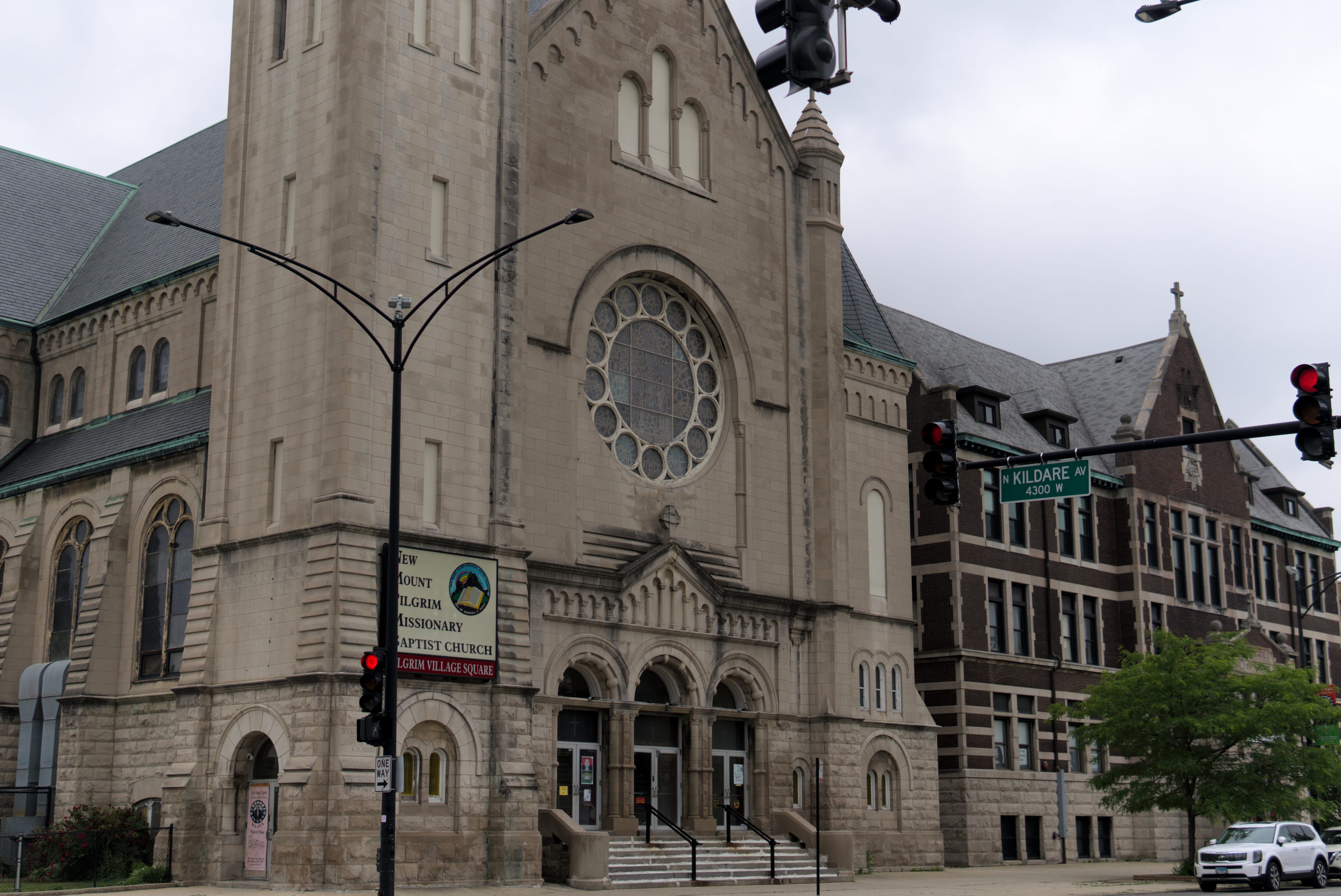


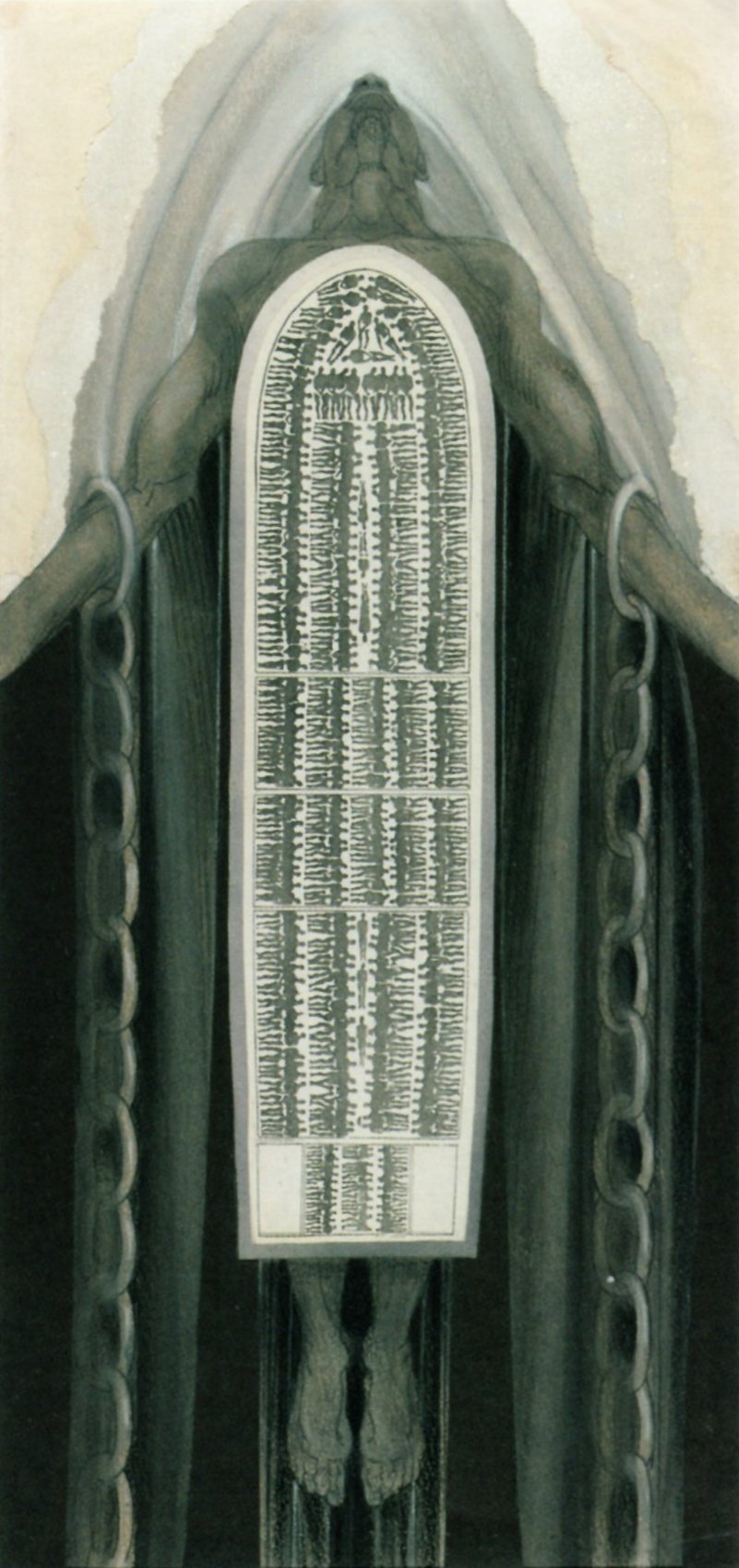


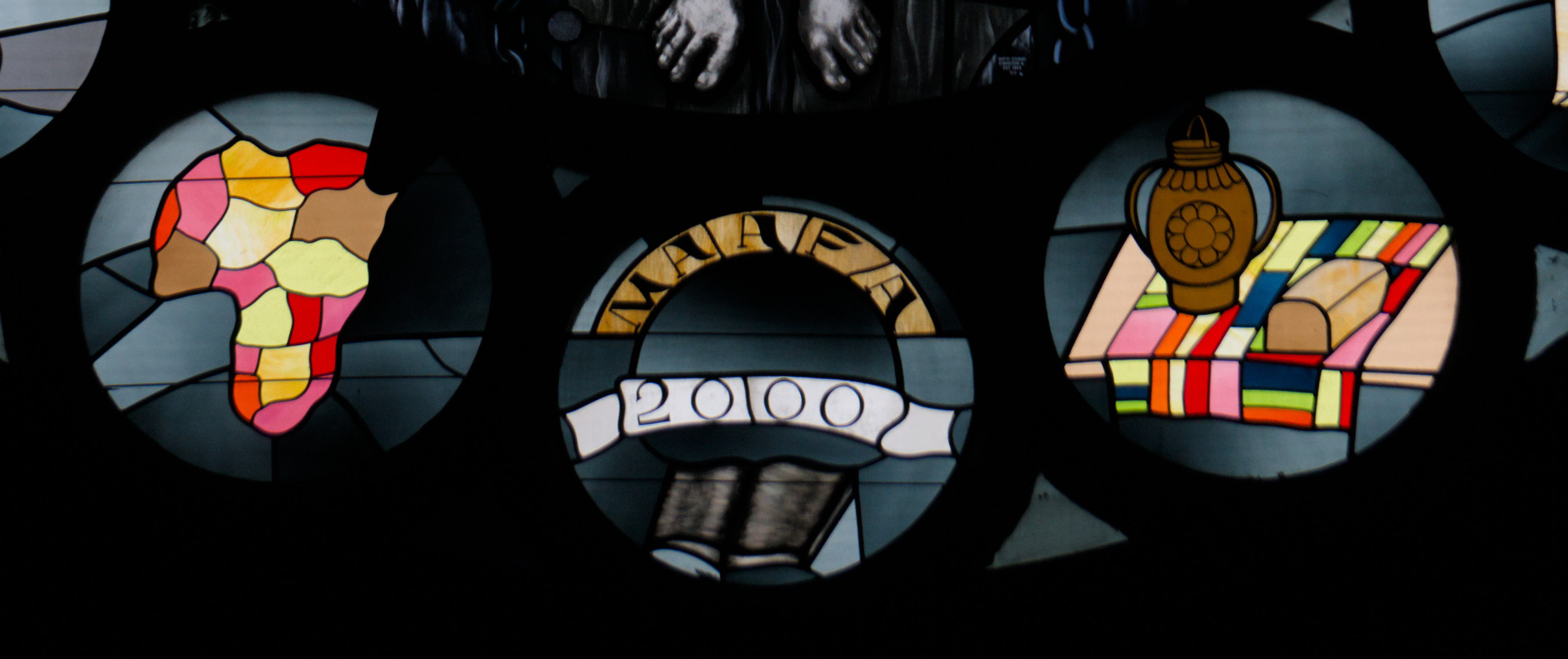


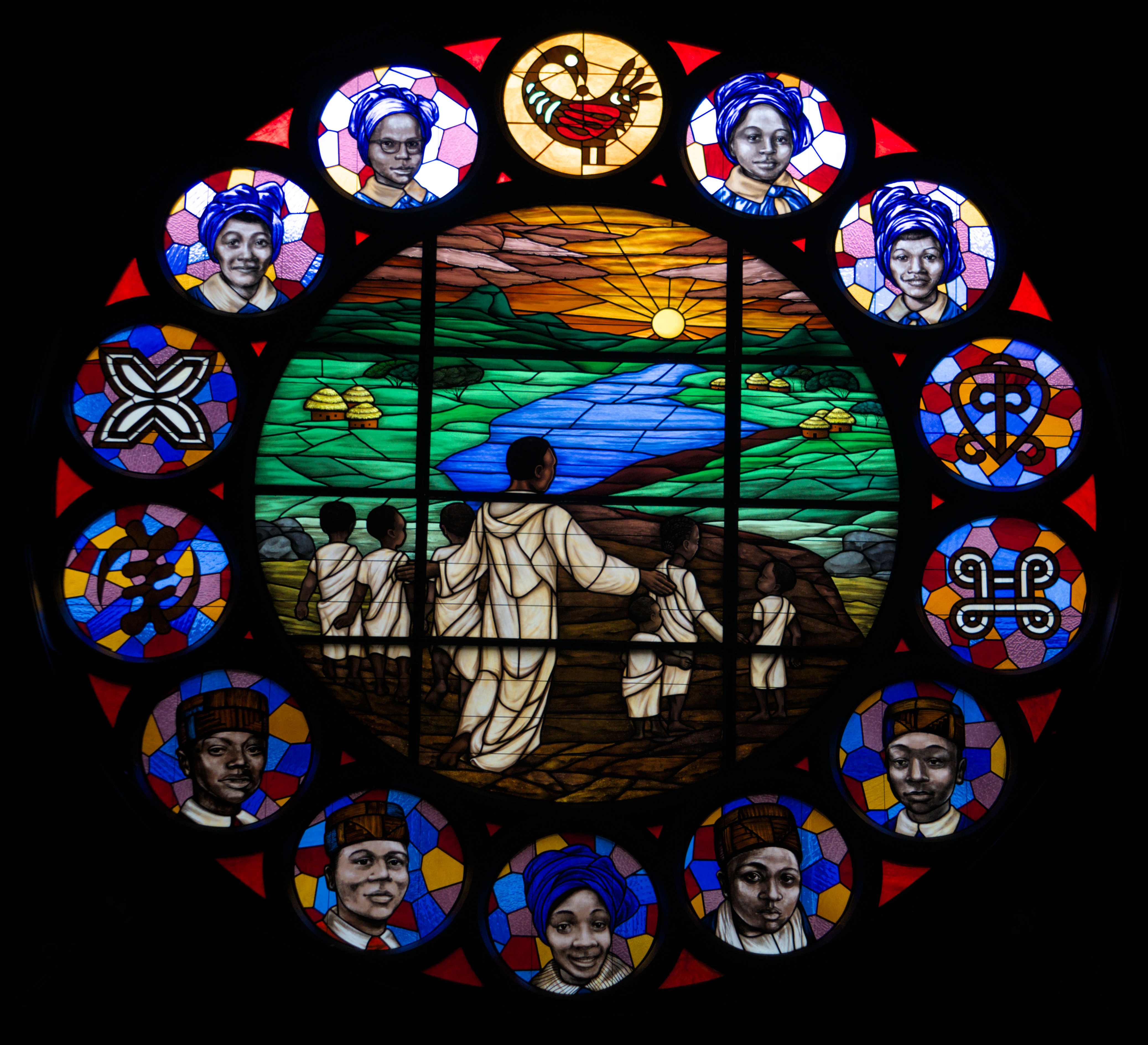
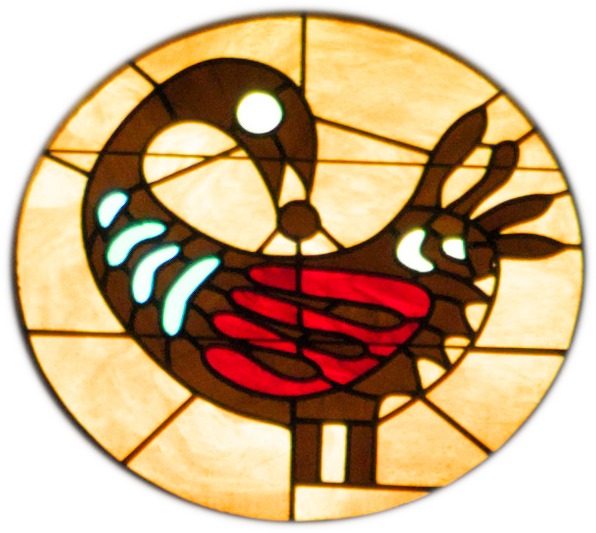


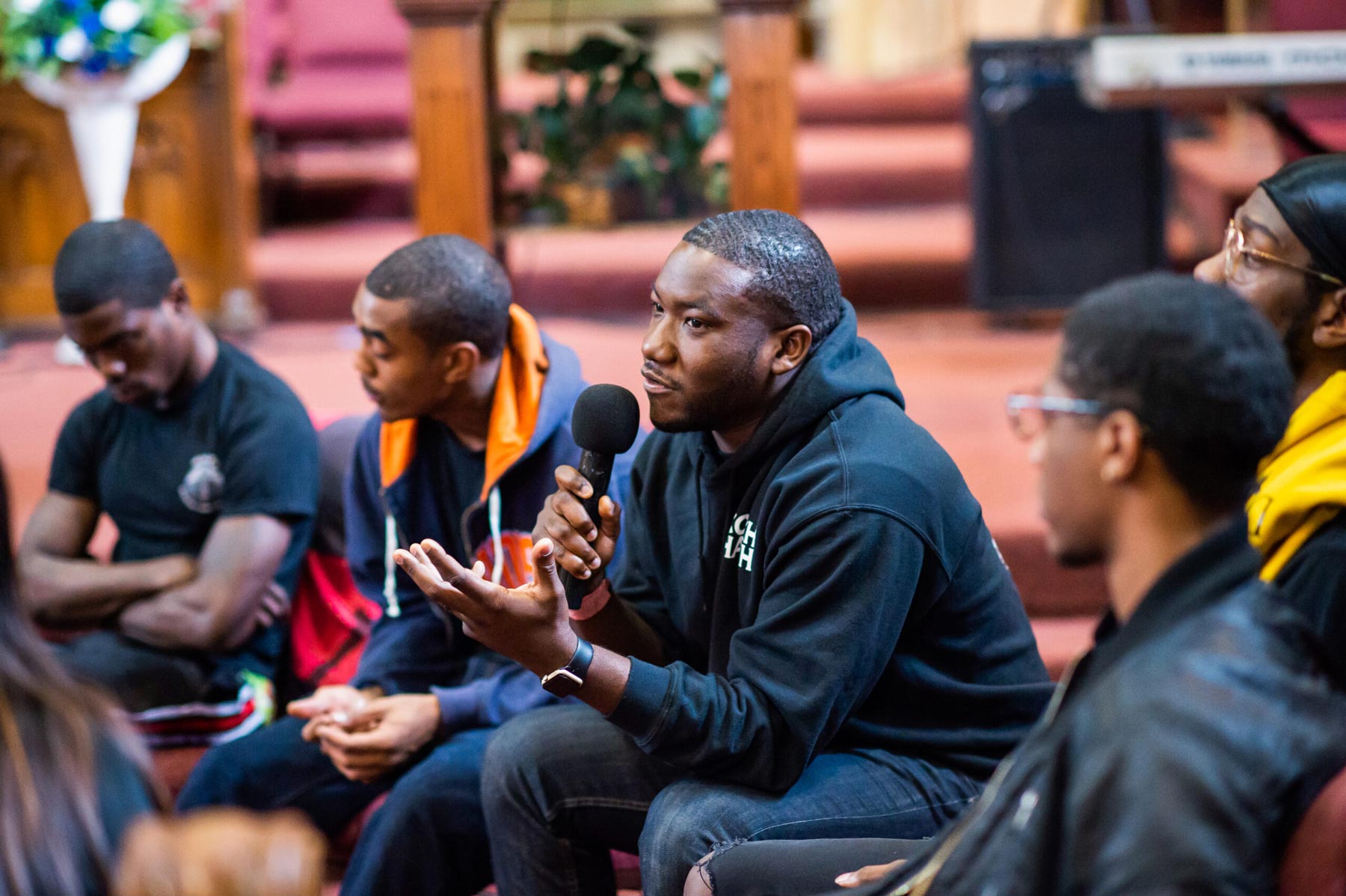


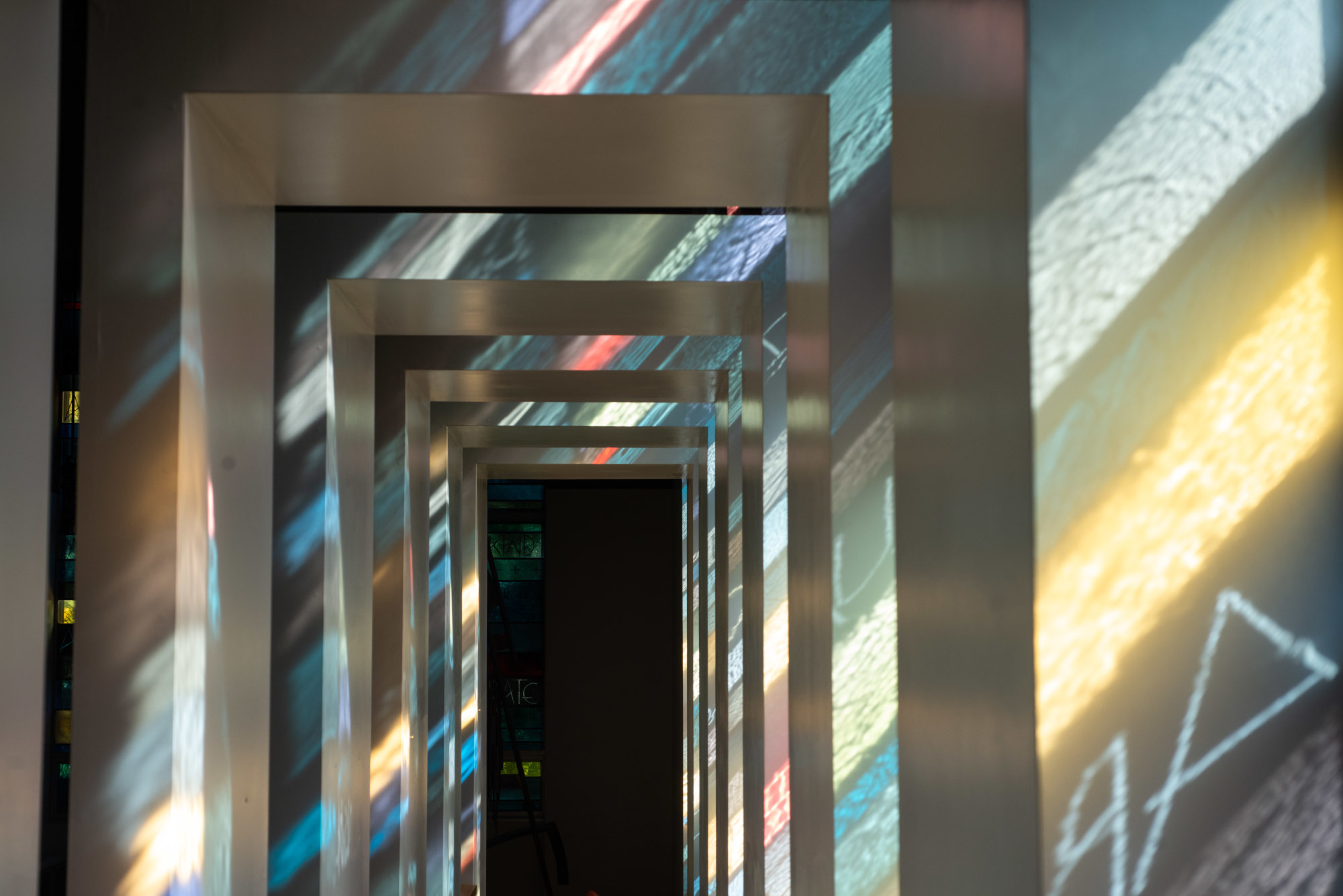

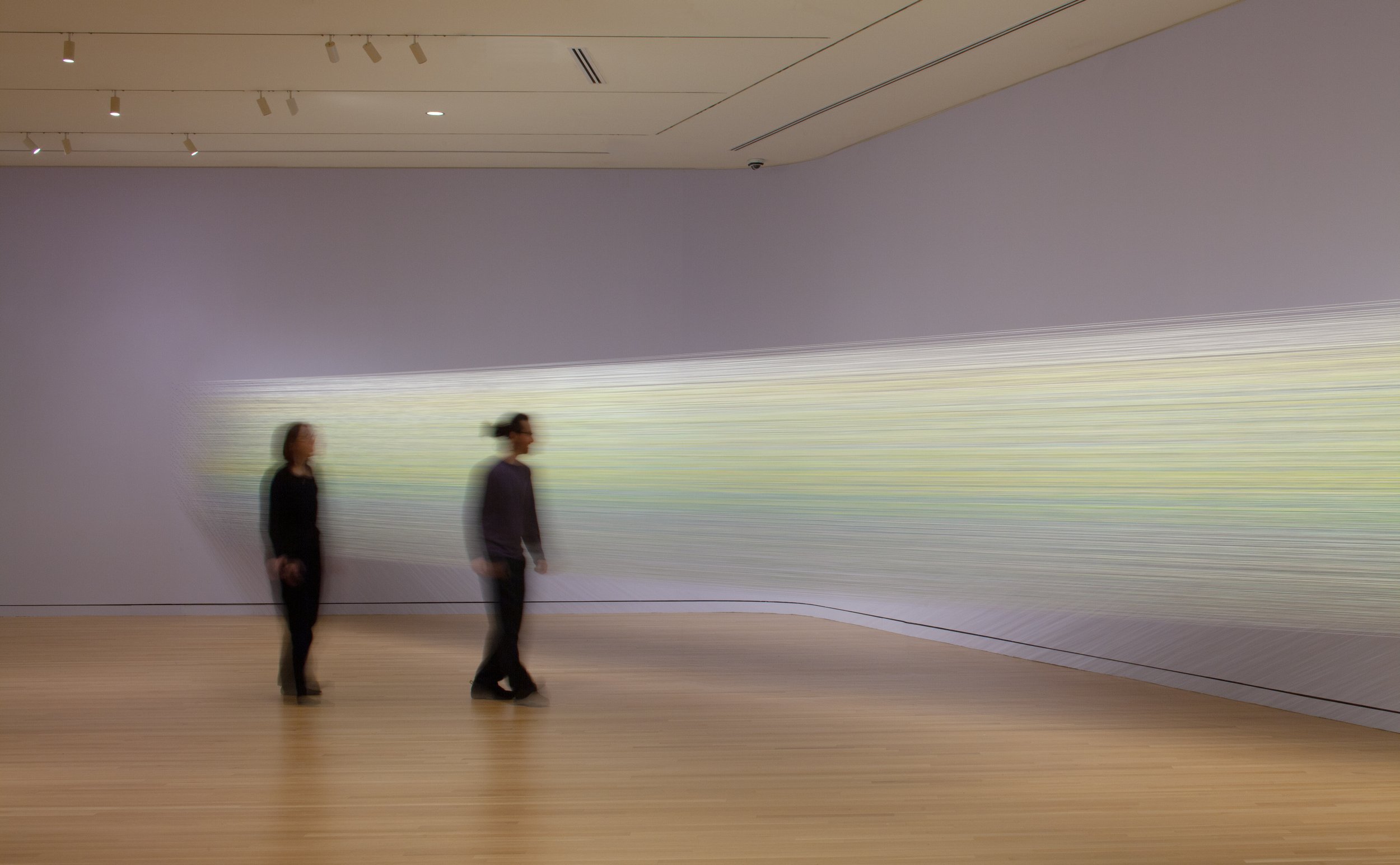


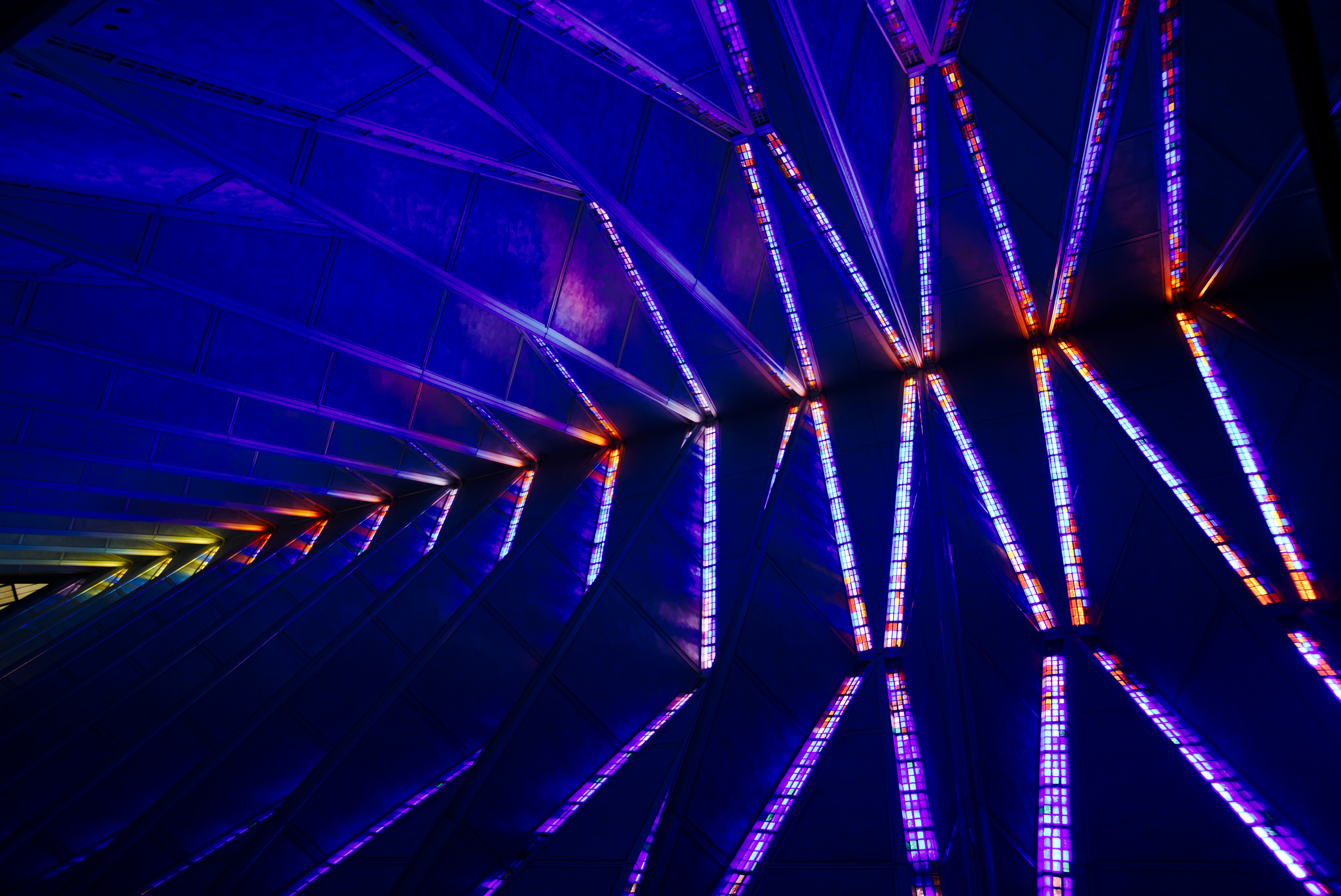


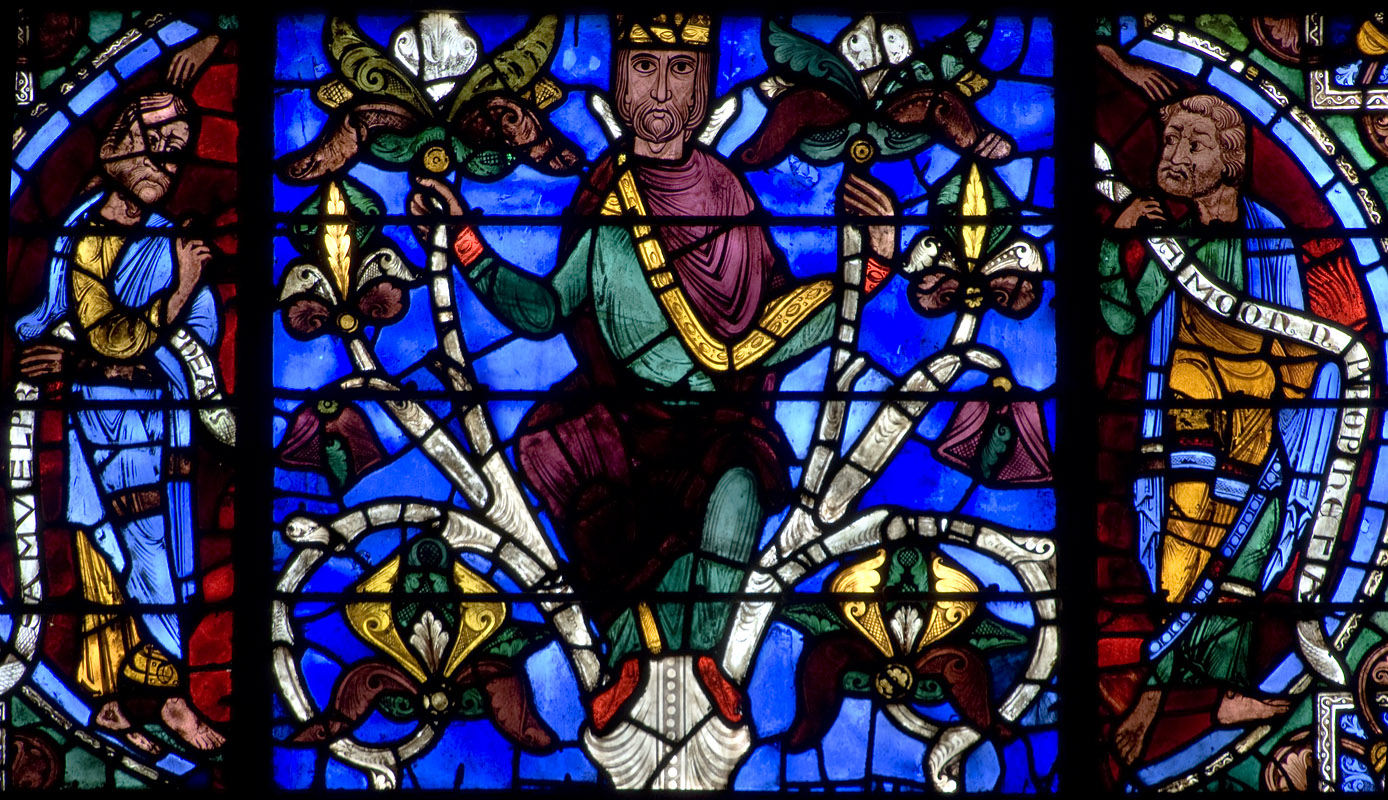
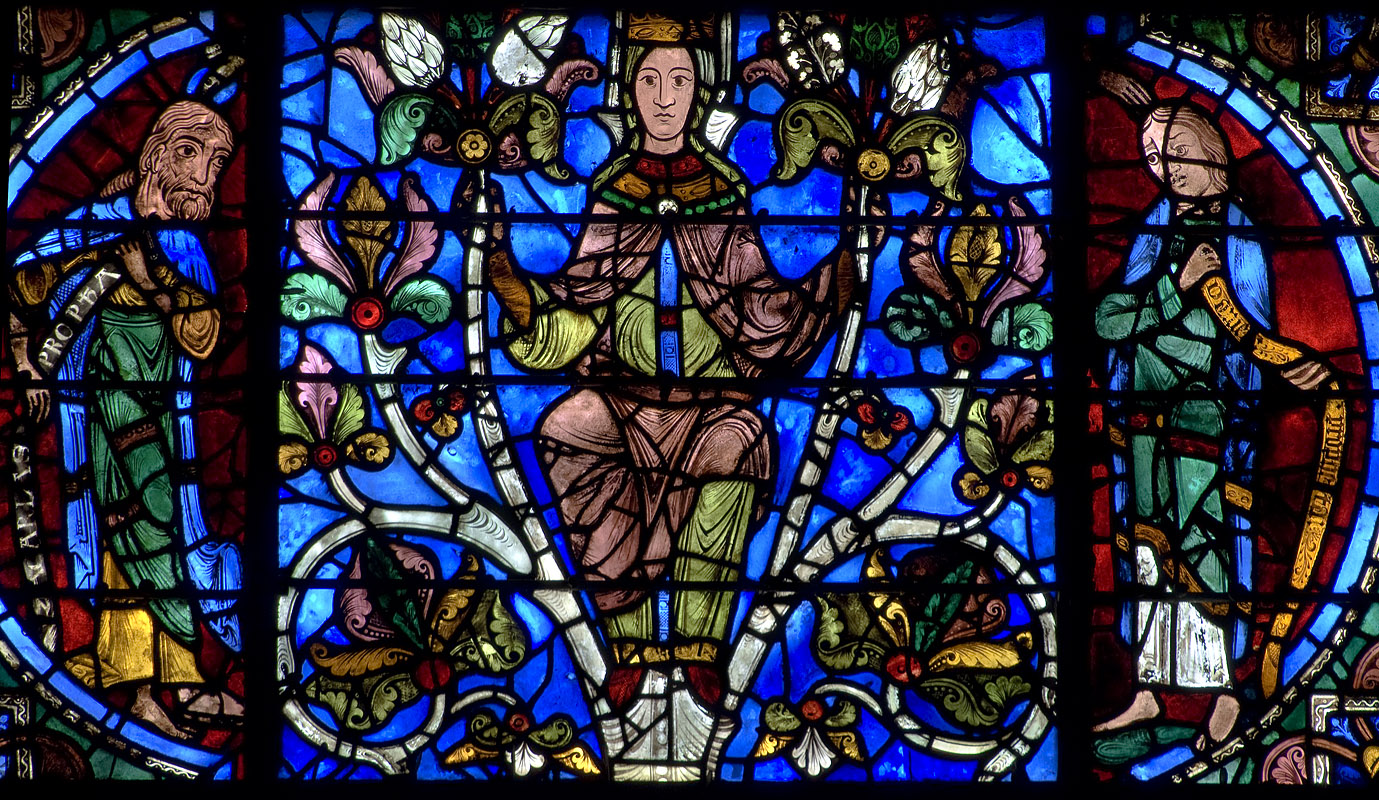


 Art & Theology