
ONLINE LECTURES organized by the Centre for Marian Studies at St Mary’s University in Twickenham:
If you’d like to register for either of these (they’re free), email Catherine O’Brien at info@marianstudies.ac.uk. View additional online lecture offerings at https://www.marianstudies.ac.uk/post/research-seminar-schedule.
>> Annual Candlemas Lecture by Ayla Lepine, February 3, 2025, 7 p.m. GMT (2 p.m. ET): Rev. Dr. Ayla Lepine, who is the associate rector at St James’s Piccadilly in London and an art historian and theologian, “will explore two works of art featured in her forthcoming book, Women, Art, God. In the series entitled The Annunciation (A Study), Julia Margaret Cameron reimagined and reconfigured paintings by Renaissance artists including Perugino and Lippi. In her photography, blurred and hazy aspects of the image are suggestive of the Holy Spirit in this new technology.
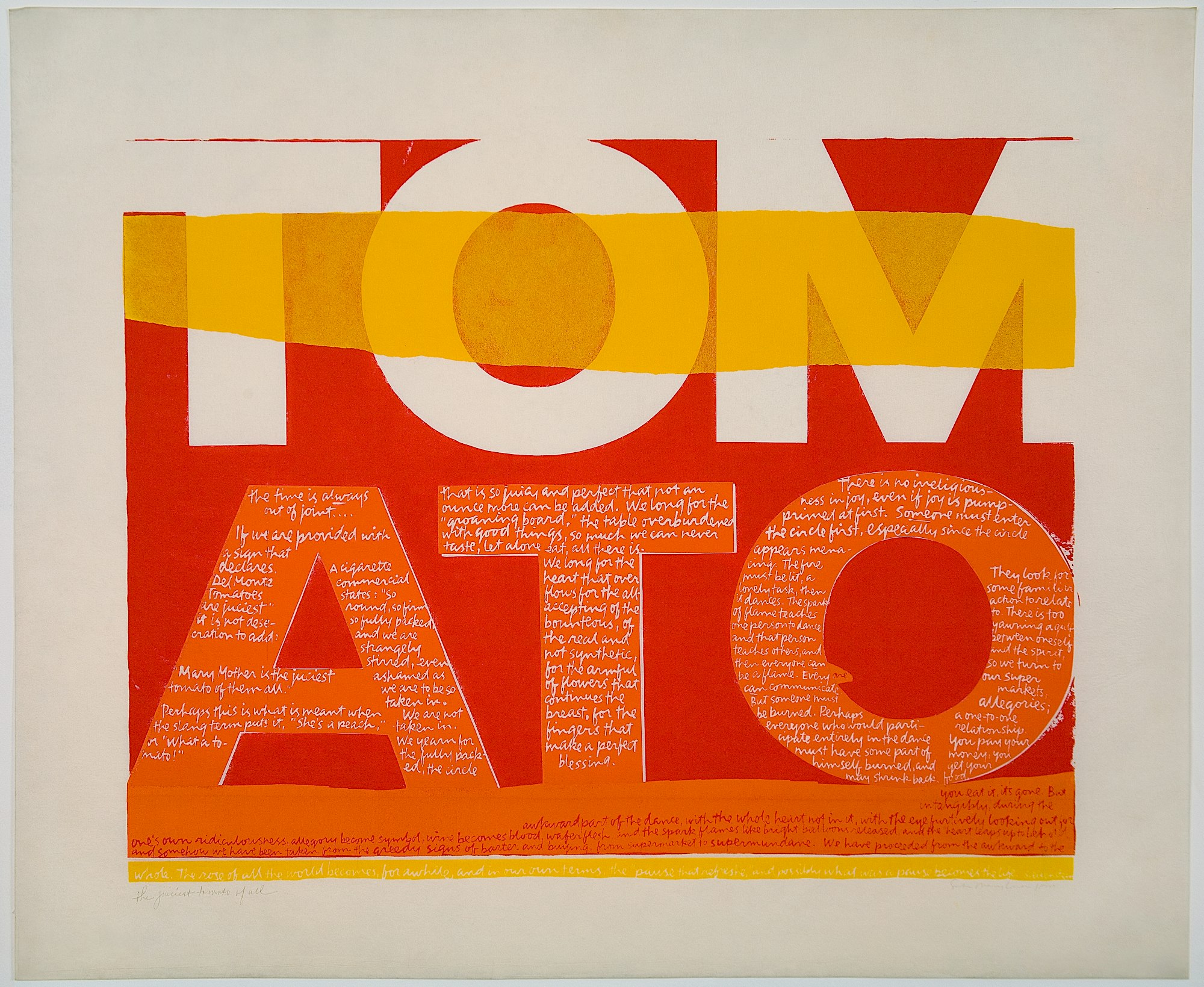
“A century later, the American nun Sister Corita Kent produced a groundbreaking silkscreen print, The Juiciest Tomato of All. This artwork compared the Virgin Mary to a ripe fruit, with a title inspired by Del Monte tinned fruit and vegetable slogans from her local supermarket. By considering these two artworks by women from the nineteenth and twentieth centuries as a pair, new ways of encountering Mary in art history, theology, and prayer can emerge with unexpected resonance for the twenty-first century.”

>> “The Annunciation in Theology and Art: Shedding New Light on an Old Doctrine” by Tina Beattie, March 26, 2025, 3 p.m. GMT (10 a.m. ET): No details other than the title have been given about this lecture. But the speaker is a leading Marian theologian and writer whom I’ve been familiar with for some time, and an emerita professor of Catholic studies at the University of Roehampton. Her research is in the areas of gender, sexuality, and reproductive ethics; Catholic social teaching and women’s rights; theology and the visual arts, especially images of Mary; and the relationship between medieval mysticism, sacramental theology, and psychoanalytic theory.
+++
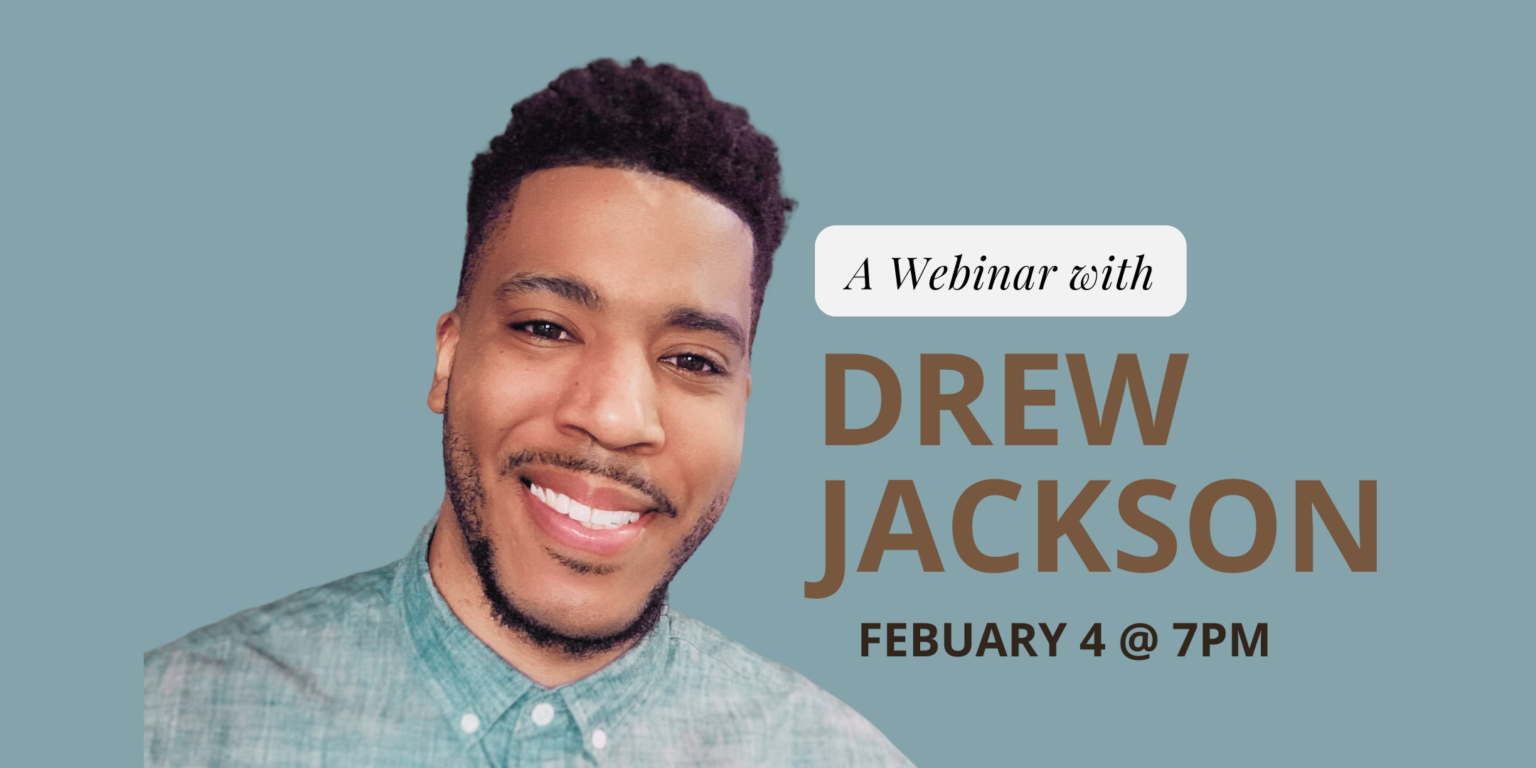
WEBINAR with Drew Jackson, Eugene Peterson Center for Christian Imagination, February 4, 2025, 7 p.m. ET: A conversation on the intersection of poetry, ministry, and Christian imagination. Registration is free. “Drew Jackson is a poet, speaker, and public theologian. He is author of God Speaks Through Wombs: Poems on God’s Unexpected Coming and Touch the Earth: Poems on the Way. . . . Drew received his B.A. in Political Science from the University of Chicago and his M.A. in Theology from Fuller Theological Seminary. He currently works as the Managing Director of Mission Integration for the Center for Action and Contemplation, and lives in Brooklyn, NY, with his wife and daughters.”
+++
CONFERENCES/SYMPOSIA:
>> Calvin Symposium on Worship, Calvin University, Grand Rapids, Michigan, February 5–7, 2025: “An ecumenical conference dedicated to worship and learning, bringing together people in a variety of roles in worship and leadership from across the country and around the world.”
>> Contemporary Art as/in Pilgrimage, Columbia University, New York, February 11, 2025: Organized by the Association of Scholars of Christianity in the History of Art, this one-day symposium “will explore such questions as: Are galleries, museums, art expos, and art installations the new ‘slow spaces’ for spiritual sustenance and transcendent experiences? How are temples, churches and other ‘religious’ sites transformed by artist installations intended to invoke deep spiritual encounter and healing? And how is the art of contemporary artists working in a diversity of media and practice seen through the lens of pilgrimage?”
The keynote speaker is Kathryn R. Barush, author of Imaging Pilgrimage: Art as Embodied Experience (Bloomsbury, 2021). She will be joined by eleven other presenters. Plus, Elissa Yukiko Weichbrodt, author of Redeeming Vision: A Christian Guide to Looking at and Learning from Art, will lead attendees in the practice of intentional looking at the Cathedral of Saint John the Divine.
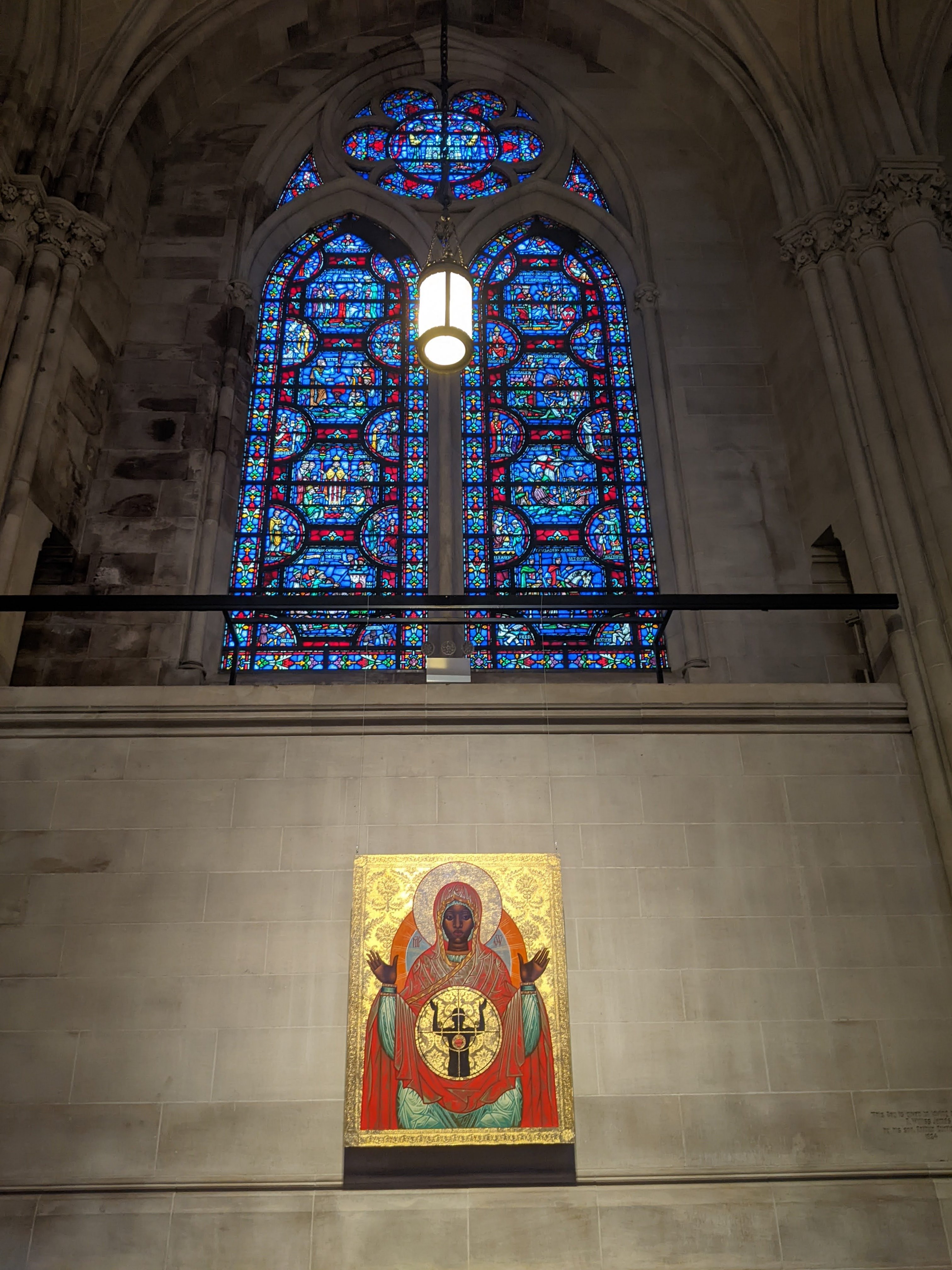
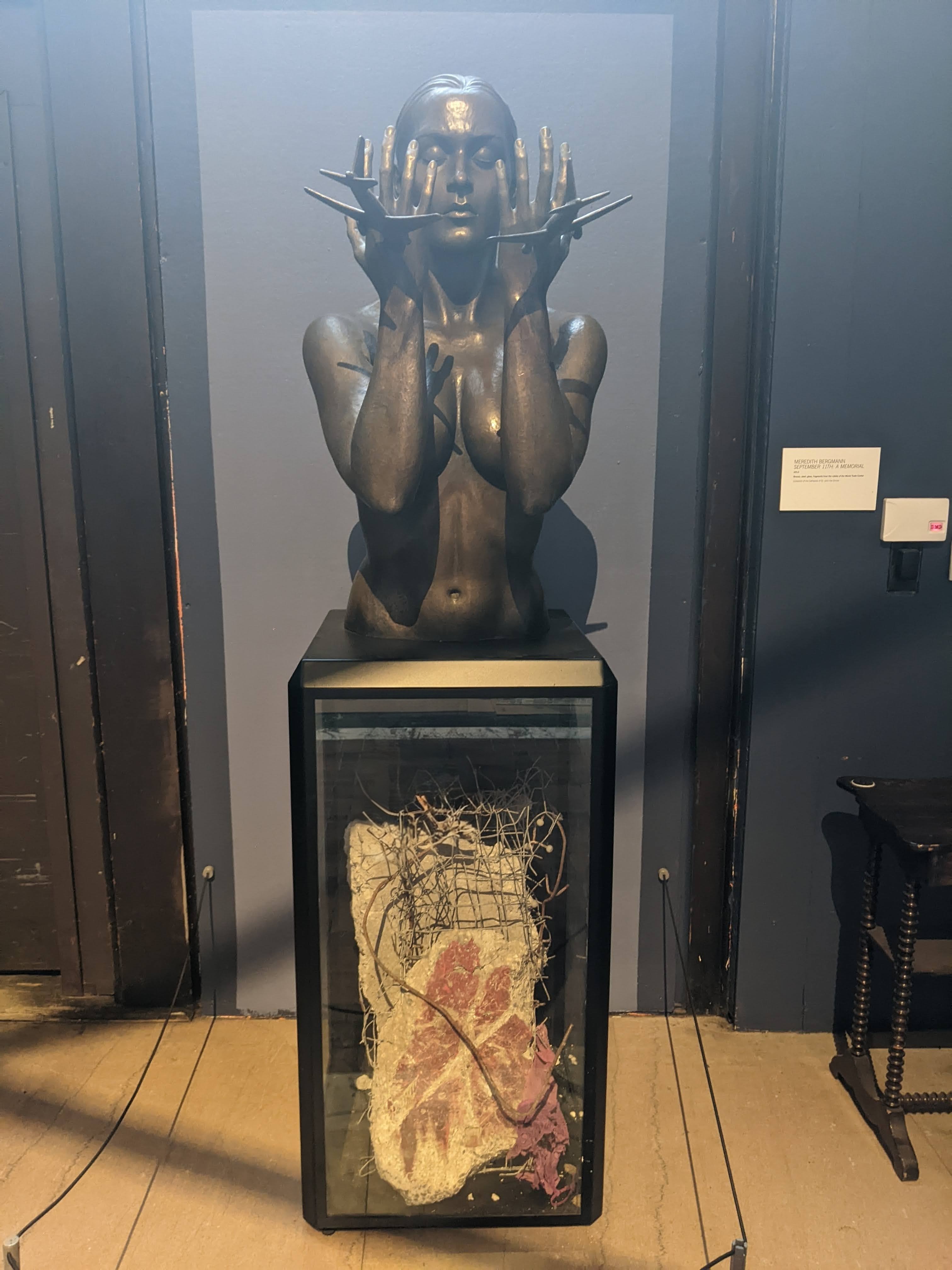
>> Square Halo Conference, Trust Performing Arts Center, Lancaster, Pennsylvania, March 7–8, 2025: “The Square Halo conferences have offered times not only of fascinating and inspiring ideas in a high caliber of wide and varied presentations, but also of rich, meaningful interactions, dialogue, and (in a deep sense of this word) fellowship. Creativity, collaboration, and community . . . an apt description of what [takes] place” (Matthew Dickerson).
The keynote speaker is Diana Pavlac Glyer, who teaches literature, history, theology, and philosophy in an integrated Great Books curriculum at Azusa Pacific University, and the Saturday-night concert will feature Thomas Austin and Skye Peterson.
>> The Breath and the Clay, Winston-Salem, North Carolina, March 21–23, 2025: “This year we will explore how the light gets in through the fragments of our stories, our lives and our art. We are each built of broken pieces, a mosaic of joys and sorrows, of mundane and miraculous happenings. When we surrender the full spectrum of our human experience, even our pain, doubts and sorrows can heal into art. Through our workshops, keynote talks, immersive gallery and performances, we will explore various facets of the creative life and how everything from inspiration to the everyday, from family to vocation and community coalesce to reveal a hidden wholeness.”
Presenters include Sho Baraka, Vesper Stamper, Justin McRoberts, Cheryl Bridges Johns, Elissa Yukiko Weichbrodt, and more.
>> Illuminate: Art and Faith, Southern Adventist University, Collegedale, Tennessee, March 31–April 1, 2025: “Author and theologian Frederick Buechner famously wrote, ‘Pay attention to the things that bring a tear to your eye or a lump in your throat because they are signs that the holy is drawing near.’ Paintings, poetry, music, and other creative mediums hold strong potential to do just that—to indirectly communicate powerful truths, many of which have eternal consequences. Are we open to what they’re telling us? Will we utilize these tools to share important stories (including The Story) with others? Join us for two rich days of education, inspiration, and community! . . .
“This year’s conference will include a variety of hands-on workshops (flash fiction, drawing, songwriting), as well as sessions exploring fascinating figures, including C. S. Lewis, Madeleine L’Engle, Eugene Peterson, Kurt Vonnegut, Dorothy Sayers, Vincent van Gogh, Norman Rockwell, Ludwig van Beethoven, Duke Ellington, and many more.”
Among the session leaders and performers are art historian Elissa Yukiko Weichbrodt (Redeeming Vision), writer Douglas McKelvey (Every Moment Holy), film and literature scholar Mary McCampbell (Imagining Our Neighbors as Ourselves), pastor Russ Ramsey (Van Gogh Has a Broken Heart; Rembrandt Is in the Wind), illustrator John Hendrix (The Mythmakers; Go and Do Likewise!), and singer-songwriter Andy Gullahorn.
>> Visible and Invisible: Surprising Encounters in Theology and the Arts (DITA 2025), Duke University, Durham, North Carolina, September 4–7, 2025: I’ll be attending this one! Organized by Duke Initiatives in Theology and the Arts. “How can the arts help us open up the very heart of the Christian faith, celebrated at the Council of Nicaea in 325, that Jesus Christ is ‘one in being’ with God? Featuring world-class academics, artists, musicians, and clergy from around the globe and a robust range of programming, DITA2025 is a four-day symposium at Duke University celebrating Nicaea and the myriad surprises the Creed holds in store for artists, academics, clergy, and parishioners today. . . .
“By pairing theologians with poets, clergy with novelists, dancers with liturgists, musicians with scholars, the symposium will generate a series of meetings rarely offered in academic and artistic settings. Including interactive keynotes, plenary presentations, seminar lectures, applied workshops, an evening concert, and more, DITA2025 is a unique opportunity to experience the arts and the academy in action.”

Speakers include Rowan Williams, Chigozie Obioma, Natalie Carnes, Sandra McCracken, James K.A. Smith, Malcolm Guite, Amy Peeler, and Josh Rodriguez. Early-bird registration ends February 15.
 Art & Theology