Roundup: Films for Advent, new Advent books, and more

BLOG SERIES: Three excellent, brief musings on the season of Advent by W. David O. Taylor, published last year on his blog:

  1. “Advent is for singing not-Christmas songs”: “This is, of course, easier said than done. Hymnals fail to supply a decent list of options and congregants often clamor for the ‘traditional’ carols, the songs of triumphant appearance and glorious coming. Yet this insistence fights against the dominant concern of the Gospels. Luke especially spends the bulk of his story anticipating Christ’s birth rather than narrating his arrival. The dramatic tension lies in what’s to come—not in what’s happened already . . .”
  2. “Advent is about being neither fish nor fowl”: “In being neither here nor there, Advent reminds us of our truest identity. We are amphibious creatures . . .”
  3. “Advent is about the goodness of divine interruptions”: “The entire story of Advent is a story of interruptions. . . . May we, like the actors in God’s divine nativity drama, have eyes to see and hearts to welcome his interrupting work in our lives. May we trust that he wills our deepest good in these interruptions. May we be blessed in our trust in him.”

+++

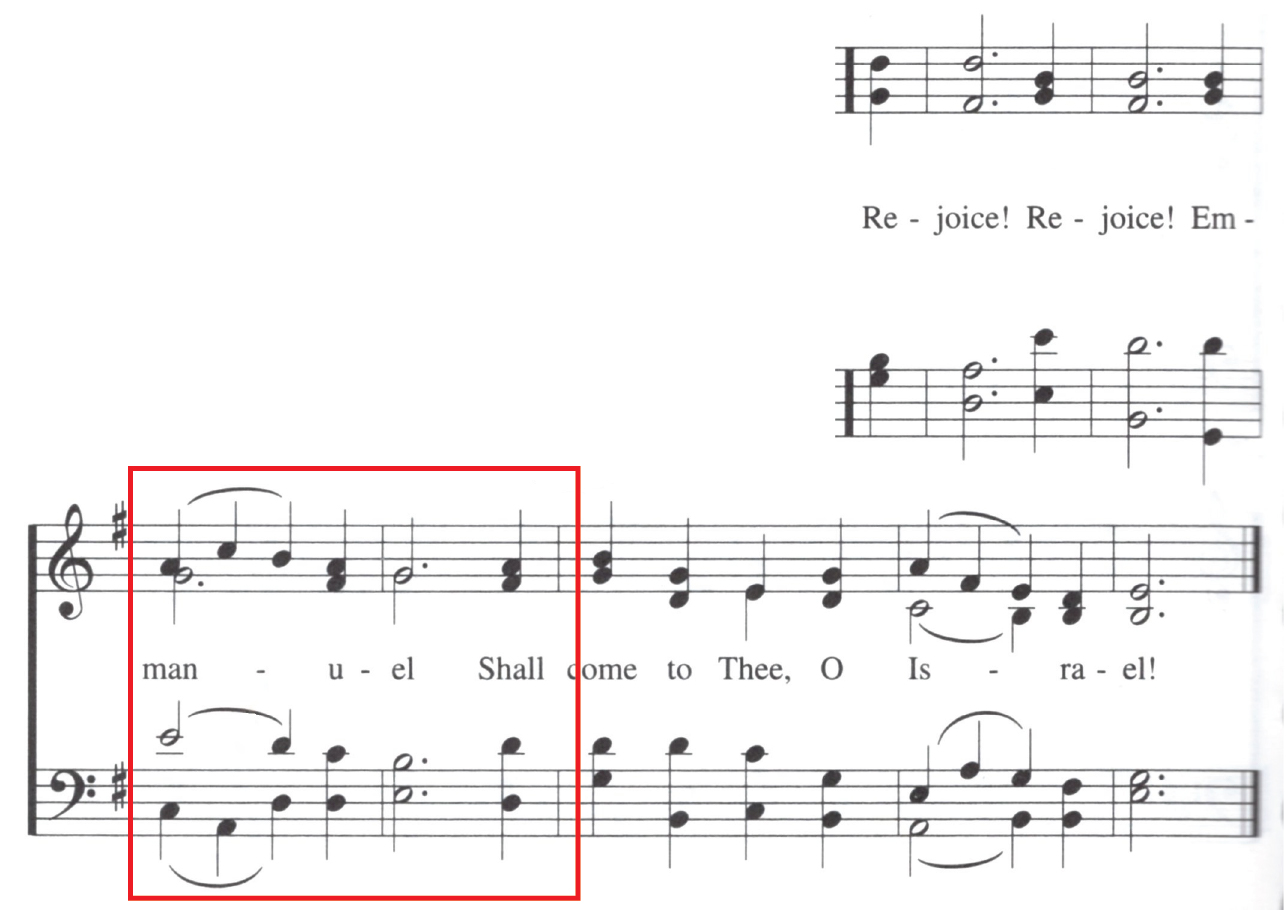
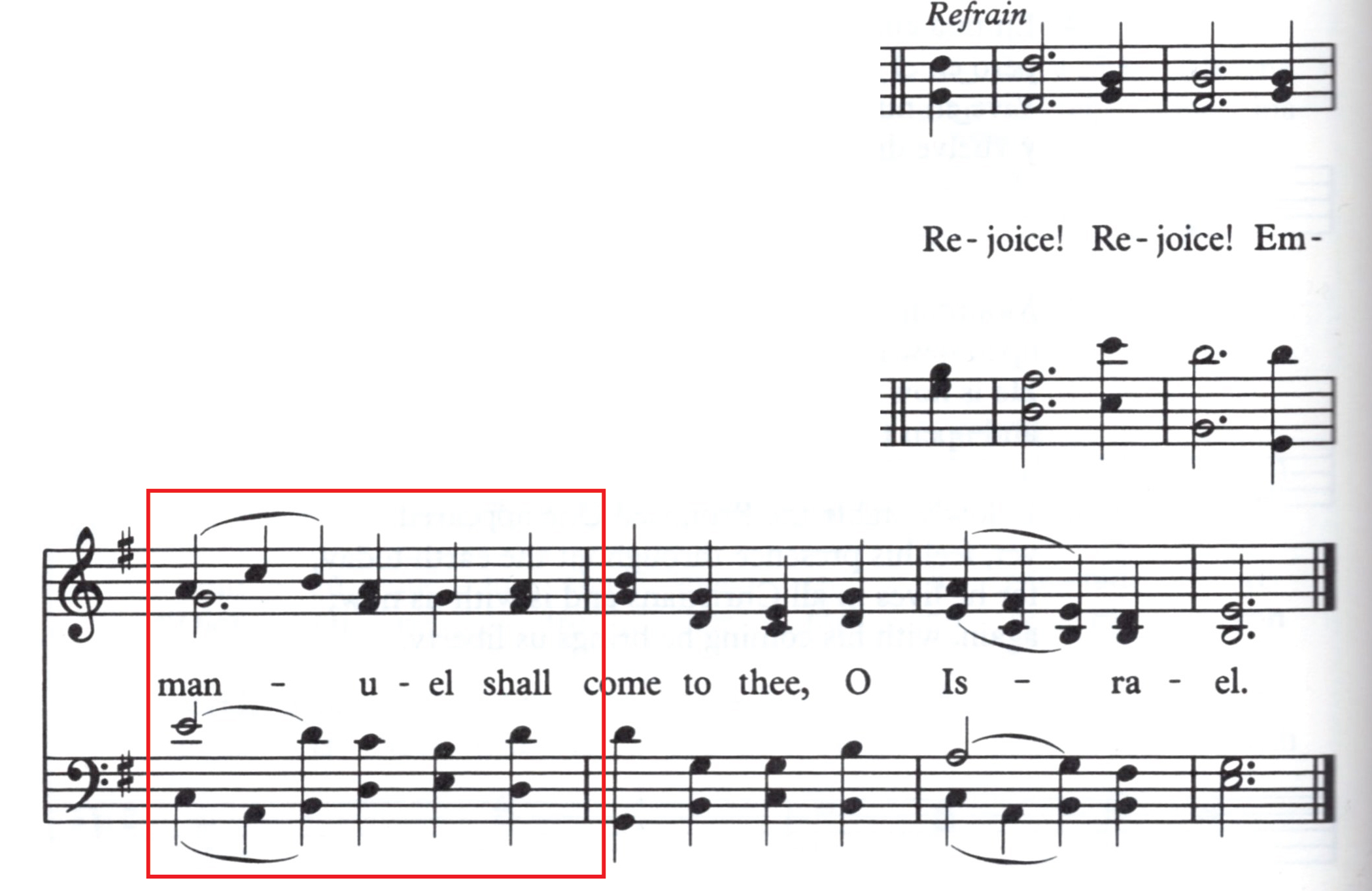
ESSAY: “O Come, O Come, Emmanuel: Dark Good News” by Linda Gregerson, Image: Poet Linda Gregerson reflects, in prose, on the quintessential Advent hymn, which dates back to the Middle Ages. She grew up singing it in her Methodist church every December. “It’s ironic, really—it quite betrays me—to realize that I must have loved this hymn for its whiff of the monastery: chalice and incense smuggled in by way of the minor chord. There’s a moment, a breathtaking moment, when the meter defies expectation. Everything has been steady-as-you-go, four-four time, all quarter notes and dotted halves. But during that remarkable refrain, just when you expect to dwell on the last syllable of the holy name for a count of three, as every verse before this has prepared you to do, the hymn leaps forward and anticipates itself by half a measure. No breath, no stately pause: Emmanuel / Shall come to thee, as though rushing to arrival. Those missed beats never fail to stop my heart.”

I didn’t know what Gregerson was talking about until I looked up the notation in The United Methodist Hymnal no. 211, and sure enough, in measure 15 there are two extra beats. In all the other hymnals I have (and all the recordings of the song I’ve heard), that measure is divided into two and the regular meter sustained, with “el” held out for three beats. Interesting! It does feel unnatural to me to sing it the way she suggests, but she offers a compelling theological reason for why the arranger made that decision.
O Come_v1
This is the standard way (as far as I’m concerned) of singing “O Come, O Come, Emmanuel.” Sheet music excerpt from Majesty Hymns, the hymnal of my youth.

O Come_v2
Sheet music excerpt from The United Methodist Hymnal, showing the unusual (but significant, Gregerson claims) shift from 4/4 meter to 6/4 in one of the measures of the refrain

Here’s an example of a congregation (First United Methodist Houston) singing the refrain the way Gregerson so fondly remembers:

+++

NEW BOOKS:

>> The Art of Living in Advent: 28 Days of Joyful Waiting by Sylvie Vanhoozer: A retired French teacher and a botanical artist, Sylvie Vanhoozer was born and grew up in Provence and now lives in Illinois with her husband, the theologian Kevin Vanhoozer. In this little illustrated book, she introduces readers to the tradition of Provençal crèches, localized nativity scenes populated by santons (“little saints”). Made from the land’s clay, the santons resemble nineteenth-century villagers, who offer up gifts from their vocations—olives, bread, wine, wood, sheep, hurdy-gurdy music, herbal remedies. (Reminds me of the presepe from southern Italy that I encountered some years ago!) The crèches are also traditionally decorated with native vegetation, such as thyme, juniper, lavender, and rosemary, freshly harvested on the first weekend of Advent. This is one of the ways in which Provençals embrace Christ’s presence in their own time and place.
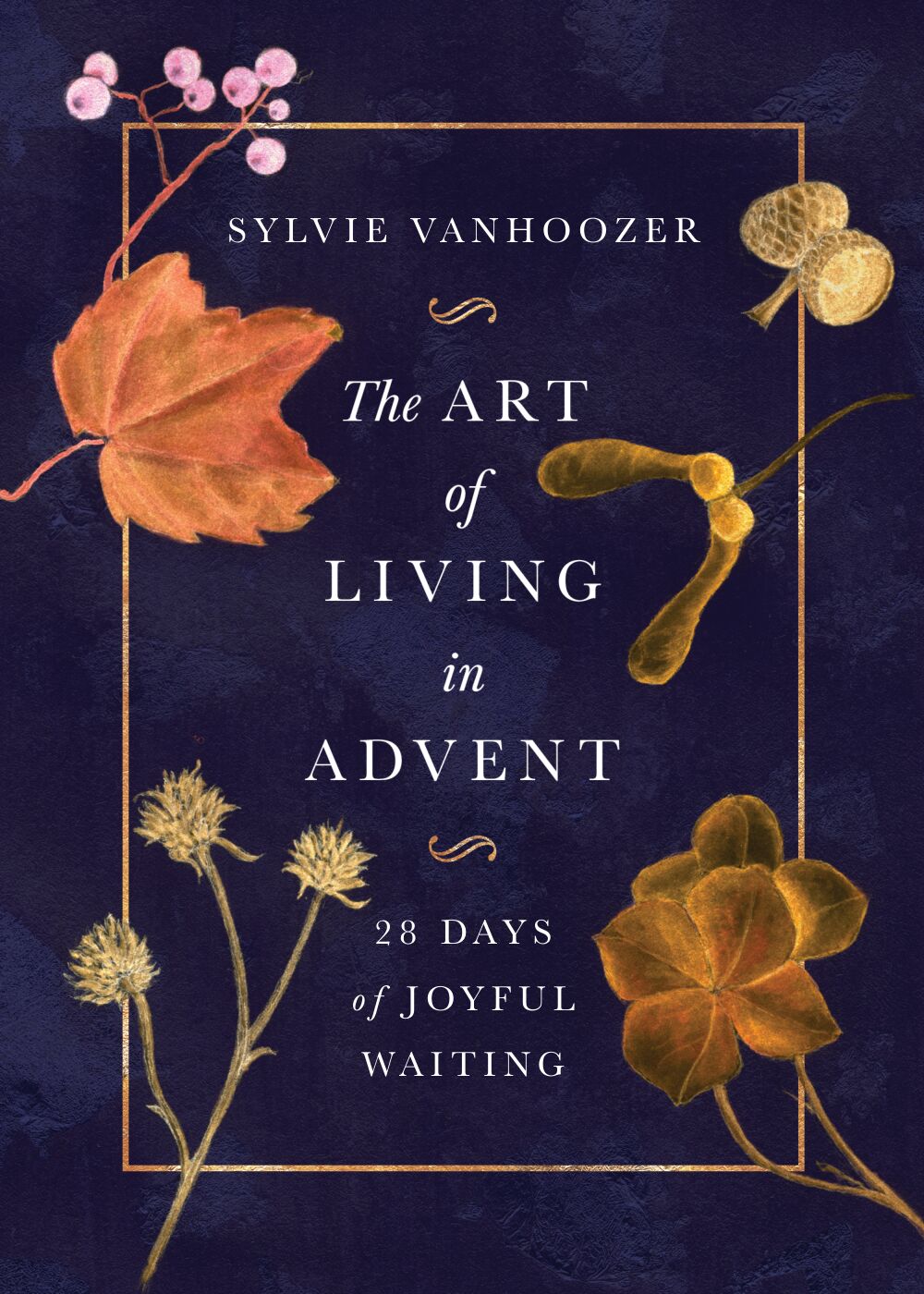
The Art of Living in Advent

“I am not inviting readers to leave their place and go to some distant land in a distant past,” Vanhoozer writes. “The invitation is rather to transpose this Provençal scene into one’s own place, to live the same story in a different context. . . . The question is not ‘Did Jesus really come to Provence?’ but rather ‘Could Jesus really come here, to me?’ Could my home, my neighborhood, my church, become a crèche scene, with Christ right here beside me, in me?”

I think this book would have worked better as a literary essay, as it feels padded out to make its ninety-page count, with redundancies and somewhat arbitrary divisions. But I love how Vanhoozer draws us into this cherished and still-living tradition from her childhood and calls us to see and participate in the story of God’s coming where we live, in all its particularities.

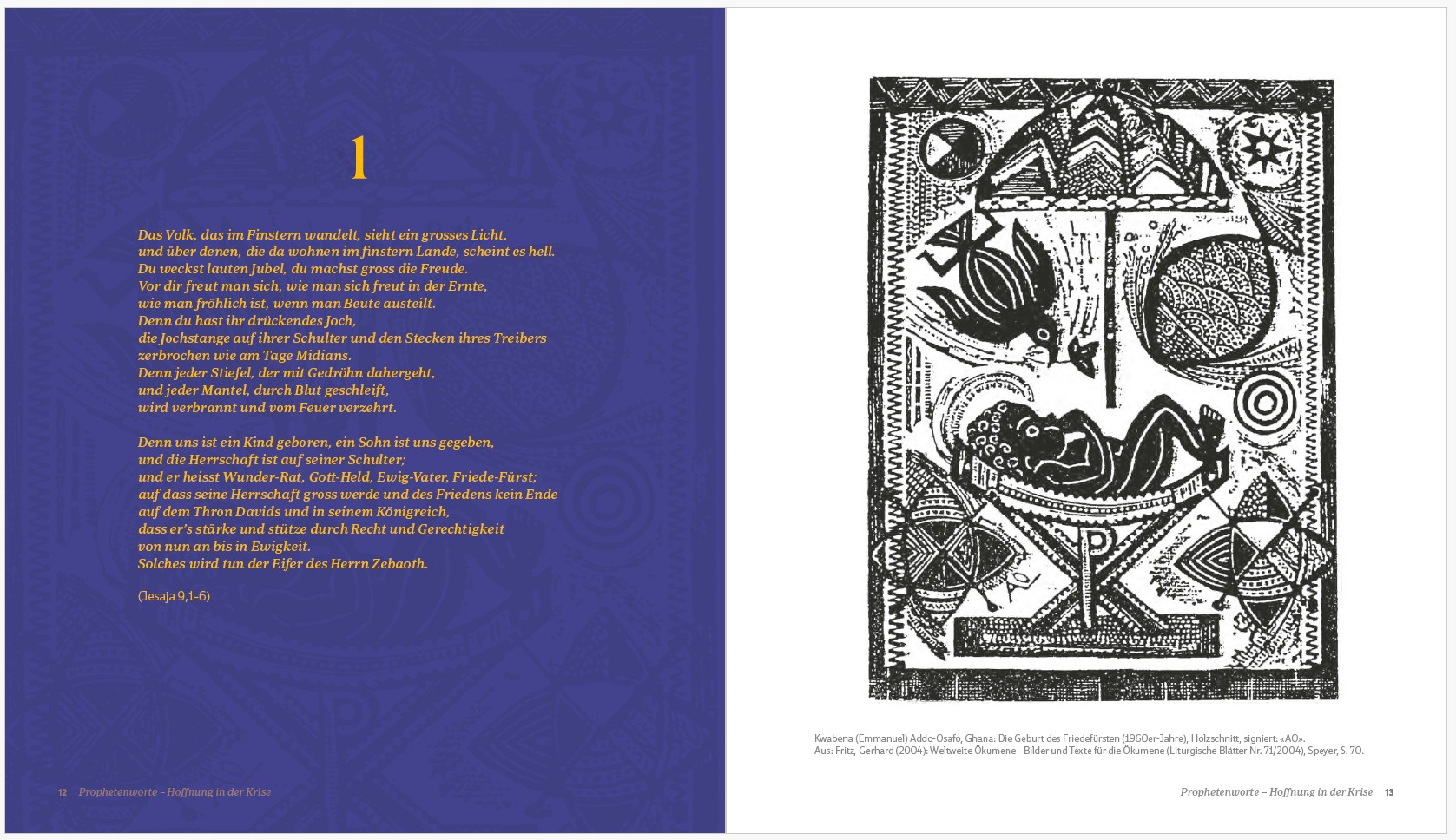
>> Advent: 24 Kunstwerke zur Bibel aus aller Welt by Christian Weber: Rev. Dr. Christian Weber [previously] is the director of studies for Mission 21, an international mission agency of the Protestant Reformed Churches in Switzerland. His work brings him into contact with religious art from diverse parts of the globe. I’m delighted by this new (German-language) book of his, whose title translates to Advent: 24 Bible-Inspired Artworks from Around the World. Organized into four parts (“Words of Prophecy,” “Parables of Jesus,” “John the Baptist,” and “Mary”) and printed in full color, the book features twenty-four primary artworks (plus some supplementary) from twenty-two countries, providing background on and interpretations of each, as well as information about the artists and a bibliography.
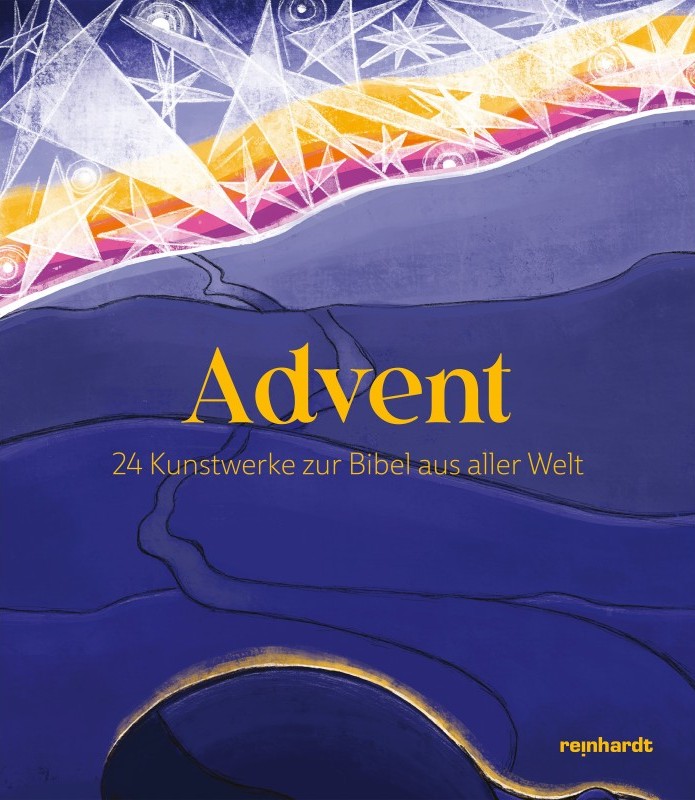
Advent (Mission 21 book cover)
Advent (Mission 21 page spread)
Sample page spread from Advent: 24 Kunstwerke zur Bibel aus aller Welt, showing a woodcut by the Ghanaian artist Kwabena (Emmanuel) Addo-Osafo

A church mural from Zimbabwe, a kalamkari from South India, a gourd carving from Peru, a manuscript illumination from Armenia—these are among the artworks Weber highlights. Some of the works are of higher quality than others, but the emphasis is on how the scripture texts of the Advent season have prompted artistic responses in a variety of places outside Europe, which is the continent that has most shaped the popular imagination when it comes to the biblical story. Weber’s Advent encourages us to widen those imaginations. Despite my fifteen or so years spent researching global Christian art, Weber is always bringing new artists to my attention! You can view sample pages from the book on the publisher’s website.

The cover image is a detail of For Those in Darkness by the American artist Lauren Wright Pittman.

Weber is looking for a North American publisher to release an English-language edition of the book.

+++

ARTICLE/VIDEO: “Five Films to Help You Observe Advent” by Abby Olcese, Think Christian: Abby Olcese, author of Films for All Seasons: Experiencing the Church Year at the Movies, provides five movie suggestions for Advent, corresponding to the themes of Hope, Faith, Joy, Peace, and Christ. (Other churches and families, like mine, substitute “Faith” with “Love” on their Advent wreaths; Olcese’s fifth pick, for Christmas Eve, would fit the “Love” theme perfectly, but see also my suggestion below.) You can read the content as an article or watch it in video format, which includes a few film clips:

ALSO: Allow me to add one of my own suggestions: American Symphony, a 2023 documentary about musical artist Jon Batiste, whose meteoric rise to fame coincided with the return of his partner Suleika Jaouad’s leukemia. Directed by Matthew Heineman, the film follows a year in the life of the married couple, as Batiste prepared for the premiere of his boundary-breaking American Symphony composition at Carnegie Hall in September 2022 while Jaouad endured chemotherapy. It has a very Advent-y feel, by which I mean its calling on God in the darkness (Batiste is a devout Christian) and its orientation around faith, hope, and love. It’s a beautiful, intimate portrait of a marriage, of creativity, courage, and care.

+++

ART: Advent Wreath by Beach4Art: Beach4Art is a family of four who create beach art inspired by beautiful nature in Devon, UK. (Follow them on Facebook, Instagram, or TikTok, and see their Etsy shop.) Below are some photos of the Advent wreath they made out of twigs, stones, and shells on Sandymere beach for the first Sunday of Advent in 2023.
Roundup: Tish Harrison Warren on Advent; make your own Advent wreath; prayer card pack; and more

Advent begins a week from Sunday, on December 1—a roughly four-week season leading up to Christmas, during which we prepare our hearts to receive the coming Christ. Here are a few resources.

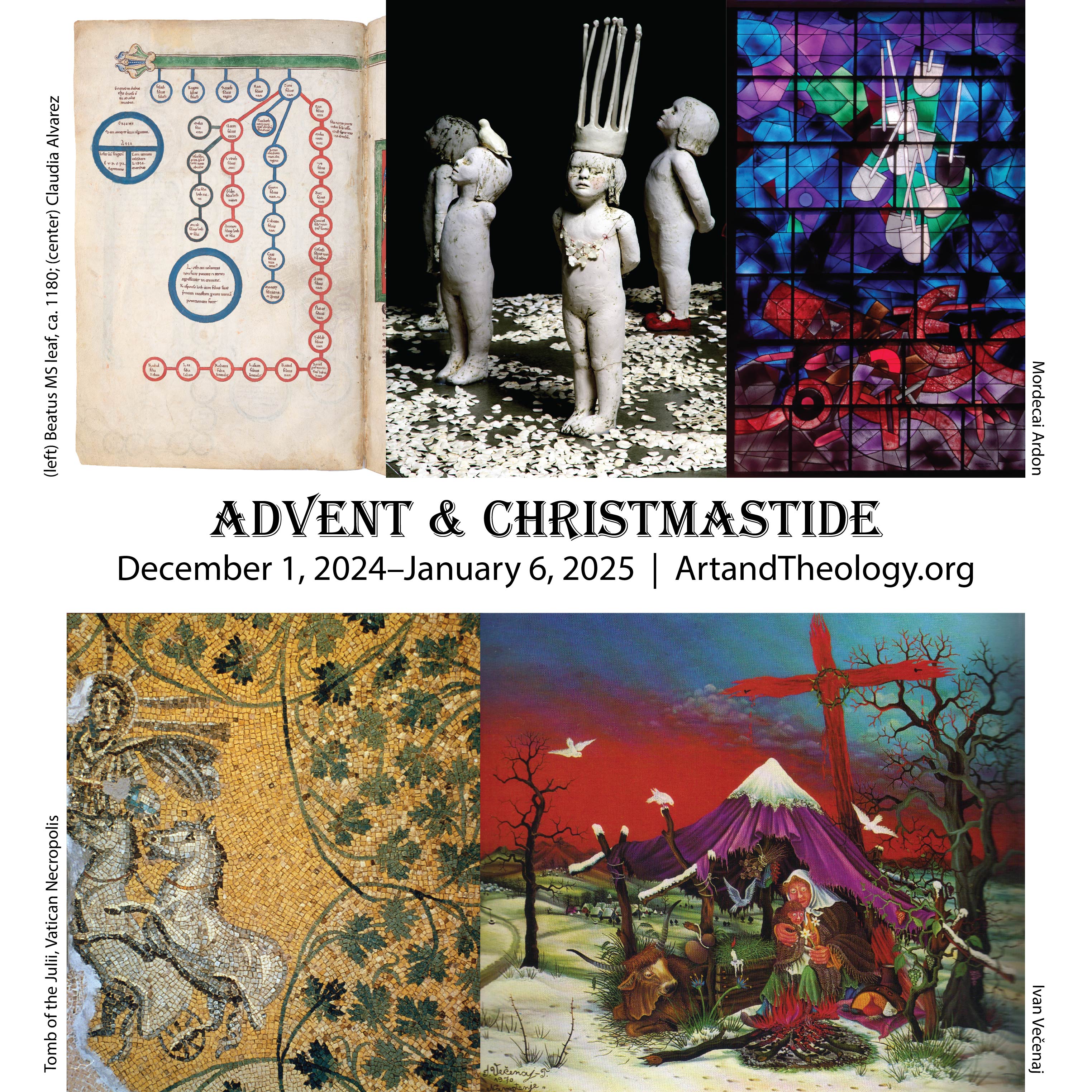
Daily posts at Art & Theology: First I want to let you know that, as I’ve done for the past three years, I will be posting daily here on the Art & Theology blog for the duration of Advent and Christmastide, each day selecting a visual artwork and a piece of music that I feel dialogue fruitfully with each other about a seasonal theme. Many Christians like to read through a devotional book during Advent, and while I do appreciate good devotional writing, I sometimes grow bored of reading prose reflections on the Christmas story. For me, I’ve found that engaging the arts frequently opens up wonder and new angles of inquiry and deepens my longing and gratitude for Christ. Songs, art, and other creative expressions help me slow down and put me in a contemplative frame of mind, and that’s why I use them as companions throughout the liturgical year.

Advent 2024 promo

Though the United States (my country) is heavily represented in the selections, I’ve tried to be intentional about featuring works from a variety of geographic locales. So you’ll see contributions from Mexico, Peru, The Gambia, Kenya, Germany, Turkey, Croatia, Japan, India, the Philippines, and more—a reflection of the global nature of Christianity.

Sometimes I will provide some written context or explication for the song or artwork or relevant biographical details for its maker, but other times I will let the works stand entirely on their own.

I’m really excited to unroll this year’s series! Advent starts December 1, but tune in a day early on November 30 for a “prelude” post to kick things off. The final post in the series will be on Epiphany on January 6. You can view the archives from previous years here:

Advent 2023 | Christmas 2023
Advent 2022 | Christmas 2022
Advent 2021 | Christmas 2021
Advent 2020 (abbreviated)

In addition to the daily posts in the music-art format, I have a few poems lined up and will continue doing periodic link roundups to direct you to other great Advent and Christmas content around the web.

+++

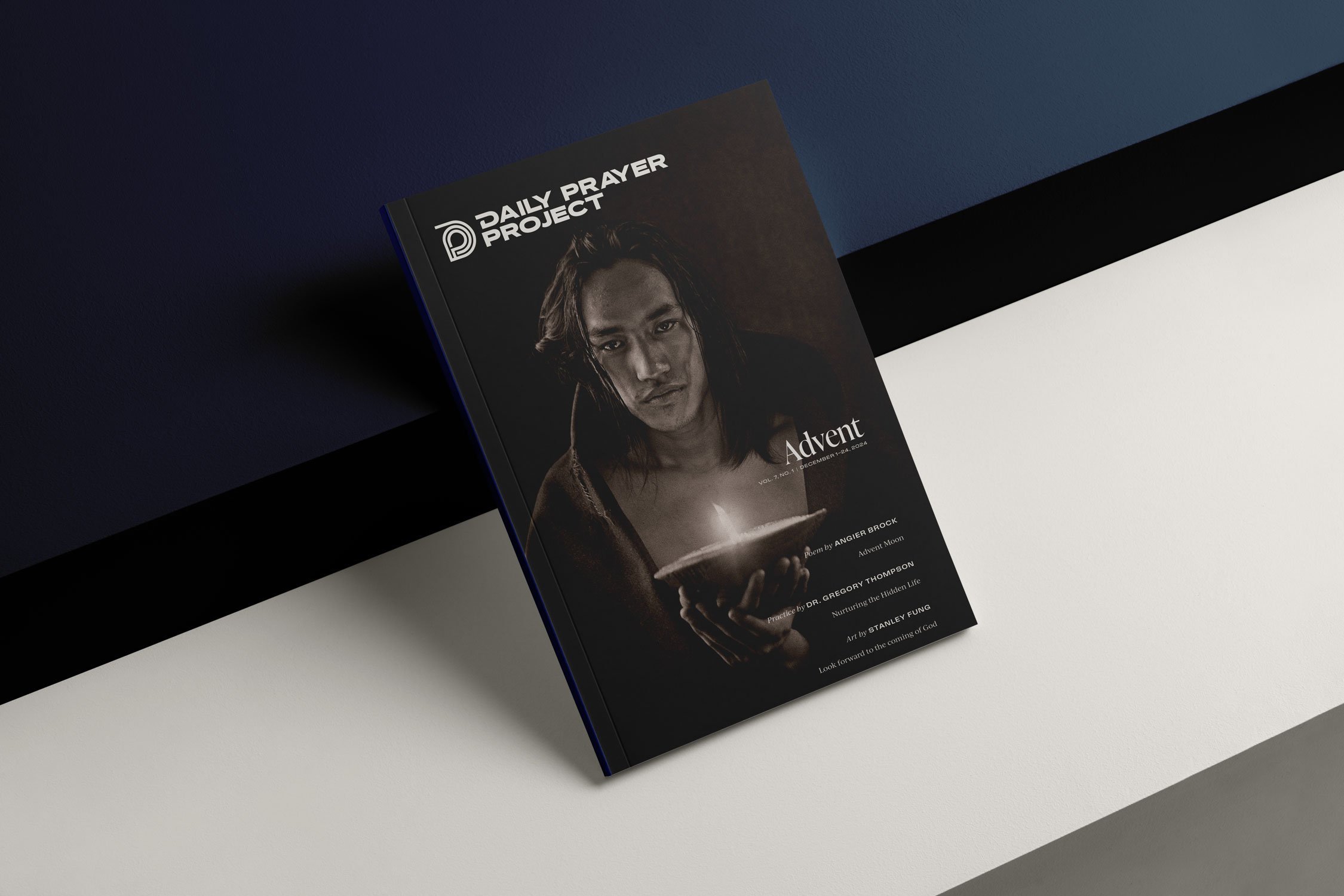
THE DAILY PRAYER PROJECT: Advent 2024: The Daily Prayer Project, a liturgical publishing nonprofit I work for as curator and copyeditor, is entering its seventh year, and our latest Advent edition is out! The cover art is Look forward to the coming of God by Stanley Fung, a pastor and photographer from Taipei; it’s one of three artworks that receive dedicated attention inside.

Advent DPP

In addition to art, the magazine includes a poem, four song sheets, two mini-essays (one on the spiritual practice of encouragement, the other on nurturing the hidden life of Christ within us), and fourteen distinct liturgies, one for each morning and evening of the week (plus a different scripture reading for every day of the season). Here is one of the featured prayers in this edition, from the Christian Council of Nigeria:

Grant us, O God, a vision of our land that is as beautiful as it could be:
a land of justice where none shall prey on others;
a land of plenty where poverty shall cease to fester;
a land of kinship where success shall be founded on service;
a land of peace where order shall rest not on force
but on the love of everyone for their community.
Give us grace to put this vision into practice
through Jesus Christ our Lord.

Our Christmas edition will also be ready for purchase soon. It covers December 25, 2024, through March 4, 2025.

+++

VIDEO INTERVIEW: “Advent: The Season of Hope” with Tish Harrison Warren, Trinity Forum, December 1, 2023: In Celebration of Discipline, Richard J. Foster writes, “In contemporary society our Adversary (the devil) majors in three things: noise, hurry, and crowds. If he can keep us engaged in ‘muchness’ and ‘manyness,’ he will rest satisfied.” The pull toward those things is particularly strong in December. But Advent calls us, counterculturally, to quietness, slowness, and moments of solitude.

Here Tish Harrison Warren, an Anglican priest and the author of Advent: The Season of Hope from IVP’s Fullness of Time series, discusses the character and history of Advent, the three traditional practices associated with it, and how to wait well. She also encourages us to ask ourselves: Where do we need Christ to come in the next year? Where do we need healing? Where do we need to find hope in the next season of our life?

The Q&A starts at 38:00 and includes questions such as: How might the theme of judgment shape our observance of Advent? How do we practice Advent during a time of jollity and indulgence and parties without being perceived as a Scrooge?

+++

SONG: “Come to Us, Emmanuel” by Ordinary Time: Made up of Peter La Grand, Jill McFadden, and Ben Keyes, Ordinary Time is a trio whose music blends elements of folk, Americana, and traditional hymnody. This original song is from their 2007 album In the Town of David, and the music video is shot around Vancouver, where the three band members met when they were students at Regent College.

** This is one of seven songs by Ordinary Time featured on Art & Theology’s Advent Playlist. Join 2,859 others in following the playlist on Spotify, which offers over twenty-one hours of music for the season.

Check out, too, Ordinary Time’s newest album, released Friday, titled You Are My Hiding Place. Favorite track: “All Shall Be Amen Alleluia.”

+++

ARTICLE: “My Favorite Advent Wreath Supplies” by Ashley Tumlin Wallace: The Liturgical Home is one of my favorite blogs to follow. It’s run by Ashley Tumlin Wallace, a pastor’s wife and mom of four from Florida who collects recipes and traditions from around the world and compiles them into liturgical living guidebooks to help families celebrate the seasons of the church in their homes. In this blog post she shares how to make your own Advent wreath, collecting greenery from outside and purchasing a few basic items.

Here’s her Instagram video showing you how to put it all together:

+++

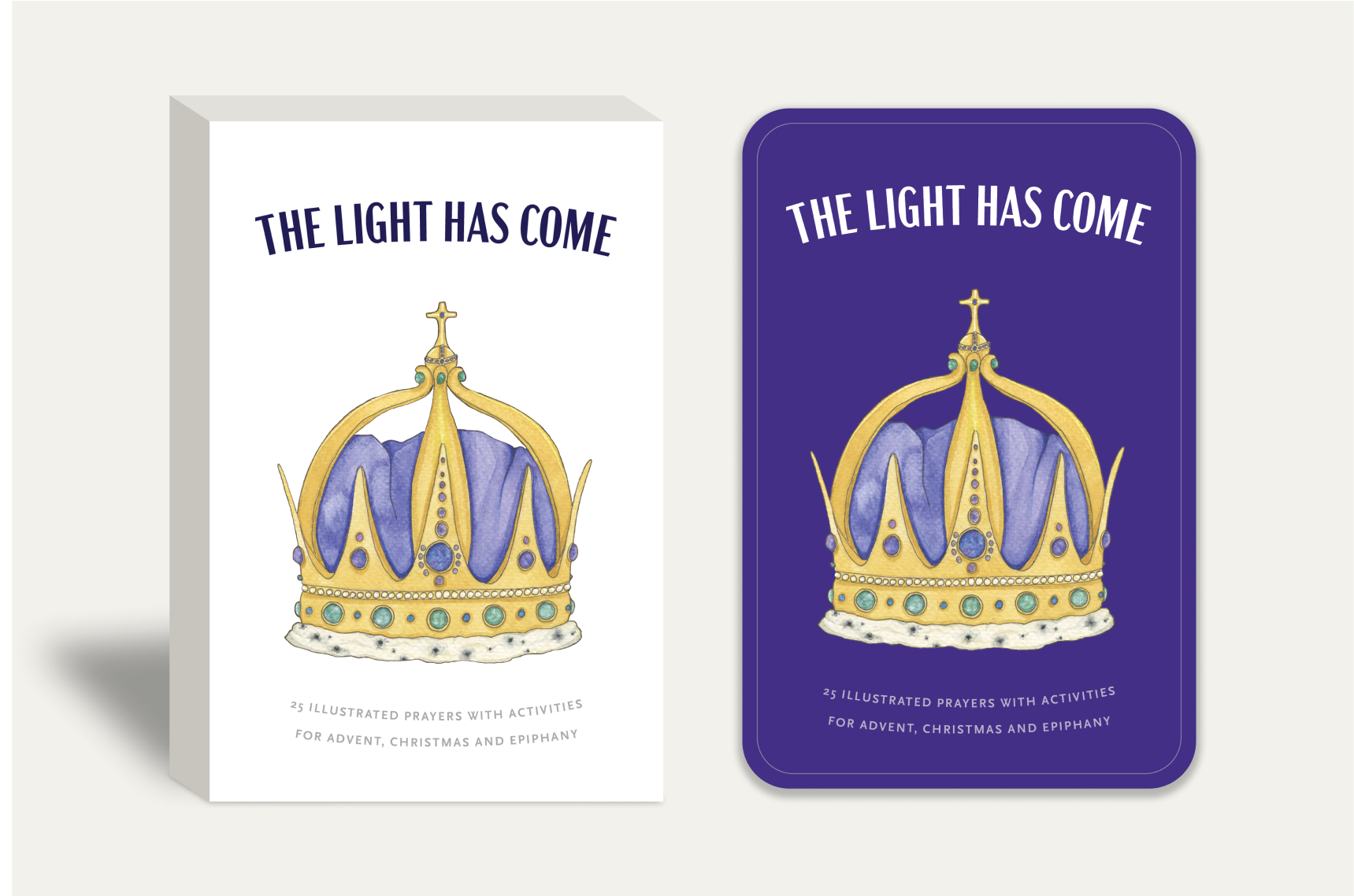
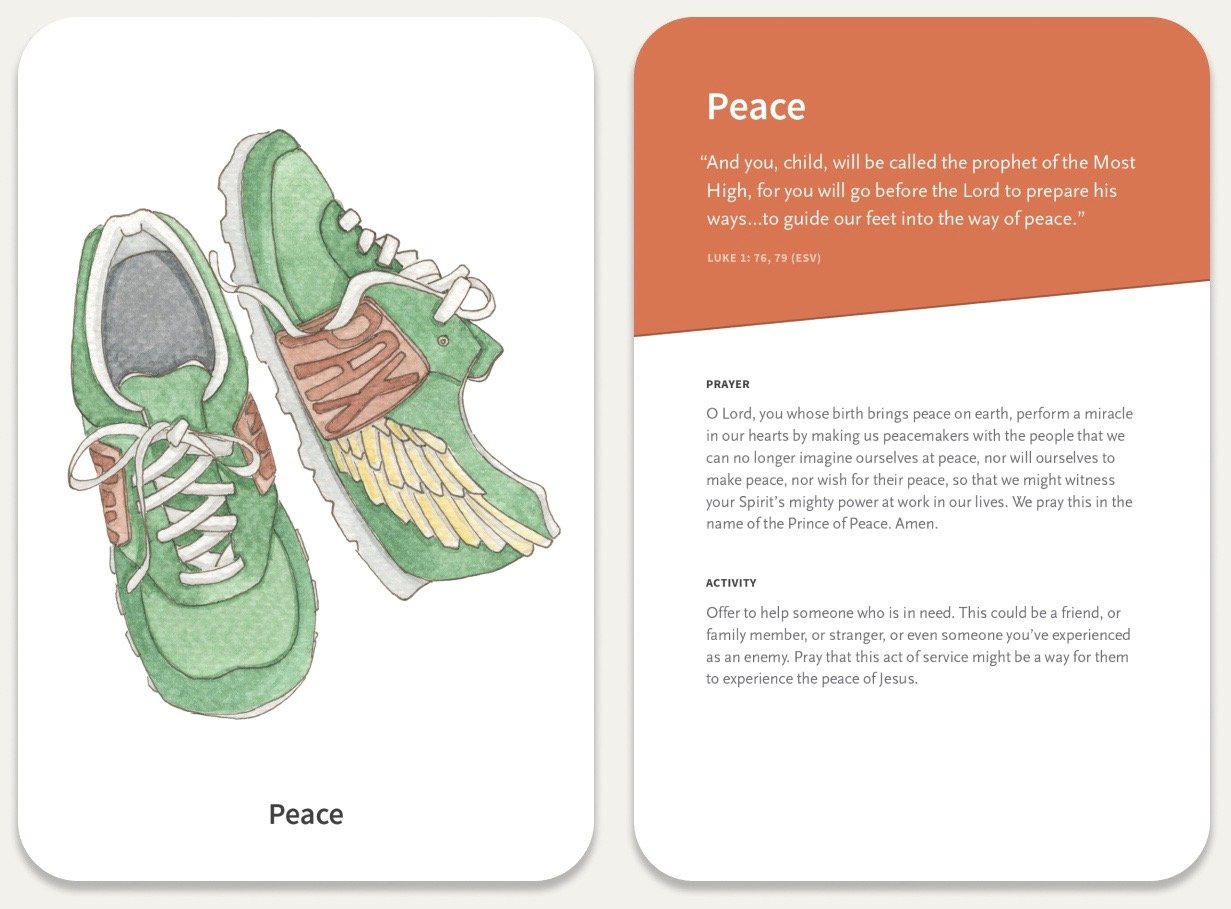
CARD PACK: The Light Has Come: 25 Illustrated Prayers with Activities for Advent, Christmas, and Epiphany by W. David O. Taylor and Phaedra Jean Taylor: Each of the twenty-five, 4 × 6 prayer cards in this pack includes a watercolor illustration by Phaedra Taylor, and on the other side a Bible verse, a collect prayer by David Taylor, and a suggested activity (e.g., stargazing, baking or buying a treat for a friend) or prayer prompt. Included are familiar themes, such as Hope, Joy, Shepherds, and Light, but also less familiar ones, like Feasting, Sorrow, Fear, and the Fantastical. There are also cards for Saint Nicholas Day, New Year’s Eve, New Year’s Day, and Epiphany. They are all held together in a cardstock sleeve.

The Light Has Come card pack
Peace (The Light Has Come)

The cards would work well in personal or family devotions, in a small group, or with church staff. “Our hope is that this box of cards will invite you to stop, look and listen afresh to the nativity narratives and to discover a story that truly heals and restores this very broken and beloved world of ours,” David writes in a blog post introducing the product.

You can order reproductions of the watercolors from this collection and others at Phaedra’s online shop.

Roundup: Worship songs in Tamil and Sesotho, contemporary church architecture, and more

SONGS:

>> “Ennil Adanga Sthothiram” (எண்ணிடலங்கா ஸ்தோத்திரம்) (Of Many Blessings I Will Sing Forever), performed by Zanbeni and Benny Prasad: On February 10, 2019, at Trinity Worship Center in Chennai, Zanbeni Prasad Odyuo, who is from Nagaland in northeastern India, sang a popular Tamil Christian praise song, accompanied on guitar by her husband, Dr. Benny Prasad. Tamil is not her native language (Lotha is), but she learned the words phonetically and worked with Tamil-speaking friends on pronunciations. The song expresses gratitude for God’s goodness and enjoins all of creation—dwellers on land and in the seas and skies—to praise him. I love this jazz waltz arrangement and Zanbeni’s gorgeous vocals.

>> “Tlotlo le be ho Modimo” (Glory to God in the Highest): A song from the Catholic Mass in the Sesotho language of South Africa, with a Latin refrain taken from Luke 2:14.

Here are the lyrics, with a rough English (auto)translation on the right:

Tlotlo le be ho Molimo
Ea busang maholimong
Khotso e be teng lefatsheng
Ho batho ba lokileng
Re u boka ka thabo
Re phehella thorisong
Gloria! Gloria! in excelsis Deo!

Re ntse re u khumamela
Ka tumelo e phelang
A re rosiseng Molimo
Tebohong e sa feleng
U mohloli e moholo
Ea busang maholimong
Gloria! Gloria! in excelsis Deo!

Jesu mora oa Molimo
U konyana e tlosang
Libe tsa lefatshe lohle
Re batla ho u rata
U re hauhele bohle
Ba llang mona lefatsheng
Gloria! Gloria! in excelsis Deo!
Glory be to God
Who reigns in the heavens
Peace be on earth
To righteous people
We praise you with joy
We pursue praise
Gloria! Gloria! in excelsis Deo!

We continue to worship you
With living faith
Let us praise God
In eternal gratitude
You are a great source
Who reigns in the heavens
Gloria! Gloria! in excelsis Deo!

Jesus, Son of God
You are the Lamb who takes away
The sins of the whole world
We want to love you
You have mercy on all
Who cry here on earth
Gloria! Gloria! in excelsis Deo!

+++

PRINT INTERVIEW (heavily illustrated!): “The Architecture of Prayer” with Amanda Iglesias, Comment: For his latest Material Mysticism column in Comment magazine, art historian Matthew J. Milliner talks with architect Amanda Iglesias, who curated the traveling exhibition The Architecture of Prayer to showcase the best of contemporary church architecture across a variety of cultures, denominations, and budgets. She discusses traditional versus modernist architecture, the church as the longest and richest of architectural experiments (even today, Christianity remains a generative influence on architecture, she says), examples of churches as conversations with history or as an exegesis of scripture, architecture’s redemptive capacity, why church projects are desirable for an architect, advice for congregations with modest means seeking to work with an architect, advice for those looking to enter the field of architecture, and book recommendations.

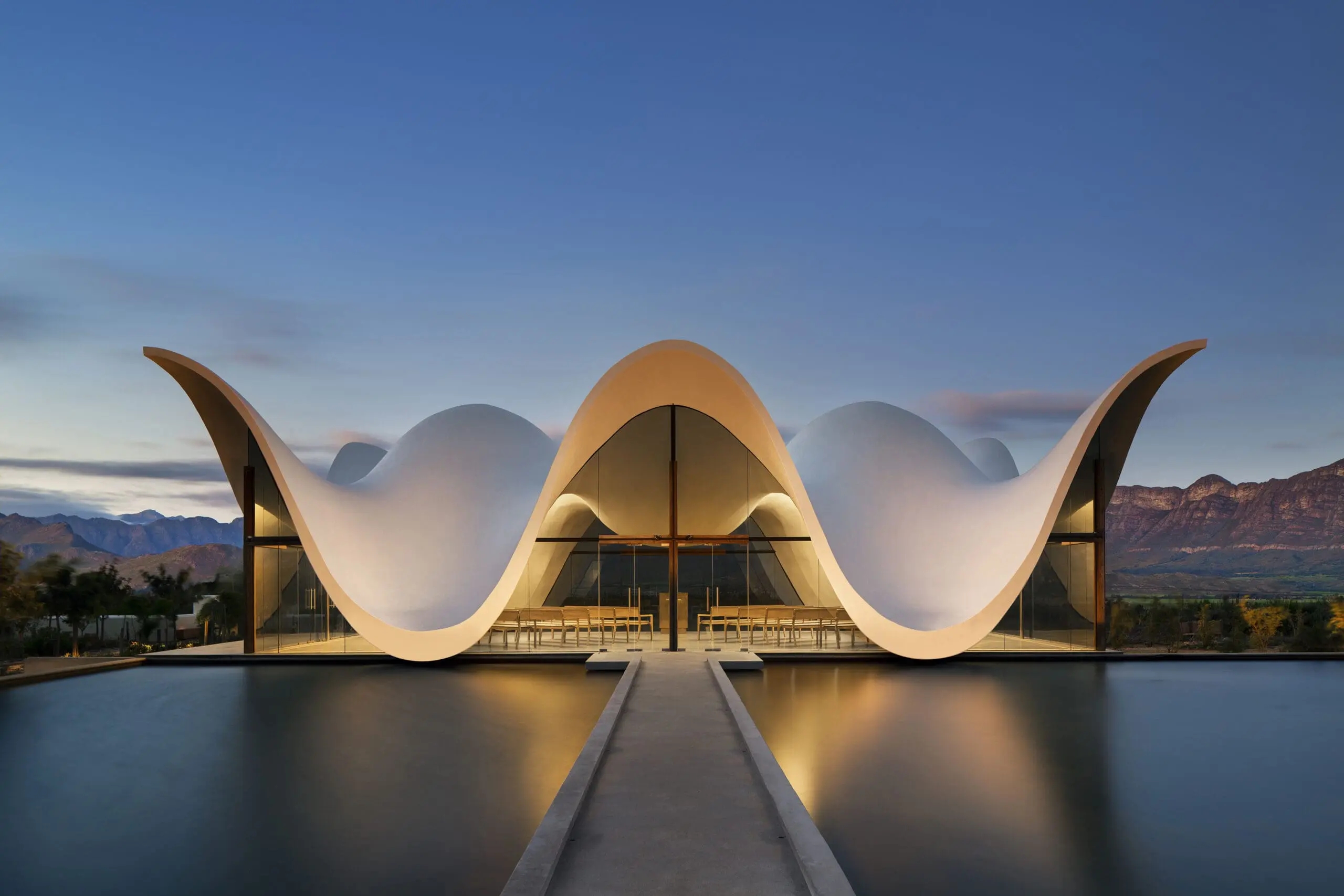
Bosjes Chapel
Bosjes Chapel in South Africa, designed by Steyn Studio, completed 2016. Photo: Adam Letch. The sinuous, winged form of this building was inspired by Psalm 36:7: “All people may take refuge in the shadow of your wings.”

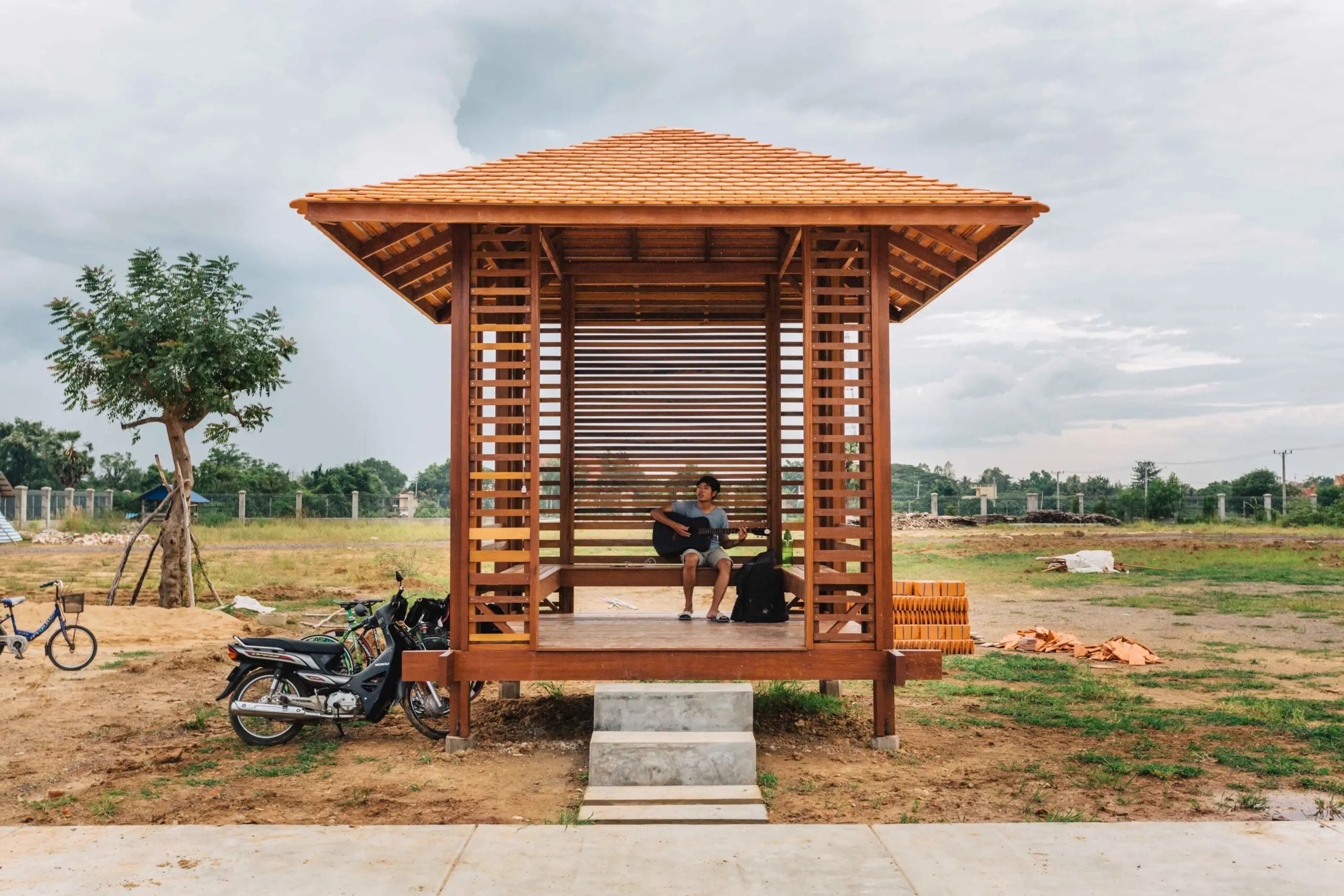
Cambodian Prayer Pavilion
Christian prayer pavilion, or “gathering hut,” on the campus of the University of the Nations, Battambang, Cambodia, designed by 100 Fold Studio, completed 2017. Photo courtesy of 100 Fold Studio.

The Architecture of Prayer is on display at the Brauer Museum of Art at Valparaiso University in Indiana through September 28. (I saw the exhibition last year at Calvin University, and it’s great! Take a virtual walk-through, and view the gallery booklet.) You can follow Iglesias on Instagram @iglesiasproject.

+++

ARTICLE: “Inuce designs Mountain Church of Julong as ‘more than just a place of worship’” by Tom Ravenscroft, Deezen: The construction of a remarkable new church has recently been completed in Julong, China. It’s the first church in the city, and one of several churches in China designed by the international architecture studio Inuce (including a pink pebbledash church in Fuzhou and a church wrapped in 100,000 panes of stained glass in Luoyuan). “Located at the foot of a mountain surrounded by forest and with views across the town, the Mountain Church of Julong references both the form and representation of an ark,” Ravenscroft writes in the article. Inuce founder Dirk U. Moench told him that “biblical archetypes were fundamental in our design process. . . . As a powerful symbol for shelter and new beginnings, the ark of salvation, safely landed on a foundation of rock, became the crystallisation point for our design.” [HT: Mark Meynell]

Mountain Church of Julong
The Mountain Church of Julong near Quanzhou, China, designed by the architecture studio Inuce and completed in 2024, evokes the form of an ark resting on a rock, as in Genesis 8:4.

+++

VIDEO PODCAST INTERVIEW: “Dr. David Taylor on Worship, Embodiment, and the Value of Beauty in Church Buildings,” Making Space: Sara Joy Proppe is the founder of Proximity Project, which helps churches discover real estate and placemaking solutions that fit their mission in the neighborhood. Here she presents a recent Barna poll result in which, when asked, “Which do you feel are the most important to having a meaningful experience at a church?,” 64 percent of Christians and 65 percent of non-Christians responded “art and beauty in the building.” She then speaks with liturgical theologian and author W. David O. Taylor on how we’re shaped by the physical spaces we worship in. I appreciate the charitable attitude of Taylor, who is Anglican, toward a variety of Christian traditions and aesthetic expressions, not holding any single one up as the only right way but rather inviting us to consider how our notion of “church” plays out in the buildings we construct and how we use them. The conversation with Taylor starts at the 11:48 timestamp. (There are overlaps with a podcast interview of his that I recommended in 2021.)

“I love church architecture, I love how it can tell the story of God’s creative and recreative work, I love how our bodies are integrally attuned to spaces and can come alive (or go dead) in particular spaces, and I love how architects invite us to pray with our whole beings in order that we might be both re-habituated and re-sensitized to our calling to be Christ’s ‘little tabernacles’ wherever we may go,” Taylor wrote on social media when sharing this interview.

Making Space is a podcast of the Christian research organization Barna Group and the Aspen Group, a church design and construction firm headquartered in Frankfort, Illinois. Learn more at https://www.barna.com/MakingSpace/.

+++

VISUAL COMMENTARY ON SCRIPTURE: “The Earthly Tent (2 Corinthians 5:1–10)” by Sarah White: For this coming Sunday’s New Testament lectionary reading from Paul’s second letter to the church at Corinth, Sarah White, a visual arts program curator and artist mentor at Morphē Arts, has curated a VCS mini-exhibition of three contemporary artworks that speak obliquely to that text: a performance art piece in a Manhattan cathedral by Eiko Otake; a forest diorama by Alyssa Coffin, meant to be “read” and “seen” through touch; and a giant hand-sewn jute sack sculpture by Ibrahim Mahama, which is draped over buildings. “Internal to this section of 2 Corinthians is a series of accumulating metaphors of architecture, clothing, geography, and time,” White writes. “The dynamics of these allusions are accentuated and shifted as we consider the performance of materials, bodies, and spaces in all three of these artworks.”

Eiko at St John the Divine
Eiko Otake (Japanese, 1952–), Eiko at St John the Divine, 26 November 2016, No. 1374, 2016. Photographed dance performance. Photo: William Johnston.

For example, at the Cathedral of Saint John the Divine in New York, Otake articulated both a personal and collective mourning through “the contortions and contractions of her body and face” and “moments of stumbling, falling, and lying down,” evoking Paul’s line about our groaning and longing. Her performance came out of her time as artist in residence at Saint John’s. I’m always intrigued by how artists respond to church spaces and help awaken worshipping communities (and curious publics!) to aspects of God’s story and our own—and I’m thrilled when churches invest in artists’ work. I wish that were more normative.

Roundup: “Africa & Byzantium,” “Ethiopia at the Crossroads,” and more

ART EXHIBITIONS:

Two major exhibitions of African art are currently running in Manhattan and Baltimore, containing many Christian objects, some of them never before seen in the US. I attended both, and they’re excellent. I want to write a full-on review for each, but because I don’t know that I’ll have time to do so before they close, I wanted to at least make you aware of them in this abbreviated form in the hopes that you’ll have a chance to go see them. I will share more photos soon.

>> Africa & Byzantium, Metropolitan Museum of Art, New York City, November 19, 2023–March 3, 2024: Curated by Dr. Andrea Myers Achi. “Art history has long emphasized the glories of the Byzantine Empire (circa 330–1453), but less known are the profound artistic contributions of North Africa, Egypt, Nubia, Ethiopia, and other powerful African kingdoms whose pivotal interactions with Byzantium had a lasting impact on the Mediterranean world. Bringing together a range of masterworks—from mosaic, sculpture, pottery, and metalwork to luxury objects, paintings, and religious manuscripts—this exhibition recounts Africa’s central role in international networks of trade and cultural exchange. With artworks rarely or never before seen in public, Africa & Byzantium sheds new light on the staggering artistic achievements of medieval Africa. This long-overdue exhibition highlights how the continent contributed to the development of the premodern world and offers a more complete history of the vibrant multiethnic societies of north and east Africa that shaped the artistic, economic, and cultural life of Byzantium and beyond.”

Annunciation (Egypt)
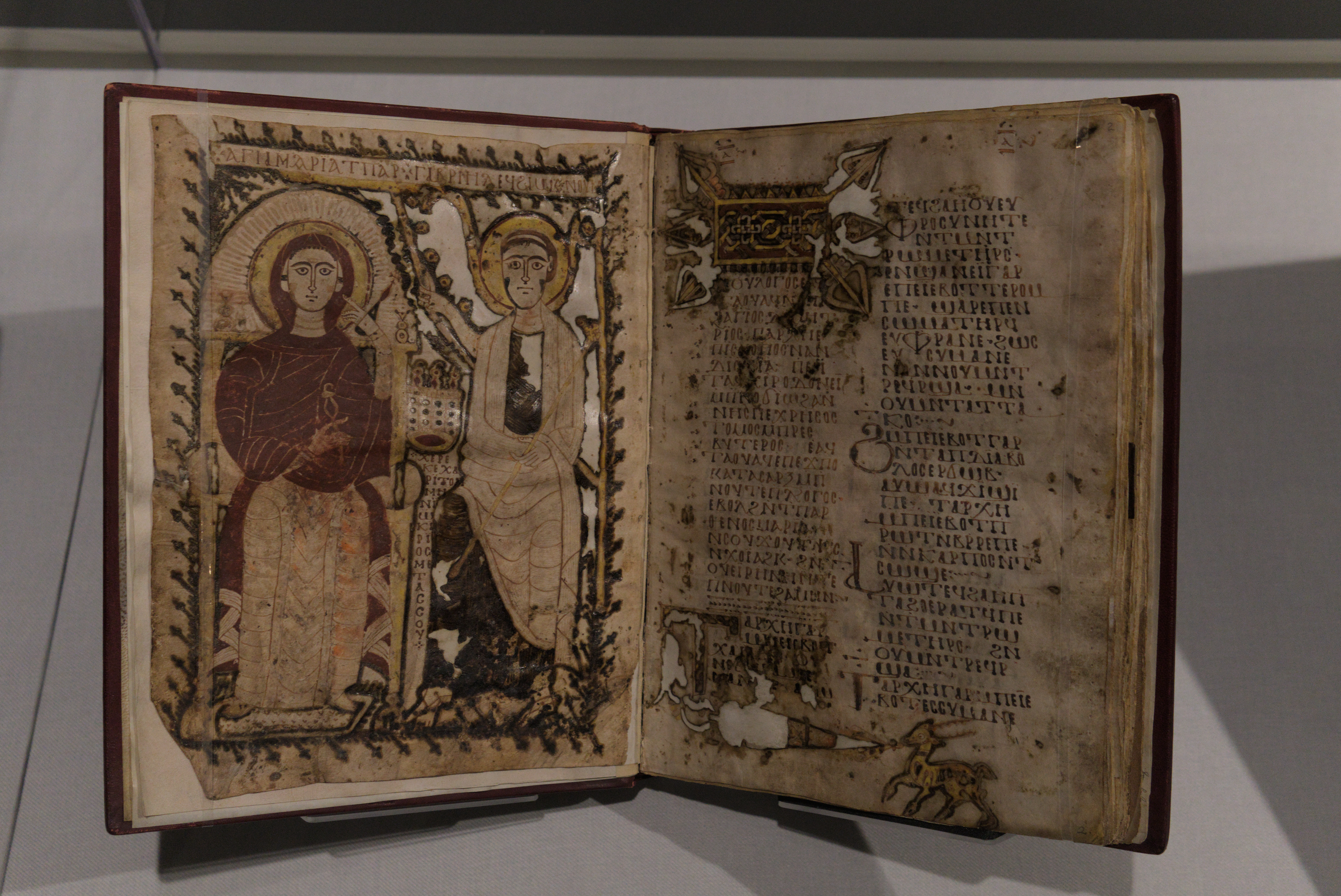
The Annunciation, from a miscellany, Egypt, Fayyum Oasis, 913–14. Ink on parchment, 10 9/16 × 13 13/16 in. (26.8 × 35.1 cm). Collection of the Morgan Library and Museum, New York. Photo: Victoria Emily Jones.

_DSC8288
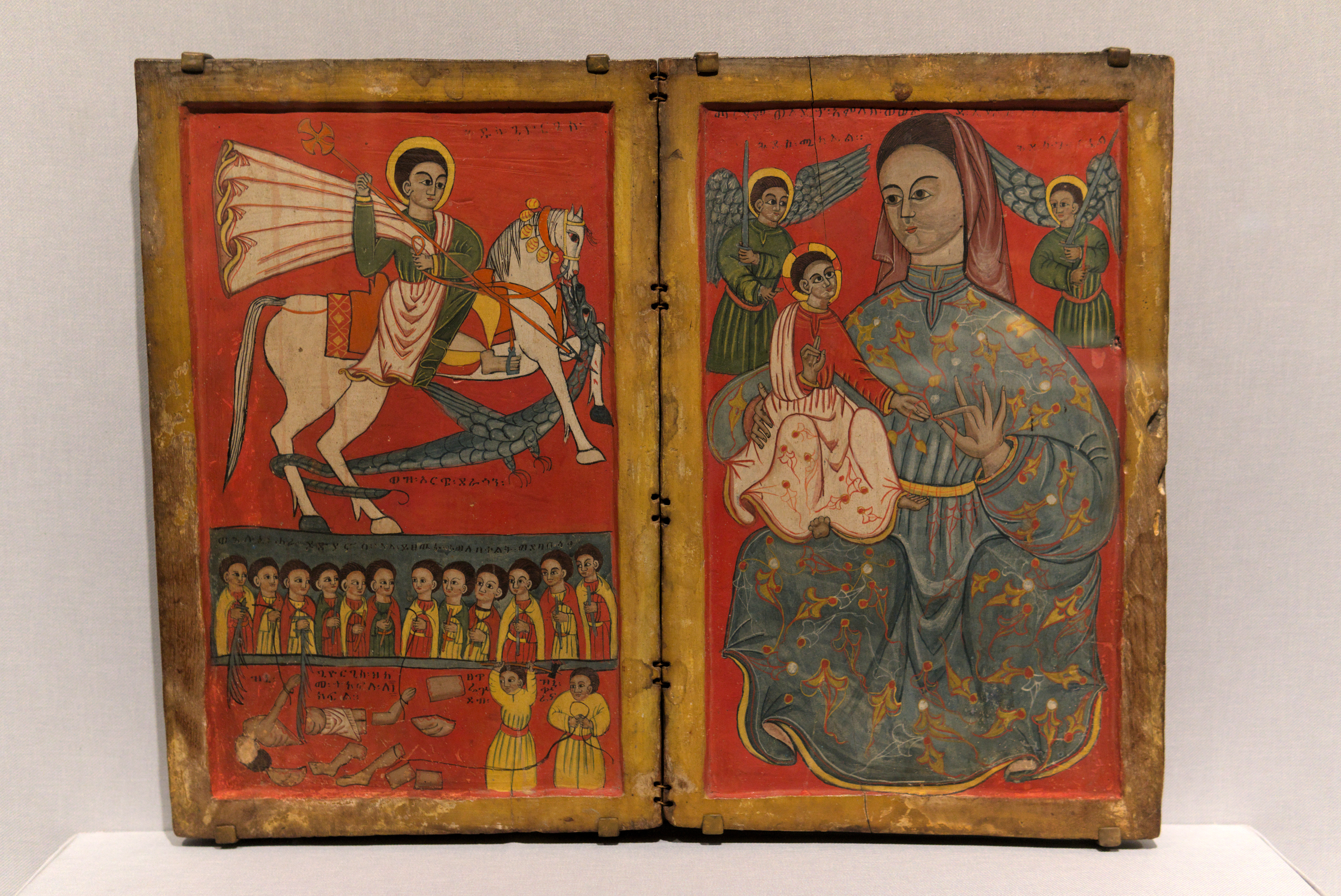
Diptych with Saint George and the Virgin and Child, Ethiopia, late 15th–early 16th century. Paint on wood, 20 1/2 × 26 5/16 × 1 3/16 in. (52 × 66.8 × 3 cm). Collection of the National Museum of African Art, Smithsonian Institution, Washington, DC. Photo: Victoria Emily Jones.

Exhibition tour:

Smarthistory video of one of the extraordinary early icons on display, borrowed from St. Catherine’s Monastery in Mount Sinai, Egypt:

>> Ethiopia at the Crossroads, Walters Art Museum, Baltimore, December 3, 2023–March 3, 2024: Curated by Dr. Christine Sciacca. “Ethiopia at the Crossroads is the first major art exhibition in America to examine an array of Ethiopian cultural and artistic traditions from their origins to the present day and to chart the ways in which engaging with surrounding cultures manifested in Ethiopian artistic practices. Featuring more than 220 objects drawn from the Walters’ world-renowned collection of Ethiopian art and augmented with loans from American, European, and Ethiopian lenders, the exhibition spans 1,750 years of Ethiopia’s proud artistic, cultural, and religious history.

“Seated in the Horn of Africa between Europe and the Middle East, Ethiopia is an intersection of diverse climates, religions, and cultures. Home to over 80 different ethnicities and religious groups, a large portion of the historic artistic production in Ethiopia supported one of the three Abrahamic faiths (Judaism, Christianity, and Islam), all of which have early roots in Ethiopia. As one of the oldest Christian kingdoms, Ethiopian artists produced icons, wall paintings, crosses of various scales, and illuminated manuscripts to support this religious tradition and its liturgy. . . .”

The exhibition will travel to the Peabody Essex Museum in Salem, Massachusetts, April 13–July 7, 2024, and to the Toledo Museum of Art in Ohio August 17–November 10, 2024.

Ethiopian sensul
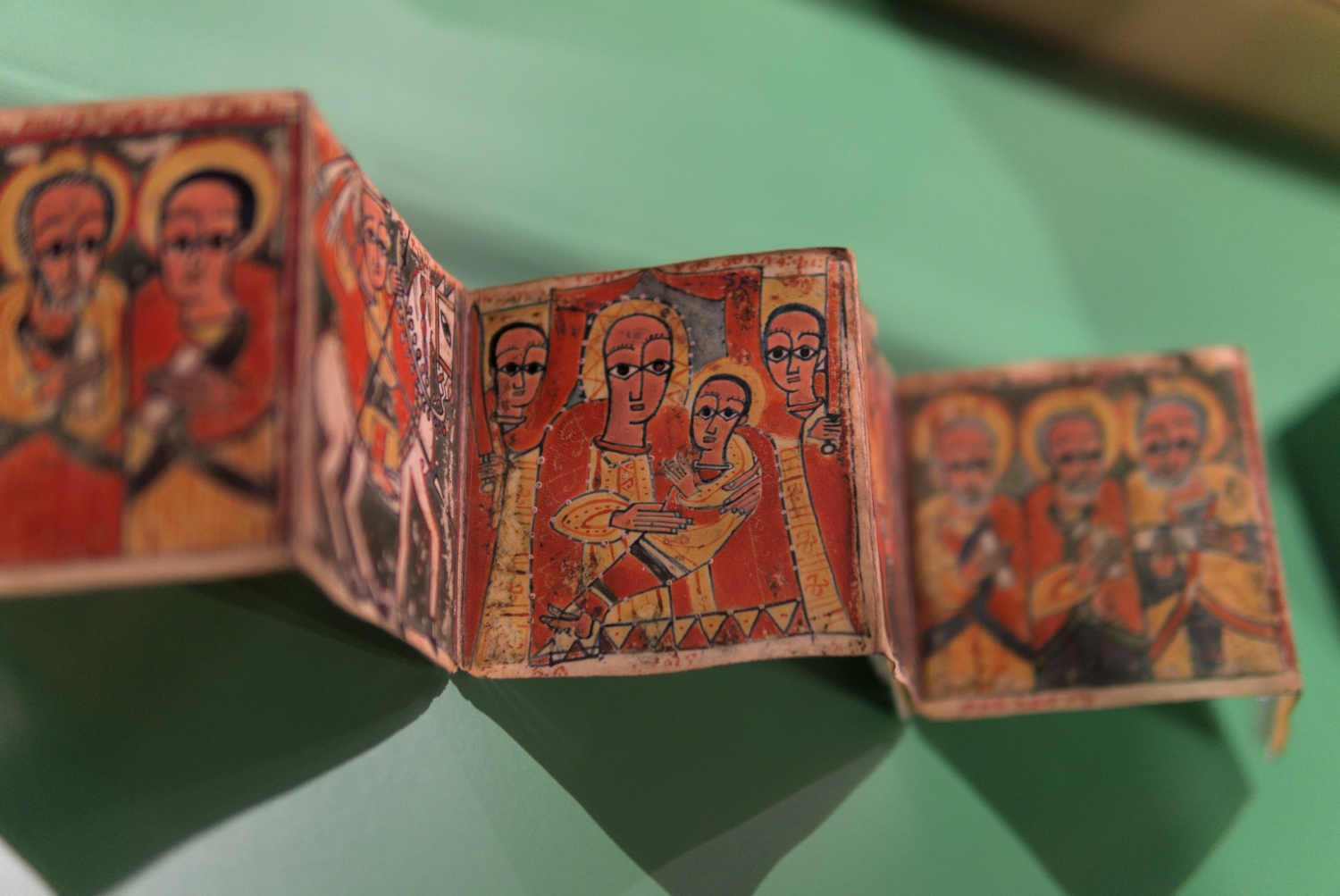
Detail of a sensul (chained manuscript), Ethiopia, 15th–early 16th century. Parchment, ink, paint, and leather. Collection of the Peabody Essex Museum, Salem, Massachusetts. Photo: Victoria Emily Jones.

Mänbärä Tabot Icon
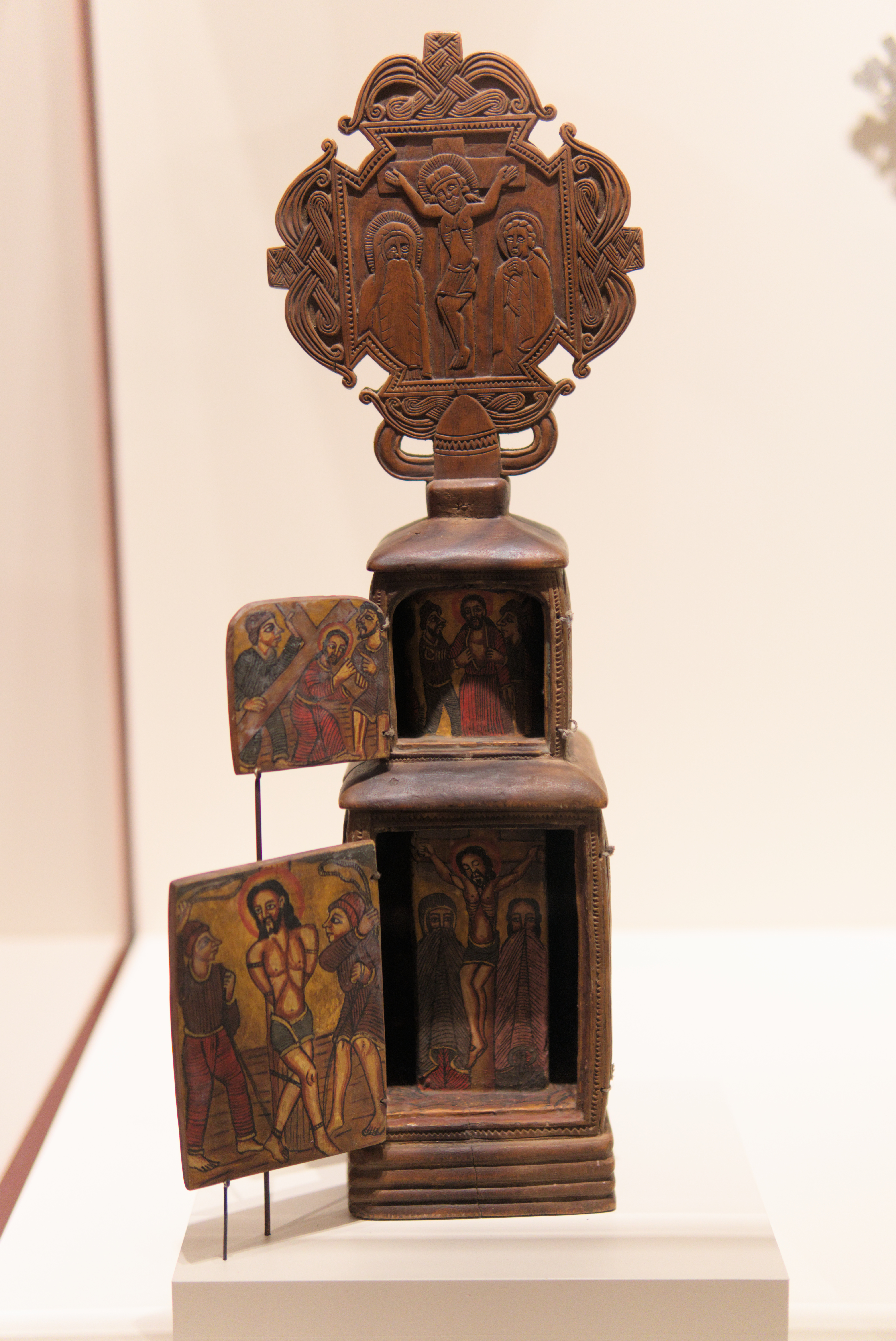
Mänbärä Tabot Icon with Eight Panels and Painted Scenes, Ethiopia, ca. 1850. Carved wood and glue tempera. Private collection, United States. Photo: Victoria Emily Jones.

+++

SPOTIFY PLAYLIST: February 2024 (Art & Theology): An assortment of psalms, hymns, and spiritual songs, old and new.

Also, as Lent starts on February 14, don’t forget about my Lent playlist! Since its original publication in 2021, I’ve added songs to the bottom.

+++

BLOG POST: “The True Purpose of Theology” by W. David O. Taylor: Professor Taylor shares seven things about theology that he opens his first theology class lecture with each term at Fuller. So important. I hope I reflect these on my blog.

+++

HYMN: “O Love That Wilt Not Let Me Go” by George Matheson: I first shared this hymn at Art & Theology back in 2019; it’s one of my favorites. Here are two more videos of the song that are worth checking out.

>> Sung by Kristyn Getty and Dana Masters: Keith and Kristyn Getty, a powerhouse couple in the Christian music industry, have chosen “O Love That Wilt Not Let Me Go” as their Family Hymn of the Month for February, providing some background on the writer, a free sheet music download of their arrangement, and a video performance from 2021 with guest vocalist Dana Masters. The Gettys’ large platform among evangelicals is sure to get this lesser-known hymn into many homes!

>> Sung by Westminster Chorus: Here Westminster Chorus (from Westminster, California) performs David Phelps’s a cappella arrangement of the hymn in Petrikirche in Dortmund, Germany. I previously shared a video of Phelps singing this version with three of his fellow Gaither Vocal Band members, which is itself moving, but with a thirty-four-person choir, the effect is tremendous.

+++

VIDEO: The Greeter’s Guild Goes to Times Square: Ryan Pemberton, director of community cultivation for Image journal, introduced me to “the moustachioed motivator of the high street,” Troy Hawke, in the January 18 installment of ImageUpdate. His videos are so delightful! Pemberton writes,

Call me quaint, but at the start of a presidential election year, what I’m most looking for in books, film, and certainly in public life is kindness. Under the circumstances, I can’t stop recommending Troy Hawke to friends. A character created by British comedian Milo McCabe, Hawke is a 1930s throwback, eloquent in speech and dapper in dress. His go-to wardrobe includes a smoking jacket worn over loose-fitting linen pants and Oxford dress shoes. As founder (and only member) of the Greeters Guild, he offers hyper-specific and articulate compliments to strangers—guests entering a Waitrose, commuters at a public transit hub, or those stopping at an EV charging station. After being invited to “try that in New York,” Hawke has been spotted offering compliments to passersby in Central Park. His intentional and attentive praise is a refreshing contrast to so much vitriol pouring its way through my screens and speakers. These public encounters call to mind Kierkegaard’s Works of Love, in which he notes that the work of love is to see and name the love already present in others, and, in so doing, to catalyze that love’s growth into its fullest expression (all while refusing to take credit—it was there the whole time). In this way, Hawke is both prophetic and timely. Fred Rogers, in an interview offered toward the end of his life (captured in the 2018 documentary Won’t You Be My Neighbor), shared that the most pressing work facing our species in this millennium is “making goodness attractive.” To that end: Thank you, Mr. Hawke; I can’t look away.

Roundup: “Art and Religion Now” symposium, landscape of the body, and more

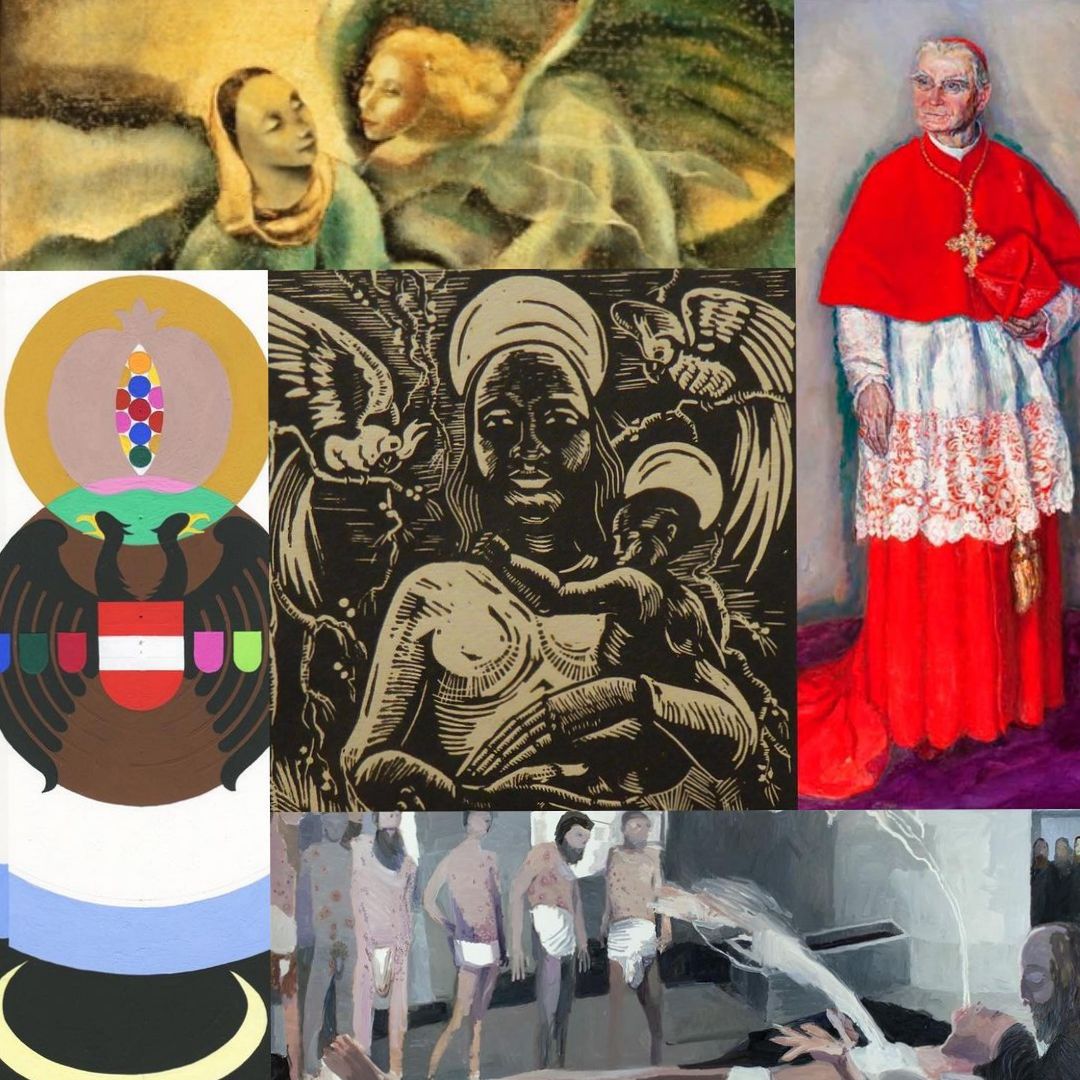
SYMPOSIUM: “Kunst en religie nu” (Art and Religion Now), October 20, 2023, 1:30–4:30 p.m., Museum Catharijneconvent, Utrecht, Netherlands: A week from Friday, attend a free afternoon of talks (in Dutch) on the topic of religion in modern and contemporary art. The speakers are Lieke Wijnia, who will present the results of her past two years of research on religious themes that crop up in modern and contemporary artworks in the Collectie Nederland (Netherlands Collection); Rozanne de Bruijne, on religion in art of the interwar period (1918–1940), the topic of a spring 2025 exhibition she’s curating; Wouter Prins from the Museum Krona, on the state of religious art in the post-Nietzsche era; and Joost de Wal on contemporary art in church spaces. Here’s the autotranslated description:

“The more modern the art, the smaller the presence of religion.” This frequently heard approach appears to be anything but justified. In fact, at the beginning of the twenty-first century, spirituality seems to be on the rise in the visual arts, resulting in a multitude of artistic interpretations. What does this say about the relationship between religion and art?

This symposium focuses on the multifaceted and sometimes unexpected presence of religion in visual art. For example, how does contemporary (religious) art relate to ongoing secularization on the one hand and to flourishing international religious communities on the other? What does the growing interest in spirituality mean for the arts? And what about the use of religious symbolism in visual art, both inside and outside the church? The speakers also shed light on how the wealth of (religious) stories and images can provide guidance in times of social uncertainty and uprooting.

Clockwise from top left: Annunciation by Mariette Lydis (1931); Portrait of Cardinal W.M. van Rossum by Jan Sluijters (1927); The Exorcism of Mary Magdalene by Helen Verhoeven (2020); Path and Puddle, panel 4, by Kasper Bosmans (2022); Black Madonna by Genia van der Grinten-Lücker (1934)

+++

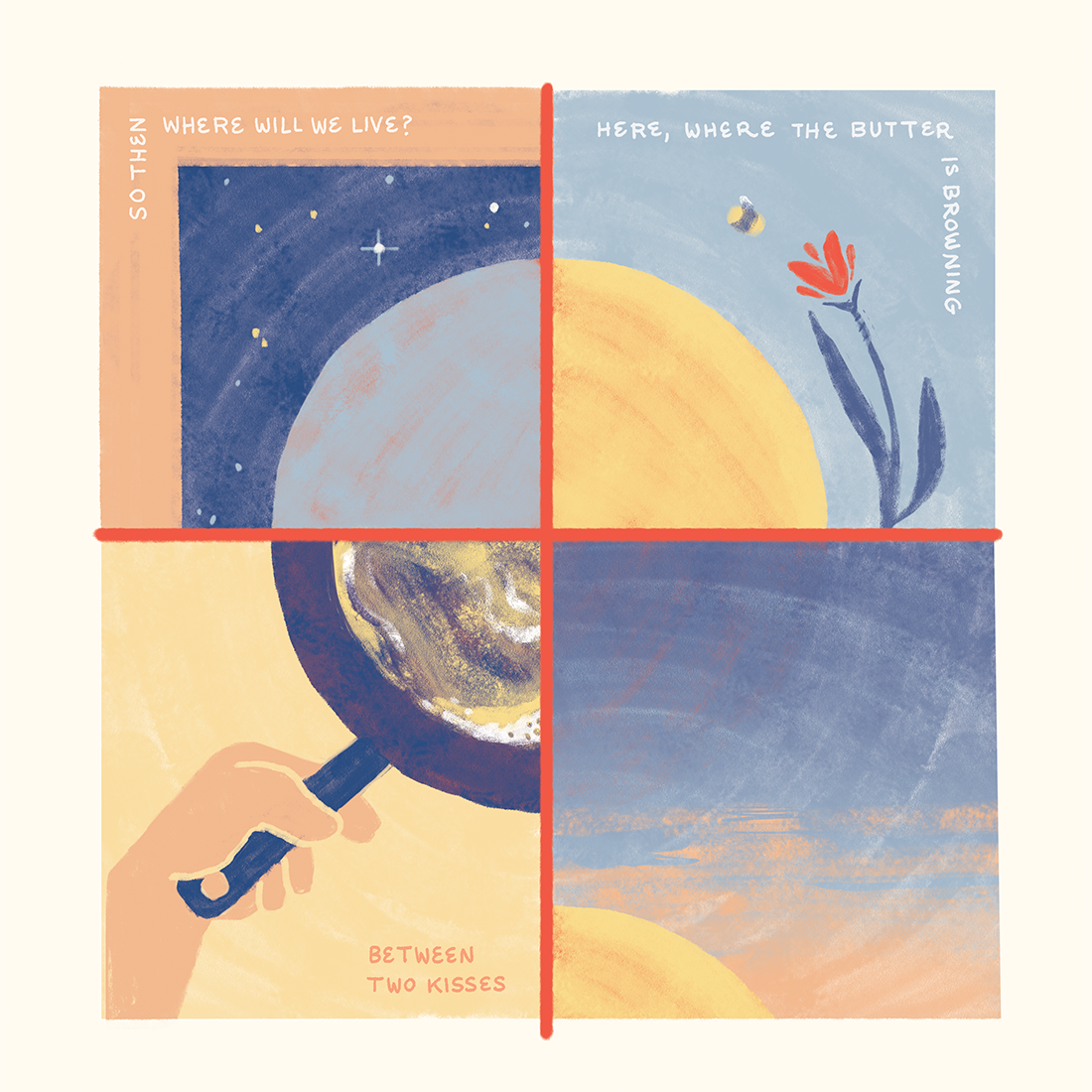
ONLINE WORKSHOP: “Deep Dive into Poetry Comics,” led by Madeleine Jubilee Saito, November 2, 9, 16, 30, 5–7 p.m. Pacific (8–10 p.m. Eastern): Madeleine Jubilee Saito [previously] is a cartoonist from Seattle who makes “poetry comics” about the environment and the sacred—and in four virtual sessions offered through Push/Pull, she’ll teach you how to make your own on topics of your choice!

Saito, Madeleine Jubilee_Love Poem
Madeleine Jubilee Saito, Love Poem, 2019

“In this online course, you’ll practice exercises to explore your own voice and interests in drawing and text, creating poetry comics in a variety of styles. You’ll learn about minicomics, how to do basic layout for printing, and how to print a quarter-page minicomic. We’ll end the course with a celebratory comics reading for friends and family on Zoom. Students need to either be comfortable drawing digitally (Procreate, Photoshop, etc.) or have access to a scanner. Students will be also need access to a printer or local print shop for the last phase of the course.”

If you don’t have time to commit to four classes, there’s a single one offered on October 27.

+++

NEW ALBUM: You Don’t Carry It Alone by Leila Way: Leila Way is a singer-songwriter from Austin, Texas, writing songs for the church. Her first full-length album, “You Don’t Carry It Alone is a collection of songs for hard times. Some of these are old hymns; some were written during a period of intense grief and loneliness, while others grew out of prayers for friends. The album was created to comfort those who mourn; to remind God’s people that He is always faithful, always present and at work, even when we can’t see what He’s up to.”

The album consists of four original songs, two original instrumentals, a cover of “Be Still, My Soul,” and new retunes of George Matheson’s “O Love That Wilt Not Let Me Go” (one of my favorite hymns) and James Montgomery’s “I cannot call affliction sweet.”

+++

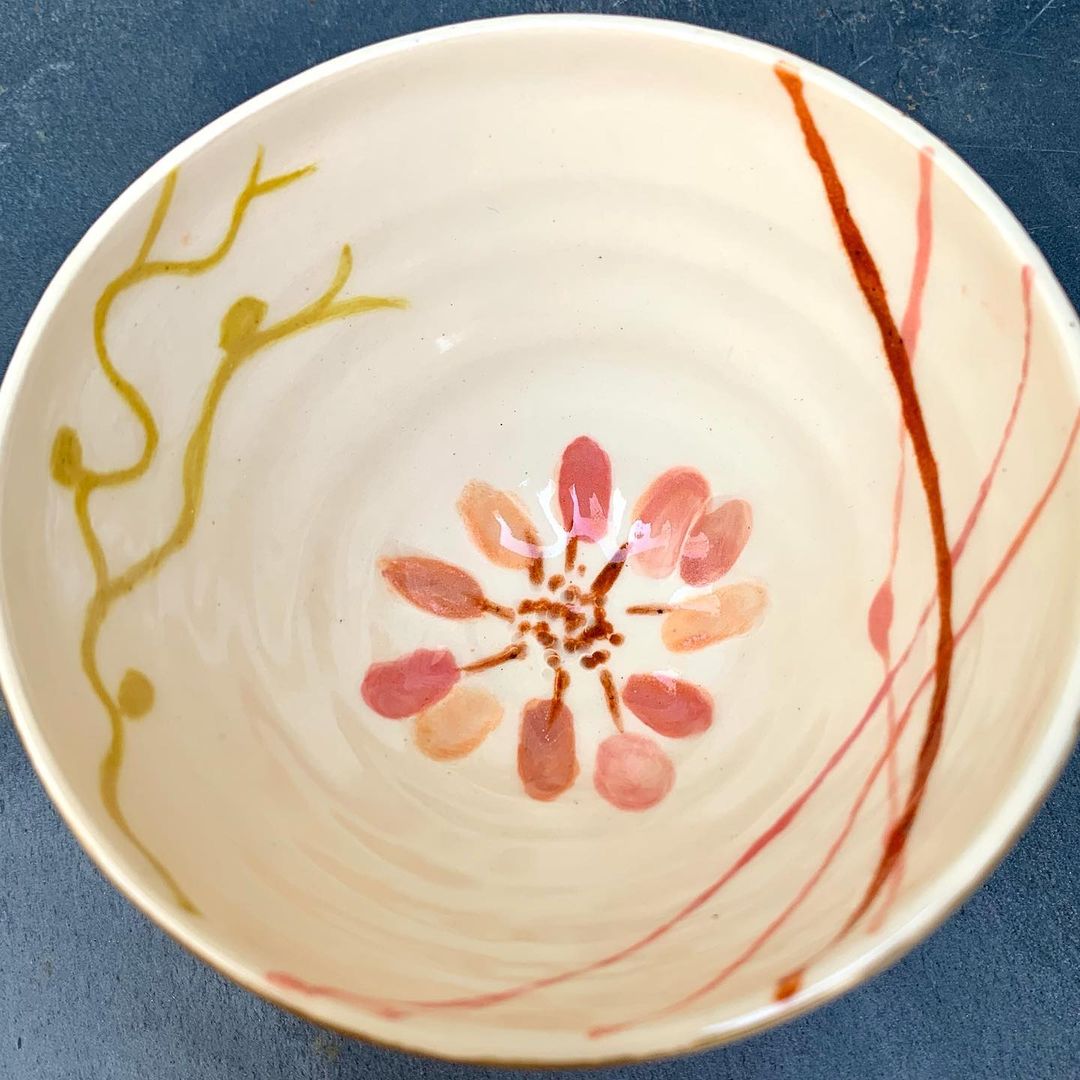
CERAMIC BOWLS: Nurture Collection by Jane Boutwell: I met artist Jane Boutwell at a Christians in the Visual Arts (CIVA) conference in 2021 after she presented this body of work that really moved me—a collection of ceramic bowls that take as their three design elements anatomical features of the female breast: lymph nodes (gold, river-like), mammary glands (pink and blooming), and musculature. She started the Nurture Collection after having one of her milk ducts surgically removed in 2019 for a biopsy (it turned out not to be cancer), as a meditation on the strength and inner beauty of this part of the body that is so often objectified or shamed. She recommends the bowls as a gift for a woman in your life who has had a tender year with regard to her breasts—cancer, nursing, etc.—to honor her journey.

Boutwell, Jane_Mammary bowl
Bowl from the Nurture Collection by Jane Boutwell, 2020

I share these now because October is Breast Cancer Awareness Month. Below is an eight-minute video explanation by the artist, followed by a short “making of” montage:

There are five Nurture bowls currently for sale in Boutwell’s online shop: Joan, Tracy, Colleen, Rita, and Wendy. Each is named after a woman she knows with breast cancer.

+++

PODCAST EPISODES:

>> “Landscape of the Body with David Taylor,” Makers & Mystics, September 13, 2023: Constructing a cogent theology of the body, theologian W. David O. Taylor discusses why it’s important that we honor and understand our bodies, and why having a right relationship to our bodies is imperative to the quest of art. Christians have often feared, distrusted, or despised the body; sin has meant that we’ve become alienated from our own bodies and the bodies of others, that we harm our bodies and others’, and that we often flee from our bodies, dissimulate. But Jesus wants us to be at home in our bodies, Taylor says—in worship, and in day-to-day life. He talks about Jesus as an icon of care-filled touch and the implications of that.

>> “On Being in a Body,” On Being with Krista Tippett, September 21, 2023: At the 2023 Aspen Ideas Festival, Krista Tippett interviewed Kate Bowler, author of Everything Happens for a Reason (and Other Lies I’ve Loved), a reflection on how she moved through learning at age thirty-five that she had Stage IV colon cancer. “From the new reality in our time of living with cancer as a chronic illness, to the telling of truths to our young as we face precarity in our collective body, this conversation is full of the vividly-whole humanity that Kate Bowler singularly embodies.” I heard Kate in person at Duke University a few years ago talking on a panel about suffering. She’s full of wisdom, wit, and raw tenderness and so, so endearing, and even though I’ve heard her story many times, every conversation with her brings up something new.  

+++

DANCE PERFORMANCE: Chroma, Grace, Takademe, and Revelations, performed by Alvin Ailey American Dance Theater: I’ve shared a video of Alvin Ailey’s Revelations here before. Well, this rebroadcast from 2015 includes that, plus performances of three other works by the prestigious Alvin Ailey American Dance Theater. I especially enjoyed Chroma, with music by Joby Talbot and choreography by Wayne McGregor—it’s the first twenty-six minutes of the video.

Online highlights from the 2023 Calvin Symposium on Worship

On February 8–10, 2023, I had the pleasure of attending in person my first Calvin Symposium on Worship, an annual ecumenical gathering of Christian worship leaders from throughout North America (and some from overseas) organized by the Calvin Institute of Christian Worship at Calvin University and the Center for Excellence in Preaching at Calvin Theological Seminary in Grand Rapids, Michigan. The half-week is full of diverse worship services, lectures, breakout sessions, and opportunities to meet and mingle with folks who serve the church as pastors, liturgists, musicians, publishers, scholars, etc. It was an invigorating time!

The CICW is generous in providing recordings of much of its symposium content for free on their YouTube channel several months after the event, and they’ve just released a big batch. Below are some of my highlights that are shareable.  

Though music is not the exclusive focus of the symposium, it is a major component, and my ministry background is in that area, so I want to share with you some of the new songs I learned.

The worship service on February 9, titled “Rooted in Christ,” was excellent and worth watching in full (the sermon, on Colossians 2:6–15, was preached by Rev. Dr. Marshall E. Hatch, pastor of New Mount Pilgrim Missionary Baptist Church in Chicago), but here are three standout songs. The first two are led by the Calvin University Gospel Choir, directed by Nate Glasper Jr., and feature guest soloist Eric Lige.

“On Christ the Solid Rock,” adapt. and arr. Gerald Perry, 2022:

This song is a new gospel adaptation and arrangement by Gerald Perry of the classic Edward Mote–William Bradbury hymn “The Solid Rock.” It appears on the 2022 album Legacy by the James Family Singers (which is on Spotify), a West Michigan gospel group founded by Oscar and Erma James in 1981 and to which Perry belongs, along with more than two dozen members of his extended family.

“God Is Good” by Morris Chapman, 1992:

A call-and-response song written by Lige’s late mentor, Morris Chapman (1938–2020), a Grammy- and Dove Award–nominated composer and recording artist. The song appears on the 2010 compilation album Incredible Gospel, vol. 2.

“If God” by Casey Hobbs, John Webb Jr., and Natalie Sims, 2019:

This song of lament was sung by Samantha Caasi Tica, then a senior in Calvin’s speech-language pathology department, and Calvin alum Emma Gordon as the “Prayer of Intercession” portion of the service. The congregation (is that what you’d call the group of worshippers at a symposium?) was asked to come in on the chorus and the “Nothing but the Blood of Jesus” bridge. For the official live video of the song as performed by its writer, Casey J, see here.

And now from other worship services at the symposium:

“Los que sembraron con lágrimas” (Those Who with Tears Went Out Sowing) (Psalm 126) by Carlos Colón, 2019:

The Bifrost Arts setting of Psalm 126 by Isaac Wardell is one of my favorite congregational songs—it leans into the “weeping” aspect of the psalm. But this new setting by Carlos Colón leans into the psalm’s “joy” aspect, which gives it a different tone that works equally well, I think. It was led by Colón at the piano, with the help of Calvin University students and guest Wendell Kimbrough. (Watch full worship service.) It is #333 in the bilingual hymnal Santo, Santo, Santo: Cantos para el pueblo de Dios (Holy, Holy, Holy: Songs for the People of God).

“His Love Is My Resting Place (Psalm 23)” by Wendell Kimbrough, 2020:

There’s no standalone video for this song from the symposium, but I cued up the service video to where the song starts at 13:42; you can also listen to the solo recording released by songwriter Wendell Kimbrough in 2020. Director of music and songwriter at Church of the Incarnation in Dallas, Kimbrough is one of today’s foremost composers of biblical psalm settings for contemporary worship. Despite the dozens of settings that already exist of this most famous psalm, which begins “The Lord is my shepherd . . . ,” Kimbrough’s take is not a redundancy but rather a vibrant new and easily singable addition to this catalog of options. I brought it back with me to the local congregation I’m a member of, and the people took to it really well.

“Anta Atheemon” (You Are a Great God) by Ziad Samuel Srouji, 1990:

“Anta Atheemon” is sung by Christians throughout the Middle East and the Arabic-speaking world. It was written by Ziad Samuel Srouji, who was born in Haifa, Israel, and raised in Lebanon but then displaced by civil war to the United States. He is pastor of the Gate International Church in San Mateo, California.

“Soul, Adorn Yourself with Gladness / Vengo a ti, Jesús amado” (cued to 59:00):

What a wonderful song for the celebration of the Eucharist! “Bless the one whose grace unbounded this amazing banquet founded! The high and exalted and holy deigns to dwell with you most lowly. Be thankful! Soul, adorn yourself with gladness and rejoice!” I love the exuberant Puerto Rican melody.

The source of this hymn is the German communion chorale “Schmücke dich, O liebe seele” by Johann Franck (1618–1677). After being translated into Spanish by Albert Lehenbauer (1891–1955) for Lutherans in South America, the chorale traveled up to Puerto Rico, where it was reset to the tune CANTO AL BORINQUEN by Evy Lucío Cordova (b. 1934), now with an added refrain by Esther Eugenia Bertieaux (b. 1944). The English in the bilingual version here, published in Evangelical Lutheran Worship‎ #489, is a composite translation, borrowing from Catherine Winkworth (1827–1878) and others.

+++

The worship services, several a day, are only one component of the Calvin Symposium on Worship. There are also wonderful talks, panel discussions, and workshops—such as “Hardwired to Sing: Entrainment, Interactional Synchrony, and the Spirit-ed Magic of Corporate Song” by Dr. W. David O. Taylor. In this talk Taylor, a liturgical theologian teaching at Fuller Theological Seminary, expands on what I think is the most fascinating chapter of his latest book, A Body of Praise: Understanding the Role of Our Physical Bodies in Worship, which is “The Nature of the Body: Scientific Perspectives on the Body in Worship.”

“First, I wish to suggest that it is the Holy Spirit’s pleasure to work in and through our physical bodies, not just in our heads and hearts, in order to form us wholly into Christ’s body,” Taylor says. “And second, I would like to show how the sciences offer empirical insights into the metaphysical work of the Spirit to form our embodied communal singing.”

Citing Hebbian theory—namely, that “neurons that fire together wire together”—he says that singing together in corporate worship bonds us in ways that nothing else can, strengthening our kinship with one another through our bodies. “People who sing together experience a wiring together of their neural networks. They become tethered to one another in neurological and physiological ways, not just affective or relational ways.” He demonstrates this principle with the help of some audience volunteers.

The last twenty-five minutes of the video are Q&A. Unfortunately, the questioners aren’t miked, and not all the questions are repeated for the recording, so that part is a little hard to follow.

My favorite session that I attended was “The Practice of Lament,” a panel discussion with Drs. Wilson de Angelo Cunha, Cory B. Willson, and Danjuma Gibson, moderated by David Rylaarsdam—all Calvin faculty. “What are the different faces of lament? What is the goal of lament? How can pastoral leaders facilitate lament? What does lament reveal about the nature of God and what it means to be human?” It’s an excellent introduction to this important Christian discipline.

“Lament is a central part of our mission as God’s people, and I will say, we have largely failed,” says Willson. And later: “You cannot be a hopeful people or community if you don’t lament. And we need each other to hold out hope for us when we can’t find the strength to swing our feet from the bed to take another step toward a future.”

Asked to define lament, Gibson, a professor of pastoral care and a practicing psychotherapist, said, “Lamentation, or griefwork, is the process you engage in to come to terms with what has been lost, the rupture, the unattaching to what you have loved—that may be a way of life, that may be a person, that may be an image of how you thought things should have been—when there is a tragedy.”

Later in the discussion, in response to a question about how lament coheres with the apostle Paul’s call to rejoice always, Gibson clarifies: “Lamentation is not the opposite of joy. Lamentation is a particular manifestation of joy. And how I understand joy in my own work is this: joy is the inner assurance that you cultivate over time that you belong to God no matter what. . . . Lamentation is a declaration of that joy.”

Again, the questions from the audience are inaudible. But from memory, I can tell you that one was about divine impassibility (Greek apatheia), an attribute ascribed to God in classical theology that means that God does not feel pain or have emotions. This is an ascription that has always puzzled me and that I reject (it makes a virtue out of Stoicism), and indeed many Christian theologians have problems with it as well, because the picture of God that we have in both Testaments is of a God who is passionate, who grieves and gets angry and exults, and who is responsive to his people, empathetic.

Another question mentions the beating to death of Tyre Nichols by police officers in Memphis. Another asks how we know when we’re done lamenting a particular tragedy.

There’s so much that’s helpful and illuminating in this conversation; please give it a listen.

Another great panel discussion at the symposium was “Worship Music from Africa and the African Diaspora,” between Drs. James Abbington, Stephanie Boddie, Brandon A. Boyd, Pauline Muir, and Jean Kidula:

“What treasures and insights from the rich history of Christian worship music on the continent of Africa as well as from African diaspora communities in the United States and England should be more celebrated and cherished? What misunderstandings should be corrected? How can we learn from this rich history without misappropriating it? What signature examples of congregational song should we all learn more about and from? How can we all continue to learn more and explore more deeply connections across continents and Christian traditions?”

At 57:35, Abbington asks each panelist if they could teach the church one congregational song, one that’s important for the church to know, what would it be?

At the symposium, I also really enjoyed the lecture “More Than We Can Ask or Imagine: Music and the Uncontainability of Hope” by Dr. Jeremy Begbie, a theologian and pianist—but it is not and will not be available online. However, it draws on the themes of his new book from Baker Academic, Abundantly More: The Theological Promise of the Arts in a Reductionist World, which just released this week.


There were lots of other sessions offered as well—on creating a sense of belonging with youth in worship, intergenerational worship in global contexts, worshipping God with our public witness, sacred architecture and space design, cultural intelligence, singing the Psalms, wisdom from Indigenous Christians in Australia, how to shape a compelling sermon, lessons for leading congregational singing, refugia faith, and more. Several of these were recorded and are now hosted online in the Calvin Institute of Christian Worship Resource Library, which has content going back more than a decade (see also their YouTube channel @worshiprenewal).

Registration for next year’s Calvin Symposium on Worship has not yet opened, but the dates have been announced: February 7–9, 2024. The theme is Ezekiel. Find out more at https://worship.calvin.edu/symposium/index.html.

Roundup: Arte de Lágrimas, “To Thessalonica,” and more

QUOTE:

The Easter season is a time of hope. There still is fear, there still is a painful awareness of sinfulness, but there also is light breaking through. Something new is happening, something that goes beyond the changing moods of our life. We can be joyful or sad, optimistic or pessimistic, tranquil or angry, but the solid stream of God’s presence moves deeper than the small waves of our minds and hearts. Easter brings the awareness that God is present even when his presence is not directly noticed. Easter brings the good news that, although things seem to get worse in the world, the Evil One has already been overcome. Easter allows us to affirm that although God seems very distant and although we remain preoccupied with many little things, our Lord walks with us on the road and keeps explaining the Scriptures to us. Thus there are many rays of hope casting their light on our way through life.

—Henri Nouwen, A Cry for Mercy: Prayers from the Genesee (1981) [HT]

+++

TRAVELING EXHIBITION: Arte de Lágrimas: Refugee Artwork Project: Started in August 2014 by the Rev. Dr. Gregory Cuéllar and Nohemi Cuéllar, Arte de Lágrimas (Art of Tears) is a traveling art exhibit and archive that aims to create greater public awareness of the lived migratory journeys of asylum-seeking children and youth from Central America. The Cuéllars and other volunteers have visited respite centers in Texas border towns like McAllen, Brownsville, and Eagle Pass, distributing art supplies to migrant children who are waiting for buses to take them to their longer-term destination. They want to give these children the option to express themselves or process their journeys through an artistic outlet. Some of the children have chosen to donate their artworks to the volunteers, and it is these that constitute the Arte de Lágrimas collection, which is currently on display at Fuller Theological Seminary in Pasadena, California.

This Thursday, April 27, Fuller is holding a gallery reception at Travis Auditorium (180 N. Oakland Ave., Pasadena) from 6 to 9 p.m., which will include a presentation by Gregory Cuéllar as well as a panel discussion; RSVP here. Cuéllar, who teaches Old Testament at Austin Presbyterian Theological Seminary, is the author of Resacralizing the Other at the US-Mexico Border: A Borderland Hermeneutic (Routledge, 2020) and Voices of Marginality: Exile and Return in Second Isaiah 40–55 and the Mexican Immigrant Experience (Peter Lang, 2008).

If you can’t make it to the exhibition at Fuller, you can at least tour the Virtual Showroom that the Cuéllars developed, which hangs the images in a digital space that gives users the impression of being in a physical gallery.

+++

ARTICLE: “‘He Is Not Here’: A Choral Easter Season” by Mark Meynell: This Rabbit Room blog post is part of 5&1, a weekly series from 2021 in which British chaplain Mark Meynell shares five short pieces of classical music and one long piece, drawing attention to some of their musical elements. For Easter he selected a setting of Psalm 118:24 by Renaissance composer William Byrd; “O dulce lignum” (O Sweet Wood) from Ēriks Ešenvalds’s Passion and Resurrection (below); “Christus Vincit” by Sir James MacMillan; an anthem for Ascension Day by Gerald Finzi; an Easter hymn from an Italian opera by Pietro Mascagni (also below); and the fifth movement of Mahler’s famous Resurrection Symphony. I appreciate that he provides lyrics and translations!

+++

BLOG POST: “The Good Fridays of Our Eastertide Lives” by W. David O. Taylor, feat. Sam Wedelich: W. David O. Taylor, a theology professor at Fuller Theological Seminary, shares a visual interpretation of Matthew 28:8 by Sam Wedelich, at the time a member of Hope Chapel in Austin, where Taylor served as arts pastor. Wedelich’s collage shows how both fear and joy gripped the hearts of the two Marys on Easter morning, reflecting the complexities of our own often muddled-up feelings. Whether we’re skipping to the tune of “Hallelujah” this Easter or standing still, immobilized—or experiencing, like the Marys, some strange mixture of stances—the Risen Lord meets us, Taylor writes.

Wedelich, Sam_With Fear and Great Joy
Sam Wedelich, With Fear and Great Joy, 2005. Collage.

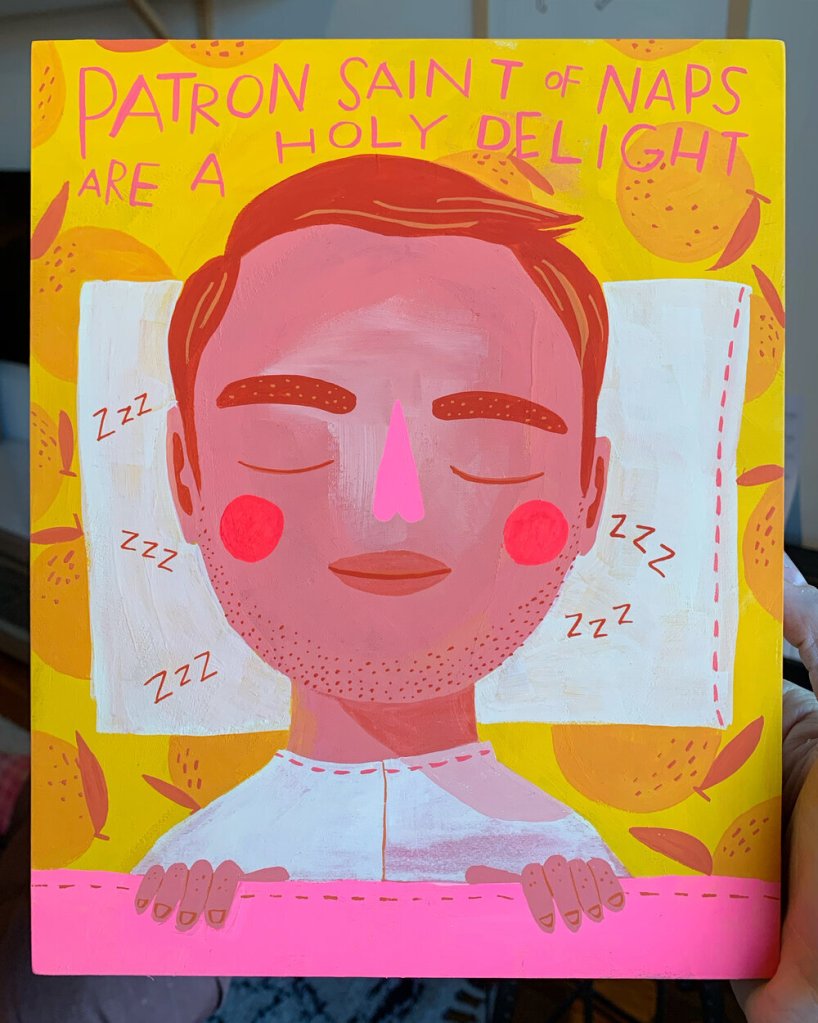
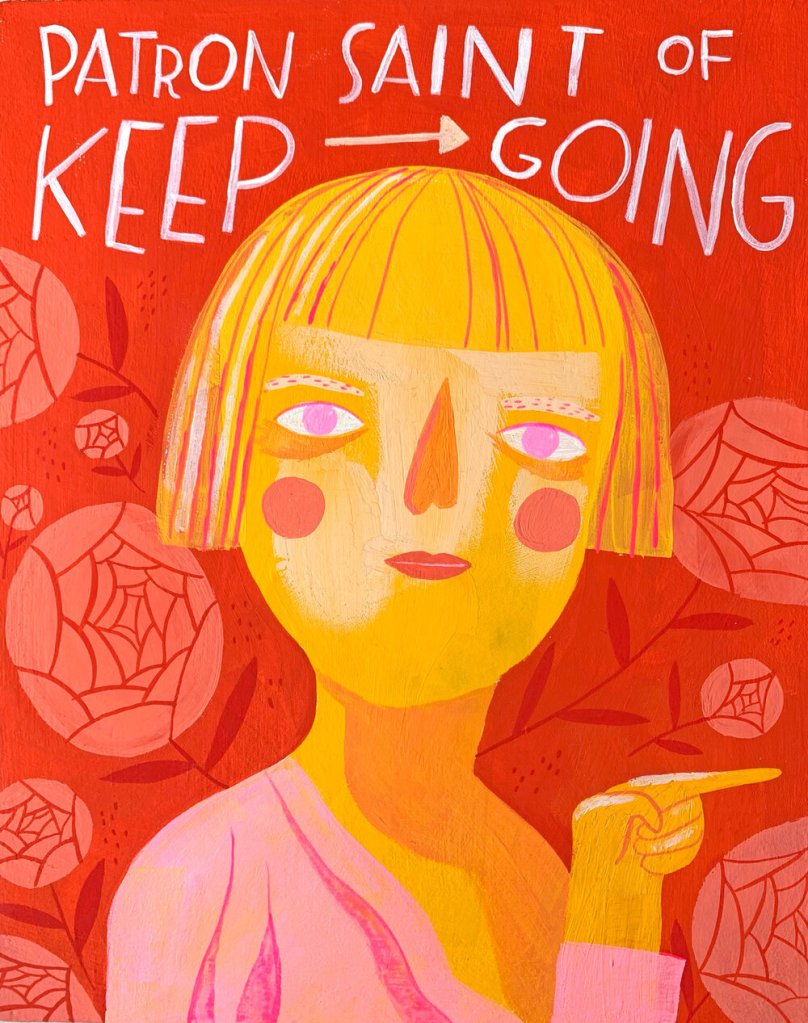
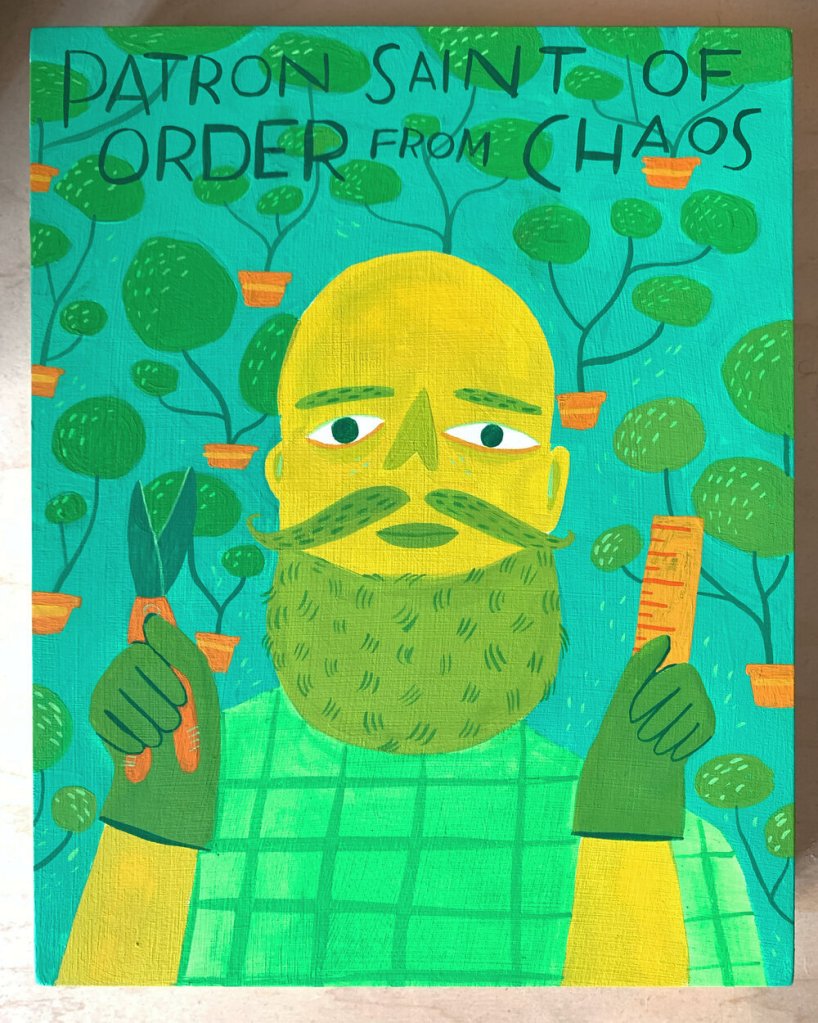
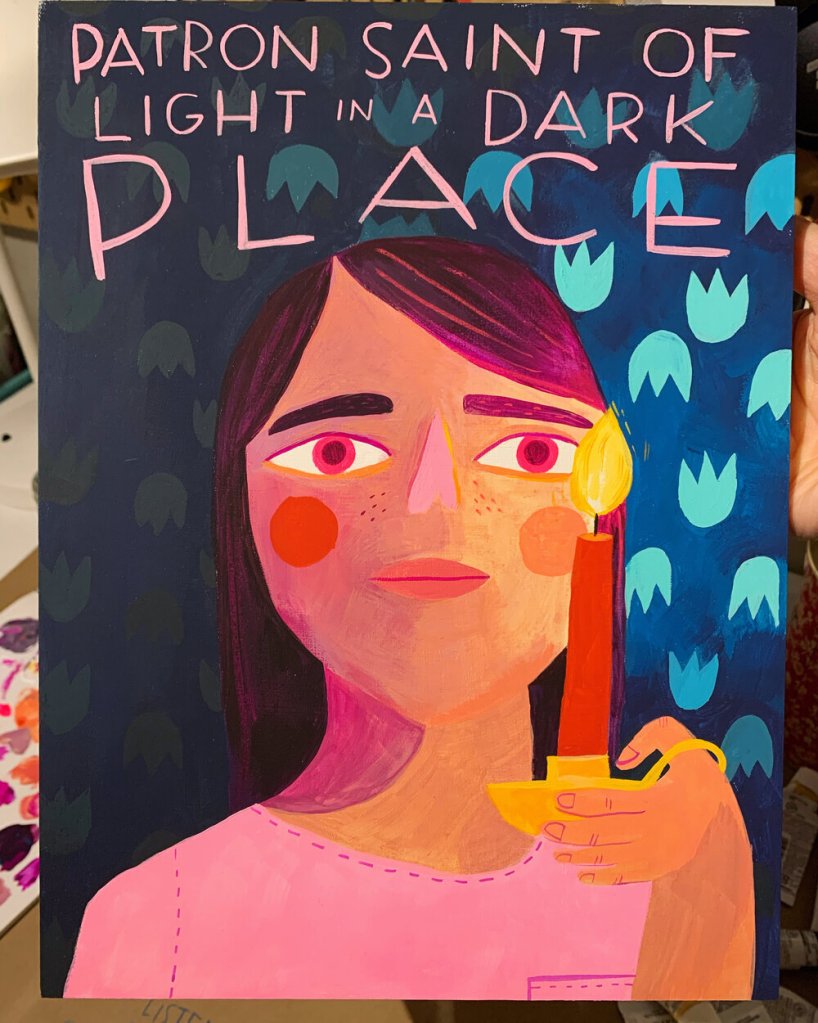
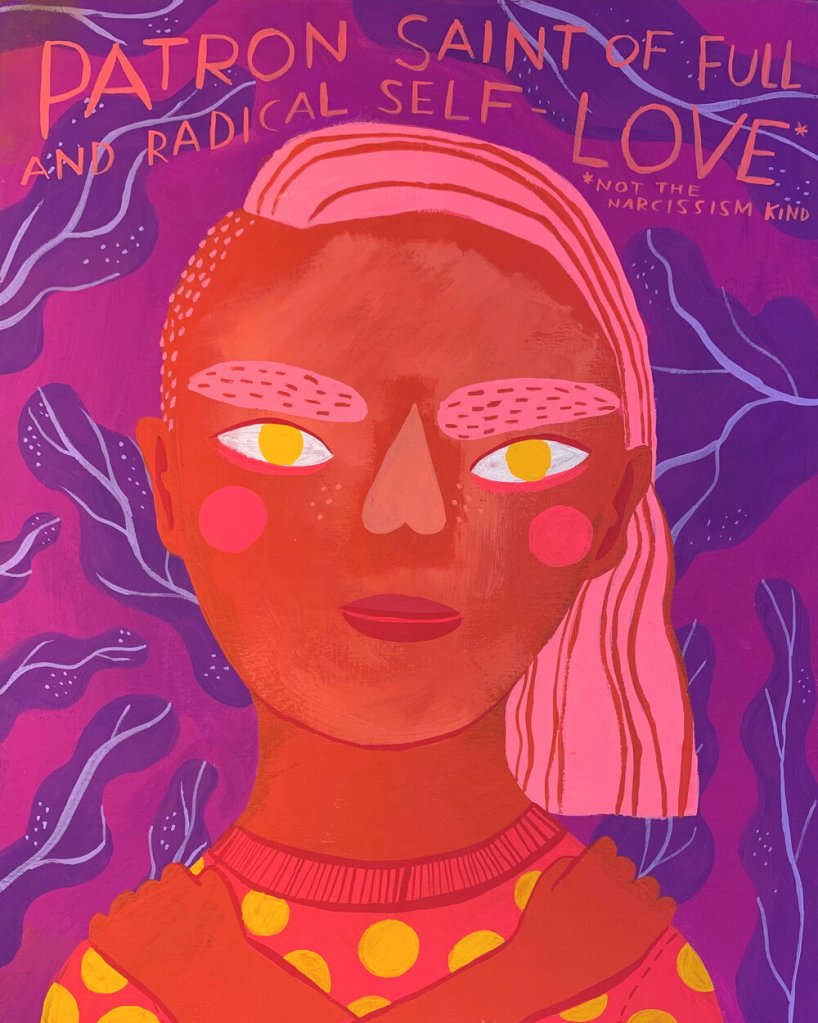
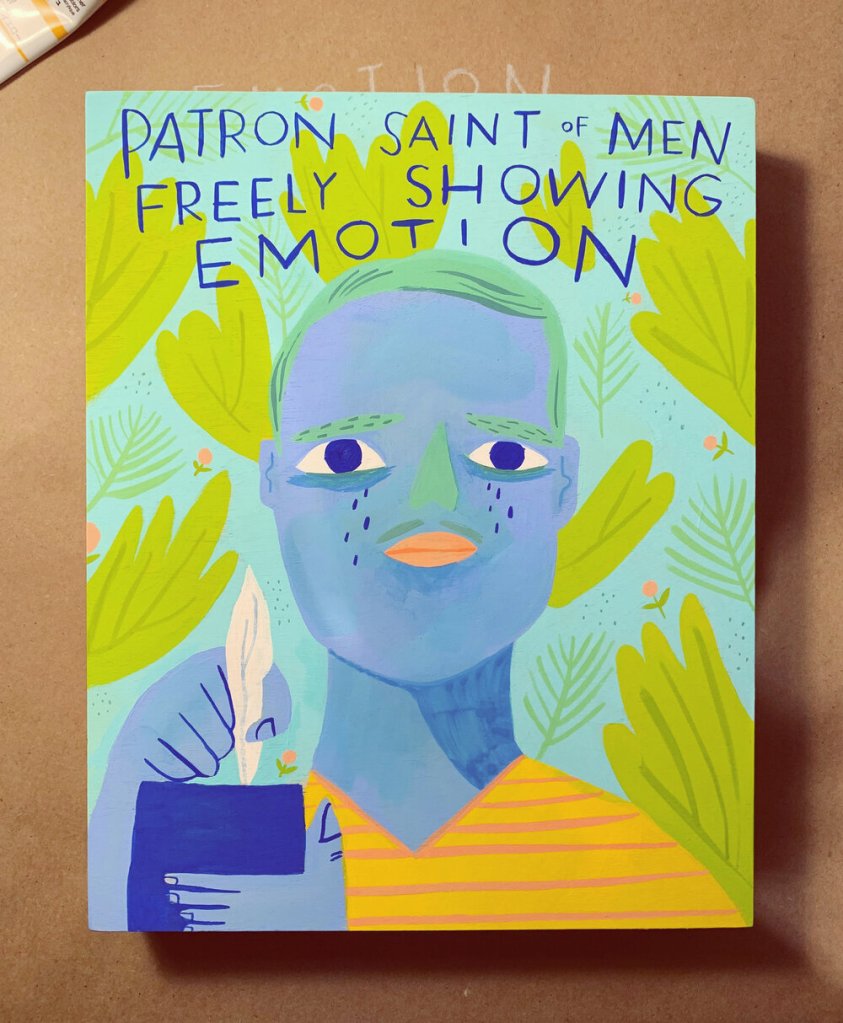
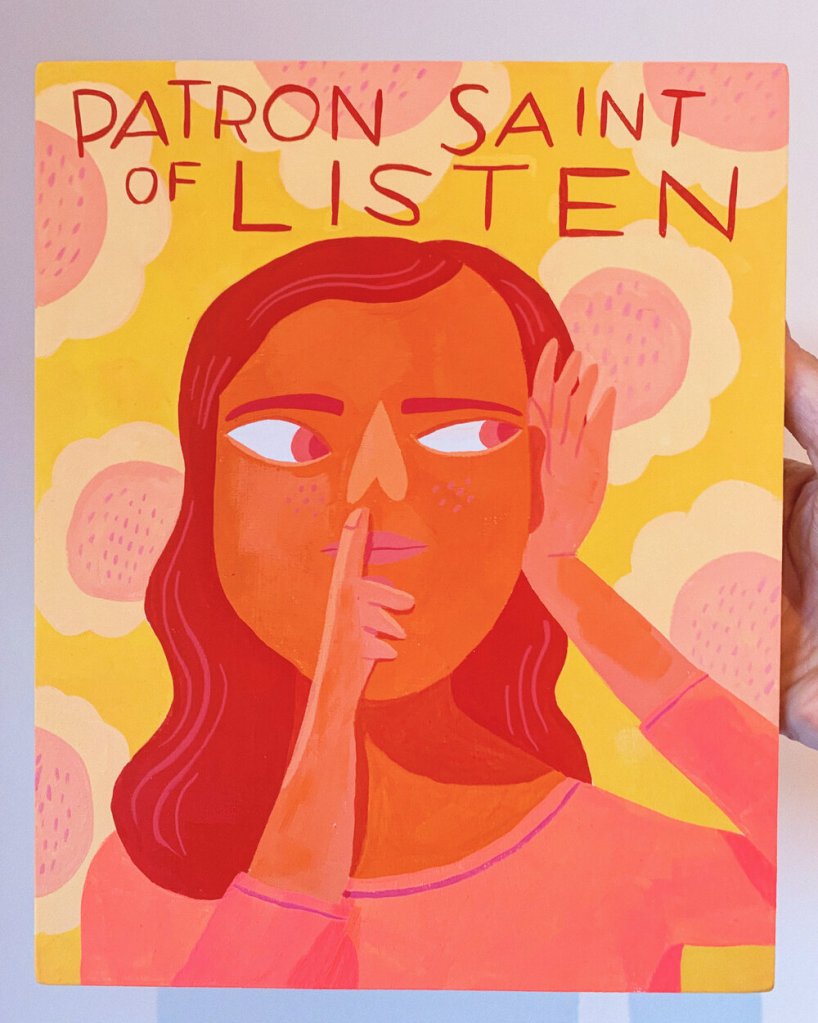
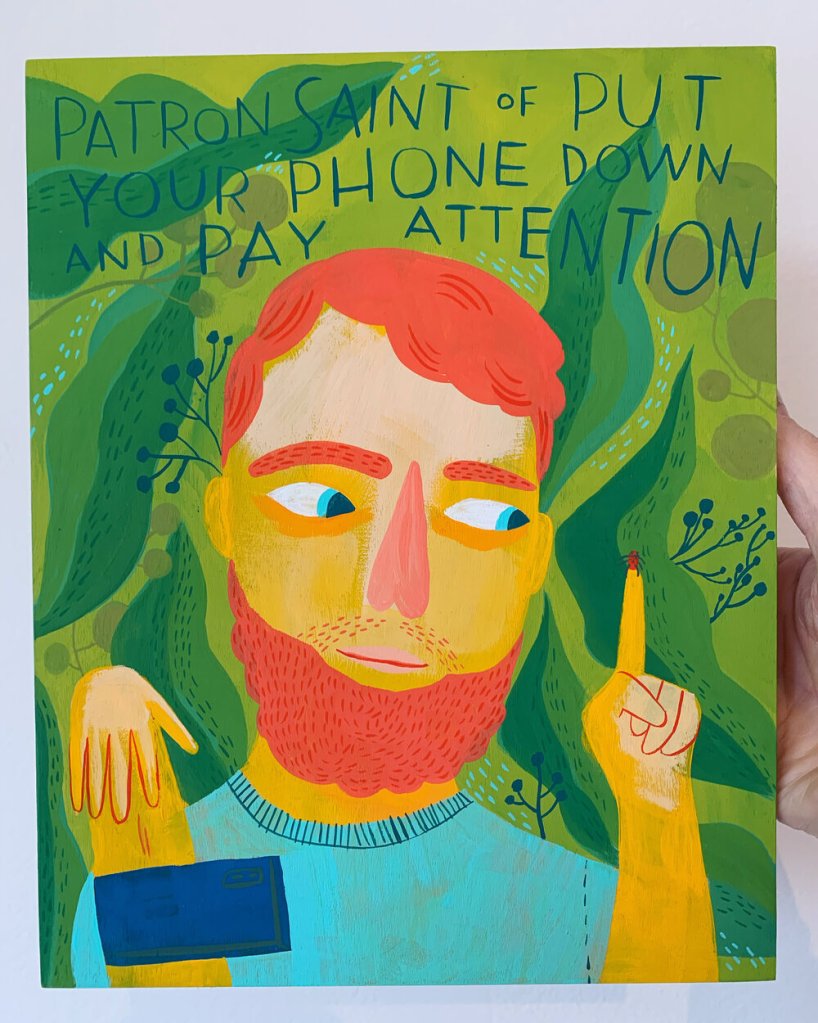
This is an early piece by Wedelich, which she made when she was a college student. She has since become well established as an illustrator. Follow her on Instagram @samwedelich. I especially like the series of “patron saint” paintings she did in 2020. Two of them are available for sale as prints from her online shop: Patron Saint of Keep Going and Patron Saint of Listen.

+++

SONG: “To Thessalonica” by John Davis: Dedicated to his father, who passed away last month, Nashville-based rock singer-songwriter John Davis’s new album, My Hope Is Found in a God Who Can Raise Up the Dead, includes an original musical adaptation of 1 Thessalonians 4:14–18: “This we declare to you by word from the Lord: We who are alive, who are left until the coming of the Lord, will not precede those who sleep in death. The Lord will descend with a cry of command; the voice of an archangel too. And with the sound of the trumpet of God, the dead in Christ will rise up first. The dead in Christ will rise up first. I know, I know, I know we’re gonna meet in the air. Yeah! The shout of command and the voice of the angel, the trumpet of God will declare. Yeah! I believe, I believe in, I believe, I believe in . . . My hope is found in a God who can raise up the dead, yeah! . . . My hope is found in a God who has raised up the dead. . . .” [HT: Crowdfunding Christian Music]

Roundup: Upcoming Texas events (music of the Psalms, art seeking understanding) and more

UPCOMING EVENTS:

>> “The Music of the Psalms in Church History” by W. David O. Taylor, Christ Church, Austin, Texas, October 1, 2022: “For two thousand years, Christians have found the Psalter to be an invaluable resource for worship and prayer. And, like the original psalmists, Christians have felt compelled and inspired to set the text of the psalms to music, of all sorts: from a cappella to choral, from folk to rock, from reggae to gospel, and more. In collaboration with local musicians, David Taylor, Associate Professor of Theology and Culture at Fuller Theological Seminary and author of Open and Unafraid: The Psalms as a Guide to Life, will explore how Christians in different periods of church history have sung the psalms within corporate worship,” spanning the apostolic, medieval, Renaissance, Reformation, modern, and contemporary eras.

Psalms (David Taylor)
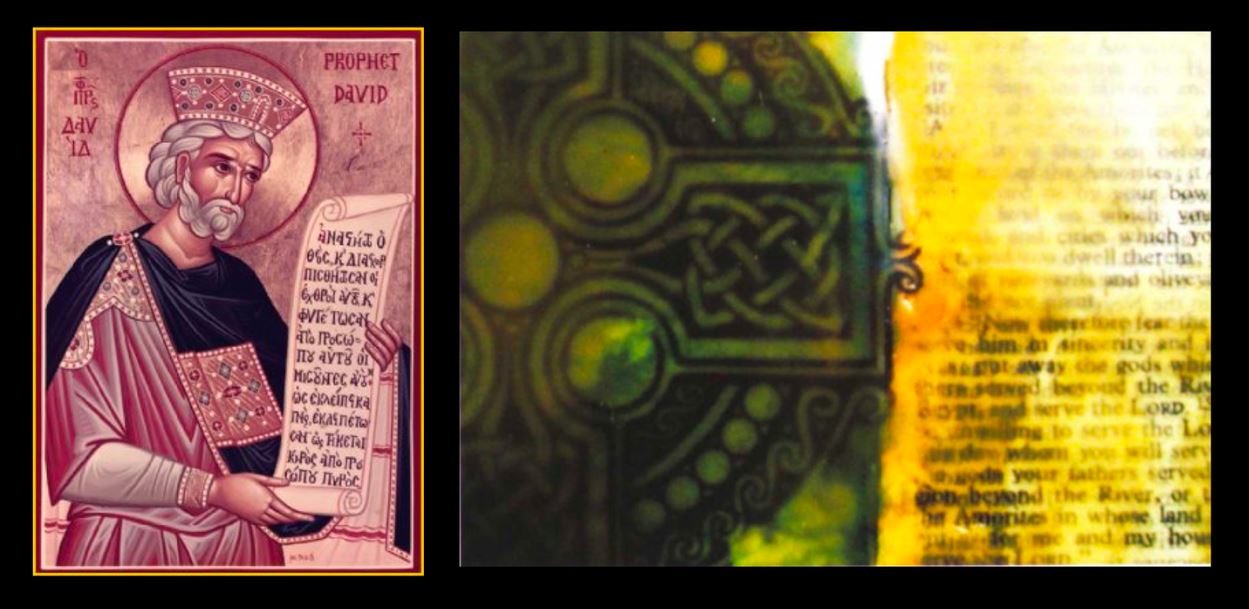
Left: Icon of the Holy Prophet-King David. Right: Celtic Cross with Bible Page, encaustic by Phaedra Jean Taylor.

A choir will perform several chants (Hebrew, Byzantine, Gregorian) and a motet, and then attendees will be led in a handful of Psalm-based songs, from a hymn of German origin to an African American spiritual to CCM classics. Along the way Taylor will provide historical context and trace a narrative.

Sponsored by the Brehm Center at Fuller Theological Seminary, the event is free, but registration is required and filling up; reserve your spot here. It will be recorded and eventually posted on the Fuller Studio YouTube channel (whether there will be a livestream is still TBD).

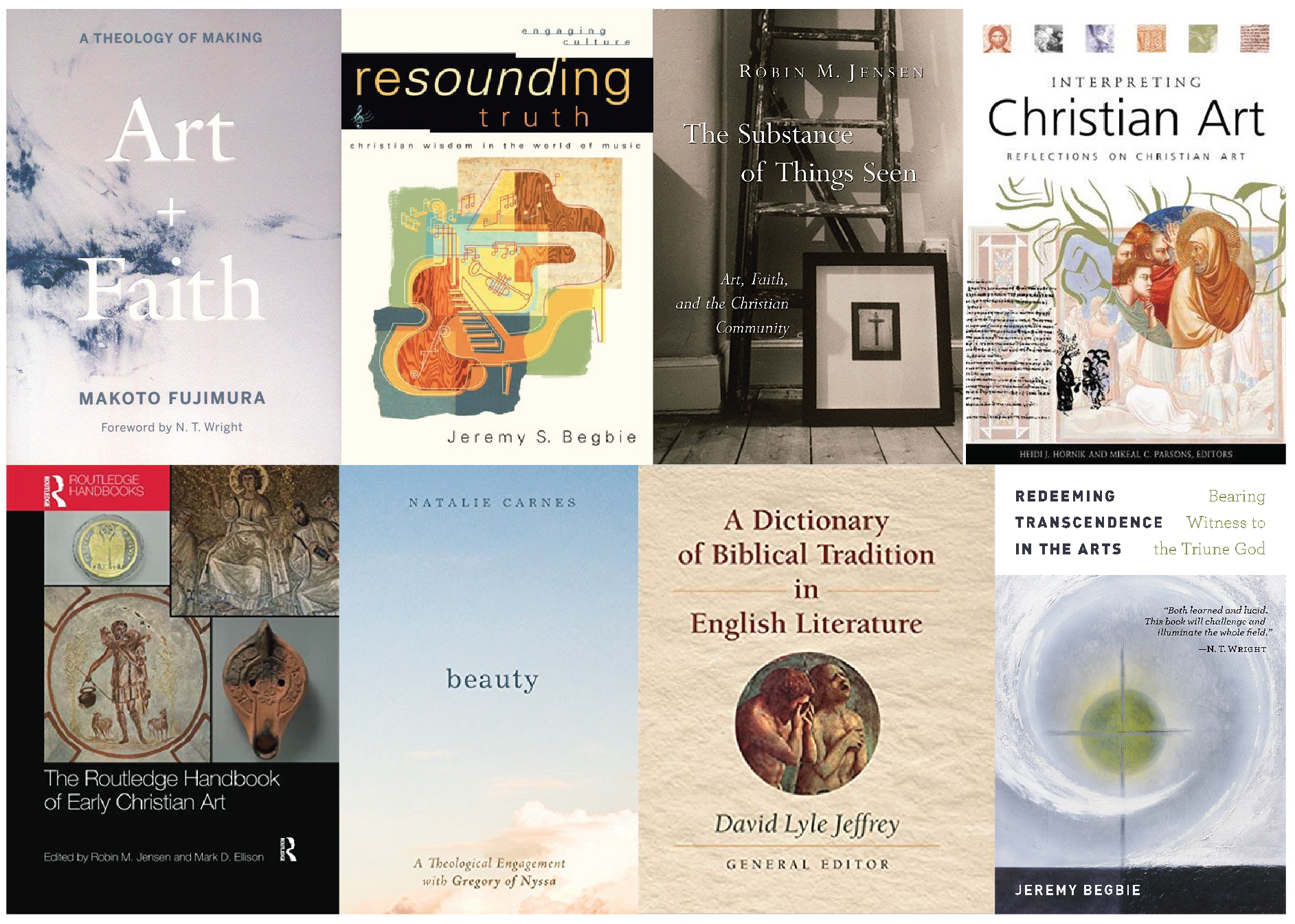
>> Baylor Symposium on Faith and Culture: Art Seeking Understanding, Baylor University, Waco, Texas, October 26–28, 2022: Every fall the Institute for Faith and Learning at Baylor University organizes a symposium around a given topic, and this year’s topic is the arts. Registration is still open! The standard cost is $250, or $125 for students. “The notion of art seeking understanding (ars quaerens intellectum) invites association with the notion of faith seeking understanding (fides quaerens intellectum). Just as faith is a gift of grace that grows toward deeper knowledge, so it seems that art is a gift whose practice leads to a deeper order of understanding. This seems true not only for the person who experiences art, but also the artist—whether musician, painter, sculptor, or poet. The 2022 Baylor Symposium on Faith and Culture invites contributions from across the disciplines (including scholars, artists, and other practitioners) as we explore together how art seeks understanding and thus contributes to human flourishing.”

Their line-up of presenters includes several from within Baylor’s own distinguished ranks, such as composer and liturgist Carlos Colón, theologian Natalie Carnes, art historian Heidi J. Hornik, and literature scholar David Lyle Jeffrey, in addition to famous outside guests like theologian-pianist Jeremy Begbie, contemporary nihonga painter Makoto Fujimura, and Early Christian art historian Robin M. Jensen. See a full list by clicking on the boldface link above.

Books
Just a fraction of the books authored by the eminent speakers at the upcoming Baylor symposium

The website does not provide a list of presentation titles, but among the topic suggestions on its call for proposals page are how art contributes to moral and spiritual perception, sensitivity, and/or character formation; the power of imagination; the relation of poetic art to the communication of moral truth; art therapy in pastoral counseling; how musical settings of biblical texts add value to those texts; and how to reconcile the making of religious art with the commandment in Exodus 20:4.

+++

SONG: “The Lord Is My Light” by Lillian Bouknight | Performed by the Notre Dame Folk Choir, dir. Emorja Roberson: “Very little is known about Lillian Bouknight (d. 1990), except that she was an African American from North Carolina, and a soloist and composer in the Pentecostal Holiness movement in the Aliquippam, PA, Community, also serving as a prayer warrior and on the Mother’s Board.” This setting of Psalm 27 that she composed appears in the African American Heritage Hymnal #160.

+++

VIDEO: “Theology through the Arts” by Jeremy Begbie: A pioneer of the field of theology and the arts, UK-born and US-based scholar Jeremy Begbie is the headliner for the Baylor symposium mentioned above. I met him briefly at a Duke conference a few years ago, and he’s such a delightful person, not to mention a phenomenal teacher who often dispenses wisdom from a piano bench. If you’re not familiar with his work, this fourteen-minute video is a great introduction to it. He’s all about demonstrating how instrumental music (his specialization is Western classical) can help unlock the truths of the Christian gospel. Here he talks about the given, the improvised, and the ministry of the Holy Spirit.

+++

BLOG: Pray with Jill Geoffrion: The Rev. Dr. Jill Kimberly Hartwell Geoffrion is a spiritual director, pilgrim guide, workshop leader, and retreat facilitator who spends at least three months a year at Chartres Cathedral in France, known for its architecture, sculpture, prayer labyrinth, and the world’s most extensive collection of twelfth- and thirteenth-century stained glass. An ordained American Baptist minister with an MDiv from Princeton Theological Seminary and a PhD in women’s studies and Christian spiritualities, she is the author of Visions of Mary: Art, Devotion, and Beauty at Chartres Cathedral (2017) (beautifully produced, from Paraclete Press), Pondering the Labyrinth: Questions to Pray on the Path (2003), and more. Contact her if you are interested in a spiritually based visit to Chartres or in having her present to a group.

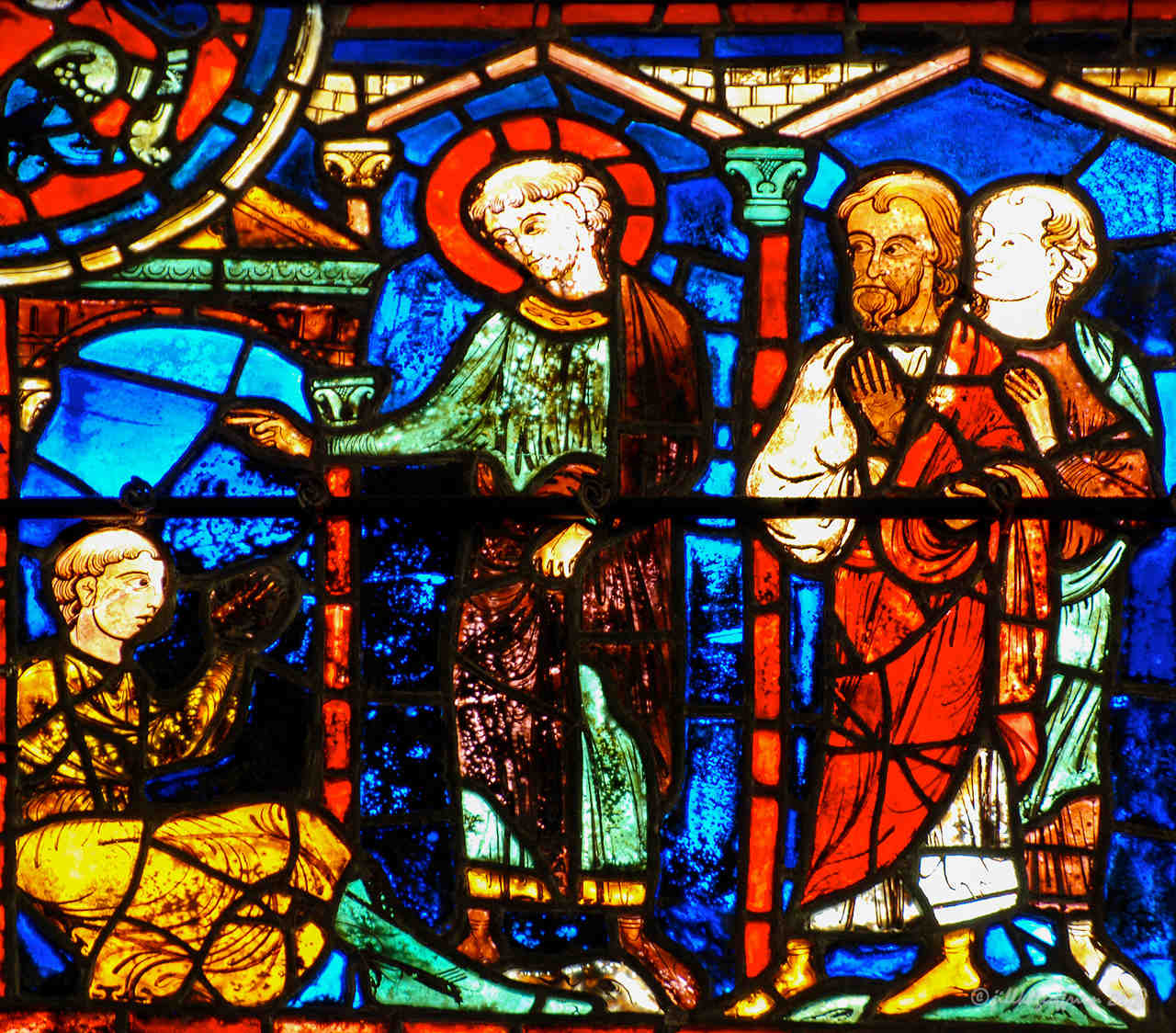
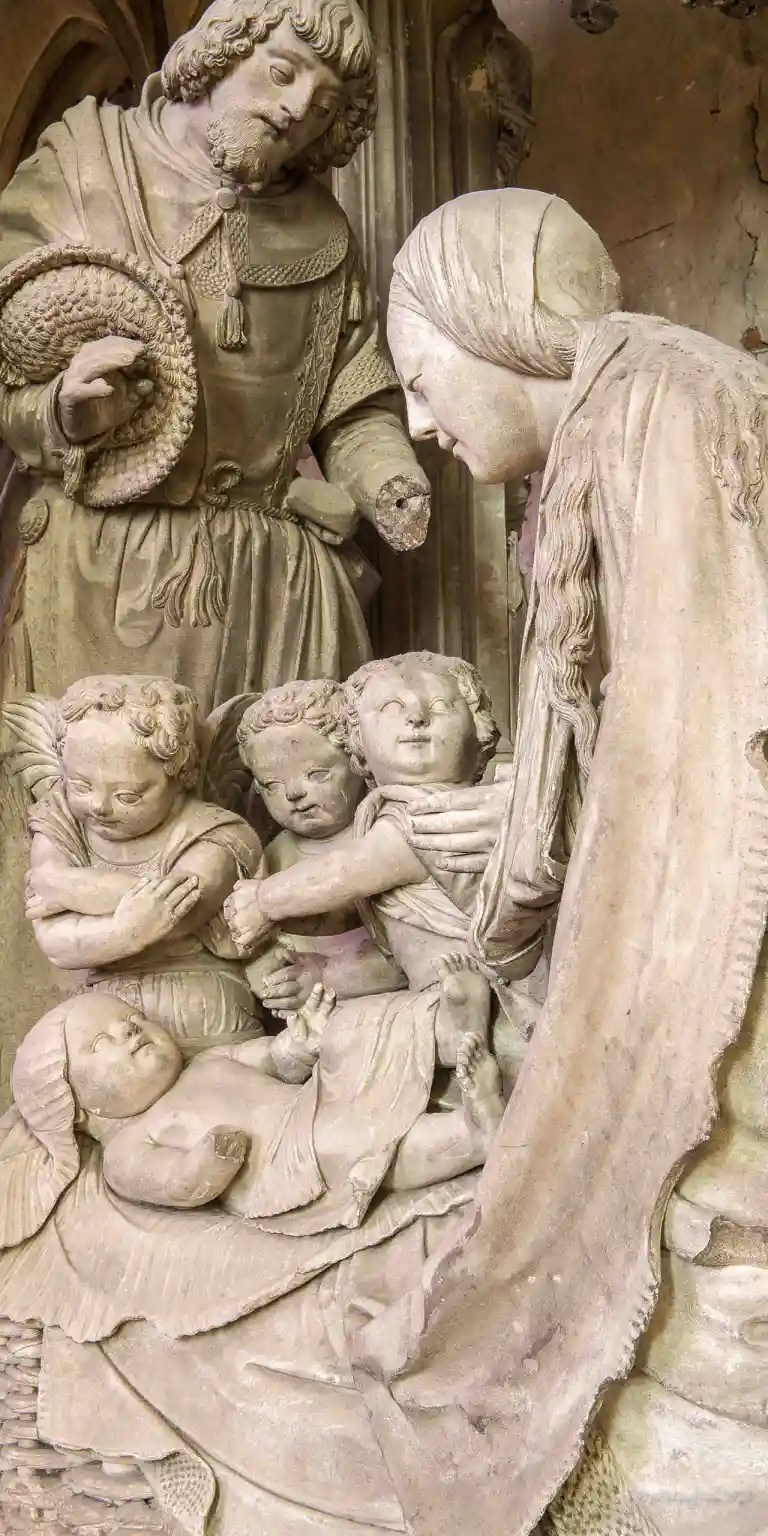
Geoffrion is also a professional photographer, and she shares many of her beautiful art photographs from Chartres on her blog, providing specific prompts for prayer and meditation based on the images. For example, in a post on the stained glass panel of Saint Martin bringing a man back to life, she writes, “Think of what is dead and needs resurrection in you, in those you love, in those who live within twenty-five miles of you, and in whatever country you call home. Then, take a very deep exhale and plead with God, ‘Bring resurrection!’” Or, reflecting on the sixteenth-century Nativity sculpture group attributed to Jehan Soulas, she invites us to “imitate one or more of the sets of eyes in the image . . . as you pray, ‘May I see with Your eyes, God. Teach me to see anew.’”

Saint Martin bringing a man back to life (with two onlookers), 1217–20, stained glass window panel in the south ambulatory at Chartres Cathedral, France. Photo: Jill Geoffrion.

Soulas, Jehan_Nativity
Jehan Soulas, Nativity, 1529, from the choir screen in Chartres Cathedral, France. Photo: Jill Geoffrion.

Geoffrion’s blog is a wonderful free resource for those looking to engage prayerfully with the art treasures of Chartres Cathedral. New content is typically posted in batches a few times a year, and the archive goes back to 2015. Sometimes Geoffrion digitally isolates certain details of the stained glass to aid in a more concentrated focus.

As I said when I featured the Tree of Jesse window several years ago, Chartres is high on my list of places to visit, for aesthetic, historical, and spiritual reasons. I hope to make it there sometime in the next five years.

Roundup: Prayers for a violent world, sad church songs, Climate Vigil Songs, and more

PRAYER COMPILATION: “Prayers for a Violent World” by W. David O. Taylor: “How exactly do we pray in the aftermath of violence? What words should we put on our lips? What can the whole people of God say ‘amen’ to and what might only one of us be able to say amen to in good conscience? These questions are, of course, far from easy to answer, but over the past couple of years I have attempted to give language to such matters and I have included here a number of those prayers, in the hope that they might prove useful, and perhaps comforting, to people who face the terrors and traumas of violent activities on a regular basis.” Included are prayers After a Mass Shooting, Against Bloodthirstiness, For Loving a Hurting Neighbor, For Enemies, For Bitter Lament, For Peace in a Time of War, For Those Who Weary of Doing Justice, and more.

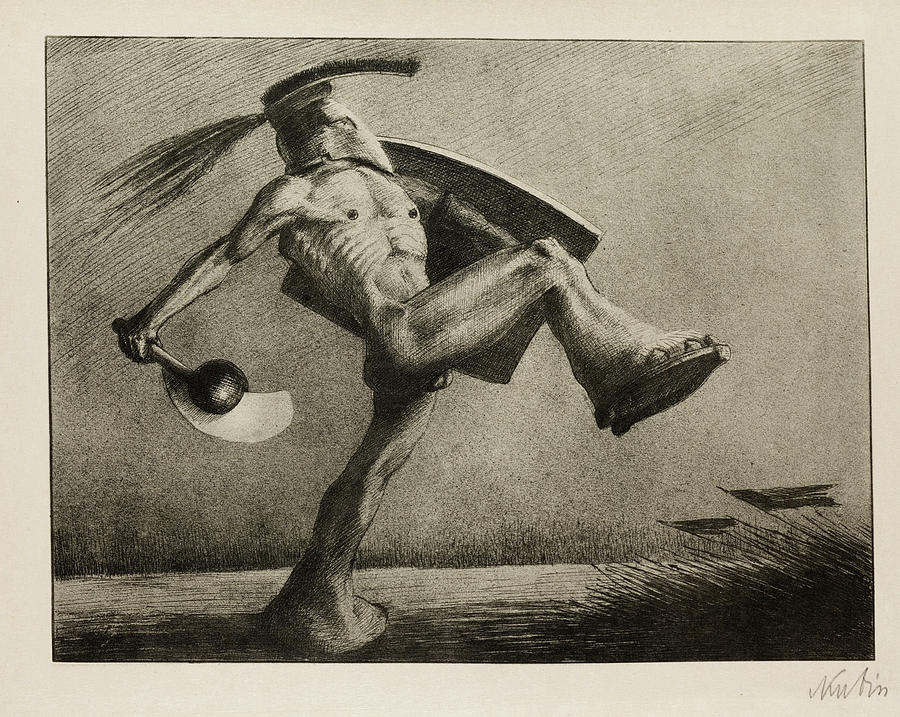
Kubin, Alfred_War
Alfred Kubin (Austrian, 1877–1959), War, 1903

Here’s Taylor’s Prayer of Allegiance to the Prince of Peace:

O Lord, you who deserve all our loyalties, we pledge allegiance this day to the Lamb of God and to the upside-down Kingdom for which he stands, one holy nation under God, the Servant King and the Prince of Peace, with liberty and justice for all without remainder. We pray this in the name of the Holy Trinity. Amen.

+++

NEW ALBUMS:

>> Sorrow’s Got a Hold on Me by Paul Zach: On May 20, singer-songwriter Paul Zach wrote on his Instagram, “My new album of thirteen sad church songs is out today! Many of these songs were written right after one of my weekly EMDR therapy sessions, as I have been working through the sorrow, trauma, and grief of the past few years. I’m learning to bring all of myself to God in prayer and songwriting, which includes my sorrow and anger. I’ve always heard that God shows up in a unique way in times of grief but that has not been my experience. These songs are an invitation for the ‘man of sorrows’ to join me in my grief.”

Below is a demo of the first verse of my favorite song on the album, “We Bring You All Our Sorrows,” followed by the album link from Spotify. It includes a newly revised version of one of my favorite songs by Zach, “When Your Kingdom Comes” [previously].

Zach often writes collaboratively (including as part of the Porter’s Gate! see below), and the cowriters on some of the songs here are Kate Bluett, Latifah Alattas (Page CXVI), Nick Chambers, Orlando Palmer (IAMSON), Jessica Fox, Alex Johnson, and Philip Zach. There are also a few guest vocalists.

>> Climate Vigil Songs by the Porter’s Gate: The Porter’s Gate is a collective of fifty-plus songwriters, musicians, scholars, pastors, and music industry professionals from a variety of Christian worship traditions and cultural backgrounds, making music for churches. This sixth album of theirs, made in partnership with the #ClimateVigil movement, is themed around environmental justice and creation care. Below are videos for “Brother Son (Giving Glory!)” and “Jubilee.”

Besides “Brother Sun,” my favorite tracks are “Satisfied,” a prayer that we would stop seeking to build our wealth (a motive that drives a lot of environmental injustices) and instead be grateful for God’s provision; “The Kingdom Is Coming,” a marchlike call-and-response song that rallies us to pray, wait, and work for an end to creation’s groaning; and “Water to Wine,” which wonders at the miraculous process of planting and growing grapes for harvest. There’s also “All Creatures Lament,” a minor-key arrangement of “All Creatures of Our God and King” with new lyrics that enjoin the animals to mourn habitat loss, air pollution, and other results of humans’ power abuses and irresponsible stewardship.

To learn more about the album, listen to this great interview with Porter’s Gate cofounder and producer Isaac Wardell; it’s from the RESOUNDworship Songwriting Podcast, hosted by Joel Payne. Wardell discusses the vision for Climate Vigil Songs, and especially the difficulty, with thematic albums, of avoiding the pitfalls of being too heavy-handed with the messaging on the one hand, and on the other, being so vague that people don’t see the connection. There’s also a need for tonal balance, and for songs that fill different functions.

We wanted to write for this album at least three different kinds of songs. One kind is essentially songs of lament—songs lamenting the state of creation because of human sin and the brokenness of the world. Secondly, we wanted to write hopeful, you might even call them eschatological, songs—songs that are joyful, that are about this is the world that God has made, this is God’s creative work, this is how God calls us into his creative work. . . . And lastly, we wanted to write mobilization songs—songs that have some kind of an ethical component of calling people to action in some way. . . . We want to make sure the record is not too much of a downer, like all lament songs; we want to make sure that it’s not too much of a happy-clappy “Isn’t creation beautiful!”; and we also don’t want to let it just delve into being a 100 percent political action record. . . . We want to balance those things.

Wardell also talks about the group’s collaborative songwriting approach (including all the theological and editorial work that’s put in), Te Fiti’s stolen (and later, restored) heart in Disney’s Moana, personified nature in the Psalms, creation as an experiencer of the fall and redemption, the role of provocation in church, and biblical imagery he wishes they could have included on the album but had to leave out for length.

+++

POEM + CHORAL SETTING: “when god decided to invent” by E. E. Cummings: “Here’s a brief powerhouse of a poem from E. E. Cummings, two stanzas that draw a sharp distinction between God’s inventive, joyful creativity on the one hand, and our too-frequent turn toward violence on the other. As the mass shootings in Buffalo, Uvalde, and elsewhere continue to reverberate, Cummings’ poem helps us feel and think about what’s at stake – and what the way forward looks like.”

SALT Project reproduces the poem, provides brief commentary, and links to a musical setting by Joshua Shank—a composition for SATB, soprano saxophone, and finger cymbals that premiered in 2005. Shank says the arc of his piece is creation-destruction-recreation. “This final chord is the creator taking control of the creation again.”

+++

RADIO EPISODE: “Belief in Poetry: John Donne”: John Donne (1572–1631) is one of my favorite poets, and looking back on the blog, I can’t believe I’ve not yet featured any of his poems! (I’ll have to rectify that . . .) In this BBC Radio 4 segment from March 13, poet and theologian Pádraig Ó Tuama considers Donne’s complex faith life through his poetry. He speaks with Julie Sanders, professor of English literature and drama at Newcastle University; Mark Oakley, writer and dean of St. John’s College, Cambridge; and Michael Symmons Roberts, poet and professor of poetry at Manchester Metropolitan University. Sir Simon Russell Beale reads the four featured Donne poems: “Death, be not proud” and “Batter my heart, three-person’d God” from his Holy Sonnets series, “Hymn to God, My God, in My Sickness,” and “A Hymn to God the Father.”

Here are two of the quotes that stood out to me:

  • “It’s easy to think of John Donne’s life falling neatly into two parts: the worldly man, and the spiritual seeker; the lover of women, and the lover of God; Catholic, then Protestant; before Anne, and after Anne; love poet, and religious poet. But life is rarely that clear. And rather, it’s the tension between these dynamics of him that gives birth to so much of his work.”—Pádraig Ó Tuama
  • “There’s an assumption that a poet working in this territory is sure of their ground and knows what they’re writing about. I don’t think that’s ever true, because why would you write the poems, if that were true? You’d just bathe in your certainty! The whole act of sitting down to write a poem is not to dress up something you already know in a way that makes it an enticing package for other people to be convinced by—and if you attempted that, it’s going to fall like the deadest thing on the page. Making a poem is an exploratory process. You don’t know where it’s going to end when you start it.”—Michael Symmons Roberts

Roundup: Call for creation care songs; an ode to red hair; and more

SONGWRITING CONTEST: 2021 Creation Care and Climate Justice Songwriting Contest, sponsored by The Porter’s Gate: “We are working on new worship resources celebrating God’s creation and His call to care for the created world. Over the next year we’ll be writing new songs on this subject and recording them. As part of this project, we are looking for submissions from anyone who would like to write a song or has already written a song on this subject. If you are a songwriter or composer, or if you know a songwriter who would be interested, click on this link for all the details of the contest. Songwriters are invited to submit worship songs related to caring for God’s creation, and we are offering a $500 cash prize to the winner. We’ll also record the winning piece.” No entry fee. Deadline August 30, 2021.

+++

CINEPOEM: “First Grade Activist” – Poem by Nic Sebastian, video by Marie Craven: This 2014 short by Australian filmmaker Marie Craven takes a poem written and read by Nic Sebastian—one of many poems made freely available for “remixing” through the now-defunct Poetry Storehouse—and sets it to moving images and music. About bullying in schools and transforming perceptions, the poem suggests concrete ways to turn a personal attribute that elicits taunts into one that’s praiseworthy, merely by reframing it. It’s an ode to red hair!

Video poetry, sometimes called “cinepoetry,” is a hybrid genre that combines the best of both art forms to make dynamic new works. To explore more, visit Moving Poems, Poetry + Video, filmpoetry.org, and the Film and Video Poetry Society, which is currently accepting submissions for its fourth annual symposium.

+++

NEW SONGS BY IAMSON:

IAMSON is the alias of Orlando Palmer, a Christian singer-songwriter from Richmond, Virginia. Here are two of his recent songs, each of which he invited a friend to perform.

>> “Peace” by IAMSON, performed by Caleb Carroll:

>> “Always with Me (Song for Anxiety)” by IAMSON, Jessica Fox, Paul Zach, and Kate Bluett; performed by IAMSON and Caiah Jones:

(See the original solo recording by IAMSON here.)

+++

PODCAST EPISODE: “Worship and the Formative Power of the Arts” with Dr. W. David O. Taylor, Theology in Motion: An excellent conversation with one of my favorite people! Host Steve Zank, director of theology at the Center for Worship Leadership at Christ College, Concordia University Irvine, talks with liturgical theologian, author, and professor David Taylor about his book Glimpses of the New Creation: Worship and the Formative Power of the Arts, about how the arts help shape individuals and communities, particularly in corporate worship contexts.

They discuss the role of metaphor in the Bible, the unique powers of different art forms, and the ways our aesthetic choices open up and close down opportunities for formation in worship.

I so appreciate Taylor’s ecumenicism. He’s an Anglican priest in the United States but does not prescribe any one “right” way of using the arts in worship. In all his examples from across Christian traditions and even historical eras, he’s keen on exploring what motivates aesthetic choices and the benefits and drawbacks of any given choice. For instance, he compares the experiences of worshipping in a Gothic cathedral versus in a living room; neither one is inherently better than the other, but each setting will inevitably form worshippers in distinct ways. He also compares two songs centered on the idea of God as rescuer: the Gettys’ “In Christ Alone” and Hillsong’s “Oceans”; both have a similar aim but take very different approaches to reach it, and that’s OK.

Lots of great content here, folks, and a great intro to the themes in Taylor’s book.