
Film studies and creative writing professor Jeffrey Overstreet grew up in conservative evangelical communities in the Pacific Northwest in the 1970s and ’80s. Though he is grateful for some of the gifts of that upbringing, especially the love of Jesus and of story that it cultivated in him, he regrets the posture he was taught to assume of distrust, fear, and rejection of “the world,” of secular culture and its supposedly corrupting influence—including movies.
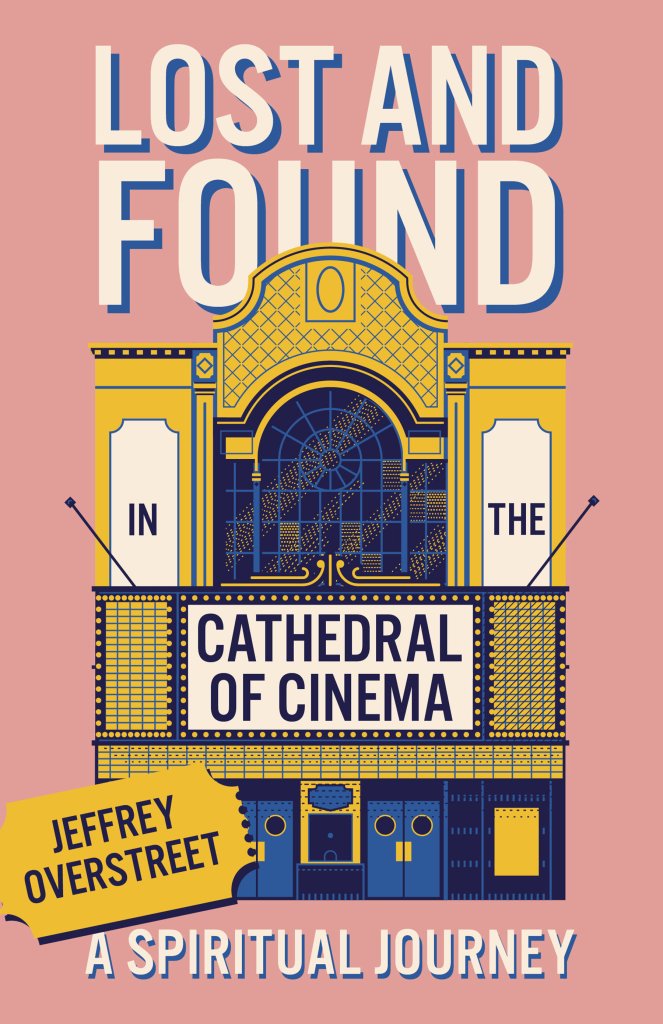
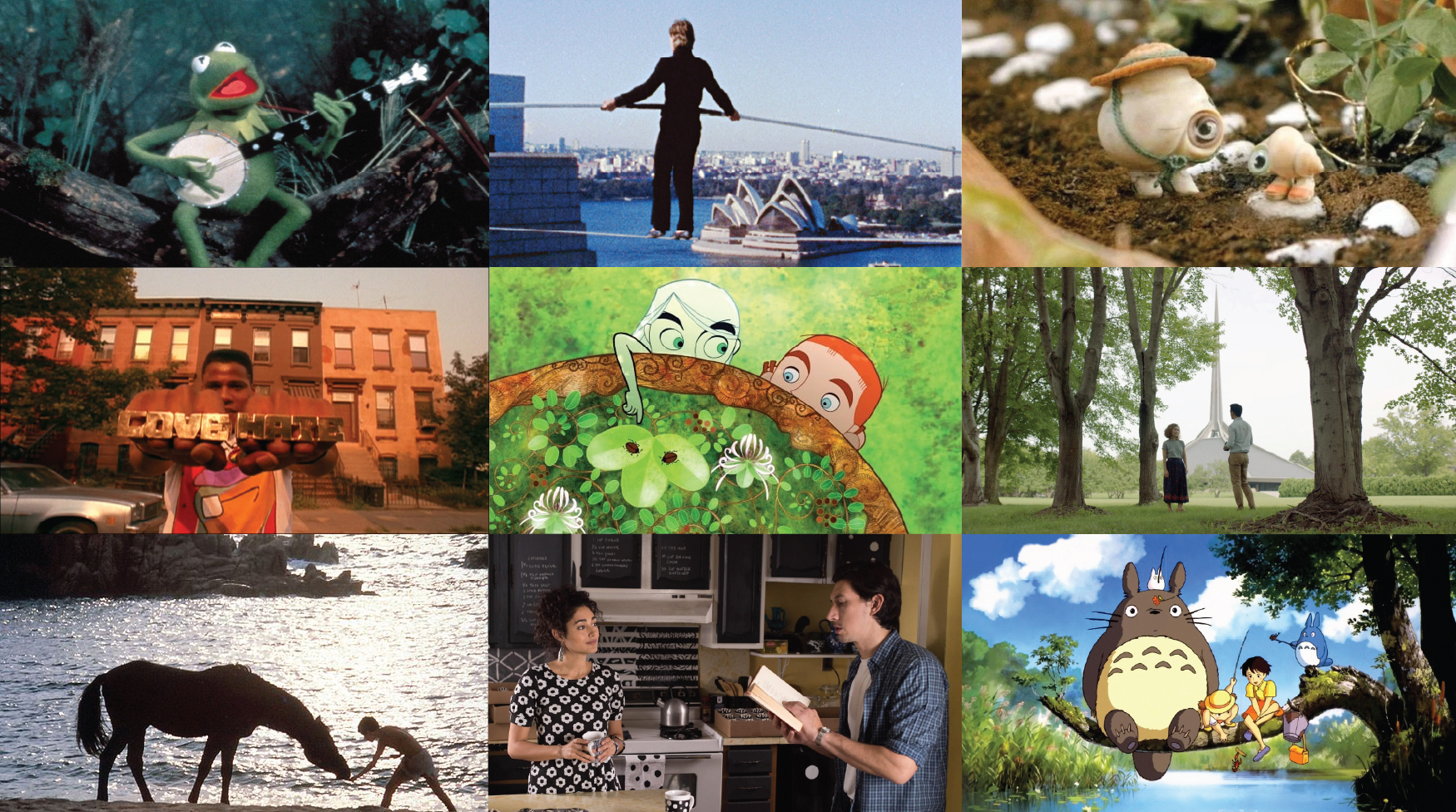
Part memoir and part film criticism, Lost and Found in the Cathedral of Cinema: A Spiritual Journey (Broadleaf Books, 2026) is built around Overstreet’s discovery that over the years, engaging films from Hollywood and beyond has actually caused his faith not to falter but to grow. From The Muppet Movie to Do the Right Thing, The Secret of Kells to Columbus, the movies, Overstreet claims, are a place where God is at play. (“Christ plays in ten thousand places,” as the poet Gerard Manley Hopkins put it.)
The author describes his book as “a testimony about how certain films, like pillars of cloud and fire in the Old Testament stories, have illuminated my journey from a small, supposedly secure, ‘Christian’ world and into the ‘dark’ world I am called to live in and love. . . . I’m here to testify that films have led me from faith to faith, from an insular and fearful practice that stifles questions . . . into a freedom where I am learning from everything, everywhere, all at once” (9, 11).
(Related posts: “Five Films about Finding Community”; “Favorite Films of 2025”; “Book Review: Movies Are Prayers by Josh Larsen”; roundups that feature a lecture, conversation, or article by Jeffrey Overstreet)
He uses the metaphor of cinema as a cathedral, “a place of reverent attention, self-examination, awestruck mindfulness of the created and the Creator” that “occasions intimate fellowship, confession, and celebration with others past and present, near and far” (26). Film can be a sanctuary that restores the soul, he says; a site of revelation and/or wonder, where beauty, goodness, and truth shine; a formative and even transformative experience, emotionally, spiritually, morally, or otherwise.
Perhaps these claims about the capacities of film sound too grandiose. Of course, not every movie we watch is going to have a meaningful impact; in fact, most won’t. (We could be better at selecting for that potential, though, instead of restricting ourselves to the light and diverting.) And what resonates strongly with one viewer may not resonate at all for another. But Overstreet demonstrates that, for those with eyes to see and ears to hear, the movies can hold so much.
Lost and Found is Overstreet’s guide to his own cathedral of cinema, tracing how, through film, his early imagination developed, his convictions about good and evil took shape, his political inclinations were influenced, and his theology has evolved. Covering twenty-one films, the book unfolds in three parts: Early Films (childhood), Transitional Films (adolescence), and Films for the Fearless (adulthood).
Through the Japanese animated fantasy My Neighbor Totoro (1988), written and directed by Hayao Miyazaki, Overstreet discovered that the Divine might offer us shelter from our storms by inviting us into acts of generous play; that the world is alive with goodness and grace. Carroll Ballard’s The Black Stallion (1979) caused him to reconsider his definition of success. Martin Rosen’s Watership Down (1978), with its dark surrealistic visions and animal carnage, “challenged [him] not to look away, not to deny the consequences of claws and teeth” (109).
My favorite section of the book is on Paterson, a 2016 drama about a Paterson city bus driver and poet in New Jersey, written and directed by Jim Jarmusch. The film, Overstreet writes, invites us to see as poets see. Here’s the trailer:
Overstreet does not replace religious belief and practice with film—he’s still a Christian and a dedicated churchgoer who reads the Bible, prays, and participates in liturgy and finds deep meaning in doing so—but rather, he regards film viewing as part of his life of faith. For him, there’s no sacred-secular divide.
Some Christians approach the movies in a very limited and limiting way. Overstreet cites, for example, an unnamed popular Christian filmmaker’s list of three things he wants from a movie: that it (1) aligns with his worldview, (2) doesn’t offend, and (3) entertains. Perspective-affirming, innocuous, enjoyable without a hint of discomfort . . . so much for films that provoke, that value learning, growth, and diversity!
In chapter 10, Overstreet describes how the windows of his small world were smashed open by international cinema and by films whose main characters he couldn’t relate to in many respects because of their different backgrounds and therefore life experiences, especially in terms of culture, race, or nationality. Once he learned to venture beyond only those movies that reflect his own familiar world and preferences—embracing movies whose characters don’t look or talk like him—he found himself learning from neighbors he otherwise wouldn’t have, understanding them better and even growing in love for them. We can’t love our neighbors as ourselves—the second greatest commandment, according to Jesus, after (but inextricably linked to) love of God—if we wall ourselves off from them, if we don’t listen to their stories.
Overstreet encourages Christians to attend to movies with conscience and discernment but also openness and humility, knowing that God is active, too, outside our narrow subcultures. “I know the arts now as an essential language through which I can hear God speaking,” he writes (257).
Reading Lost and Found made me wonder, How would I plot my life through film? I have a list of movies I hold in high esteem, but which would I say have been the most formative to who I am or how I understand God or life in general? It’s something I’m pondering!


Thanks for the review of Jeffery Overstreet’s new book. Years ago I recall reading one of his books, “Through a Screen Darkly”.
LikeLike