>> Live On by the Good Shepherd Collective: The fourteen songs on this seventh full-length album by the Good Shepherd Collective are a mix of gospel, pop, and indie covers (Natalie Bergman, Harry Connick Jr., Aaron Frazer, Joni Mitchell, the Alabama Shakes, Celine Dion, Valerie June, Toulouse, Wilder Adkins) and two originals. Here’s “Look Who I Found” by Harry Connick Jr., sung by Charles Jones, followed by “Peace in the Middle” by Dee Wilson, Asaph Alexander Ward, and David Gungor, sung by Wilson, Gungor, and Rebecca McCartney. For more video recordings of songs from the album, see the Good Shepherd New York YouTube channel, which also features weekly digital worship services. Released July 12.
>> Facing Eden by Hope Newman Kemp: I heard Kemp perform at last year’s Square Halo conference and was compelled by her style, spirit, and songwriting. So I’m excited to see that several of the songs she shared live have now been recorded and released on her brand-new album! Produced by Jeremy Casella and tracked with a session band at the storied Watershed Studio in Nashville, Facing Eden leans toward café jazz but also bears influences from the Jesus Folk music of the 1960s that she was immersed in growing up. “Encompassing expansive sonic territory, the record isn’t afraid to wander into blue cocktail hours (‘My Inflatable Heart’), gospel riversides (‘Mercy,’ ‘Come Home,’ ‘Let It Rise’), ballad-style acoustic hymnody (‘Maria’s Song’), and even the free rubato motion of a musical theatre sound (‘Take Them Home’).” Released August 30.
+++
ARTICLE:“Apache Christ icon controversy sparks debate over Indigenous Catholic faith practices” by Deepa Barath, Associated Press: In 1989, a new icon by the Franciscan artist-friar Robert Lentz was installed behind the altar of St. Joseph Apache Mission church in Mescalero, New Mexico. According to the artist’s statement, the painting shows Christ as a Mescalero holy man, standing on the sacred Sierra Blanca (White Mountains). A sun symbol is painted on his left palm, and in his right hand he holds a deer hoof rattle. A basket at his feet holds an eagle feather, a grass brush, and bags of tobacco and cattail pollen, items used in Native rituals. Behind him flies an eagle, the guide who led the nomadic hunter-gatherer Apaches to their “promised land” of the Tularosa Basin in southern New Mexico some seven hundred years ago. The inscription at the bottom reads, “Bik’egu’inda’n,” Apache for “Giver of Life.” The Greek letters in the upper corners are an abbreviation for “Jesus Christ.”
Br. Robert Lentz (American, 1946–), OFM, Apache Christ, 1989. Egg tempera and gold leaf on gessoed panel, 8 × 4 ft. St. Joseph Apache Mission Church, Mescalero, New Mexico. Photo: Colin Archibald.
Fr. Dave Mercer, a former priest at St. Joseph’s, describes the image and its significance:
When Franciscan Br. Robert Lentz painted his Apache Christ icon, he did so with great care for Apache traditions and sacred customs and with dialogue with tribal spiritual leaders, the medicine men and women. With their approval, he painted Jesus as a medicine man, including symbols and sacred items for which our Apache friends needed no explanation. They understood the message that our Lord Jesus had been with them all along and that he is one of them as he is one with the people of every land.
But on June 26, the church’s then-priest, Father Peter Chudy Sixtus Simeon-Aguinam, who had been installed in December 2023, removed the icon and a smaller painting depicting a sacred Indigenous dancer. Also taken were ceramic chalices and baskets given by the Pueblo community for use during the Eucharist. Neither Father Chudy nor the Diocese of Las Cruces, which oversees the mission, have provided a statement, but in July Father Chudy departed and, due to the demands of the congregation, the icon and other objects were returned. Presumably the removal was due to a fear of syncretism.
I’m not able to address that complicated charge in this roundup format, but I wanted to put this news item out there to show how art so often shapes religious communities—in this case affirming the Apache Christian identity (contrary to the claims of some, the two are not mutually exclusive) and conveying a sense of God-with-us and God-for-us. Click here to watch a five-minute video interview with the artist from 2016, who says the icon of the Apache Christ is an effort to heal the wounds that Christian missionaries inflicted on Native people in the past.
+++
NEW BOOK: The Bible in Photography: Index, Icon, Tableau, Vision by Sheona Beaumont: Artist and scholar Sheona Beaumont [previously] is a visiting research fellow at King’s College London and cofounder of Visual Theology. In this book published by T&T Clark, she discusses, with critical depth, a range of “photographs that depict or refer to biblical subject matter, asking how the reception of the Bible by photographers and their audiences reveals their imaginative interpretation,” she writes. “I hope to show that, far from being an outdated, idiosyncratic or dead referent, the Bible’s many afterlives in photographs are uniquely qualified to show up the workings of a modern religious imagination” (1).
In preparation for this project, Beaumont comprehensively scoped the representations of biblical characters, scenes, and texts through the whole of photographic history, from Fred Holland Day and Julia Margaret Cameron to Gilbert & George and Bettina Rheims. For the book she chose fifty-five such images and interviewed twenty living photographers. In addition to fine-art photography, she covers documentary photography, advertising photography, propaganda, diableries, and spirit photography.
The Bible in Photography is highly academic; nonscholars will probably find part 1, where the author establishes the conceptional and methodological footing for her inquiry, too dense (it’s in dialogue with Hans-Georg Gadamer, Marshall McLuhan, Walter Benjamin, and Anthony Thiselton). For me, the highlight of the book is the selection of images and the grappling with the literal and the spiritual—the difficulties of representing historically real persons using contemporary models, and of conveying a “something more” beyond the surface, an element of transcendence. Some of the photographic pieces I’ve never encountered before, such as Corita Kent’s arrangement of journalistic photographs as Stations of the Cross from the Spring 1966 issue of Living Light. There’s much to savor here!
My research interests center on the figure of Christ, a figure that, Beaumont notes, still has cultural currency in fine-art photography. “Even if our predominantly secular culture has largely abandoned its inheritance of a (Christian) hermeneutic tradition, the heritage-infused currents of visual culture in combination with the return of religion in global terms, demands its voice” (225). She encourages us to consider where and how and why Jesus is showing up in the medium of photography.
Left: Lewis Hine (American, 1874–1940), A Madonna of the Tenements, 1904. Gelatin silver print, diameter 10 in. Right: Raphael (Italian, 1483–1520), Madonna of the Chair, 1513–14. Oil on panel, diameter 28 in. Palazzo Pitti, Florence.Adi Nes (Israeli, 1966–), Untitled (Ruth and Naomi), 2006. C-print, 140 × 177 cm.David Mach (Scottish, 1956–), The Money Lenders – Barcelona, 2011. Press print collage, 10 × 18 ft.
+++
VIDEO: Deer in a Church: This short clip is one of the test scenes filmed on July 23, 2014, at the Église Saint-Eustache (Church of Saint Eustace) in Paris in preparation for a site-specific video installation commissioned for the church from Leonora Hamill, a photographic artist born in Paris and based in London and New York. The church is named after a Roman general who converted from paganism to Christianity during a hunt, after the stag he was pursuing turned to him and a cross appeared between its antlers, and he heard God speak, commanding him to be baptized. Eustace was martyred for his faith by Emperor Trajan in AD 118. His feast day is celebrated on September 20 in the Catholic Church and November 2 in the Orthodox Church.
The magnificent red deer (Cervus elaphus) in the video, a trained stag, is named Chambord. The installation he was filmed for, which was on view from December 4, 2014, to January 18, 2015, is titled Furtherance; a “making of” video can be seen here, and Hamill has posted another test scene on Instagram. Her director of photography for the project was Ghasem Ebrahimian.
From the artist’s website: “Shot on 35mm, the work weaves together traces of everyday activities within the church, unusual architectural points of view and a live stag . . . wandering through the space. Hamill transcribes the collective energy specific to this place of worship by retracing the steps of the church’s various occupants: priests, parishioners, tourists, soup-kitchen volunteers (on duty at the West Entrance every evening during winter) and their ‘guests’. These crossing paths constitute the social essence of the site. Their minimalist and precise choreography merges the human and spiritual sap of St Eustache.”
The footage of the majestic deer inside the majestic seventeenth-century sacred space—looking curiously around the high altar, the soaring candles reminiscent of trees in a forest—is breathtaking! Reminds me of Josh Tiessen’s Streams in the Wastelands painting series. Even nonhuman creatures praise the Creator.
Leonora Hamill (French, 1978–), Furtherance, installation view, St. Eustache Church, Paris, 2014. Two-channel HD projection, color. 35 mm transferred to 2K. Duration: 8 mins, 26 secs. Commissioned by the Rubis Mécénat cultural fund. Photo: Liz Eve.Production still from Furtherance by Leonora Hill
Walter Rauschenbusch (1861–1918) was a Baptist minister, theology professor, and pioneer of the Social Gospel movement, which dominated American Protestant thought in the late nineteenth and early twentieth centuries. This movement sought to apply the ethical principles Jesus taught and the theological vision he espoused to pressing social concerns, such as poverty, pollution, alcoholism, unjust wages, unregulated factories, child labor, inadequate schools, women’s suffrage, racism, and violence. The son of German immigrants, Rauschenbusch pastored a congregation in the congested and impoverished neighborhood of Hell’s Kitchen in New York City from 1886 to 1897, where he witnessed firsthand, in the lives of his congregants, the misery of exploited workers. Adults and children alike worked ten- to twelve-hour days, six days a week, and lived in unsafe and unsanitary tenements.
This pastorate was deeply formative for him as he went on to teach in academic settings and to write. From 1897 until his death he taught courses in church history and Christian ethics at Rochester Theological Seminary and published a handful of books: Christianity and the Social Crisis (1907), Prayers of theSocial Awakening (1910), Christianizing the Social Order (1912), Dare We Be Christians? (1914), The Social Principles of Jesus (1916), and A Theology for the Social Gospel (1917). Christianity Revolutionary, which he wrote in 1891, was published posthumously as The Righteousness of the Kingdom in 1968.
In some Christian circles, “social gospel” is a dirty word, as some think it overemphasizes material concerns and detracts from what they see as Jesus’s core message of the salvation of souls. The sermons and writings of Social Gospelers did swing that way, focusing on the this-worldly social implications of the good news of Jesus and not as much on the spiritual, but that’s because at the turn of the century there was a relative dearth in preaching and writing about social issues from an informed Protestant theological perspective that they sought to rectify. Christians were already well versed in the narrative of personal sin and redemption. But the notion of societal sin and societal redemption was underdeveloped territory, so Rauschenberg, Josiah Strong, Washington Gladden, Richard T. Ely, and others moved in to articulate this neglected aspect of the gospel.
The Social Gospel movement makes the kingdom of God its central doctrine. Adherents believe the mission of the church is to propagate God’s kingdom, aka the kingdom of heaven, on earth. It’s a mischaracterization that the movement is concerned only with fixing society and not people. People make up society, and change starts with them—with personal repentance. Social Gospelers would say that as people turn to Christ and are spiritually transformed by him into new creations, those transformed people, in the power of the Holy Spirit, can then, and indeed are called to, “renew the face of the earth” (Ps. 104:30).
Rauschenbusch calls out the passivity of those Christians who say they are waiting for Christ to return to set all things right but don’t participate in the Christ-spirited renewal, the setting right, that is already underway. Of course he still believed in Christ’s second coming; he just also believed it a Christian duty to anticipate that coming with acts of charity and justice. Addressing the complaint that humans are powerless to solve the world’s overwhelming social problems and can never achieve the kind of sweeping regeneration Christ will bring, he wrote in Christianity and the Social Crisis:
We know well that there is no perfection for man in this life: there is only growth toward perfection. . . . We shall never have a perfect social life, yet we must seek it with faith. We shall never abolish suffering. . . . At best there is always but an approximation to a perfect social order. The kingdom of God is always but coming.
But every approximation to it is worthwhile. . . . Everlasting pilgrimage toward the kingdom of God is better than contented stability in the tents of wickedness.
He highlights the horizontal dimension of Christ’s mission and the apostle Paul’s institution of it, claiming that “the essential purpose of Christianity was to transform human society into the kingdom of God by regenerating all human relations and reconstituting them in accordance with the will of God.” He sees the Lord’s Prayer as key, in which we pray for God’s will to be done on earth as it is in heaven. “There is no request here that we be saved from earthliness and go to heaven, which has been the great object of churchly religion,” he writes. “We pray here that heaven may be duplicated on earth through the moral and spiritual transformation of humanity, both in its personal and its corporate life.” God’s salvation is not a salvation from this world but a salvation in and for this world.
The 1892 statement of the Brotherhood of the Kingdom, drafted by Rauschenbusch, Nathaniel Schmidt, and Leighton Williams, comments on the all-too-common truncated view of the gospel:
Because the individualist conception of personal salvation has pushed out of sight the collective idea of a Kingdom of God on earth, Christian men seek for the salvation of individuals and are comparatively indifferent to the spread of the spirit of Christ in the political, industrial, social scientific, and artistic life of humanity, and have left these as the undisturbed possessions of the spirit of the world. Because the Kingdom of God has been understood as a state to be inherited in a future life rather than as something to be realized here and now, therefore Christians have been contented with a low plane of life here and have postponed holiness to the future.
While I wouldn’t say I’m part of the Social Gospel movement, I’ve definitely been positively influenced by it—I’m not in the bandwagon of denigrators—even as I try to integrate and balance its wisdom with Jesus’s other proclamations.
Martin Luther King Jr. was an appreciator too. He wrote in Stride toward Freedom (1958),
Rauschenbusch had done a great service for the Christian church by insisting the gospel deals with the whole man, not only his soul but his body; not only his spiritual well-being but his material well-being. It has been my conviction ever since reading Rauschenbusch that any religion which professes to be concerned about the soul of men and is not concerned about the social and economic conditions that scar that soul, is a spiritually moribund religion waiting for the day to be buried.
(King was killed, remember, at a workers’ rights rally.)
The Social Gospel movement advocated social change, seeking the betterment of industrialized society through the application of biblical principles. It contributed to the New Deal and other progressive governmental programs in the US and Canada in the 1930s and ’40s and prefigured elements of liberation theology, which emerged in Latin America in the late 1960s.
My entrée to Rauschenbusch’s thought was through his published prayers. I had been conditioned to treat as suspect any products of the Social Gospel movement, so I was not expecting to be as moved as I was by his petitions and thanksgivings to God, which convey his deep and wide concern for the world, and which I’ve found meaningful to lift up in my own prayer time.
His collection includes prayers for employers, homeless children, immigrants, consumers, judges, legislators, artists, doctors and nurses, journalists, the environment, and so on, as well as prayers for morning, evening, and mealtime.
The following is a selection of prayers from Walter Rauschenbusch, Prayers of the Social Awakening (Boston and Chicago: The Pilgrim Press, 1910), which is in the public domain. I have lightly edited them, mainly for gender inclusivity. All headings, save for the fourth one (which I updated the language of), are Rauschenbusch’s.
Grace before Meat
“Our Father, thou art the final source of all our comforts, and to thee we render thanks for this food. But we also remember in gratitude the many men and women whose labor was necessary to produce it, and who gathered it from the land and afar from the sea for our sustenance. Grant that they too may enjoy the fruit of their labor without want, and may be bound up with us in a fellowship of thankful hearts.”
Prayer for This World
“O God, we thank thee for this universe, our great home; for its vastness and its riches, and for the manifoldness of the life which teems upon it and of which we are part. We praise thee for the arching sky and the blessed winds, for the driving clouds and the constellations on high. We praise thee for the salt sea and the running water, for the everlasting hills, for the trees, and for the grass under our feet. We thank thee for our senses by which we can see the splendor of the morning, and hear the jubilant songs of love, and smell the breath of the springtime. Grant us, we pray thee, a heart wide open to all this joy and beauty, and save our souls from being so steeped in care or so darkened by passion that we pass heedless and unseeing when even the thornbush by the wayside is aflame with the glory of God. Enlarge within us the sense of fellowship with all the living things, our kin, to whom thou hast given this earth as their home in common with us. We remember with shame that in the past we have exercised dominion with ruthless cruelty, so that the voice of the earth, which should have gone up to thee in song, has been a groan of travail. May we realize that they live not for us alone but for themselves and for thee, and that they love the sweetness of life even as we, and serve thee in their place better than we in ours. When our use of this world is over and we make room for others, may we not leave anything ravished by our greed or spoiled by our ignorance, but may we hand on our common heritage fairer and sweeter through our use of it, undiminished in fertility and joy, that so our bodies may return in peace to the great mother who nourished them and our spirits may round the circle of a perfect life in thee.”
Prayer for Employers
“We invoke thy grace and wisdom, O Lord, upon all people of goodwill who employ and control the labor of others. Amid the numberless irritations and anxieties of their position, help them to keep a quiet and patient temper, and to rule firmly and wisely, without harshness and anger. Since they hold power over the bread, the safety, and the hopes of the workers, may they wield their powers justly and with love, as older siblings and leaders in the great fellowship of labor. Suffer not the heavenly light of compassion for the weak and the old to be quenched in their hearts. When they are tempted to follow the ruthless ways of others, and to sacrifice human health and life for profit, do thou strengthen their will in the hour of need, and bring to naught the counsels of the heartless. Save them from repressing their workers into sullen submission and helpless fear. May they not sin against the Christ by using people’s bodies and souls as mere tools to make things, forgetting the human hearts and longings of these their brothers and sisters.”
Prayer for the Unemployed
“O God, we remember with pain and pity the thousands of our brothers and sisters who seek honest work and seek in vain. For though unsatisfied wants are many, and though our land is wide and calls for labor, yet these thy sons and daughters have no place to labor, and are turned away in humiliation and despair when they seek it. O righteous God, we acknowledge our common guilt for the disorder of our industry which thrusts even willing workers into the degradation of idleness and want, and teaches some to love the sloth which once they feared and hated. We remember also with sorrow and compassion the idle rich, who have vigor of body and mind and yet produce no useful thing. Forgive them for loading the burden of their support on the bent shoulders of the working world. Forgive them for wasting in refined excess what would feed the pale children of the poor. Forgive them for setting their poisoned splendor before the thirsty hearts of the young, luring them to theft or shame by the lust of eye and flesh. Forgive them for taking pride in their workless lives and despising those by whose toil they live. Forgive them for appeasing their better self by pretended duties and injurious charities. We beseech thee to awaken them by the new voice of thy Spirit that they may look up unto the stern eyes of thy Christ and may be smitten with the blessed pangs of repentance. Grant them strength of soul to rise from their silken shame and to give their brothers and sisters a just return of labor for the bread they eat. And to our whole nation do thou grant wisdom to create a world in which none shall be forced to idle in want, and none shall be able to idle in luxury, but in which all shall know the health of wholesome work and the sweetness of well-earned rest.”
Prayer for Artists and Musicians
“O thou who art the all-pervading glory of the world, we bless thee for the power of beauty to gladden our hearts. We praise thee that even the least of us may feel a thrill of thy creative joy when we give form and substance to our thoughts and, beholding our handiwork, find it good and fair. We praise thee for our brothers and sisters, the masters of form and color and sound, who have power to unlock for us the vaster spaces of emotion and to lead us by their hand into the reaches of nobler passions. We rejoice in their gifts and pray thee to save them from the temptations which beset their powers. Save them from selfish ambition and the vanity that feeds on cheap applause, and from the dark phantoms that haunt the listening soul. Let them not satisfy their hunger for beauty with mere tricks of skill, devoid of spirit. Teach them that they are but servants of their fellow beings, and that the promise of their gifts can fulfill itself only in the service of love. Give them faith in the inspiring power of a great purpose and courage to follow to the end the visions of their youth. Kindle in their hearts a compassion for the joyless lives of the people, and make them rejoice if they are found worthy to hold the cup of beauty to lips that are athirst. Make them reverent interpreters of you, they who see thy face and hear thy voice in all things, so that they may unveil for us the beauties of nature which we have passed unseeing, and the sadness and sweetness of humanity to which our selfishness has made us oblivious.”
Prayer for Lawyers and Legislators
“O Lord, thou art the eternal order of the universe. Our human laws at best are but an approximation to thine immutable law, and if our institutions are to stand, they must rest on justice, for only justice can endure. We beseech thee for the men and women who are set to make and interpret the laws of our nation. Grant to all lawyers a deep consciousness that they are called of God to see justice done, and that they prostitute a holy duty if ever they connive in its defeat. Fill them with a high determination to make the courts of our land a strong fortress of defense for the poor and weak, and never a castle of oppression for the hard and cunning. Save them from surrendering the dear-bought safeguards of the people for which our foreparents fought and suffered. Revive in them the spirit of the great liberators of the past that they may cleanse our law of the inherited wrongs that still cling to it. Suffer not the web of outgrown precedents to veil their moral vision, but grant them a penetrating eye for the rights and wrongs of today and a quick human sympathy with the life and sufferings of the people. May they not perpetuate the tangles of the law for the profit of their profession. Aid them to make its course so simple, and its justice so swift and sure, that the humblest may safely trust it and the strongest fear it. Grant them wisdom so to refashion all law that it may become the true expression of the fairer ideals of freedom and brotherhood which are now seeking their incarnation in a new age. Make these our brothers and sisters the wise interpreters of thine eternal law, the brave spokespersons of thy will, and in reward bestow upon them the joy of conscious fellowship with thy Christ in saving people from the bondage of ancient wrong.”
Prayer against War
“O Lord, since first the blood of Abel cried to thee from the ground that drank it, this earth of thine has been defiled with human blood shed by the hand of siblings, and the centuries sob with the ceaseless horror of war. Ever the pride of kings and the covetousness of the strong have driven peaceful nations to slaughter. Ever the songs of the past and the pomp of armies have been used to inflame the passions of the people. Our spirit cries out to thee in revolt against it, and we know that our righteous anger is answered by thy holy wrath. Break thou the spell of the enchantments that make the nations drunk with the lust of battle and draw them on as willing tools of death. Grant us a quiet and steadfast mind when our own nation clamors for vengeance or aggression. Strengthen our sense of justice and regard for the equal worth of other peoples and races. Grant to the rulers of nations faith in the possibility of peace through justice, and grant to the common people a new and stern enthusiasm for the cause of peace. Bless our soldiers and sailors for their swift obedience and their willingness to answer to the call of duty, but inspire them nonetheless with a hatred of war, and may they never for love of private glory or advancement provoke its coming. May our young men and women still rejoice to die for their country with the valor of their parents, but teach our age nobler methods of matching our strength and more effective ways of giving our life for the flag. O thou strong Father of all nations, draw all thy great family together with an increasing sense of our common blood and destiny, that peace may come on earth at last, and thy sun may shed its light rejoicing on a holy kinship of peoples.”
Prayer for Conferences and Conventions
“We praise thee, O God, for our friends and fellow workers, for the touch of their hands and the brightness of their faces, for the cheer of their words and the outflow of goodwill that refreshes us. Grant us the insight of love that we may see them as thou seest, not as frail mortals, but as radiant children of God who have wrought patience out of tribulation and who bear in earthen vessels the treasures of thy grace. May nought mar the joy of our fellowship here. May none remain lonely and hungry of heart among us. Let none go hence without the joy of new friendships. Give us more capacity for love and a richer consciousness of being loved. Overcome our coldness and reserve that we may throw ajar the gates of our heart and keep open house this day. Lift our human friendships to the level of spiritual companionship. May we realize thee as the eternal bond of our unity. Shine upon us from the faces of thy servants, thou all-pervading beauty, that in loving them we may be praising thee. Through Christ, our Lord.”
Evening Prayers
“O Lord, we praise thee for our sister, Night, who folds all the tired folk of the earth in her comfortable robe of darkness and gives them sleep. Release now the strained limbs of toil and smooth the brow of care. Grant us the refreshing draught of restfulness that we may rise in the morning with a smile on our face. Comfort and ease those who toss wakeful on a bed of pain, or whose aching nerves crave sleep and find it not. Save them from evil or despondent thoughts in the long darkness, and teach them so to lean on thy all-pervading life and love, that their souls may grow tranquil and their bodies, too, may rest. And now through thee we send Good Night to all our brothers and sisters near and far, and pray for peace upon all the earth.”
“Our Father, as we turn to the comfort of our rest, we remember those who must wake that we may sleep. Bless the guardians of peace who protect us against those of evil will, the watchers who save us from the terrors of fire, and all the many who carry on through the hours of the night the restless commerce we require on sea and land. We thank thee for their faithfulness and sense of duty. We pray for thy pardon if our covetousness or luxury makes their nightly toil necessary. Grant that we may realize how dependent the safety of our loved ones and the comforts of our life are on these our brothers and sisters, that so we may think of them with love and gratitude and help to make their burden lighter.”
“Accept the work of this day, O Lord, as we lay it at thy feet. Thou knowest its imperfections, and we know. Of the brave purposes of the morning only a few have found their fulfillment. We bless thee that thou art no hard taskmaster, watching grimly the stint of work we bring, but the father and teacher of people who rejoices with us as we learn to work. We have naught to boast before thee, but we do not fear thy face. Thou knowest all things and thou art love. Accept every right intention however brokenly fulfilled, but grant that ere our life is done we may under thy tuition become true master workers, who know the art of a just and valiant life.”
“Our Master, as this day closes and passes from our control, the sense of our shortcomings is quick within us and we seek thy pardon. But since we daily crave thy mercy on our weakness, help us now to show mercy to those who have this day grieved or angered us and to forgive them utterly. Suffer us not to cherish dark thoughts of resentment or revenge. So fill us with thy abounding love and peace that no ill will may be left in our hearts as we turn to our rest. And if we remember that any brother or sister justly hath aught against us through this day’s work, fix in us this moment the firm resolve to make good the wrong and to win again the love of our sibling. Suffer us not to darken thy world by lovelessness, but give us the power of the children of God to bring in the reign of love among people.”
CONCERT RECORDING: “Found in Translation: Cross-Cultural Musical Explorations of the Bible” with John Pfumojena and Delvyn Case: “In this unique concert, acclaimed Zimbabwean musician John Pfumojena and award-winning American pianist Delvyn Case reinterpret traditional sacred music by drawing upon traditions from Africa, Western Europe, and the Americas. Featuring one-of-a-kind arrangements for voice, mbira, and piano of gospel songs, African American spirituals, and hymns, the concert celebrates the unique power of sacred music to foster Christian unity—while simultaneously challenging us to consider the ways the church has fallen short of its ideals. Presented in June 2024 in historic Exeter College chapel at the University of Oxford.”
The program includes, among other selections, a medley of the nineteenth-century hymn “Abide with Me” from the UK and the nineties Zimbabwean song “Iwe Nesu” (Lord God, Be with Your Children) by Chiwoniso Maraire and Chirikure Chirikure; a powerful performative reading of Psalm 22 in English and Ndebele; and perhaps my favorite, the closer, the gospel song “Precious Lord, Take My Hand” with a verse in Shona.
To inquire about bringing this concert to your church, school, or organization in the UK, contact Deus Ex Musica.
+++
CONCERT TOUR:Tafod Arian (Silver Tongue), a.k.a. theLost Welsh Folk Hymns, a project by Lleuwen Steffan: This year the progressive Welsh folk artist Lleuwen Steffan has been traveling to chapels and other venues across the UK to present a trove of little-known Welsh folk hymns that she uncovered from the sound archive of St Fagans National Museum of History. (The field recordings were made by folklore and oral history expert Robin Gwyndaf in 1964.) Mostly dating from the eighteenth century, these hymns were passed down orally and never made it into church hymnals.
“They’re conversational and the lyrics feel so current,” Steffan says. “There were committees who would choose what hymns would go into the hymn books. These were the unchosen ones, the ‘canceled’ ones, if you like. Many of them are about addiction, mental illness, the dark side of the psyche. You have one that talks of drunkenness and alcoholism that is transformed into drinking the wine from God’s cellar.”
In addition to showcasing her own contemporary arrangements of the hymns, Steffan is also performing electronic renditions of nineteenth-century “hwyl” (spirit) sermons. Here’s an April 17, 2024, performance of hers at Drygate Brewing in Glasgow, part of the Celtic Connections festival:
What a strange and interesting soundscape! I’m eager to hear more of these hymns, and I’d love to see at least some of them translated into English.
+++
DOCUMENTARY: “The Canaan Hymns,” part 4 of The Cross: Jesus in China, dir. Yuan Zhiming (2003): Lu Xiaomin (吕小敏) (b. 1970) is China’s most prolific and beloved Christian hymn-writer, having written over 1,800 hymns since 1990, published in Canaan Hymns (迦南诗选). She didn’t finish junior high school, and she’s had no musical education (at least not at the time the documentary was filmed two decades ago, a full decade into her hymn-writing endeavors), but despite her inability to read music or notate it, she has had a tremendous impact on the development of indigenized Christian worship in her home country. To set down the hymns she composes, she’ll sing them, either in person or into a recorder, and someone else transcribes them.
This documentary tells Lu’s story and features many of her beautiful hymns. It’s the final (fifty-minute) segment of the four-part documentary The Cross: Jesus in China (2003), made by the China Soul for Christ Foundation, and it’s been translated into fifteen languages: English, Arabic, Tamil, French, German, Polish, Dutch, Finnish, Norwegian, Swedish, Russian, Japanese, Korean, and Spanish. See https://www.chinasoul.org/en_US/the-cross.
+++
HYMNS:
I’m always finding new-to-me hymns from YouTube’s recommendations algorithm. Here are two that popped up in that sidebar recently that I particularly enjoyed.
>> “The Rock That Is Higher Than I,”performed by Hannah Fridenmaker: Written in 1871 by Erastus Johnson (words) and William Fischer (music), this hymn is based on Psalm 61:2b–3a: “Lead me to the rock that is higher than I, for you have been my refuge . . .” The video is from the Folks and Hymns YouTube channel of Hannah Fridenmaker, whose tagline is “Creating simple, singable versions of hymns and folk songs for family worship and connection, and for the joy of singing together.”
>> “I’m Not Ashamed to Own My Lord,”performed by Nathan Clark George and family: This 1707 hymn by the great Isaac Watts is set to the early American melody PISGAH from Kentucky Harmony (1817). (I love a good shape-note tune!) The phrase “to own God” in the opening line sounds odd to modern ears, as we typically equate that word with possession or mastery over, but here it’s used in the sense of to profess, to claim, to acknowledge to be true or valid. The hymn is an elaboration of Romans 1:16 (“For I am not ashamed of the gospel; it is the power of God for salvation to everyone who has faith, to the Jew first and also to the Greek”) and Matthew 10:32 (“Everyone, therefore, who acknowledges me before others, I also will acknowledge before my Father in heaven”).
Check out the other songs on George’s YouTube channel, and on Spotify!
+++
ALBUM: Cross Culture: Songs of Faith from Near and Far (2003): Consisting of Mary Preus, Donna Peña, ValLimar Jansen, Tom Witt, and José Antonio Machado, Cross Culture was an ecumenical group originally formed to lead music and worship for Lutheran Global Mission events around the US. “While at these events and listening to the many stories and testimonies that were coming from the various countries that this music was born in,” they write in the liner notes, “we could not help but bond with the song, the stories, the spirit, and the heart of those who live in these realities, be they joyous or be they of struggle. We found ourselves forming a deep love and commitment to carry on their truths to you, the musicians and the listeners, so you too may develop a love and understanding that goes way beyond our parish doors.”
This album of theirs brings together nineteen songs from South Africa, Mozambique, Cameroon, Tanzania, Pakistan, Palestine, Taiwan, Sweden, Argentina, Nicaragua, Arapaho Nation, Cherokee Nation, and the US. You can listen to full album on YouTube or Spotify, or buy a digital download from GIA Music; or, like me, you can buy a used physical copy from Amazon. I wanted to have the liner notes. Unfortunately they don’t include most of the original lyrics, but they do provide English translations or paraphrases as well as info about the source and performance of each song.
Let me share just three. The medley “Nzamuranza / African Processional” opens with a traditional Xitswa song from Mozambique, arranged by Patrick Matsikenyiri, who roughly translates it to “Be joyful! We are made in the image of God,” or alternatively, “I worship Jesus. There is no one like him!” (Those meanings are quite different, so it’s possible those are two different verses; it’s not clear from the liner notes which words are sung.) At 2:16, “African Processional” enters; this song was adapted from “Praise, Praise, Praise the Lord,” written by a group of women from Cameroon and collected by Elaine Hanson. Mary Preus is the caller:
The CD also includes a beautiful arrangement of “Amazing Grace” with bombo and Native American flute and rain stick, sung in Cherokee by Donna Peña, who is of Mexican and Cherokee descent:
One of the two featured songs from Palestine is “Yarabba Ssalami,” a traditional chant in Arabic that’s well known by Christians there and in Lebanon, and that’s led on the album by Jim Rolland. The liner notes provide the translation “God of peace, rain peace upon us. Fill our hearts with peace. God of peace, rain peace upon us. Give our land peace.” But let me instead share this “virtual choir” rendition of the song made earlier this year for the World Day of Prayer, amid Israel’s still-ongoing war on Gaza, which in addition to an English translation of the Arabic also features sung Spanish, French, German, Taiwanese, and Mandarin translations:
Out of the living word
Come flower, serpent and bird.

All things that swim or fly
Or go upon the ground,
All shapes that breath can cry
Into the sinews of sound,
That growth can make abound
In the river of the eye
Till speech is three-ply
And the truth triply wound.

Out of the living word
Come flower, serpent and bird.
Howard Nemerov (1920–1991) was a major figure in midcentury American poetry, whose Collected Poems won the Pulitzer Prize, the National Book Award, and the Bollingen Prize. He served as US poet laureate from 1963 to 1964 and again from 1988 to 1990, and he also wrote fiction and essays. “Romantic, realist, comedian, satirist, relentless and indefatigable brooder upon the most ancient mysteries—Nemerov is not to be classified,” Joyce Carol Oates remarked in the New Republic. From an artistic family, Nemerov was the older brother of the photographer Diane Arbus.
The exuberantly decorated Book of Kells is widely agreed to be the most beautiful book ever made. The crown jewel of Celtic art, it is a manuscript copy of the Four Holy Gospels in Latin, with ten surviving full-page illuminations and many more marginal illuminations and decorated initials throughout the other 670 pages—the work of three artists and four scribes.
Most art historians believe the book was created on the Scottish island of Iona by a group of monks sometime around 800. Viking raids at that time forced the monks to flee to the monastery of Kells in Ireland; they were able to save the book, but it was left unfinished.
The most famous page from the Book of Kells is folio 34r, often referred to as the Christi autem or Chi-Rho page.
The Chi-Rho page from the Book of Kells, ca. 800. Trinity College Dublin MS 58, fol. 34r.
The page illuminates the “second beginning” of the Gospel of Matthew, following the genealogy and opening the narrative of the life of Christ: Christi autem generatio (“Now the birth of Christ . . .”) (Matt. 1:18). The anonymous artist represents the Holy Name of Jesus with a monogram, enlarged and embellished, consisting of the Greek letters chi (Χ) (pronounced “kai”), rho (ρ), and iota (ι), the first three letters in the word Χριστός, Christos. H generatio (where h is shorthand for autem) is written in Latin in Insular majuscule script at the bottom right of the page.
The chi-rho monogram is accorded special dignity in Christian art. Here the chi takes up nearly the whole page, its arms and legs extending to the four corners, exuding a kinetic energy. It reaches, it leaps; it blossoms and enfolds. It is beautified with intricate interlaces, spirals, and lozenges, and it’s teeming with life! Creatures of the land, air, and sea dwell within and around—cats and mice (nibbling on a eucharistic wafer!), birds and moths, an otter and a fish, humans and angels. There are vines and flowers too, and the whirling gears of the cosmos—all of it spilling out of the precious name of Christ.
Peering out from the inner tip of the rho is a red-haired man. Might this represent Jesus? Scholars tend to think so.
This illuminated page combines word (speech) and Word (Logos) with glorious liveliness. “The decoration of the text of Christ’s birth suggests the identification of Christ incarnate with Christ the Creator-Logos,” writes art historian Jennifer O’Reilly. “Christ as the divine Word is here revealed in a word, a single letter, concealed within the design. Similarly, commentators meditating on the name at this point in Matthew’s gospel, described his divinity as lying hidden in his creation, beneath his human flesh at his Incarnation and beneath the literal letter of the scriptural text.”
In his ekphrastic poem “The Book of Kells,” Howard Nemerov subtly draws out this theology—Christ as the Creator of the universe in and by whom all things consist (Col. 1:17). Bearing a rhyme scheme of aa bcbccbbc aa, the poem opens and closes with the same couplet: “Out of the living word / Come flower, serpent and bird.” Again, the word “word” is multivalent, referring to the written word “Christ” that fills the Book of Kells page in the form of a stylized monogram, as well as to Christ the person, the living Word of God, the source of all life. It can also refer to the Bible, which is “living and active” (Heb. 4:12) and which reveals Christ.
Nemerov alludes to the Chi-Rho page’s knotwork, its geometric shapes, its zoomorphic interlaces, and its triskeles (triple spirals), glorying in the sacred beauty and abundance they signify, which some unnamed early medieval monk laboriously sketched and painted over the course of who knows how long, to honor the story of the birth of Jesus Christ.
The Book of Kells’ Chi-Rho page is a phenomenal work of art. The symbol of Christ is all-encompassing, and all of creation is united in harmony with it.
The 2009 animated fantasy drama The Secret of Kells, made by the Irish studio Cartoon Salon, features a wondrous animation of the Chi-Rho page at the end, bringing to life some of its many details:
Emily Dickinson (1830–1886) of Amherst, Massachusetts, is one of America’s most celebrated poets. There are hundreds of musical settings, from various genres, of her poems. Here are ten I really like.
Created by Beach4Art, a family of four who assemble rocks and shells into images on the beaches of Devon, England
1. “I’m Nobody” by Emma Wallace: This is the first poem I ever read by Dickinson—in sixth grade. I was hooked, and I relished the assignment to memorize it and recite it to the class. The idea of being famous was apparently distasteful to Dickinson, and though she was a prolific writer of almost 1,800 poems, only ten were published during her lifetime, and those anonymously; some she sent in letters to friends, but most she kept private. She wrote this one in 1861, and it has contributed to her mystique. Singer-songwriter Emma Wallace turned it into a lovely, understated, minor-key waltz for The Thing with Feathers (2021), one of her several literary-themed albums.
I’m Nobody! Who are you? Are you – Nobody – too? Then there’s a pair of us! Don’t tell! they’d advertise* – you know!
How dreary – to be – Somebody! How public – like a Frog – To tell your name – the livelong June – To an admiring Bog!
* Dickinson often provided alternative words in the margins of her pages, which some editors have favored; “advertise” she marked as a possible substitute for “banish us.”
2.“I Shall Not Live in Vain” by Bard and Ceilidh (Mary Vanhoozer): Mary Vanhoozer’s debut album, Songs of Day and Night(2015), comprises original settings of classic poems by the likes of Emily Dickinson, Christina Rossetti, Henry Wadsworth Longfellow, and others. “Music has a unique ability to transform ordinary things into special things—the mundane into the extraordinary,” she writes. “This song cycle is all about exploring that further. Each song roughly represents an hour of the day. The CD begins at dawn and ends at dusk. As we travel through the day, we learn to perceive familiar objects and situations in a new light, infusing joy and a sense of mystery into the everyday experience.” For this track she is joined by her husband, Josh Rodriguez, on guitar. The text is a sort of purpose statement, committing to a life of love, kindness, and compassionate outreach.
If I can stop one Heart from breaking I shall not live in vain If I can ease one Life the Aching Or cool one Pain
Or help one fainting Robin Unto his Nest again I shall not live in vain.
3. “His Feet Are Shod with Gauze” by Emily Lau: The natural world, especially bees, was one of Dickinson’s favorite topics to write about. I think of her as a poet of summer. (Other great bee poems: “Bee! I’m expecting you!” and “Bees are Black, with Gilt Surcingles –.”) “His Feet are shod with Gauze –,” a panegyric, praises bees’ delicacy, might, and beauty. This musical setting is part of the suite Seven Dickinson Songs by composer and vocalist Emily Lau, which appears on her album Isle of Majesty (2019). Be sure to check out the other songs, including “I Can Wade Grief” and “I Never Saw a Moor,” in which Lau is joined by her chamber music ensemble, The Broken Consort.
His Feet are shod with Gauze – His Helmet, is of Gold, His Breast, a single Onyx With Chrysophras, inlaid –
His Labor is a Chant – His Idleness – a Tune – Oh, for a Bee’s experience Of Clovers, and of Noon!
4. “Some keep the Sabbath going to Church” by Michael McGuane: Dickinson was raised as a Congregationalist but never officially joined the church and by 1868 had stopped attending altogether. Her poems vary in tone toward Christianity, with some expressing devout sentiments and others irreverence. One thing that’s clear is that she often encountered God in nature. In this poem the fruit trees create a sanctuary for her and the birds serve as choir—an elevating, worshipful experience. Christians throughout history have spoken of how the “book of nature” complements the book of scripture, both revealing God’s truth. Here Dickinson acknowledges the same, emphasizing the goodness of creation, our enjoyment of which is sacred. On YouTube, the Americana musician Michael McGuane performs a guitar-picked, folk-rock tune he wrote for the poem.
Some keep the Sabbath going to Church – I keep it, staying at Home – With a Bobolink for a Chorister – And an Orchard, for a Dome –
Some keep the Sabbath in Surplice – I, just wear my Wings – And instead of tolling the Bell, for Church, Our little Sexton – sings.
God preaches, a noted Clergyman – And the sermon is never long, So instead of getting to Heaven, at last – I’m going, all along.
5. “Split the Lark” by Drum & Lace (Sofia degli Alessandri-Hultquist) and Ian Hultquist, feat. Ella Hunt: This pop music setting of “Split the Lark” was written by husband-and-wife composing duo Drum & Lace and Ian Hultquist for the Apple TV+ comedy-drama Dickinson (which I have mixed feelings about). It’s featured in season 2, episode 6, where it’s sung by Ella Hunt, the actress who plays Emily’s sister-in-law (and in the show, secret lover), Susan Huntington Gilbert Dickinson. Emily is attending an opera performance in Boston and imagines—in place of the soprano—Sue, singing her own words to her.
Split the Lark – and you’ll find the Music – Bulb after bulb, in Silver rolled – Scantily dealt to the Summer Morning Saved for your Ear, when Lutes be old –
Loose the Flood – you shall find it patent – Gush after Gush, reserved for you – Scarlet Experiment! Sceptic Thomas! Now, do you doubt that your Bird was true?
Containing echoes of William Wordsworth’s “We murder to dissect,” this poem derides empiricism as the sole method of arriving at truth. The addressee wants to better comprehend the lark’s song, to observe the internal apparatus that enables it to make such beautiful music. Go ahead, the speaker exasperatedly tells him: take up your scalpel and dissect the bird. You’ll unleash a flood of blood and guts (“bulb after bulb” could refer to globular anatomical structures—e.g., the aortic bulb, the jugular bulb—or organs, or to musical notes). But would such prying really bring you closer to knowing the lark? Your experiment will have only caused the song to stop. The poem references the apostle Thomas, who demanded physical proof of Christ’s resurrection (personally, I think he’s unfairly maligned for this; his probing does, in fact, lead him to a deeper level of knowledge).
Dickinson was very much a supporter of science, but she also recognized its limitations when it comes to explaining certain mysteries or trying to produce physical evidence of the invisible. On one level, this poem may describe Dickinson’s stance on poetry, which, once you start to pick it apart, can sometimes lose its magic. I’m all for poetic analysis, but there’s something to be said for simply letting the sounds and musicality of poetic verse wash over you without going at it with a scalpel.
6. “I Had No Time to Hate” by Gerda Blok-Wilson: Look what Dickinson can do with the cliché “Life is too short to be angry”! She had a dark wit, which you get a glimmer of here. The poem is structured in two stanzas, the first about hate, so we might expect the second to wax rhapsodic about the virtues of love. But instead we get a matter-of-fact admission that life is also too short to complete the work of love. However, because we must choose either hate or love, she chooses love—it’s for us to fill in why it’s the superior choice. I like the interplay of littleness and largeness, suggesting that even in small caring acts, there’s a substantiality and a sufficiency, no matter how imperfect our love may be. The following recording, from June 2021, is of the premiere performance of Gerda Blok-Wilson’s choral setting of “I had no time to Hate –” by the Vancouver Chamber Choir, directed by Kari Turunen.
I had no time to Hate – Because The Grave would hinder me – And Life was not so Ample I Could finish – Enmity –
Nor had I time to Love – But since Some Industry must be – The little Toil of Love – I thought Be large enough for Me –
7. “I felt a Funeral, in my Brain” by Andrew Bird, feat. Phoebe Bridgers: This is another Dickinson poem that made a strong impression on me when I read it in school—what a fabulous first line. Though some have interpreted the poem as Dickinson imagining her own funeral, I see the funeral as a metaphor—for, possibly, the loss of a cherished friendship, long-held belief, or hope or dream, any of which would take a heavy psychological toll, or for the temporary loss of sanity, a mental breakdown, due to some stressor. The mood is oppressive, and the speaker grows increasingly unraveled. The singer-songwriter, violinist, and whistler Andrew Bird set the poem to “a simple two-note melody,” he said, and, in collaboration with the Emily Dickinson Museum in Amherst, made a music video featuring Dickinson’s handwriting and footage of her lifelong home.
I felt a Funeral, in my Brain, And Mourners to and fro Kept treading – treading – till it seemed That Sense was breaking through –
And when they all were seated, A Service, like a Drum – Kept beating – beating – till I thought My mind was going numb –
And then I heard them lift a Box And creak across my Soul With those same Boots of Lead, again, Then Space – began to toll,
As all the Heavens were a Bell, And Being, but an Ear, And I, and Silence, some strange Race Wrecked, solitary, here –
And then a Plank in Reason, broke, And I dropped down, and down – And hit a World, at every plunge, And Finished knowing – then –
8. “Because I Could Not Stop for Death” by Susan McKeown: From the 2002 album Prophecy by Susan McKeown, a Grammy-winning musical artist from Ireland, this song takes as its lyrics one of Dickinson’s most famous poems, one that promotes a gentle, welcoming attitude toward death. It personifies Death as a kindly gentleman driving a carriage, transporting the speaker at a casual pace past the final traces of her mortal life and into eternity. (Note: Emma Wallace, from the first entry, also wrote a compelling setting!)
Because I could not stop for Death – He kindly stopped for me – The Carriage held but just Ourselves – And Immortality.
We slowly drove – He knew no haste And I had put away My labor and my leisure too, For His Civility –
We passed the School, where Children strove At Recess – in the Ring – We passed the Fields of Gazing Grain – We passed the Setting Sun –
Or rather – He passed Us – The Dews drew quivering and Chill – For only Gossamer, my Gown – My Tippet – only Tulle –
We paused before a House that seemed A Swelling of the Ground – The Roof was scarcely visible – The Cornice – in the Ground –
Since then – ’tis Centuries – and yet Feels shorter than the Day I first surmised the Horses’ Heads Were toward Eternity –
9. “Hope’s the Thing with Feathers” by Julie Lee: Another classic poem, this one about the warmth and persistence of hope. Julie Lee gives it an uplifting banjo tune.
“Hope” is the thing with feathers – That perches in the soul – And sings the tune without the words – And never stops – at all –
And sweetest – in the Gale – is heard – And sore must be the storm – That could abash the little Bird That kept so many warm –
I’ve heard it in the chillest land – And on the strangest Sea – Yet – never – in Extremity, It asked a crumb – of me.
10. “In this short Life” by Scott Joiner: Dickinson wrote this compact poem of just two lines on an upcycled envelope flap, as she was wont to do, around 1873 and saved it. It expresses the paradox that we humans possess free will, a potent trait, and yet so many things are beyond our control. Composer Scott Joiner wrote a piece for voice and piano for this text, performed by Jessica Fishenfeld and Milena Gligić on the album Emily that released just this month (it features settings by Joiner of five poems by Dickinson and five by her near contemporary from across the pond, Emily Brontë). The tone is contemplative and resigned.
In this short Life that only lasts an hour How much – how little – is within our power
Envelope poem by Emily Dickinson, ca. 1873, from the Emily Dickinson Collection, Amherst College (Amherst Manuscript #252, Box 3, Folder 88)
(All Art & Theology posts are optimized for viewing in a web browser—ideally on a computer, but they should also display adequately on a phone. If you’re receiving this post by email, simply click on the hyperlinked title at the top of the message for a better reading experience.)
30 Rock. Home to NBC Studios and a slew of other business offices, it’s an iconic skyscraper in midtown Manhattan, towering 850 feet and capped by the ticketed Top of the Rock Observation Deck. It forms the backdrop to the famous ice-skating Rink at Rockefeller Center and, in December, New York City’s largest Christmas tree. Designed by architect Raymond Hood, it was originally named the RCA Building (1933–1988) after its main tenant, and then the GE Building (1988–2015), but since 2015 it has been the Comcast Building.
In June I stopped by to take in the art deco sculptures on the exterior, particularly the three limestone bas-reliefs over the main entrance, depicting Wisdom in the center, flanked by Sound on the left and Light on the right. This sculpture group was carved by Lee Lawrie (1877–1963) and painted and gilded by Léon-Victor Solon (1873–1957), who designed the color scheme for Rockefeller Center. Underneath is a trifold screen comprising 240 rectangular blocks of glass cast in eighty-four different molds, executed by Corning Glass Works.
Lee Lawrie (American, 1877–1963), Wisdom, with Light and Sound, 1933. Polychromed limestone, 240 cast-glass bricks. Comcast Building, 30 Rockefeller Plaza, New York City. Photo: Victoria Emily Jones.
I wanted to see how the iconography works, as I knew the central lintel to feature a Bible verse. It’s an excerpt from Isaiah 33:6: “And wisdom and knowledge shall be the stability of thy times, and strength of salvation: the fear of the LORD is his treasure” (KJV). In this oracle from the eighth century BCE, the prophet Isaiah is speaking to the people of Israel as they face threats from Assyria. He assures them that a wealth of salvation, wisdom, and knowledge is theirs as long as they revere God.
It’s not surprising that for this commercial building built in 1933, the biblical quote is truncated to exclude mention of God—the ancient prophet’s words are appropriated to suit a modern corporate context in religiously pluralistic America. Instead of (explicitly) honoring a divine source of wisdom and knowledge, the decorative program celebrates human ingenuity, which is practiced by workers inside the building in the fields of media, medicine, law, and finance, among others.
So what of the imagery that this Bible verse captions?
The central figure of this work represents the genius which interprets to the human race the laws and cycles of the cosmic forces of the universe, and thus rules over all of man’s activities. On the right of the central panel is represented Light, and on the left, Sound—two of these cosmic forces. The compass of the genius marks, on the glass screen below, the cycles of Light and Sound.
Although there are other cosmic forces which govern the universe, Mr. Lawrie selected those of Light and Sound because they are an active and vital part of everyday life, and particularly because within contemporary times great discoveries have been made by means of them, and man’s technical knowledge of the laws of these two forces has been vastly enlarged.
The official title of the sculpture group is Wisdom, a Voice from the Clouds, with Light and Sound. A commanding presence, Wisdom, depicted as a nude male with a long windswept beard, measures, discerns, harnesses, creates. With his right hand he wields a compass to scribe a circle, and with his left he shoves back clouds of ignorance. He embodies humanity’s accumulated philosophical and scientific knowledge and creative power. The male and female figures on either side of him “herald the advent of radio (sound) and the motion picture industry and television (light), two industries that were achieving global significance as the Center was being built,” the Rockefeller Center website says. Circles emanate from Sound’s mouth, and electrical signals from Light’s raised arms.
It’s a humanistic artwork, exuding optimism and complemented throughout the Center by other works such as the four lobby murals by José Maria Sert collectively titled Man’s Intellectual Mastery of the Material Universe (1934), which picture the evolution of machinery, the abolition of slavery, the suppression of war, and the conquest of disease; American Progress (1937), another mural, by Sert; Lee Lawrie’s bronze Atlas(1937), showing the titular Titan holding the celestial vault on his shoulders; and Paul Manship’s gilded bronze Prometheus (1934), depicting the Titan champion of humanity who stole fire (representing technology and culture) from the gods and gave it to humans.
In the art at Rockefeller Center, human agency and advancement are emphasized, but the Christian God is not entirely absent from the narrative they collectively tell. Frank Brangwyn’s Man’s Search for Eternal Truth (1933) in the south corridor of the 30 Rock lobby addresses the importance of Jesus’s teachings in the Sermon on the Mount, particularly on love and brotherhood, depicting modern folks gathered around an elevated Christ figure and an inscription that reads, “Man’s ultimate destiny depends not on whether he can learn new lessons or make new discoveries and conquests, but on his acceptance of the lesson taught him close upon two thousand years ago.”
A key visual influence on Lawrie’s Wisdom sculpture was William Blake’s Ancient of Days, a hand-colored relief etching that shows a white-bearded nude male crouching in a heavenly sphere with a large golden compass, creating the world. This is Urizen, a mythological deity invented by Blake to personify reason and law.
William Blake (British, 1757–1827), The Ancient of Days, 1794. Relief etching with watercolor, 23.3 × 16.8 cm. This hand-colored print is the frontispiece to Blake’s poem Europe, a Prophecy, copy D, owned by the British Museum in London.
Urizen is a reconfigured version of Yahweh in the Old Testament. The title of Blake’s print is taken from a prophetic vision of the Divine in the book of Daniel: “As I looked, thrones were set in place, and the Ancient of Days took his seat. His clothing was as white as snow; the hair of his head was white like wool. His throne was flaming with fire, and its wheels were all ablaze” (Dan. 7:9 NIV).
This verse has inspired centuries’ worth of iconography picturing God as an old man—because hey, he’s ancient (in fact, he’s the oldest being there is, as he has always existed), and Daniel saw him with white hair! Also, age and wisdom are traditionally correlated.
Depictions of God the Father as a fully anthropomorphized, aged being with white hair didn’t show up until the late Middle Ages and didn’t become a trend until the Renaissance.
When medieval artists portrayed scenes from Genesis 1 and 2, they typically cast Christ in the role of Creator, intentionally avoiding depicting the first person of the Trinity, who is spirit, but also drawing on New Testament references like John 1:1–4 and Colossians 1:15–17 that describe Christ as participating in the creation of the universe. They often gave him a compass, an architectural tool, to show him marking out the planet Earth and celestial bodies with studied precision. Christ is sometimes identified with the person of Wisdom in Proverbs 8, who proclaims that “when he [God] prepared the heavens, I was there: when he set a compass upon the face of the depth . . .” (v. 27 KJV, emphasis mine).
From a Bible moralisée, France, ca. 1225–50. Vienna, Österreichische Nationalbibliothek, Cod. 2554, fol. 1v.From a Bible moralisée, France, ca. 1225–50. Vienna, Österreichische Nationalbibliothek, Cod. 1179, fol. 1v.From the Bible of St. Louis (Bible of Toledo), vol. 1, fol. 1v, France, 1226–34. Toledo Cathedral, Toledo, Spain.From the Holkham Bible Picture Book, England, ca. 1327–35. London, British Library, Add. 47682, fol. 2r.From a French translation of Augustine’s De Civitate Dei (The City of God), France, ca. 1370–80. Paris, Bibliothèque nationale de France, Français 22913, fol. 2v. From the Bible historiale of Jean de Berry, France, 1380–90. Paris, Bibliothèque nationale de France, Français 20090, fol. 3r. From Histoire ancienne, depuis la création (Ancient History, Since Creation), France, 15th century. Bibliothèque nationale de France, Français 250, fol. 13r.From a Bible historiale, France, 1411. London, British Library, Royal 19 D III, fol. 3.From a verse redaction of L’Image du monde, France, 1425–50. London, British Library, Harley MS 334, fol. 34v.
In his epic poem Paradise Lost, John Milton describes how the “Omnific Word” created all that is:
. . . . . . . . . . . . . . . . . . . . . . . . . . . . and in his hand He [Jesus] took the golden compasses, prepared In God’s eternal store, to circumscribe This universe, and all created things: One foot he centered, and the other turned Round through the vast profundity obscure, And said, “Thus far extend, thus far thy bounds, This be thy just circumference, O world.” (VII.224–31)
In his making of Ancient of Days, Blake was no doubt influenced by the many visual and literary depictions of God as architect of the universe, as compass-wielding geometer, that came before. And so Lawrie, too, implicitly drew on this heritage when he sculpted the majestic figure of Wisdom for the main building of Rockefeller Center.
At first glance, you might interpret the prominent trio at the Center’s entrance as God creating the heavens and the earth, assisted by angels. But while Christian iconography factored into the design, and a Judeo-Christian sacred text forms the inscription, the sculpture group is mainly meant to represent the promise of science and technology.
Construction began at 30 Rockefeller Plaza during the Great Depression (though the Center was conceived prior to that national economic crisis, in 1927); John D. Rockefeller Jr. said he wanted to build a place where New Yorkers could come and surround themselves with art and motifs that celebrated the best of the human spirit. When you step off West 49th or 50th Street into the plaza that’s featured in so many New York City–set movies and TV shows, Rockefeller’s wish was that you’d feel hopeful and energized.
When I was there, during Pride Month (hence the temporarily rainbow-painted sidewalk), the mood was indeed uplifting, with locals and tourists alike passing through with ice-cream cones and lemonades and conversation. It being summer, the Rink was transformed into an al fresco dining area with umbrella-topped tables providing some relief from the heat.
While my faith in humanity’s future is rooted in God and not ultimately our own capabilities, I am obviously grateful for and supportive of progress and achievement. God wants us to grow in knowledge and skill and to use them responsibly and imaginatively to better the world.
In his essay “On Fairy-Stories,” J. R. R. Tolkien says that we humans are “sub-creators” under God, expressing the image of our Creator by exercising creativity. While he was talking specifically about writers creating fantasy worlds, the principle applies to people in any vocation, whether you’re making a book, a bed, or a nanochip. God bids us, “Create!” That we would see ourselves in Lawrie’s Wisdom, crowned and bearing power and authority, is therefore not necessarily arrogant or sacrilegious, as the cultural mandate in Genesis 1:28 charges humans with the noble task of cultivating the stuff of creation, including discovering and leveraging the physical laws of nature, for the flourishing of all.
SPOTIFY PLAYLIST: August 2024 (Art & Theology): An assortment of psalms, hymns, and spiritual songs, old and new.
+++
OBITUARIES:
>> Jürgen Moltmann (1926–2024): Jürgen Moltmann, one of the leading Christian theologians of the twentieth century, died June 3 at age ninety-eight. His conversion to Christianity began while he was a German soldier in a POW camp in Belgium during World War II, and he afterward spent most of his career as a theology professor at the University of Tübingen, confronting the theological implications of Auschwitz, among other topics. The pastors of the first church I joined as an adult were deeply influenced by Moltmann (and his protégé Miroslav Volf), so I have been shaped by his theology, especially in the areas of theodicy (which he binds inextricably to Christology) and eschatology.
Moltmann challenged the classical doctrine of divine impassibility, which says God does not feel pain or have emotions, in his seminal book The Crucified God (1974), articulating how God the Father, not just God the Son, is a being who feels and is moved and who also suffered on Good Friday; understanding this, he says, is key to understanding how God relates to the suffering of the world. In Theology of Hope (1964), Moltmann tackled eschatology, which he defines not as the theology of last things but as the theology of hope; not of the end of time but of the fullness of time toward which God is moving all creation, even now. The gospel, he says, must be taken as good news not just of a past event (the birth, life, death, and resurrection of Jesus Christ) but also of a promised future, with vast implications for the present.
>> Bernice Johnson Reagon (1942–2024):Bernice Johnson Reagon [previously], a civil rights activist who cofounded The Freedom Singers and later started the African American vocal ensemble Sweet Honey in the Rock, died July 16 at age eighty-one. I’m so inspired by her Christian witness through nonviolent resistance and music—her songs are on regular rotation in my house.
Beauty isn’t necessarily pretty, pleasant, soothing, Vander Lugt says. Beauty is whatever makes our being gasp a little—whether in delight, or in terrified awe. Beauty demands attention. It also dislodges us from the center of the story, Vander Lugt continues—it unselfs us, in a way, curving us outward. It can be present in what’s torn. (“God goes belonging to every riven thing,” as the poet Christian Wiman puts it.)
I was struck by a remark that Howell, the host, who is a pastor, made near the beginning of the conversation: he said preachers should be less like an instructor imparting moral lessons and more like a docent at an art museum who points out the beauty of the paintings, drawing people’s eyes to its various aspects. What a compelling way to frame the ministry of preaching!
>> Malcolm Guite on Poetry and the Imagination, The Habit: Conversations with Writers about Writing (Rabbit Room), May 7, 2020: In the eleventh poem of his “Station Island” cycle, Seamus Heaney writes about “the need and chance // To salvage everything, to re-envisage / The zenith and glimpsed jewels of any gift / Mistakenly abased.” In this podcast episode, poet-priest Malcolm Guite [previously] talks with host Jonathan Rogers about the “salvaging of the mistakenly abased gift of imagination.” Imagination, Guite says, is as much a truth-bearing faculty as reason; in order to know things well, wemust engage the imagination. It’s not about a private, subjective world or inward fantasies devised to compensate for the cruelty of the world; it’s about truly seeing.
One of the gifts mistakenly abased by our culture for about the last two or three hundred years is the gift of the imagination. We’ve sidelined it so it’s only about the subjective, [whereas] out there is the objective world of dry, rational facts. And we’ve abased that gift of intuitively knowing the truth and value of things and expressing that in warm and poetic imagery, rather than simply reducing everything to a set of tiny particles or mathematical formulae.
—Malcolm Guite
The Romantic poets, for example, Guite says, “aimed at awakening the mind’s attention, removing the film of familiarity and restoring to us that vision of the freshness and depth of nature for which we have eyes that see not, ears that hear not, and hearts that neither feel nor understand. So they weren’t trying to make stuff up. They were trying to take away this film which [Samuel Taylor Coleridge] says our selfishness and solicitousness have cast over the world, and unveil a deeper but equally real truth about nature which is more than just the surfaces we see.”
Also in this conversation, Guite reveals the poet who made him want to be a poet, the poem that prompted his reconversion to Christianity, what we lost when poetry changed from oral to written, and why he writes poetry in meter.
+++
SHORT FILM SERIES: SparkShorts, produced by Pixar, streaming on Disney+: Did you know Pixar Animation Studios launched an experimental shorts initiative in 2017, giving employees the opportunity, through funding and resourcing, to flex their creative muscles with a great measure of freedom? “The SparkShorts program is designed to discover new storytellers, explore new storytelling techniques, and experiment with new production workflows,” says Pixar President Jim Morris. “These films are unlike anything we’ve ever done at Pixar, providing an opportunity to unlock the potential of individual artists and their inventive filmmaking approaches on a smaller scale than our normal fare.”
Eleven SparkShorts have been released since 2019, all streaming on Disney+. Here are my favorites:
>>Self, dir. Searit Kahsay Huluf: Released February 2, 2024, this stop-motion–CGI hybrid is about a woman who self-sabotages to belong. Writer-director Searit Kahsay Huluf says it was inspired by her family story: her mother immigrated to the US from Ethiopia to escape a civil war and had to learn how to assimilate without losing herself, and as a second-generation African immigrant growing up in Los Angeles, she herself wrestled with identity issues. The way in which Huluf tells the story is beautiful, clever, and kind of dark! Notice the differentiation of textures and sound between the wood of the main character (portrayed by a puppet) and the metal of the “Goldies.”
>> Float, dir. Bobby Rubio: A father discovers his infant son has a unique characteristic that differentiates him from others and then tries to hide him to avoid judgment—but when doing so visibly deflates his son’s spirit, he vulnerably releases him out into the world to be who he is. Writer-director Bobby Rubio created Float for his son, Alex, who is on the autism spectrum. As a dad, Rubio initially struggled with the diagnosis, and this is his story of learning to embrace the beauty of it. It’s one of the few portrayals of a Filipino American family on film, and a warmhearted celebration of neurodivergence—or any other type of divergence.
>> Nona, dir. Louis Gonzales: Nona is looking forward to a day to herself to just chill in front of the TV, watching her favorite show, E.W.W. Smashdown Wrestling. But when her five-year-old granddaughter is unexpectedly dropped off, she has to adapt her plans—begrudgingly at first. Writer-director Louis Gonzales says Nona is based on his own grandma, with whom he shared a love of wrestling. I appreciate how the film addresses dealing with disruptions to a cherished routine; it’s honest about the frustration (even if the disrupter is someone you love dearly!) while also showing how a gracious, go-with-the-flow attitude can unlock surprising new joys. What a fitting watch for the current season of Ordinary Time!
Hansa (Hans Versteeg) (Dutch, 1941–), Between Hope and Despair, 2015. Oil on canvas, 125 × 150 cm.
Everything is plundered, betrayed, sold,
Death’s great black wing scrapes the air,
Misery gnaws to the bone.
Why then do we not despair?

By day, from the surrounding woods,
cherries blow summer into town;
at night the deep transparent skies
glitter with new galaxies.

And the miraculous comes so close
to the ruined, dirty houses—
something not known to anyone at all,
but wild in our breast for centuries.
This poem was originally published in Russian (title: “Все разграблено”) in Anno Domini MCMMXI by Anna Akhmatova (Petrograd: Petropolis, 1922). The above translation by Stanley Kunitz, with Max Hayward, appears in Poems of Akhmatova (Boston: Mariner Books, 1997).
Akhmatova wrote “Everything Is Plundered” in June 1921, during a time of great social and political upheaval caused by the Russian Revolution (1917), which established Communism in the country, and the resultant Russian Civil War (1917–1922). Just two months later, her first husband, the father of her nine-year-old son, would be arrested and executed as a counterrevolutionary. Despite the death and destruction she was witnessing, she did not want to abandon hope. She grasps for a miracle, which is elusive but, she senses, near—will it land?
Like the poet, I too marvel at how such ugliness and beauty can coexist in the world. For Akhmatova, it’s in large part gifts from nature, such as the scent of cherry blossoms or the sparkle of a starry night sky, that prevent her from despairing, that rekindle in her that faith-flame. When humans make a terrible and violent mess of things, there’s still the persistence of seasons and the steadiness of sky. I consider such things graces from God, reminders of God’s deep-down, benevolent, outreaching presence.
Anna Akhmatova, the pen name of Anna Andreevna Gorenko (1889–1966), is one of the most significant Russian poets of the twentieth century. She was active as a writer during both the prerevolutionary and Soviet eras, though in the latter, her work was condemned and censored by Stalinist authorities, who viewed it as too pessimistic and rooted in bourgeois culture. Though many of her friends emigrated out of the country to escape oppression, she chose not to, believing that her poetry would die if she left her homeland; she wanted to stay and bear witness to the events around her, and to hold out hope for a better tomorrow. One of Akhmatova’s most famous poem cycles, Requiem, she wrote while her only child, Lev Gumilev, was detained in Kresty prison in 1938 along with hundreds of other victims of the Great Terror; he would spend the next two decades in forced-labor camps. It wasn’t until the late 1980s, after her death, that Akhmatova achieved full recognition for her literary accomplishments in her native Russia, when all her previously unpublishable works finally became accessible to the public.
VIRTUAL ARTIST’S TALK: “The Stations of the Resurrection according to John” with Laura James, July 30, 2024, 7:00–8:15 p.m. ET: Next Tuesday, Bronx-based artist Laura James will discuss her latest painting series, The Stations of the Resurrection according to John, in a live online conversation with patron Rita L. Houlihan. Register at the link above.
The series began in 2021 with four paintings—Called by Name, Jesus Commissions Mary Magdalene, Mary Magdalene Proclaims Resurrection, and Pentecost: Jesus Sends Them Out, collectively the Mary Magdalene and the Risen Jesus series (which you can purchase as a set of cards)—and then expanded to include the full resurrection narrative from John 20. View details of all ten paintings for the first time, and hear from the artist about the artistic choices she made.
The daughter of immigrants from Antigua in the Caribbean, Laura James is especially celebrated for her vibrant paintings that depict biblical figures, including Jesus, as dark-skinned, influenced in part by the long tradition of Ethiopian Christian art. Rita Houlihan, who commissioned the Stations of the Resurrection series from James, is a founding member of FutureChurch’s Catholic Women Preach and Reclaim Magdalene projects and a longtime advocate for the restoration of historical memory regarding early Christian women leaders, especially Mary Magdalene.
VIRTUAL BOOK LAUNCH: Refractions, 15th anniversary edition, by Makoto Fujimura, August 6, 2024, 3:00 p.m. ET: Artist, speaker, writer, and IAMCultureCare founder Makoto Fujimura is one of the most prominent voices in the “art and faith” conversation in the US. On Tuesday, August 6, he’s hosting a Zoom event to celebrate the release of the fifteenth anniversary edition of his essay collection Refractions: A Journey of Faith, Art, and Culture, which is updated and expanded. He will read new selections from the book and host a time of Q&A and sharing. Register for the event at the above link, and you will receive a 30% discount on copies of the book preordered before the end of July.
+++
ART TRAIL: Vessel, miscellaneous locations along the Welsh-English border, August 8*–October 31, 2024: An exciting new art trail has been curated by Jacquiline Creswell [previously] for the group Art and Christianity. From the press release: “Vessel is a curated art trail in remote rural churches near the Black Mountains between Usk and Hay-on-Wye [in the border country between South Wales and England]. Seven artworks by seven [contemporary] artists will be shown in seven churches, six of which are maintained by the Friends of Friendless Churches who keep them open all year round. The theme of ‘vessel’ references bodies, boats, secretions and receptacles; each of the artworks will be sited in a particular relationship to the church and its material culture.”
*Lou Baker’s installation at Dore Abbey opens August 21.
Lucy Glendinning (British, 1964–), White Hart (detail), 2018. Wax, Jesmonite, timber, duck feathers, 175 × 73 × 58 cm. Photo courtesy of Art and Christianity. [artist’s website]
Here is the list of venues, artists, and artworks:
St Michael and All Angels’, Gwernesney, Monmouthshire, Wales: Grace Vessel by Jane Sheppard
St Cadoc, Llangattock Vibon Avel, Monmouthshire, Wales: Wiela by Barbara Beyer
St Mary the Virgin, Llanfair Kilgeddin, Monmouthshire, Wales: Centre by Steinunn Thórainsdóttir
St Jerome, Llangwm Uchaf, Monmouthshire, Wales: White Hart by Lucy Glendinning
St David, Llangeview, Monmouthshire, Wales: Compendium by Andrew Bick
Dore Abbey, Herefordshire, England: Life/Blood by Lou Baker
Castle Chapel, Urishay, Herefordshire, England: Simmer Down I by Robert George
Art + Christianity is offering a weekend retreat September 13–15, based in Abergavenny, that will include a guided minibus tour (led by the curator) to all seven sites, a lecture by Fr. Jarel Robinson-Brown titled “Living Stones: Buildings, Bodies and Spirit,” a presentation and panel discussion on curating and organizing art in rural churches and chapels, and a performance by Holly Slingsby, Felled, Yet Unfurling, that draws on the iconography of the Tree of Jesse. (St Mary’s Priory in Abergavenny houses an extraordinary fifteenth-century oak carving of the Old Testament figure of Jesse that once formed the base of an elaborate sculpture depicting Jesus’s ancestry; to contextualize this artwork, in 2016 a Jesse Tree Window designed by Helen Whittaker was installed in the church’s Lewis Chapel.) Ticket pricing starts at £35 and does not include accommodations.
“As religious affiliation declines, can art provide fresh ways of exploring the questions posed by theology?” Borysewicz asks. “Might art—its creation as well as reception—lead to the discovery of new spiritual information? What do faith traditions lose when they overemphasize the written word and neglect the role of images?
“Historically, faith traditions have focused on both the written word and images as sources of knowledge and meaning. Some would claim that words have taken undue precedence as theologies have developed, while images seem to have been left behind. Has this shift in focus left us wanting?”
Alfonse Borysewicz (American, 1957–), Pomegranate, 2010–11. Oil and wax on linen, 70 × 50 in. The artist said, “When I see a pomegranate at the market, I see it as a visible sign of the resurrection of Christ; or a hive, the community of Christ.”
+++
SONGS:
>> “Kasih Tuhan” (God’s Love) by Abraham Boas Yarona, performed by Prison Akustik: This video shows, from what I can gather, a group of inmates from Lapas Abepura (Abepura Prison) in Papua, Indonesia, playing and singing an Indonesian Christian song together. It’s one of many lagu rohani (spiritual songs) uploaded to the Prison Akustik YouTube channel (the group is also active on Instagram and TikTok).
>> “Del amor divino, ¿quién me apartará?” (Who Can Separate Me from the Love of God?) by Enrique Turrall and José Daniel Verstraeten, performed by Coro del Seminario Internacional Teológico Bautista: Based on Romans 8:31–39, the lyrics of “Del amor divino” are by Enrique Turrall (1867–1953) of Spain, and the music is by José Daniel Verstraeten (b. 1935). The song was performed in 2018 by a vocal and instrumental ensemble from Seminario Internacional Teológico Bautista (International Baptist Theological Seminary) in Buenos Aires [previously], under the direction of Constanza Bongarrá.The instrumentalists are Jimena Garabaya (guitar), Marcelo Villanueva (charango), and Samy Mielgo (bombo). [HT: Daily Prayer Project]
>> “Caritas abundat in omnia” (Love Aboundeth in All Things) with “O virtus Sapientie” (O Virtue of Wisdom) by Hildegard of Bingen, sung by St. Stanislav Girls’ Choir of the Diocesan Classical Gymnasium, feat. Julija Skobe: Combining two Latin antiphons by the medieval German polymath Hildegard of Bingen [previously], who wrote both the words and music, this song is performed a cappella inside St. Joseph’s Church in Ljubljana, Slovenia, by a student choir with some forty singers between the ages of sixteen and nineteen, directed by Helena Fojkar Zupančič. Mesmerizing! Turn on closed captioning for English subtitles, or see here and here.
Henry Ossawa Tanner (American, 1859–1937), The Thankful Poor, 1894. Oil on canvas, 35 1/2 × 44 1/4 in. (90.2 × 112.4 cm). Collection of the Art Bridges Foundation, Bentonville, Arkansas.
Momma used to say
That when Jesus turned the
Loaves and fish
Into a picnic
For those hungry folks
In the wilderness
The God blessed victuals
Tasted like mouth watering
Mississippi catfish
Deep fried in the best store bought meal
Served with a healthy side helping
Of iron skillet cornbread—
Bread so fine that
No one asked for butter or honey
And nary a crumb hit the ground.
She grew up an orphan
In the Great Depression,
Where low cotton prices
And bad weather
Killed farms and families—
Times, she remembered, so hard
That sometimes even dinner
Was a miracle
And prayers offered
At the evening meal
Wafted in the air
Thick as coal oil smoke
In the fragrance of gratefulness.
This poem by Tom Darin Liskey was originally published June 16, 2019, on Kelly Belmonte’s All Nine blog. Used with permission of the author.
Tom Darin Liskey is a photographer and a writer of fiction, nonfiction, and poetry. A graduate of the University of Southern Mississippi, he spent nearly a decade working as a photojournalist in Venezuela, Argentina, and Brazil. He is the author of the short story collection This Side of the River (2022) and, with Kelly Belmonte, the poetry-photography collaboration Transit (2022), as well as a contributor to The Cultivating Project. He lives with his family in South Carolina.

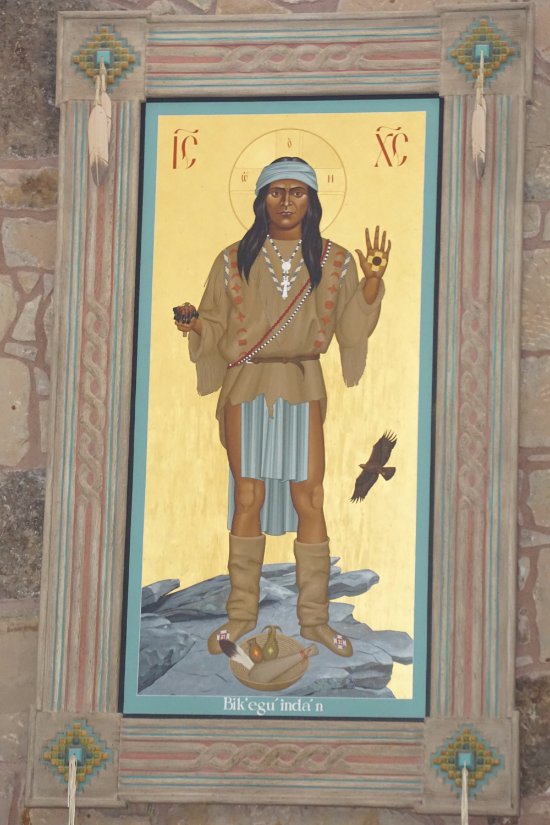
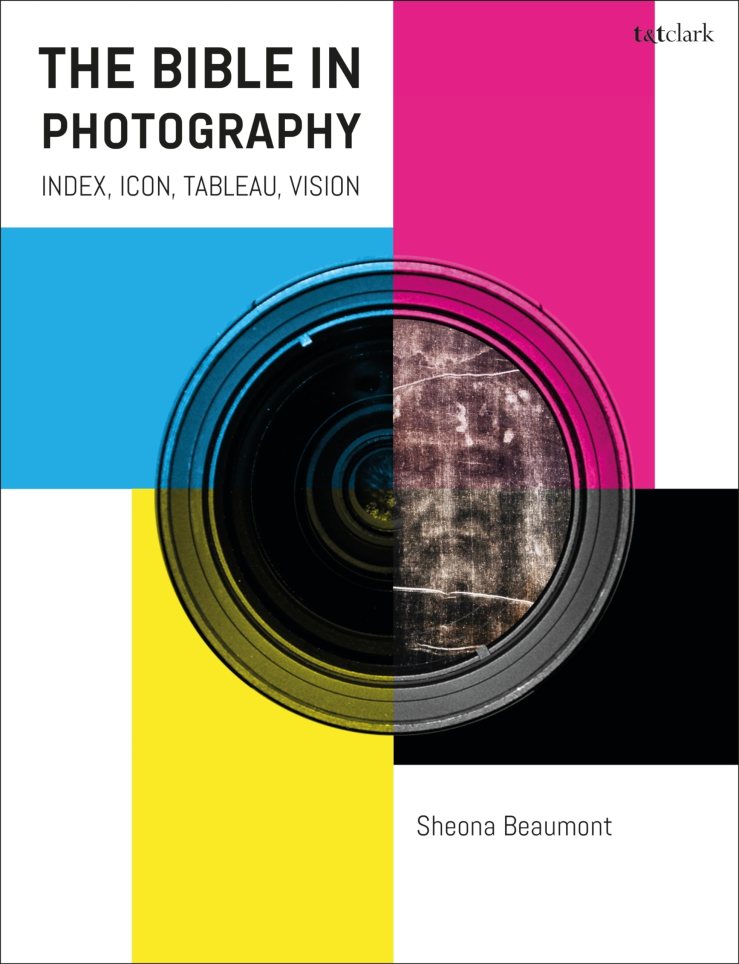
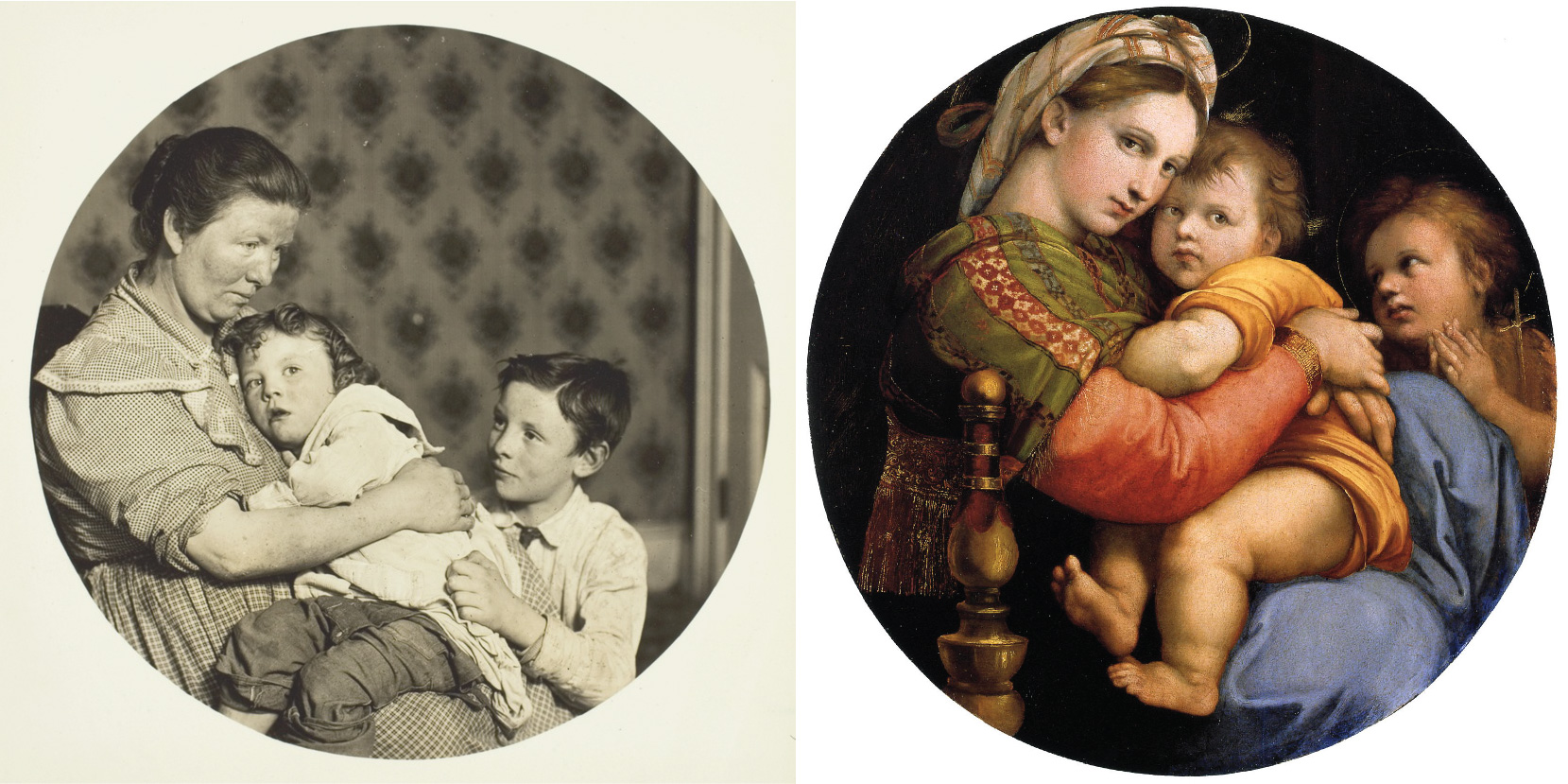

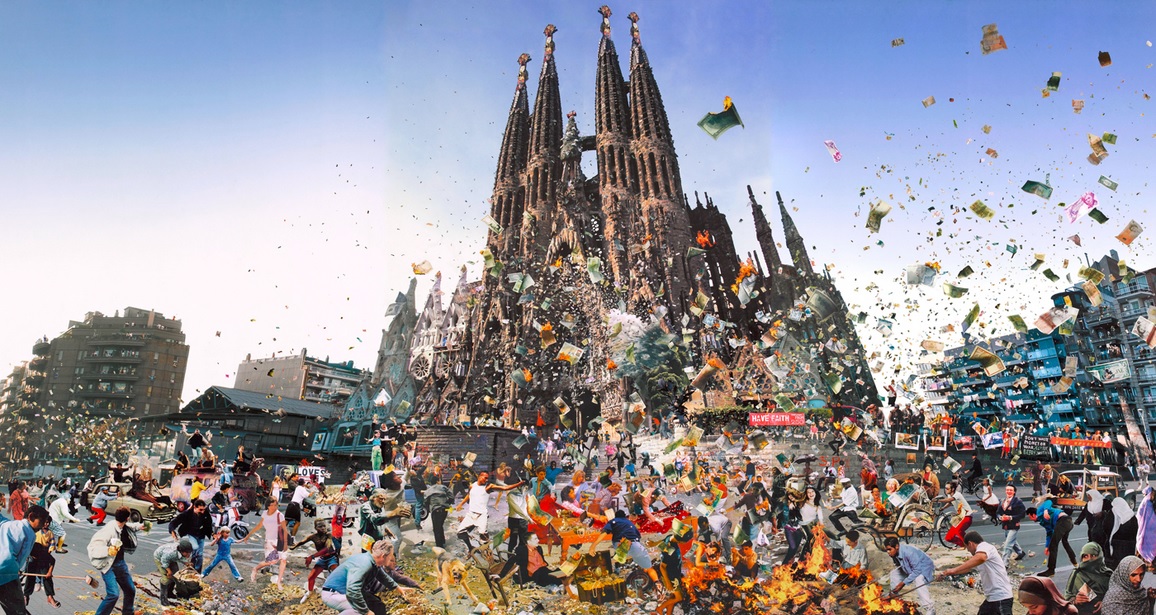
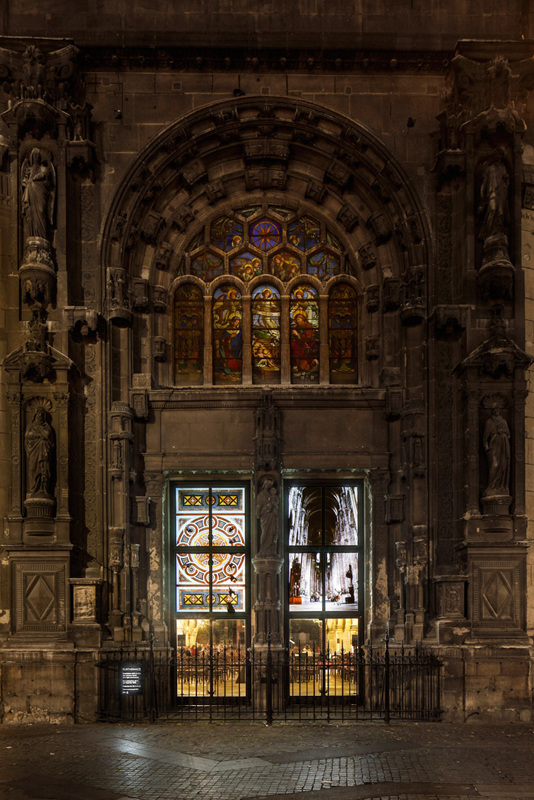
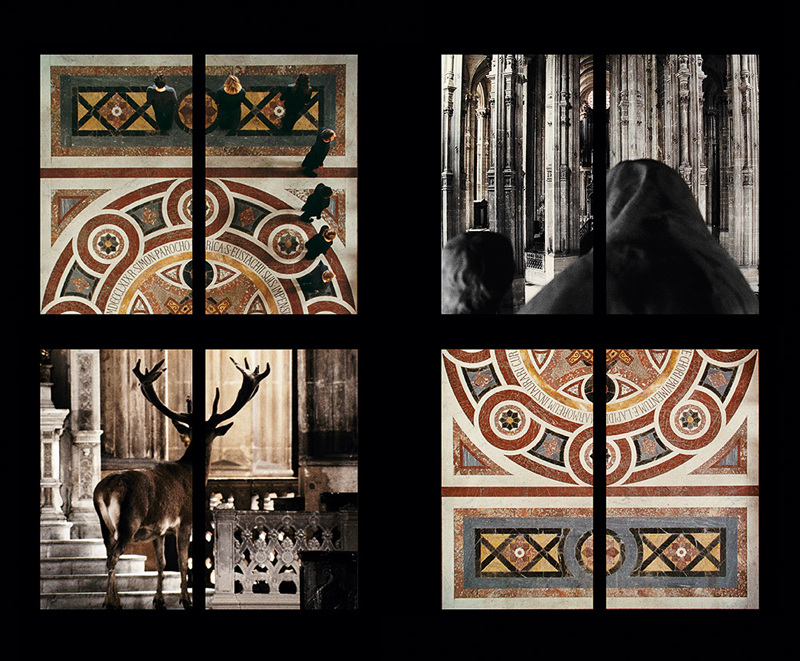
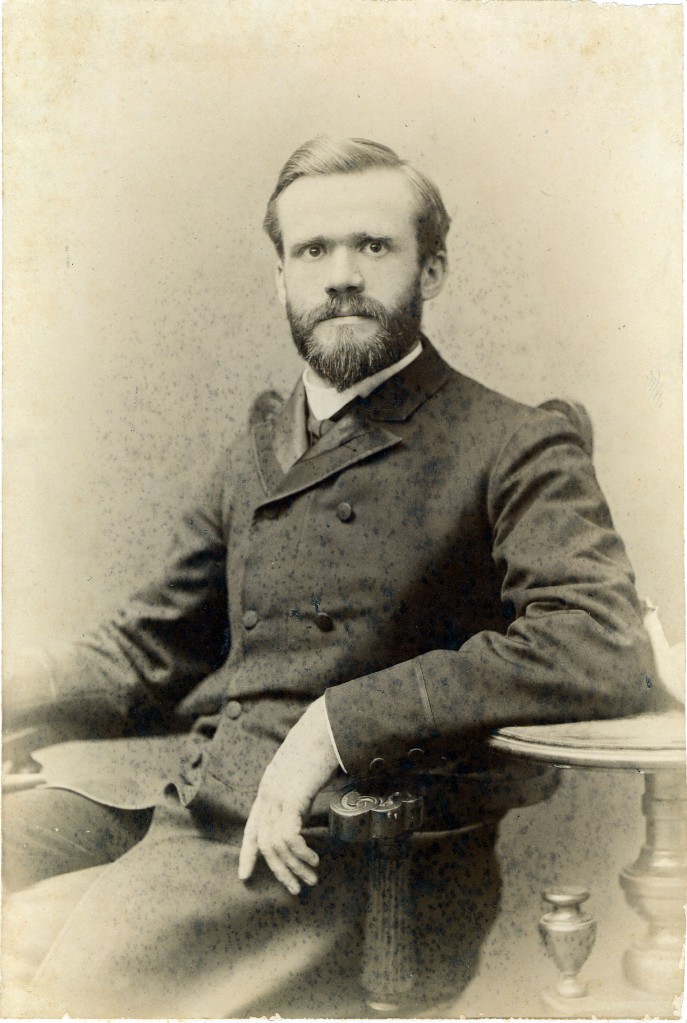
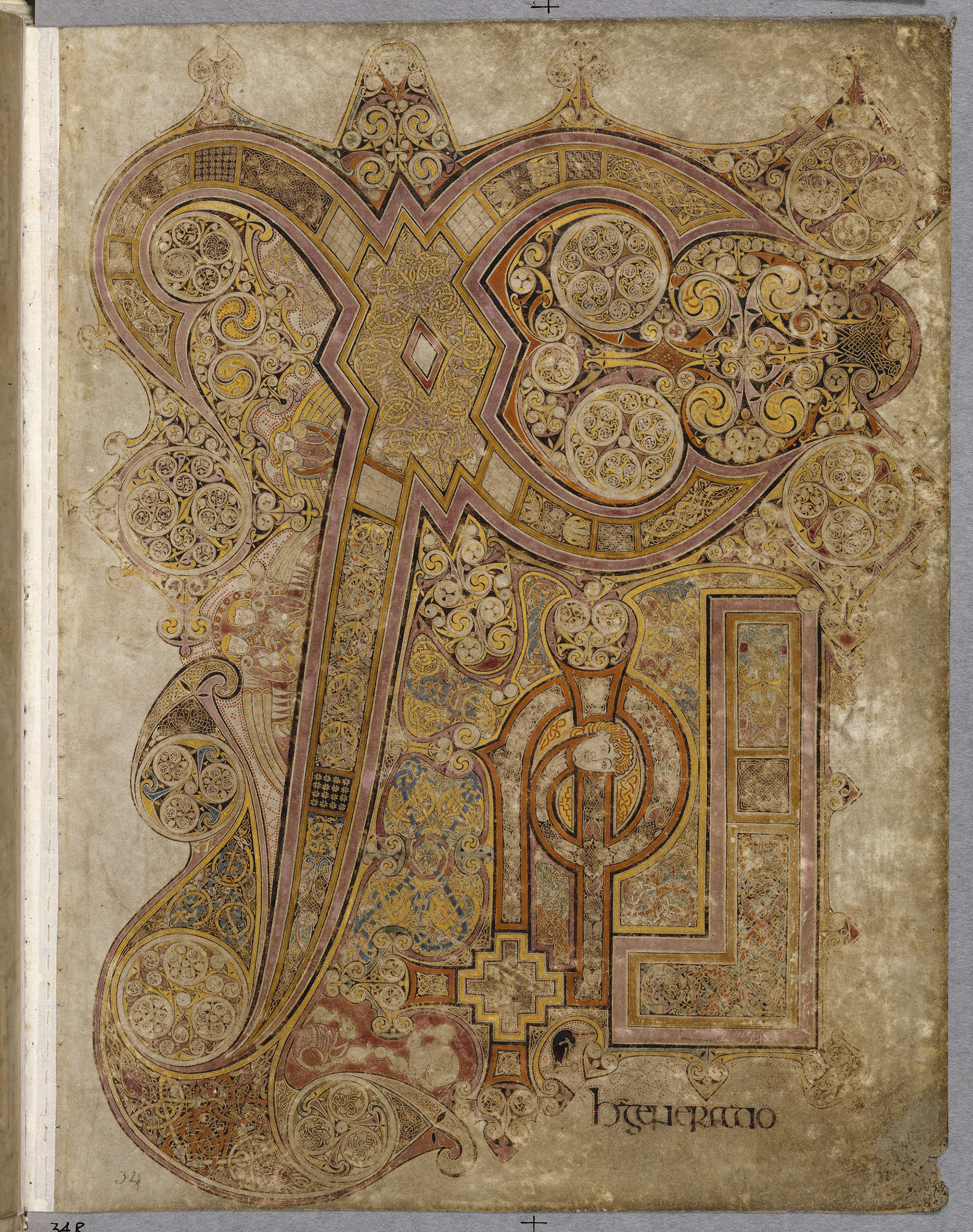





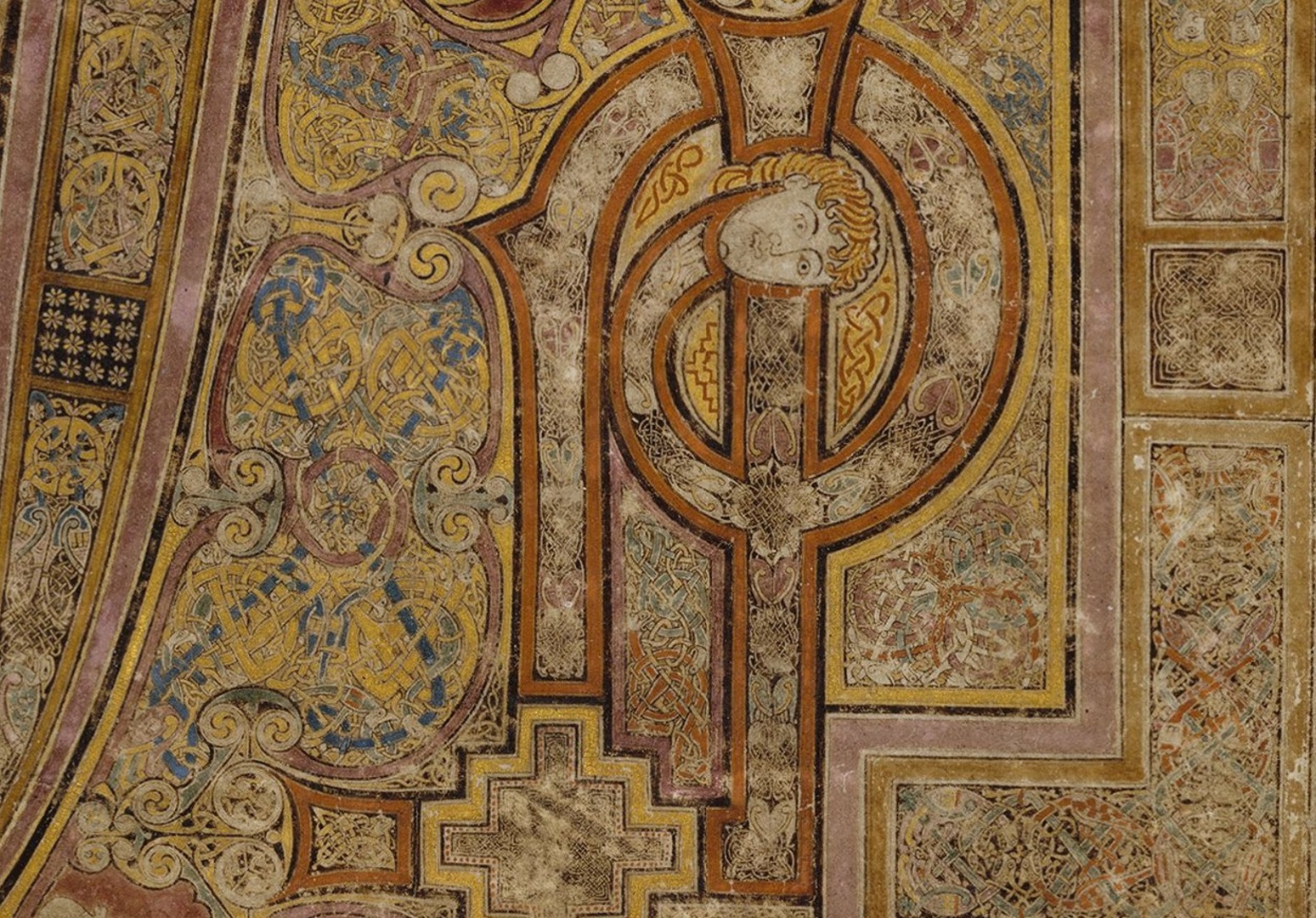

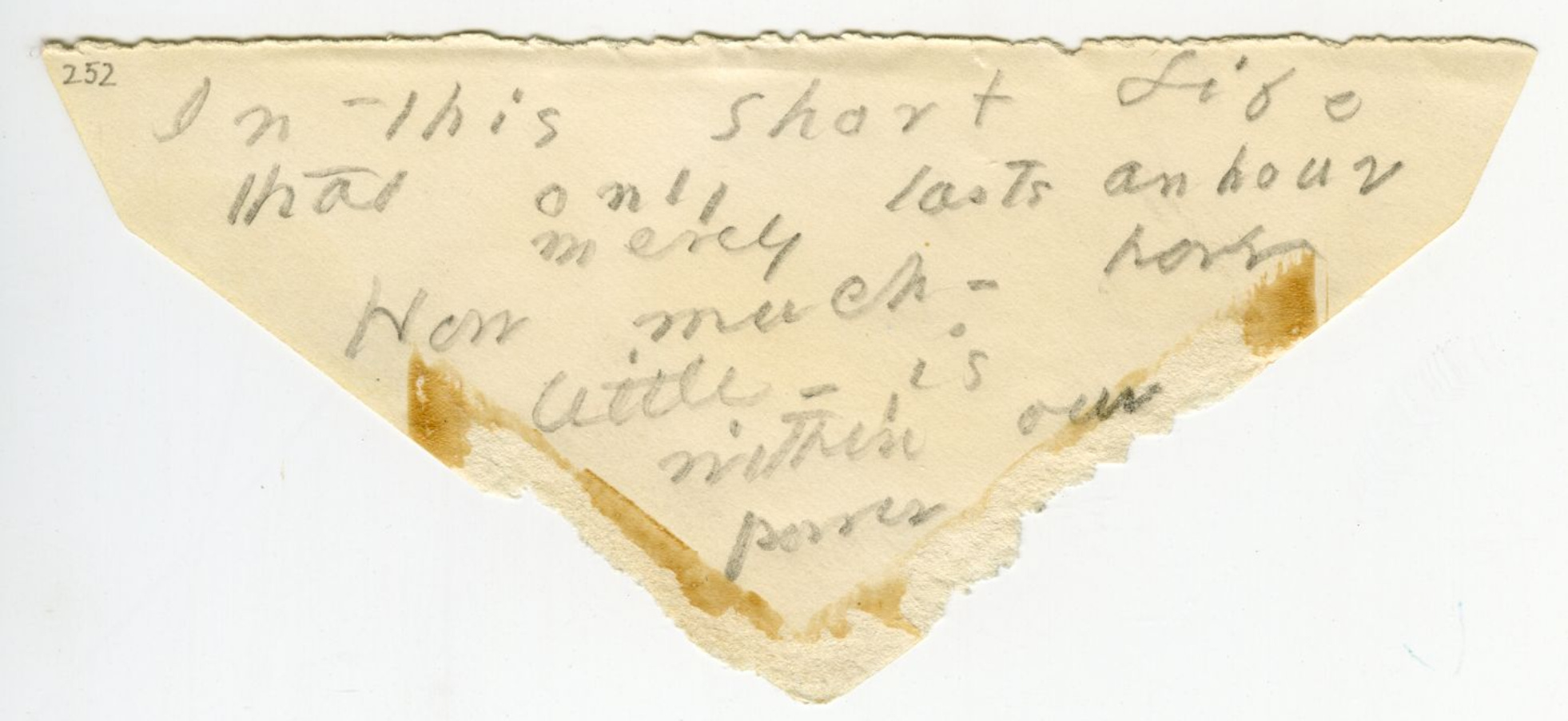
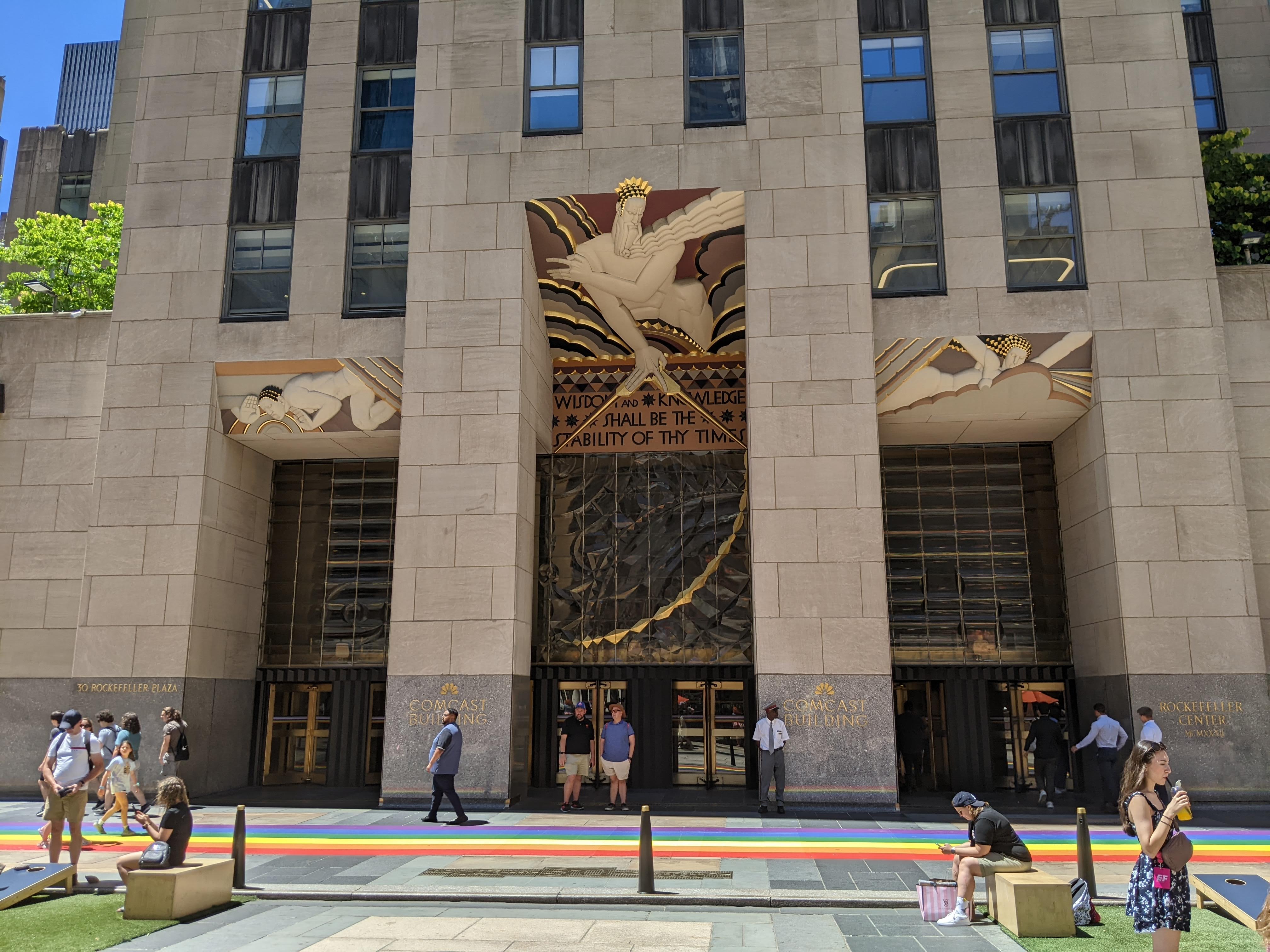
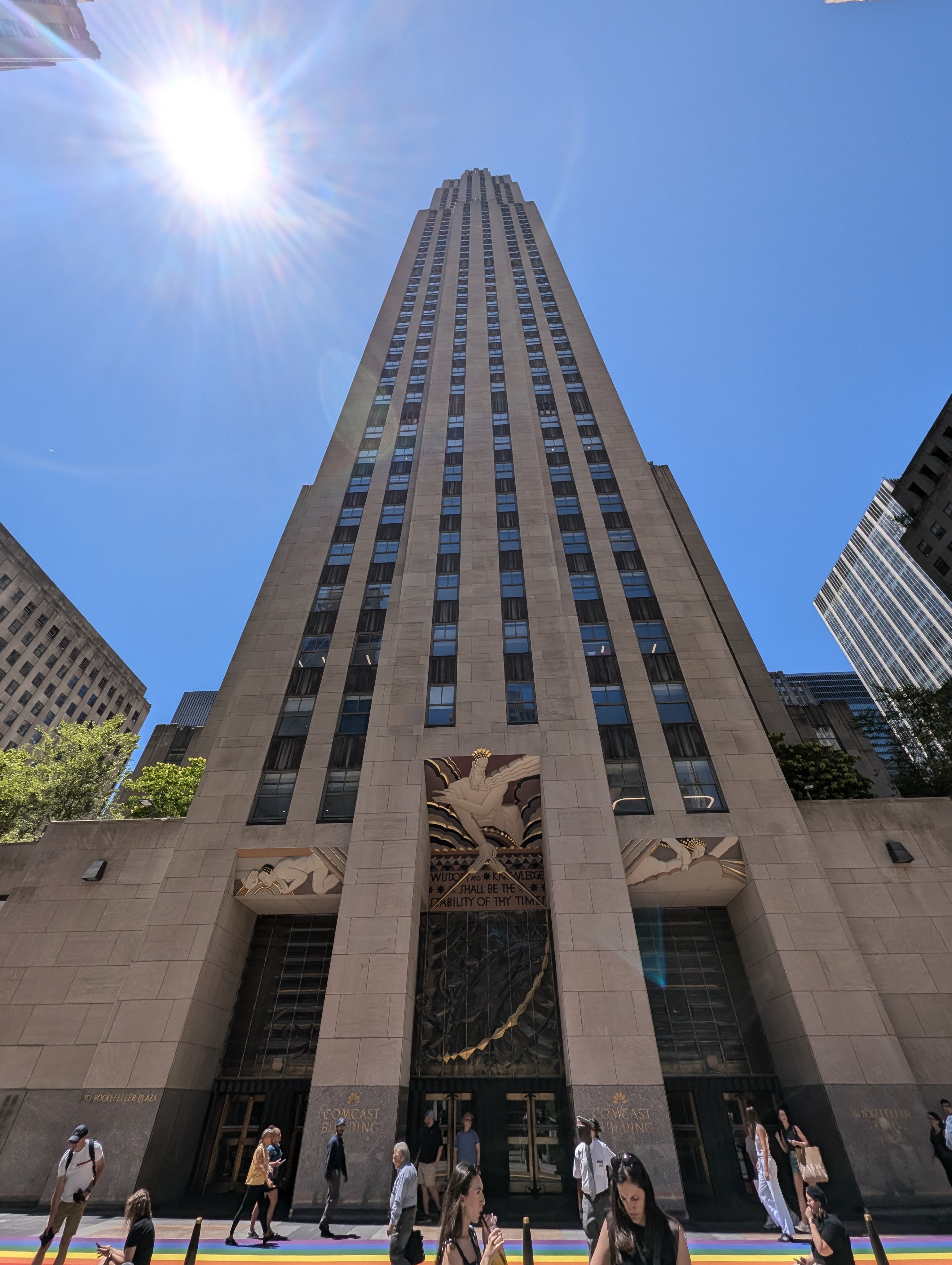
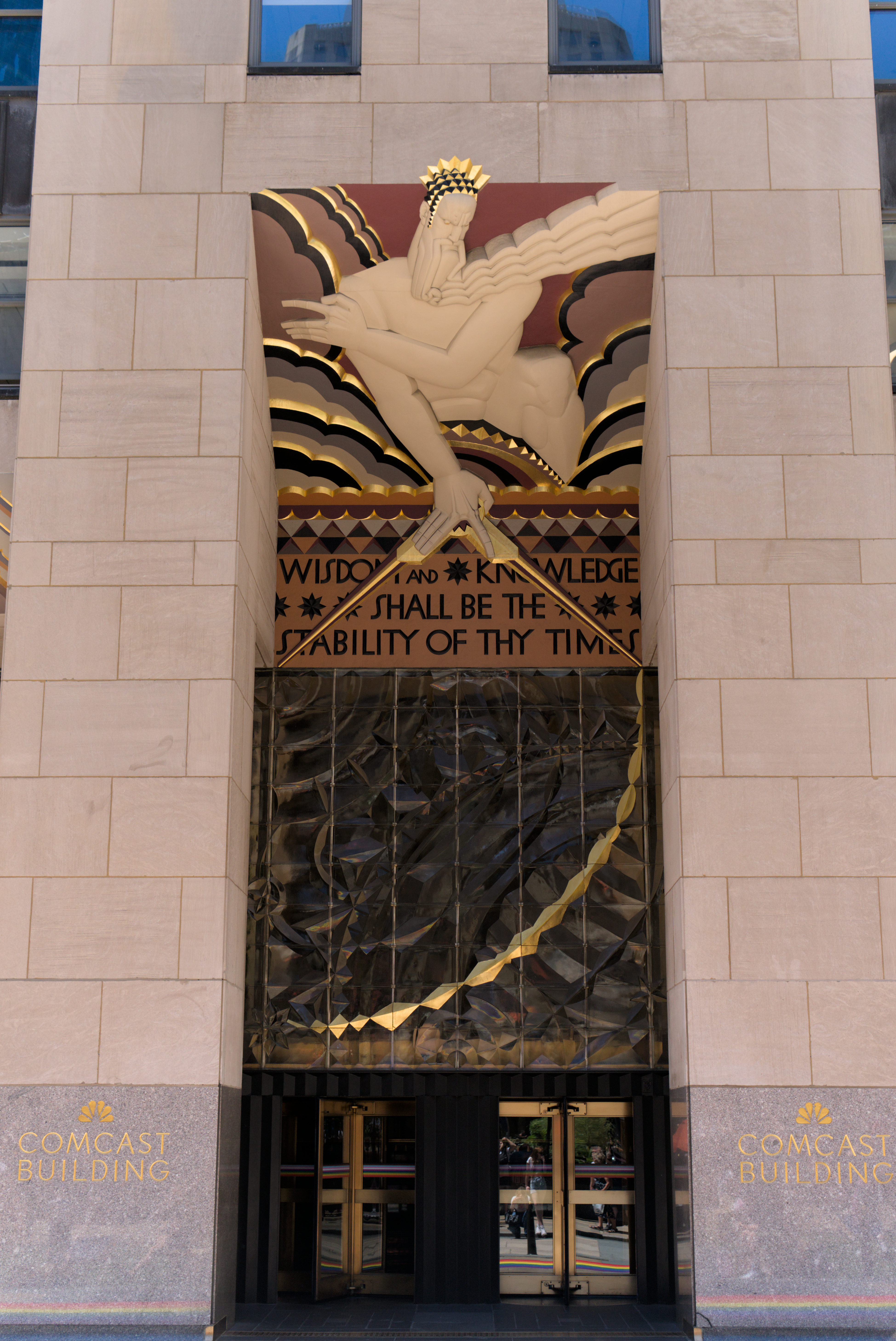

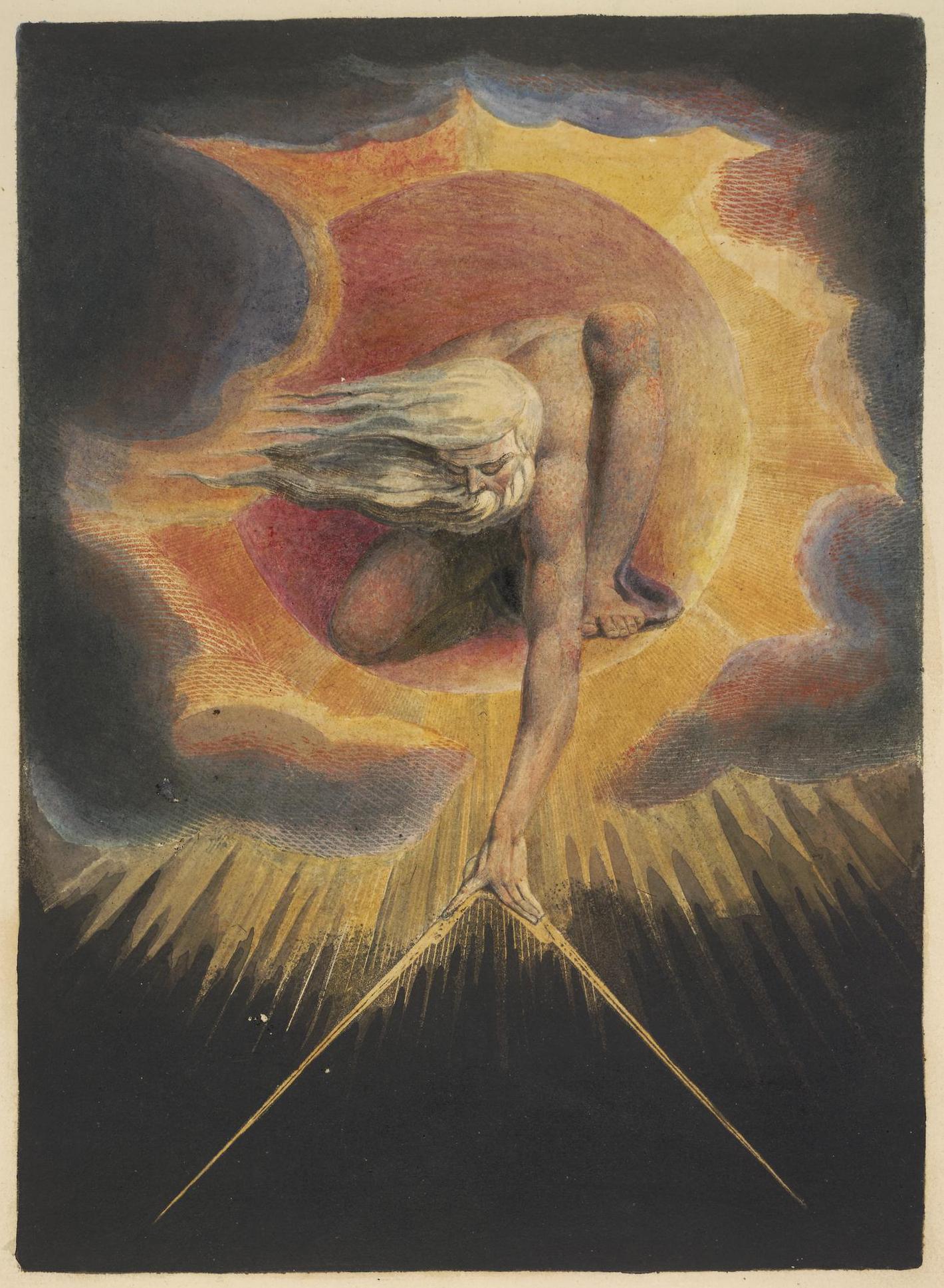
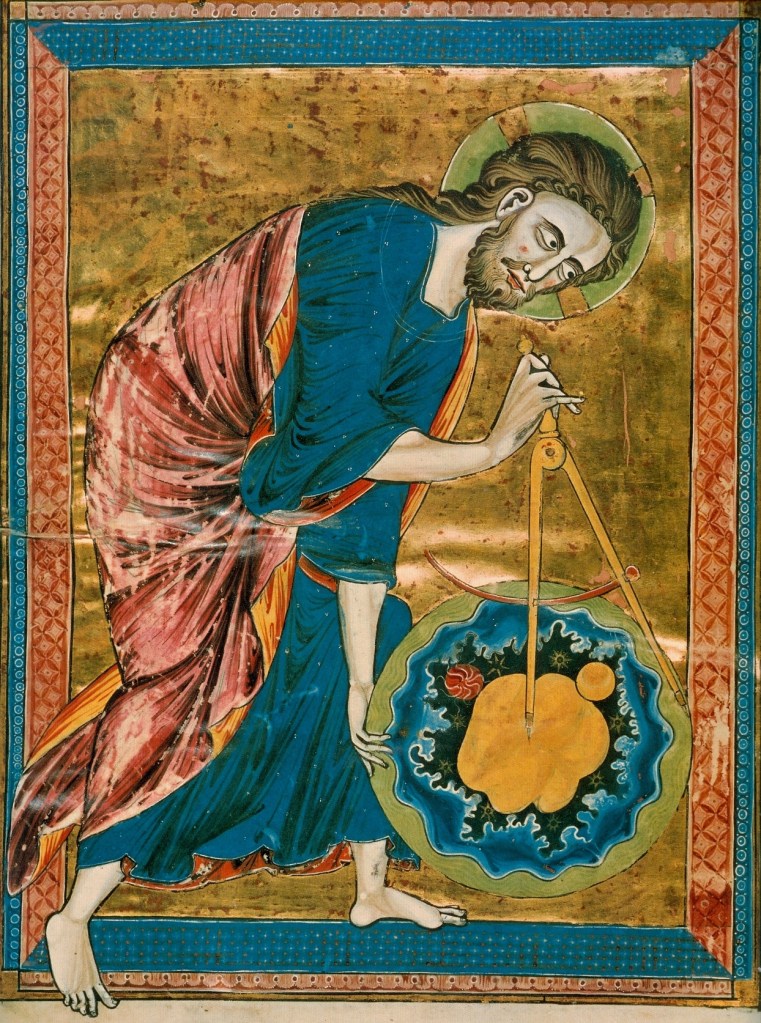
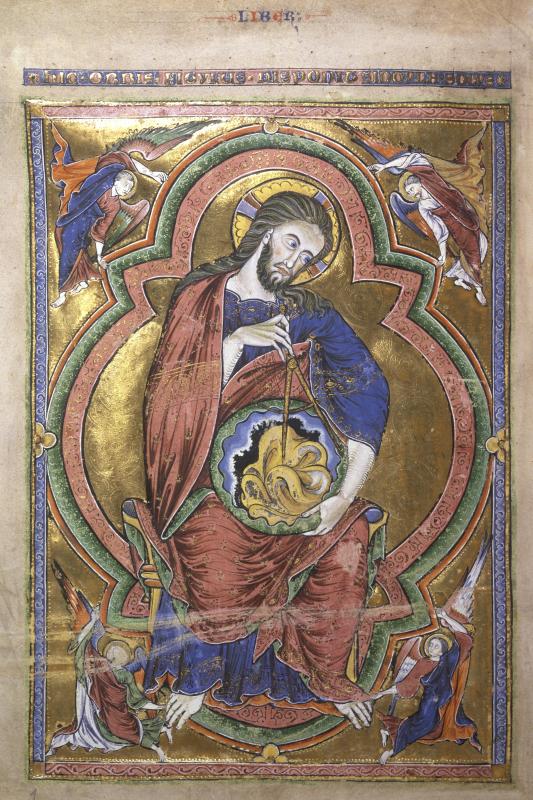
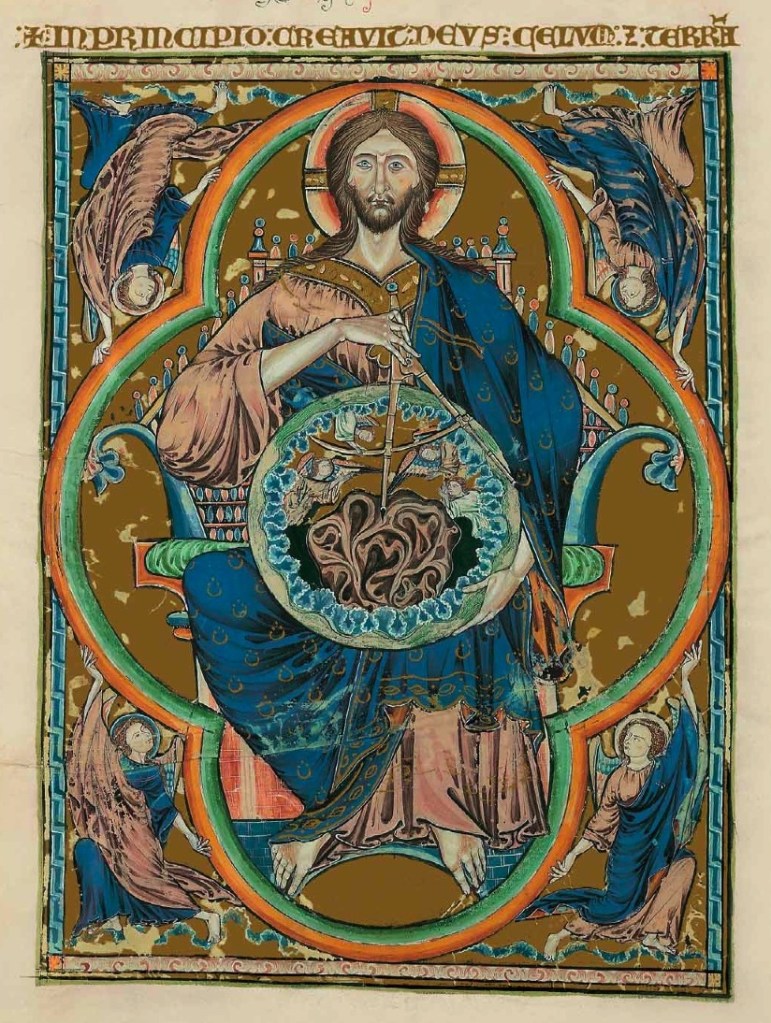
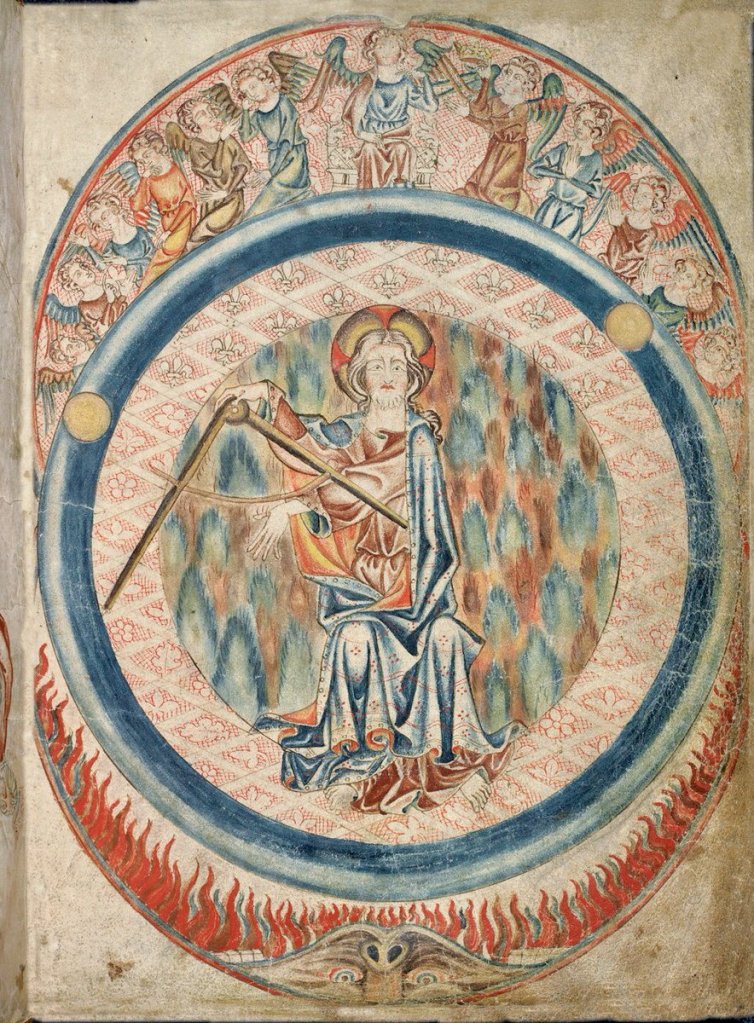
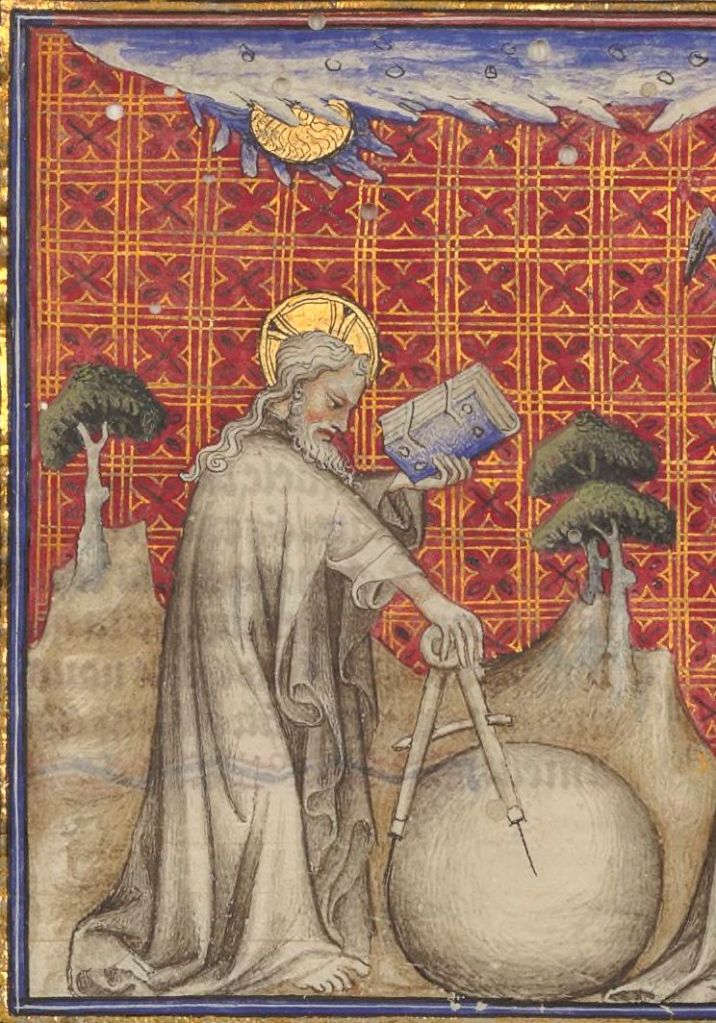
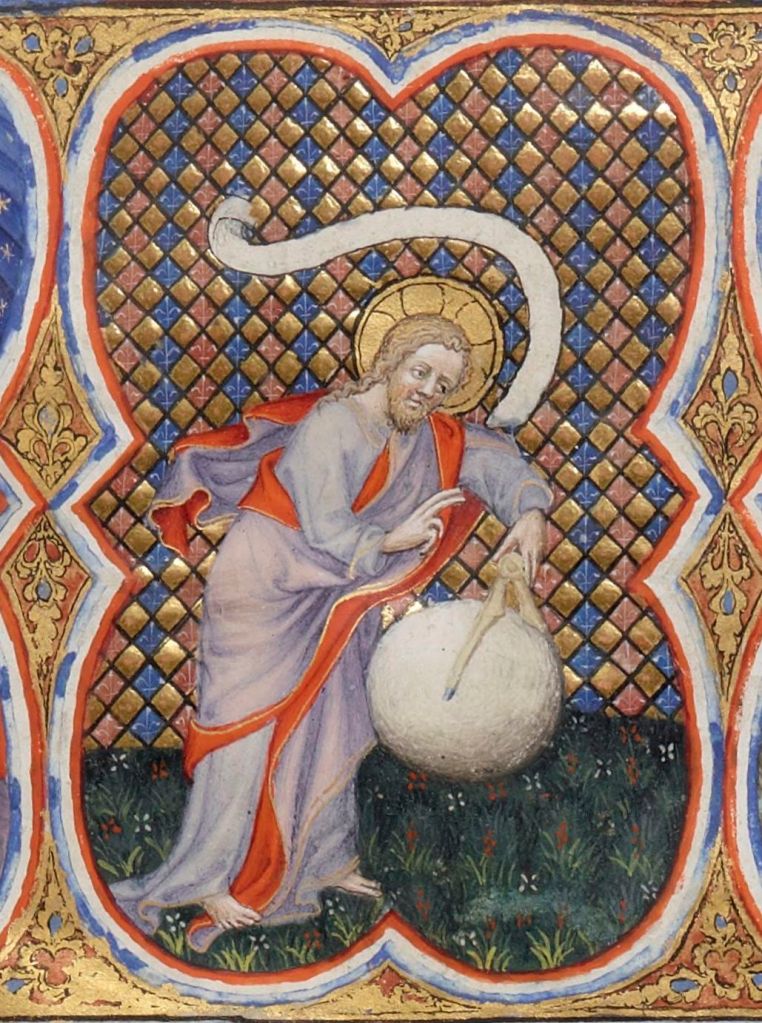
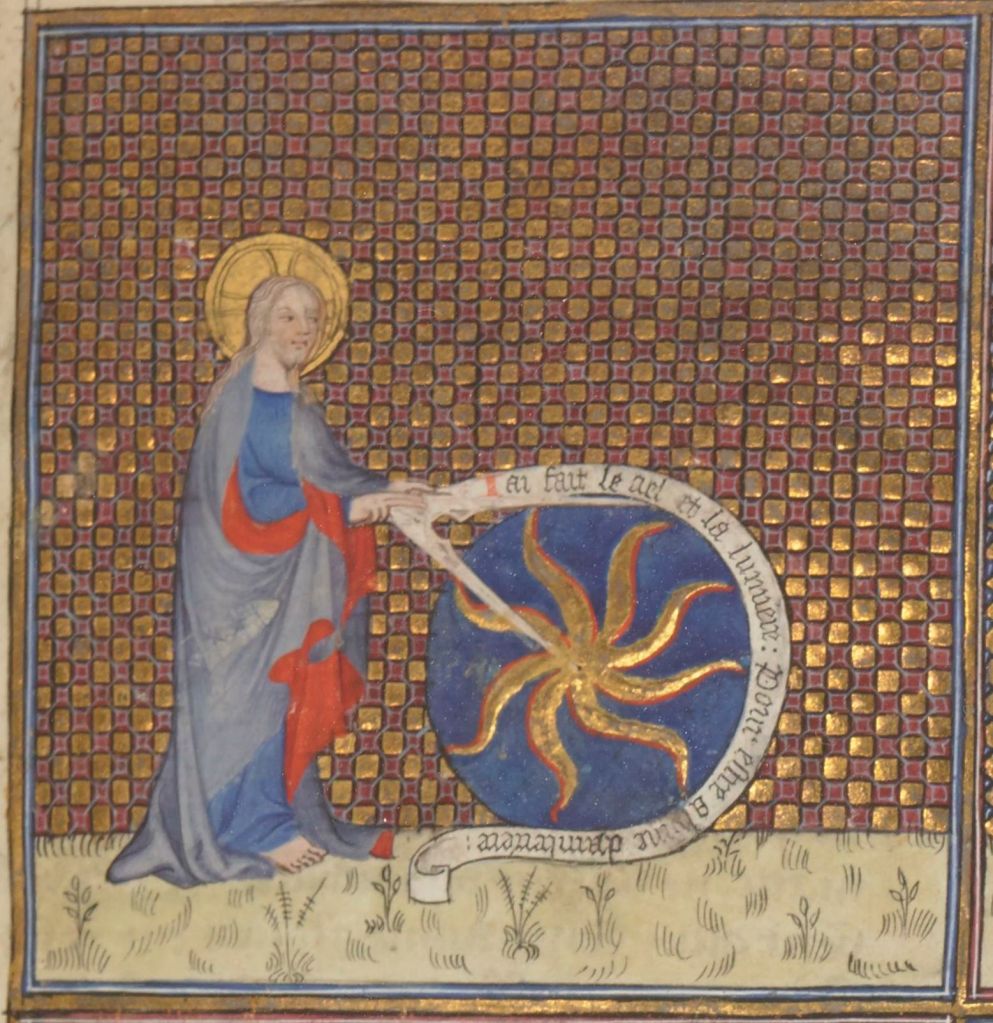
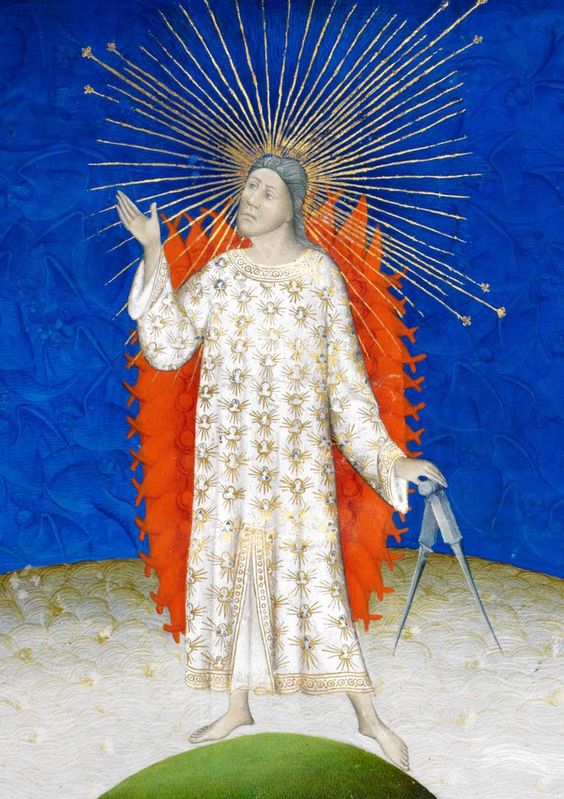




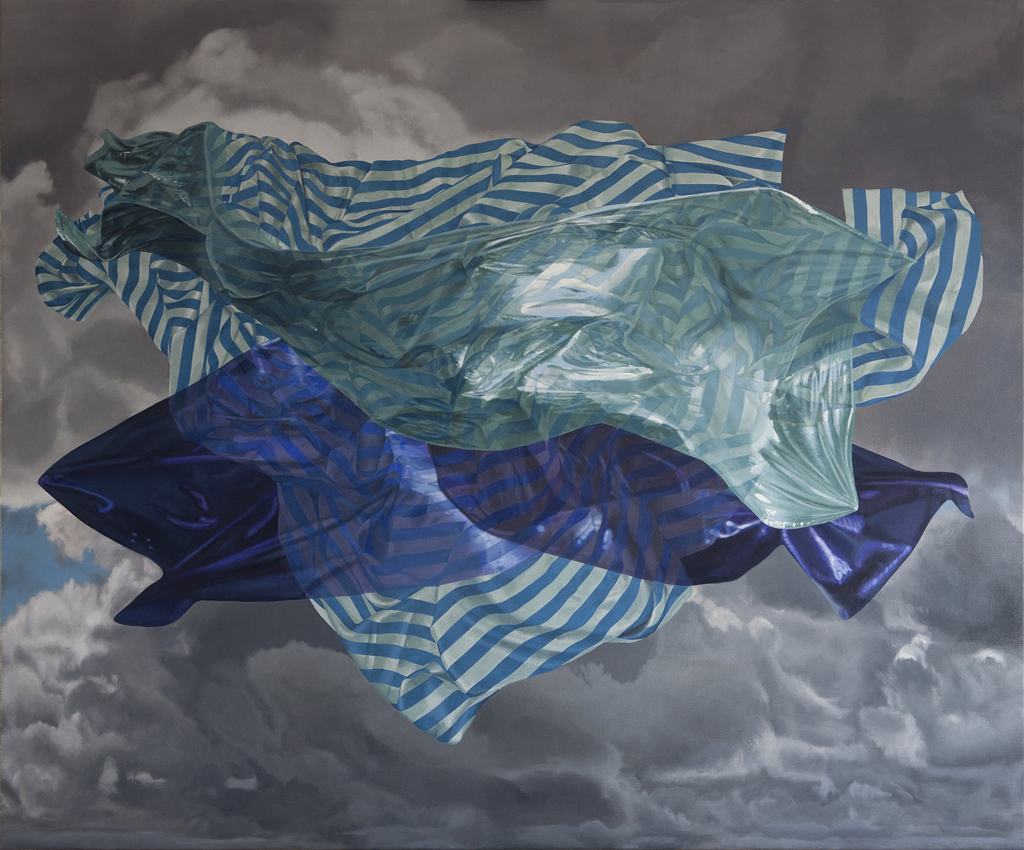
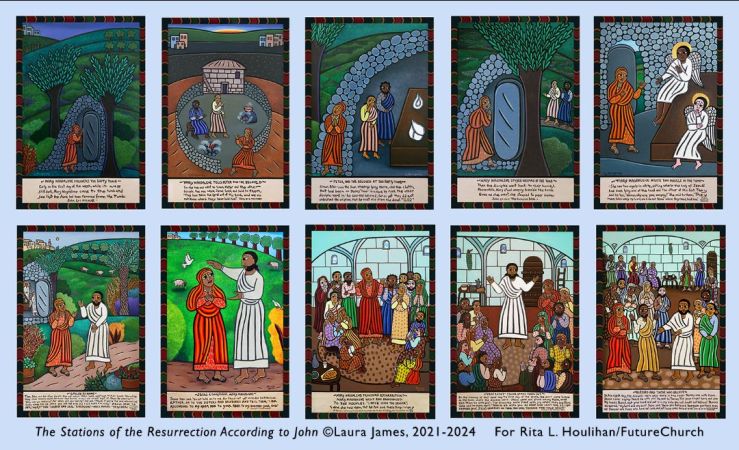

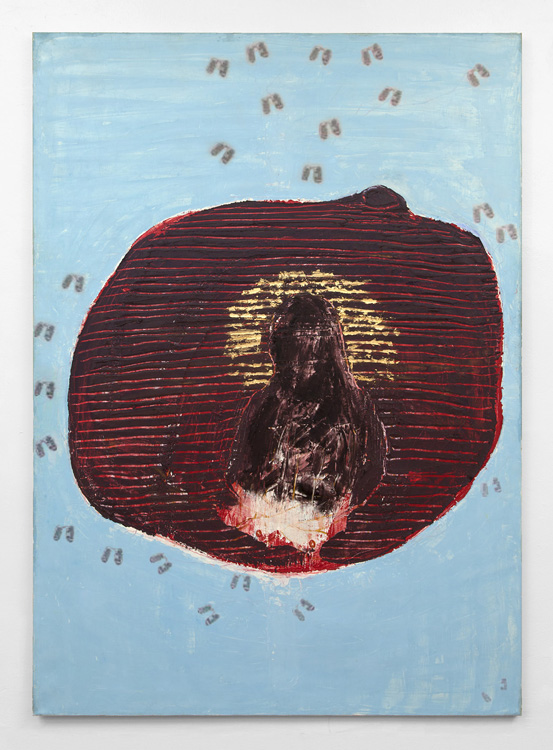
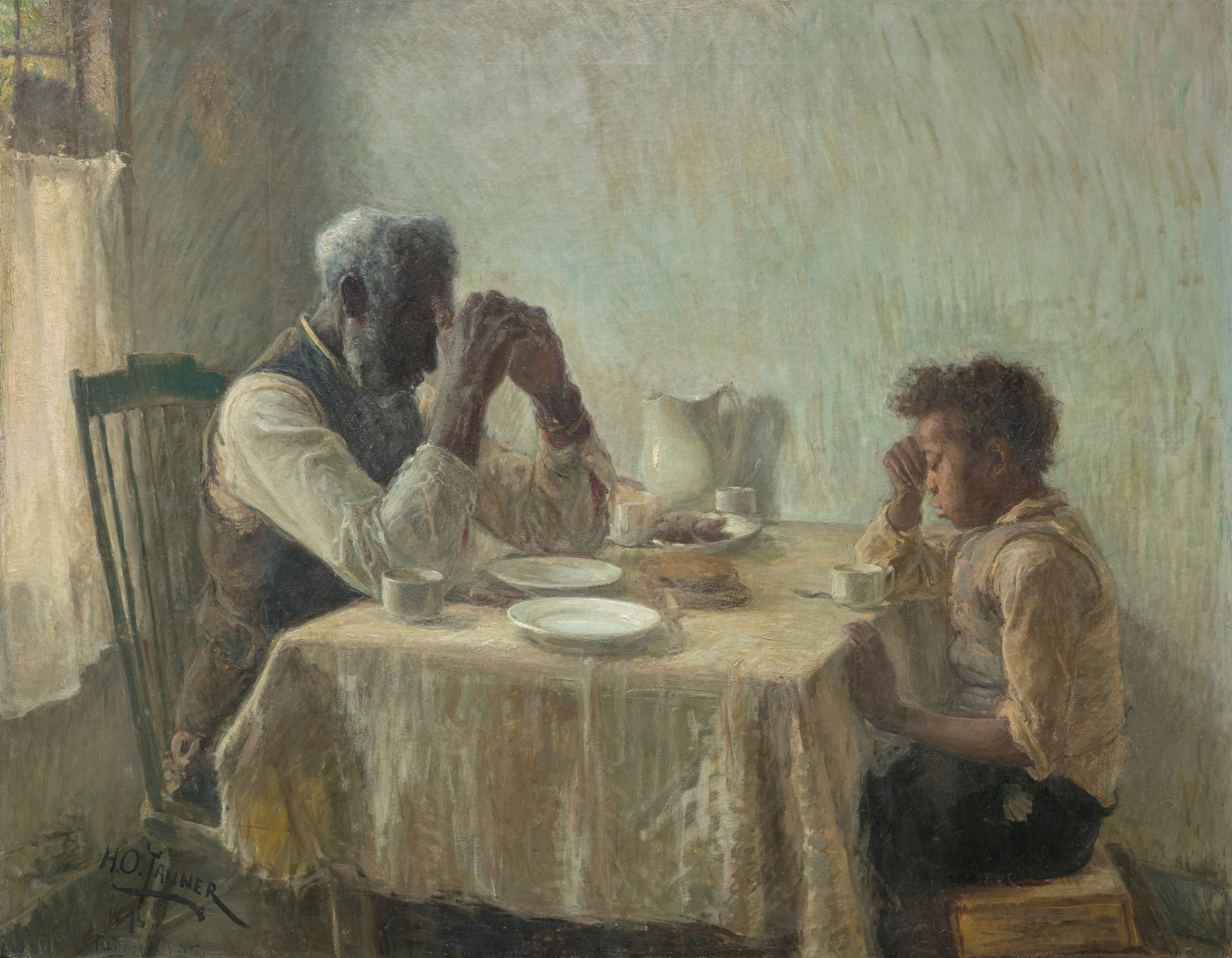
 Art & Theology