Roundup: Medieval reading recommendations, “Christ Our Lover,” and more

SUBSTACK POST: “Read something medieval this year” by Grace Hamman: One of the most frequently asked questions that medievalist Grace Hamman receives is: “What books should I read from the past?” She gives recommendations for the following six scenarios (including specific translations/editions!).

  1. I have never read anything medieval before! Where do I start?
  2. I have not read any medieval literature, but I did read Confessions in college. How about something a little later, a little more “medieval”?
  3. I want to read some medieval theology.
  4. I’ve read Bernard. Give me a theology deep cut!
  5. No thanks on the monastic theology. Give me poetry! Give me drama and beauty and weirdness!
  6. I’m a stubborn cuss / good millennial hipster / professional troublemaker. I want to read what no one else is reading casually. Make it super hard and dialectical and confusing (but awesome).

+++

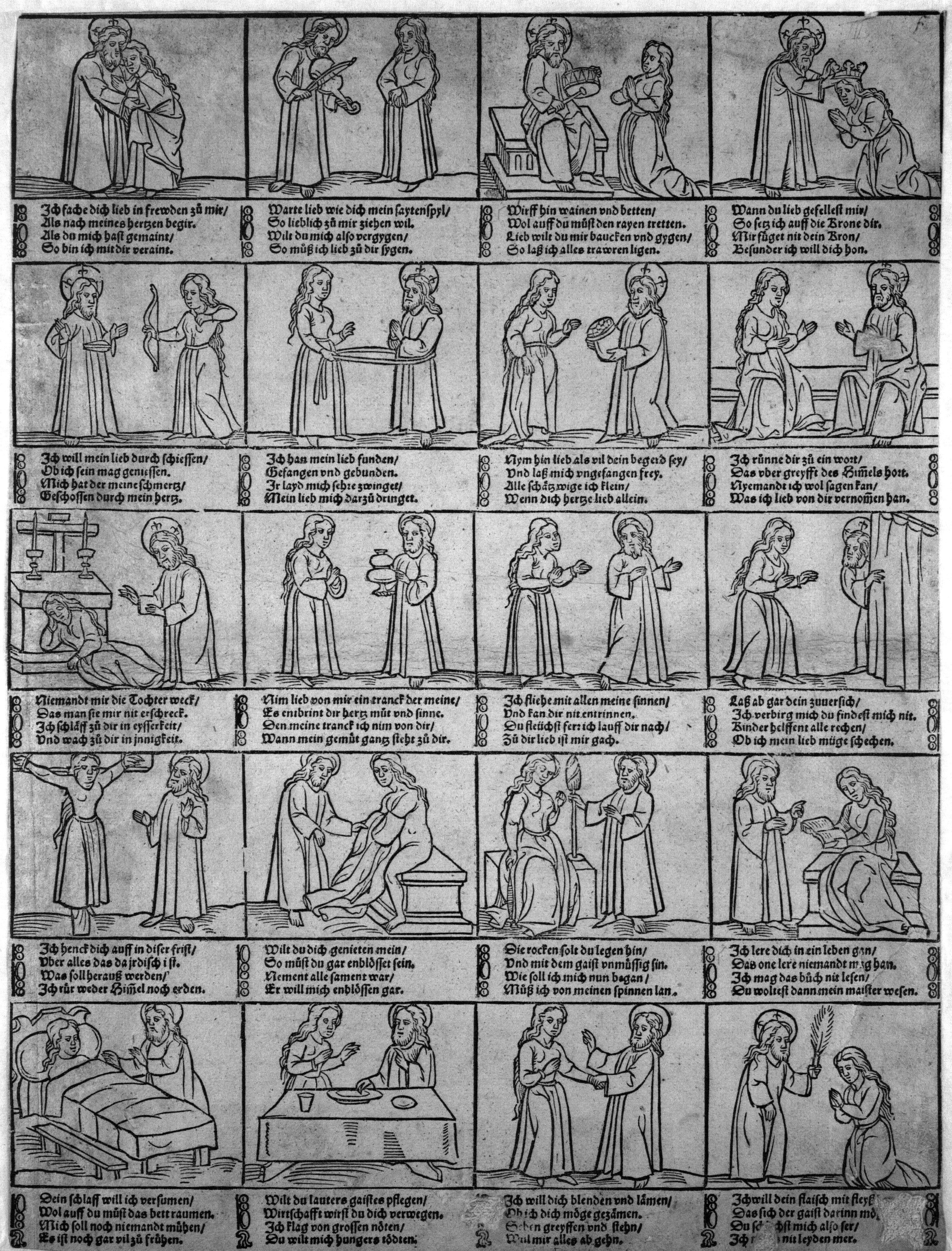
LECTURE: “Christ Our Lover: Medieval Art and Poetry of Jesus the Bridegroom” by Grace Hamman: Last fall I had the pleasure of inviting Dr. Grace Hamman (see previous roundup item) to my neck of the woods to speak for the Eliot Society, a Maryland nonprofit I serve on the board of. She gave this wonderful lecture on one of the popular medieval metaphors for Christ in theology and the arts, which was Jesus as bridegroom, or lover. For medieval people, “the union between God and the human soul was . . . a marriage made in mutual desire, joy, and even mutual submission,” she says. Hamman explores a few different pieces belonging to this tradition, including the fourteenth-century poem “Quia Amore Langueo” (Because I Languish for Love) and the fascinating fifteenth-century verse and image sequence Christus und die minnende Seele (Christ and the Loving Soul).
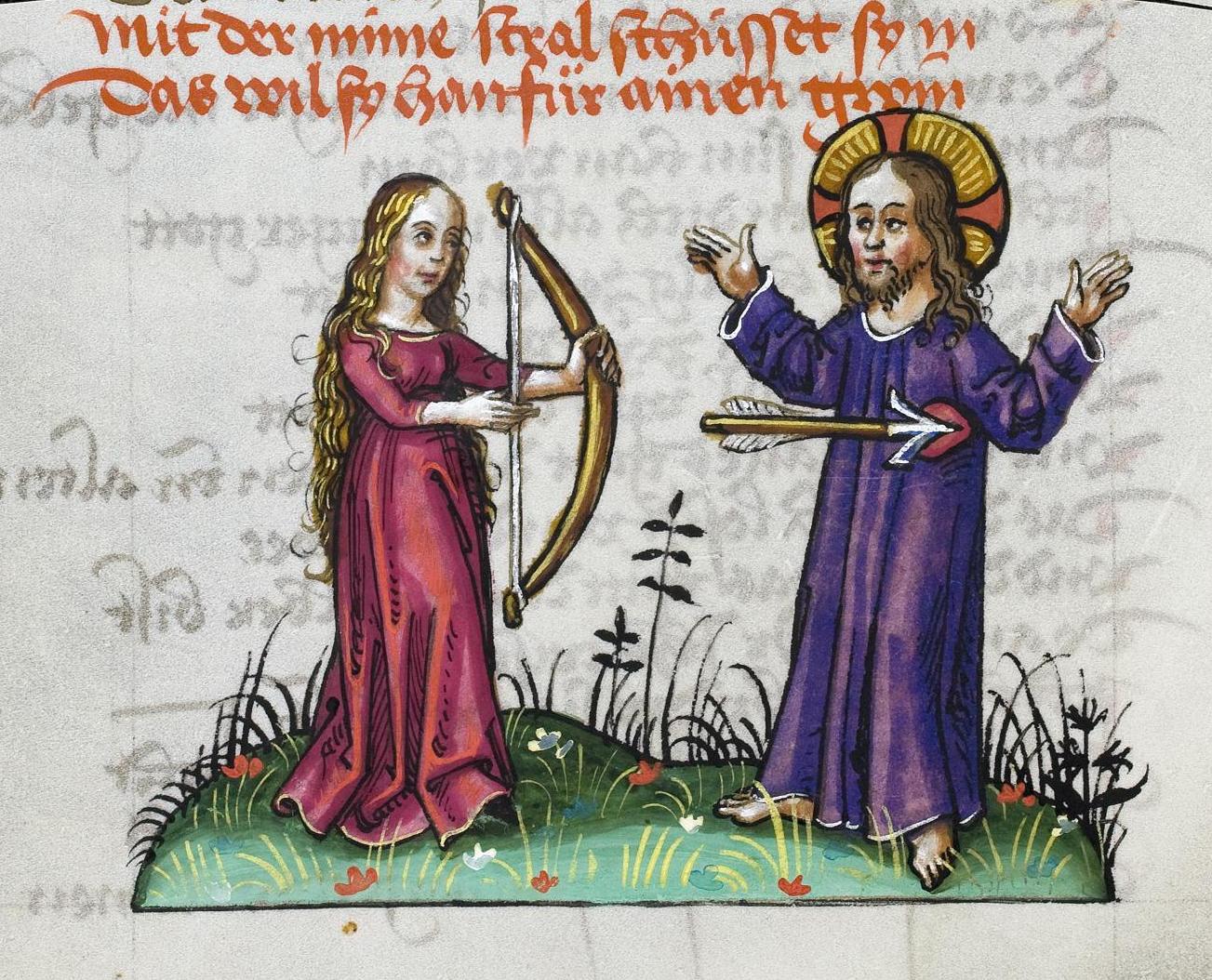
Christ and the Loving Soul (arrow of love)
Illustration by Rudolf Stahel (ca. 1448–1528) from a copy of Christus und die minnende Seele, Constance, Germany, ca. 1495. Karlsruhe, Badische Landesbibliothek, Cod. Donaueschingen 106, fol. 26v. Amber L. Griffioen provides this caption: “The Soul takes up her bow, draws her minne stral (or ‘arrow of love’), and goes on the hunt. She shoots and wounds Christ in the side, capturing him as her prize in order to ‘enjoy him’ forever.”

Christ and the Loving Soul broadsheet
Christus und die minnende Seele, from the printing house of Matthäus Franck in Augsburg, Germany, 1559–68. Woodcut, 35.5 × 27 cm. Munich, Bayerische Staatsbibliothek, Einblatt III, 52f.

+++

SONGS:

Inspired by Hamman’s talk, I’d like to turn your attention to the following two songs: one Jewish, the other Christian.

>> “Et Dodim Kala (Time for Lovers)”: The Hebrew text of this song, drawn from the biblical book the Song of Songs, is traditional Jewish (the video attributes it to Rabbi Haim Ben Sahl of the tenth century), and the music is a traditional gnawa melody (gnawa is a genre of Moroccan religious music marked by repetition). The performance is led by Lala Tamar on vocals and guembri (three-stringed bass plucked lute), and she’s joined by Ella Greenbaum and Imanouelle Harel on background vocals and krakebs (hand cymbals) and Tal Avraham on trumpet.

Tamar is an Israeli musician of Moroccan and Brazilian descent who performs Moroccan Jewish liturgical poems as well as contemporary music in Moroccan Arabic and Ladino.

Turn on closed captioning (CC) in the above video for the lyrics and their English translation, which is basically, “A time for lovers, my bride: / The vine has blossomed, / The pomegranates have budded.” The song is also available on Spotify.

>> “The Heavenly Courtier”: The anonymous words of this hymn were first published in 1694, and the tune is from The Christian Harmony (1805), a shape-note hymnal compiled by Jeremiah Ingalls. The song speaks of “Christ the glorious lover” who comes to earth “to woo himself a bride, resolving for to win her.” At first she’s resistant to his romantic entreaties, preferring instead the company of other lovers. But when she sees him for who he truly is—receives “one glimpse of [his] love and power”—she is overcome with ecstasy and accepts his proposal. The song ends with a wedding feast and mutual embrace. Read the full lyrics here, and listen to the Boston Camerata, directed by Joel Cohen, perform the piece on their album An American Christmas (1993); the vocalist is Joel Frederiksen.

I wouldn’t commend this hymn for a worship service, at least not without adaptation: while I’m on board with most of it, its Christ is in parts coercive, threatening violence, and there’s an overemphasis on the bride’s wretchedness and shame, with Christ the wooer breaking her down by revealing how “filthy” and unworthy she is. The Boston Camerata removes two of the more problematic verses, but I still think further tweaking needs to be done, more nuancing around the doctrines of sin and salvation (literarily, of course, preserving the extended metaphor!), to faithfully communicate the gospel through this song.

Regardless, I find it interesting as an artifact of early American Christian worship (it was sung congregationally in New England) and as an elaboration of the biblical picture of Christ the Bridegroom, not to mention poetically and musically charming. As I gathered from Grace Hamman’s lecture posted above, we can still appreciate creative works from the past and be moved or instructed by aspects of them without embracing them wholesale. It’s important for us Christians to be able to step outside our own cultural, historical, and denominational contexts with humble curiosity.

+++

2025 CALVIN SYMPOSIUM ON WORSHIP:

Calvin University’s annual Symposium on Worship was held last week. I wasn’t able to go this year, but I enjoyed tuning in virtually to the services that were livestreamed, now archived on the “Live” tab of the Calvin Institute of Christian Worship YouTube page. Here are two examples.

>> “Vesper: I Will Lift Mine Eyes,” led by Kate Williams and Tony Alonso: “Inspired by ancient and modern contemplative texts, this Vespers service is an invitation to come into the quiet and discover the eternal beauty of God’s consoling presence.” View the song credits in the YouTube video description.

>> “Worship Service: The Rich Man and Lazarus”: The Calvin University Gospel Choir, under the direction of Nate Glasper and with some songs guest-conducted by Raymond Wise, leads the musical portion of this service, and Rev. Dr. Dennis R. Edwards preaches on Luke 16:19–31, Jesus’s parable of the rich man and Lazarus. I especially enjoyed Wise’s original gospel song “Make a Joyful Noise” at 16:30, based on Psalm 100:1, and, also new to me, “Poor Man Lazarus” at 36:46, a traditional African American spiritual arranged by Jester Hairston. See additional song credits in the YouTube video description.

Roundup: Upcoming webinars and conferences

ONLINE LECTURES organized by the Centre for Marian Studies at St Mary’s University in Twickenham:

If you’d like to register for either of these (they’re free), email Catherine O’Brien at info@marianstudies.ac.uk. View additional online lecture offerings at https://www.marianstudies.ac.uk/post/research-seminar-schedule.

>> Annual Candlemas Lecture by Ayla Lepine, February 3, 2025, 7 p.m. GMT (2 p.m. ET): Rev. Dr. Ayla Lepine, who is the associate rector at St James’s Piccadilly in London and an art historian and theologian, “will explore two works of art featured in her forthcoming book, Women, Art, God. In the series entitled The Annunciation (A Study), Julia Margaret Cameron reimagined and reconfigured paintings by Renaissance artists including Perugino and Lippi. In her photography, blurred and hazy aspects of the image are suggestive of the Holy Spirit in this new technology.

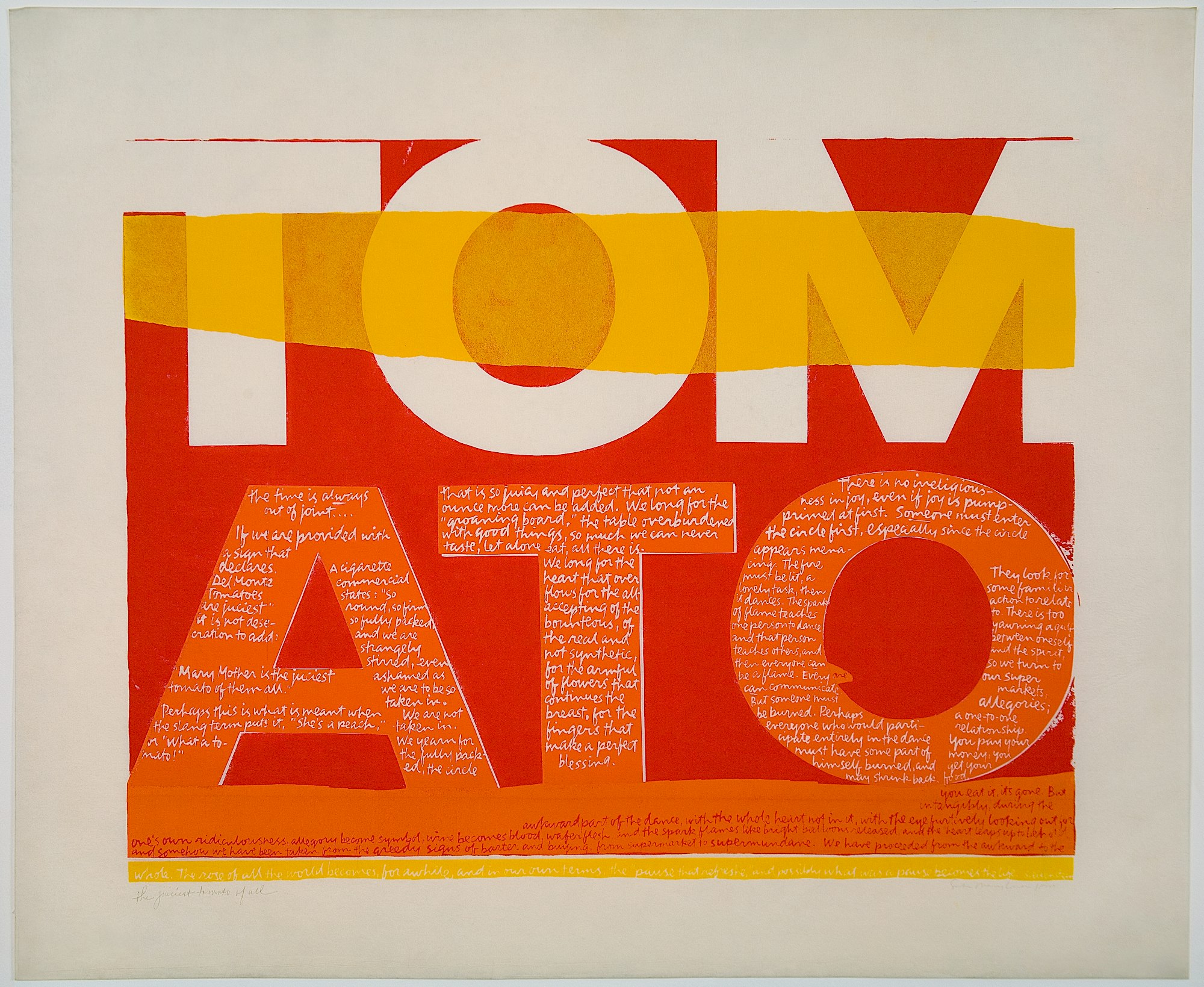
“A century later, the American nun Sister Corita Kent produced a groundbreaking silkscreen print, The Juiciest Tomato of All. This artwork compared the Virgin Mary to a ripe fruit, with a title inspired by Del Monte tinned fruit and vegetable slogans from her local supermarket. By considering these two artworks by women from the nineteenth and twentieth centuries as a pair, new ways of encountering Mary in art history, theology, and prayer can emerge with unexpected resonance for the twenty-first century.”

Cameron, Julia Margaret_Annunciation
Julia Margaret Cameron (British, 1815–1879), After Perugino / The Annunciation, 1865. Albumen print from wet collodion glass negative, 19 1/2 × 15 in. Victoria and Albert Museum, London.

Kent, Corita_the juiciest tomato of all
Corita Kent (American, 1918–1986), the juiciest tomato of all, 1964. Serigraph, 29 3/4 × 36 in. © Estate of Corita Kent / Immaculate Heart Community.

>> “The Annunciation in Theology and Art: Shedding New Light on an Old Doctrine” by Tina Beattie, March 26, 2025, 3 p.m. GMT (10 a.m. ET): No details other than the title have been given about this lecture. But the speaker is a leading Marian theologian and writer whom I’ve been familiar with for some time, and an emerita professor of Catholic studies at the University of Roehampton. Her research is in the areas of gender, sexuality, and reproductive ethics; Catholic social teaching and women’s rights; theology and the visual arts, especially images of Mary; and the relationship between medieval mysticism, sacramental theology, and psychoanalytic theory.

+++

WEBINAR with Drew Jackson, Eugene Peterson Center for Christian Imagination, February 4, 2025, 7 p.m. ET: A conversation on the intersection of poetry, ministry, and Christian imagination. Registration is free. “Drew Jackson is a poet, speaker, and public theologian. He is author of God Speaks Through Wombs: Poems on God’s Unexpected Coming and Touch the Earth: Poems on the Way. . . . Drew received his B.A. in Political Science from the University of Chicago and his M.A. in Theology from Fuller Theological Seminary. He currently works as the Managing Director of Mission Integration for the Center for Action and Contemplation, and lives in Brooklyn, NY, with his wife and daughters.”

Webinar with Drew Jackson

+++

CONFERENCES/SYMPOSIA:

>> Calvin Symposium on Worship, Calvin University, Grand Rapids, Michigan, February 5–7, 2025: “An ecumenical conference dedicated to worship and learning, bringing together people in a variety of roles in worship and leadership from across the country and around the world.”

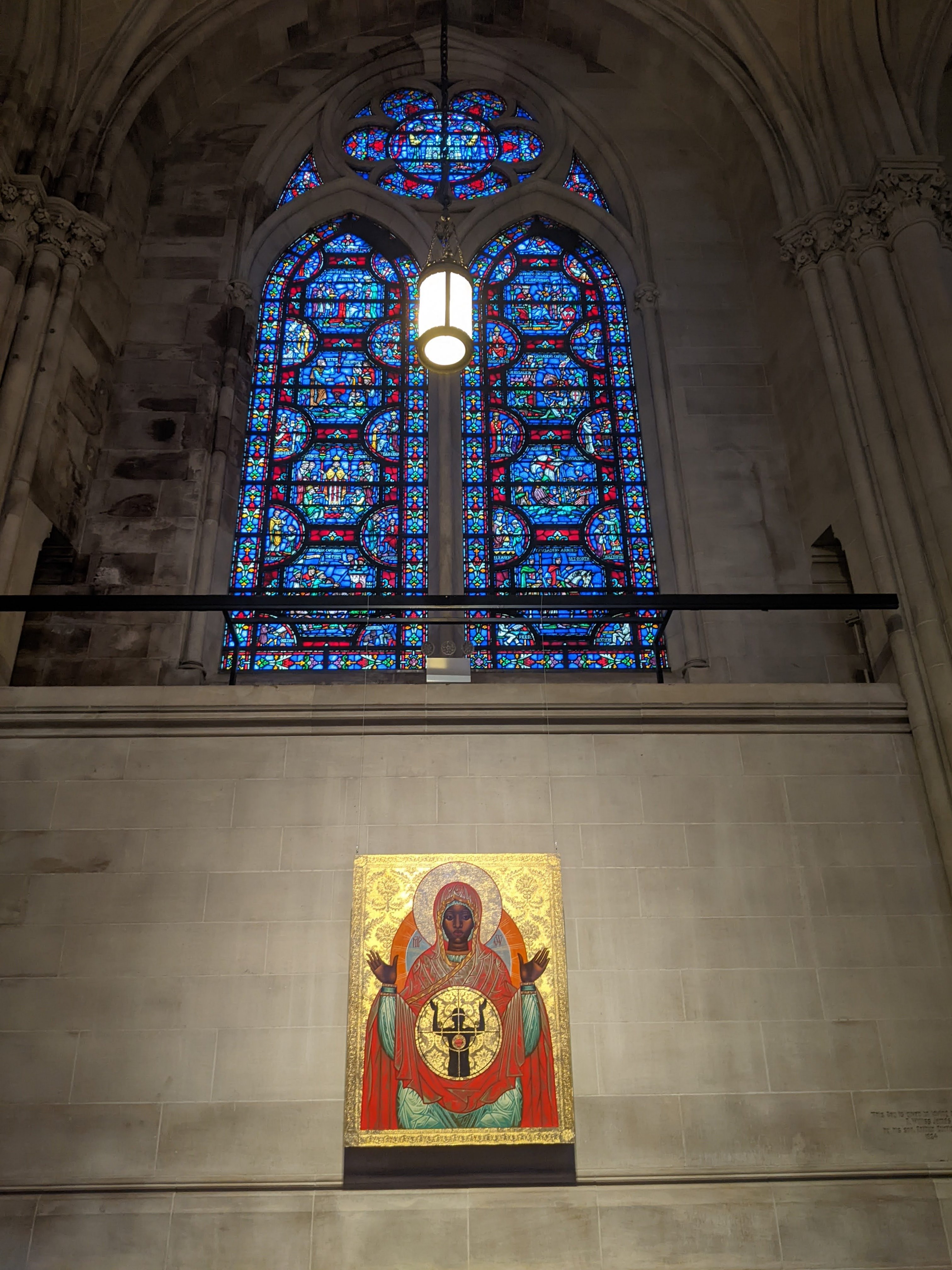
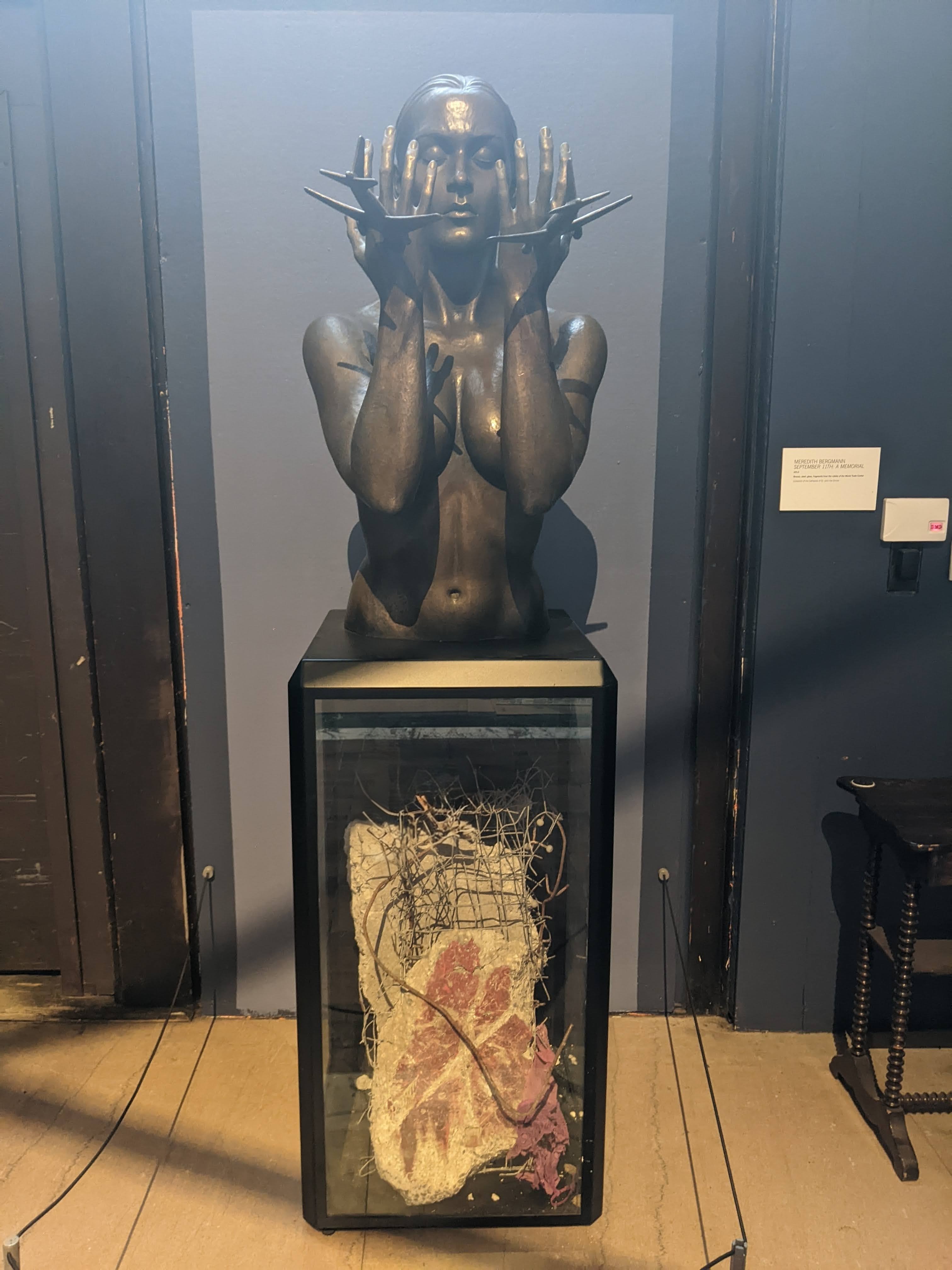
>> Contemporary Art as/in Pilgrimage, Columbia University, New York, February 11, 2025: Organized by the Association of Scholars of Christianity in the History of Art, this one-day symposium “will explore such questions as: Are galleries, museums, art expos, and art installations the new ‘slow spaces’ for spiritual sustenance and transcendent experiences? How are temples, churches and other ‘religious’ sites transformed by artist installations intended to invoke deep spiritual encounter and healing? And how is the art of contemporary artists working in a diversity of media and practice seen through the lens of pilgrimage?”

The keynote speaker is Kathryn R. Barush, author of Imaging Pilgrimage: Art as Embodied Experience (Bloomsbury, 2021). She will be joined by eleven other presenters. Plus, Elissa Yukiko Weichbrodt, author of Redeeming Vision: A Christian Guide to Looking at and Learning from Art, will lead attendees in the practice of intentional looking at the Cathedral of Saint John the Divine.

Our Lady of Ferguson
Mark Doox (American, 1958–), Our Lady, Mother of Ferguson and All Those Killed by Gun Violence, 2016. Acrylic and gold leaf on wood, 48 × 36 in. Cathedral of Saint John the Divine, New York. Photo: Victoria Emily Jones, 2022.

Bergmann, Meredith_September 11th
Meredith Bergmann (American, 1955–), September 11th: A Memorial, 2012. Bronze on pedestal of steel and glass, containing reinforced concrete and brick from the rubble of the World Trade Towers, 78 × 22 × 24 in. Cathedral of Saint John the Divine, New York. Photo: Victoria Emily Jones, 2022.

>> Square Halo Conference, Trust Performing Arts Center, Lancaster, Pennsylvania, March 7–8, 2025: “The Square Halo conferences have offered times not only of fascinating and inspiring ideas in a high caliber of wide and varied presentations, but also of rich, meaningful interactions, dialogue, and (in a deep sense of this word) fellowship. Creativity, collaboration, and community . . . an apt description of what [takes] place” (Matthew Dickerson).

The keynote speaker is Diana Pavlac Glyer, who teaches literature, history, theology, and philosophy in an integrated Great Books curriculum at Azusa Pacific University, and the Saturday-night concert will feature Thomas Austin and Skye Peterson.

>> The Breath and the Clay, Winston-Salem, North Carolina, March 21–23, 2025: “This year we will explore how the light gets in through the fragments of our stories, our lives and our art. We are each built of broken pieces, a mosaic of joys and sorrows, of mundane and miraculous happenings. When we surrender the full spectrum of our human experience, even our pain, doubts and sorrows can heal into art. Through our workshops, keynote talks, immersive gallery and performances, we will explore various facets of the creative life and how everything from inspiration to the everyday, from family to vocation and community coalesce to reveal a hidden wholeness.”

Presenters include Sho Baraka, Vesper Stamper, Justin McRoberts, Cheryl Bridges Johns, Elissa Yukiko Weichbrodt, and more.

>> Illuminate: Art and Faith, Southern Adventist University, Collegedale, Tennessee, March 31–April 1, 2025: “Author and theologian Frederick Buechner famously wrote, ‘Pay attention to the things that bring a tear to your eye or a lump in your throat because they are signs that the holy is drawing near.’ Paintings, poetry, music, and other creative mediums hold strong potential to do just that—to indirectly communicate powerful truths, many of which have eternal consequences. Are we open to what they’re telling us? Will we utilize these tools to share important stories (including The Story) with others? Join us for two rich days of education, inspiration, and community! . . .

“This year’s conference will include a variety of hands-on workshops (flash fiction, drawing, songwriting), as well as sessions exploring fascinating figures, including C. S. Lewis, Madeleine L’Engle, Eugene Peterson, Kurt Vonnegut, Dorothy Sayers, Vincent van Gogh, Norman Rockwell, Ludwig van Beethoven, Duke Ellington, and many more.”

Among the session leaders and performers are art historian Elissa Yukiko Weichbrodt (Redeeming Vision), writer Douglas McKelvey (Every Moment Holy), film and literature scholar Mary McCampbell (Imagining Our Neighbors as Ourselves), pastor Russ Ramsey (Van Gogh Has a Broken Heart; Rembrandt Is in the Wind), illustrator John Hendrix (The Mythmakers; Go and Do Likewise!), and singer-songwriter Andy Gullahorn.

>> Visible and Invisible: Surprising Encounters in Theology and the Arts (DITA 2025), Duke University, Durham, North Carolina, September 4–7, 2025: I’ll be attending this one! Organized by Duke Initiatives in Theology and the Arts. “How can the arts help us open up the very heart of the Christian faith, celebrated at the Council of Nicaea in 325, that Jesus Christ is ‘one in being’ with God? Featuring world-class academics, artists, musicians, and clergy from around the globe and a robust range of programming, DITA2025 is a four-day symposium at Duke University celebrating Nicaea and the myriad surprises the Creed holds in store for artists, academics, clergy, and parishioners today. . . .

“By pairing theologians with poets, clergy with novelists, dancers with liturgists, musicians with scholars, the symposium will generate a series of meetings rarely offered in academic and artistic settings. Including interactive keynotes, plenary presentations, seminar lectures, applied workshops, an evening concert, and more, DITA2025 is a unique opportunity to experience the arts and the academy in action.”

Leah Glenn
Dancer and choreographer Leah Glenn performs an original work, The Youngest of Nine, at DITA 2019.

Speakers include Rowan Williams, Chigozie Obioma, Natalie Carnes, Sandra McCracken, James K.A. Smith, Malcolm Guite, Amy Peeler, and Josh Rodriguez. Early-bird registration ends February 15.

Roundup: Korean-English worship, “God Breathed” by Ruth Naomi Floyd, John Witvliet on liturgical sincerity, and more

WORSHIP SERVICES:

In February I shared a few of the Vespers services offered at this year’s Calvin Symposium on Worship at Calvin University in Grand Rapids, Michigan, which I was privileged to attend. Here are two of the full-fledged services that give you a sense of what the larger corporate gatherings are like. (The theme was Ezekiel.) I love the cross-cultural sharing that goes on, learning new songs alongside others, getting refreshed by prayer and formed by liturgy, sitting under the teaching of wise ministers of God from various backgrounds, and taking Communion with friends new and old.

>> “God’s Glory Departs from Israel,” February 8, 2024 (with bilingual Korean-English music and liturgy): This worship service was led in Korean and English by the Woodlawn Christian Reformed Church Choir, directed by Chan Gyu Jang; the Living Water Church Worship Team, directed by Yohan Lee; and members of the Calvin University and Calvin Theological Seminary Korean communities. Rev. Dr. Anne Zaki from Evangelical Presbyterian Seminary in Cairo, Egypt, preached on Ezekiel 10–11.

This is an example of bilingual worship done really well! (I’ve seen it done poorly: with lack of communication of intention, one-sided involvement in the design or execution, inadequate pronunciation coaching for non-native speakers at the mic, unclear instructions that create confusion as to who is supposed to say or sing what, unintelligibility, etc.) I’m so grateful for all the creativity and thoughtfulness that went into creating this service—with a special shout-out to the bulletin designers and livestream technicians.

The bulletin provides this note on bilingual worship:

Two languages are intertwined together in this bilingual service. At times, words are spoken in one language, and their translation—unspoken—is provided on the righthand column; at times, the leaders demonstrate to the congregation how to sing or speak the words through transliteration; and at other times, the leaders and congregation converse in both languages, providing meaning to each other, so that no word sung or spoken is left unintelligible. We seek understanding and order in the sharing of our gifts.

In our pursuit, however, we practice patience and hospitality. In this service, we are called not only to speak and sing, but also to listen, to take turns. By listening, we create a room—a shelter—for travelers and strangers in this land, since language and music have power to transport one’s soul homeward. By taking turns, we practice the pace and posture of dialogue, even monolingual dialogue.

Beautiful! Here are three songs I’ll call out for special attention:

  • 9:14: “Joo-yeo, Come, O Lord” by Sunlac Noh: This song, which is particularly well suited for Advent, originated in the Anglican Church of Korea and was translated into English last year by Martin Tel (see podcast interview below). The version we sang at the symposium preserves two of the Korean titles for Jesus.
  • 23:36: 우리에게 향하신 (Woo-ri-e-ge Hyang-ha-shin) (Never-Ending Is God’s Love) by Jin-ho Kim, based on Psalm 117:2: Sung entirely in Korean, this was used as a refrain during the Assurance of Pardon and the Prayers of the People. A simple, repeated line, either sung or spoken, is a good way to involve non-native speakers of a given language.
  • 1:14:37: 주님 다시 오실 때까지 / Rise, My Soul, Till Jesus Comes Again” by Hyeong-won Koh: The closing song is a charge to continue in the way of Jesus, all the way Home. The vocalists on stage sang the song themselves in its original Korean the first time through, and then we all joined in in English for the second time.

All the song credits are provided in full in the YouTube video description.

>> “The Valley of Dry Bones,” February 8, 2024: Rev. Dr. Brianna K. Parker from Dallas, founder of Black Millennial Café, preached on the famous Ezekiel 37 passage, and the Calvin University Gospel Choir, directed by Nate Glasper, led music, along with guest artist Ruth Naomi Floyd.

I want to especially draw your attention to 23:31, where Floyd premieres an extraordinary new song of hers, “God Breathed.” It opens and closes with a flute, and in between are her powerful jazz vocals, singing an original poetic text based on Ezekiel 37, accompanied by James Weidman on piano. (Update: Here’s a standalone video of the song.)

+++

PODCAST EPISODE: “Fighting Back Against the Storms of Life with Martin Tel,” Psalms for the Spirit: Host Kiran Young Wimberly interviews Martin Tel, director of music at Princeton Theological Seminary and senior editor of Psalms for All Seasons: A Complete Psalter for Worship (2012), about the Psalms—the importance of psalm singing in his Dutch Reformed upbringing; the Psalms as a form of resistance and protest; the Psalms as a means of praying our own prayers and those of others; our need to overhear some psalms as being prayed against us (that is, have you considered that you might be someone else’s oppressor?); and ideas for framing a psalm with a refrain, such as these:

  • Combine the Charles Albert Tindley gospel song “The Storm Is Passing Over” with Psalm 57 (“In the shadow of your wings I will take refuge, until the destroying storms pass by . . .”). Sing into the storm.
  • Choose a Gospel passage of someone in deep lament (e.g., the ten lepers in Luke 17:11–19), surround it with Psalm 88, and have the congregation sing “Kum Ba Yah” (Gullah for “Come by Here”) in minor mode as a refrain (“Someone’s crying, Lord . . .”). A choir can hum the spiritual while the reader(s) read the scriptures.
  • Intersperse the verses of Psalm 14 (“Fools say in their heart, ‘There is no God.’ . . . They have all gone astray . . .”) with the refrain “Prone to wander, Lord, I feel it . . .” to help the congregation members see their own foolishness instead of assuming it’s someone else who’s the fool.

+++

ARTICLE: “The Mysteries of Liturgical Sincerity” by John Witvliet, Worship (reprinted Pray Tell), May 2018: Some Protestants accuse the more liturgically inclined Christians, like me, of not valuing sincerity in worship because we value prewritten prayers and other set forms. But just because something is scripted or done habitually does not make it “rote” or “empty.”

“Among my mostly Protestant students, no theme is more contested, misunderstood, or cherished” than sincerity, writes John D. Witvliet, director of the Calvin Institute of Christian Worship and professor of worship, theology, and congregational and ministry studies at Calvin University and Calvin Theological Seminary. In this article he explores several different definitions of sincerity, which vary widely across cultures, centuries, philosophical frameworks, and Christian traditions, and then offers six “corrective lenses” to common astigmatisms in the free-church Protestant way of viewing the world: outside-in sincerity, vicarious sincerity, trait sincerity, symbiotic sincerity, sincerity as gift, and aspirational sincerity.

This article is SO GOOD. I have been greatly influenced over the years by Dr. Witvliet’s teachings on liturgical formation, and I strongly encourage you all to read this piece.

+++

EKPHRASTIC POEMS:

An ekphrastic poem is a poem written in response to a work of visual art. Here are two examples I like from the past two years:

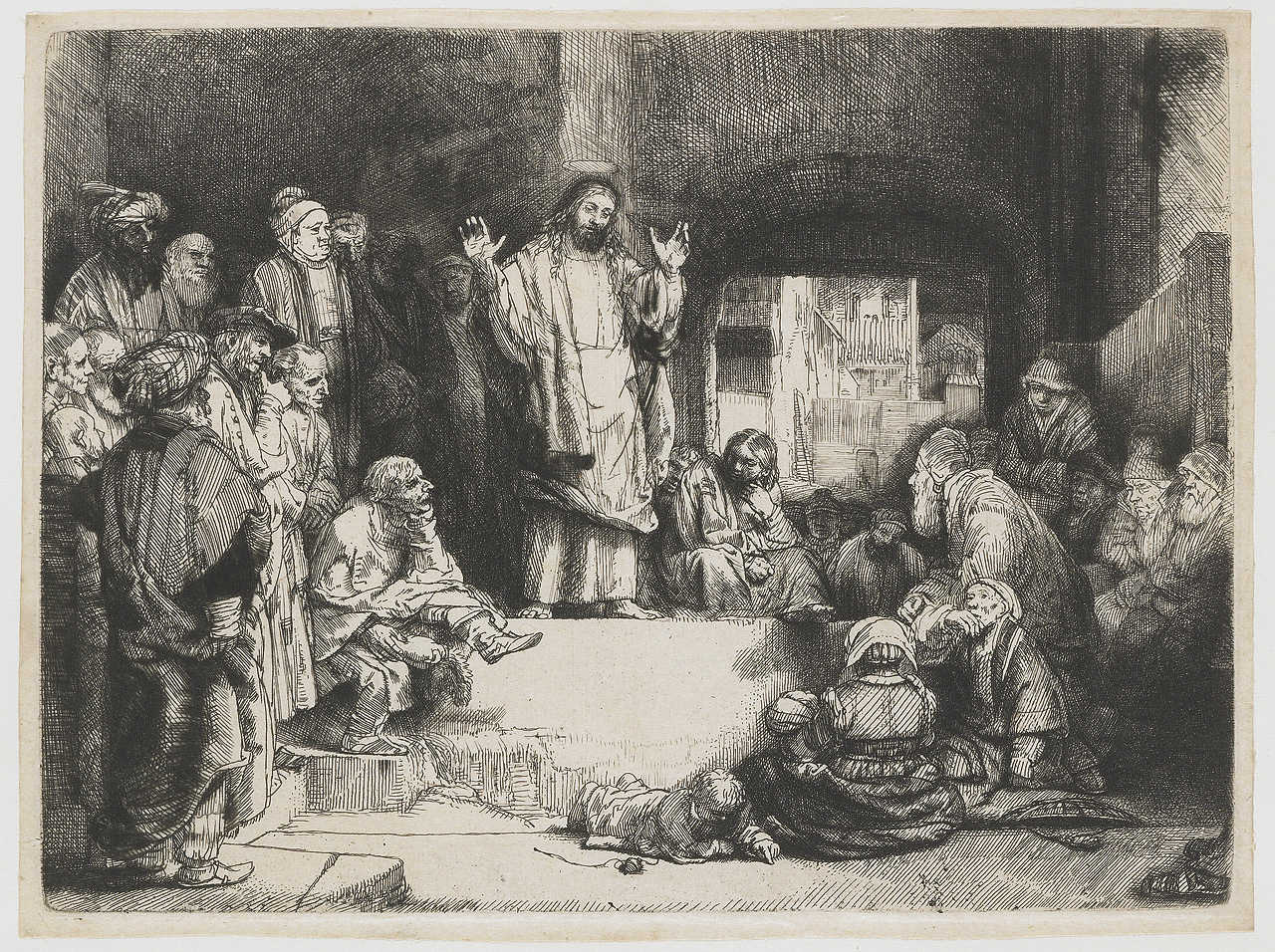
>> “Christ Preaching” by Keene Carter, Image: “I forgive the absent boy,” begins this poem based on a Rembrandt etching, directing our attention to the young child in the foreground who has turned away, disinterested, from Jesus’s sermon, drawing on the ground instead. Jesus gives grace to those in the crowd with averted gazes or who are distracted, simply continuing to preach on on the virtue of empathy—of seeing yourself in others—and on true life.

Rembrandt_Christ Preaching (1652)
Rembrandt van Rijn (Dutch, 1606–1669), Christ Preaching (La Petite Tombe), ca. 1652. Etching, engraving, and drypoint on paper, 6 1/4 x 8 5/16 in. (15.9 × 21.1 cm). National Gallery of Art, Washington, DC.

>> “L’Angélus” by Seth Wieck, Grand Little Things: The Angelus is a traditional Christian prayer whose name comes from its opening words in Latin, “Angelus Domini” (The angel of the Lord). For centuries it was prayed by the faithful three times a day—at 6 a.m., noon, and 6 p.m.—the times announced by the ringing of bells from church towers. In the nineteenth century Millet famously painted two peasant farmers at dusk pausing from their labor in the fields to bow their heads and pray the Angelus. Seth Wieck interprets the painting through poetry, homing in on the part of the prayer that says, “Let it be done to me according to thy word,” expressing an attitude of surrender to God’s will. Wieck imagines the hard life of the man and woman shown pulling up potatoes from the earth—the same earth in which, shortly hence, they’ll bury a child, lost to sickness. The poem becomes a meditation on death, harvest, and acceptance.

Millet, Jean-Francois_The Angelus
Jean-Franҫois Millet (French, 1814–1875), The Angelus, 1857–59. Oil on canvas, 55.5 × 66 cm. Musée d’Orsay, Paris.


DONATE

I am committed to keeping all Art & Theology posts freely available to all; no paywalls here. To help me make a part-time living developing content for the site, would you consider donating to the work, or supporting my research by buying me a book from my Amazon wish list? I appreciate it!

Roundup: Jazz Vespers with Ruth Naomi Floyd, Psalm 90 set to Celtic tune, and more

ARTWORK:

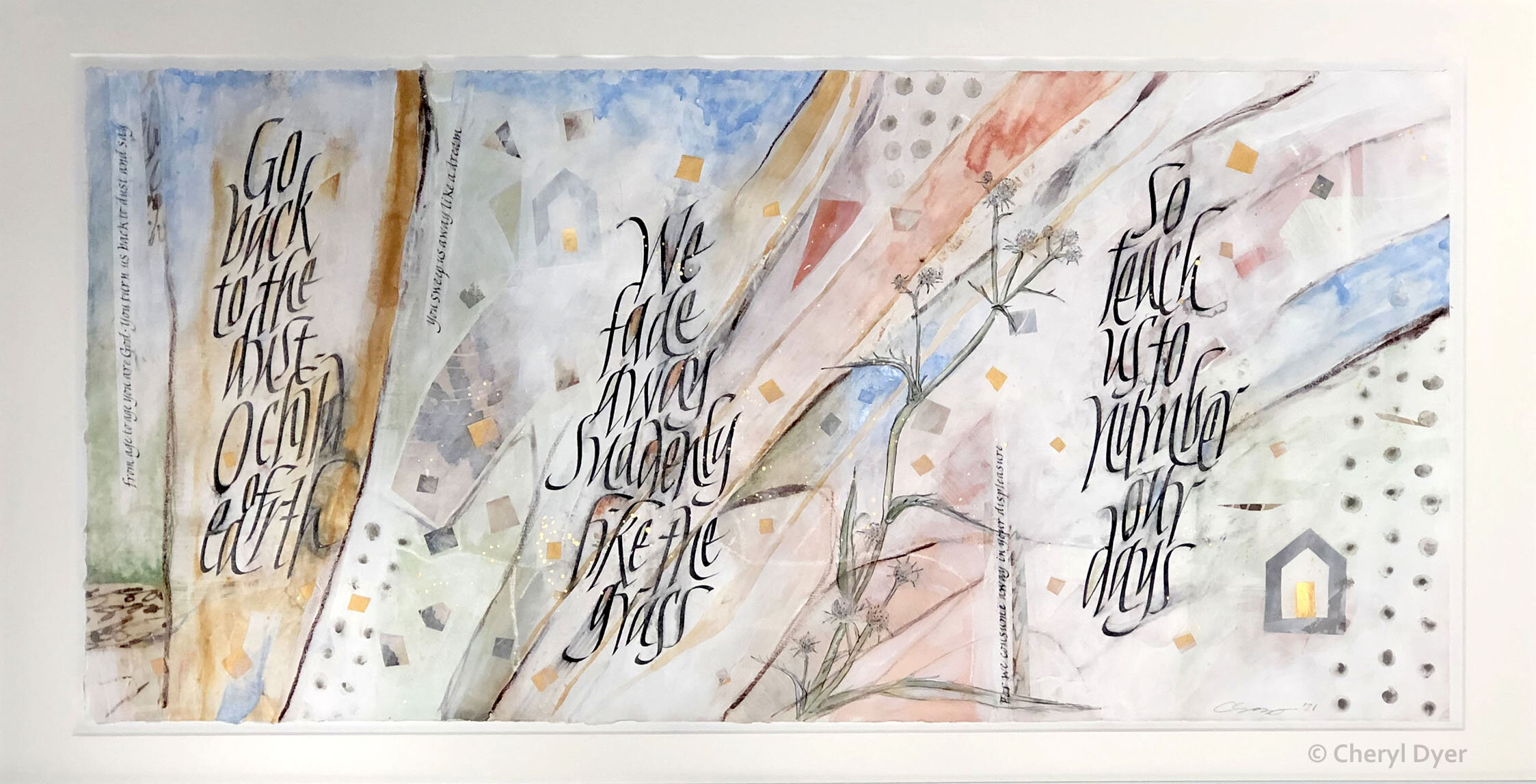
Dyer, Cheryl_Rattlesnake Master
Cheryl Dyer, Rattlesnake Master, 2021. Collage / mixed media, 34 × 18 in.

In this piece, lettering artist and calligrapher Cheryl Dyer of Omaha takes Psalm 90 (traditionally read on Ash Wednesday) as her subject, embellishing excerpts with watercolor and other media. Rattlesnake master is a perennial herb of the parsley family native to the tallgrass prairies of central and eastern North America.

+++

ARTICLE: “The Vindication and Blessing of Lent” by Rev. Dr. Michael Farley, Modern Reformation: I also sometimes receive pushback from others in my Reformed Christian circles for my observance of Lent. I appreciate Farley’s response to such concerns, explaining why he finds Lent—and the liturgical calendar as a whole—biblically, theologically, and practically compelling.

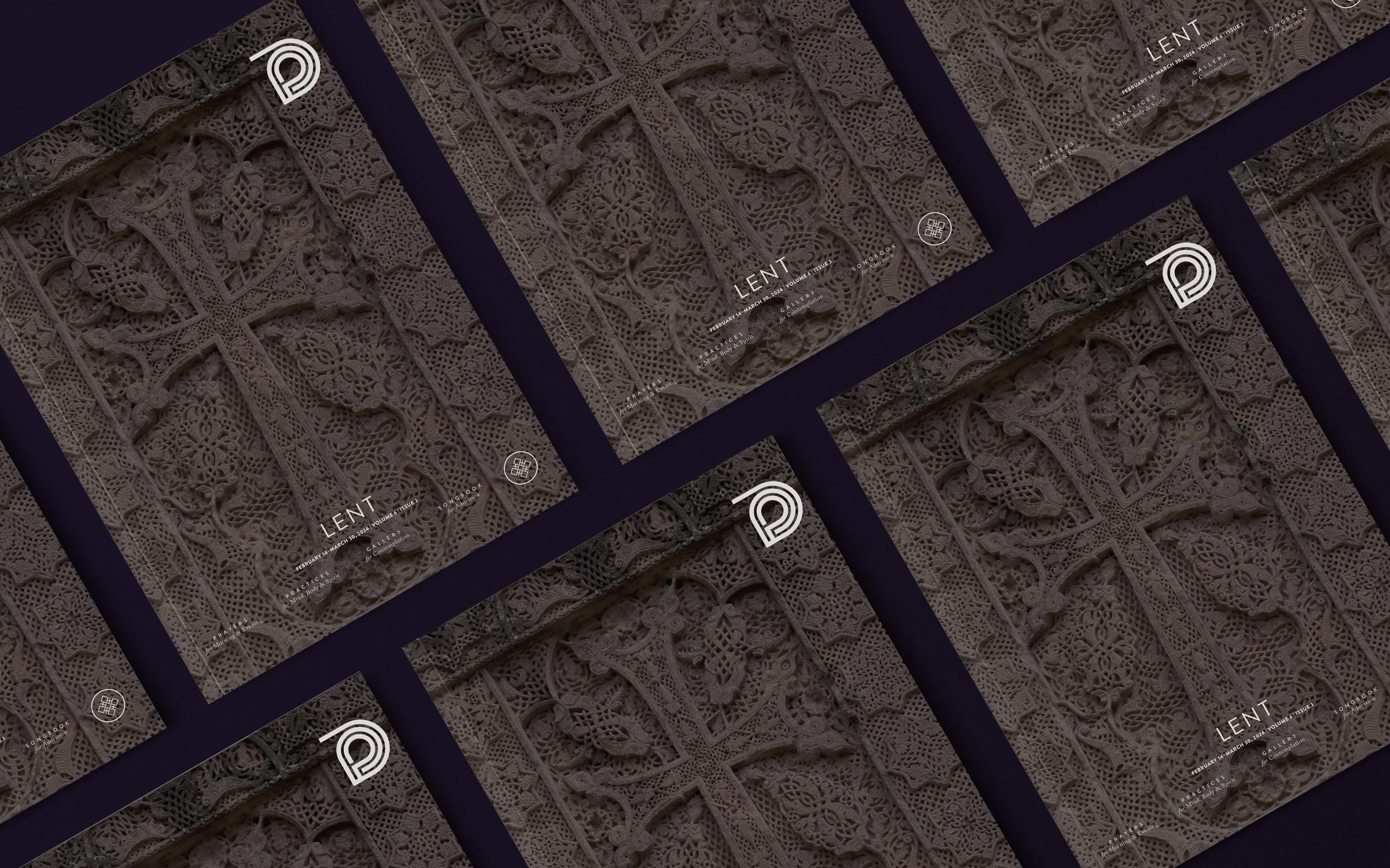
Note: If you’d like a new devotional booklet to work through this Lent that is broadly Reformed and that combines scripture readings, prayers, songs, art, and other elements, I recommend the Daily Prayer Project’s Living Prayer Periodical, which, full disclosure, I had a hand in producing. New for this year’s Lent edition, we’ve added a special page spread for each day of the Triduum: Maundy Thursday, Good Friday, and Holy Saturday. The cover image is of a thirteenth-century Armenian khachkar from the Monastery of Gosh and is one of eight featured artworks inside (three accompanied by written reflections, three by visio divina prompts). If you want to receive a copy by the start of Lent on Wednesday, order the digital version; otherwise, expect a few business days for shipping.

Lent LPP

+++

SERMON: “Seasons of the Heart: Preparing for Lent” by James K. A. Smith: Last February, Jamie Smith preached on Ecclesiastes 3:1–8 and John 16:12–15 at his home church, Sherman Street Christian Reformed Church in Grand Rapids, Michigan. He talks about seasonality—how we creatures experience time in seasons, both personally and collectively—and encourages us to ask, “When am I?” Along the way he references Gustavo Gutiérrez, Rita Felski, and Bruce Springsteen. Below is a transcription of 23:42 onward, which I find so resonant. To receive the full force of this conclusion, listen to the whole sermon.

God has more to say to us in his word that we haven’t yet got. There is something in us, for us, in the word that we hear over and over and over again, and the way that we will get to the place of receiving it is precisely by giving ourselves over to the seasons in our lives and letting God do the work in us so that we get new ears, because we have new hearts. This is one of the reasons why . . . repetition is at the heart of the spiritual life. It’s exactly why we keep repeating the liturgical seasons over and over again. Why? Because every single one of us is a different person every time Advent arrives. Every single one of us has undergone something every single time Lent rolls around again.

And so as we’re preparing for Lent—this season of repentance, this season of encountering our mortality—again, I want to encourage us to ask: When am I? When are we? What am I going through? What season am I in? And then from that place, come to Lent with expectation. What does God want to say to me in the now that I find myself? What are you newly ready for because of what you’ve come through? What can Jesus say to you this year that he couldn’t tell you last year?

So many of you are mourning. And the journey of Lent is really a journey of yearning for resurrection. But it passes through the valley of the shadow of death. Unapologetically. And the psalmists’ cries that you’re going to hear in Lent, maybe this year they’re going to give voice to a cry of your own that you didn’t have before. The experience of being bereft on Holy Saturday is going to hit some of you in a way it never has before this year. But maybe that also means that Easter dawns for you in a way it never has before.

Friends, maybe some of you feel, to go back to Ecclesiastes, that it’s a time to build and plant. Because you’ve come through the season of tearing down and uprooting. Maybe this Lent you feel like you’re finally in a place where you can be vulnerable to a God that you finally learned is compassionate, who loves you all the way down. This is a season to build, to plant.

Friends, maybe some of you feel like it’s the time of giving up and throwing away. There is a time for everything, the Teacher tells us. There’s a time to give up, there’s a time to throw away. But maybe it’s precisely what you need to let go of that has been blocking your ability to experience God’s incessant, steadfast, always love.

Whenever you are, whatever season you find yourself in, God has good news to share with you. That’s what we can rely on. No matter what season you’re in, the God who is eternal—the same yesterday, today, and forever—has always a word of good news, because he is always the God with us. He is always Emmanuel. And so this Lent and Eastertide, maybe this is the year you finally get God’s song. You finally hear the song of new life. And friends, I hope you hear that God is singing to you.

+++

VESPERS SERVICES AT CALVIN UNIVERSITY:

I’ve just returned from another inspiring Calvin Symposium on Worship, so grateful for all the gifts and wisdom that were shared. There’s much I could say, but one thing I discovered was how much I loved participating in Vespers, a short evening worship service consisting of scripture readings, prayers, and song (vesper in Latin simply means “evening”). It’s not something that’s regularly offered in my (Presbyterian) tradition, at least not near me. Here are three of the Vespers services that took place this week at Calvin, the latter two at which I was present:

>> Celtic Vespers: “Psalms of Healing and Hope for a Troubled World,” led by Kiran Young Wimberly and The McGraths: This service of psalms set to Celtic melodies was led by Kiran Young Wimberly and The McGraths (a Northern Ireland–based group that performs and records together), Mary Beth Mardis-LeCroy (violin), and Brian Hehn (piano). Since Ash Wednesday is this coming week, I’ll draw your attention especially to “From Dust We Came (Psalm 90)” (see timestamp 15:28), which uses the eighteenth-century Irish tune CASADH AN T’SÚGÁIN. Plus, another highlight for me: “Love and Mercy (Psalm 85),” set to the eighteenth-century Scottish tune LOVELY MOLLY (39:55)—I’ve added this to my Advent Playlist! For more info about the musicians and their work, see https://www.celticpsalms.com/.

>> Jazz Vespers: “Lament as Worship,” led by Ruth Naomi Floyd and her jazz quartet: Ruth Naomi Floyd is a phenomenal jazz vocalist, composer, and fine-art photographer. This liturgy that she crafted and presented is so moving. In her thoughtful selection of readings, Floyd brings a James Baldwin poem into conversation with Psalm 42:7–11 and even includes an amusing proverb from Chinua Achebe’s novel Arrow of God. She also adds a visual element: black-and-white photographic portraits she shot, which were displayed on slides during each segment (not all of them are featured in the video recording).

The musical performance, I hardly have words for. All I can say is, it was utterly engrossing. The expressiveness of Floyd’s voice is unmatched, carrying such pathos. I couldn’t pick a favorite song, but the opening spiritual, “Trouble So Hard” (11:37), hit me forcefully. The first verse talks about a mountaintop experience of spiritual ecstasy (“getting happy” refers to being filled with the Spirit), and that’s contrasted in the second verse with a descent into the valley of deep suffering and grief. The refrain asserts to God, seeking divine consolation, “Oh Lord, trouble so hard,” and then testifies that only God truly knows our troubles. Also take note of the concluding song, “Press On” (34:31), an original Floyd composition whose text is taken from the writings of Frederick Douglass, part of a larger body of work that has been recorded and will most likely be released by the end of this year, Floyd told me; see https://frederickdouglassjazzworks.com/.

The amazing instrumentalists are James Weidman (piano), Keith Loftis (saxophone), Matthew Parrish (bass), and Mark Prince (drums).

>> Choral Vespers: “Christ, Holy Vine, Christ, Living Tree,” led by David M. Cherwien and The Choral Scholars: Led by the West Michigan chamber ensemble The Choral Scholars and organist/pianist David Cherwien, this service centers on botanical imagery of Christ and his people—such a generative idea! I enjoyed singing Gerald Cartford’s responsorial setting of Psalm 141:1–4a and 8 (see timestamp 12:48); the refrain is “Let my prayer rise before you as incense; and the lifting of my hands as the evening sacrifice” (the plant connection is that incense is derived from fragrant gum resins, i.e., tree sap). Also, this was my first time hearing Elizabeth Poston’s “Jesus Christ, the Apple Tree” performed live (20:48), and the first time its words truly registered with me.

+++

PRAYER-POEM: “Marked by Ashes” by Walter Brueggemann: “. . . On this Wednesday, we submit our ashen way to you—you Easter parade of newness. Before the sun sets, take our Wednesday and Easter us, Easter us to joy and energy and courage and freedom . . .” This prayer by the Old Testament scholar and theologian Walter Brueggemann, from his book Prayers for a Privileged People (2008), is ostensibly for any ol’ Wednesday in the church year, but it could be used, with one small elision, for Ash Wednesday itself. I love how it reads Easter backward into Lent, recognizing that the fruits of Christ’s resurrection are borne all year round.

P.S. This year, Ash Wednesday falls on February 14, Valentine’s Day. It did too in 2018; read the poem by Luci Shaw that I published for that occasion.

Upcoming conferences

I’ll be attending the first two, intermittently working the Daily Prayer Project table at Calvin. If you’re there, be sure to say hello!

Calvin Symposium on Worship
Date: February 8–10, 2023
Location: Calvin University, Grand Rapids, Michigan
Cost: $180 (or $25 for students and faculty of any school)
Organizers: Calvin Institute of Christian Worship and the Center for Excellence in Preaching
Presenters: James Abbington, Latifah Alattas, Jeremy Begbie, Carlos Colón, Justin Giboney, Wendell Kimbrough, Te-Li Lau, Karin Maag, Debra Rienstra, W. David O. Taylor, and many more
Description: “The Calvin Symposium on Worship is an annual conference (since 1988) that brings together people from many different denominations and traditions, from a variety of roles in worship and leadership, including pastors, worship planners and leaders, musicians, scholars, students, worship bands and teams, organists, visual artists, preachers, chaplains, missionaries, liturgists, council and session leaders, and more; and encourages leaders in churches and worshiping communities of all sizes and settings.” This year’s theme is Paul’s letter to the Colossians.

Ordinary Saints Conference

Ordinary Saints—Creativity, Community, and Collaboration
Date: February 17–18, 2023
Location: The Trust Performing Arts Center, Lancaster, Pennsylvania
Cost: $210
Organizer: Square Halo Books
Presenters: Malcolm Guite and Elissa Yukiko Weichbrodt (keynotes)
Description: Celebrating Square Halo’s twenty-fifth year publishing “extraordinary books for ordinary saints,” as its tagline reads. Coincides with the release of Ordinary Saints: Living Everyday Life to the Glory of God, an anthology of essays by forty-plus writers on such topics as knitting, home repair, juggling, traffic, pipes, chronic pain, pretzels, and naps. Art historian Elissa Yukiko Weichbrodt, author of the forthcoming Redeeming Vision: A Christian Guide to Looking at and Learning from Art, will be speaking on “Corporeality and Modern Art in Dialogue” and will participate in a panel discussion with Ed Knippers and Ned Bustard, and poet Malcolm Guite will be giving several talks. There will also be breakout sessions led by a range of guests, a pop-up printmaking studio, songwriting roundtables, a performance by Reverie Actor’s Company, and a concert by The Arcadian Wild.

Society for Christian Scholarship in Music (SCSM) Annual Meeting
Date: March 2–4, 2023
Location: Duke Divinity School, Durham, North Carolina
Cost: $100–$150
Organizer: Society for Christian Scholarship in Music
Presenters: Luke Powery (keynote) and others
Description: The Rev. Dr. Luke A. Powery, dean of Duke Chapel and associate professor of homiletics at Duke Divinity School whose publications include devotionals based on the African American spirituals, will offer the keynote address. The conference will also include twenty-three research paper presentations, panel sessions, a lecture recital, a choral concert, and more. Full details will be published soon on the SCSM website.

Art, the Sacred, and the Common Good: Renewing Culture through Beauty, Education, and Worship
Date: April 21–22, 2023
Location: Princeton Theological Seminary, Princeton, New Jersey
Cost: Free
Organizer: Scala Foundation
Presenters: Aidan Hart, Jonathan Pageau, Anna Bond, Peter Carter, David Clayton, Margarita Mooney Clayton, Paul Coyer, Robert Jackson, and RJ Snell
Description: “The modern myth that beauty emerges from the subconscious of a self-seeking creative genius goes against the traditional understanding that beauty emerges from a living tradition under the inspiration of God. For example, C.S. Lewis and J.R.R. Tolkien met regularly in Oxford’s pubs to discuss their writing and their faith. In the early 20th century, Russian exiles in Paris formed a community focused on the re-establishment of the great tradition of iconography so central to Christian worship. Composers like Handel and Mozart created beautiful music accessible to all people that directed listeners to the transcendent.
        Conversations and community among creators and thinkers have always been essential to shaping culture. These eminently human moments—and the friendships they inspire—must be cultivated if we are to illuminate America’s darkening culture and society.
        “American culture is in rapid collapse in large part because of an abandonment of beauty in education and worship. The Scala Foundation’s 2023 conference on art, the sacred, and the common good grows out of its deep work around Princeton to bring together artists, students, teachers, and scholars. In a world increasingly hostile to the idea that beauty is anything more than self-aggrandizement or yet one more tool of oppression, this event offers the warmth of community to anyone who is passionate to restore the connections between beauty and truth and between reason and creativity.”

Hutchmoot UK (*open to UK residents only)
Date: May 18–21, 2023
Location: Hayes Conference Center, Swanwick, Derbyshire
Cost: £365 (all-inclusive)
Organizer: The Rabbit Room
Description: A weekend of live music, delicious food, conversation, and a series of discussions centered on art, faith, and the telling of great stories across a range of mediums.

Roundup: Lessons & Carols, new Advent/Christmas albums, Advent Art Salon

N.B.: Upcoming dates:

  • December 4: “For God So Loved the Cosmos: A Service of Lessons and Carols,” Calvin Institute of Christian Worship, Grand Rapids, Michigan
  • December 11: “A Dawning Light” service, Grace Mosaic, Washington, DC
  • December 14: (Virtual) Advent Art Salon, organized by Image journal

More info below!

STORY & SONG SERVICES:

>> “A Dawning Light,” Grace Mosaic, Washington, DC: On December 12 last year, I attended Grace Mosaic’s fourth annual “Dawning Light” service, an evening of Advent and Christmas gospel music and scripture readings. It was wonderful, progressing from darkness to light together, feeling collectively our longing and our joy. The service was organized by the church’s pastor of worship and formation, Joel Littlepage, who’s at the keys. The song list is below. My favorite is probably the “Emmanuel” medley around fifty-two minutes in, or the medley that follows.

  • Processional: “Wait for the Lord” by Jacques Berthier, Taizé Community
  • 9:06: “The Truth Sent from Above,” traditional English carol with music by Joel Littlepage
  • 15:50: “Come, O Redeemer, Come” by Fernando Ortega
  • 19:14: “O Come, O Come, Emmanuel,” arr. Kimberly Williams | Soloist: Kimberly Williams
  • 26:17: “Tenemos Esperanza” by Federico J. Pagura (words) and Homero R. Perera (music), Argentina | Soloist: Melissa Littlepage
  • 35:51: “Lift Up Your Voices” by Nikki Grier, as performed by the Sunday Service Choir
  • 44:10: “O Holy Night” by Adolphe Charles Adam, Placide Cappeau, John S. Dwight, arr. Kimberly Williams | Soloist: Kimberly Williams
  • 52:13: “Emmanuel” by Solly Mahlangu, South Africa, sung in Sotho
  • 55:10: “Emmanuel” by Norman Hutchins | Soloist: Russ Whitfield
  • 59:20: “Christmas Worship Medley” (“Alpha and Omega,” “Be Unto Your Name,” “Magnificent and Holy,” “The Almighty Reigns”), as performed by Israel Houghton, arr. Dan Galbraith
  • 1:15:10: “Jesus Is the Reason” by Kirk Franklin
  • 1:20:19: “Joy to the World” by Isaac Watts (words) and George Frideric Handel (music) (congregational hymn)
  • 1:23:24: Recessional: “Joy to the World” (instrumental)

This year’s “Dawning Light” service will be held December 11 at 5:30 p.m. at Grace Mosaic in Northeast Washington, DC. A catered reception will follow. RSVP here.

>> “For God So Loved the Cosmos: A Service of Lessons and Carols,” December 4, 2022, LaGrave Avenue Christian Reformed Church, Grand Rapids, Michigan: This Sunday at 3 p.m. and 6 p.m. Eastern, the Calvin Institute of Christian Worship is holding a Lessons & Carols service (in-person and livestreamed) celebrating the Bible’s all-creation vision of redemption. The program is posted, and it looks great! If you’re remote, you can tune in on YouTube.

+++

2021 ADVENT ART SALON: Organized by Image journal, this virtual hour-long salon took place on December 14, 2021. The two highlights for me are Christopher J. Domig’s performance of the Shepherd’s monologue from “The Birth” by Frederick Buechner (12:54–18:33), in Secrets in the Dark: A Life in Sermons, and the Rev. Dr. Lauren Winner’s reflection on Mary’s pregnancy (43:44–49:26), in which she shares, in addition to two images, an unusual Advent practice she follows, recommended to her by a Baptist pastor who is also a doula!

Leininger, Lorie_Infinite Riches in a Little Room
Lorie Dodge Leininger (American, 1926–2016), Infinite Riches in a Little Room, 1968. Woodblock print, 14 × 11 1/2 in.

Image is hosting another virtual Advent Art Salon this year on December 14 at 5 p.m. Eastern (2 p.m. Pacific). It will feature an Advent meditation by Amy Peterson, poetry readings by Karen An-hwei Lee and Jonathan Chan, a performance of Annie Dillard’s “God in the Doorway” by Rachel Ingram, a musical performance by Eric Marshall of Young Oceans (who is on my Advent playlist!), and a reading on feasting by Kendall Vanderslice. View more info here, and register here.

+++

NEW ADVENT/CHRISTMAS ALBUMS: All three of these are available on Spotify andother streaming services.

>> We Wait: Advent and Christmas, vol. 2 by The Many: An EP of two traditional songs and two originals by The Many, an intentionally diverse collective gathered around their “shared love of music and commitment to honest expressions of faith, peace-making, economic and racial justice, and LGBTQ+ inclusion.” They draw on indie-pop and gospel influences.

>> The Soil and The Seed Project, vol. 5: Advent, Christmas, Epiphany: The Soil and The Seed Project is a liturgical collective based in Harrisonburg, Virginia, writing music and at-home liturgies structured around the church year. They’ve just released their fifth collection, available for free through their website. The music portion includes, among other songs, retunes of a few traditional Advent hymns; the electro-hop “Restore Us,” a lament by Greg Yoder; a setting of the Beatitudes; and a setting of Psalm 96:1–2 in its original Hebrew by the late Rev. Dr. Anil Solanki, a former seminary professor of TSATSP director Seth Crissman’s (Crissman said Professor Solanki would often open his Hebrew exegesis classes by leading students in this song).

>> Christmas Hymns by Paul Zach: Four originals and twelve traditionals from one of my favorite sacred singer-songwriters. Most are for Christmas, but a few are more Advent-y. Taylor Leonhardt, Lauren Plank Goans, Keiko Ying, and Noah Zach provide supporting vocals. [Apple Music]

Advent, Day 6

LOOK: Cathedral by Bryn Gillette

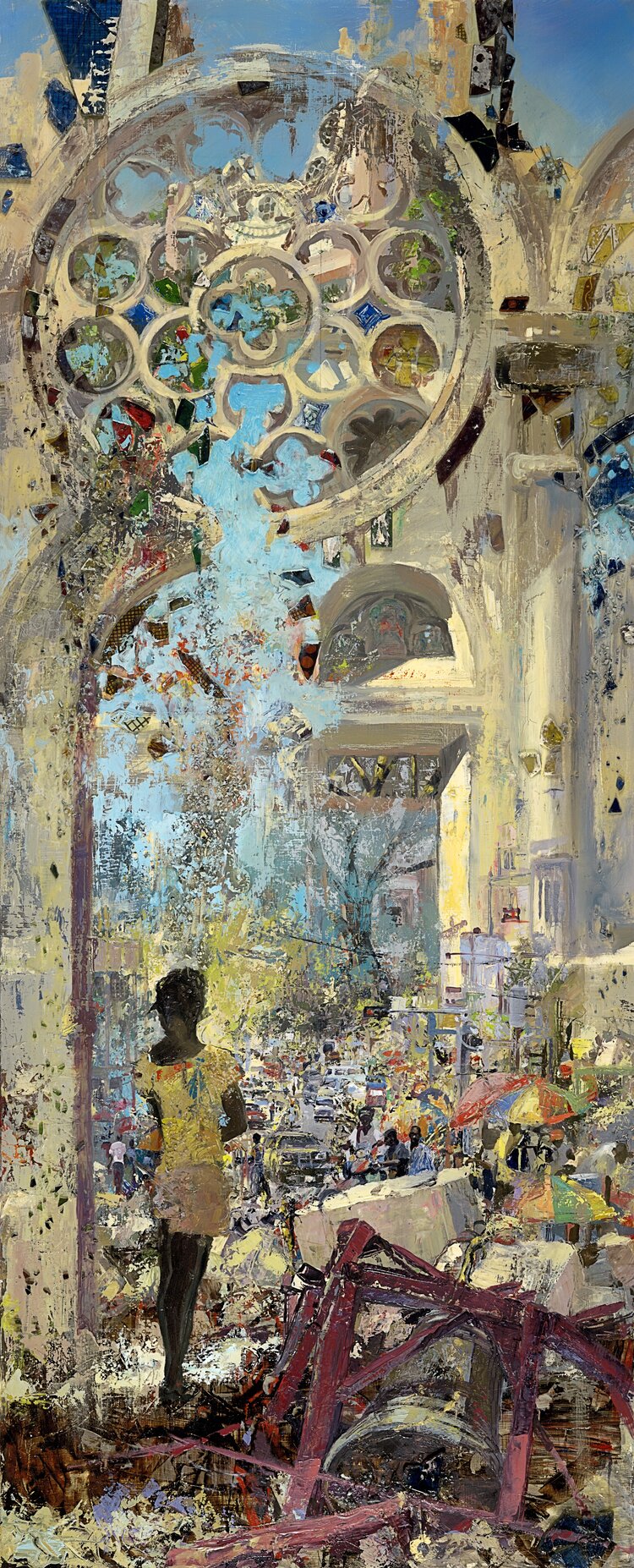
Gillette, Bryn_Beyond the Ruins (Cathedral)
Bryn Gillette (American, 1980–), Cathedral, 2010–11, from the Beyond the Ruins series. Oil and glass shards on wooden door, 80 × 32 in. (203.2 × 81.3 cm). [available as a giclée print]

In 2000 while on a ministry trip to Jamaica, artist Bryn Gillette met Daniel Jean from Haiti, who was finishing up his Bible degree there while caring for five orphaned children. After Jean graduated he returned to Haiti and became a pastor and, over the next several years, continued taking in a growing number of children—ten, twenty-one, sixty-five!—from off the streets, giving them, through the help of his church community, food, shelter, medical care, education, love, and a sense of home.

While a large number of Haiti’s estimated 1.2 million orphans and vulnerable children (OVC) have lost parents to natural disaster, disease, gang violence, or political turmoil, most are what are called “social orphans,” meaning they have one or more living parents but that parent is unable to provide for them, usually because of poverty or drug addiction, and they are forced to fend for themselves. Some of these children are abandoned out of painful necessity; others, out of neglect. Jean was himself orphaned by poverty as a child, so he has an enormous amount of empathy for those in the same situation.

Having kept up a regular correspondence with Jean ever since their initial meeting, Gillette took his first trip to Haiti in 2008, to visit Jean and to meet the very large family he had built! Later that year he and his father, Mark Gillette, founded the nonprofit TeamOne:27 to support Jean’s work. Since then Jean’s family has grown to include more than two hundred kids in three “homes of blessing”—two in Port-au-Prince and one in Les Cayes, near where the magnitude 7.2 earthquake struck this August. The Gillettes describe Daniel Jean as a modern-day George Müller

Bryn Gillette has since returned to Haiti seven more times and considers himself an “artistic ambassador” for the country. Cathedral is part of his twelve-piece Beyond the Ruins series of paintings, made in the aftermath of the catastrophic January 12, 2010, earthquake that struck just outside the capital of Port-au-Prince, killing tens of thousands of Haitians. Each painting was executed on a standard-size door, metaphoric of the aspiration that Haiti will emerge stronger on the other side of this tragedy—that it will pass “beyond the ruins.”

Gillette began painting Cathedral in July 2010, when he was first able to visit the ruins of the Cathédrale Notre-Dame de L’Assomption in Port-au-Prince. “At that time the property was gated and uncleared of the rubble and deceased,” he said.

Gillette, Bryn_Cathedral (detail)
Detail

He returned in summer 2011, at which point he was able to go inside the shell of the church.

I spent much of my time sorting through the small piles of remaining debris and collecting discarded “treasures” of the stained glass windows. It became a game to the local children, who sent me home with a pile of several pounds of glass. I vowed to myself to honor these sacred shards somehow in a work that would be a worthy tribute to these precious and grieving Haitians. I embedded shards and crushed fragments of the Cathedral’s glass into the painting itself, praying over Haiti with what I might describe as a weeping hope.

While he was there he saw a young girl lingering in the doorway, standing on the wreckage and staring out over the cityscape. In the painting, Gillette said, she represents on one level a personified Haiti, vulnerable and grieving and interceding for her people. Hear more from the artist on this painting in this 2019 video:

After eleven years, Notre-Dame Cathedral has still not been rebuilt, though donations have enabled the erection of a transitional 1,500-seat structure on the site, where Masses are celebrated. Its ruins, especially its shattered rose window, are now a distinguishing feature of the Port-au-Prince skyline.

Lament and hope are key elements of Gillette’s Beyond the Ruins series as a whole, as he elaborates:

During the years I worked on these images, the painting process distilled countless hours of conversation, travel, prayer, heartache, and hope into color and form. These door-size portals are our declarations of hope, our inner groaning for justice made visible, a plea for God’s Spirit to renew Haiti’s destiny. . . . It is my hope that this work be a catalyst for Kingdom scale conversations, dreams, prayers, relationships, and initiatives.

Cathedral speaks powerfully of one of the main themes of Advent: mourning the brokenness (of our bodies, spirits, families, cities, governments, earth, etc.) while awaiting the coming of a new day. And even as we wait, we work—we (re)build, we mend. We keep our hands to the plow. We sow weeping.

“I feel like I am often praying in imagery rather than words,” Gillette says. Though I am viewer, not maker, I often feel the same—that my consideration of a particular image is my prayer. I’m thankful to artists who are able to express these “prayers” so eloquently and who put them out into the world so that we, too, can lift them up to God.

LISTEN: “Jesucristo, esperanza del mundo” (Jesus Christ, Hope of the World) | Words by Silvio Meincke, 1982; trans. Pablo D. Sosa, 1988 | Music by João Carlos Gottinari and Edmundo Reinhardt, 1982; arr. Greg Scheer, 1994 | Performed by Calvin University’s Capella, 2021

This video features a Spanish-English version of a twentieth-century Portuguese-language hymn from Brazil, which is #248 in the bilingual hymnal Santo, Santo, Santo: Cantos para el pueblo de Dios / Holy, Holy, Holy: Songs for the People of God. Here are the full lyrics in English:

A little beyond this our time
The future announces with gladness
No war, no disaster, no crime
No more desolation, no sadness

Lord, may your kingdom come
The joy of our world re-create
And all our hope and our longings
Transform in the fullness of life
Aié, eiá, aié, aié, aié

A bud of your hope is sprouting
The token of flowers in spring
A world to arrive, no doubting
With justice and joy that you bring

We hope to cast out all our hate
We long for a world of pure beauty
In which peace will never abate
And justice will be, then, our duty

The seeds of your kingdom we bear
Your future is drawing so near
The earth with your help we prepare
Until you, in fullness, appear

I’m aware that Spanish is not an official language of Haiti, but I’m always bringing art from different cultures into contact with one another, as I like to reveal points of connection across contexts. In addition to the obvious connections between today’s featured hymn and painting, consider the small but meaningful resonance between the line “A bud of your hope is sprouting” and artist Bryn Gillette’s description of the umbrellas on the Rue St Laurent opening like flowers.

Calvin Symposium on Worship 2021

The mission of the Calvin Institute of Christian Worship is to “promote the scholarly study of the theology, history, and practice of Christian worship and the renewal of worship in worshiping communities across North America and beyond.” Their programming centers on resources, grants, and events—the biggest of which is the annual Calvin Symposium on Worship, held in January at Calvin University. This year this enormous gathering of pastors, worship leaders and planners, artists, musicians, scholars, students, and others has moved online—and it’s all free! Click here to register and to gain access to a bevy of wonderful content.

Online Calvin Symposium on Worship 2021 opened January 6 and is running through January 26, and much of the content will be archived for future on-demand viewing. With more than ninety contributors, it comprises twenty livestreamed worship services from around the world, twenty livestreamed sessions (some interactive), audio and video talks and interviews, panel discussions, chapter downloads, a compilation of Psalms-based music and art, and expert-guided discussion boards on technology for worshipping communities, Christian history, and pastoral and self-care lessons from 2020.

Calvin Symposium on Worship 2021

I’ve only just dipped my toes in so far, and have a lot more to explore. A few items I’m looking at are Catherine Gunsalus González, Justo González, and David Rylaarsdam on “Learning about Worship from the Ancient Church”; Katharine Hayhoe on how worship practices can help heal our broken relationship with the more-than-human creation; and Mary Hulst, Glenn Packiam, and Joni Sancken on preaching and singing the resurrection (Jesus’s and our own) with care, including at funerals.

I’m also looking at the symposium’s many offerings on multiculturalism and racial justice, such as “Leadership for a Multicultural Age” with Juana Bordas, “Celebrating Christianity’s Global Identity” with Vince Bantu, “Faithful Anti-Racism and the Christian Life” with Christina Edmondson, “What Is the Color of Compromise?” with Jemar Tisby, racial justice and reconciliation work in Richmond, Virginia (documentary and Q&A), Justo González on how Saint Augustine’s mestizo identity (his mother was African, his father Roman) influenced his life and theology, and minister and youth advocate Khristi Lauren Adams on her new book, Parable of the Brown Girl: The Sacred Lives of Girls of Color.

I’ve really been enjoying the worship services, which are hosted by churches and institutions not just throughout the US but also in Buenos Aires, Dublin, Beirut, Cairo, Hong Kong, Singapore, and several cities in Brazil.

A bilingual service led by Constanza Bongarrá and Marcelo Villanueva, Worship with Seminario Internacional Teológico Bautista in Buenos Aires [previously] premiered January 11. The six songs, performed by a small group of supertalented musicians, represent different styles/genres originating in or developed in Argentina—tango, cueca, huayno. A full list of participants and music credits is available at the link.

  • 4:56: “Veni, Emanuel” (O Come, O Come, Emmanuel)
  • 8:06: “Hemos venido” (We’ve Come)
  • 17:58: “Este es el día” (This Is the Day)
  • 21:01: “Tenemos esperanza” (We Have Hope) [previously]
  • 26:56: “Vencerá el amor” (Love Shall Overcome)
  • 29:33: “El cielo canta alegría” (Heaven Is Singing for Joy)

Rev. Rob Jones from Ireland preaches on Romans 12 in Worship at Holy Trinity Rathmines Church, Dublin, and Discovery Gospel Choir performs three songs.

  • 5:32: “O Nzambi” (O Lord) (from the Democratic Republic of Congo, in Kongo)
  • 36:00: “Uthando Luka Baba” (The Love of the Father) (from Zimbabwe/South Africa, in Ndebele/Xhosa)
  • 48:18: “Alleluia” (from Mauritius, in Creole)

What a joy to be introduced to Ireland’s leading multicultural choir! Discovery Gospel Choir was formed in 2004 by the Church of Ireland to reflect the country’s (and the church’s) ethnic and linguistic diversity. Its motto is taken from Romans 12:17b (MSG): “Discover beauty in everyone.” The songs here, and more, can be found on the choir’s 2015 album, Look Up. I especially loved “Uthando Luka Baba” (that solo!).

There’s also a lot of music (and some visual art and dance) in the “Global Psalm Gallery,” made up of submissions from the public.

Josh Rodriguez [previously] submitted an original cello composition that’s just gorgeous. It’s movement 1 (“Oh Lord, Our Lord”) from his “Meditations on Psalm VIII,” based on a tune by Louis Bourgeois from the Genevan Psalter (1542) and performed here by Robert Nicholson. The boldface link includes a score, a reflection by Rodriguez on how the piece interprets Psalm 8, and liturgical suggestions.

Another standout in the gallery is “Psalm 150” for unaccompanied flute, by Delvyn Case, which “explores the mystical connection between breath, life, music, and praise as described in the psalm.” Wow!

Not all the submissions are instrumental art music; there’s also congregational songs, choral pieces, etc.

Again, here’s the sign-up link to the symposium: https://worship.calvin.edu/symposium/. And in addition to this year’s new content, the CICW has an enormous archive of resources from past years that is definitely worth checking out, especially if you are a church leader, of worship or otherwise.