Roundup: “By Babylon’s River,” Jack Baumgartner, Ordinary Saints, and more

NEW ALBUM: By Babylon’s River by the Pharaoh Sisters: A folk band from the foothills of North Carolina, the Pharaoh Sisters [previously] are Austin Pfeiffer, Jared Meyer, Kevin Beck, and John Daniel Ray. On September 13 they released their second album, By Babylon’s River, unveiling a new genre they call “saloon Christian.” The title track is a western waltz adaptation of Psalm 137. Also included on the album are a version of Psalm 81 (“Sing, Oh Sing”); bluegrass arrangements of the gospel standards “Leave It There” and “Hold to God’s Unchanging Hand”; retunes of the hymns “All Things Bright and Beautiful” by Cecil Frances Alexander and “’Tis Finished” by Charles Wesley; a cheeky take on the story of Samson, and more.

Here’s the press release.

+++

TRAILER: A Man Called Hurt: The Life and Music of Mississippi John Hurt: Made by directors Jamison Stalsworth and Alex Oliver of Draft creative agency in conjunction with the Mississippi John Hurt Foundation, this documentary about the titular Delta bluesman premiered May 1 at the San Francisco Documentary Festival and has been continuing on the festival circuit; most imminently, it will be screening at the Nashville Film Festival on September 19–25. I’m eager to see it once it hits on-demand streaming or comes to a screen near me! Follow updates at https://www.facebook.com/HurtTheFilm/.

I was introduced to Hurt over a decade ago through his recording of the African American spiritual “I Shall Not Be Moved,” based on Psalm 1. The songs he sang were a mix of sacred and secular.

+++

ARTISTS’ PROFILE: “Sunny Taylor / Jack Baumgartner,” Artful, season 3, episode 6: The BYUtv docuseries Artful, which is available to watch freely online, profiles a variety of artists of faith—many of them Latter-day Saints, but some (non-LDS) Christian or Jewish.

The first half of episode 6, season 3, highlights the work of Sunny Taylor, who lives in Wilton, Maine, and engages with painting’s geometric tradition. She values process over product and wants viewers to observe the surface and textures of her paintings, built up through meticulous layering techniques that involve scraping and grinding. She sees beauty in imperfection, and sorrow and joy as bound up together. Follow her on Instagram @sunnytaylorart.
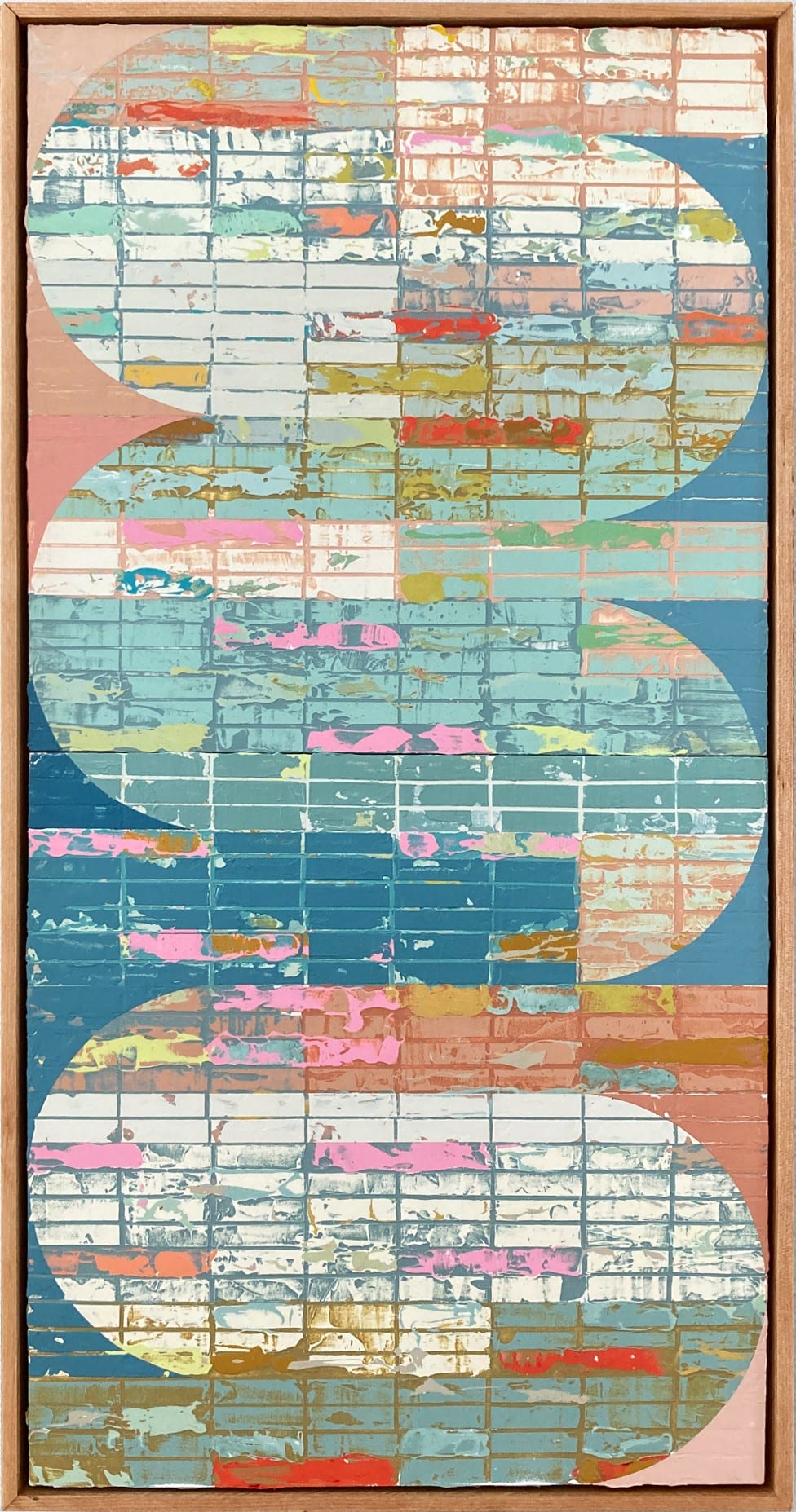
Taylor, Sunny_Connections
Sunny Taylor (American, 1979–) Connections, 2024. Acrylic on panel, 24 × 12 in. [for sale] [artist’s statement]

Beginning at the 13:38 time stamp, the second half is on multidisciplinary artist Jack Baumgartner of Kansas. Baumgartner, who has a Presbyterian background, is a printmaker, painter, farmer, woodworker, puppeteer, and musician. He raises sheep, goats, and chickens, builds furniture, plays the banjo, and cohosts the podcast The Color of Dust with two poet friends, “exploring the seen and unseen in the soil of art and agriculture.” He is also a husband and a father of five. I first learned about Baumgartner through an Image journal profile; and Plough published an article about him in 2018. I really enjoyed this twelve-minute video segment that shows him at work and at play in and around his home—especially his puppet theater performance of The Two Deaths of John Beartrist Laceroot! Follow him on Instagram @baumwerkj.
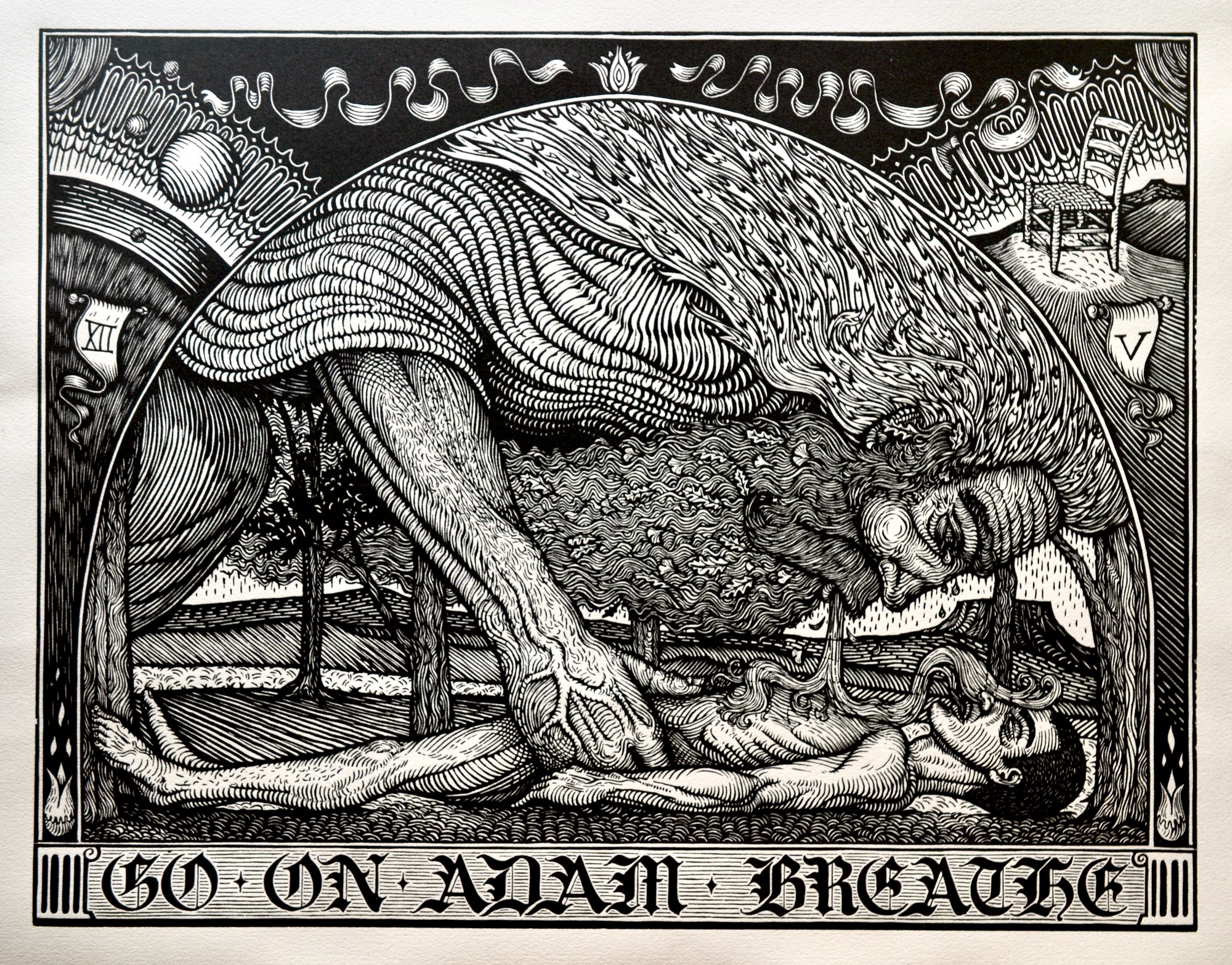
Baumgartner, Jack_Go On, Adam, Breathe
Jack Baumgartner (American, 1976–), Go On, Adam, Breathe, 2023. Linocut, 14 × 18 in. [for sale]

+++

PODCAST EPISODE: “Grief and Poetry, with guest Kim Langley,” Faith and Imagination, October 4, 2021: Kim Langley is a certified spiritual director and retreat leader from Ohio; she is also the founder of WordSPA (acronym for “Spirituality Poetry Appreciation”) and author of Send My Roots Rain: A Companion on the Grief Journey (Paraclete, 2019), a compilation of sixty poems interwoven with narrative and commentary, in preparation for which she interviewed some three dozen chaplains, pastors, grief counselors, hospice workers, funeral directors, and bereaved people. She wrote the book after the death of her parents. “I found such comfort in the poems,” she writes, “written by a host of people just like us, picking up their pain, juggling it awkwardly in their arms at first—or maybe for a long time—then gradually finding the resilience to carry it, to know when and how to put it down, when to pick it up, and how to develop strong muscles for the long haul. They helped me carry my pain, and I think they will help you to survive, and maybe even thrive a little.” In this podcast episode, she and the host read and discuss four poems from the book: “Let Evening Come” and “Otherwise” by Jane Kenyon, “Those Winter Sundays” by Robert Hayden, and “Stillbirth” by Laure-Anne Bosselaar.
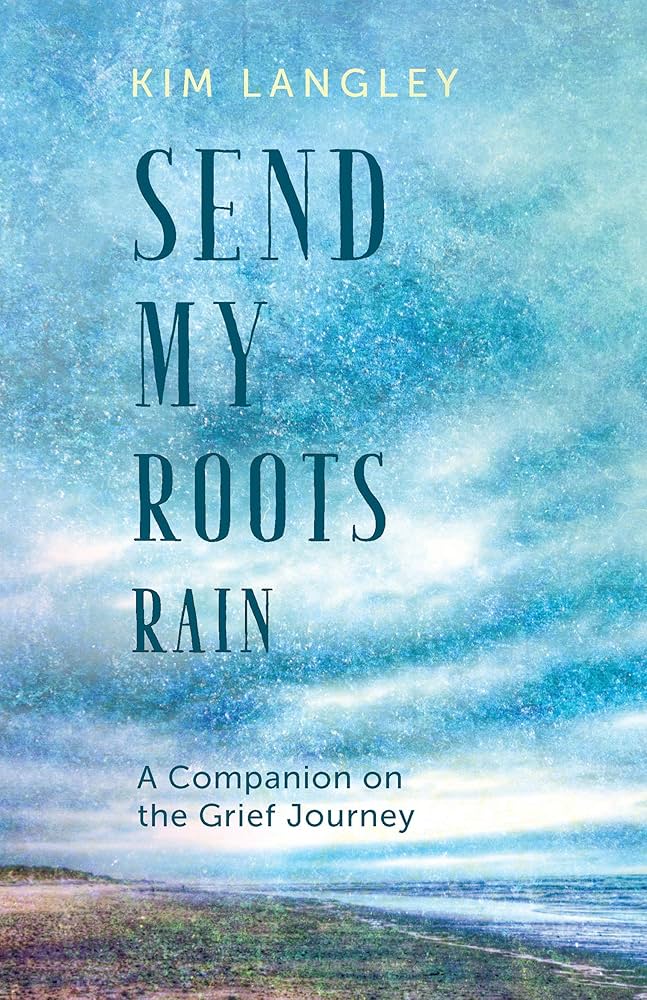
Send My Roots Rain

Launched in 2020, Faith and Imagination [previously] is the podcast of the BYU Humanities Center, hosted by founding director Matthew Wickman. It features interviews with a range of writers, scholars, clergy, and others. View the full archive at https://humanitiescenter.byu.edu/podcast/. And in addition to the Langley episode, let me turn your attention to an excellent recent release with an author I’ve mentioned before: “On Deepening Our Religious Experience: An Invitation to Poetry for the Church, with Abram Van Engen.” You may have heard Van Engen discuss his new book elsewhere, but this interview brings some great insights to the fore.

+++

CREATIVE COLLABORATION: Ordinary Saints, a project by artist Bruce Herman, poet Malcolm Guite, and composer J.A.C. Redford: When Bruce Herman’s parents died unexpectedly in 2009, three months apart, painting their portraits was a key way in which he moved through his grief. Poet Malcolm Guite saw Herman’s portrait of his father exhibited at a Christians in the Visual Arts conference in 2011 and, struck by its sheer sense of presence, wrote a sonnet about it. This act of ekphrasis then developed into a three-way collaboration when their mutual friend J.A.C. Redford, a composer, responded by setting Guite’s poem to music.
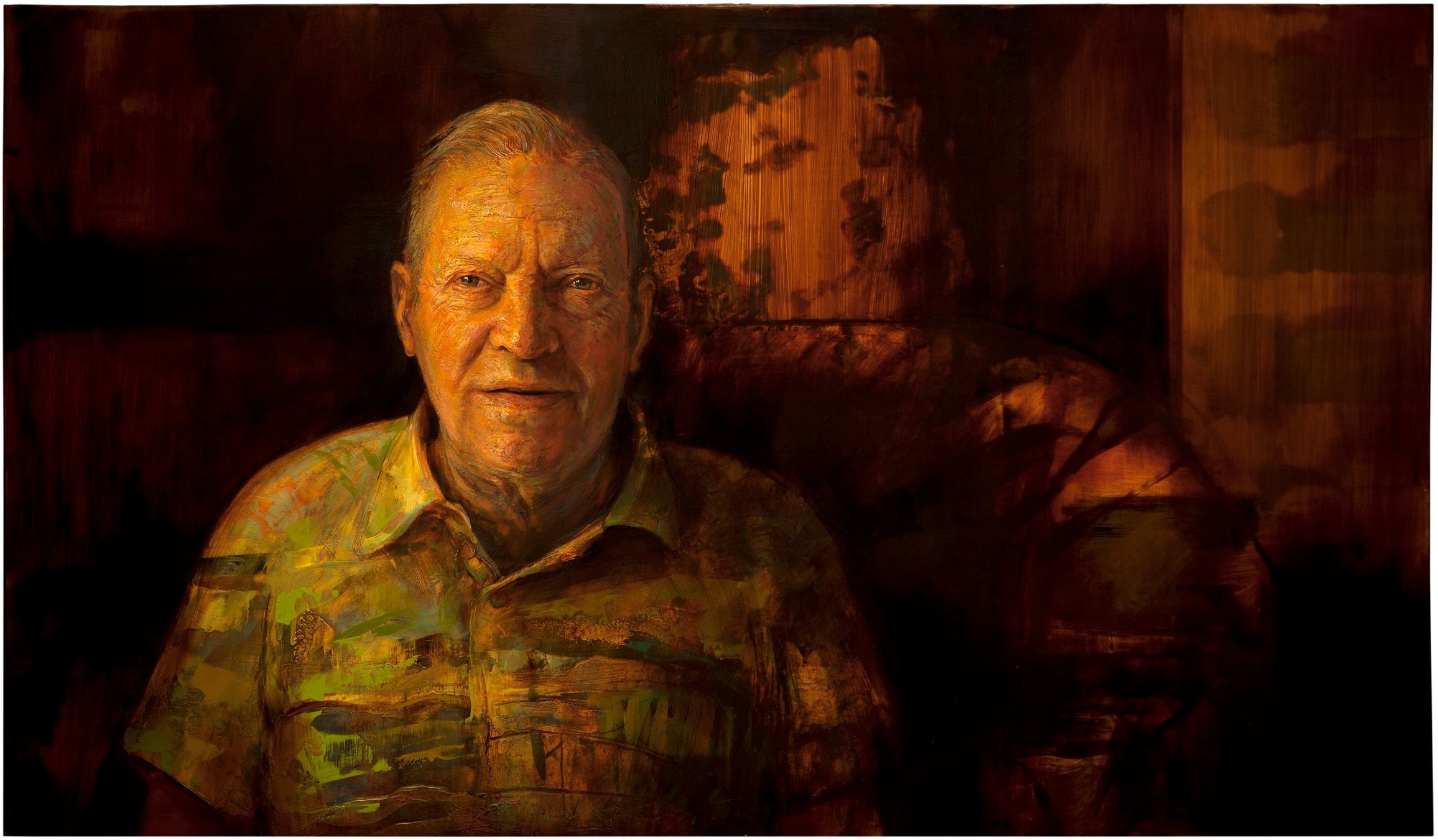
Herman, Bruce_Portrait of the Artist's Father
Bruce Herman (American, 1953–), Portrait of the Artist’s Father: William C. Herman, 2010. Oil and alkyd on wood, 30 5/8 × 51 in. Collection of the artist.

The basis of Ordinary Saints is a series of portraits Herman painted of family and friends throughout the 2010s, which spawned a series of poems by Guite, which in turn spawned a suite of instrumental music and a song cycle by Redford. The first public presentation of the multidisciplinary project was at a Laity Lodge retreat in the Texas Hill Country on October 26–28, 2018, and it has since traveled to Nashville and Oxford.

The project attempts “to render . . . a glimpse of the glory of our mortal faces when turned toward God . . . faces that point toward the one Face we all must seek,” Herman says. Or, as Guite puts it: “to explore what it means to be truly face to face with one another, how we might discern the image of God in our fellow human beings, and how that discernment might ready us for the time when, as we are promised, we will no longer see ‘through a glass darkly’ but really see God and one another face to face in the all-revealing, and all-healing light of Heaven.”

Here is the title poem, followed by Redford’s title composition for voice, piano, cello, and clarinet:

Ordinary Saints

by Malcolm Guite

The ordinary saints, the ones we know,
Our too-familiar family and friends,
When shall we see them? Who can truly show
Whilst still rough-hewn, the God who shapes our ends?
Who will unveil the presence, glimpse the gold
That is and always was our common ground,
Stretch out a finger, feel, along the fold
To find the flaw, to touch and search that wound
From which the light we never noticed fell
Into our lives? Remember how we turned
To look at them, and they looked back? That full-
Eyed love unselved us, and we turned around,
Unready for the wrench and reach of grace.
But one day we will see them face to face.

Explore more, including readings of all the poems and recordings of the music, at https://ordinary-saints.com/.

+++

POEMS:

>> “Ordinary Sugar” by Amanda Gunn: Pádraig Ó Tuama reads and comments on this food poem in the July 10, 2023, episode of Poetry Unbound. “How can russet potatoes be made to taste of sugar and caramel? By dedication, love, and craft. Amanda Gunn places her poetry in conversation with the farming and culinary skills of her forebears: women who cultivated land, survival, strength, and family bonds.”

>> “Given” by Anna A. Friedrich: This poem by Anna A. Friedrich is a beautiful tribute to her grandmother, Juanita Powell Alphin, who died this June. Friedrich imagines all the gifts her memama ever gave—jump ropes, stuffed animals, homemade fudge, thrift-store doodads, five-dollar bills, a kitten, a plane ticket, etc.—tumbling out onto the golden streets of heaven, a testimony to her generous, loving spirit.

Roundup: “Beauty Is Oxygen,” SparkShorts, and more

SPOTIFY PLAYLIST: August 2024 (Art & Theology): An assortment of psalms, hymns, and spiritual songs, old and new.

+++

OBITUARIES:

>> Jürgen Moltmann (1926–2024): Jürgen Moltmann, one of the leading Christian theologians of the twentieth century, died June 3 at age ninety-eight. His conversion to Christianity began while he was a German soldier in a POW camp in Belgium during World War II, and he afterward spent most of his career as a theology professor at the University of Tübingen, confronting the theological implications of Auschwitz, among other topics. The pastors of the first church I joined as an adult were deeply influenced by Moltmann (and his protégé Miroslav Volf), so I have been shaped by his theology, especially in the areas of theodicy (which he binds inextricably to Christology) and eschatology.

Moltmann challenged the classical doctrine of divine impassibility, which says God does not feel pain or have emotions, in his seminal book The Crucified God (1974), articulating how God the Father, not just God the Son, is a being who feels and is moved and who also suffered on Good Friday; understanding this, he says, is key to understanding how God relates to the suffering of the world. In Theology of Hope (1964), Moltmann tackled eschatology, which he defines not as the theology of last things but as the theology of hope; not of the end of time but of the fullness of time toward which God is moving all creation, even now. The gospel, he says, must be taken as good news not just of a past event (the birth, life, death, and resurrection of Jesus Christ) but also of a promised future, with vast implications for the present.

>> Bernice Johnson Reagon (1942–2024): Bernice Johnson Reagon [previously], a civil rights activist who cofounded The Freedom Singers and later started the African American vocal ensemble Sweet Honey in the Rock, died July 16 at age eighty-one. I’m so inspired by her Christian witness through nonviolent resistance and music—her songs are on regular rotation in my house.

+++

PODCAST EPISODES:

>> “Beauty Is Oxygen with Wesley Vander Lugt,” Maybe I’m Amazed, June 21, 2024: Dr. James Howell speaks with Dr. Wes Vander Lugt—a pastor, theologian, writer, educator, Kinship Plot cofounder, and director of the Leighton Ford Center for Theology, the Arts, and Gospel Witness at Gordon-Conwell Theological Seminary in Charlotte—about his new book, Beauty Is Oxygen: Finding a Faith That Breathes.

Beauty isn’t necessarily pretty, pleasant, soothing, Vander Lugt says. Beauty is whatever makes our being gasp a little—whether in delight, or in terrified awe. Beauty demands attention. It also dislodges us from the center of the story, Vander Lugt continues—it unselfs us, in a way, curving us outward. It can be present in what’s torn. (“God goes belonging to every riven thing,” as the poet Christian Wiman puts it.)

I was struck by a remark that Howell, the host, who is a pastor, made near the beginning of the conversation: he said preachers should be less like an instructor imparting moral lessons and more like a docent at an art museum who points out the beauty of the paintings, drawing people’s eyes to its various aspects. What a compelling way to frame the ministry of preaching!

>> Malcolm Guite on Poetry and the Imagination, The Habit: Conversations with Writers about Writing (Rabbit Room), May 7, 2020: In the eleventh poem of his “Station Island” cycle, Seamus Heaney writes about “the need and chance // To salvage everything, to re-envisage / The zenith and glimpsed jewels of any gift / Mistakenly abased.” In this podcast episode, poet-priest Malcolm Guite [previously] talks with host Jonathan Rogers about the “salvaging of the mistakenly abased gift of imagination.” Imagination, Guite says, is as much a truth-bearing faculty as reason; in order to know things well, wemust engage the imagination. It’s not about a private, subjective world or inward fantasies devised to compensate for the cruelty of the world; it’s about truly seeing.


One of the gifts mistakenly abased by our culture for about the last two or three hundred years is the gift of the imagination. We’ve sidelined it so it’s only about the subjective, [whereas] out there is the objective world of dry, rational facts. And we’ve abased that gift of intuitively knowing the truth and value of things and expressing that in warm and poetic imagery, rather than simply reducing everything to a set of tiny particles or mathematical formulae.

—Malcolm Guite


The Romantic poets, for example, Guite says, “aimed at awakening the mind’s attention, removing the film of familiarity and restoring to us that vision of the freshness and depth of nature for which we have eyes that see not, ears that hear not, and hearts that neither feel nor understand. So they weren’t trying to make stuff up. They were trying to take away this film which [Samuel Taylor Coleridge] says our selfishness and solicitousness have cast over the world, and unveil a deeper but equally real truth about nature which is more than just the surfaces we see.”

Also in this conversation, Guite reveals the poet who made him want to be a poet, the poem that prompted his reconversion to Christianity, what we lost when poetry changed from oral to written, and why he writes poetry in meter.

+++

SHORT FILM SERIES: SparkShorts, produced by Pixar, streaming on Disney+: Did you know Pixar Animation Studios launched an experimental shorts initiative in 2017, giving employees the opportunity, through funding and resourcing, to flex their creative muscles with a great measure of freedom? “The SparkShorts program is designed to discover new storytellers, explore new storytelling techniques, and experiment with new production workflows,” says Pixar President Jim Morris. “These films are unlike anything we’ve ever done at Pixar, providing an opportunity to unlock the potential of individual artists and their inventive filmmaking approaches on a smaller scale than our normal fare.”

Eleven SparkShorts have been released since 2019, all streaming on Disney+. Here are my favorites:

>> Self, dir. Searit Kahsay Huluf: Released February 2, 2024, this stop-motion–CGI hybrid is about a woman who self-sabotages to belong. Writer-director Searit Kahsay Huluf says it was inspired by her family story: her mother immigrated to the US from Ethiopia to escape a civil war and had to learn how to assimilate without losing herself, and as a second-generation African immigrant growing up in Los Angeles, she herself wrestled with identity issues. The way in which Huluf tells the story is beautiful, clever, and kind of dark! Notice the differentiation of textures and sound between the wood of the main character (portrayed by a puppet) and the metal of the “Goldies.”

Self SparkShort

>> Float, dir. Bobby Rubio: A father discovers his infant son has a unique characteristic that differentiates him from others and then tries to hide him to avoid judgment—but when doing so visibly deflates his son’s spirit, he vulnerably releases him out into the world to be who he is. Writer-director Bobby Rubio created Float for his son, Alex, who is on the autism spectrum. As a dad, Rubio initially struggled with the diagnosis, and this is his story of learning to embrace the beauty of it. It’s one of the few portrayals of a Filipino American family on film, and a warmhearted celebration of neurodivergence—or any other type of divergence.

Float SparkShort

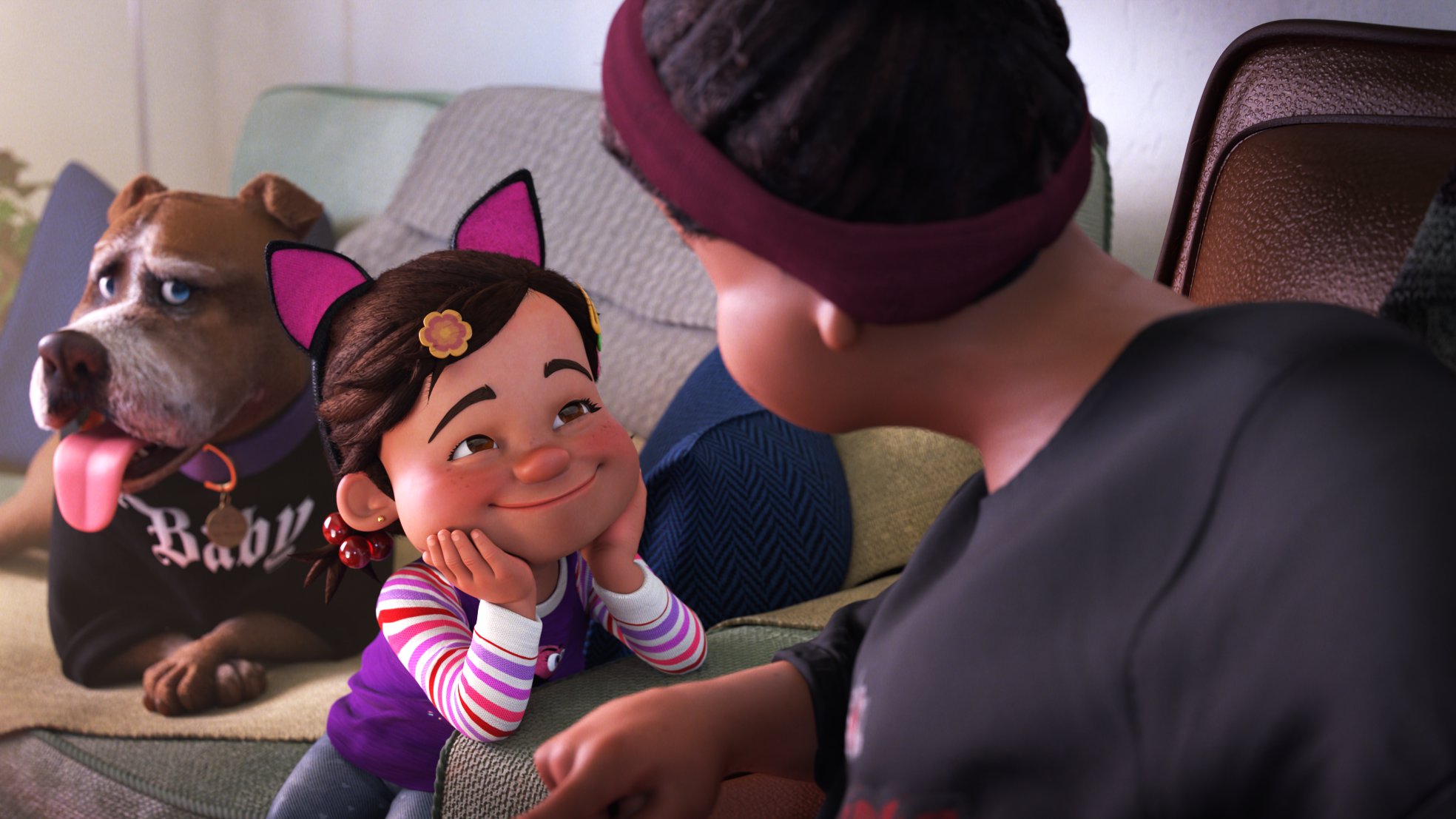
>> Nona, dir. Louis Gonzales: Nona is looking forward to a day to herself to just chill in front of the TV, watching her favorite show, E.W.W. Smashdown Wrestling. But when her five-year-old granddaughter is unexpectedly dropped off, she has to adapt her plans—begrudgingly at first. Writer-director Louis Gonzales says Nona is based on his own grandma, with whom he shared a love of wrestling. I appreciate how the film addresses dealing with disruptions to a cherished routine; it’s honest about the frustration (even if the disrupter is someone you love dearly!) while also showing how a gracious, go-with-the-flow attitude can unlock surprising new joys. What a fitting watch for the current season of Ordinary Time!

Nona SparkShort

Roundup: Historiated crosses, English ballad carol of the Crucifixion, and more

Holy Week begins Sunday. I will be publishing short daily devotional posts during that time and through the first eight days of Easter. Also: don’t forget about the Art & Theology Holy Week Playlist and Eastertide Playlist! I’ve made some new song additions since last year, mixed in to preserve the narrative flow.

+++

ART VIDEO: “The Crucifixion, c. 1200 (from Christus triumphans to Christus patiens)”: When I was a student in Florence for a semester, my first paper for my Italian history, art, and culture class traced the evolution of the painted wood-panel crucifix in late medieval Italy, from the Christus Triumphans (Triumphant Christ) type to Christus Patiens (Suffering Christ). I lived less than a five-minute walk from the Uffizi, which has in its collection a beautiful example of each—explored by Drs. Steven Zucker and Beth Harris in this short Smarthistory video. Longtime readers of the blog may recognize the latter, which I posted back in 2018.

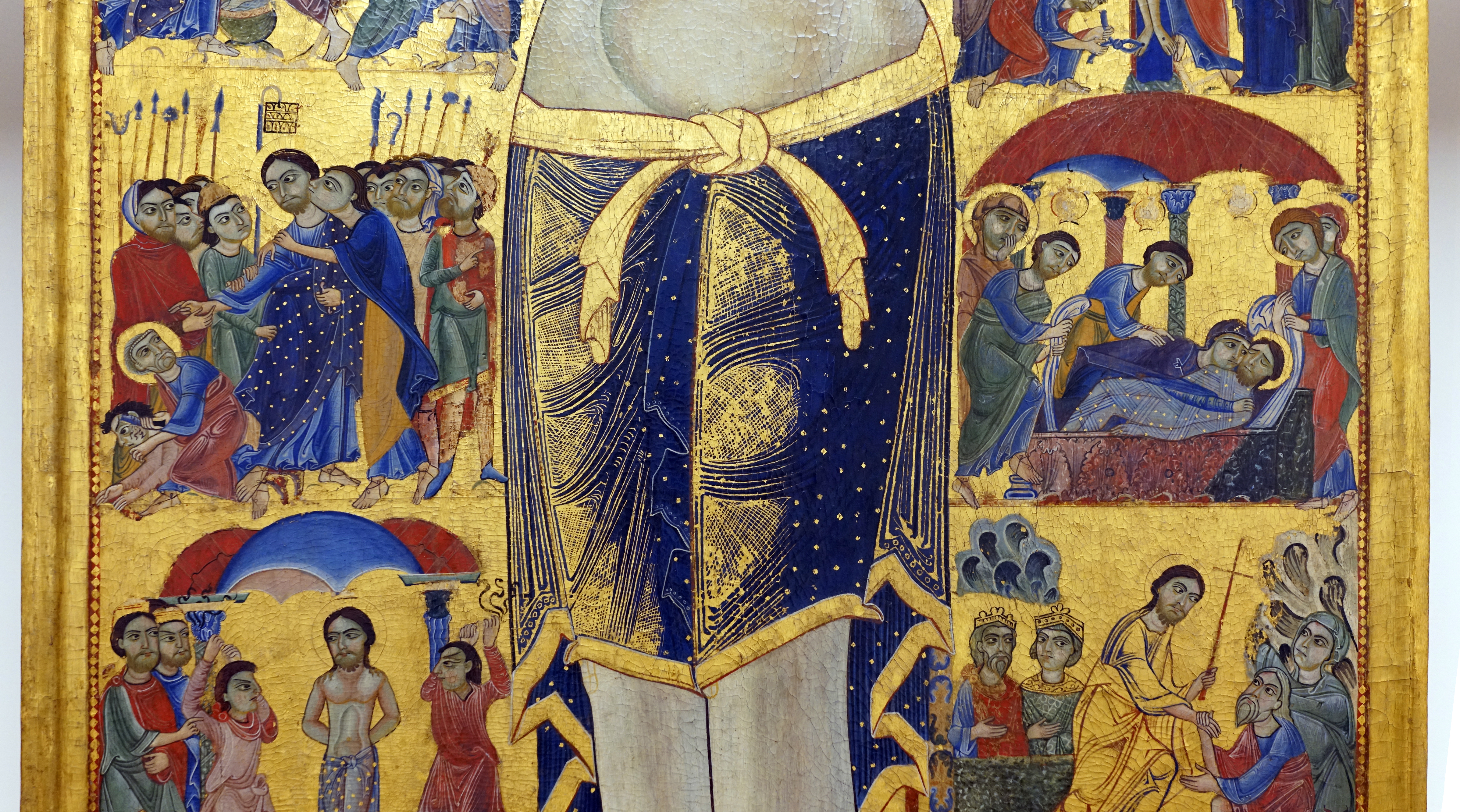
Painted cross, Pisa (detail)
Painted cross (detail), Pisa, ca. 1180–1200. Tempera and gold leaf on wood, 277 × 231 cm. Galleria degli Uffizi, Florence, Inv. 432. [object record]

Zucker provides wonderful photos of both in high resolution on his Flickr page (start here and scroll right)—the full crosses and details of each apron scene—available for free noncommercial use under a Creative Commons license. And there are many other art historical images there as well!

+++

ONLINE EXPERIENCE: “Anamnesis: Journey through the Stations of the Cross”: This year visual artist Daniel Callis and the music and liturgy collective The Many collaborated on a self-guided set of online Stations of the Cross. There are fifteen total, which are being released one at a time every morning and evening from March 30 through April 5. Each station consists of an artwork, a prayer, a song, and a written meditation that help us enter into lament.

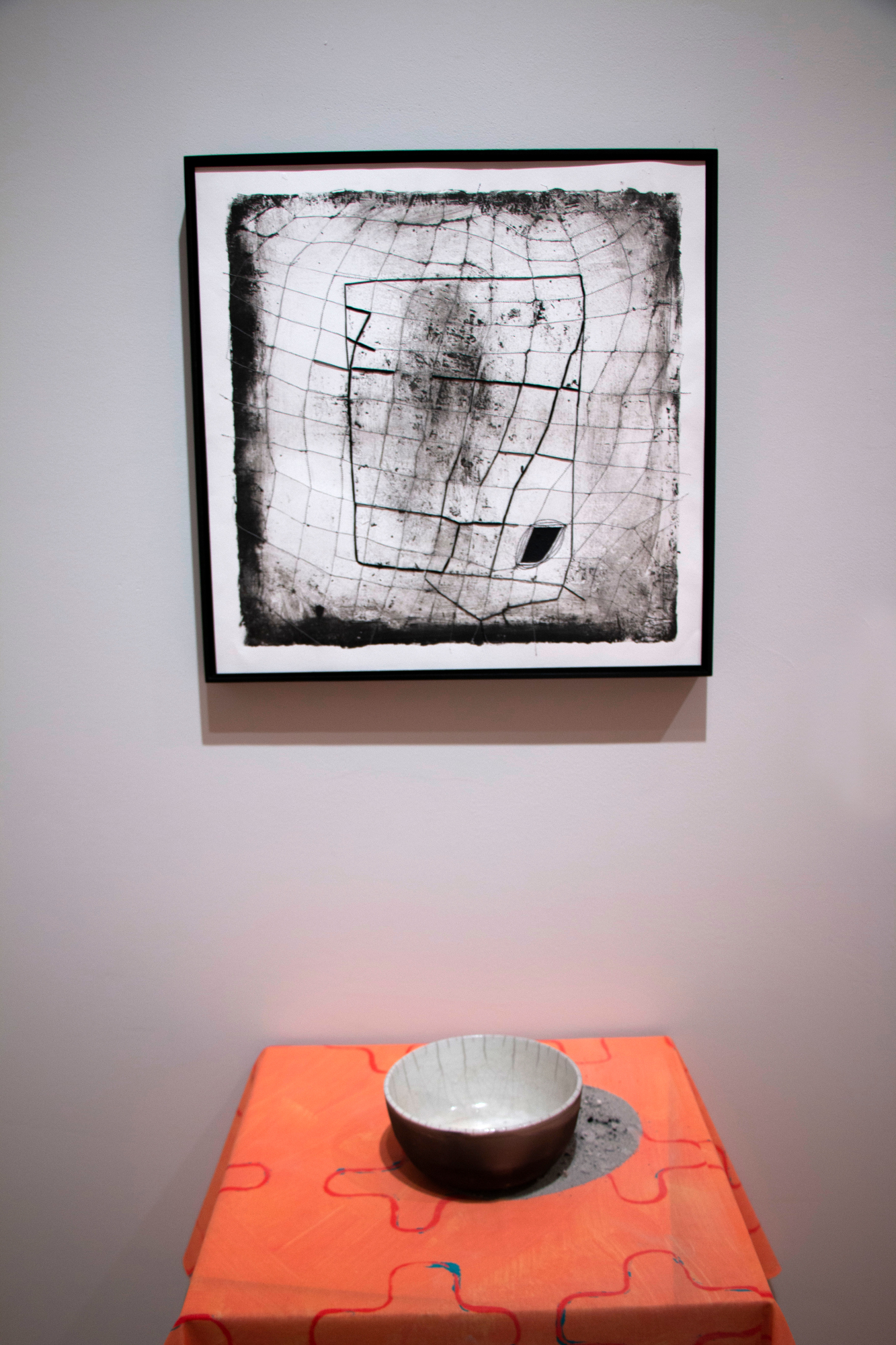
Callis, Dan_Grief Station 1
Daniel Callis (American, 1955–), Grief Station #1, Prognosis, 2022. Ink, oil, palm ash, fiber, clay, ash, fabric, 60 × 24 × 24 in. (total work). Photo courtesy of the artist.

The artworks are by Callis, and they’re from his Stations: Resurgam series, a body of work that was just exhibited this month at Green Art Gallery at Biola University in La Mirada, California. He began the series in January 2021 in response to the death of his son, Jeremy David Callis (1980–2020). It consists of fifteen mixed-media works on paper (his process involves printing, “wounding,” stitching, etc.) and fifteen raku-fired offering bowls that incorporate, from the cooling process, copies of letters, hospital documents, and drawings from Jeremy. “They are about pain and the absurd insistent pursuit of hope,” Callis says of the series. Resurgam is Latin for “I shall rise again.”

The songs are by The Many.

+++

BOOK EXCERPT from The Unvarnished Jesus: A Lenten Journey by Brian Zahnd: In this post from his blog, Pastor Brian Zahnd excerpts a passage from his book The Unvarnished Jesus (2019). “To interpret the meaning of the cross is more than a life’s work—in fact, it has and will remain the work of the church for millennia,” he writes. “The cross is the ever-unfolding revelation of who God is, and it cannot be summed up in a simple formula. This is the bane of tidy atonement theories that seek to reduce the cross to a single meaning. The cross is many things: It’s the pinnacle of God’s self-disclosure. It’s divine solidarity with all human suffering. It’s the shaming of the principalities and powers. It’s the point from which the satan is driven out of the world. It’s the death by which Christ conquers Death. It’s the abolition of war and violence. It’s the supreme demonstration of the love of God. It’s the re-founding of the world around an axis of love. It’s the enduring model of co-suffering love we are to follow. It’s the eternal moment in which the sin of the world is forgiven . . .” Read more.

+++

SONGS:

>> “The Leaves of Life”: “The Leaves of Life,” alternatively titled “The Seven Virgins,” is a traditional English ballad carol of Christ’s passion, first set down in the nineteenth century. It is narrated by (the apostle?) Thomas, who on a fateful Friday runs into the Virgin Mary and six of her companions, who are looking for Jesus. He directs them to the hill where Jesus is being crucified (“And sit in the gallery” may be a corruption of “The city of Calvary”). The women tearfully fly to the site, and Jesus tries to console his mother from the cross before breathing his last. The song ends with Thomas imbibing a strong scent of rose and fennel as he meditates on Christ’s love. [HT: Global Christian Worship]

Here the song is performed in the chapter house of Wells Cathedral in Somerset by William Parsons, founder of the British Pilgrimage Trust and author of Singing for Our Supper: Walking an English Songline from Kent to Cornwall, a book about the seven months he spent as a wandering minstrel. Parsons refers to it as a gypsy carol because Ralph Vaughan Williams collected one version of it from the Roma singer Esther Smith during his 1908–13 collecting trips that resulted in the publication, with Ella May Leather, of Twelve Traditional Carols from Herefordshire (1920).

>> “Were You There”: This African American spiritual is performed here by Pegasis, a vocal trio of sisters—Marvelis, Rissel, and Yaina Peguero Almonte—originally from the Dominican Republic but now living in Green Bay, Wisconsin. It’s as if they’re the three Marys singing their testimony! The song is on their 2016 album Peace Through Praise, which they released under the name The Peguero Sisters. Their harmonies are gorgeous.

+++

PODCAST EPISODE: “Malcolm Guite: Poems on the Passion”: In this special passion- and resurrection-themed Nomad devotional episode from 2018, Malcolm Guite reads and reflects on three of his poems, and David Benjamin Blower performs an original three-part song that he wrote in response and that has not been released elsewhere (see 4:30, 16:04, and 27:18).

Guite’s “Jesus dies on the cross,” part of his Stations of the Cross sonnet cycle, was inspired by a line from George Herbert’s poem “Prayer”: “God’s breath in man returning to his birth.” And his “Easter Dawn” [previously] is based in part on a sermon by the seventeenth-century Anglican bishop Lancelot Andrewes. Paraphrasing Andrewes, Guite says, “Jesus is the gardener of Mary [Magdalene]’s heart—her heart is all rent and brown and wintery, and with one word, he makes all green again.” Beautiful! For more on the theme of Jesus as gardener, see my 2016 blog post “She mistook him for the gardener.”

Upcoming conferences

I’ll be attending the first two, intermittently working the Daily Prayer Project table at Calvin. If you’re there, be sure to say hello!

Calvin Symposium on Worship
Date: February 8–10, 2023
Location: Calvin University, Grand Rapids, Michigan
Cost: $180 (or $25 for students and faculty of any school)
Organizers: Calvin Institute of Christian Worship and the Center for Excellence in Preaching
Presenters: James Abbington, Latifah Alattas, Jeremy Begbie, Carlos Colón, Justin Giboney, Wendell Kimbrough, Te-Li Lau, Karin Maag, Debra Rienstra, W. David O. Taylor, and many more
Description: “The Calvin Symposium on Worship is an annual conference (since 1988) that brings together people from many different denominations and traditions, from a variety of roles in worship and leadership, including pastors, worship planners and leaders, musicians, scholars, students, worship bands and teams, organists, visual artists, preachers, chaplains, missionaries, liturgists, council and session leaders, and more; and encourages leaders in churches and worshiping communities of all sizes and settings.” This year’s theme is Paul’s letter to the Colossians.

Ordinary Saints Conference

Ordinary Saints—Creativity, Community, and Collaboration
Date: February 17–18, 2023
Location: The Trust Performing Arts Center, Lancaster, Pennsylvania
Cost: $210
Organizer: Square Halo Books
Presenters: Malcolm Guite and Elissa Yukiko Weichbrodt (keynotes)
Description: Celebrating Square Halo’s twenty-fifth year publishing “extraordinary books for ordinary saints,” as its tagline reads. Coincides with the release of Ordinary Saints: Living Everyday Life to the Glory of God, an anthology of essays by forty-plus writers on such topics as knitting, home repair, juggling, traffic, pipes, chronic pain, pretzels, and naps. Art historian Elissa Yukiko Weichbrodt, author of the forthcoming Redeeming Vision: A Christian Guide to Looking at and Learning from Art, will be speaking on “Corporeality and Modern Art in Dialogue” and will participate in a panel discussion with Ed Knippers and Ned Bustard, and poet Malcolm Guite will be giving several talks. There will also be breakout sessions led by a range of guests, a pop-up printmaking studio, songwriting roundtables, a performance by Reverie Actor’s Company, and a concert by The Arcadian Wild.

Society for Christian Scholarship in Music (SCSM) Annual Meeting
Date: March 2–4, 2023
Location: Duke Divinity School, Durham, North Carolina
Cost: $100–$150
Organizer: Society for Christian Scholarship in Music
Presenters: Luke Powery (keynote) and others
Description: The Rev. Dr. Luke A. Powery, dean of Duke Chapel and associate professor of homiletics at Duke Divinity School whose publications include devotionals based on the African American spirituals, will offer the keynote address. The conference will also include twenty-three research paper presentations, panel sessions, a lecture recital, a choral concert, and more. Full details will be published soon on the SCSM website.

Art, the Sacred, and the Common Good: Renewing Culture through Beauty, Education, and Worship
Date: April 21–22, 2023
Location: Princeton Theological Seminary, Princeton, New Jersey
Cost: Free
Organizer: Scala Foundation
Presenters: Aidan Hart, Jonathan Pageau, Anna Bond, Peter Carter, David Clayton, Margarita Mooney Clayton, Paul Coyer, Robert Jackson, and RJ Snell
Description: “The modern myth that beauty emerges from the subconscious of a self-seeking creative genius goes against the traditional understanding that beauty emerges from a living tradition under the inspiration of God. For example, C.S. Lewis and J.R.R. Tolkien met regularly in Oxford’s pubs to discuss their writing and their faith. In the early 20th century, Russian exiles in Paris formed a community focused on the re-establishment of the great tradition of iconography so central to Christian worship. Composers like Handel and Mozart created beautiful music accessible to all people that directed listeners to the transcendent.
        Conversations and community among creators and thinkers have always been essential to shaping culture. These eminently human moments—and the friendships they inspire—must be cultivated if we are to illuminate America’s darkening culture and society.
        “American culture is in rapid collapse in large part because of an abandonment of beauty in education and worship. The Scala Foundation’s 2023 conference on art, the sacred, and the common good grows out of its deep work around Princeton to bring together artists, students, teachers, and scholars. In a world increasingly hostile to the idea that beauty is anything more than self-aggrandizement or yet one more tool of oppression, this event offers the warmth of community to anyone who is passionate to restore the connections between beauty and truth and between reason and creativity.”

Hutchmoot UK (*open to UK residents only)
Date: May 18–21, 2023
Location: Hayes Conference Center, Swanwick, Derbyshire
Cost: £365 (all-inclusive)
Organizer: The Rabbit Room
Description: A weekend of live music, delicious food, conversation, and a series of discussions centered on art, faith, and the telling of great stories across a range of mediums.

Advent, Day 21: Make a Womb

LOOK: Advent by Gerda Smelik

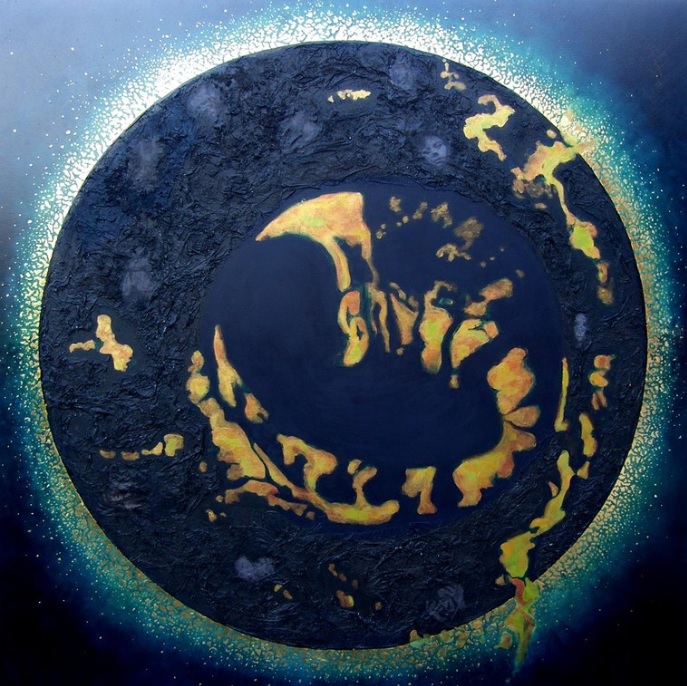
Smelik, Gerda_Advent
Gerda Smelik (Dutch, 1964–), Advent, 2006. Acrylic, oil paint, gold leaf, paper, wood chips, sand, glue, and photographs on canvas, 160 × 160 cm.

Dutch artist Gerda Smelik says about this mixed media piece:

Advent, a period of reflection and expectation, is portrayed by a globe with a fetus inside. The dark colours stand for the brokenness of life; the light around the fetus and the rays of gold around the globe already announce a better world. When you look at the painting up close, you discover that the suffering of the world is depicted by means of portraits of people in danger and distress.

LISTEN: “O Come, O Come, O Hidden Spring of Light” | Words by Malcolm Guite, 2011 | Music by Joshua Stamper, on PRIMEMOVER, 2021

Make a womb of all this wounded world
And make a womb of all this wounded world

Come to be born, to bear us to our birth
Make these rags of time our swaddling bands
O hidden spring of light
Come to us Wisdom, come unspoken Name
Come Root, and Key, and King, and holy Flame
O quickened little wick so tightly curled
Be folded with us into time and place
Unfold for us the mystery of grace

Make a womb of all this wounded world
And make a womb of all this wounded world

This jazz composition by Joshua Stamper, featuring vocalist Kristin Slipp, rearranges lines from Malcolm Guite’s sonnet “O Emmanuel,” which appears in Waiting on the Word: A Poem a Day for Advent, Christmas and Epiphany. (I shared the poem here, and another compelling Advent musical composition by Stamper here.)

“O Come, O Come, O Hidden Spring of Light” is from Stamper’s PRIMEMOVER, a double album of experimental jazz and classical chamber works commissioned by Resurrection Philadelphia from 2015 to 2021 for services marking holy days and seasons in the church calendar: Ash Wednesday, Good Friday, Easter, Pentecost, and Advent.

PRIMEMOVER is “a meditation on the Divine benediction over our corporeal world,” Stamper writes. “The hovering One . . . has bounded into our wounded world and unbound us from our own trajectory. . . . The abstract is made concrete.”

And, he continues, “It might just be the only record out there featuring everyone from members of the Dirty Projectors to Marilynne Robinson to Beyoncé-collaborators to the former Archbishop of Canterbury to avant-classical violin players from the Czech Republic.”

I love to see churches commissioning smart, exploratory, unconventional music like this!

Roundup: “Incarnation and Imagination” lecture, Planet Drum, and more

PODCAST EPISODE: “Incarnation and Imagination (with Malcolm Guite),” Imagination Redeemed: On March 28, 2015, the Anglican poet-priest Malcolm Guite from Cambridge, England, gave a talk in Colorado Springs for the Anselm Society, an ecumenical Christian organization whose mission is a renaissance of the Christian imagination. They have just released it on their podcast.

Guite discusses how the job of the arts is to link earth and heaven, heaven and earth; where a poem or other work of art stays on only one of those planes, it typically fails. He unpacks Theseus’s monologue from Act 5, scene 1 of Shakespeare’s A Midsummer Night’s Dream, focusing on these six lines: “The poet’s eye, in fine frenzy rolling, / Doth glance from heaven to earth, from earth to heaven. / And as imagination bodies forth / The forms of things unknown, the poet’s pen / Turns them to shapes and gives to airy nothing / A local habitation and a name.”

Shakespeare, Guite says, is riffing on the prologue to John’s Gospel.

The Logos . . . is bodied forth perfectly and beautifully in the living, walking poem of Jesus Christ, in whom everything eternal is made particular, and who invites everybody to come towards him . . . because he is a habitation with open doors. So of course in John’s Gospel he says, ‘I am the door’! . . . Open up, walk in! (48:51)

And one more quote from Guite!

The church . . . is founded by one who is himself artistically embodied meaning—meaning made visible, meaning made beautiful, meaning made habitable and hospitable and welcoming in the touch of the body and in the physical event, which is then transfigured, because it is also a meaningful event, because earth and heaven meet. (55:34)

It’s a brilliant and inspiring talk, and it integrates other poetic verse besides Shakespeare’s.

+++

MUSIC:

>> “More Love, More Power” by Paul Livingstone and Benny Prasad: This sitar-guitar duet is performed by Paul Livingstone (a multi-instrumentalist and composer of “ragajazz chamber music” who was one of the few American disciples of the late Ravi Shankar) and gospel musician Benny Prasad [previously]. The performance took place June 11 at Chai 3:16, a four-hundred-seat café and community space that Prasad founded in Bengaluru to reach out to college students. (Chai is Hebrew for “life,” and “3:16” refers to the famous verse in the Gospel of John about God’s love.) [HT: Global Christian Worship]

>> “King Clave” by Planet Drum: In 1991 Mickey Hart (best known as a drummer of the Grateful Dead) and Zakir Hussain (a classical tabla virtuoso from Mumbai) formed the Grammy-winning global percussion ensemble Planet Drum, bringing together the world’s greatest rhythm masters into a one-of-a-kind improvisational supergroup. Prompted by ongoing international strife, Planet Drum reconvened over the past two years to record their third album, In the Groove, which released August 5. It features six unique compositions led by Hart, Hussain, Sikiru Adepoju of Nigeria, and Giovanni Hidalgo of Puerto Rico.  

The centerpiece of the album is “King Clave” (the clave is a rhythmic pattern), created in partnership with Playing for Change and with funding from the United Nations Population Fund. The four core musicians mentioned above are joined by other percussionists and dancers from around the world. The music video uses the “Alternate Version” of the performance, released separately as a single.

Learn more about the Planet Drum project in this six-minute video:

+++

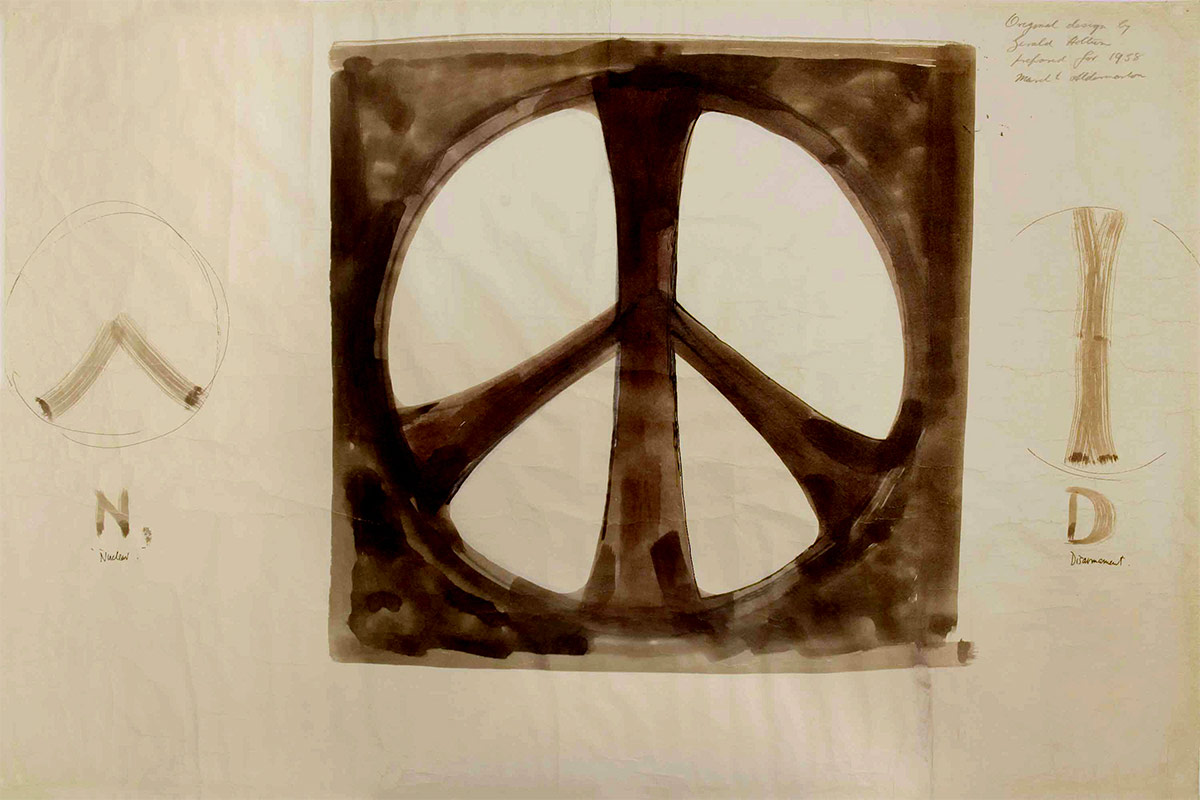
STILL LIFE EDITION: “The History of the Peace Symbol” by Michael Wright: Did you know that the peace symbol that spread worldwide during the 1960s was designed by a Christian from the UK? (Christian pacifism was one of the underappreciated drivers of the nuclear disarmament and antiwar movements.) Learn more about the symbol’s history and art historical and nautical influences in the August 15, 2022, edition of Michael Wright’s weekly letter on art and spirit, Still Life. Also included is the poem “Wildpeace” by Yehuda Amichai, and four weblinks of interest, such as an article on how the patristic tradition agrees with cognitive neuroscience, and a video of FKA Twigs performing in a church!

Holtam, Gerald_Peace
Sketch of nuclear disarmament symbol by Gerald Holtom, created for the first Aldermaston March in 1958. © Commonweal Collection, University of Bradford, England.

+++

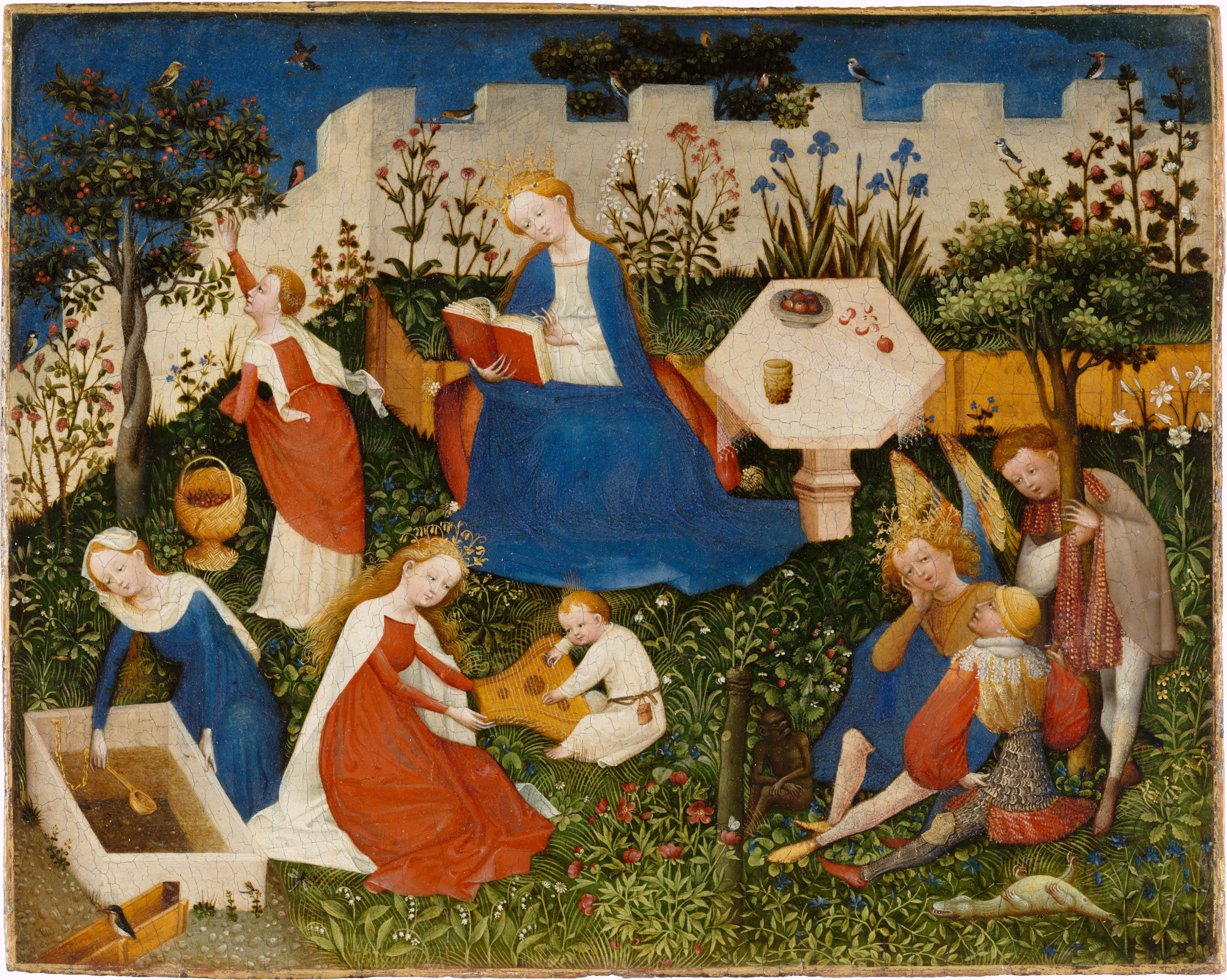
VIDEO LECTURE: “Symbolism and Sacramentality in Art: Medieval and Postmodern Representations of the Little Garden of Paradise” (Religion and Art Talks) by Tina Beattie: Dr. Tina Beattie is a professor emerita of Catholic Studies at the University of Roehampton whose research is at the intersections of art, gender, and theology. In this talk she explores the sacramental imagination of the medieval world through a Late Gothic painting from the Rhineland known as The Little Garden of Paradise. (You can zoom in in tremendous detail on the Städel Museum’s website.) It shows Mary reading in an enclosed garden in the company of saints, her little boy Jesus playing a psaltery at her feet. “Christ retunes the cosmos,” Beattie says. “The harmonies of creation were disrupted by sin. But all of creation is brought back into harmony through the Incarnation.”

Symbolism and allegory abound in medieval religious paintings, encoding profound meanings that can be discerned if we would but take the time to look and to meditate and to understand the world from which these images arose. “The visual image can say things that the theological text can’t,” Beattie asserts. “It can play with the doctrinal truth in ways that allow other meanings to emerge discreetly.”

Though many interpretations of hortus conclusus imagery focus on Mary’s virginity, and indeed that was a primary aspect motivating the creatives who developed such imagery, Beattie draws out themes of new creation and discusses the garden as the human soul.

The Little Garden of Paradise
The Little Garden of Paradise, Upper Rhine, ca. 1410–20. Mixed media on oak, 26.3 × 33.4 cm. Städel Museum, Frankfurt am Main, Germany.

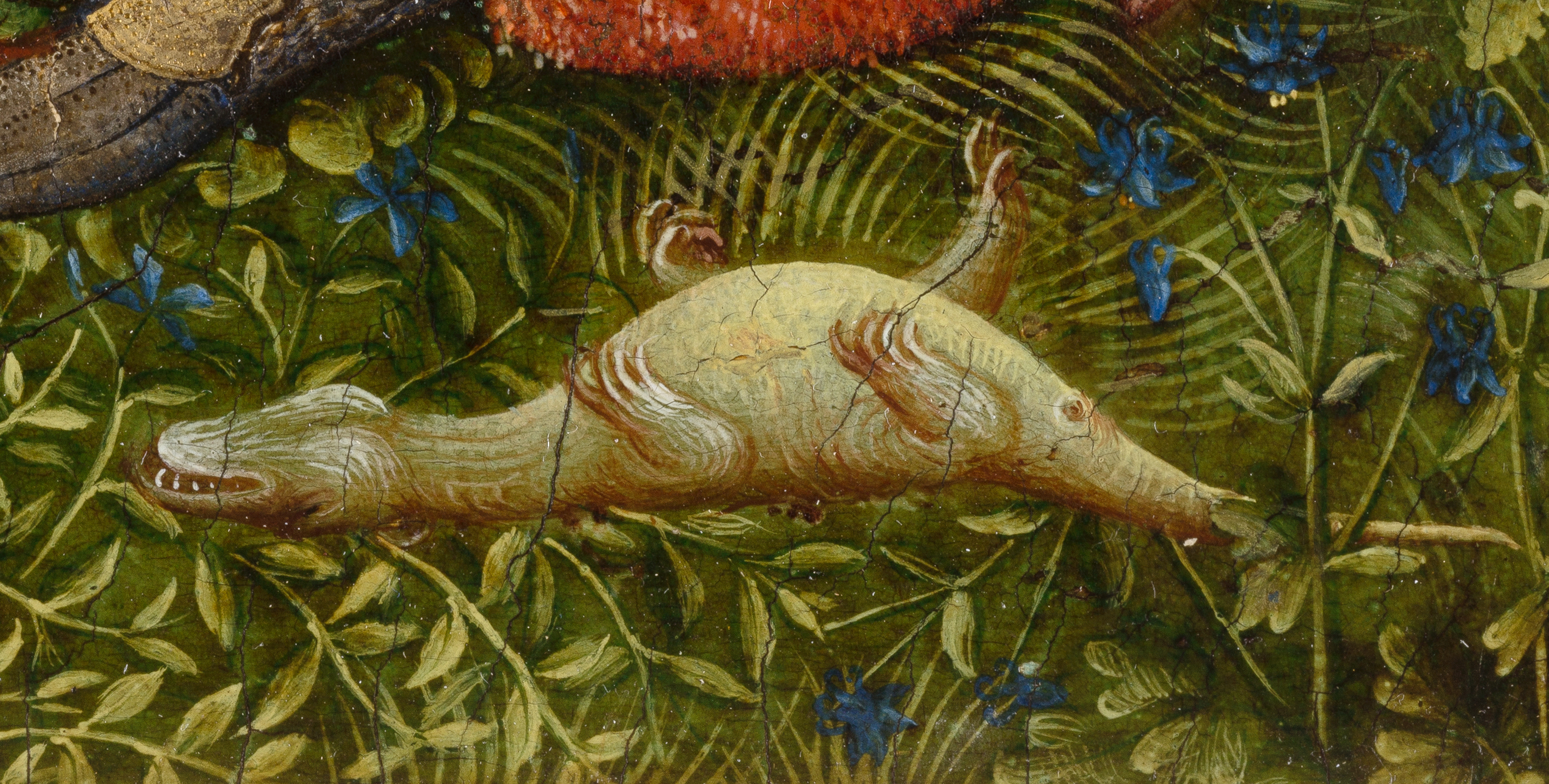
The Little Garden of Paradise (detail, dragon)
A small, slain dragon lies belly-up beside a man in greaves and chain mail, probably Saint George.

The other artworks she glosses are:

The last half hour of the video features audience engagement.

Roundup: Guite-Bell live event, Sister Corita Kent, and more

FREE LIVE EVENT: “Faith and the Imagination: Poetry, Song, and Inspiration with Steve Bell and Malcolm Guite,” June 4–7, 2022, Greater Seattle area: Join hundreds of Seattle artists and ministry leaders for four days of poetry, vocal performances, and conversation about the gift of the human imagination for the flourishing of our world, hosted by Cambridge’s distinguished poet Malcolm Guite and award-winning Canadian musician Steve Bell.

Sessions are free and open to the public and will not be livestreamed (and the conversations require advance registration):

  • June 4, 7–9pm: Live Concert (Seattle, WA)
  • June 5, 9:45–11am: Worship Service (Normandy Park, WA)
  • June 5, 7–9:30pm: A Conversation on: Faith and the Arts (Seattle, WA)
  • June 6, 6:30–8:30pm: A Conversation on: Faith and Technology (Bellevue, WA)
  • June 7, 7–9pm: A Conversation on: Faith and Work (Seattle, WA)

Guite and Bell have been collaborating for years. Below are two snippets of them performing together. In the first video Guite comedically performs (to rhythmic accompaniment!) a villanelle he wrote in response to something a woman who worked at the venue of one of his poetry talks exasperatedly said to him when his hurried photocopying caused a paper jam. The second video showcases a sonnet by Guite on the baptism of Christ, from his collection Sounding the Seasons: Seventy Sonnets for the Christian Year, and the song that Bell adapted it into, released on Keening for the Dawn.

+++

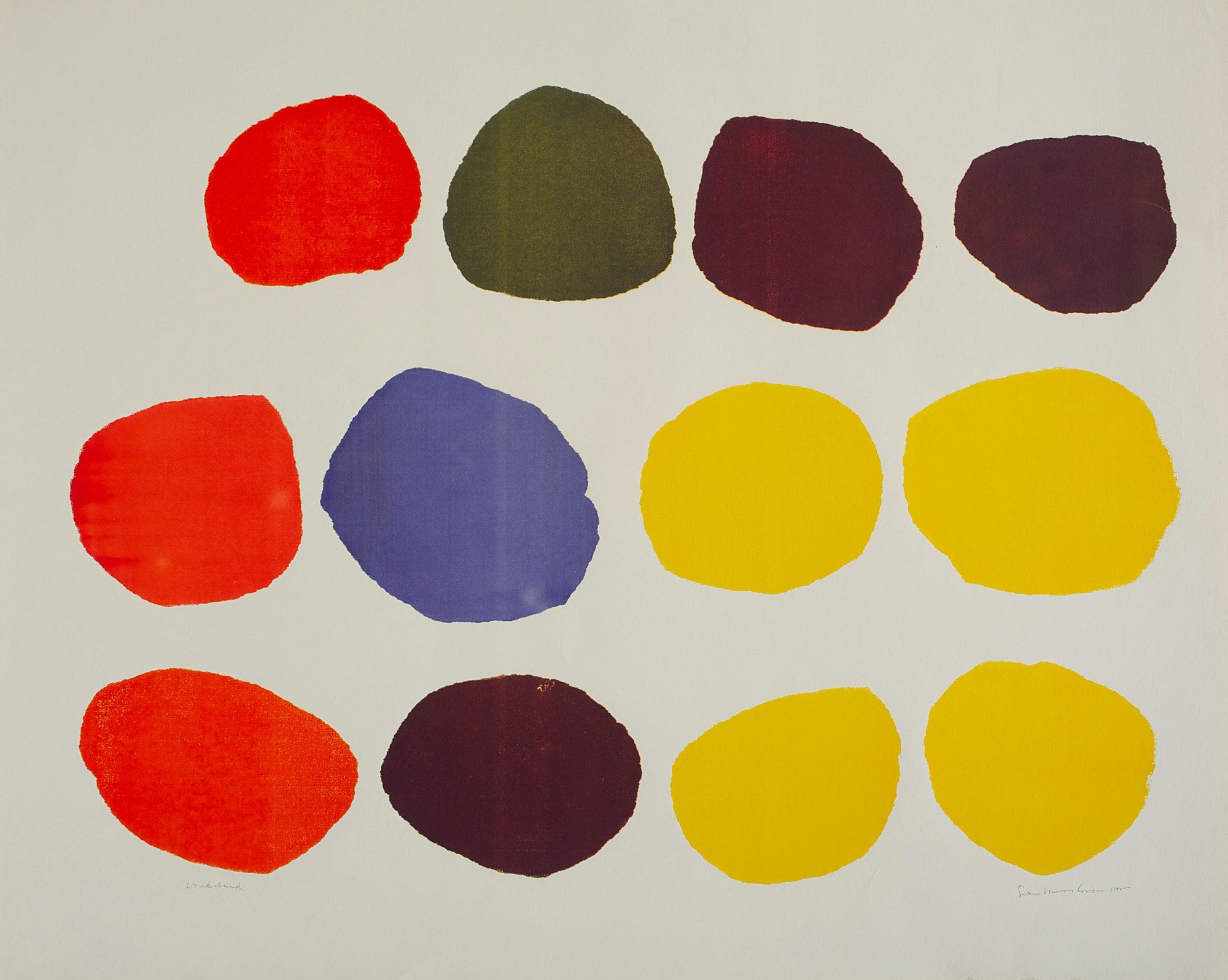
ESSAY: “The Listening Heart: Corita Kent’s Reforming Vision” by Michael Wright: Corita Kent (1918–1986) [previously] was an American pop artist who was also, for over three decades, a nun. Michael Wright writes about how “she became interested not just in depicting scenes from the Bible but answering this: what might happen if a Christian imagination engaged the world around us through the arts? That art might look less like an illustration from a children’s Bible and more like exploring seeing the stuff of life—even a bread bag—as dialogue partners with mysteries of faith.” wonderbread is one of four works he discusses—“a playful meditation on sacred time, wonder, and communion.”

Kent, Corita_wonderbread
Corita Kent (American, 1918–1986), wonderbread, 1962. Serigraph, 25 1/2 × 30 1/2 in.

While I do think even Kent’s biblical artworks push the genre of religious art forward, I appreciate how Wright challenges Christians to give a chance to her works that are less straightforwardly religious, as these are often the most imaginative and profound. And they, too, are “deeply Christian work.” Let’s not think so narrowly about what “Christian art” must look like!

+++

LIVING PRAYER PERIODICAL: Pentecost 2022: One of the organizations I work for is the Daily Prayer Project [previously], which publishes seven ecumenical Christian prayer periodicals a year, structured around the liturgical calendar. I do the curation for the Gallery section, which comprises three art images with written reflections, and the editing. Our latest edition covers June 5 (the feast of Pentecost) through August 6, and it includes prayers from India, Japan, Korea, Algeria, Italy, the Choctow Nation, and more. I’m excited to feature on the cover Corita Kent’s word picture: gift of tongues! As many of her screenprints do, it integrates image and text—in this case Acts 2:1–2a, which sprawls out through the sky and onto a billowing banner, like a sail, over a crowd of people aflame with the fire of the newly descended Spirit of God.

Pentecost LPP 2022

On the website there are options for one-time purchase or group subscription, and for digital only or print and digital.

+++

PRAYER: “The Lord’s Prayer, Extended Dance Mix” by Nadia Bolz-Weber: In March, actor Jennifer Garner asked Lutheran pastor and author Nadia Bolz-Weber if she could offer a prayer and a benediction on her InstaLive. Bolz-Weber vamped on the traditional words of the Lord’s Prayer, the text of which you can read at the boldface link.

Such a beautiful prayer.

One of the things I appreciate about Bolz-Weber’s spiritual teaching is her avoidance of clichés. She gives fresh language to the experiences of faith and life in general and to theology, which often reawakens me to the beauty of God and of Christ’s gospel. Describing why she regularly turns to prayer, she says in the Instagram video:

When I don’t have enough—like if I don’t have enough patience, if I don’t have enough compassion for myself or other people, when I don’t have enough resources—prayer is this way in which I can remind myself that there is enough. That I have a connection to my own divine source. I have a connection to God. And in the heart of God there’s enough forgiveness when I don’t have enough. In the heart of God there’s enough compassion when I don’t have enough. And so for me, it’s about reminding myself of that connection.

+++

SONG: “Dry Bones” by Gregory Porter: From Gregory Porter’s 2021 album Still Rising, this song was inspired by Ezekiel 37. The official music video features dancing skeletons in yellow cowboy boots(!), animated by L’Incroyable Studio. The song’s bridge quotes the African American spiritual “Dem Bones.”

The first verse goes,

I won’t die, won’t bury, won’t sink
’Cause love is the spirit I drink
I’ll be free in the morning light
’Cause your touch is the medicine of life
There’s a dance to this beat, let’s shake
Every move—feel my body awake
There’s a sound—you and me are one
And your hope is the rhythm I drum

New Easter Music

As the church continues in this fifty-day season of Eastertide to celebrate the resurrection of Christ, here are some songs I’ve come across for the occasion and really enjoyed. A few are brand-new, while others are new performances.

Good Shepherd New York, a church in Manhattan, has a phenomenal team of in-house musicians and collaborators from coast to coast. They provide music for weekly digital worship services as well as release recordings under the name Good Shepherd Collective. Check out their Easter service from April 4! The songs are listed below.

  • MEDLEY: “Christ the Lord Is Risen Today” by Charles Wesley / “Celebrate Jesus” by Gary Oliver (1:35)
  • “Here Comes the Sun” by the Beatles (3:50)
  • “Morning Has Broken” by Eleanor Farjeon (6:59)
  • “Easter Dawn” by David Gungor (11:31)
  • “Because He Lives” by Bill Gaither (15:27)
  • “Waymaker” by Donald Vails (20:45)

The GSC has posted “Here Comes the Sun” as a standalone video on Instagram. It features Brennan Smiley on lead vocals and acoustic guitar; Liz Vice on harmonizing vocals; Charles Jones on Hammond organ; John Arndt on piano; Jesse Chandler on flute, clarinet, and saxophone; Joseph M on electric guitar; Tyler Chester on bass guitar; and McKenzie Smith on drums. The art and stop-motion animation are by Boston-based artist Soyoung L Kim.

+++

“Hallelujah” (Chorus) from the Messiah by George Frideric Handel, 1742 | Performed by the Orquesta Barroca Catalana (Catalan Baroque Orchestra), the Barcelona Ars Nova choir, and 352 other singers, 2020 [HT: Global Christian Worship]

Last year the Fundación la Caixa in Barcelona launched project #YoCanto Aleluya, soliciting professional and amateur singers alike throughout Spain and Portugal to be part of a “virtual choir,” a phenomenon that has exploded since the pandemic has made live musical concerts a health risk. Participants were asked to submit a video of themselves singing Handel’s famous “Hallelujah” chorus. Igor Cortadellas of Igor Studio then developed a concept for digitally merging all 352 submissions by projecting them on the interior architecture of Barcelona’s Basilica of Santa Maria del Mar (or overlaying them in postproduction?), and he directed a small team to execute this vision. What a feat! The final video was released a few months ago at Christmastime.

“Hallelujah” concludes part 2 of 3 of the oratorio, which covers Christ’s passion and death, resurrection, ascension, and the first spreading of the gospel. The words of the chorus are taken from Revelation 19:6, 11:15, and 19:16. For another blog post featuring an excerpt from Handel’s Messiah, see the Artful Devotion “Worthy Is the Lamb.”

+++

“Easter Dawn” | Words by Malcolm Guite, 2012 | Music by Zebulon M. Highben, 2021: A conductor, composer, and scholar of sacred music, Dr. Zebulon M. Highben serves as director of chapel music at Duke University. This year he wrote a choral setting of Malcolm Guite’s sonnet “Easter Dawn,” about Mary Magdalene’s encountering the risen Christ on Easter morning. Sung by the Duke Chapel Choir, it premiered last Sunday as part of the chapel’s Easter service and will be part of the online spring concert “Faith & Hope & Love Abide: Meditations on Resurrection,” which goes live tomorrow (April 11) at 4 p.m. EDT (view the program).

+++

“Keep the Feast (Pascha Nostrum)” by Ryan Flanigan: For this new song, Ryan Flanigan of Liturgical Folk adapted the words of the Pascha Nostrum (“Our Passover”), a traditional Christian hymn for Eastertide that, after the Reformation, was preserved in English in the Book of Common Prayer. It is based on 1 Corinthians 5:7–8, Romans 6:9–11, and 1 Corinthians 15:20–22. Flanigan wrote a fun new melody for it, which he demos here.

+++

“Zinda Yeshua (Jesus Is Alive)” by Blesson Varghese and James Bovas: This Hindi-language Easter song is from Grace Ahmedabad, an Assemblies of God church in the Indian state of Gujarat. James Bovas sings lead, with Priscilla Mozhumannil on supporting vocals. See the YouTube description for a full list of credits. [HT: Global Christian Worship]

+++

“Judah’s Lion” | Words by Fulbert of Chartres, ca. 975–1028, and Rick Barnes, 2016 | Music by Rick Barnes, 2016 | Performed by Covenant Presbyterian Virtual Choir and Orchestra, Birmingham, Alabama, 2021

Roundup: Ecotheology, “Kadosh,” black church music, and more

I didn’t post an Artful Devotion this week, as I struggled to satisfactorily put together image and song for any of the readings, but I’ve now cycled through all three lectionary years on the blog, which are stored in the archives. For content on Sunday’s lectionary reading from the psalms, Psalm 133, see “When Brothers Dwell in Unity (Artful Devotion)” (featuring a Chicago mural by William Walker and a joyful new psalm setting from the Psalter Project); see also the poem “Aaron’s Beard” by Eugene Peterson.

+++

NEW ALBUM: Quarantine Sessions by Eric Marshall: Eric Marshall is the frontman of and songwriter for the meditative art rock band Young Oceans. During the COVID-19 quarantine he recorded eleven of the band’s old songs acoustically in his home studio—just his voice and guitar—and has released them digitally on Bandcamp. Several music artists have been making stripped-down records during this season, and I’m digging it!

+++

ART COMMENTARIES from ART/S AND THEOLOGY AUSTRALIA

Art/s and Theology Australia is an online publication that aims to provoke public reflection and promote research on conversations between the arts and theology, predominantly in Australian contexts. Here are a few articles from the recent past that I particularly enjoyed.

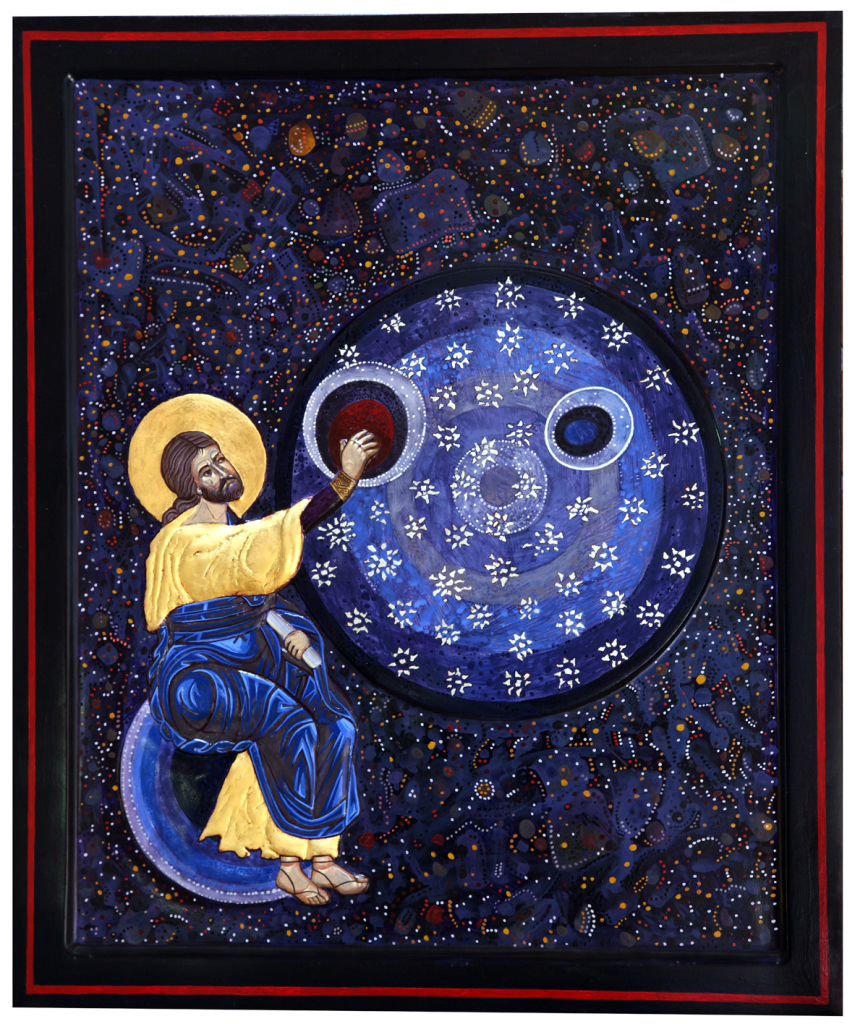
Galovic, Michael_Creation of Light in the Heavens
Michael Galovic (Serbian Australian, 1949–), Creation of Lights in the Heavens, n.d.

^^ “Jesus Dreaming: A Theological Reaction to Michael Galovic’s Creation of Lights in the Heavens by Merv Duffy: Creation of Lights in the Heavens by contemporary artist and iconographer Michael Galovic is an authentically Australian reading and rewriting of one of the Byzantine creation mosaics at Monreale Cathedral. Like its visual referent, it shows the Logos-Christ seated on the cosmos, hanging the sun in place (medieval artists tended to show God the Son, who is depictable, as Creator), but the gold background, used in icons to represent the eternal uncreated light of God, is replaced with dots, curves, and circles that represent the Dreamtime of Aboriginal theology, the origin of time and eternity.

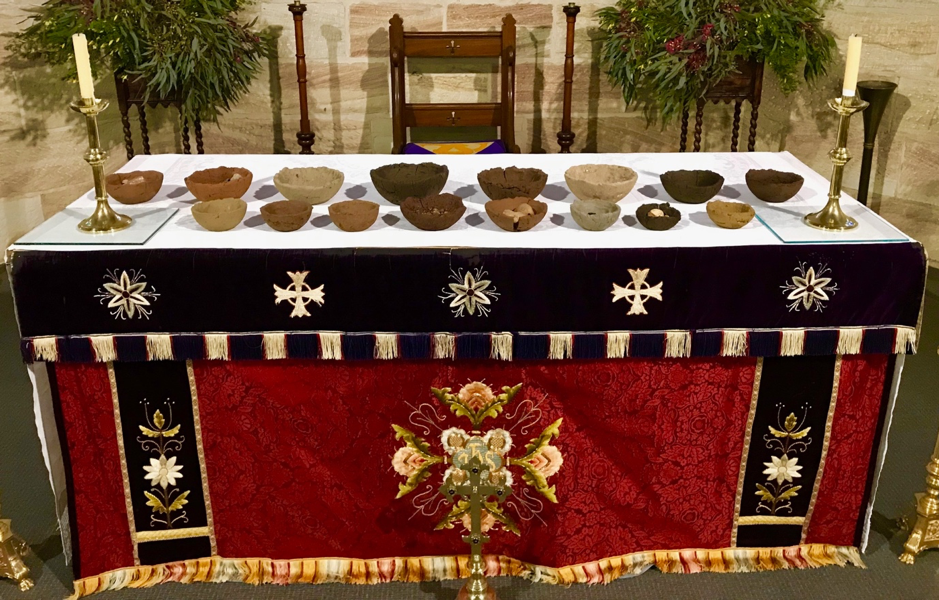
Dunstan, Penny_Sixteen Earth Bowls
Penny Dunstan, Sixteen Earth Bowls, 2018. Installed at Holy Trinity Anglican Church, Merriwa, for the Festival of the Fleeces.

^^ “Sixteen Earth Bowls” by Penny Dunstan: Soil scientist and visual artist Penny Dunstan has crafted bowls out of topsoil from rehabilitated coal mines in the Hunter Valley in Warkworth, New South Wales, which she exhibits in churches, among other places. “Making earth bowls is a way of thinking about my ethical responses to soil use in a post-mining landscape,” she writes. “It is a way of thinking with my heart and not just my head. As I work with each Hunter Valley topsoil, I come to understand each as an individual, a special part of God’s creation. Each soil behaves according to its own chemical nature and historical past when I fashion it into a bowl shape. . . .

“These soils, full of tiny lives, are responsible for growing our food, making our air and storing atmospheric carbon. Our very lives as humans on the earth depend on them. By fashioning these soils into bowls and placing them in sacred places, I hope to remind us to honour the earth that we stand upon, that earth that speaks to us by pushing back at our feet.” (Note: See also Rod Pattenden’s ArtWay visual meditation on Dunstan’s work.)

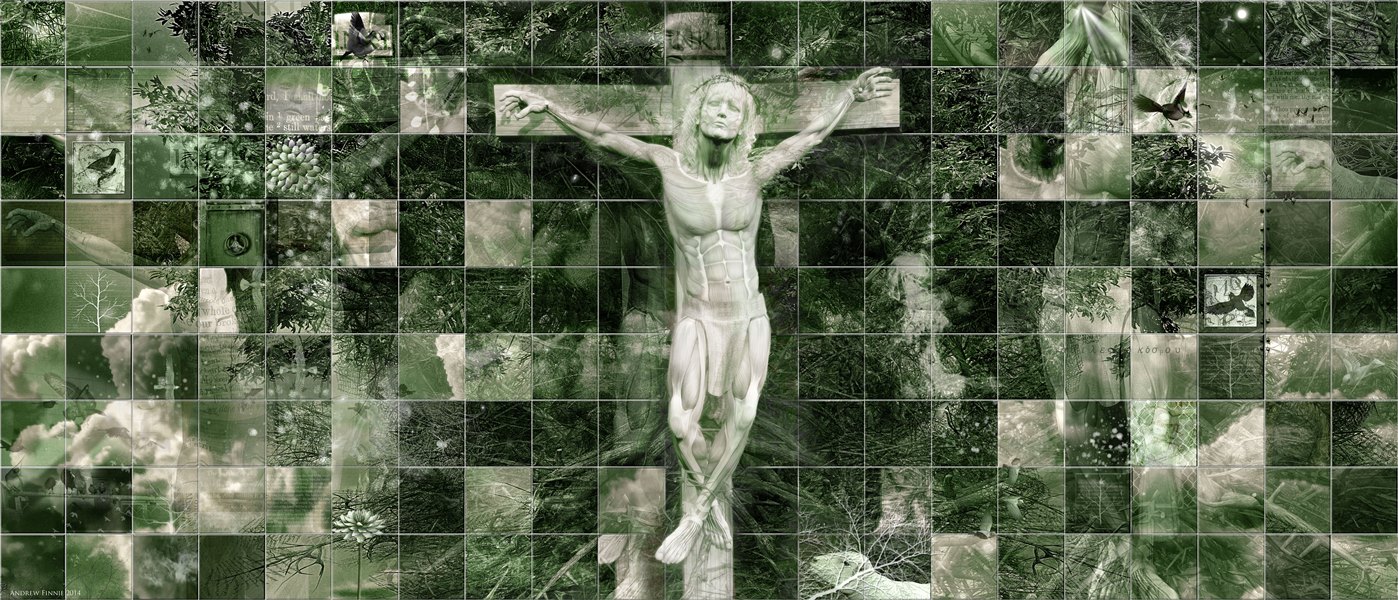
Finnie, Andrew_The Body of Christ, the Tree of Life
Andrew Finnie (Australian, 1957–), The Body of Christ, The Tree of Life, 2014. Pigment print on Hahnemuhle paper, 78 × 182 cm.

^^ “The Cross and the Tree of Life” by Rod Pattenden: “One of the pressing questions for the Church is how we see Christology being renewed in the face of climate change and the potential for the quality of life on this planet to decline,” writes art historian Rod Pattenden [previously]. “Who is Jesus for us in the midst of the profound changes that are occurring to the earth, water, and air of our world? . . .

Andrew Finnie’s image The Body of Christ, The Tree of Life”—a large-scale ecotheological digital collage—“is an attempt to re-imagine the figure of Christ in conversation with the earth and the networks that sustain human life in all its thriving beauty. Here, the traditional figure of the cross has become entwined in the roots of the tree, a tree of life that is giving form to the variety and beauty of the natural world.”

+++

SONG: “Kadosh” by Wally Brath, sung by Nikki Lerner: The Kedushah is part of the Amidah, the central prayer of the Jewish liturgy. Its first verse is taken from the song of the seraphim in Isaiah 6:3: “Holy, holy, holy, is the LORD of hosts; the whole earth is full of his glory!” (Kadosh means “holy.”) In this original composition for voice, piano, and string quartet, Wally Brath [previously] has combined this Hebrew exclamation from the book of the prophets with an English excerpt from the Lord’s Prayer taught by Jesus in Matthew 6:10: “Thy kingdom come, thy will be done on earth as it is in heaven.” [HT: Multicultural Worship Leaders Network]

The performance captured in this video, featuring Nikki Lerner, took place at Winona Lake Grace Brethren Church in Winona Lake, Indiana, on July 11, 2020. A full list of performers is given in the YouTube description.

+++

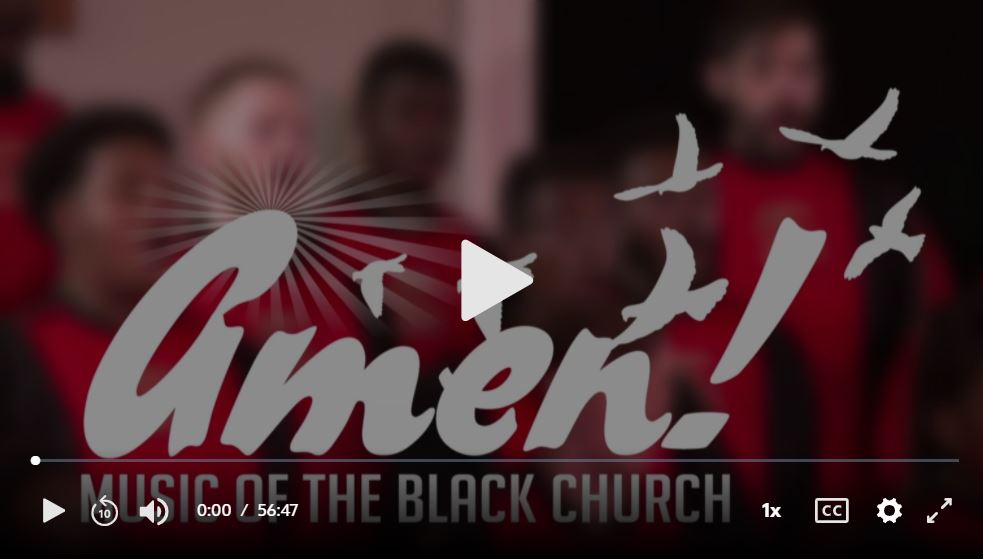
CONCERT FILM: Amen! Music of the Black Church: Recorded before a live audience at the Second Baptist Church in Bloomington, Indiana, and airing April 26, this PBS special explores the rich traditions, historical significance, and meaning of black church music. Dr. Raymond Wise leads the Indiana University African American Choral Ensemble in twenty-one spirituals, hymns, and gospel songs, showing how black church music is not monolithic. He demonstrates the stylistic spectrum you can find among black church communities using a song text derived from Psalm 24:7–10 (“Lift up your heads . . .”): one performed with the European aesthetic preferred in more affluent congregations, one a classical-gospel hybrid, and one pure gospel. One thing I learned from the program is that there is a tradition of shape-note singing in the black church! (See, e.g., The Colored Sacred Harp.) [HT: Global Christian Worship]

Music of the Black Church

Here’s the set list:

  • “We’ve Come This Far by Faith” by Albert Goodson
  • “Kumbaya”
  • “Run, Mary, Run”
  • “Oh Freedom”
  • “What a Happy Time” by J. M. Henson and J. T. Cook
  • “Amazing Grace” by John Newton
  • “Ain’t Got Time to Die” by Hall Johnson
  • “I’ve Been ’Buked”
  • “Lift Up Your Heads” by Emma Louise Ashford, arr. Lani Smith
  • “Lift Up Your Heads” by Clinton Hubert Utterbach
  • “Lift Up Your Heads, All Ye Gates” by Raymond Wise
  • “Glory, Glory, Hallelujah”
  • “Jesus on the Mainline”
  • “I Need Thee Every Hour” by Annie S. Hawks and Robert Lowry
  • “You Can’t Beat God Giving” by Doris Akers
  • “Come to Jesus” by E. R. Latta and J. H. Tenney
  • “We Shall Overcome” by Charles Tindley
  • “Lord, Keep Me Day by Day” by Eddie Williams
  • “Lord, Do It for Me” by James Cleveland
  • “Oh Happy Day” by Edwin Hawkins
  • “I’ve Got a Robe” by Raymond Wise
  • “Hallelujah, Praise the Lord, Amen” by Raymond Wise

+++

INTERVIEW: Last September The Cultivating Project interviewed Malcolm Guite [previously] on his latest poetry collection After Prayer, the poet-priest George Herbert, the life of a writer, art as faithful service, doubt and despair, his Ordinary Saints collaboration with Bruce Herman and J.A.C. Redford, his friendship with Michael Ward (author of Planet Narnia), the blessing of seasons (both earthly and liturgical), and making room for joy. The interview includes three of Guite’s poems: “Christ’s side-piercing spear,” “A Portrait of the Artist,” and “St. Augustine and the Reapers.”

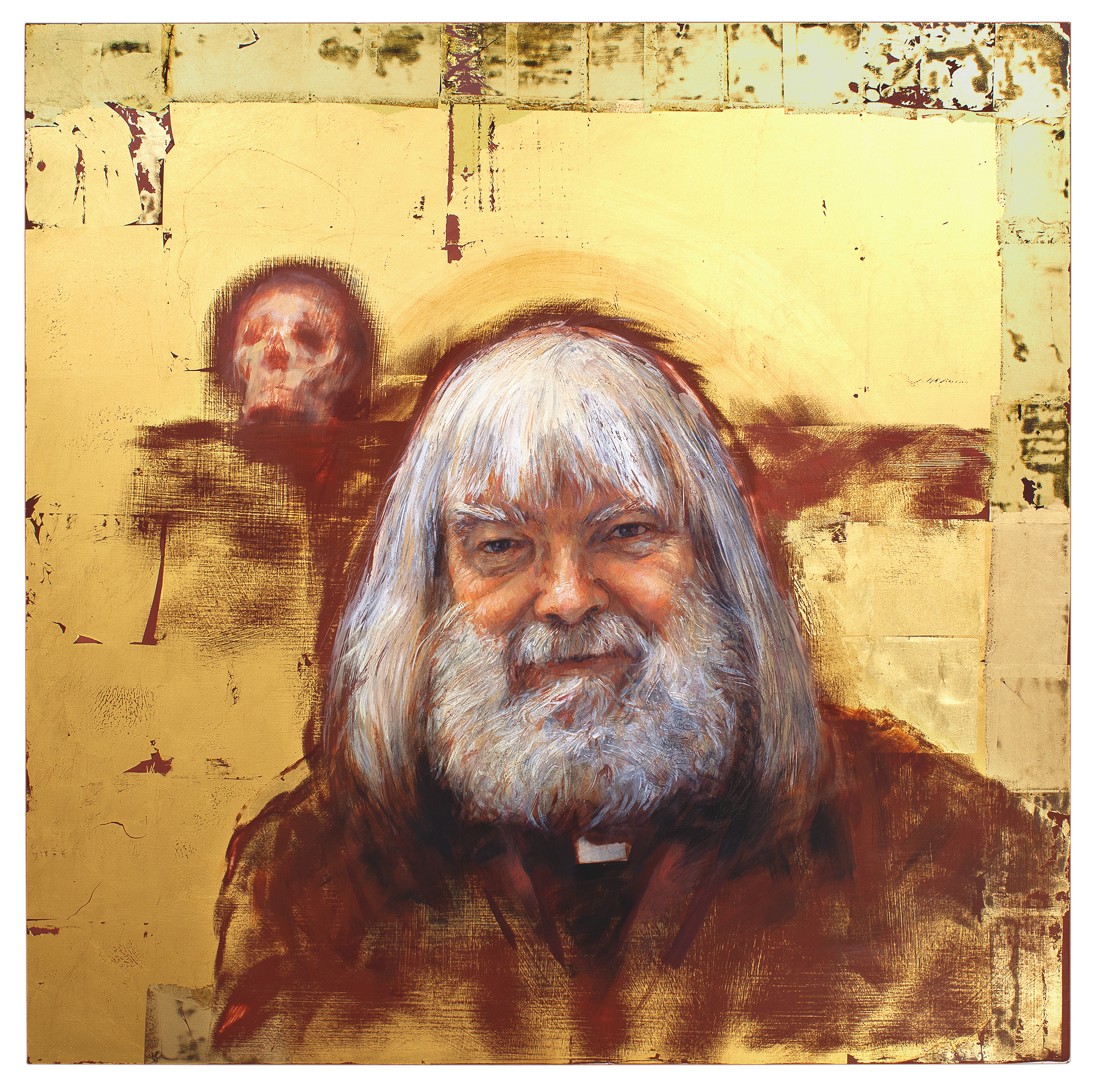
Herman, Bruce_Malcolm Guite
Bruce Herman (American, 1953–), Malcolm Guite, 2016. Oil on panel with gold leaf, 30 × 30 in.

Summer and fall conferences/retreats

Here is a list of upcoming arts conferences and retreats. I will be attending the CIVA conference next month as well as the DITA conference in September—if you’ll be at either, please let me know; I’d love to meet you!

All Things New (International Arts Festival)
Date: June 15, 2019
Location: Waterras Common Hall 3F, Tokyo, Japan
Cost: ¥2500 (about $22)
Presenters: Joshua Messick, Gerda Liebmann, Christopher Elmerick, Roger Lowther, and more
Organizer: Community Arts Tokyo (with additional sponsorship by Grace City Church Tokyo)
Description: “How can people in a city experience personal, social, and economic flourishing? What is the role of artists in making this world a better place? How can faith, work, and the arts come together for a holistic view of peace for the good of mankind? At this conference, we will hear from artists in the business world, the media world, and the plight of refugees from other countries. Their stories will give us a vision for how the arts point a way to new beginnings and bring goodness and hope into a broken world. Join us as we enter this world through speaker presentations, music performances, a short film, gallery exhibits, small group discussions, and more!” (Note: Presentations in Japanese will have simultaneous English translation over the wireless earphone system.)

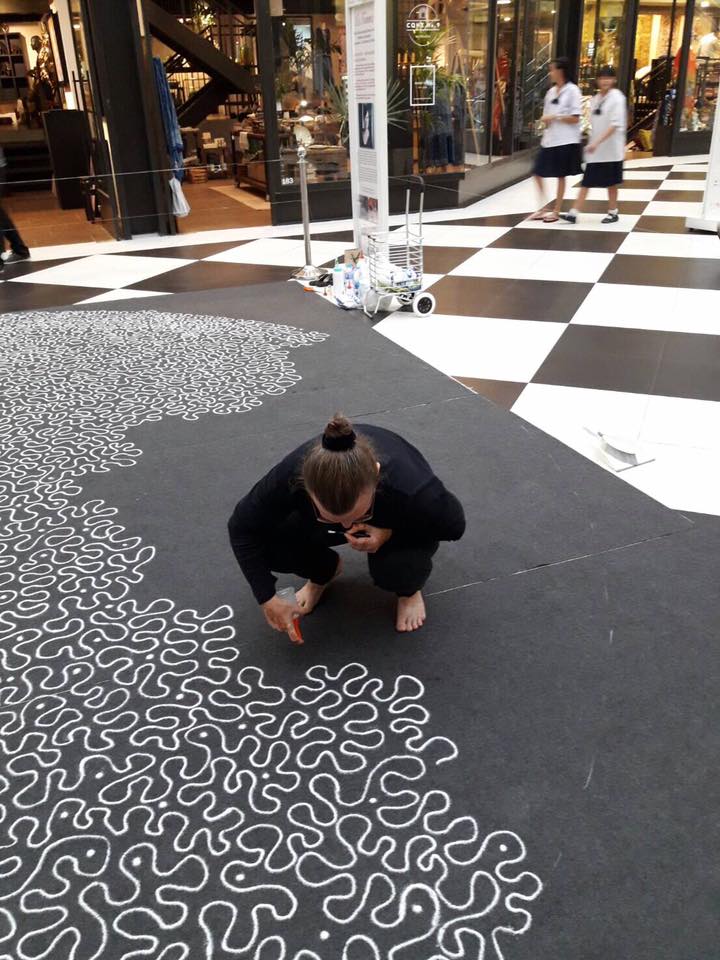
Liebmann, Gerda_Salt of the Earth
At the “All Things New” festival next month, Thai artist Gerda Liebmann will be installing one of her “salt art” pieces.

The festival will include presentations/workshops/performances by

  • hammered dulcimer player Joshua Messick, who contributed to the soundtrack of the Japanese animated fantasy film Mary and the Witch’s Flower
  • visual artist Gerda Liebmann, on how art can foster relationship and connection
  • Christopher Elmerick, who founded and runs a cultural center in Berlin that promotes the free exchange of ideas through shared work- and performance spaces and more
  • Megumi Project, a group of women artisans who upcycle vintage kimonos into shawls, scarves, bags, journals, and other accessories
  • the Charis Chamber Players
  • organist Roger Lowther, on the physics of music

Roger Lowther is, with his wife Abi, the founder and director of Community Arts Tokyo, “a team of artists, professionals, and Japanese nationals assisting church planting through outreach, discipleship, worship, and disaster relief.” Their work is supported through Mission to the World, the international missions arm of the Presbyterian Church in America (PCA).

+++

Are We There Yet?
Date: June 13–16, 2019
Location: Bethel University, St. Paul, Minnesota, USA
Cost: $350 for nonmembers; $300 for members
Presenters: Sedrick Huckaby, Letitia Huckaby, Hawona Sullivan Janzen, Chris Larson, Rico Gatson, Nate Young, Linnéa Spransy, Cara Megan Lewis, Rev. Babette Chatman, Jamie Bennett, Joanna Taft, Kelly Chatman, Joyce Lee, Caroline Kent, Lyz Wendland, Betsy Carpenter, Amanda Hamilton, Catherine Prescott, Vito Aiuto, and others
Organizer: Christians in the Visual Arts (CIVA)
Description: “If you’re anything like us, working in an age of high anxiety and disruption has been trying. At the same time, the art world has never seen more diversity, wealth, interconnection, and popular appreciation. Some experience our current creative conditions as a ‘joyful noise,’ others a ‘resounding gong.’ This makes art difficult yet at the same time crucial. With our hope rooted in the Lord, we can rejoice in the unfinished state of our work. There is still so much to be made!

Are We There Yet invites us to inhabit questions together: What are our shared pursuits? What practices and commitments can guide us in our work and collaboration? What would radical generosity do to the global art market? And how might we be participants in making ‘impossible things possible,’ as described by curator Hans Ulrich Obrist? With a commitment to hospitality, we will ask these questions and many more.”

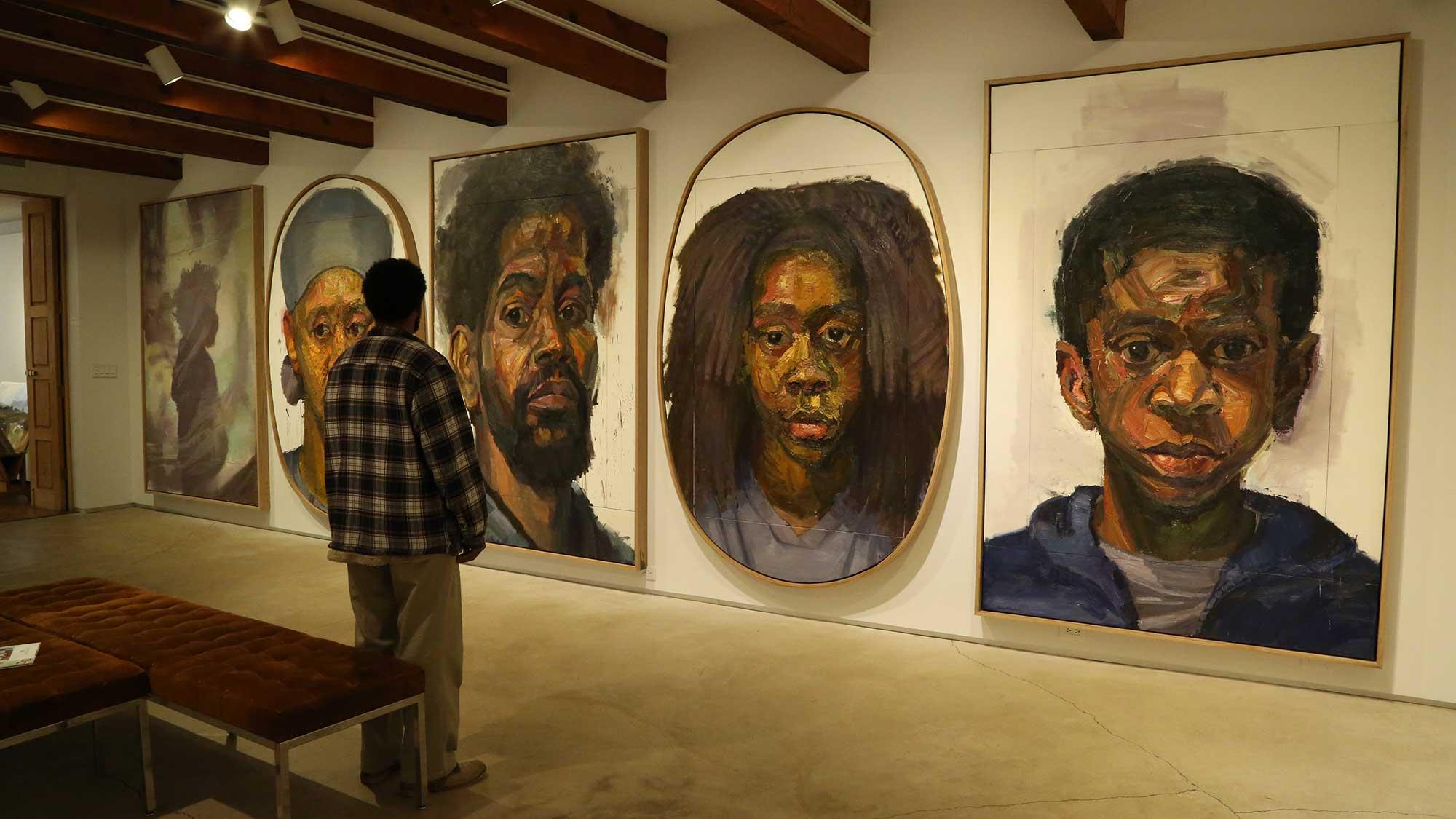
Sedrick Huckaby
At Valley House Gallery in Dallas, Sedrick Huckaby stands in front of portraits he painted of his children, his wife Letitia, and himself. Sedrick and Letitia are two of the keynote speakers for CIVA’s 2019 Biennial Conference. Photo: Dane Walters/Kera News.

The conference will consist of plenary talks, panel discussions, and breakout sessions and will include a juried art show, late-night artist show & tells, optional day-ahead tours (art museums, city architecture, or sculpture garden) or workshops (printmaking or photography), a Liz Vice concert, and an ecumenical worship service.

+++

Visual Arts Retreat
Date: June 21–23, 2019
Location: Apple Hill Lodge, Moravian Falls, North Carolina, USA
Cost: $450 (includes lodging, food, and class materials)
Presenters: Allison Luce, Corey Frey, Ty Nathan Clark (via satellite), Stephen Roach, Thomas Torrey, Lauren Olinger
Organizer: The Breath & the Clay
Description: “Come get away for a weekend designed to inspire and deepen your understanding of visual art both as a spiritual practice and as an art form.”

+++

Vocation, Motherhood, and Artmaking
Date: July 25–28, 2019
Location: Laity Lodge, Leakey, Texas, USA
Cost: $495 (scholarships available)
Presenters: Andi Ashworth, W. David O. Taylor, Letitia Huckaby, Phaedra Taylor, Sandra McCracken, Ashley Cleveland
Organizer: Laity Lodge
Description: “This retreat is an invitation to explore the opportunities and challenges that are involved in the twin calling to motherhood and artmaking. It is open to mothers in all stations and circumstances of life, whether at the beginning of motherhood or in the fullest years of grandmothering, and to artists of all media, disciplines and contexts.” (Read more from David Taylor.)

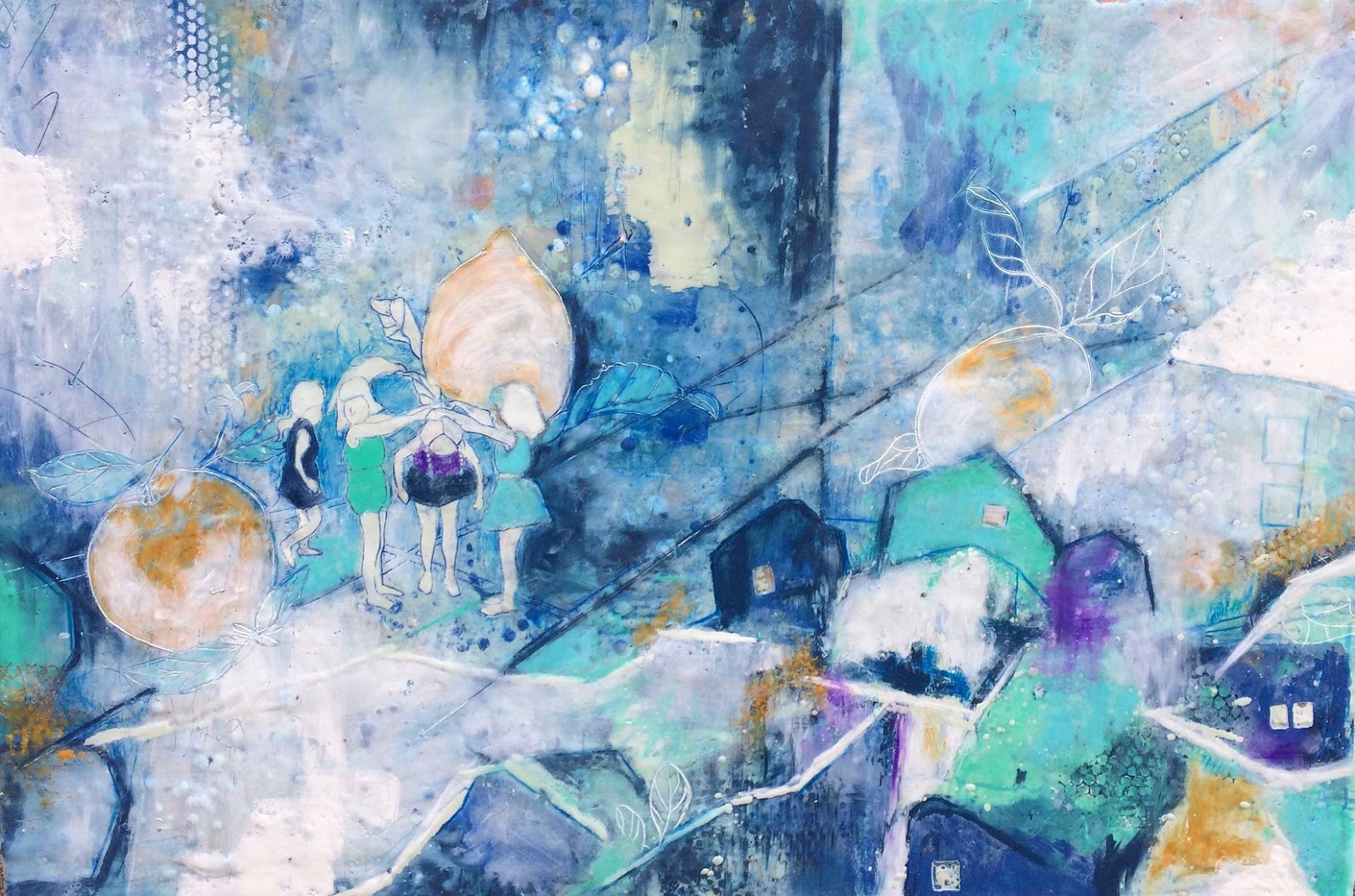
Taylor, Phaedra_The Book of Games
Phaedra Taylor (American), The Book of Games: Oranges & Lemons, 2018. Encaustic on wood panel, 20 × 30 in.

+++

Kingdom Creatives Con
Date: August 3, 2019
Location: National Union Building, Washington, DC
Cost: $99
Presenters: Noah Elias, Othello Banaci, Rachel Petrillo, Anifa Mvuemba, John David Harris, Ryan Han, Andrew Hochradel
Organizer: Bemnet Yemesgen
Description: A conference “aimed at igniting inspiration, learning, and networking in the Christian creative community. . . . Attendees will enjoy workshops and talks by creatives from diverse backgrounds and industries. The conference is specifically tailored towards creatives who love Jesus Christ . . . graphic designers, illustrators, photographers, filmmakers, developers, animators, copywriters,” etc.

+++

New York City Arts Weekend
Date: August 9–10, 2019
Location: Various venues, New York, USA
Cost: $295 CAN
Presenters: Makoto Fujimura, Iwan Russell-Jones
Organizer: Regent College (host: Jeff Greenman)
Description: “Makoto Fujimura and Iwan Russell-Jones lead this exploration of Christian faith and the visual arts in New York City. Enjoy a fascinating tour of the Metropolitan Museum of Art and participate in shared meals, stimulating presentations, and challenging conversations. Develop a deeper understanding of how creativity finds its place in the new creation.”

+++

Creation and New Creation: Discerning the Future of Theology and the Arts
Date: September 5–8, 2019
Location: Duke University, Durham, North Carolina, USA
Cost: $175 (student discounts available)
Presenters: Jeremy Begbie, Malcolm Guite, Christian Wiman, N. T. Wright, Natalie Carnes, Jennifer Craft, Carlos Colón, Steve Prince, Bruce Herman, Judith Wolfe, and others
Organizer: Duke Initiatives in Theology and the Arts (DITA)
Description: “At DITA10, we will celebrate past scholarship, reflect on today’s landscape, and imagine with tomorrow’s leaders.” The colloquium will include keynote lectures; workshops for church leaders and artists addressing the challenges of theology and the arts in the church and in our daily lives; panel discussions with artists and theologians; a concert by the New Caritas Orchestra; and a corporate worship service.

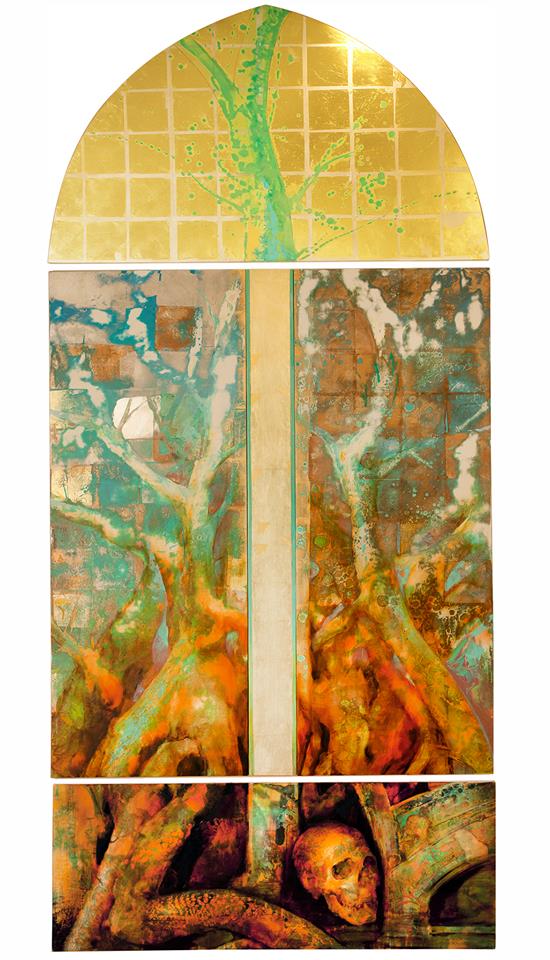
Herman, Bruce_Riven Tree
Bruce Herman (American, 1953–), Riven Tree, 2016. Oil on wood panels with gold, silver, and platinum leaf, 96 × 47 in. York Chapel, Duke Divinity School, Durham, North Carolina. [see “making of” video] [see in situ photo]

+++

The Future of the Catholic Literary Tradition (Catholic Imagination Conference)
Date: September 19–21, 2019
Location: Loyola University Chicago, USA
Cost: $150
Presenters: Tobias Wolff, Alice McDermott, Paul Schrader, Dana Gioia, Paul Mariani, Richard Rodriguez, Angela Alaimo O’Donnell, and others
Organizer: Hank Center for the Catholic Intellectual Heritage
Description: “This international biennial conference, sponsored by Loyola’s Hank Center, features over 60 writers, poets, filmmakers, playwrights, journalists, editors, publishers, students, and critics who will explore a variety of questions surrounding the Catholic imagination in literature and the arts. What is the future of the Catholic literary tradition? What is the state of discourses in faith and Christian humanism in a world increasingly described as ‘Post’—postmodern, post-human, post-Christian, post-religious? How is Catholic thought and practice (or the absence of it) represented in literature, poetry, and cinema? If, as David Tracy observes, religion’s ‘closest cousin is not rigid logic, but art,’ what might literary art be trying to communicate to its ‘cousin’—and to us all—as we travel along the first decades of the 21st century?”

The call for papers is still open, until June 15. Also check out some of the special events being offered, which will include a theatrical performance of Flannery O’Connor’s Everything That Rises Must Converge and an evening of poetry readings, live music, and a Chicago blues panel.

+++

Writer’s Retreat
Date: October 25–27, 2019
Location: Apple Hill Lodge, Moravian Falls, North Carolina, USA
Cost: $450 (includes lodging and food)
Presenters: TBA
Organizer: The Breath & the Clay
Description: “Come get away for a weekend designed to develop your writing both as a spiritual practice and as an art form.”

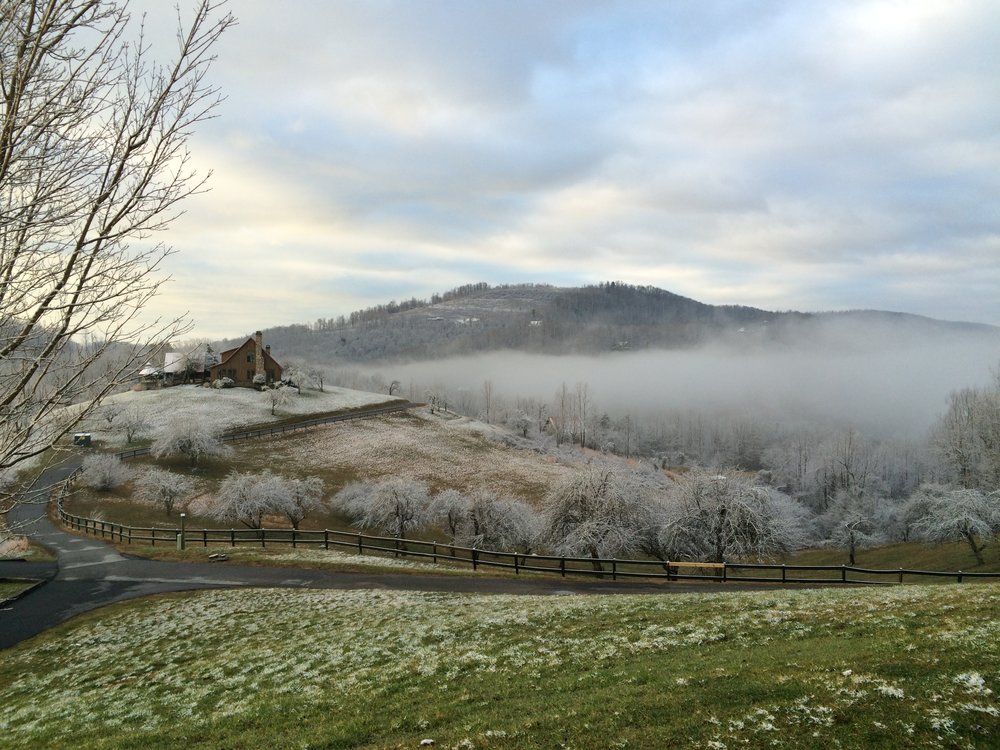
Apple Hill Lodge

+++

The Art of the Lost: Destruction, Reconstruction, and Change
Date: November 27–29, 2019
Location: Canterbury Cathedral, England
Cost: £175 for full conference (single-day tickets also available)
Presenters: Sandy Nairne, Simon Cane, James Clark, Ascensión Hernández Martínez, Emma J. Wells, and others
Organizer: Canterbury Cathedral
Description: “This conference will explore and appraise current and developing studies of how art changes, is reused or repurposed, disappears or is rediscovered. It will look at how and why art is defaced, destroyed or is lost within architectural settings, with a particular focus on art within the context of cathedrals, churches or other places of worship. It will consider changing ideologies, iconoclasm, war, fashion and symbolism. It will cover art from the 6th century to the modern day.”

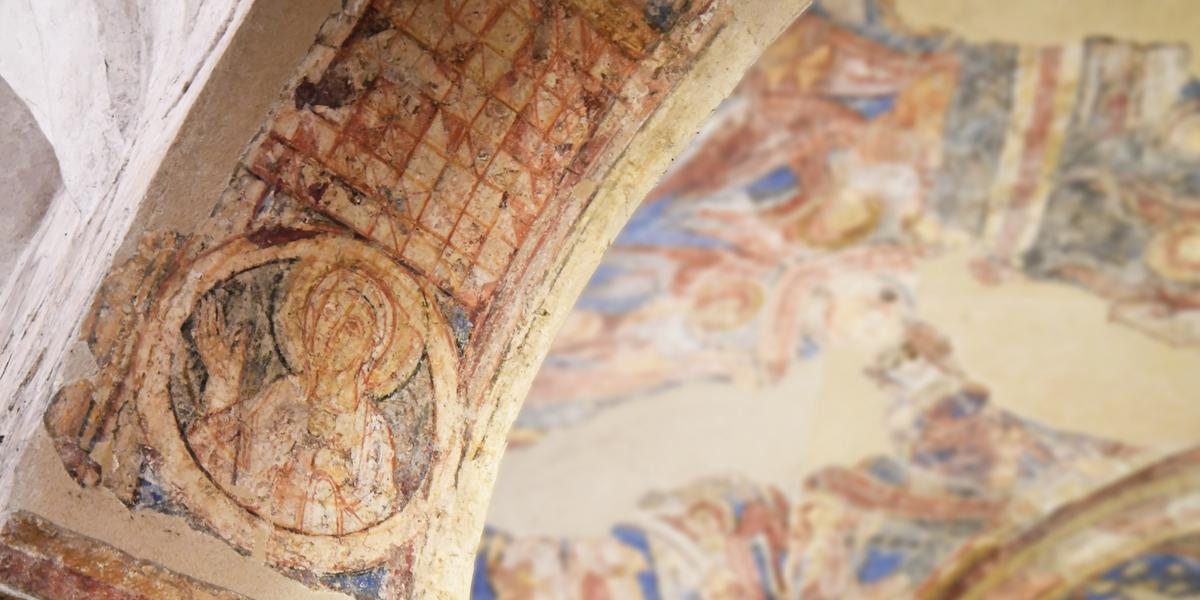
Art of the Lost (Canterbury Cathedral)