Last month I saw the exhibition Elizabeth Catlett: A Black Revolutionary Artist at the National Gallery of Art in Washington, DC, an impactful display of over two hundred prints and sculptures from throughout Catlett’s illustrious seven-decade career. Organized in partnership with the Brooklyn Museum of Art, where it first opened last year, the show focuses on Catlett’s advocacy, through her art and her on-the-ground activism, against poverty, racism, war, and gender oppression—her promotion of human dignity and freedom for all. Her work especially celebrates the beauty and strength of African American working-class women.
The exhibition title comes from a speech Catlett delivered in May 1970 by phone from Mexico to attendees at the Conference on the Functional Aspects of Black Art at Northwestern University outside Chicago, which she could not attend in person because the United States refused her entry to the country on the grounds of her allegedly dangerous politics: “I have been, and am currently, and always hope to be a Black revolutionary artist, and all that it implies,” Catlett stated.
Born in 1915 in Washington, DC, and raised there, Catlett witnessed class inequality, racial discrimination, and US imperialism firsthand, which formed her consciousness and influenced the direction her art would go. After graduating from Howard University, she spent time teaching in Durham (North Carolina), New Orleans, and Harlem and studying art in Iowa and Chicago before permanently settling in Mexico in 1946, becoming a Mexican citizen in 1962. She married the Mexican printmaker and muralist Francisco Mora in 1947, and they had three children together, all sons.
Black motherhood is a recurring subject in Catlett’s work, starting with her MFA thesis project in 1941 at the University of Iowa, a limestone sculpture of a mother and child that won first prize at the America Negro Exposition in Chicago that year but that is now lost. “Black women have been cast in the role of carrying on the survival of Black people through their position as mothers and wives, protecting and educating and stimulating children and Black men,” Catlett said. “We can learn from Black women. They have had to struggle for centuries.”
The social justice framework of the current retrospective exhibition leaves plenty of room for Catlett’s depictions of mothers with their children. What follows are photos I took of some such works.
Elizabeth Catlett (American, active in Mexico, 1915–2012), Mother and Child, 1956. Terracotta, 28.6 × 17.8 × 17.8 cm (11 1/4 × 7 × 7 in.). Museum of Modern Art, New York.
My favorite is a terracotta sculpture made just a year after the lynching of fourteen-year-old Emmett Till, whose mother Mamie Till’s response was an important catalyst of the civil rights movement. It brings two bodies—that of mother and infant son—into one volume. Art historian Leah Dickerman remarks on
the uncanny way that it seems both intimate and monumental at once. Intimacy lies in the way the weight of the child’s face presses against the mother’s breast, the mother’s right leg pushed back to stabilize her balance and her head nestled against the child’s scalp, breathing in that smell. Tenderness, both affectionate and shielding, is conveyed so keenly it almost aches. . . . Catlett seems to capture, somehow, the idea of remembering something fleeting, the sculpture a tiny memorial to loving protection that cannot be maintained.
Platformed across from this sculpture is another, in mahogany, this one modernist, abstracted:
Elizabeth Catlett (American, active in Mexico, 1915–2012), Mother and Child, 1970. Mahogany, 49.5 × 33 × 21 cm (19 1/2 × 13 × 8 1/4 in.). Currier Museum of Art, Manchester, New Hampshire.
It shows a mother holding her baby in a swaddle, his or her head gleefully poking out from the folds. While the baby seems happy, the mother seems stressed, as she turns her head away and grabs her head with her hand, which I interpret as her taking a deep breath to compose herself for several more hours of caregiving before bedtime.
Another mahogany sculpture is borrowed from the New Orleans Museum of Art:
Elizabeth Catlett (American, active in Mexico, 1915–2012), Mother and Child, 1983. Mahogany, 134.6 × 33 × 33 cm (53 × 13 × 13 in.). New Orleans Museum of Art, Louisiana.
The adjacent wall text quotes art historian Melanie Anne Herzog, author of Elizabeth Catlett: An American Artist in Mexico:
Becoming a mother, Catlett told me, was her most creative endeavor. She returned to the theme of maternity throughout her career in sculptures that illuminate the intimate physical bond between mother and child, a child’s comfort in its mother’s embrace, and the anguish of mothers who know they cannot protect their children from future harm. Catlett’s boldly corporeal rendering of maternity centers Black and Brown women in her depiction of this universal theme. I feel the fierce tenderness of this stately standing figure cradling her child, its body melded with hers. Her pensive expression and resolute stance call us to reflect on what she has endured and what her child, too, will encounter in the world that awaits.
One of Catlett’s earliest prints of the mother-child subject is a lithograph from 1944:
Elizabeth Catlett (American, active in Mexico, 1915–2012), Mother and Child, 1944, printed 1945. Lithograph, image: 19.7 × 14.3 cm (7 3/4 × 5 5/8 in.); sheet: 31.4 × 23.8 cm (12 3/8 × 9 3/8 in.). Canton Museum of Art, Canton, Ohio.
The label notes how it “recasts Christian Madonna and Child iconography in the context of a racially segregated United States. A leafless tree in the background and the mother’s protective clutch hint at the brutal history of lynching and violence against Black people.”
Even after her move to Mexico, Catlett remained connected to the Black liberation struggle in the US. Her Torture of Mothers from 1970 is based on the photograph by Bud Lee published on the cover of Life magazine’s July 28, 1967, issue, showing a twelve-year-old Black boy lying in a pool of his own blood in the middle of a street in Newark, New Jersey, having been shot by two stray police bullets. The police were trying to suppress the riots that had erupted in protest of the beating of a Black cab driver in Newark by two white police officers, and while Joe Bass Jr. was outside playing with his friends, he got caught in the crossfire.
Elizabeth Catlett (American, active in Mexico, 1915–2012), Torture of Mothers, 1970. Hand-colored lithograph, sheet: 38.1 × 56.5 cm (15 × 22 1/4 in.); framed: 48.3 × 66 cm (19 × 26 in.). Collection of Juanita and Melvin Hardy.
“Catlett’s composition visualizes the emotional toll such events have on Black mothers and women of color more broadly,” the gallery label reads—mothers whose minds are continually haunted by the racial violence, sometimes even state-authorized, that threatens the safety of their boys. “While Catlett was tracking police brutality in the US, she was also aware of similar state violence against Mexican youth, including the mass shooting of student protestors in 1968 by police at the Universidad Nacional Autónoma de México where Catlett taught.”
Several of the mothers in Catlett’s art are posed in a protective embrace that seeks to shield their children from harm. The arms of her 1982 Madonna, for example, wrap around a son and a daughter, though her averted eyes look worried:
Elizabeth Catlett (American, active in Mexico, 1915–2012), Madonna, 1982. Lithograph, sheet: 76.2 × 56.5 cm (30 × 22 1/4 in.). Stanley Museum of Art, University of Iowa, Iowa City.
In African American families, children are often raised by their grandmothers. Reflecting adaptability and support, such kinship care is memorialized in These Two Generations, which shows in profile a young boy and the primary maternal figure and caregiver in his life: his grandma.
Elizabeth Catlett (American, active in Mexico, 1915–2012), These Two Generations, 1979, printed 1987. Lithograph, image: 48.3 x 55.7 cm (19 x 21 15/16 in.); sheet: 56.7 x 76.2 cm (22 5/16 x 30 in.); framed: 69.9 x 80 cm (27 1/2 x 31 1/2 in.). Collection of Otis and Harryette Robertson.
Skipping ahead to this millennium, the exhibition includes Danys y Liethis, a portrait of the artist’s niece and great-niece:
Elizabeth Catlett (American, active in Mexico, 1915–2012), Danys y Liethis, 2005. Offset lithograph, sheet: 71 × 50.8 cm (27 15/16 × 20 in.); framed: 91.4 × 71.1 cm (36 × 28 in.). Collection of Barbara J. Luke.
Lastly, suspended from the ceiling at the exhibition’s entrance/exit, is Catlett’s most unique mother-child sculpture, Floating Family:
Elizabeth Catlett (American, active in Mexico, 1915–2012), Floating Family, 1995. Mexican primavera wood, overall length: 304.8 cm (120 in.). Collection of the Chicago Public Library.
In many of her depictions of motherhood, Catlett unifies the mother and child into a single form, emphasizing their intimacy. But I’ve been thinking about her large-scale sculpture Floating Family, which usually hangs above the circulation desk at the Legler Branch of the Chicago Public Library. Here, mother and daughter are still tethered together, but instead of standing upright they are now perfectly horizontal. Are they maple seed pods, spinning and falling to the earth to plant something new? Or a rotor, lifting upwards, leaving gravity behind? Despite the seeming precarity of the moment, the mother’s face is calm and set, and the daughter looks up at her, trusting.
I imagine that it does something different in the context of a library than as the closing object in a museum retrospective. For me in October, after seeing so many sculptures of mothers cuddling their children close, this work evoked the particular terror and thrill of parenting adolescents. Now, it suggests more than that: the labor and love we give not only our children but our communities and the way that hope can sometimes feel like a free fall.
Walter Rauschenbusch (1861–1918) was a Baptist minister, theology professor, and pioneer of the Social Gospel movement, which dominated American Protestant thought in the late nineteenth and early twentieth centuries. This movement sought to apply the ethical principles Jesus taught and the theological vision he espoused to pressing social concerns, such as poverty, pollution, alcoholism, unjust wages, unregulated factories, child labor, inadequate schools, women’s suffrage, racism, and violence. The son of German immigrants, Rauschenbusch pastored a congregation in the congested and impoverished neighborhood of Hell’s Kitchen in New York City from 1886 to 1897, where he witnessed firsthand, in the lives of his congregants, the misery of exploited workers. Adults and children alike worked ten- to twelve-hour days, six days a week, and lived in unsafe and unsanitary tenements.
This pastorate was deeply formative for him as he went on to teach in academic settings and to write. From 1897 until his death he taught courses in church history and Christian ethics at Rochester Theological Seminary and published a handful of books: Christianity and the Social Crisis (1907), Prayers of theSocial Awakening (1910), Christianizing the Social Order (1912), Dare We Be Christians? (1914), The Social Principles of Jesus (1916), and A Theology for the Social Gospel (1917). Christianity Revolutionary, which he wrote in 1891, was published posthumously as The Righteousness of the Kingdom in 1968.
In some Christian circles, “social gospel” is a dirty word, as some think it overemphasizes material concerns and detracts from what they see as Jesus’s core message of the salvation of souls. The sermons and writings of Social Gospelers did swing that way, focusing on the this-worldly social implications of the good news of Jesus and not as much on the spiritual, but that’s because at the turn of the century there was a relative dearth in preaching and writing about social issues from an informed Protestant theological perspective that they sought to rectify. Christians were already well versed in the narrative of personal sin and redemption. But the notion of societal sin and societal redemption was underdeveloped territory, so Rauschenberg, Josiah Strong, Washington Gladden, Richard T. Ely, and others moved in to articulate this neglected aspect of the gospel.
The Social Gospel movement makes the kingdom of God its central doctrine. Adherents believe the mission of the church is to propagate God’s kingdom, aka the kingdom of heaven, on earth. It’s a mischaracterization that the movement is concerned only with fixing society and not people. People make up society, and change starts with them—with personal repentance. Social Gospelers would say that as people turn to Christ and are spiritually transformed by him into new creations, those transformed people, in the power of the Holy Spirit, can then, and indeed are called to, “renew the face of the earth” (Ps. 104:30).
Rauschenbusch calls out the passivity of those Christians who say they are waiting for Christ to return to set all things right but don’t participate in the Christ-spirited renewal, the setting right, that is already underway. Of course he still believed in Christ’s second coming; he just also believed it a Christian duty to anticipate that coming with acts of charity and justice. Addressing the complaint that humans are powerless to solve the world’s overwhelming social problems and can never achieve the kind of sweeping regeneration Christ will bring, he wrote in Christianity and the Social Crisis:
We know well that there is no perfection for man in this life: there is only growth toward perfection. . . . We shall never have a perfect social life, yet we must seek it with faith. We shall never abolish suffering. . . . At best there is always but an approximation to a perfect social order. The kingdom of God is always but coming.
But every approximation to it is worthwhile. . . . Everlasting pilgrimage toward the kingdom of God is better than contented stability in the tents of wickedness.
He highlights the horizontal dimension of Christ’s mission and the apostle Paul’s institution of it, claiming that “the essential purpose of Christianity was to transform human society into the kingdom of God by regenerating all human relations and reconstituting them in accordance with the will of God.” He sees the Lord’s Prayer as key, in which we pray for God’s will to be done on earth as it is in heaven. “There is no request here that we be saved from earthliness and go to heaven, which has been the great object of churchly religion,” he writes. “We pray here that heaven may be duplicated on earth through the moral and spiritual transformation of humanity, both in its personal and its corporate life.” God’s salvation is not a salvation from this world but a salvation in and for this world.
The 1892 statement of the Brotherhood of the Kingdom, drafted by Rauschenbusch, Nathaniel Schmidt, and Leighton Williams, comments on the all-too-common truncated view of the gospel:
Because the individualist conception of personal salvation has pushed out of sight the collective idea of a Kingdom of God on earth, Christian men seek for the salvation of individuals and are comparatively indifferent to the spread of the spirit of Christ in the political, industrial, social scientific, and artistic life of humanity, and have left these as the undisturbed possessions of the spirit of the world. Because the Kingdom of God has been understood as a state to be inherited in a future life rather than as something to be realized here and now, therefore Christians have been contented with a low plane of life here and have postponed holiness to the future.
While I wouldn’t say I’m part of the Social Gospel movement, I’ve definitely been positively influenced by it—I’m not in the bandwagon of denigrators—even as I try to integrate and balance its wisdom with Jesus’s other proclamations.
Martin Luther King Jr. was an appreciator too. He wrote in Stride toward Freedom (1958),
Rauschenbusch had done a great service for the Christian church by insisting the gospel deals with the whole man, not only his soul but his body; not only his spiritual well-being but his material well-being. It has been my conviction ever since reading Rauschenbusch that any religion which professes to be concerned about the soul of men and is not concerned about the social and economic conditions that scar that soul, is a spiritually moribund religion waiting for the day to be buried.
(King was killed, remember, at a workers’ rights rally.)
The Social Gospel movement advocated social change, seeking the betterment of industrialized society through the application of biblical principles. It contributed to the New Deal and other progressive governmental programs in the US and Canada in the 1930s and ’40s and prefigured elements of liberation theology, which emerged in Latin America in the late 1960s.
My entrée to Rauschenbusch’s thought was through his published prayers. I had been conditioned to treat as suspect any products of the Social Gospel movement, so I was not expecting to be as moved as I was by his petitions and thanksgivings to God, which convey his deep and wide concern for the world, and which I’ve found meaningful to lift up in my own prayer time.
His collection includes prayers for employers, homeless children, immigrants, consumers, judges, legislators, artists, doctors and nurses, journalists, the environment, and so on, as well as prayers for morning, evening, and mealtime.
The following is a selection of prayers from Walter Rauschenbusch, Prayers of the Social Awakening (Boston and Chicago: The Pilgrim Press, 1910), which is in the public domain. I have lightly edited them, mainly for gender inclusivity. All headings, save for the fourth one (which I updated the language of), are Rauschenbusch’s.
Grace before Meat
“Our Father, thou art the final source of all our comforts, and to thee we render thanks for this food. But we also remember in gratitude the many men and women whose labor was necessary to produce it, and who gathered it from the land and afar from the sea for our sustenance. Grant that they too may enjoy the fruit of their labor without want, and may be bound up with us in a fellowship of thankful hearts.”
Prayer for This World
“O God, we thank thee for this universe, our great home; for its vastness and its riches, and for the manifoldness of the life which teems upon it and of which we are part. We praise thee for the arching sky and the blessed winds, for the driving clouds and the constellations on high. We praise thee for the salt sea and the running water, for the everlasting hills, for the trees, and for the grass under our feet. We thank thee for our senses by which we can see the splendor of the morning, and hear the jubilant songs of love, and smell the breath of the springtime. Grant us, we pray thee, a heart wide open to all this joy and beauty, and save our souls from being so steeped in care or so darkened by passion that we pass heedless and unseeing when even the thornbush by the wayside is aflame with the glory of God. Enlarge within us the sense of fellowship with all the living things, our kin, to whom thou hast given this earth as their home in common with us. We remember with shame that in the past we have exercised dominion with ruthless cruelty, so that the voice of the earth, which should have gone up to thee in song, has been a groan of travail. May we realize that they live not for us alone but for themselves and for thee, and that they love the sweetness of life even as we, and serve thee in their place better than we in ours. When our use of this world is over and we make room for others, may we not leave anything ravished by our greed or spoiled by our ignorance, but may we hand on our common heritage fairer and sweeter through our use of it, undiminished in fertility and joy, that so our bodies may return in peace to the great mother who nourished them and our spirits may round the circle of a perfect life in thee.”
Prayer for Employers
“We invoke thy grace and wisdom, O Lord, upon all people of goodwill who employ and control the labor of others. Amid the numberless irritations and anxieties of their position, help them to keep a quiet and patient temper, and to rule firmly and wisely, without harshness and anger. Since they hold power over the bread, the safety, and the hopes of the workers, may they wield their powers justly and with love, as older siblings and leaders in the great fellowship of labor. Suffer not the heavenly light of compassion for the weak and the old to be quenched in their hearts. When they are tempted to follow the ruthless ways of others, and to sacrifice human health and life for profit, do thou strengthen their will in the hour of need, and bring to naught the counsels of the heartless. Save them from repressing their workers into sullen submission and helpless fear. May they not sin against the Christ by using people’s bodies and souls as mere tools to make things, forgetting the human hearts and longings of these their brothers and sisters.”
Prayer for the Unemployed
“O God, we remember with pain and pity the thousands of our brothers and sisters who seek honest work and seek in vain. For though unsatisfied wants are many, and though our land is wide and calls for labor, yet these thy sons and daughters have no place to labor, and are turned away in humiliation and despair when they seek it. O righteous God, we acknowledge our common guilt for the disorder of our industry which thrusts even willing workers into the degradation of idleness and want, and teaches some to love the sloth which once they feared and hated. We remember also with sorrow and compassion the idle rich, who have vigor of body and mind and yet produce no useful thing. Forgive them for loading the burden of their support on the bent shoulders of the working world. Forgive them for wasting in refined excess what would feed the pale children of the poor. Forgive them for setting their poisoned splendor before the thirsty hearts of the young, luring them to theft or shame by the lust of eye and flesh. Forgive them for taking pride in their workless lives and despising those by whose toil they live. Forgive them for appeasing their better self by pretended duties and injurious charities. We beseech thee to awaken them by the new voice of thy Spirit that they may look up unto the stern eyes of thy Christ and may be smitten with the blessed pangs of repentance. Grant them strength of soul to rise from their silken shame and to give their brothers and sisters a just return of labor for the bread they eat. And to our whole nation do thou grant wisdom to create a world in which none shall be forced to idle in want, and none shall be able to idle in luxury, but in which all shall know the health of wholesome work and the sweetness of well-earned rest.”
Prayer for Artists and Musicians
“O thou who art the all-pervading glory of the world, we bless thee for the power of beauty to gladden our hearts. We praise thee that even the least of us may feel a thrill of thy creative joy when we give form and substance to our thoughts and, beholding our handiwork, find it good and fair. We praise thee for our brothers and sisters, the masters of form and color and sound, who have power to unlock for us the vaster spaces of emotion and to lead us by their hand into the reaches of nobler passions. We rejoice in their gifts and pray thee to save them from the temptations which beset their powers. Save them from selfish ambition and the vanity that feeds on cheap applause, and from the dark phantoms that haunt the listening soul. Let them not satisfy their hunger for beauty with mere tricks of skill, devoid of spirit. Teach them that they are but servants of their fellow beings, and that the promise of their gifts can fulfill itself only in the service of love. Give them faith in the inspiring power of a great purpose and courage to follow to the end the visions of their youth. Kindle in their hearts a compassion for the joyless lives of the people, and make them rejoice if they are found worthy to hold the cup of beauty to lips that are athirst. Make them reverent interpreters of you, they who see thy face and hear thy voice in all things, so that they may unveil for us the beauties of nature which we have passed unseeing, and the sadness and sweetness of humanity to which our selfishness has made us oblivious.”
Prayer for Lawyers and Legislators
“O Lord, thou art the eternal order of the universe. Our human laws at best are but an approximation to thine immutable law, and if our institutions are to stand, they must rest on justice, for only justice can endure. We beseech thee for the men and women who are set to make and interpret the laws of our nation. Grant to all lawyers a deep consciousness that they are called of God to see justice done, and that they prostitute a holy duty if ever they connive in its defeat. Fill them with a high determination to make the courts of our land a strong fortress of defense for the poor and weak, and never a castle of oppression for the hard and cunning. Save them from surrendering the dear-bought safeguards of the people for which our foreparents fought and suffered. Revive in them the spirit of the great liberators of the past that they may cleanse our law of the inherited wrongs that still cling to it. Suffer not the web of outgrown precedents to veil their moral vision, but grant them a penetrating eye for the rights and wrongs of today and a quick human sympathy with the life and sufferings of the people. May they not perpetuate the tangles of the law for the profit of their profession. Aid them to make its course so simple, and its justice so swift and sure, that the humblest may safely trust it and the strongest fear it. Grant them wisdom so to refashion all law that it may become the true expression of the fairer ideals of freedom and brotherhood which are now seeking their incarnation in a new age. Make these our brothers and sisters the wise interpreters of thine eternal law, the brave spokespersons of thy will, and in reward bestow upon them the joy of conscious fellowship with thy Christ in saving people from the bondage of ancient wrong.”
Prayer against War
“O Lord, since first the blood of Abel cried to thee from the ground that drank it, this earth of thine has been defiled with human blood shed by the hand of siblings, and the centuries sob with the ceaseless horror of war. Ever the pride of kings and the covetousness of the strong have driven peaceful nations to slaughter. Ever the songs of the past and the pomp of armies have been used to inflame the passions of the people. Our spirit cries out to thee in revolt against it, and we know that our righteous anger is answered by thy holy wrath. Break thou the spell of the enchantments that make the nations drunk with the lust of battle and draw them on as willing tools of death. Grant us a quiet and steadfast mind when our own nation clamors for vengeance or aggression. Strengthen our sense of justice and regard for the equal worth of other peoples and races. Grant to the rulers of nations faith in the possibility of peace through justice, and grant to the common people a new and stern enthusiasm for the cause of peace. Bless our soldiers and sailors for their swift obedience and their willingness to answer to the call of duty, but inspire them nonetheless with a hatred of war, and may they never for love of private glory or advancement provoke its coming. May our young men and women still rejoice to die for their country with the valor of their parents, but teach our age nobler methods of matching our strength and more effective ways of giving our life for the flag. O thou strong Father of all nations, draw all thy great family together with an increasing sense of our common blood and destiny, that peace may come on earth at last, and thy sun may shed its light rejoicing on a holy kinship of peoples.”
Prayer for Conferences and Conventions
“We praise thee, O God, for our friends and fellow workers, for the touch of their hands and the brightness of their faces, for the cheer of their words and the outflow of goodwill that refreshes us. Grant us the insight of love that we may see them as thou seest, not as frail mortals, but as radiant children of God who have wrought patience out of tribulation and who bear in earthen vessels the treasures of thy grace. May nought mar the joy of our fellowship here. May none remain lonely and hungry of heart among us. Let none go hence without the joy of new friendships. Give us more capacity for love and a richer consciousness of being loved. Overcome our coldness and reserve that we may throw ajar the gates of our heart and keep open house this day. Lift our human friendships to the level of spiritual companionship. May we realize thee as the eternal bond of our unity. Shine upon us from the faces of thy servants, thou all-pervading beauty, that in loving them we may be praising thee. Through Christ, our Lord.”
Evening Prayers
“O Lord, we praise thee for our sister, Night, who folds all the tired folk of the earth in her comfortable robe of darkness and gives them sleep. Release now the strained limbs of toil and smooth the brow of care. Grant us the refreshing draught of restfulness that we may rise in the morning with a smile on our face. Comfort and ease those who toss wakeful on a bed of pain, or whose aching nerves crave sleep and find it not. Save them from evil or despondent thoughts in the long darkness, and teach them so to lean on thy all-pervading life and love, that their souls may grow tranquil and their bodies, too, may rest. And now through thee we send Good Night to all our brothers and sisters near and far, and pray for peace upon all the earth.”
“Our Father, as we turn to the comfort of our rest, we remember those who must wake that we may sleep. Bless the guardians of peace who protect us against those of evil will, the watchers who save us from the terrors of fire, and all the many who carry on through the hours of the night the restless commerce we require on sea and land. We thank thee for their faithfulness and sense of duty. We pray for thy pardon if our covetousness or luxury makes their nightly toil necessary. Grant that we may realize how dependent the safety of our loved ones and the comforts of our life are on these our brothers and sisters, that so we may think of them with love and gratitude and help to make their burden lighter.”
“Accept the work of this day, O Lord, as we lay it at thy feet. Thou knowest its imperfections, and we know. Of the brave purposes of the morning only a few have found their fulfillment. We bless thee that thou art no hard taskmaster, watching grimly the stint of work we bring, but the father and teacher of people who rejoices with us as we learn to work. We have naught to boast before thee, but we do not fear thy face. Thou knowest all things and thou art love. Accept every right intention however brokenly fulfilled, but grant that ere our life is done we may under thy tuition become true master workers, who know the art of a just and valiant life.”
“Our Master, as this day closes and passes from our control, the sense of our shortcomings is quick within us and we seek thy pardon. But since we daily crave thy mercy on our weakness, help us now to show mercy to those who have this day grieved or angered us and to forgive them utterly. Suffer us not to cherish dark thoughts of resentment or revenge. So fill us with thy abounding love and peace that no ill will may be left in our hearts as we turn to our rest. And if we remember that any brother or sister justly hath aught against us through this day’s work, fix in us this moment the firm resolve to make good the wrong and to win again the love of our sibling. Suffer us not to darken thy world by lovelessness, but give us the power of the children of God to bring in the reign of love among people.”
PHOTO COMPILATION: “Alternative Advent 2022” by Kezia M’Clelland: Kezia M’Clelland [previously] is the children in emergencies specialist and people care director for Viva and a child protection consultant for MERATH, the Lebanese Society for Educational and Social Development’s community development and relief arm. She is a British citizen, but her work brings her around the world, seeking to safeguard the rights and well-being of children globally.
Every December M’Clelland compiles photos from that year’s news, showing people affected by natural disasters, violence, and injustice, and overlays them with Advent promises. There’s sometimes a disjunction between image and text that’s grievous and challenging, a reminder that our long-looked-for deliverance is not yet fully here, even though we receive foretastes. The twenty-eight photos M’Clelland gathered from 2022 include throngs of people making their way to Aichi cemetery in Saqqez, Iran, to attend a memorial for twenty-two-year-old Mahsa Amini, allegedly beaten to death by the country’s religious morality police for not wearing her hijab properly; a police officer helping a child flee artillery on the outskirts of Kyiv, and a baby being born in a bomb shelter; women carrying pans of granite up the side of a mine in Ouagadougou, Burkina Faso, for meager wages; a woman comforting a neighbor who lost her home to flooding in Tejerias, Venezuela; children playing in a sandstorm at the Sahlah al-Banat camp for displaced people in the countryside of Raqa in northern Syria; children clearing trash from a river in Tonlé Sap, Cambodia; and more.
March 9, 2022: An injured pregnant woman is rescued from a maternity hospital in Mariupol, Ukraine, that was bombed by Russian forces. The following week it was reported that she and her child, delivered in an emergency C-section, did not survive. Photo: Evgeniy Maloletka/AP. Scripture: Isaiah 7:14.January 26, 2022: A young woman looks on from her house destroyed by tropical storm Ana in the village of Kanjedza in Malawi. Photo: Eldson Chagara/Reuters. Scripture: Isaiah 58:12.June 7, 2022: A man and child, part of a migrant caravan consisting mostly of Central Americans, are blocked by members of the Mexican National Guard on a Huixtla road in Chiapas state, Mexico. They seek transit visas from the National Migration Institute so that they can continue their thousand-plus-mile journey north to the US. Photo: Marco Ugarte/AP. Scripture: Isaiah 35:9 MSG.
The sequence of images is a visual prayer of lament and intercession. I appreciate how M’Clelland—via the work of photojournalists, and her sensitive curation—raises awareness about these places of suffering, putting faces to the headlines, but also spotlights moments of empowerment and joy amid that suffering. We are encouraged to seek God’s coming into these situations of distress and to see the subtle ways he does come—for example, through the consoling embrace of a friend, the nurturance of an elder sibling, the protective aid of an officer, a jug of clean water, a child’s glee, or acts of protest.
For photo credits and descriptions, see the Instagram page @alternative_advent. (Start here and scroll left if you’re on your computer, or up if you’re on your phone.) Follow the page to receive new posts in your feed starting next Advent.
+++
SONGS by Rev Simpkins, an Anglican priest and singer-songwriter from Essex previously featured here:
>> “Hallelu! (Love the Outcast)”: This song was originally released on The Antigen Christmas Album (2014) with the byline “Ordinand Simpkins & Brother De’Ath”; it was reissued in 2016 on Rev Simpkins’s album Love Unknown, “a cornucopia of non-LP tracks, studio experiments, ingenious live re-workings, radio sessions, off-the-wall demos, obscure b-sides, & pissings about.” The music video was recorded on an iPhone 4 in the Edward King Chapel at Ripon College Cuddesdon in Oxford. [Listen on Bandcamp]
>> “Poor Jesus” (Traditional): Here the Rev. Matt Simpkins performs the African American spiritual “Oh, Po’ Little Jesus” with a soft banjo accompaniment. Harmonizing vocals are supplied by his daughter, Martha Simpkins. It’s the opening track of his EP Poor Child for Thee: 4 Songs for Christmastide(all four songs are wonderful!), released December 11, 2020, to support St Leonard’s Church, Lexden, where he serves as priest-in-charge. [Listen on Bandcamp]
+++
NEW PAINTING: Tent City Nativity by Kelly Latimore:Kelly Latimore is an Episcopalian artist from St. Louis, Missouri, who “rewonders” traditional iconography, especially with an eye to social justice. This Christmas he painted an icon called Tent City Nativity, which shows the Christ child being born in a homeless encampment. A streetlight shines directly over the Holy Family’s tent, like the star of Bethlehem, and neighbors bring gifts for warmth and sustenance: coffees, a blanket, a cup of chili. View close-ups on Instagram, and read the artist’s statement on his website. Proceeds from print and digital sales of the icon will support organizations serving the unhoused in St. Louis.
Kelly Latimore (American, 1986–), Tent City Nativity, 2022. Acrylic, Flashe, and golf leaf on birch board, 27 × 32 in.
SONG MEDLEY: YouTube user African Beats spliced together excerpts from three songs performed at a church in Germany at Christmastime by South African singer Siyabonga Cele and an unnamed woman, including “Akekho ofana no Jesu” (There’s No One like Jesus) and “He’s Got the Whole World in His Hands.” I couldn’t find the name of the last song, and attempts to contact the singer for information were unsuccessful, but it’s in Zulu, as is the first one. Lyrics to the first song, sourced from here, are below.
Akekho ofana no Jesu (There’s no one like Jesus) Akekho ofana naye (There’s no one like him) Akekho ofana no Jesu (There’s no one like Jesus) Akekho ofana naye (There’s no one like him)
Sahamba, hamba, lutho, lutho (I’m walking, walking, nothing, nothing) Safuna, funa, lutho, lutho (I’m searching, searching, nothing, nothing) Sajika, jika, lutho, lutho (I’m turning, turning, nothing, nothing) Akekho afana naye (There is no one like him)
George Bandele (Nigerian, 1910–1995), Virgin Mary, 1960s, wood and pigment. Collection of the SMA African Art Museum, Tenafly, New Jersey. Photo: Victoria Emily Jones.
With the feast of the Visitation coming up on May 31, I’ve been thinking about the song Mary sings in Luke 1:46–55 upon meeting up with her cousin Elizabeth in the hill country of Judea following their miraculous conceptions. It’s bold, exultant, and worshipful, oriented around the liberative power of God. As we continue to reel from the string of mass shootings in the US (Tuesday’s shooting at Robb Elementary School in Uvalde, Texas, was the 212th this year alone), I wonder how Mary’s song might speak to us in this moment—how we, too, might exclaim it with her same fervor and hope, truly believing that God is at work in the world, bringing about justice and healing, even though it is injustice and hurt that so often sound the loudest.
Here is a modern interpretation of the Magnificat by Rev. M Barclay, cofounder and director of enfleshed, an organization that creates prayers, liturgies, art, meditations, teachings, and other spiritual resources for collective liberation. Written in 2019, it captures the verve of Mary’s words while also drawing out shades of sorrow and adding a petitionary element. Barclay uses the gender-neutral pronoun “They” for the Triune God.
My soul is alive with thoughts of God. What a wonder, Their liberating works. Though the world has been harsh to me, God has shown me kindness, seen my worth, and called me to courage. Surely, those who come after me will call me blessed. Even when my heart weighs heavy with grief, still, so does hope abide with me. Holy is the One who makes it so. From generation to generation, Love’s Mercy is freely handed out; none are beyond the borders of God’s transforming compassion. The power of God is revealed among those who labor for justice. They humble the arrogant. They turn unjust thrones into dust. Their Wisdom is revealed in the lives and truths of those on the margins. God is a feast for the hungry. God is the great redistributor of wealth and resources. God is the ceasing of excessive and destructive production that all the earth might rest. Through exiles and enslavement, famines and wars, hurricanes and gun violence, God is a companion in loss, a deliverer from evil, a lover whose touch restores. This is the promise They made to my ancestors, to me, to all the creatures and creations, now and yet coming, and in this promise, I find my strength. Come, Great Healer, and be with us.
For the first time, this year I plan on publishing short daily posts for the entirety of Lent and for the Octave of Easter, pairing a visual artwork with a piece of music along the seasons’ themes (for an example of this format, see here)—just an FYI of what to expect. I also have several poems lined up. And you might want to check out the Art & Theology Lent Playlist and Holy Week Playlist on Spotify (introduced here and here respectively), which I’ve expanded since last year. I’m very pleased with the Holy Week Playlist in particular.
+++
NEW RESOURCE FOR HOME LITURGIES:The Soil and The Seed Project: Directed by Seth Thomas Crissman of The Walking Roots Band [previously] and with the contributions of a team of artists, writers, and musicians, “The Soil and The Seed Project nurtures faith through music, art, and Little Liturgies for daily and weekly use in the home. These resources help establish new rhythms of faith as together we turn towards Jesus, believing and celebrating the Good News of God’s Love for the whole world.” The project launched in November 2021 with its Advent/Christmas/Epiphany collection. When the project is complete it will consist of four volumes of music (forty-plus songs total—all original, save for a couple of reimagined hymns) and four liturgical booklets that include responsive scripture-based readings, reflection prompts, suggested practices, and an original artwork.
Thanks to a community of generous donors, The Soil and The Seed Project gives away all its content for free, including shipping, to anyone who is interested (individuals, couples, families, churches, etc.); request a copy of the latest music collection and liturgies here. CDs and printed booklets are available only while supplies last (1500 copies have been pressed/printed for this collection), but digital copies of course remain available without limit.
+++
CONVERSATIONS AT CALVIN: Below are two videos (of many!) from the 2022 Calvin Symposium on Worship, which took place earlier this month.
>> “Modern-Day Prophets: How Artists and Activists Expand Public Worship” with Nikki Toyama-Szeto: A writer, speaker, and activist on issues of justice, leadership, race, and gender, Nikki Toyama-Szeto is the executive director of Christians for Social Action and a leading voice for Missio Alliance. Here she is interviewed by preacher and professor Noel Snyder. They discuss the generativity of imagination, and its invitation to displacement; the connection between corporate worship and public witness; the movement of the Holy Spirit outside church walls; “political” and “pastoral” as classifications that differ from group to group; embracing messiness; and what pastors can learn from artists and activists.
A few quotes from Toyama-Szeto that stood out to me:
“Part of what we’re trying to do at Christians for Social Action is stir the Christian imagination for what a fuller followership of Jesus looks like in a more just society. The word ‘imagination,’ and I would say specifically Christian imagination, I think of as the dream that God dreams for his people and his creation. What does it mean to be oriented toward the dream that God is dreaming? Another word for it is shalom—the full flourishing of all his creation and all his people. And if you look at the gap between where we are today and what that dream is, that gap is imagination. How is it that we get from here, the broken world we see . . . how do we press in and lean into the dreams that God dreams for his people and for his world?”
“For me, I have found artists and prophets—those who are agitating for justice—are ones who help dislodge me from everyday things I take for granted, and those assumptions, and they help me to dream new and bigger dreams.”
“The pursuit of justice is the declaration of God’s character in the public square.”
Smith shares his frustration that often the only Christians who endeavor to learn other languages and develop cultural intelligence and appreciation are those who are preparing to be missionaries in a foreign country, and they do it only for the purpose of missional effectiveness.
If you take one piece of theology [i.e., evangelism] and try and make that the bit that’s about cultural difference, that puts distortions into the conversation. . . . You might want to think about mission, but you might also want to think about what it means to be made in the image of God. Does that mean everyone’s the same, or does it mean everyone has responsibility for shaping culture and we might all do it in different ways, and you have to make space for that? We might need to think about the cross. We might need to think about God’s embrace of us and how we embrace each other. We might need to think about love of neighbor. We might need to think about the body of Christ and the makeup of the early church. . . . You might have to visit a whole bunch of different theological places to get a composite picture rather than saying this is the doctrine that somehow solves cultural difference for us.
I was also struck by Smith’s discussion of how cultural difference can help us read the scriptures in a new way (see 19:38ff.). He gives an example from In the Land of Blue Burqas, where Kate McCord, an American, describes her experience reading the Bible with Muslim women from Afghanistan, and particularly how they taught her a very different interpretation of John 4, the story of Jesus’s encounter with the Samaritan woman at the well. Wow.
+++
VISUAL COMMENTARY ON SCRIPTURE: The Transfiguration: In churches that follow the Revised Common Lectionary, this Sunday, the last Sunday in the Epiphany season, is Transfiguration Sunday, giving us a vision with which to enter Lent. (Other traditions celebrate Jesus’s transfiguration on August 6.) In this video from the Visual Commentary on Scripture project, art historian Jennifer Sliwka and theologian Ben Quash discuss this New Testament event through three visual artworks: a fifteenth-century icon by Theophanes the Greek, which shows the “uncreated light” revealed to Peter, James, and John on Mount Tabor; a fresco by Fra Angelico from the wall of a friar’s cell in Florence, where Jesus’s pose foreshadows his suffering on the cross; and a contemporary light installation by the seminary-educated American artist Dan Flavin, comprising fluorescent light tubes in the shape of a mandorla. Brilliant!
+++
CIVA TRAVELING EXHIBITION: Again + Again, curated by Ginger Henry Geyer with Asher Imtiaz: “A photography exhibition that invites recurring and fresh contemplation of the ordinary and extraordinary through the seasons of the Christian liturgical calendar,” sponsored by Christians in the Visual Arts. The show will be on view at Second Presbyterian Church in Indianapolis from February 26 to March 26 and is available for rental in North America after that. I saw it at St. David’s Episcopal Church in Austin in November at the CIVA biennial and was impressed! It is accompanied by a beautifully designed catalog that pairs each photograph with a poem, several of which were written specifically for the exhibition and which respond directly to a given photo.
Michael Winters, Mount Tabor, June 2017, 2017. Inkjet print with holes punched out in white wood frame, 19 × 13 in.
One of my favorite art selections is Mount Tabor, June 2017 by Michael Winters, the director of arts and culture at Sojourn Church Midtown in Louisville, Kentucky. “Mount Tabor . . . is where the transfiguration of Christ is thought to have occurred,” Winters writes. “I stood viewing that scene in 2017. It looked so normal. I’m not sure why I felt compelled to punch holes in this photograph, but I think it’s because I wanted to be able to see through this ‘normal’ landscape to the glory of the transfigured Christ—which is to say, I wanted to see reality.”
Ears to the Ground Family is a group of friends in their early thirties, making music together in and around their hometown of Harrisonburg, Virginia. Minimalist and totally acoustic, they sing songs of hope, sustaining faith, and resistance to oppression and empire. Their stylistic influences include the spirituals, soul, hip-hop, R&B, folk/Americana, chant, Taizé, and Anabaptist hymns, especially from the Mennonite tradition, to which they belong.
The core members of Ears to the Ground Family are, from left to right, Jake Cochran, percussionist; Matt Dog, trumpeter; Nichole Barrows, lead vocalist; Hannah Win, vocalist; and Dimitris Campos, lead vocalist, classical guitarist, and multi-instrumentalist.
The band formed in 2010 and has “always preferred the outdated and peculiar model of the elusive traveling troubadour,” sharing their music in small settings, unplugged, locally or regionally. Its members first met during the Petrol-Free Jubilee, an annual two-week bicycle-powered music and art tour of the mid-Atlantic, which they went on to participate in as a group for seven years. Its purpose was “to promote peace, social justice, and a healthy planet.”
“We biked two hundred to three hundred miles with ten to twenty people on average, often several bands or musicians with us at a time, and our regular stops and show locations included a lot of farms, community centers, and Catholic Worker houses,” band member Nichole Barrows told me. “Just imagine twenty people rolling down Main Street in your city in the middle of a hot summer afternoon on their bikes, with drums and guitars in tow, ringing their bike bells and singing at the top of their voices! I mean, it was like summer camp on wheels; we brought the show with us!”
This small-scale approach and casual touring schedule, Barrows said, “enables us to root ourselves deeply within our home community and invest in the valuable work that inspires our music.” That valuable work includes church ministry, community organizing, farming, and outdoor education.
In June 2017 Ears to the Ground Family recorded eight original songs (written between 2007 and 2013) plus a traditional African American spiritual, but jobs, family, and other projects prevented them from being able to mix, master, and self-release until recently. Finally, on December 18, 2020, their debut album, Full Moon in June, came into the world, making their music available to a much wider audience for the first time.
“It’s funny,” Barrows said, “some people talk about ‘slow music’ (you know, slow food, etc.) to describe homegrown, independently released local music. But we’re so ‘slow’ that it takes us about ten years to release our first album!”
Infused with prophetic imagination, Full Moon in June denounces the forces of evil at work in the world on a grand scale—things like war, environmental exploitation, predatory lending practices, and the prison industrial complex—and casts a beautiful vision of all things new under Christ. Stop participating in that which is destructive, the album invites, and join instead with the creative work of the Spirit, which is love, joy, peace, patience, kindness, generosity, faithfulness, gentleness, and self-control (Gal. 5:22–23). These songs awaken my enthusiasm for the promised future of all that is and for our journey toward it, sowing seeds of Christ’s kingdom all along the way.
An exploration of “Almond Blossom”
My favorite song on Full Moon in June is the first one, “Almond Blossom” by Dimitris Campos, which uses the image of a tree to signal abundance and renewal. “There’s an almond blossoming in Jerusalem,” it opens. Almond blossoms are a harbinger of springtime, and in fact Israel’s almond trees are the first to bloom each year. The song’s second line, “The buds on a fig tree becoming tender again,” evoke the recurring comparison of God’s people to a fig tree in the Hebrew Bible (e.g., Hosea 9:10; Jer. 8:13; Jer. 24) as well as the story of Jesus cursing a fig tree for failing to bear fruit, a symbolic act of judgment against those who reject his ways. The image here, though, is of a withered fig tree becoming healthy and vibrant once again.
The lyrics go on to note how the trees and other parts of the natural world appear to worship God; the “mountains are clapping their hands” (cf. Psa. 98:8; Isa. 55:12), and the trees reach toward the heavens. Humanity, by contrast, turns in on itself, and rather than living into the flourishing it was created for, invents new means of destruction—bombs dropped from drones, for example, leaving orphans in their wake.
In the song, Campos recalls a visit to the National Air and Space Museum in Washington, DC, the horror of families posing happily for photos in front of bombers, fighter jets, missiles, military avionics, and other tools of combat, celebrating national might. Campos contrasts the heaviness of those metal death-traps with the light feeling of floating on the “river of life” (cf. Rev. 22:1), and their sterility with a fructifying olive vine, delicately tended (cf. Rom. 11:11–24).
Empires fall—Egypt, Rome; America one day will too, and another will rise in its place. “I proclaim that Jesus, he will decide / If it is that Rome is on I-95”—the highway that the US capital is located off of. Earthly kingdoms that put their trust in arsenals and that deal in death rather than life may be in for a divine toppling. The same goes for corrupt systems.
Jesus himself said as much. For example, in Mark 13:2, he says regarding the Jewish temple complex, “Do you see these great buildings? Not one stone will be left here upon another; all will be thrown down.” It’s because the religious establishment at the time had become oppressive and was rejecting Jesus as the Christ. They were trusting in all their rules and learned interpretations of scripture while failing to see the plain revelation of God right in front of them.
The penultimate stanza of “Almond Blossom” is excerpted from “Canticle of the Turning” by Rory Cooney, a paraphrase of Mary’s Magnificat, which is one of the Bible’s most radical songs:
From the halls of the power to the fortress tower Not a stone will be left upon a stone Let the king beware, for your justice tears Every tyrant from his throne
The song concludes with a reprise of the first two lines, circling back to the image of trees and their eschatological (end times) resonances. In Matthew 24:32–33, Jesus tells his disciples, “From the fig tree learn its lesson: as soon as its branch becomes tender and puts forth its leaves, you know that summer is near. So also, when you see all these things, you know that [the Son of Man] is near, at the very gates.”
“Almond Blossom” is a clever interweaving of biblical allusions, spanning Genesis to Revelation, that calls America to account for its warmongering while inviting her citizens into the beautiful, lasting, life-giving way of Christ.
The following poem from the book of Isaiah, about the messianic age, was resounding in my mind as I listened to this song:
For you shall go out in joy and be led back in peace; the mountains and the hills before you shall burst into song, and all the trees of the field shall clap their hands. Instead of the thorn shall come up the cypress; instead of the brier shall come up the myrtle; and it shall be to the Lord for a memorial, for an everlasting sign that shall not be cut off.
—Isaiah 55:12–13
Other songs
All but two of the songs on Full Moon in June were written (or cowritten) by Dimitris Campos. Half Greek and half Peruvian, he was raised in a Latino culture in the United States, which itself has mixed Spanish, Indigenous, and African influences. His musical compositions are informed by this background.
“Recession Don’t Bother Me,” subtitled “No te compliques la vida” (Don’t complicate your life), reflects on a mother’s words of advice regarding not staking your identity on material things, and not climbing over others to get ahead. It was released with this statement:
We are releasing this album in the midst of the historic COVID-19 pandemic. The virus has left record numbers of people without work and we realize that in this moment, working-class people are suffering. With that in mind, we want to note that our song “Recession Don’t Bother Me” (which was written during the Great Recession of 2007 and 2008) is not saying “the recession don’t affect me,” because as the current pandemic has shown us, the circumstances and effects of the current situation do indeed have profound consequences for us all. Nor is this song saying that we are insulated from the economic effects of recession because of our wealth or privilege—although we acknowledge that in this current context, many people have had it much harder than we have. What this song is saying is that our current destructive and dehumanizing economy must, one day, collapse. And that we hope to be among those who welcome and rejoice at an exodus from an Egypt to a promised land, even if it means a journey through the desert to get there. We are praying for providence for all those suffering during these deeply trying times.
In downtown Harrisonburg, amidst hip college-town cafés, sits the Rockingham County Jail, right across the street from the courthouse. At certain times of day, men in jumpsuits and chains are very visibly marched to and from these locations. Disgusted by this flagrancy and following the arrest of one of his undocumented friends, Campos wrote “Prison Cells.” It’s a condemnation of America’s for-profit prison system and retributive (as opposed to restorative) model of justice. How does our lust for punishment cohere with Jesus’s blessing on the merciful (Matt. 5:7) and the apostle Paul’s insistence that “love keeps no record of wrongs” (1 Cor. 13:5)? We teach our kids to forgive offenses and to let go of grudges, and yet our criminal law teaches the opposite. Lord, have mercy.
Fourth up on the album is a new interpretation of the spiritual “Sheep, Sheep, Don’t You Know the Road?” from the Georgia Sea Islands, popularized in the 1960s by folk singer and African American music preservationist Bessie Jones, who learned it from her formerly enslaved grandfather. Ears to the Ground Family has expressed the indebtedness of their work to “centuries of creative Black resistance against slavery and oppression,” of which this song is just one example. Its lyrics describe the road of faith as one of pain but also bridges, a road where “there’s no price tag” (cf. Isa. 55:1) and “the sword’s beat down” (cf. Isa. 2:3–4).
On this track the djembe and shekere are played by Jay Beck and Tevyn East, two of the lead organizers of the Carnival de Resistance. “A traveling carnival, village, and school for social change bridging the worlds of art, activism and faith,” this organization seeks to throw off sanitized pieties and “provide a raucous expression of grief and longing and hope for Creation.”
“Painter” is a parable that shows how indulging in sin cuts us off from ourselves and can inhibit us from showcasing God’s glory.
“Moneditas” (Coins), which Campos wrote with Ana Maria Febres, is a Spanish-language song about the emptiness of riches. It echoes Matthew 6:19–20: “Do not store up for yourselves treasures on earth, where moth and rust consume and where thieves break in and steal; but store up for yourselves treasures in heaven, where neither moth nor rust consumes and where thieves do not break in and steal.”
The whimsical “Time, Time, Time,” with its coffee-mug and glass-bottle percussion, seems to me to be a celebration of the unfolding of time just as it is. May we not wish for time to move any faster or slower, but instead appreciate the now and live with an openness to whatever’s next.
“Walnut Textures,” by Campos and Lightning Lucas, encourages a closer relationship with the natural world. It remarks with regret how we have such a strong desire to explore the far reaches of the universe, and yet many of us hardly know the beauty and wonders of our own planet, or even our immediate environs—or if we do, we don’t care enough to protect them. Instead of stewarding nature we squander and abuse it, building highways (dirty paved “rivers”) through forests and then packing cars onto them, increasing air pollution and contributing to global warming. This dominating stance over God’s creation is vanity, and God urges us toward a better way—one of friendship with creation, in which we recognize our mutual groaning for redemption (Rom. 8:22–23) and take up our responsibility as caretakers, which includes adopting sustainable environmental practices.
Spending time in nature is refreshing and even liberating, a chance to experience the givenness of life. Living in right relationship with her now is great practice for the age to come, when all will be reconciled.
The last song, “Shade of the Most High,” was written by Nichole Barrows amid her grief following the death of her mother. It was inspired by the promise in Psalm 91 that we will find rest in the “shadow” of the Almighty God. She says,
I found great comfort in this image of grief as a dark place where God can still find us and bring us rest, because although we feel that we don’t deserve the bad things that are happening to us, we can trust that we are still in his “shade.” And this gift of trust in God’s faithfulness helps us not to fear disease or darkness or even death. I sang these words over myself that year [of my mother’s decline] and I sing them over you now: “With a hope like this, we are fearless, and with a love like this, I will not despair.”
Loss is wrenching and often unexplainable, but it can also be an occasion “to find new life, to find new eyes,” and to lean all the more firmly on the One who bears our sorrows in love.
Already and not yet
When I was talking to Barrows, she expressed emphatically one of the great paradoxes in Christian teaching: “that the kingdom of God is not yet here and that we are together longing for Christ to come make all things new, and also that he is already here, now, on this earth, in this place.” She mentioned how Ears to the Ground Family wishes to affirm not just the spiritual elements of faith (which, I will add, are the central preoccupation of the vast majority of faith-based music) but the physical elements as well, “such as care for the earth and the peace witness and the works of mercy.” This commitment is certainly reflected on their album, which is centered on holistic liberation. I love how it so joyously embraces the broadness of the good news of Jesus Christ, which is not just for individual souls but also for bodies and communities and for the whole created world—presently as well as futurely!
Full Moon in Juneis available for digital download or as a CD in a cardboard sleeve with handprinted letters (produced by Campos’s vintage, treadle-powered letterpress) and stamped with handmade rubber stamp art. The latter option is a limited edition of 200.
Hannah Rose Thomas, paintings from the Tears of Gold series, 2017. Click image to learn more, and see the Google Arts & Culture exhibition.Nicola Ravenscroft, With the Heart of a Child, 2016. Sculpture installation comprising seven life-size bronze children. The artist calls the figures “eco-earthling-warrior-mudcubs.” Click image for artist interview, and here for a theological reflection.
+++
VISUAL COMMENTARIES: Elijah’s Ascent by Victoria Emily Jones: My latest contribution to the Visual Commentary on Scripture was published this month. It’s a mini-exhibition on 2 Kings 2:1–12, featuring a seventeenth-century Russian icon, a 1944 painting by African American artist William H. Johnson, and a 1985 painting (a Jewish chapel commission) by Polish-born Israeli artist Shlomo Katz. (For more context on the Katz painting, see here.)
+++
NATIONAL MOURNING:Washington National Cathedral tolled its mourning bell four hundred times Tuesday evening in remembrance of the 400,000 lives lost from COVID in the United States thus far—each ring representing one thousand dead. I spent the thirty-eight-minute livestream lamenting this enormous loss, praying for all those who are grieving and for patients and health care workers, and pleading with God for an end to this virus.
The origami paper doves you see in the video are part of the Les Colombes installation by Michael Pendry [previously], erected in December in the cathedral’s nave to symbolize hope and the Holy Spirit.
+++
MUSIC VIDEO: “For the Sake of Old Times” (Auld Lang Syne): Directed by Tyler Jones of the narrative studio 1504, this short film premiered December 30, 2020, by NPR. “From the pews of a church where white deacons once refused to seat African Americans, a group of Black singers in Alabama reminds us why preserving our memories of this historic year is vital—even if we’d rather just leave 2020 behind.” [HT: ImageUpdate]
“To me the piece is a personal encouragement going into the future,” Jones says, “that we hopefully strive to work together for a kinder future, especially at a time where we are so distanced.” Read about the making of the film at https://n.pr/3n6d8Ct.
+++
ARTICLE: “On the Gifts of Street Art” by Jason A. Goroncy, Zadok: The Australasian Religious Press Association awarded silver prize for “Best Theological Article” to Jason Goroncy [previously] for this piece. (How cool that it won in the theology category!) Like all art, street art can function as a form of civic dialogue, protest, play, hope, remembrance, etc., but Goroncy discusses how some of its particular qualities uniquely position it to perform those functions: its (usually) unsanctioned and interventionist nature, its fragility and impermanence, its celebration and development of culture, its inseparability from place, and its redefinitions of proprietorship. [HT: Art/s and Theology Australia]
Human Ants, Liverpool Street, Melbourne, Australia. Photo: Jason Goroncy.
“Among the many gifts that street artists offer,” Goroncy writes, “is a proclivity to bear witness to how things are and not merely to how they might appear to be. Such a proclivity involves a telling of the truth about those largely-untampered-with and untraversed spaces of our urban worlds, about what is present but underexposed or disregarded; and even, as Auden hints, to lead with ‘unconstraining voice’ the way toward healing and toward a renewed sense of enchantment, freedom and praise beyond the pedestrian and clamorous. Such a proclivity is also a form of urban spirituality. It can even be a form of public theology.”
Sometimes we rush to judgment of artworks that at first glance seem dull and conventional. We assume they have nothing to show us. But if we were to look more closely, we might find something unexpected. Even subtly subversive.
Such is the case with The Nativity and its companion piece, The King and the Shepherd, which were commissioned from the Pre-Raphaelite artist Edward Coley Burne-Jones in 1887 for the chancel of Saint John’s Church in Torquay, England. Seven by ten feet each, they hung on the north and south walls for just over a hundred years before being sold by the church in 1989 to pay for a new roof. (Copies were hung in their places.) Musical theater composer—and Victorian art collector!—Andrew Lloyd Webber bought them and, in 1997, donated them to the Carnegie Museum of Art in Pittsburgh, Pennsylvania. That’s where I saw them earlier this year.
Sir Edward Coley Burne-Jones (British, 1833–1898), The Nativity, 1888. Oil on canvas, 81 × 124 1/2 in. (205.7 × 316.2 cm). Carnegie Museum of Art, Pittsburgh, Pennsylvania.Sir Edward Coley Burne-Jones (British, 1833–1898), The King and the Shepherd, 1888. Oil on canvas, 81 1/4 × 124 1/2 in. (206.4 × 316.2 cm). Carnegie Museum of Art, Pittsburgh, Pennsylvania.
The Nativity shows Mary reclining outdoors on a rustic bed that resembles a bier with her newborn son, Jesus, both wrapped in shroud-like garments. Her partner, Joseph, who has his cloaked back to the viewer, sits on the ground reading a manuscript in Gothic script; the text is indiscernible, but I presume it’s meant to be the scriptures that prophesy the birth of a savior or his sacrificial death. Three angels stand to the side holding symbols of the passion: a crown of thorns, a chalice, and a jar of myrrh, a traditional burial spice. The painting, therefore, links the entrance of Jesus onto the world stage to his ultimate saving act on the cross.
Pastel sketch for The Nativity by Sir Edward Coley Burne-Jones, 1887. The New Art Gallery Walsall, England.
This foreshadowing approach was not new in Nativity art. But in addition to gesturing toward the redemption from sin that Jesus would bring, the painting also quotes from a community lament psalm in which God’s people cry out for deliverance from those in authority who lie and manipulate. Propter miseriam inopum et gemitum pauperis nunc exsurgam dicit Dominus, the Latin inscription reads, which translates, “Because of the misery of the poor and the groaning of the needy, now will I arise, saith the LORD” (Psalm 12:5a). When God’s people are oppressed, God is aroused to action, and Burne-Jones’s choice of this atypical scripture text for a Nativity painting reminds us of the sociopolitical context of Jesus’s birth, which involved Roman occupation of Israel and a despotic ruler so obsessed with power that he mandated the extermination of Jewish male babies in Bethlehem, thinking he would quash the threat of usurpation. This is the reality into which Jesus was born. And though he didn’t deliver Israel from Rome during his lifetime, he did launch a new “kingdom” and declare a jubilee (Luke 4:16–21).
The biblical inscription speaks not only to Jesus’s day but also to contemporary times, which were marked by high unemployment and great hardship among London’s working class. It’s “a subtle allusion to the social miseries of Victorian Britain,” says Louise Lippincott, curator for the Carnegie at the time of acquisition. She speculates that Burne-Jones intended the painting “as his public statement, albeit a muted one, on 19th-century social horrors. . . . It is quite likely that he was thinking of reports of the bestial living conditions of the London poor that were appearing in the press in the early 1880s.” In 1886, 1887, and 1888, as Burne-Jones was planning and executing the painting, violent strikes and riots were going on in London to protest economic inequality. As people starved, those in power continued to fatten themselves with apparent disregard. The incorporation into this humble scene of a divine vow from the Psalms, where God states his commitment to the poor, expresses hope that God will again arise to deliver from affliction those who trust in him.
The King and the Shepherd extends this critique of the wealth gap by showing the two titular figures—one rich, the other poor—approaching the Christ child as equals. As was and still is common, Burne-Jones combines Matthew’s account of the magi with Luke’s account of the shepherds, showing both as welcome participants in the same event, but uniquely, he chooses only one figure to represent each group. (Traditionally, three magi attend the birth, along with a nonstandard number of shepherds.) An angel leads each traveler by the hand, reminding them to keep their voices low so as not to wake the sleeping infant.
“The pairings visually suggest the equality, in the face of divinity, between the wealthy king and the humble peasant,” reads the museum wall text. “In the context of the enormous social inequalities rife in Victorian England, this message smacked of social and political radicalism.” The Latin inscription—Transeamus usque Bethleem et videamus hoc verbum quod factum est quod fecit Dominus [et ostendit nobis]—comes from the New Testament description of the journey of the shepherds. “Let us now go even unto Bethlehem,” they say, “and see this thing which is come to pass, which the Lord hath made known unto us” (Luke 2:15b).
God chose to reveal his Son’s birth not only to bookish scholars or, as tradition has it, royalty, but also to a bunch of blue-collar laborers. The shepherds’ and kings’ mutual presence at Christ’s bedside was only the beginning of the reconciliation across lines of division that Christ came to enact.
EVERYPSALM: Over the next three years, indie-folk duo Poor Bishop Hooper (whom I blurbed here) will be writing and releasing one biblical psalm setting per week, sequentially from Psalm 1 to Psalm 150. And they are very graciously making all these songs available to download for free! They’ve already released the first three, and I’ve been thoroughly enjoying them. To sign up to receive a weekly download link in your inbox, visit https://www.everypsalm.com/. You may also want to consider giving to the project.
+++
PHOTO SERIES: Un-Daily Bread by Gregg Segal: For his latest project, US-based photographer Gregg Segal has been photographing Venezuelan immigrants with the entirety of their belongings lying around them. According to the United Nations High Commissioner for Refugees (UNHCR), an organization that Segal is collaborating with, the number of people in Venezuela forced to leave their homes due to violence, insecurity, threats, and/or lack of essential services keeps increasing, with more than 4.6 million refugees and migrants from the country living around the world, mostly in South America. In the photograph below, you can see a young mother and her two children surrounded by a few changes of clothes, a doll, a baby bottle, medicine, diapers, arepas, and a Bible. The three traveled over six hundred miles from Maracaibo to Bogotá, hitching rides and catching buses.
Alesia, Arianny, and Lucas, Colombia, 2019. Photo by Gregg Segal, from his Un-Daily Bread series.
Un-Daily Bread it is an offshoot of Segal’s Daily Bread series, in which he photographed images of kids from around the world surrounded by what they eat each day.
+++
LITURGY: Impelled by the various antagonisms that have been on the rise both domestically and abroad, Aaron Niequist has written and compiled a ten-page Liturgy for Peacemakers, which includes a call to worship, two songs, a confession of sin and assurance of pardon, scripture readings, and prayers, including one minute of holy space each to pray for a global enemy, a local enemy, and a personal enemy. The liturgy, which focuses on shaping us to be instruments of God’s peace in the world, is free for you to use in your living rooms and/or churches, and to adapt in any way you wish.
+++
EXHIBITION: Andy Warhol: Revelation, October 20, 2019–February 16, 2020, Andy Warhol Museum, Pittsburgh: Ever since reading Jane Daggett Dillenberger’s illuminating book The Religious Art of Andy Warhol(1998), I’ve been interested to explore more deeply the Byzantine Catholicism of Andy Warhol and how it influenced his art. (I was surprised to learn, for example, that although he had a complicated relationship with Christianity, Warhol regularly attended Mass, wore a cross around his neck, carried a pocket missal and rosary, and prayed daily with his mother in Old Slavonic over the forty years he lived with her.) A pioneer of the pop art movement best known for his silkscreen prints of Marilyn Monroe and Campbell’s soup cans, Warhol also made giant cross paintings as well as screen prints of famous Renaissance religious paintings in full or in detail (by Piero della Francesca, Raphael, and Leonardo da Vinci)—especially The Last Supper, his last and largest series. Jesus is surely a part of American pop culture, so Warhol’s use of such imagery is not all that unusual in light of his larger oeuvre. But is there anything more to this choice of subject?
Andy Warhol (American, 1928–1987), The Last Supper, 1986. Acrylic and silkscreen ink on linen, 78 × 306 in. (198.1 × 777.2 cm). Andy Warhol Museum, Pittsburgh.
Andy Warhol (American, 1928–1987), Cross (Red), 1982. Synthetic polymer paint and silkscreen on canvas, 90 × 70 in. (228.6 × 177.8 cm). Andy Warhol Museum, Pittsburgh.
I’ll be driving to Pittsburgh next weekend, where Warhol grew up, to see an exhibition of his religious works curated by José Carlos Diaz from the Andy Warhol Museum’s permanent collection. I’ll also be attending a lecture at the museum given by Jonathan A. Anderson, titled “Religion in an Age of Mass Media: Andy Warhol’s Catholicism.” (It’s January 25 at 6 p.m. Update: Watch the lecture on YouTube.) In and around Pittsburgh is also where Fred Rogers (of Mister Rogers’ Neighborhood fame) spent most of his life, so I’ll be visiting a few key spots related to him as well!
+++
EXHIBITION: Scott Avett: INVISIBLE, October 12, 2019–February 2, 2020, North Carolina Museum of Art, Raleigh: “Internationally recognized as co-founder of the band The Avett Brothers, Scott Avett has been a working artist, focusing on painting and printmaking, since he earned a BFA in studio art from East Carolina University in 2000. But until now this art-making part of his life has been a secret and a more solitary creative pursuit in comparison to his life as a musician, singer, and songwriter. This solo exhibition features Avett’s large-scale oil paintings. These are psychologically charged and emotionally intense portraits focused on his family and himself—often intimate, vulnerable, and sometimes uncomfortably truthful portrayals. Like his songs, Avett’s paintings speak to universal issues of spirituality and struggle, love and loss, heartache and joy, as well as more personal stories of career, family, and living in the South.”
As an Avett Brothers fan, I made it a point to see this exhibition in December when I was visiting family for Christmas, and actually, it exceeded my expectations. It was endearing to see portraits of Avett’s three children tumbling around, swinging, engaged in deep thought at the dinner table, playacting as monsters, wailing—and he and his wife in the middle of it all, experiencing both the joys and stresses of parenting. My favorite pieces were probably the companion paintings Motherhood and Fatherhood, which show the messiness of those callings.
Scott Avett (American, 1976–): Motherhood (2012); Fatherhood (2013). Oil on canvas, 106 × 65 in. each. Photo: Victoria Emily Jones.
Fatherhood is one of several self-portraits in the show. The one that’s most prominently displayed, right at the entrance, is Black Mouse, White Mouse, which references Leo Tolstoy’s personal essay “A Confession,” about an existential crisis. In it Tolstoy recounts a fable of a man who falls into a well with a dragon at the bottom. On his way down he grabs hold of a branch growing out of the wall, but it’s being nibbled by two mice, and his fall to death is imminent. This scenario is representative of where we all find ourselves: finite beings in an infinite world, dangling over the abyss. There are four possible ways to respond, says Tolstoy: ignorance, epicureanism, suicide, or hanging on to life. He thinks suicide the most logical but says he lacks the nerve to carry it out.
Tolstoy then launches into metaphysical musings, grappling with the question of God’s existence, when suddenly, he has an epiphany that “God is Life,” and that “I live, really live, only when I feel Him and seek Him.” He continues, “I returned to the belief in that Will which produced me and desires something of me. I returned to the belief that the chief and only aim of my life is to be better, i.e. to live in accord with that Will. And I returned . . . to a belief in God . . .”
Scott Avett (American, 1976–), Black Mouse, White Mouse, 2010. Oil on canvas, 106 × 65 in. Photo: Victoria Emily Jones.
Avett’s spirituality isn’t overt in any of the paintings, but it’s been interesting to hear him open up more about that aspect of himself in artist talks and interviews. In an October talk, for example, he said, “I’m a true believer that every single one of us is a beloved son or daughter of God, period. I know that for certain. And because of that, this [pointing to himself] isn’t the only bright shining person in this room. It’s insane how true that is. . . . I’ve just always lived like that—like someone was watching. It was God the whole time; he was right there with me and in me, the whole time. When I was younger it was so much easier to access that. And now growing older, it’s about opening up to access that again.”
SONG: “Offertory” by John Ness Beck, performed by Future:Past: Micah 6:8 has, for me, functioned as what some would call a “life verse”: a guiding principle that I return to again and again to reorient myself to the divine will. I long to be the kind of person the verse describes: one who does justice, loves mercy, and walks humbly with God. Thanks to Paul Neeley at Global Christian Worship, I’ve just been made aware of a beautiful musical setting of this passage, which happens to be one of the Revised Common Lectionary readings for February 2 this year.
“With what shall I come before the LORD,
and bow myself before God on high?
Shall I come before him with burnt offerings,
with calves a year old?
Will the LORD be pleased with thousands of rams,
with ten thousands of rivers of oil?
Shall I give my firstborn for my transgression,
the fruit of my body for the sin of my soul?”
He has told you, O man, what is good;
and what does the LORD require of you but to do justice, and to love kindness, and to walk humbly with your God?
—Micah 6:6–8
The music was composed in the second half of the twentieth century by John Ness Beck and was adapted for TTBB (tenor-tenor-bass-bass) by Craig Courtney—performed here a cappella by Josh Adams, Davis Gibson, Jon Kok, and Matthew Reiskytl of the Christian music and media ministry Future:Past. To purchase sheet music for “Offertory” (available in SATB, SSA, and TTBB voicings, with keyboard and optional string quartet), click here.
“Lazarus and Dives,” fol. 78r from the Codex Aureus of Echternach, ca. 1035–40. German National Museum, Nuremberg, Germany.
There was a rich man who was clothed in purple and fine linen and who feasted sumptuously every day. And at his gate was laid a poor man named Lazarus, covered with sores, who desired to be fed with what fell from the rich man’s table. Moreover, even the dogs came and licked his sores. The poor man died and was carried by the angels to Abraham’s side. The rich man also died and was buried, and in Hades, being in torment, he lifted up his eyes and saw Abraham far off and Lazarus at his side. And he called out, “Father Abraham, have mercy on me, and send Lazarus to dip the end of his finger in water and cool my tongue, for I am in anguish in this flame.” But Abraham said, “Child, remember that you in your lifetime received your good things, and Lazarus in like manner bad things; but now he is comforted here, and you are in anguish. And besides all this, between us and you a great chasm has been fixed, in order that those who would pass from here to you may not be able, and none may cross from there to us.” And he said, “Then I beg you, father, to send him to my father’s house—for I have five brothers—so that he may warn them, lest they also come into this place of torment.” But Abraham said, “They have Moses and the Prophets; let them hear them.” And he said, “No, father Abraham, but if someone goes to them from the dead, they will repent.” He said to him, “If they do not hear Moses and the Prophets, neither will they be convinced if someone should rise from the dead.”
The illuminated manuscript page above tells visually, in three sequential strips, the parable of the rich man (“Dives”) and Lazarus. (The personal name Dives is not given in the scripture text but is traditionally used as shorthand for the rich man, as dives is Latin for “rich.”) The top register shows Lazarus, a sick homeless man, dying at Dives’s door; the middle, Lazarus’s soul being carried off to paradise by two angels and seated in Abraham’s bosom; and the bottom, Dives’s soul being carried off to hell by two devils and tortured.
This is one of four full-page miniatures that preface the Gospel of Luke in the Codex Aureus (“Golden Book”) of Echternach, a Vulgate edition of the four Gospels produced at the Benedictine Abbey of Echternach in Luxembourg in the eleventh century shortly after the Ottonian dynasty came to an end. It is a preeminent example of the Ottonian style.
This post belongs to the weekly series Artful Devotion. If you can’t view the music player in your email or RSS reader, try opening the post in your browser.
To view all the Revised Common Lectionary scripture readings for Proper 21, cycle C, click here.

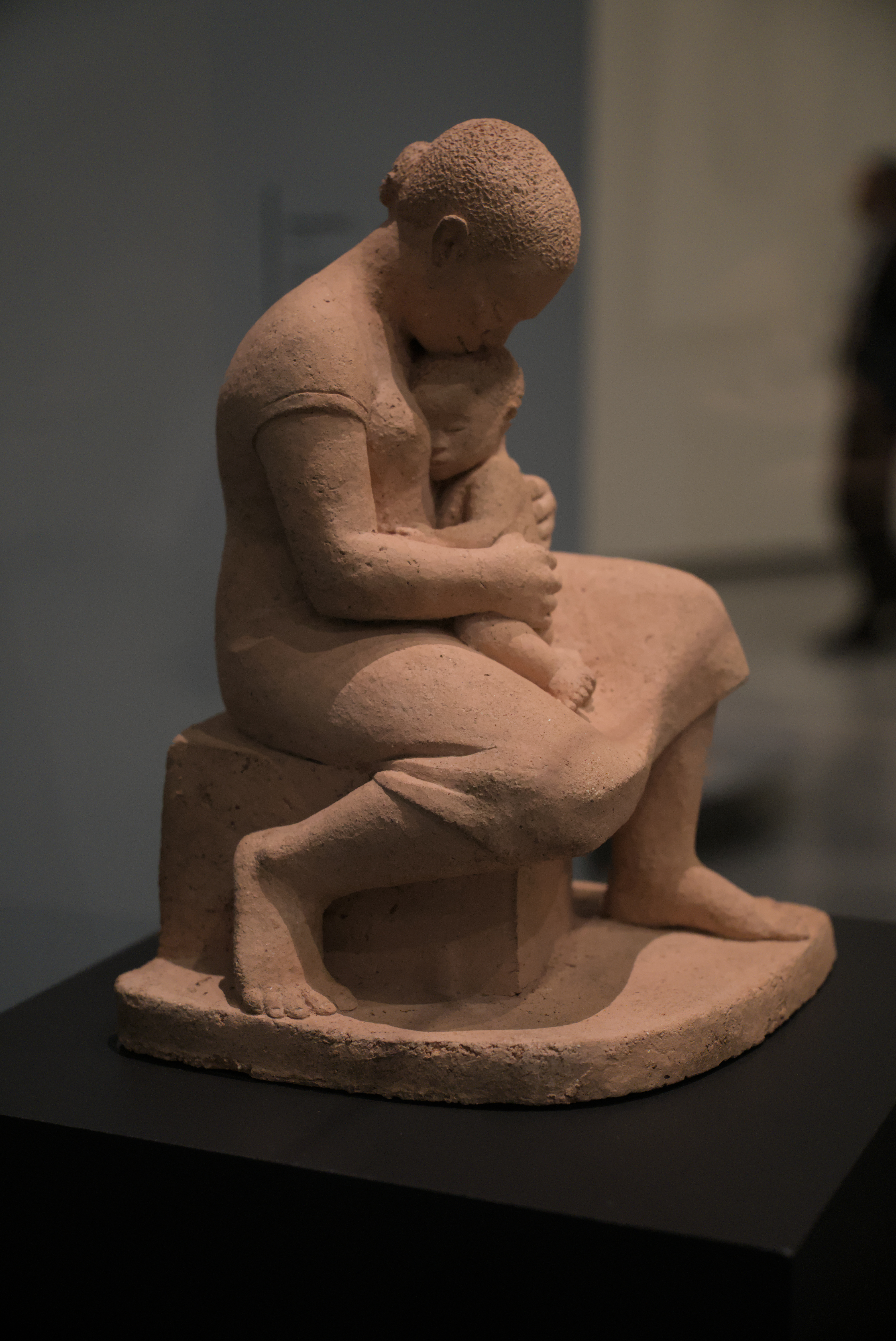


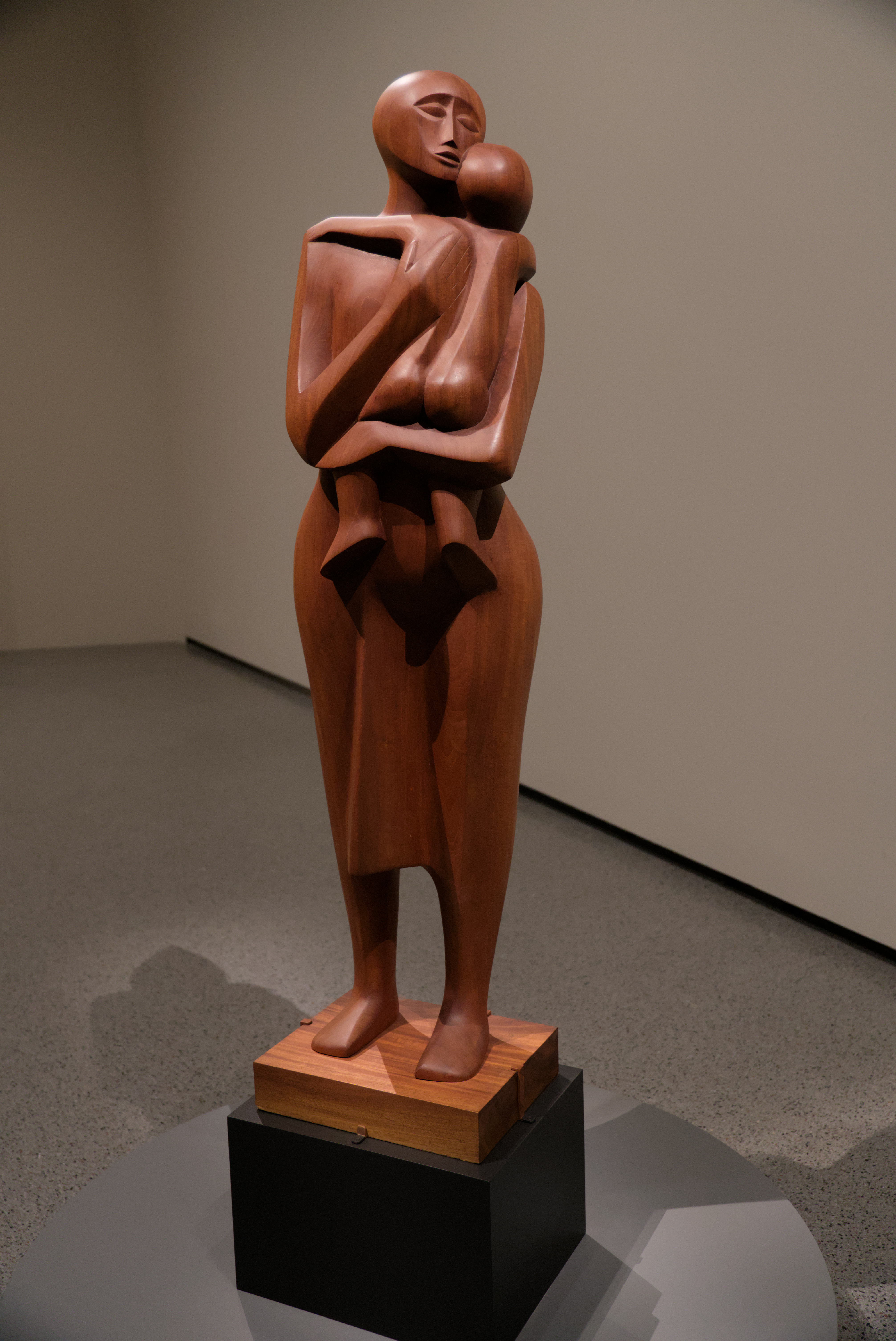
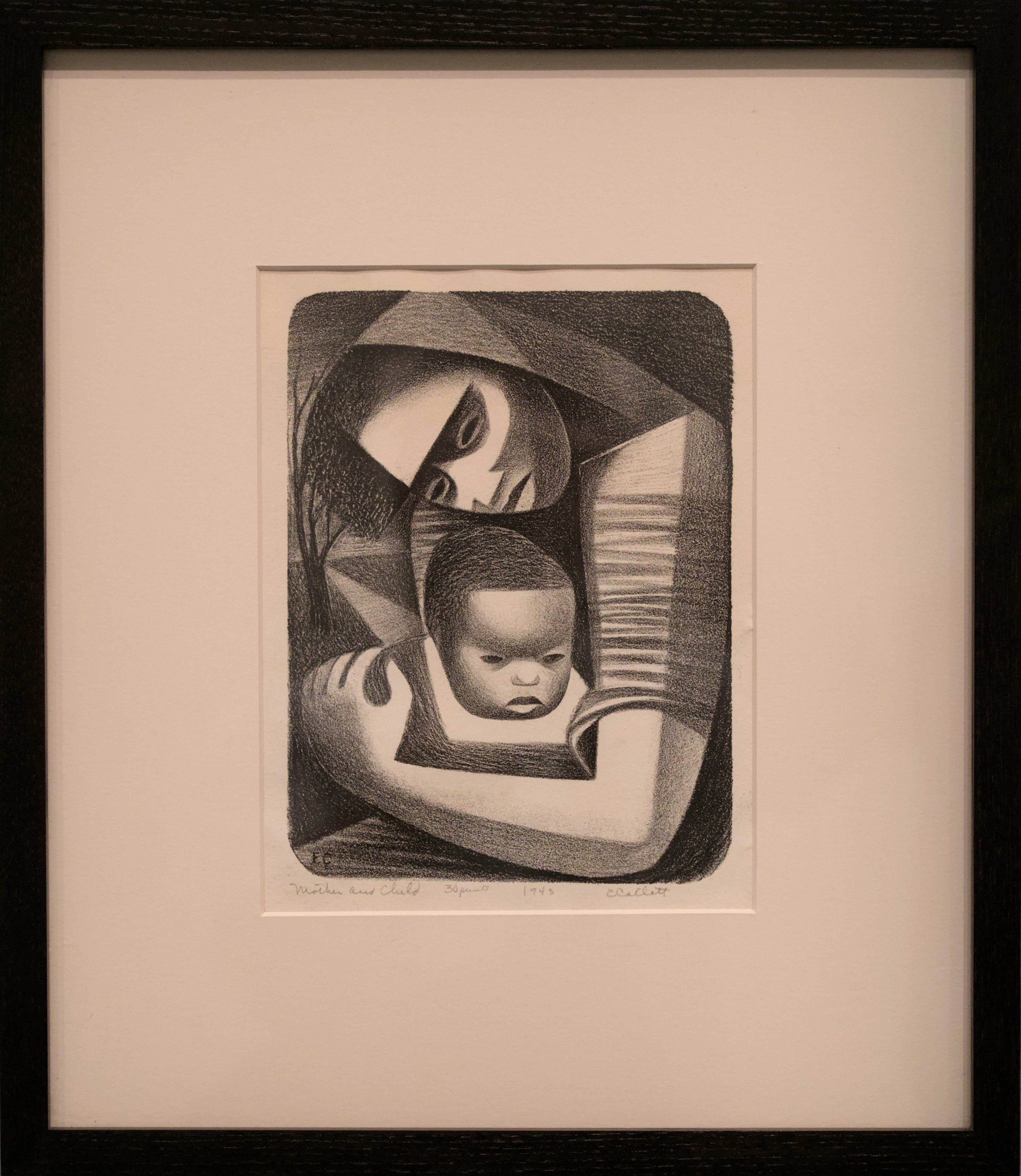
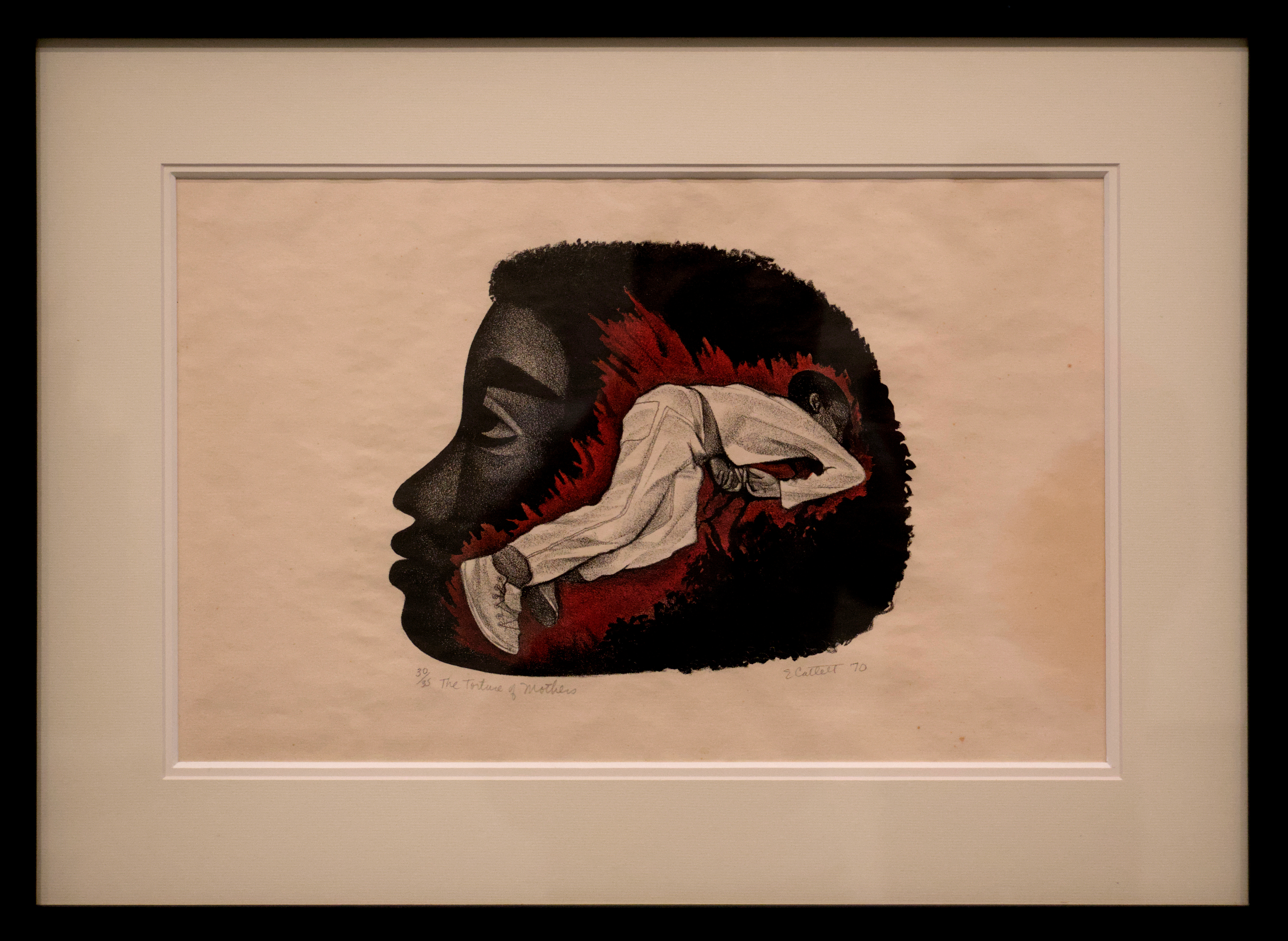


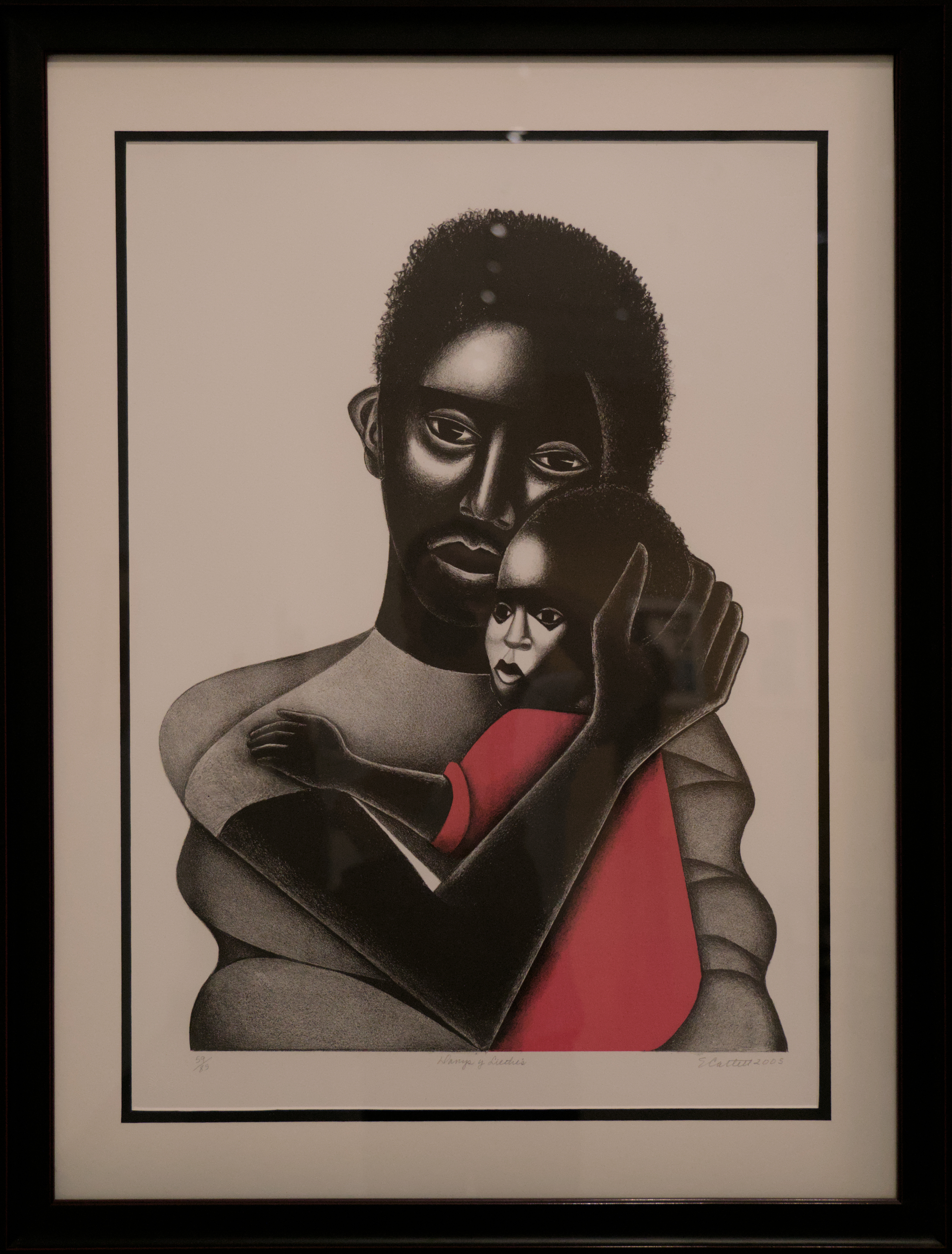

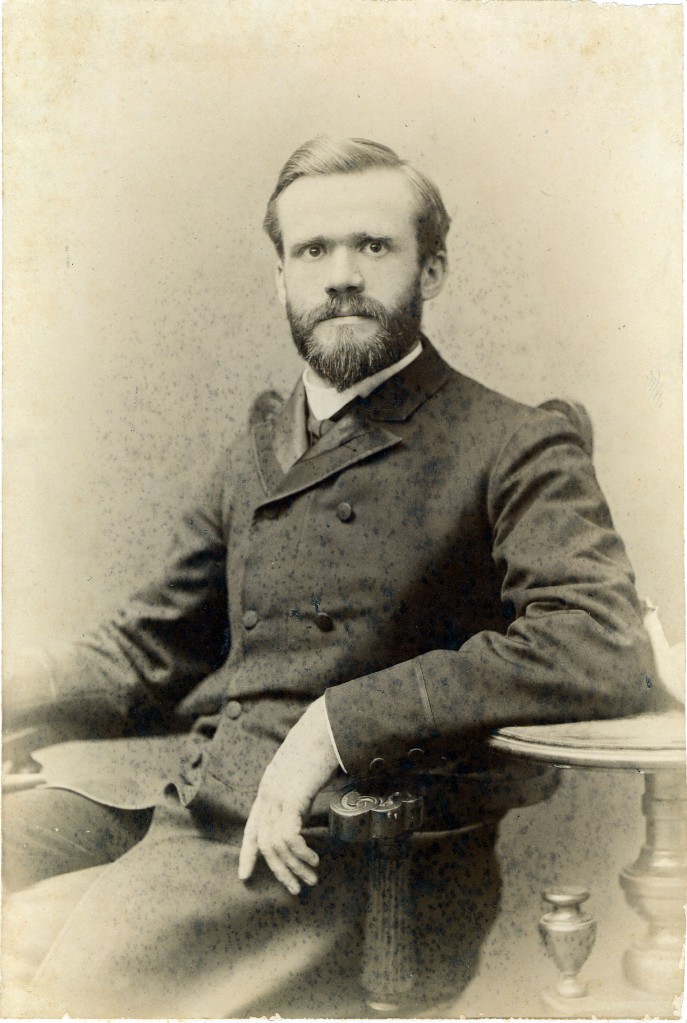
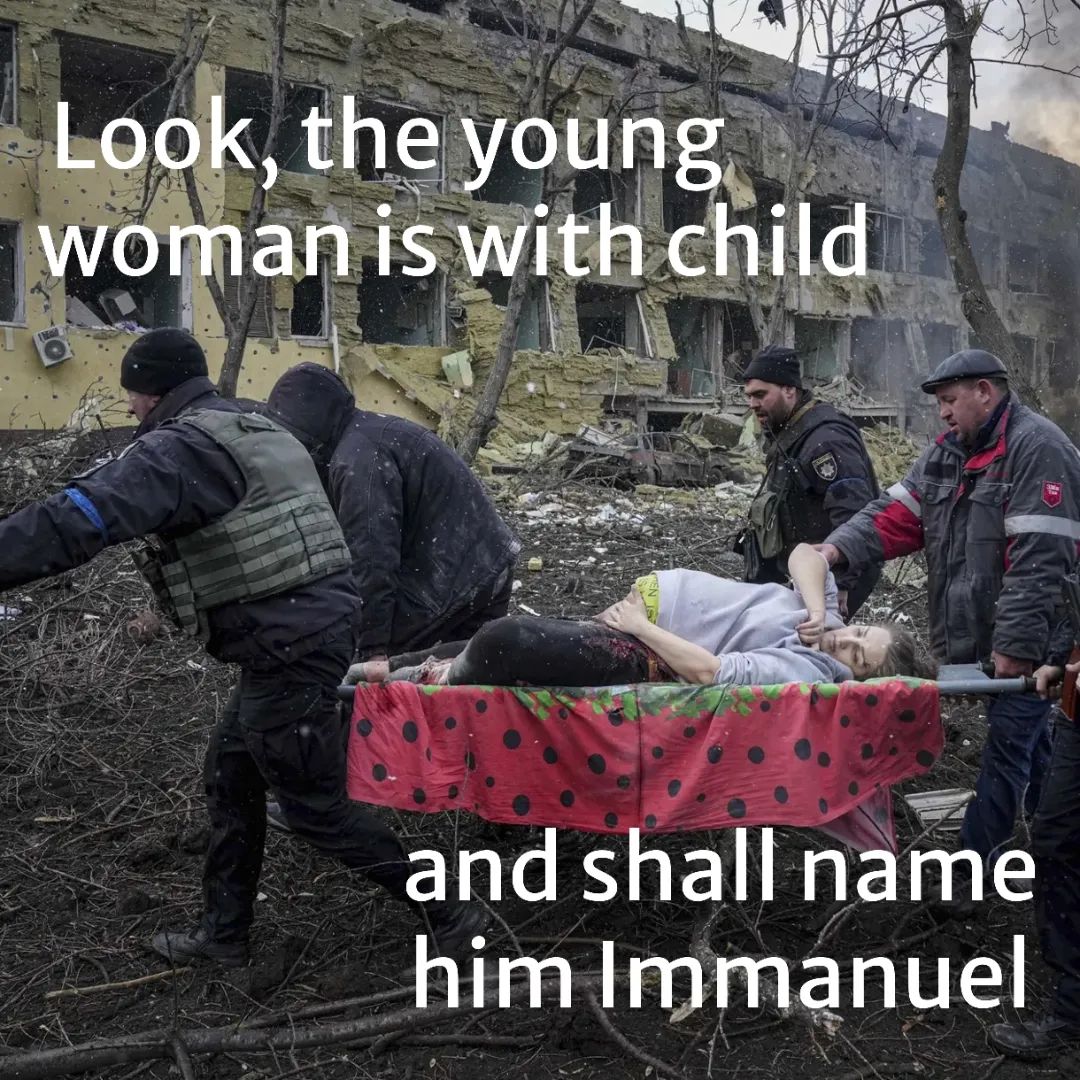
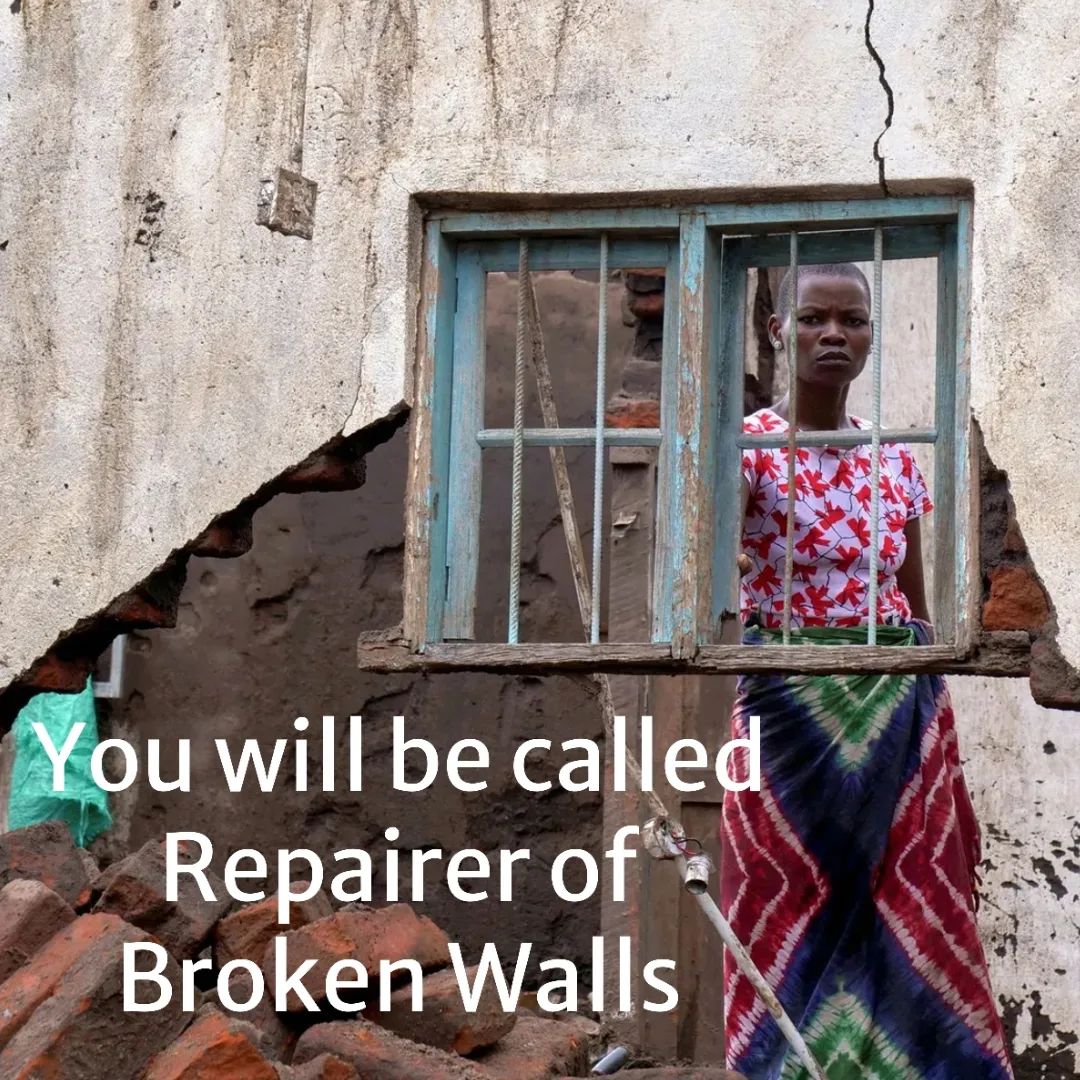
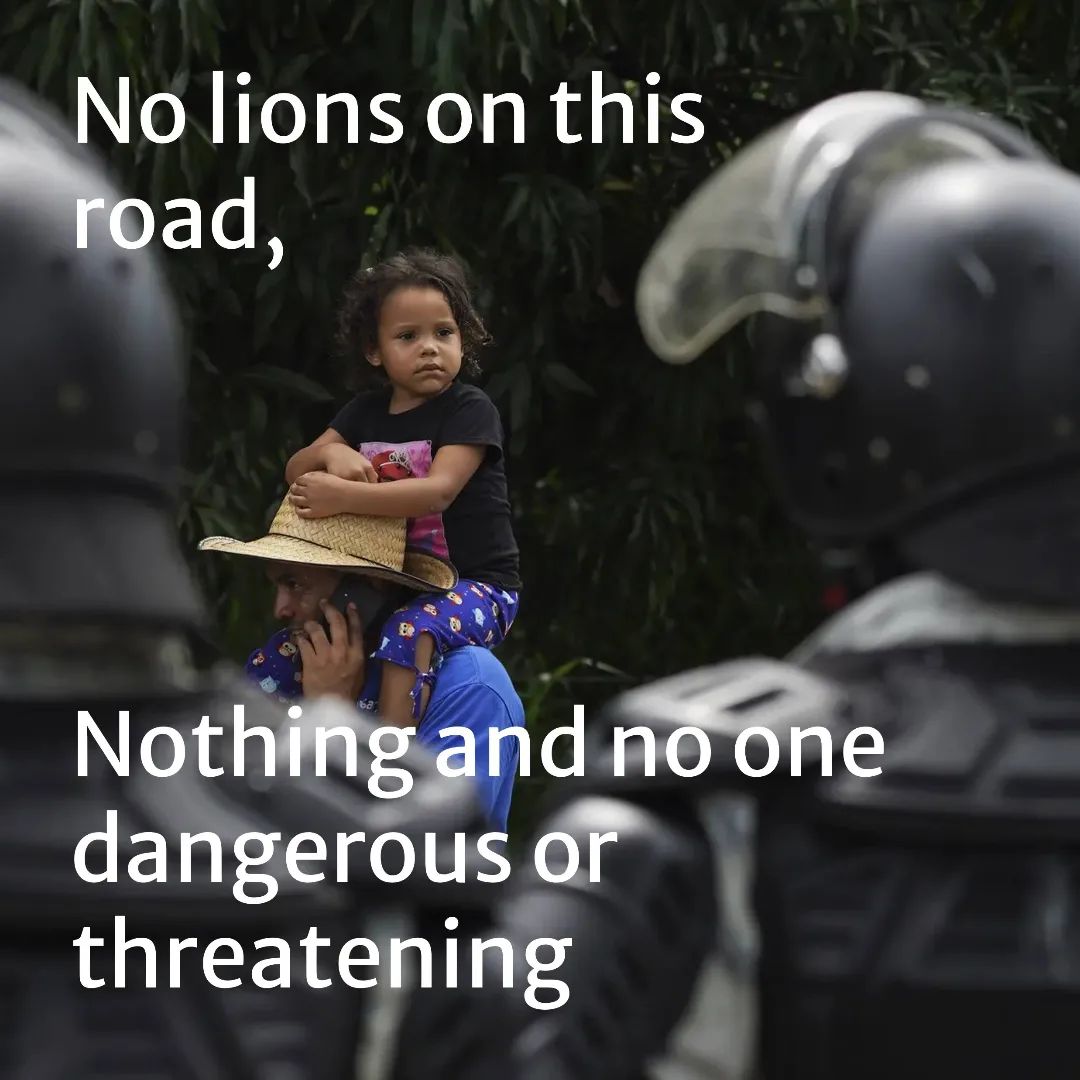

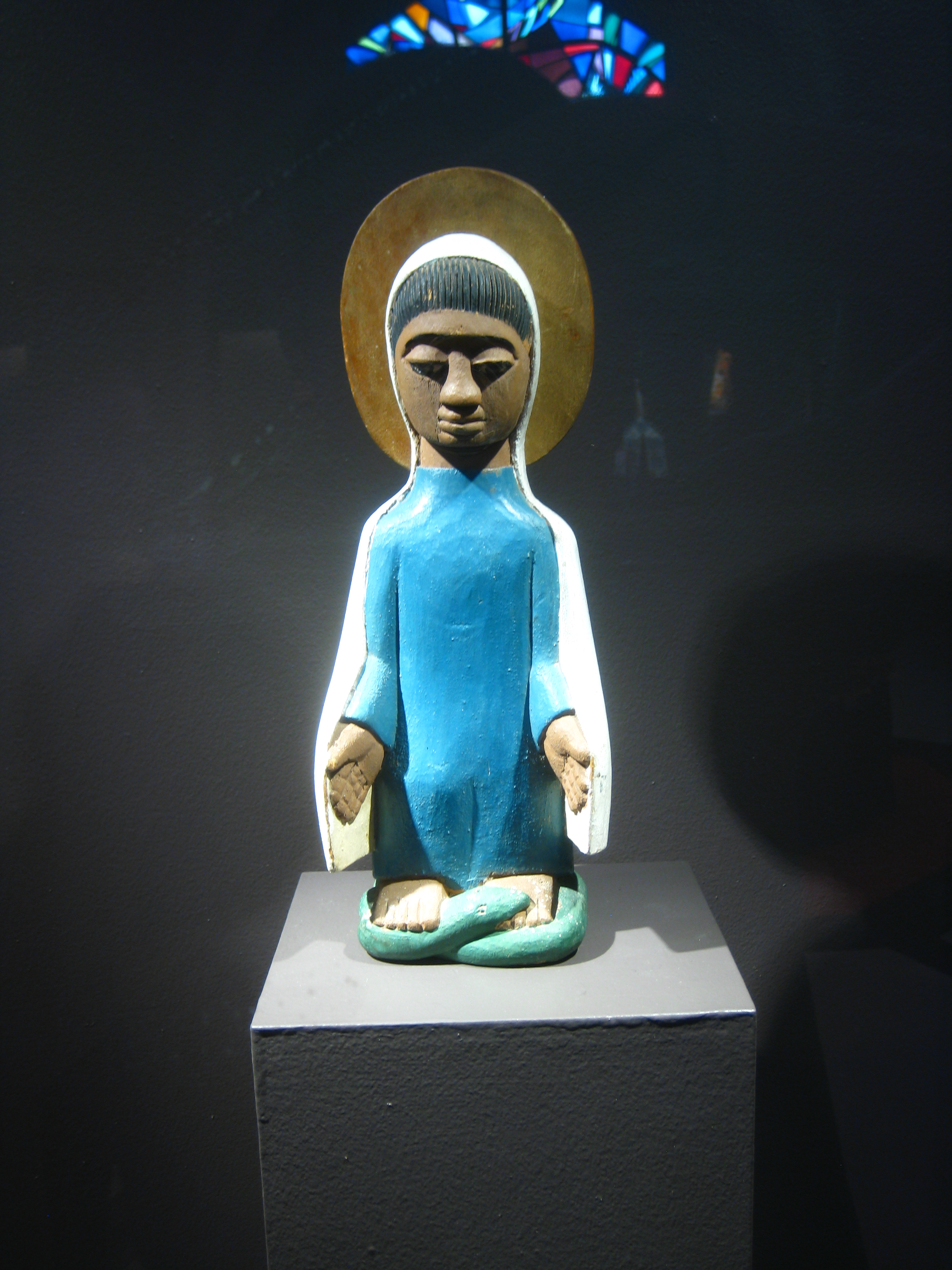
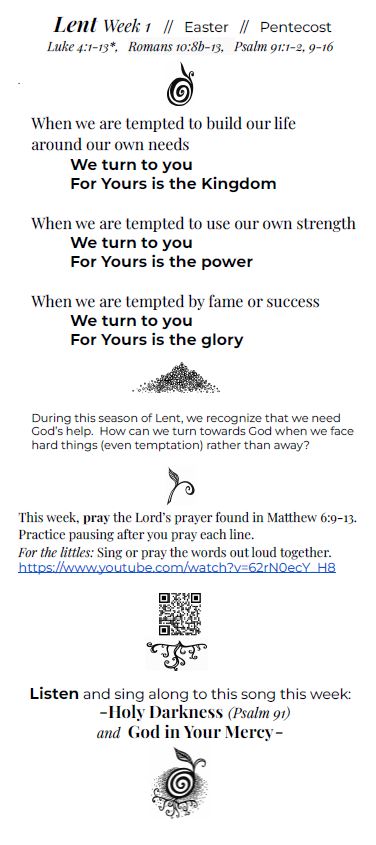


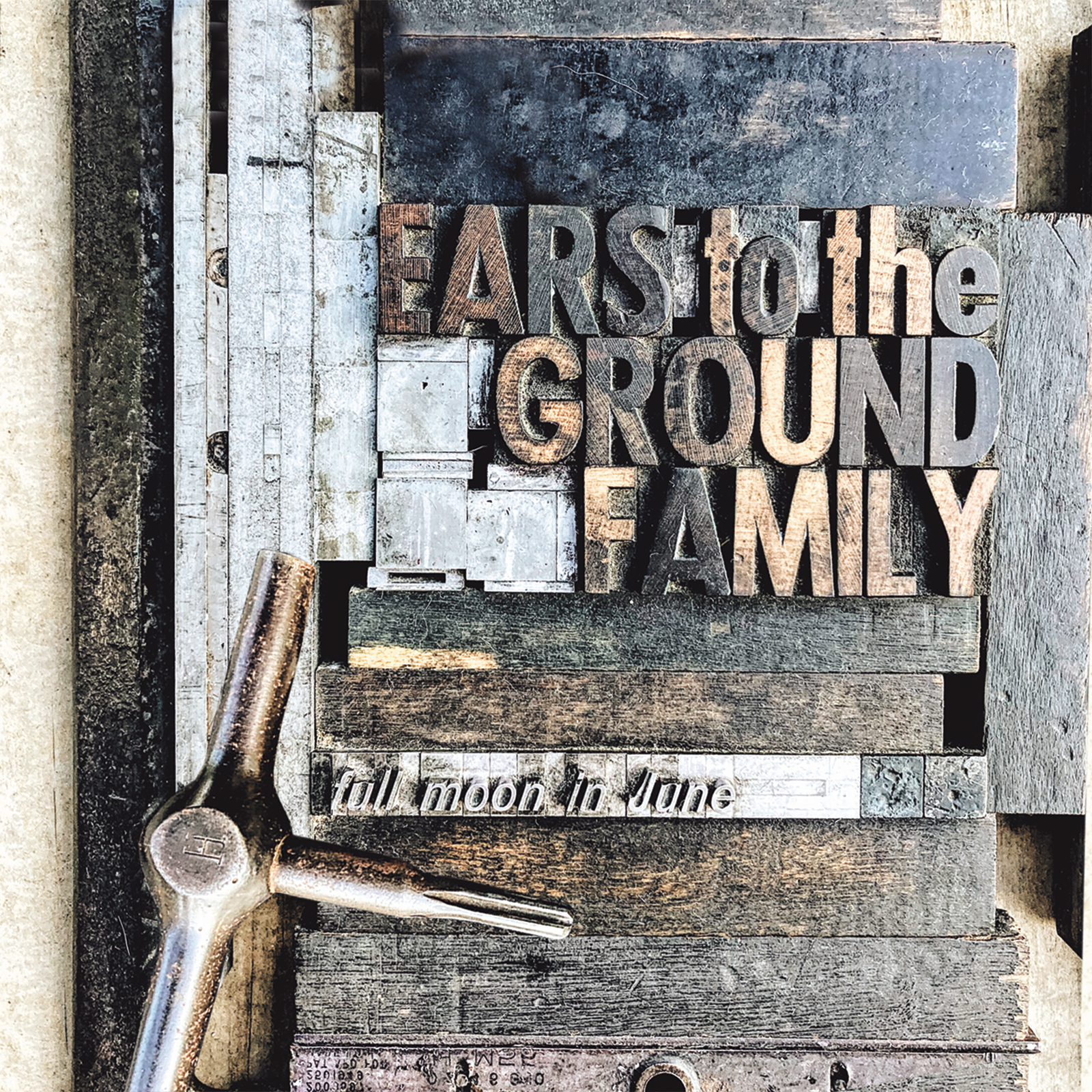

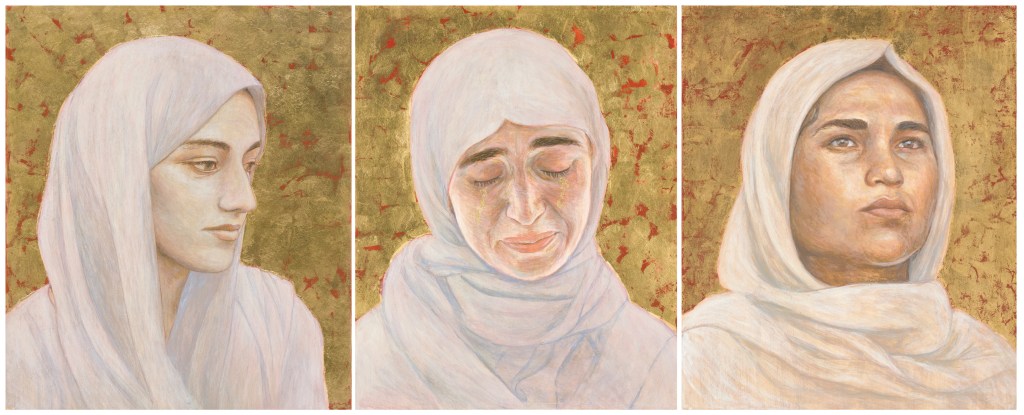


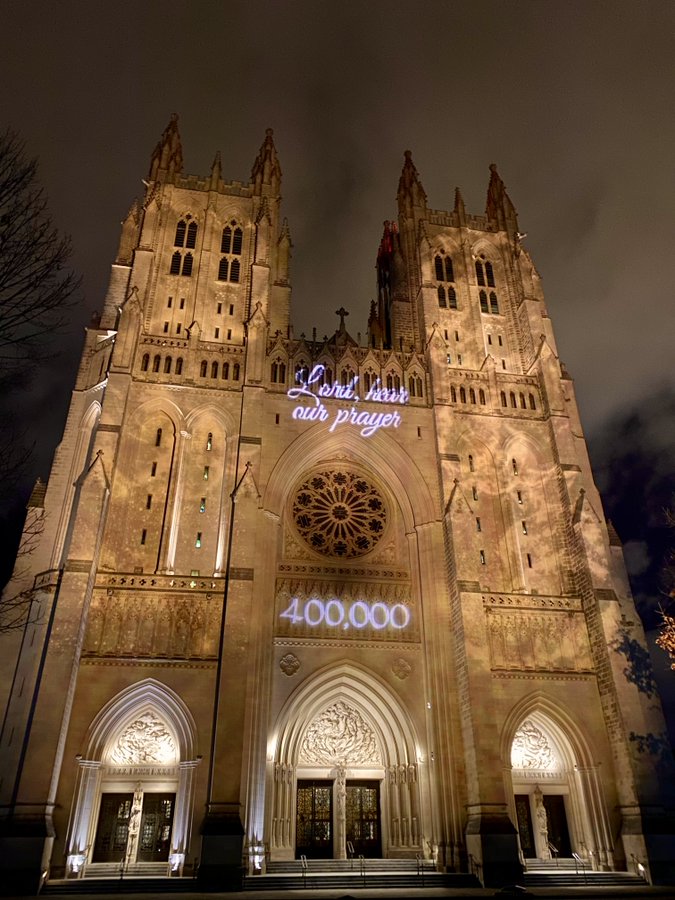
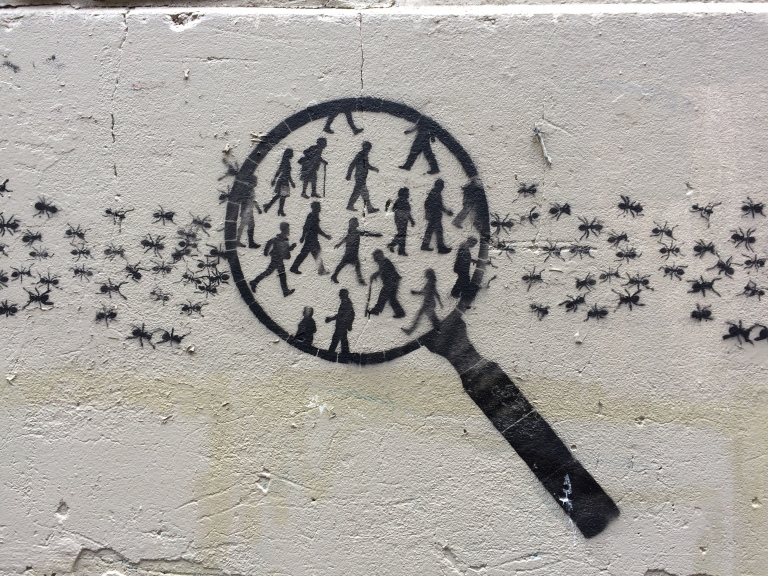
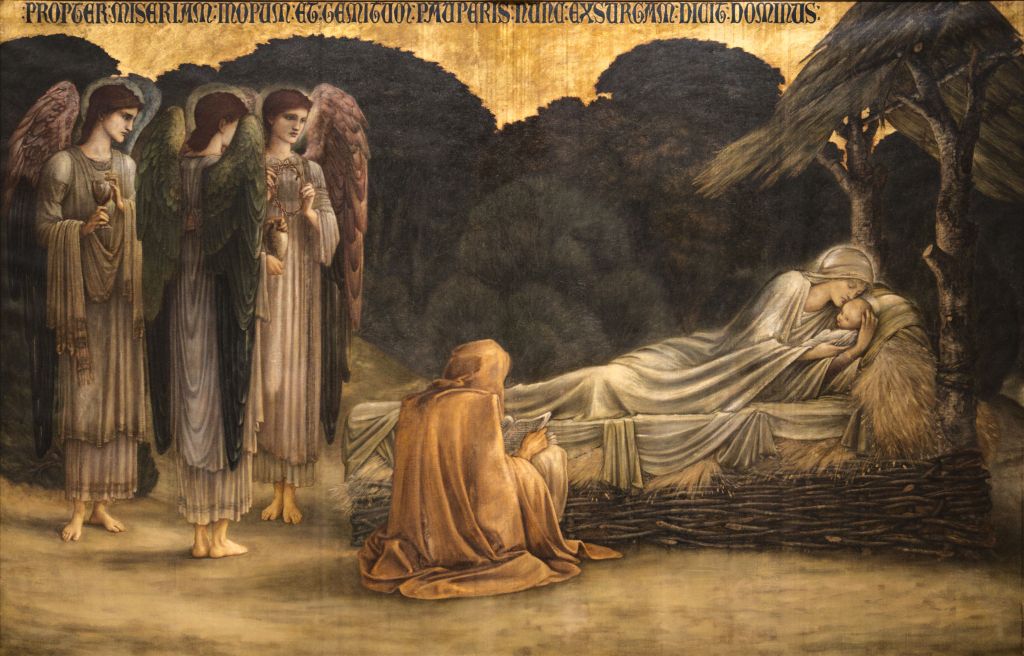
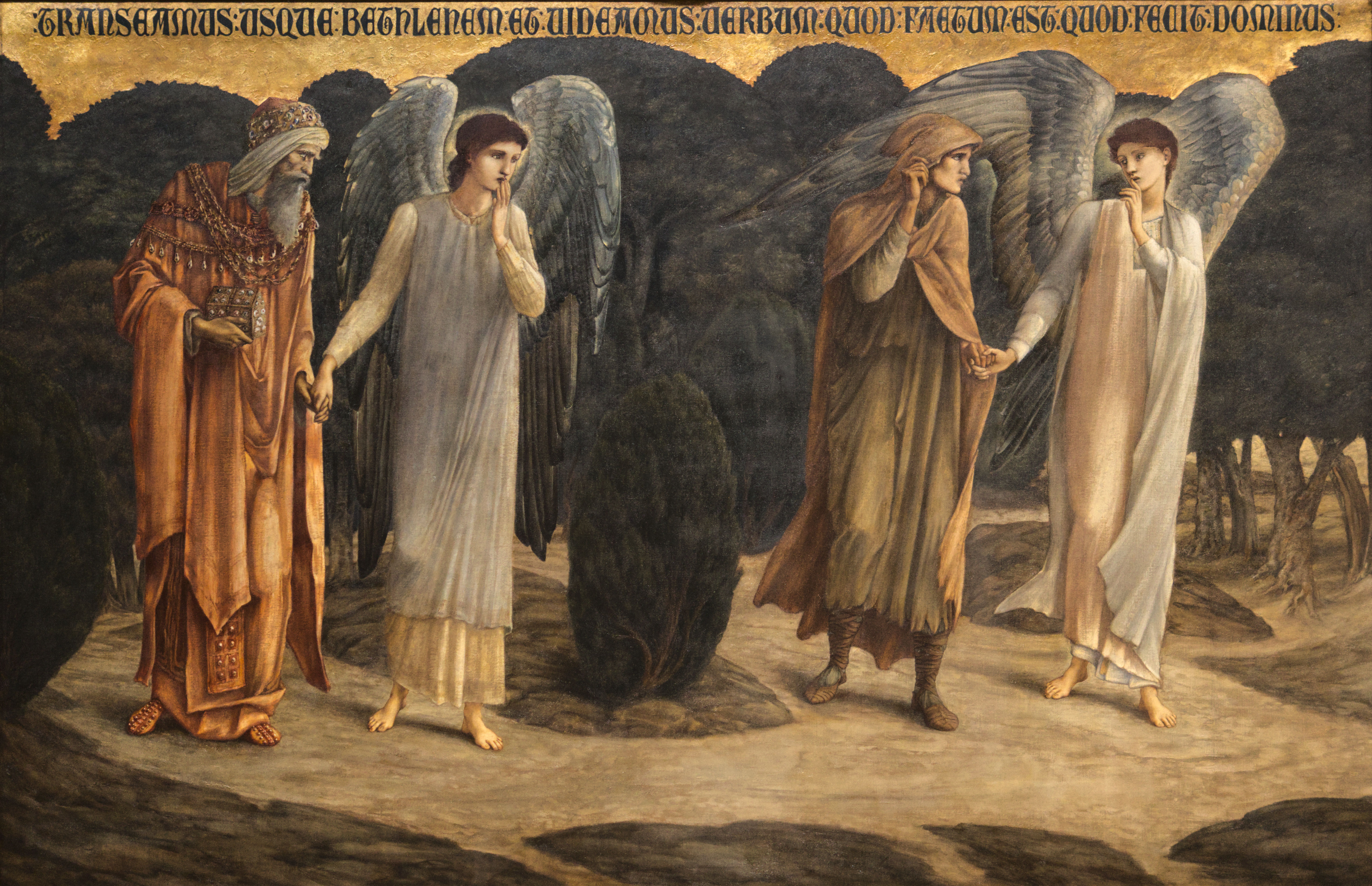
#/media/File:Edward_Burne-Jones_-_The_Nativity.jpg)


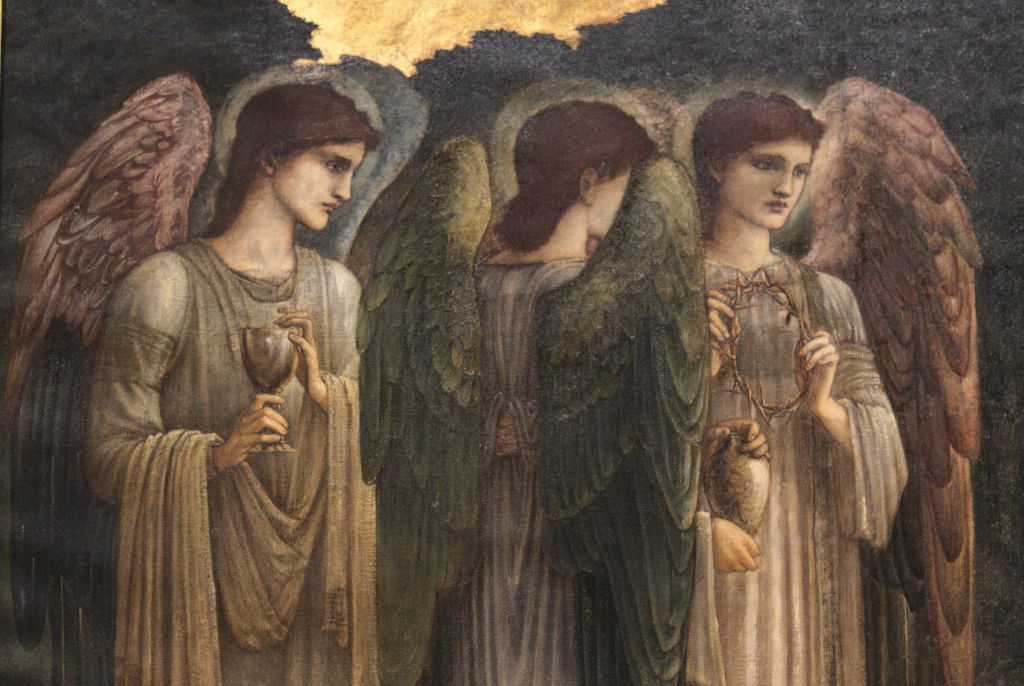
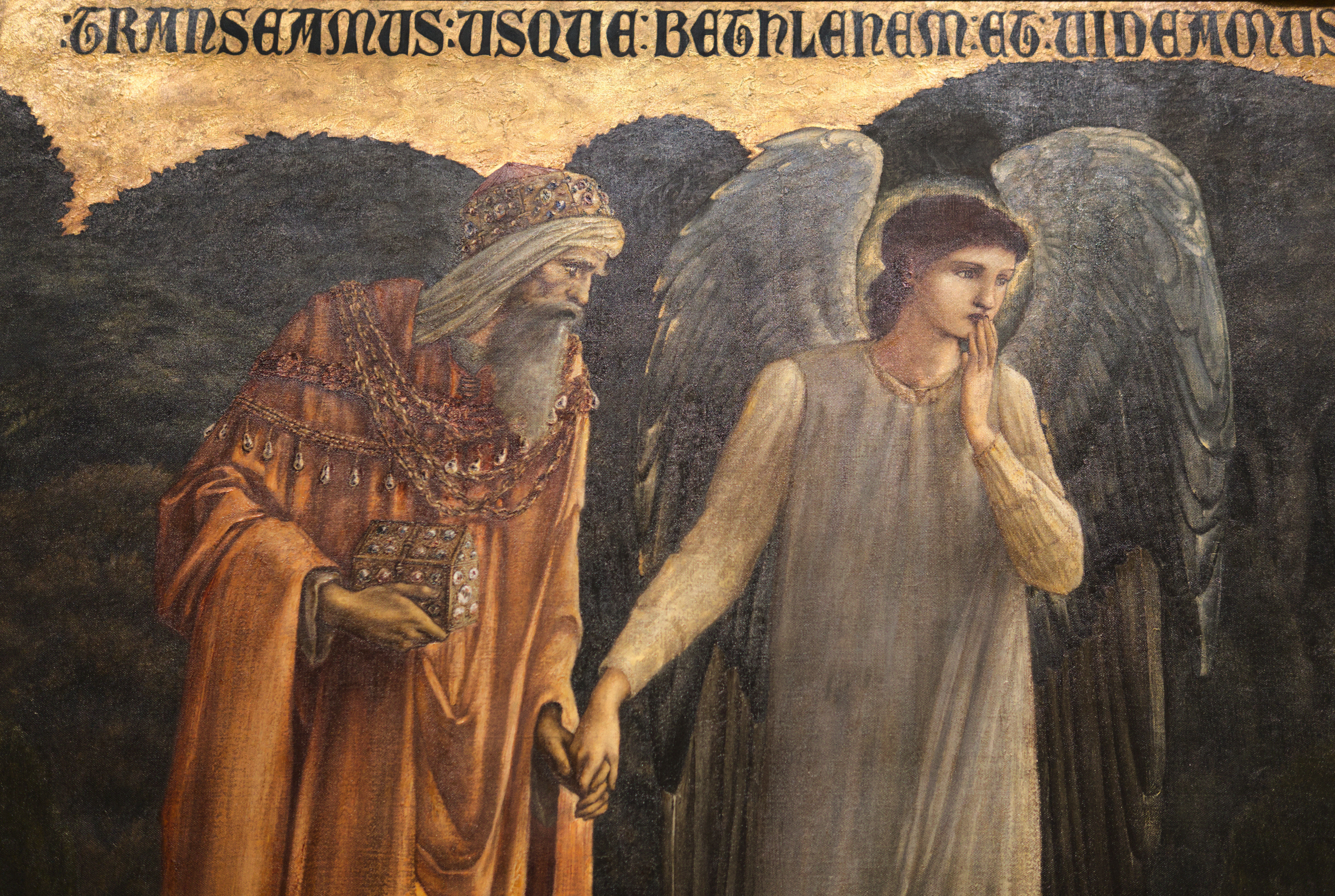

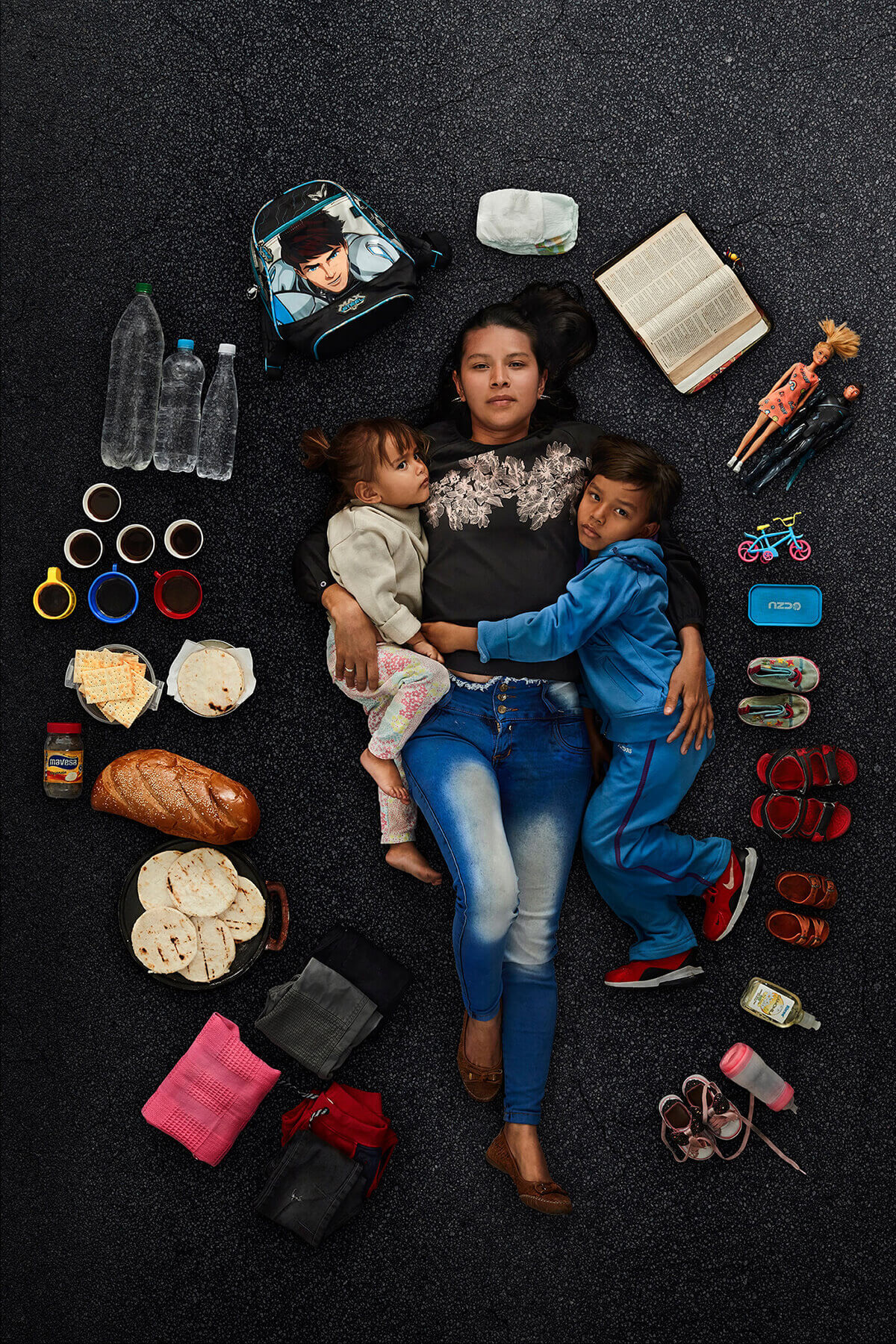


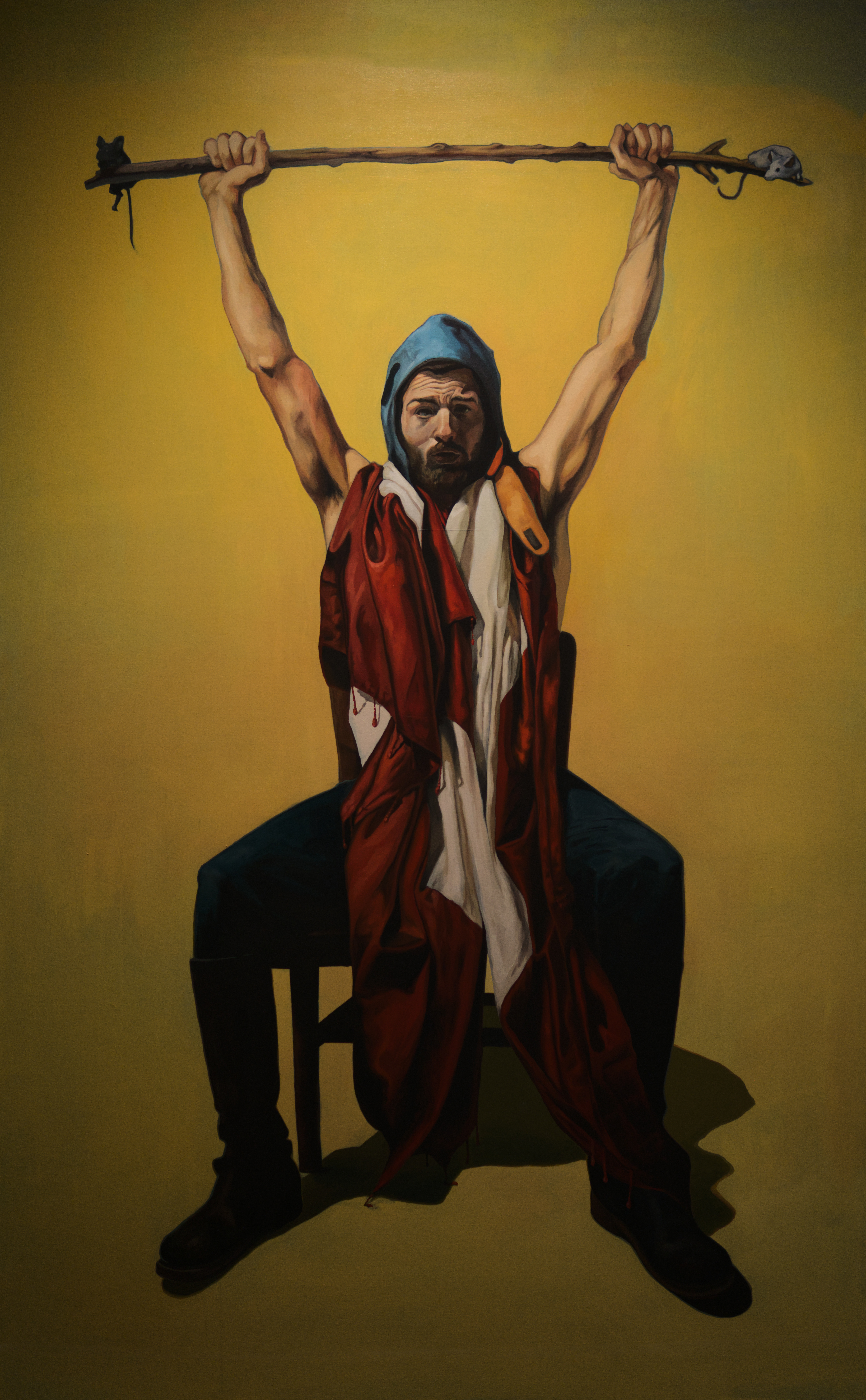

 Art & Theology