CONFERENCE: The Breath and the Clay: Exploring the Intersections of Art, Faith, and Culture, Winston-Salem, North Carolina, March 20–22, 2026: “Before the first word is spoken, before the brush touches the canvas or the note strikes the air, there is silence. Creation begins with a clearing, making space for new worlds to exist. An empty chair waits in welcome, an empty forest beckons us to come aside. Even absence itself becomes an opening for presence.
“At The Breath & The Clay 2026, we are exploring what it means to make space—for rest, for renewal, for art, for one another, and for the Presence that meets us in the emptiness. Together, we will practice making room: for the unfinished, and the unfurnished, for the overlooked, for voices not our own. In this space, we will make art—our response to the silence that precedes creation, our offering to the mystery and miracle that ever calls us onward.”
This annual gathering features presenters from across the disciplines of poetry, music, visual art, theater, film, dance, creativity coaching, and real estate development. General admission is $299.
>> “How Long (A Christian Lament)” by IAMSON: This week the Richmond, Virginia–based singer-songwriter IAMSON (the artist name of Orlando Palmer) wrote his pain into a song and shared it on social media. “I challenge all Christian artists to write about what’s really going on,” he says, likely referring to the two murders committed this month by US federal agents from Immigration and Customs Enforcement (ICE) and Customs and Border Protection (CBP) and, more broadly, the agencies’ hypermilitarized tactics, indiscriminate raids, illegal detainments, and terrorizing of communities in deference to President Trump’s mass deportation initiative.
>> “Psalm 10” by Poor Bishop Hooper: Poor Bishop Hooper (Leah and Jesse Roberts) have set all 150 psalms of the Bible to music. Psalm 10 is one I had not ever heard a musical interpretation of. Belonging to the genre of lament, it opens:
Why, O LORD, do you stand far off? Why do you hide yourself in times of trouble? In arrogance the wicked persecute the poor— let them be caught in the schemes they have devised.
>> “Micah 6:8” by Monroe Crossing:Monroe Crossing [previously] is a Minnesota bluegrass band whose members are Lisa Fuglie (fiddle), David Robinson (banjo), Derek Johnson (guitar), Matt Thompson (mandolin), and Mark Anderson (bass). This is a song Fuglie and Anderson wrote in 2011 inspired by Micah 6:8, one of this coming Sunday’s lectionary readings: “He has told you, O mortal, what is good, and what does the LORD require of you but to do justice and to love kindness and to walk humbly with your God?” Many Christians hold on to this as a “life verse,” a summation of God’s values that serves as a guiding principle.
FREE DIGITAL POETRY BOOKLET: Inkwell Poetry for the New Year (2026): Last week Inkwell (formerly Ekstasis), a publication of Christianity Today, released a collection of twenty poems curated by guest editor J. C. Scharl, and it’s excellent! “A storytelling community seeking transcendence,” Inkwell is in a period of refining their identity, and this offering is a sort of stopgap until they reintroduce poetry features into their editorial flow. (Right now they’re focusing on creative nonfiction.)
EXHIBITION: Sing a New Song: The Psalms in Medieval Art and Life, Morgan Library and Museum, New York, September 12, 2025–January 4, 2026:Sing a New Song traces the impact of the Psalms on people in medieval Europe from the sixth to sixteenth centuries, showing how this poetic book of the Bible suffused daily life, church liturgies, and art. The exhibition features, of course, numerous illuminated Psalters, as well as other art objects influenced by the Psalms, culled from the Morgan’s own collection and some two dozen institutions around the world.
Lorenzo Monaco (Italian, ca. 1370–ca. 1425), David, ca. 1408–10. Tempera on wood, gold ground, 22 3/8 × 17 in. (56.8 × 43.2 cm). Metropolitan Museum of Art, New York.
To coincide with the exhibition, on October 10 at 2 p.m. and 3 p.m., the Beijing-based artist Bingyi will be premiering a site-specific performance work in the Morgan’s garden (free with museum admission), made possible in part by the Foundation for Spirituality and the Arts. Titled Heaven and Earth: The Garden of Cosmos, the processional performance is “inspired by Psalm 104 and its reverence for creation, divine order, and cosmic harmony that transcend cultural boundaries.” Drawing on her longstanding engagement with both Abrahamic scriptures and Chinese philosophical traditions, Bingyi will be clad in a flowing, ink-painted garment and be joined by the Tibetan ritual master Nanmei and the Yi singer Aluo.
Rehearsal for Heaven and Earth: The Garden of the Cosmos by Bingyi, to premiere October 10, 2025, at the Morgan Library and Museum in New York City
+++
ONLINE FILM SEMINAR:Dreaming the World: Looking at the World through the Eyes of the Other with Gareth Higgins, September 30–November 11, 2025: “We live in anxious times, with our vision often limited to suspicion of others, concern about the future, and withdrawing into enclaves of the familiar. It can become a self-fulling prophecy, a vicious cycle which does not nurture the security, never mind the happiness we seek. It’s becoming clearer by the day that we need to be dislodged from the narrow circles of self-oriented, tribal thinking. There is a more expansive universe, characterized by connection, sharing, and taking responsibility for co-creating the next good day.”
Sponsored by Image journal and The Porch, Dreaming the World is a seven-week course in which participants will watch seven movies—one from each continent—and learn a more global way of thinking. Leader Gareth Higgins [previously] will share a short video introduction and written essay for each film, and registrants are invited to join a members’ Facebook page for conversation, as well as a weekly video call to discuss the movie and its implications for how we might live better. Those video calls will take place on Tuesdays from 7:00 to 8:15 p.m. ET on September 30, October 7, October 14, October 21, October 28, November 4, and November 11, 2025, but will also be recorded for asynchronous viewing.
The seminar is valued at $195, but the organizer is generously allowing registrants to pay what they can. I will be participating. Join me?
+++
CALLS FOR PAPERS:
>> From the Association of Scholars of Christianity in the History of Art:“‘And Who is My Neighbor?’: Refuge, Sanctuary, and Representation”: “The parable of the Good Samaritan (Luke 10:25–37) endures as a powerful meditation on compassion, hospitality, and the boundaries of moral responsibility. In an age marked by geopolitical instability, mass displacement, and deepening social divides, the question ‘And who is my neighbor?’ acquires renewed urgency. We welcome proposals that consider the ways in which visual culture has interpreted, challenged, or reimagined the ideals of refuge and hospitality within religious and intercultural frameworks. How have artistic practices responded to religious calls to welcome the stranger? In what ways do images negotiate the tensions between inclusion and exclusion, faith and politics, identity and alterity? How do modern and contemporary artworks embody, resist, or reinterpret Christian and other religious conceptions of community, care, and obligation? Proposals that engage Catholic visual cultures or interpretive frameworks, perspectives from the Global South, or comparative interreligious approaches are especially encouraged.” To be presented February 17, 2026, at ASCHA’s day-long symposium at DePaul University Chicago, or February 18–21 2026, at the 114th annual CAA Conference. Proposal submission deadline: October 15, 2025.
>>From theRaclin Murphy Museum of Art at the University of Notre Dame: “The Art of Encounter: Exploring Spiritual Engagement with Art Objects”: This museum is seeking papers exploring the relationship between art, spirituality, and museum spaces, to be presented April 24, 2026, at the museum’s spring symposium. Proposals that investigate how encounters with art can shape spiritual understanding, foster theological insight, or deepen contemplative practice are all welcome. Proposal submission deadline: November 3, 2025.
+++
SONGS:
September 15 through October 15 is Hispanic Heritage Month. One of the many ways Latinos have contributed to Christian artistic culture has been through the writing and singing of coritos: short, rhythmic, Spanish-language choruses used in worship. Here are two examples, the first one traditional and the second one new.
>> “Montaña” (Mountain), led by Josue Avila: Recorded live on November 29, 2020, from Calvary Orlando’s Unity Sunday Service, this corito is based on Matthew 17:20. The lyrics translate to: “If you have faith like a mustard seed, thus says the Lord: you can tell the mountain, ‘Move, move,’ and that mountain will move!”
>> “Sal 22 / Te Amo” (Psalm 22 / I Love You) by Israel and New Breed with Aaron Moses: These two coritos, which released this summer as a single track, were written by Israel Houghton, Meleasa Houghton, Ricardo Sanchez, Aaron Lindsey, Rene Sotomayor, and Aaron Moses. The first is based on Psalm 22:3, which says that God is enthroned on the praises of his people, and is sung by Moses on lead; Houghton sings lead on the second.
Aaron Moses, of Dominican and Ecuadorian descent, is best known for his work with Maverick City Música.
Israel Houghton is not himself Latino (his mother is white, his biological father Black), but he was significantly influenced by his upbringing in a Hispanic neighborhood and church, a culture reflected in his musical output and that he remains connected to, not least through his wife, Adrienne Bailon (whom I know from The Cheetah Girls!).
+++
VIDEO: “In the Studio: Doris Salcedo making ‘A Flor de Piel’”: Produced by White Cube, this fourteen-minute documentary charts the collaborative, scientifically informed, labor-intensive process of making Doris Salcedo’s A Flor de Piel, an enormous shroud made of real rose petals as a memorial for a nurse who was brutally captured and murdered in Colombia. (“The title,” explains Lauren Hinkson, “is a Spanish idiomatic expression used to describe an overt display of emotions.”) The film includes footage from Salcedo’s Bogotá studio as well as interviews with the team of people who produced the work. I found this peek into the technical aspects of the piece fascinating.
However, the video doesn’t venture into the inspiration behind or meaning of the work. For a bit of that, see this audio clip from the Guggenheim (where A Flor de Piel was exhibited in 2015), and also Jonathan A. Anderson, The Invisibility of Religion in Contemporary Art, pages 123–24.
PRAYER: “God, I Wake” by Rev. Maren Tirabassi: A morning prayer for Ordinary Time.
+++
SONG: “Sólo le pido a Dios” (I Only Ask of God), performed by the Alma Sufí Ensamble: This is a cover of a 1978 song written in Spanish by the Argentine folk rock singer-songwriter León Gieco—a personal prayer that he would not be unfeeling, not numb to injustice. In a November 2023 collaboration with the Alma Sufí Ensamble, Gieco joined the Argentine Jewish cantor Gastón Saied (also a guest artist) and the ensemble’s own Nuri Nardelli, a practicing Sufi (Muslim mystic), in singing the song in Spanish, Hebrew, and Arabic, respectively. “Three languages, one heart. And one prayer for peace in the Middle East,” they write. View the original Spanish lyrics and English translation here.
+++
VIDEOS:
The following videos are two of thirteen—the ones focusing on the continent’s Christian heritage—from the docuseries Africa’s Cultural Landmarks, produced by the Metropolitan Museum of Art in collaboration with the World Monuments Fund and directed by Sosena Solomon. The series was commissioned to coincide with the reopening of the museum’s Arts of Africa galleries this May, after being closed for four years as part of a major redesign and renovation of the Michael C. Rockefeller Wing.
>> “Rock-Hewn Churches of Lalibela, Ethiopia”: “Stepping into one of the rock-hewn churches of Lalibela is an experience unlike any other. Carved directly from volcanic rock, from the top to bottom, unlike traditional buildings built from the ground up, the eleven wondrous churches of Lalibela are monumental expressions of devotion and symbols of Ethiopia’s spiritual heartland. Visually captivating and rich with personal insights from priests entrusted with care of the churches, this documentary reveals how these sanctuaries—both magnificent and fragile—face the constant threat of erosion. Meet the dedicated guardians balancing conservation and sacred duty, to ensure Lalibela’s living pilgrimage tradition thrives for generations to come.”
Bete Giyorgis (Church of Saint George), Lalibela, Ethiopia, 13th century
>> “Rock-Hewn Churches of Tigray, Ethiopia”: “High in Ethiopia’s Northern Highlands, the rock-hewn churches of Tigray stand as breathtaking sanctuaries of faith carved into sandstone cliffs. For centuries, some 120 rock-hewn churches, and the paintings and artifacts preserved within their walls, were protected by their remote locations. However, during the 2020–2022 war in Tigray, some churches were targeted, and the use of heavy weapons resulted in vibrations that caused cracks in the stone. Through evocative imagery and intimate testimonies, this documentary explores the endurance of these remarkable sites of devotion, as local priests reflect on the spiritual and cultural legacies at risk.”
Virgin and Child wall painting, 15th century, inside Abuna Yemata Guh (The Chapel Near the Sky) in Tigray, Ethiopia, which contains the best-preserved medieval paintings in the region
+++
ESSAY: “Shaped for People: Sacred Harp Singing in the Age of AI” by Mary Margaret Alvarado: From Image journal’s summer 2025 issue: “What is that, I thought, when I first heard shape note singing. It was groaning, and some voices keened. It was loud. It was muscular, this music. There was glory, but it was not pretty. The voices did not blend, and the sound was not nice. All I knew was that I wanted to hear it again. Maybe it seemed to me like an aesthetic that does not lie? I feel surrounded, often, by aesthetics that do lie. . . . So there’s a contrarian appeal to a song that sounds sung by humans in their (young, old, crooked, fat, gorgeous, hairy, halt, jacked, sexy, bald, injured, hale) human bodies . . .”
Writer Mary Margaret Alvarado reflects on her experiences participating in shape-note hymn sings, a democratic form of communal music making using the “sacred harp” of the human voice. She provides an abridged history of such singing, which developed in late eighteenth- and early nineteenth-century New England but is now carried on throughout the US and in the UK and Germany. I’d love to take part in a shape-note hymn sing someday, as I’ve long been drawn to the sound and tradition, which I know only from recordings. Besides the small gatherings organized by local communities, there are also large conventions, and I’ve been intrigued to learn that, despite the hymns’ deep rootedness in Christianity, non-Christians are often among the attendees.
Below are a few of the hymns Alvarado mentions in her essay: “Youth like the Spring Will Soon Be Gone” (MORNING SUN), “David’s Lamentation” over the death of his son Absalom, and “I’m Not Ashamed of Jesus” (CORINTH). Traditionally, the singers start by singing through an entire verse using only the four syllables of the Sacred Harp notation system (fa, sol, la, mi) as their lyrics, to orient themselves to the tune.
To browse previous Art & Theology posts that have featured hymns from the Sacred Harp tradition—albeit not all performed in a traditional manner; several are arranged for soloists or otherwise stylistically adapted—see https://artandtheology.org/tag/sacred-harp/.
+++
NEW ALBUM: Radiant Dawn by the Gesualdo Six: Released August 1 by the British vocal ensemble the Gesualdo Six, this album features “an ethereal combination of trumpet and voices to explore different shades of light . . . from the soft, golden glow of a summer evening as shadows lengthen to the shimmering of moonlight on calm waters,” writes director Owain Park. “Some texts contrast the terror of darkness with the brilliance of dazzling sunlight; others explore the blurred boundaries between heaven and earth. Plainchant threads this programme together . . .” A range of composers are represented, from the Middle Ages to the present day.
Several of the songs are based on biblical episodes—Simeon’s response to having held the Christ child in the temple, the transfiguration of Christ on Mount Tabor, the arrival of the holy women at Jesus’s tomb on Easter morning, the walk to Emmaus—or passages such as Psalm 5:2 (“O hearken thou . . .”) and Revelation 21:23 (“And the city had no need of the sun . . .”). There are bedtime prayers, a meditation on the glory of the angels, an O Antiphon for the approach of Christmas, and settings of contemporary poems, like “Grandmother Moon” by the Mi’kmaq poet Mary Louise Martin and “Aura” by Emily Berry, about the death of her mother. View the track list at https://www.hyperion-records.co.uk/dc.asp?dc=D_CDA68465.
Below, from the album, is the Gesualdo Six’s performance of “Night Prayer” by Alec Roth, a setting of the Te lucis ante terminum, featuring Matilda Lloyd on trumpet. “The stark setting reminds me of the ravages of war,” one YouTube user remarks. “The singing, of a prayer sent out over the carnage, blessing those who have suffered. Sacred space indeed.”
Vincent van Gogh (Dutch, 1853–1890), Pietà (after Delacroix), 1889. Oil on canvas, 73 × 60.5 cm. Van Gogh Museum, Amsterdam.
“Poor fighter, poor sufferer,”
my brother’s words for me.
                                                 Self-pity—
I have to beat it down. But how, exactly?
Never know when the next attack will come.
How to suppress religion?
Down the cloisters of the sick it beckoned—
I abused my God . . . that lithograph of Delacroix’s,
irredeemable sheets I flung in the paint and oil,
his Pietà in ruins.
                               Reconstruct it from memory.
Good technical exercise. Start with the hands,
there were four hands, four arms in the foreground—
mother and son, and the torsions of their bodies
almost impossible, draw them out—
painfully . . . no measurements—
into a great mutual gesture of despair.

Delacroix and I, we both discovered painting
when we no longer had breath or teeth.
Work into his work, strain for health,
the brain clearing, fingers firmer,
brush in the fingers going like a bow,
big bravura work—pure joy! I copy—
no, perform his masterwork of pain.

Genius of iridescent agony, Delacroix,
help me restore your lithograph with color.
I mortify before your model—
how to imitate my Christ? The bronze
of my forelock shadows his, the greatest artist:
stronger than all the others, spurning marble,
clay and paint, he worked in living flesh.

Living and yet immortal, Lord, revive me—
let me inhale the blue of Mary’s cape
billowing hurricanes of hope, clothe me
in your cerements gold with morning—
mother and son, from all your sorrow
all renewal springs, the earth you touch
turns emerald as your hand that burgeons green.
Robert Fagles (1933–2008) (PhD, Yale) was an award-winning American translator, poet, and academic. He is best known for his many translations of ancient Greek and Roman classics, especially the epic poems of Homer. He taught English and comparative literature at Princeton University from 1960 until his retirement in 2002, chairing the department from 1975 onward.
Vincent van Gogh (1853–1890) was raised in the Dutch Reformed Church, the son of a small-town minister—and even worked himself as a lay preacher in the Borinage mining region of southwestern Belgium for two years in his mid-twenties. While there, he gave away all his possessions and lived in poverty like those he served, eating a spare diet, wearing rough garments, and sleeping on the floor. Ironically, his sponsoring evangelical committee deemed such behavior unbecoming of a minister of the gospel, and, due also to his lack of eloquence and theological refinement, they withdrew their support.
This rejection soured Vincent on institutional Christianity. But it didn’t squash his faith. After moving back in with his parents in Nuenen, the Netherlands, he wrote to his brother and close confidante, Theo:
Life [. . .] always turns towards one an infinitely meaningless, discouraging, dispiriting blank side on which there is nothing, any more than on a blank canvas.
But however meaningless and vain, however dead life appears, the man of faith, of energy, of warmth, and who knows something, doesn’t let himself be fobbed off like that. He steps in and does something, and hangs on to that, in short, breaks, ‘violates’ – they say.
Let them talk, those cold theologians. [Letter 464]
Although Vincent left the church and developed conflicted feelings about the Bible, he maintained a reverence for Christ to the end of his days. His time in the Borinage was not for nothing, as it’s there that he discovered, through sketching his parishioners and the surrounding landscapes, his calling to be an artist.
This new vocation was one he ascribed metaphorically to Christ. In a letter to his friend and fellow artist Émile Bernard dated June 26, 1888, Vincent wrote that Jesus’s masterworks are human beings made fully and eternally alive:
Christ – alone – among all the philosophers, magicians, &c. declared eternal life – the endlessness of time, the non-existence of death – to be the principal certainty. The necessity and the raison d’être of serenity and devotion. Lived serenely as an artist greater than all artists–disdaining marble and clay and paint – working in LIVING FLESH. I.e. – this extraordinary artist, hardly conceivable with the obtuse instrument of our nervous and stupefied modern brains, made neither statues nor paintings nor even books . . . he states it loud and clear . . . he made . . . LIVING men, immortals. [Letter 632]
In the same letter, he contended that “the figure of Christ has been painted – as I feel it – only by Delacroix and by Rembrandt…….. And then Millet has painted…. Christ’s doctrine.”
These are the three artists Vincent admired most. He mentions them many times throughout his ample correspondence with family and friends, and he made paintings after all three.
The only painting Vincent ever made of Christ was his Pietà, which he painted in two versions in September 1889, both after the French artist Eugène Delacroix (1798–1863). These are among the many works Vincent painted at a psychiatric hospital in Saint-Rémy-de-Provence in southern France, to which he had voluntarily committed himself after suffering an acute mental breakdown that resulted in his infamous severing of his left ear on December 23, 1888. Theo had rushed to Arles, where Vincent was living in “the Yellow House” at the time, and on December 28 reported on Vincent’s condition in a letter to his wife, Jo van Gogh-Bonger:
I found Vincent in the hospital in Arles. The people around him realized from his agitation that for the past few days he had been showing symptoms of that most dreadful illness, of madness, and an attack of fièvre chaude, when he injured himself with a razor, was the reason he was taken to hospital. Will he remain insane? The doctors think it possible, but daren’t yet say for certain. It should be apparent in a few days’ time when he is rested; then we will see whether he is lucid again. He seemed to be all right for a few minutes when I was with him, but lapsed shortly afterwards into his brooding about philosophy and theology. It was terribly sad being there, because from time to time all his grief would well up inside and he would try to weep, but couldn’t. Poor fighter and poor, poor sufferer. Nothing can be done to relieve his anguish now, but it is deep and hard for him to bear. [Letter 728]
Vincent returned to the Yellow House in January 1889 but over the next few months experienced recurring bouts of mania and depression and was in and out of the hospital. Some of the people of Arles grew increasingly frightened by his erratic behavior, and they essentially ran him out of town. That’s when he made his way twenty miles northeast to the town of Saint-Rémy to check in to Saint-Paul-de-Mausole, a former monastery that then, as now, served as a hospital for the mentally ill.
Vincent had two rooms there, one of which he used as a studio, setting up the various print copies he owned of acclaimed paintings. One was a lithograph by Célestin François Nanteuil-Leboeuf after Delacroix’s Pietà, from the portfolio Les artistes anciens et modernes. (Theo had bought and sent him this litho at his request.) Vincent lamented to his brother that he accidentally damaged it with spilled paint—but that impelled him to paint his own copy of Delacroix. On September 10, 1889, he wrote:
Work is going very well, I’m finding things that I’ve sought in vain for years, and feeling that I always think of those words of Delacroix that you know, that he found painting when he had neither breath nor teeth left. Ah well, I myself with the mental illness I have, I think of so many other artists suffering mentally, and I tell myself that this doesn’t prevent one from practising the role of painter as if nothing had gone wrong.
[. . .] In the very suffering, religious thoughts sometimes console me a great deal. Thus this time during my illness a misfortune happened to me – that lithograph of Delacroix, the Pietà, with other sheets had fallen into some oil and paint and got spoiled.
I was sad about it – then in the meantime I occupied myself painting it, and you’ll see it one day, on a no. 5 or 6 canvas I’ve made a copy of it which I think has feeling. [. . .] My fingers [are] so sure that I drew that Delacroix Pietà without taking a single measurement, though there are those four outstretched hands and arms – gestures and bodily postures that aren’t exactly easy or simple. [Letter 801]
LEFT: Eugène Delacroix, Pietà, ca. 1850, oil on canvas, 35.6 × 27 cm, National Museum of Art, Architecture and Design, Oslo. CENTER: Célestin François Nanteuil-Leboeuf, Pietà (after Delacroix), 1853, lithograph, Van Gogh Museum, Amsterdam. RIGHT: Vincent van Gogh, Pietà (after Delacroix), 1889, oil on canvas, 42 × 34 cm, Vatican Museums.
The painted copy he refers to here is the smaller of the two, which he gifted to his sister Willemien and is now in the collection of the Vatican Museums in Vatican City. In another letter, from September 19, he tells Wil “this little copy of course has no value from any point of view,” but “you’ll be able to see in it that Delacroix doesn’t draw the features of a Mater Dolorosa [sorrowing Mother of God] in the manner of Roman statues – and that the pallid aspect, the lost, vague gaze of a person tired of being in anguish and in tears and keeping vigil is present in it.”
The other Pietàthat Vincent painted—which is similar to the first but larger and brighter—he kept for himself, hanging it in his bedroom at Saint-Rémy. He describes the painting to Wil:
The Delacroix is a Pietà, i.e. a dead Christ with the Mater Dolorosa. The exhausted corpse lies bent forward on its left side at the entrance to a cave, its hands outstretched, and the woman stands behind. It’s an evening after the storm, and this desolate, blue-clad figure stands out – its flowing clothes blown about by the wind – against a sky in which violet clouds fringed with gold are floating. In a great gesture of despair she too is stretching out her empty arms, and one can see her hands, a working woman’s good, solid hands. With its flowing clothes this figure is almost as wide in extent as it’s tall. And as the dead man’s face is in shadow, the woman’s pale head stands out brightly against a cloud – an opposition which makes these two heads appear to be a dark flower with a pale flower, arranged expressly to bring them out better. [Letter 804]
Vincent van Gogh (Dutch, 1853–1890), Pietà (after Delacroix), 1889. Oil on canvas, 73 × 60.5 cm. Van Gogh Museum, Amsterdam.
Although Vincent may have at one time seen Delacroix’s Pietàpainting in person, at Saint-Rémy he had only a grayscale image, the lithograph by Nanteuil-Leboeuf, to reference. For his version, he invented his own color scheme—bold blues and yellows.
On September 20, Vincent described to Theo his process of “copying,” or interpreting, the masters:
What I’m seeking in it, and why it seems good to me to copy them, I’m going to try to tell you. We painters are always asked to compose ourselves and to be nothing but composers.
Very well – but in music it isn’t so – and if such a person plays some Beethoven he’ll add his personal interpretation to it – in music, and then above all for singing – a composer’s interpretation is something, and it isn’t a hard and fast rule that only the composer plays his own compositions.
Good – since I’m above all ill at present, I’m trying to do something to console myself, for my own pleasure.
I place the black-and-white by Delacroix or Millet or after them in front of me as a subject. And then I improvise colour on it but, being me, not completely of course, but seeking memories of their paintings – but the memory, the vague consonance of colours that are in the same sentiment, if not right – that’s my own interpretation.
Heaps of people don’t copy. Heaps of others do copy – for me, I set myself to it by chance, and I find that it teaches and above all sometimes consoles.
So then my brush goes between my fingers as if it were a bow on the violin and absolutely for my pleasure. [Letter 805]
Some art historians believe the Christ figure in the painting is a self-portrait—Vincent identifying himself with the suffering Christ, or recognizing Christ’s presence with him in his suffering, and expressing his longing to be cradled in loving arms and for resurrection from the grave of psychosis. In Vincent van Gogh: The Complete Paintings, Ingo F. Walther and Rainer Metzger write,
Nothing could convey more clearly his need to record his own crisis in the features of another than these two copies [of Delacroix’s Pietà]. The face of the crucified Christ in the lap of a grieving Mary quite unambiguously has van Gogh’s own features. In other words, a ginger-haired Christ with a close-trimmed beard was now the perfect symbol of suffering, the (rather crude) encoding of van Gogh’s own Passion. The painter was to attempt this daring stroke once more, in his interpretation of Rembrandt’s The Raising of Lazarus. Here, van Gogh gave his own features to a Biblical figure who, like Christ, passed through Death into new Life. It was as if, in his work as a copyist, van Gogh was pursuing the kind of oblique allegory he disapproved of in Bernard and Gauguin [see Letter 823]. Five weeks of mental darkness demanded artistic expression – and even that incorrigible realist Vincent van Gogh could not be satisfied with landscape immediacy alone. (542)
On May 16, 1890, Vincent left the hospital at Saint-Rémy, bringing his Pietà painting with him. He moved to Auvers-sur-Oise, a suburb of Paris, placing himself under the care of the homeopathic doctor Paul Gachet, who became a friend. Dr. Gachet admired the painting very much and requested his own copy. (As far as we know, Vincent never got around to making one.)
Vincent was incredibly prolific in Auvers, but his mental health continued to decline, and he died a little over two months after relocating there, on July 29, 1890, from a gunshot wound to the lower chest that was likely self-inflicted.
In his poem “Pietà” from an ekphrastic collection based entirely on Vincent’s paintings, Robert Fagles draws on Vincent’s biography and letters in addition to the titular painting to voice the spiritual and emotional yearnings of Vincent’s final year. The last stanza is a prayer that the poetic speaker Vincent addresses to God—for hope, renewal, light:
Living and yet immortal, Lord, revive me— let me inhale the blue of Mary’s cape billowing hurricanes of hope, clothe me in your cerements gold with morning— mother and son, from all your sorrow all renewal springs, the earth you touch turns emerald as your hand that burgeons green.
In Vincent’s Pietà, the dead Christ’s limp hand rests on a grassy boulder or knoll, which Fagles reads as signifying life awakening from death. You can even see the green reflected in Christ’s face and chest, not to mention the golden sun (“after the storm,” as the historical Vincent wrote) glinting on his right arm, abdomen, and shroud, a faint promise of resurrection.
ART PROJECT: Fractured by David Popa: “Fractured is a project located on various ice floes in southern Finland. By use of only earth, charcoal and the source water, a series of portraits were created on fractured ice floes that remained for only a brief time. The pieces were documented via aerial drone video, photography and photogrammetry and hold a tactile form as limited-edition prints as well as in digital form through 1/1 NFTs. The project evolved as a response to the ongoing conflict in Ukraine, which has only further highlighted the fractured state of the world in which we live. During the project, the ice fractured completely unexpectedly at unpredictable times, leaving the artist at odds as to whether continuing the work was even worthwhile. From the ground, one would never be able to decipher any silver linings within the chaos; however, from above, the fragments hold a harmony and beauty that is imperceptible from any other perspective. The work offers a means to point the viewer not to despair and chaos, but rather questions where we must look to mend the broken fragments of our lived reality and perhaps how the fragments can be used to create an entirely new mosaic from the scattered vestiges.”
David Popa (American, 1997–), from the Fractured series, 2023. Iron oxide black earth pigment and charcoal on floating ice.
Explore more of the artist’s work at www.davidpopaart.com. For a printed interview with Popa (featuring many of his amazing photos of his amazing land art), see www.yatzer.com/david-popa.
+++
POEMS: Seven Reimagined Psalms from the Darkling Psalter by Andy Patton:The Darkling Psalter is a project by Andy Patton (MA, Trinity Evangelical Divinity School) to write new creative renditions of the Bible’s 150 psalms. The Rabbit Room recently featured seven of these: Psalms 5, 10, 12, 14, 25, 27, 30.
+++
PODCAST INTERVIEW: “Van Gogh Has a Broken Heart, with Russ Ramsey,”Makers & Mystics: I appreciated this recent conversation in which pastor, writer, and arts enthusiast Russ Ramsey discusses his latest book, exploring the struggles and sorrows of a handful of historical artists and how they are reflected in their art.
Vincent van Gogh (Dutch, 1853–1890), Self-Portrait with Bandaged Ear, 1889. Oil on canvas, 60 × 49 cm. Courtauld Gallery, London.
EXHIBITION REVIEW: “Selva Aparicio’s Memorials to Loss and Renewal” by Lori Waxman, Hyperallergic: Mounted last year by the DePaul Art Museum in Chicago, the first solo show of the Barcelona-born artist Selva Aparicio featured works that “offer a merciful focal point for grief.” Aparicio, Waxman writes, “treats unwanted things with extreme sensitivity, personally gathering and storing them over many years, eventually renewing them with remarkable vision.” She reproduced the twice-destroyed rose window of the Basilica de Santa Maria del Pi using lettuce leaves discarded by her neighborhood market; she filled the interior of an upright piano with wasp nests; she constructed over two dozen pairs of decorative ears out of moss, shells, seed pods, animal hair, and other materials for her late cat, Momo, whose ears were removed due to illness; using strands of hair from herself, her mother, and her niece, she sewed a mourning veil, the kind traditionally worn by widows, out of 1,365 cicada wings.
Exhibition view: Selva Aparicio: In Memory Of, DePaul Art Museum, Chicago, 2024. Left: Velo de luto (Mourning Veil) (2020), formed from 1,365 Magicicada wings; right: Solace (2023–24), crochet cotton blanket woven through with honey locust thorns.
I didn’t get to see this exhibition in person, but I’m compelled by what I saw and read of it online—how it deals so tenderly with suffering, death, remembrance, and hope.
+++
SONGS:
>> “Parce mihi Domine” (Spare Me, O Lord): A musical setting of the Latin translation of Job 7:16b–21, this motet by the Spanish Renaissance composer Cristòbal de Morales “captures the sense of desolation and abandonment that is expressed by Job, a dark condition akin to the forsakenness that our Lord experienced on the cross,” writes church music director Ken Myers. In 1994 the Hilliard Ensemble recorded the piece in collaboration with the Norwegian saxophonist Jan Garbarek for their album Officium, a jazz-classical fusion that became one of ECM’s most successful releases, selling over 1.5 million copies.
The video below features a different set of musicians paying tribute to this “unexpected . . . alliance of austere vocal music and wandering saxophone” (Elodie Olson-Coons). Filmed December 18, 2015, at the Chiesa di Sant’Anna (Church of St. Anne) in Cagliari, Italy, the performance is by the vocal ensemble Cantar Lontano (under the direction of Marco Mencoboni) and saxophonist Gavino Murgia. [HT: Global Christian Worship]
After losing his health, wealth, and children, the Old Testament character Job laments openly before God. “I will not restrain my mouth,” he says. “I will speak in the anguish of my spirit; I will complain in the bitterness of my soul” (Job 7:11). He views God as his tormentor and begs God to leave him alone (“spare me”). Adopting Job’s voice, the four singers of the Morales piece sing the following biblical passage:
Parce mihi Domine, nihil enim sunt dies mei. Quid est homo, quia magnificas eum? Aut quid apponis erga eum cor tuum? Visitas cum diluculo, et subito probas illum. Usquequo non parcis michi, nec dimittas me, ut glutiam salivam meam? Peccavi. Quid faciam tibi, o custos hominum? Quare posuisti me contrarium tibi, et factus sum michimet ipsi gravis? Cur non tollis peccatum meum, et quare non aufers iniquitatem meam? Ecce nunc in pulvere dormio; et si mane me quesieris, non subsistam.
English translation (NRSVUE):
Let me alone, for my days are a breath. What are humans, that you make so much of them, that you set your mind on them, visit them every morning, test them every moment? Will you not look away from me for a while, let me alone until I swallow my spittle? If I sin, what do I do to you, you watcher of humanity? Why have you made me your target? Why have I become a burden to you? Why do you not pardon my transgression and take away my iniquity? For now I shall lie in the earth; you will seek me, but I shall not be.
>> “Lamb of God” by The Many: From the EP Have Mercy (2021) by The Many [previously], “an uncommon, intentionally diverse collective making music for people to sing together about peace and justice and a world where all belong.” This song is an adaptation of the ancient Christian liturgical prayer known as the Agnus Dei. The music is by Gary Rand, and the lyrics are by Gary Rand and his daughter, Lenora Rand. Click here to purchase an individual MP3 recording or sheet music, or visit the group’s Bandcamp page.
Lamb of God, with love poured out you suffer with the world. Have mercy. Have mercy. Lamb of God who suffers with the world, grant us peace, grant us peace.
Each month I put together a collection of thirty songs on Spotify—an assortment of psalms, hymns, and spiritual songs, old and new. Here’s the playlist for May:
+++
PRESS RELEASE: “Belmont University Launches Creative Arts Collective for Christian Life and Faith”: Supported by a $32 million grant from the Lilly Endowment, Belmont University in Nashville announced on March 26 the launch of a major new nationwide initiative: the Creative Arts Collective for Christian Life and Faith. “Positioned at the intersection of faith and artistry, the Creative Arts Collective is a vibrant community dedicated to exploring the divine through the lens of creativity. We believe in the transformative power of the arts to connect us with God’s profound narrative, uplifting spirits, and uniting hearts in a shared journey of discovery.”
The executive director is Rick Rekedal, who worked for twenty years at DreamWorks Animation on such projects as Shrek, Trolls, Prince of Egypt, Madagascar, Kung Fu Panda, and How to Train Your Dragon.
I’m looking forward to seeing what they do in the coming year!
+++
ART EXHIBITION: “Am I my brother’s keeper?” by Sean Henry, Ely Cathedral, England, April 26–September 1, 2024: Curated by Jacquiline Creswell [previously], this new exhibition places twenty-eight painted, contemporary figures from the oeuvre of British sculptor Sean Henry in various spaces in and outside the historic Ely Cathedral. The exhibition is titled after Cain’s indifferent response to God in Genesis 4, after he has just murdered his brother—a question that prompts us to consider our moral responsibility to care for and support one another.
Sean Henry (British, 1965–), T.P.O.L.R., 2005, bronze, and LM, 2014, bronze. From “Am I my brother’s keeper?,” an exhibition at Ely Cathedral, 2024. Photo courtesy of the cathedral.Sean Henry (British, 1965–), Hedda, 2018, ceramic. From “Am I my brother’s keeper?,” an exhibition at Ely Cathedral, 2024. Photo courtesy of the cathedral.
Henry “captures the human form with compassion, depicting the emotions, struggles, and joys that define us as human,” Creswell writes. “His figures also convey the vulnerability, strength and resilience that exist within each individual. They tell stories, evoke emotions and create connections with the viewer.” View more photos from the exhibition on Creswell’s Instagram page, and see also photos from the similar exhibition she curated for Salisbury Cathedral in 2011, Conflux: A Union of the Sacred and Anonymous.
+++
VIDEO INTERVIEW:“Faith Ringgold’s art of fearlessness and joy”: Faith Ringgold (1930–2024), the trailblazing artist best known for her story quilts documenting African American life, died this month at age ninety-three. This CBS Sunday Morning segment from 2021 is a good introduction to her and her work, which you can explore more of at www.faithringgold.com.
Faith Ringgold (American, 1930–2024), Church Picnic Story Quilt, 1988. Tie-dyed, printed fabrics and acrylic on cotton canvas, 74 1/2 × 75 1/2 in. High Museum of Art, Atlanta.Faith Ringgold (American, 1930–2024), The Flag Is Bleeding #2, from the American Collection series, 1997. Acrylic on canvas, painted and pieced border, 76 × 79 in. Pippy Houldsworth Gallery, London.
+++
HYMN FOR ASCENSION DAY (May 9):
“See the Conqueror mounts in triumph” is a ten-stanza hymn by Christopher Wordsworth, nephew of the great poet William Wordsworth, published in his collection The Holy Year in 1862. The Hymnology Archive provides the full lyrics, a revision history, a textual analysis, and sheet music for the tune Wordsworth preferred for it and the one Henry Smart wrote for it six years later. This is not a widely sung hymn, however. I’ve enjoyed hearing how contemporary songwriters have revitalized it through new tunes. Here are two examples:
>> Music by Jenny & Tyler, on Open Your Doors (2012): This married musical duo living in Nashville, Tennessee, uses a 6/8 time signature in their setting, and they’ve added a bridge.
>> Music by Wes Crawford, on Hymns for This World and the Next (2024): Wes Crawford, the worship pastor at Christ Church of Austin, released an album of thirteen retuned hymns this February, and “See the Conqueror” is one of them.
We need more Ascension hymns! Search this site’s “Ascension” tag to find a few more, as well as other Ascension Day content (sometimes mixed into roundups with other miscellany).
+++
ART COMPILATION: “Ascending Jesus—The Last Glimpse” by Aidan Kimmel: Fr. Aidan Kimmel has compiled eighteen medieval paintings depicting the Ascension of Christ, mostly from manuscripts. In several Jesus leaves behind footprints on the Mount of Olives. So delightful!
The Ascension, from a Bible moralisée made in Bruges, ca. 1455–60. The Hague, National Library of the Netherlands, KB, 76 E 7, fol. 219r. The foregrounded figures are Saint Peter and the Virgin Mary.
It shows the baby Jesus wrapped in a black-and-white checkered keffiyeh (Palestinian headdress) and lying in a pile of rubble while Mary, Joseph, the shepherds, the wise men, and the animals search for him. It is situated at the side of the altar in Bethlehem’s Evangelical Lutheran Christmas Church, which Rev. Dr. Munther Isaac, a prominent Palestinian Christian peacemaker, pastors. He said he wants the world to know that this is what Christmas looks like in Palestine this year, and for his own congregation to know the solidarity of Christ with the oppressed. Al Jazeera ran a news segment on the crèche on Tuesday, which features an interview with Isaac:
Since October 7, over 16,000 Palestinians have been killed by Israeli forces, and almost 1.9 million Palestinians (over 80 percent of the population) have been displaced. Morgues and hospital halls are overflowing in Gaza, and many people remain trapped under buildings felled by air strikes.
“In Gaza today, God is under the rubble. He is in the operating room,” Isaac wrote on Instagram. “If Christ were to be born today, he would be born under the rubble. We see his image in every child killed and pulled from under the rubble. In every child in incubators.” He expanded on these sentiments in a sermon preached October 22, titled “God Is Under the Rubble in Gaza,” reproduced in Sojourners. See also this video clip of Isaac explaining why his church chose to display such a scene in their sanctuary.
BLOG POST: “When a Dragon Tried to Eat Jesus: The Nativity Story We Don’t Talk About” by Chad Bird: “I’m still searching for a Christmas card with a red dragon in the nativity, lurking amidst the cows and lambs, waiting to devour the baby in the manger,” writes Bible scholar Chad Bird [previously]. “None of the Gospels mention this unwelcome visitor to Bethlehem, but the Apocalypse does. John paints a seven-headed, ten-horned red dragon onto the peaceful Christmas canvas. You can read all about it in Revelation 12. It’s the nativity story we don’t talk about. A dragon trying to eat our Lord . . .”
I’ve been wanting to write a long-form essay on this topic for some time—the dragon as a character in the Christmas story; a cosmic battle underlying our cozy little crèches. I would pull in iconography of the Woman of the Apocalypse and the treading of the beasts, as well as some Christmas songs and poems that reference the dragon. I won’t get around to it this season . . . but it’s coming sometime!
For now, I simply offer Chad Bird’s wonderful blog post to get you thinking about it. Since it was published in 2016, I’ve started seeing more people bringing it up. In 2019, Glen Scrivener, a minister in the Church of England, released the kids’ video “There’s a Dragon in My Nativity,” with illustrations by Alex Webb-Peploe and animation by Diego M. Celestino:
In 2020, Rev. Yohanna Katanacho, a Bible professor in Nazareth, wrote “The Christmas Dragon” for Radix, a retelling of the Nativity story through the lens of Revelation 12. And in a Christianity Today article published last December, Julie Canlis recommended adding a red dragon to your nativity set! Apparently some families have been doing this for years, such as the Gowins and the Palpants:
This year I bought a little plastic dragon myself to add to my household nativity! Below are some photos my husband and I took. The clay figurines and adobe-style backdrop were made by Barbara Boyd, an artisan from New Mexico. (I bought them in 2016 at a festival in Albuquerque.)
The dragon was part of a cheap multipack from Amazon, and there are twenty-three other dragons that I don’t know what to do with—so if you live in the US and you want one, shoot me an email at victoria.emily.jones@gmail.com and your physical mailing address and I’ll send you one! The first three respondents get a red one. None of them are seven-headed or horned per Revelation (a gap in the Christmas market, perhaps?!), but they still convey the gist.
+++
LECTURE: “What Is God’s Future for the World?: An Eschatological Vision for the Kingdom on Earth” by N. T. Wright: This talk on inaugurated eschatology, on heaven and earth coming together redemptively and new-creatively, was delivered at the Fuller Forum at Fuller Theological Seminary on May 3, 2014. Any time we talk, sing, or preach about the return of Christ and the end, Wright says, we’re really using signposts that point into a bright mist. But we need those signposts. Wright seeks to dispel the popular belief that humans’ ultimate destination is some disembodied existence “up there” and instead have us embrace the ancient vision of this world as the site of the Messiah’s eternal reign and these bodies as participants, a vision of creation made new from the old. To believe that God will eventually abandon the world to the forces of human wickedness or entropy and decay instead of claiming it as his own undermines the entire narrative of scripture. Wright makes his case by way of the books of Genesis, Isaiah, Ezekiel, Daniel, the Psalms, the Gospels, Romans, and Revelation—the whole gamut.
“The Jewish vision of God’s ultimate future was never that people would leave this world and end up somewhere else called heaven in the company of God. . . . When eschatology comes into full focus, . . . it is all about God’s kingdom being set up on earth as in heaven, and indeed on earth by means of heaven.” He continues, “Heaven is the place where God’s future purposes are stored. And the New Jerusalem comes down from heaven to earth so that the dwelling of God is with humans.”
There’s so much more I could say—but instead of reading my takeaways, listen to the talk itself! It ends at 1:04:45 and is followed by an hour of Q&A. Here is a list of the questions with time stamps:
1:05:33: What is your reading of 2 Peter 3:10–12, which says that the earth will be burned up?
1:08:18: What does Paul mean in 1 Thessalonians 4:17: “Then we who are alive, who are left, will be caught up in the clouds together with them to meet the Lord in the air, and so we will be with the Lord forever”?
1:13:05: Where do you land on premillennialism, amillennialism, postmillennialism?
1:15:42: If earth is already crowded, how will everyone fit in the renewed creation after the resurrection?
1:21:42: If this world is going to be renewed, why should we make economic and lifestyle sacrifices now to protect endangered species and such?
1:24:18: How do you interpret John 14:3: “I go and prepare a place for you; I will come again and take you to myself”?
1:27:48: How do you understand hell? What are your thoughts on the teaching of universal restoration, the idea that everyone will eventually be saved?
1:33:48: Since you take issue with Michelangelo’s Last Judgment, what would you have painted at the east end of the Sistine Chapel instead?
1:34:17: How does Paul’s “now and not yet” correlate with Jesus’s teaching that “this generation will not have passed away before all this has happened” (Matt. 24:34; Mark 13:30; Luke 21:32)?
1:36:59: What is the role of departed saints (the “cloud of witnesses”)? What are your thoughts on the intercession of the saints?
1:41:17: What are your words of advice for preaching on these subjects and for pastorally caring for congregants who come with certain stock images of and language about heaven?
1:44:30: Since we believe in Jesus’s bodily resurrection, where is Jesus now?
1:46:28: Please give us some guidance on Paul’s view on homosexuality and how to address this complex issue in the church.
1:52:16: Is there any sense in which the State of Israel founded in 1948 could be the fulfillment of biblical prophecy?
1:56:40: What impact do you hope your work has on Christian discipleship?
2:10:34: What’s the relationship between faith and action?
Oh, and at 1:18:58, Wright offers this rousing sidebar on Christian art:
We are starved imaginatively as Christians. Christian art easily collapses into sentimentalism, just as contemporary postmodern art easily collapses into brutalism. Both of those are ways of seeing something but not the whole picture. Sentimentalism is what you get when you’re determined to smile even if the whole world is falling apart; it becomes inane, this sort of silly grin, and sadly, there’s a lot of Christian art like that.
But actually, Christians ought to be at the forefront of the art and the music, because that creates the imaginative world within which it’s possible to think differently about things. I think the secular world has done a pretty good job, and we’ve colluded with that, of keeping our imaginative levels down to the level of eighteenth- and nineteenth-century Epicureanism or deism, so that heaven is just this odd place, etc., etc. We need the new art and the new music which will create a world in which it makes sense to think of these things.
+++
BLOG POST: “Advent Love and Anselm Kiefer’s Alchemist” by Alexandra Davison: I grew up, and my parents and sibling still live, in a suburb of Raleigh, North Carolina, so I’m a somewhat frequent visitor to the North Carolina Museum of Art. Their untitled triptych by Anselm Kiefer is one of my favorite pieces in their collection—it transfixes me every time—so I was delighted to see that Alexandra Davison [previously], a creative director of Artists in Christian Testimony International whom I bump into at arts conferences now and again, wrote about it a few years ago. She describes it as an image of “cosmic drama that waits for resolution,” conveying “an unflinching Advent longing.” I sense that too when I stand in front of it.
Anselm Kiefer (German, 1945–), Untitled, 1980–86. Oil, acrylic, emulsion, shellac, lead, charcoal, and straw on photograph, mounted on canvas, with stones, lead, and steel cable, overall 130 1/4 × 218 1/2 in. North Carolina Museum of Art, Raleigh. Photo: Victoria Emily Jones.
Kiefer is the subject of an acclaimed new documentary by Wim Wenders (which I’m eager to see when it comes to streaming!). He was born in Germany at the tail end of World War II, and his art, which often incorporates materials such as lead, ash, and straw, is inextricably connected to the ravaged landscapes and haunted history of his country.
SPOTIFY PLAYLIST:November 2023 (Art & Theology): In this month’s playlist I nod, in part, to All Saints’ Day (November 1), Christ the King Sunday (November 26), and world events. It includes “Ad Ana” (How Long), a setting of Psalm 13 in its original Hebrew by Miqedem (a Tel Aviv–based band made up of Shai Sol [previously] and three other musical artists from a mix of Jewish and Christian backgrounds), and “Touba” (Blessed), a sung recitation of the Beatitudes in Arabic by the Sakhnini Brothers [previously], Arab Christians from Nazareth, with oud and keyboard accompaniment.
As American Thanksgiving is November 23, you may also want to check out my Thanksgiving Playlist, comprising songs of gratitude. Originally created in 2021, each year I add to and remix the list as I encounter new recordings. One of the newer additions is “He Has Made Me Glad” by Leona Von Brethorst, based on Psalm 100, as arranged and performed on organ by the amazing Cory Henry.
The Christian life consists of both praise and lament, both tears and laughter—which is why in any given worship service or Art & Theology playlist or blog post, as in the biblical psalter, you can find songs that express joy and others, heaviness. They don’t negate one another but rather give fuller expression to the breadth of religious experience.
+++
NEW ALBUM: Some Mississippi Sunday Morning by Parchman Prison Prayer: After a bureaucratic process that took over three years, music producer Ian Brennan was finally granted permission in February to record a Sunday worship service at the Mississippi State Penitentiary, aka Parchman Farm, a notorious prison with a rich musical history. The prison chaplains convened a unique service of inmate singers from various Christian denominations ranging in age from twenties to seventies, who were given turns at the mic and even collaborated on a few tracks. Brennan said he wanted to give the men a platform for their voices to be heard. All profits from the album benefit the Mississippi Department of Corrections Chaplain Services.
“You can hear the way Sunday services are particularly restorative for someone incarcerated – not simply because of the promise of redemption, but the solace of not being alone,” writes Sheldon Pearce for the Guardian. “Some Mississippi Sunday Morning feels like these men reaching out for the things such a barbaric system tries to deny them: compassion, intimacy, and mercy. The songs are not just purges of anxieties accrued on the inside or calls for the Lord’s embrace, but also pleas to be acknowledged as a person and not an ID number.”
(Thanks to Art & Theology reader Ted Olsen for alerting me to this! He compared the album to Angola Prison Spirituals, recorded in the 1950s.)
+++
PODCAST EPISODE: “Sarah Clarkson: The Gift of Beauty,”Life with God: A Renovaré Podcast, October 20, 2023:Sarah Clarkson, author of This Beautiful Truth: How God’s Goodness Breaks into Our Darkness, speaks with Renovaré community life director Nathan Foster about her struggle with OCD and, amid the great suffering wrought by that illness, how God’s goodness has been mediated to her by beauty—in nature, poetry, music, story, tea, ritual, and so on. Responding to the idea that beauty is a luxury for the affluent, she says, “Well, [it is] if beauty is about having a perfect house. But beauty is healing those who have been hurt in a war zone. It’s creating shelters where children can have refuge. It’s rebuilding what has been destroyed. . . . Beauty is a defiance of the forces of evil and disorder and destruction because it is [their] opposite: where evil tears down, beauty creates; where there is absence, beauty fills.”
+++
PRESS RELEASE: “Toledo Museum of Art Adds Armenian Gospel Manuscript with 46 Paintings to the Collection”: After centuries passing through private collections, in June the Pozzi Gospels, a sixteenth-century illuminated manuscript from Armenia, entered the collection of the Toledo Museum of Art, which will make it more accessible to the public. (I’m not sure when the book will go on display. And it doesn’t have an object page on the museum’s website yet.) The artist and scribe of this extraordinary, sumptuous manuscript was Hakob Jughayets’i. His forty-six full-page miniatures and marginal decorations combine Christian iconography with Byzantine, Islamic, and Buddhist design elements.
The Sam Fogg gallery, which exhibited the manuscript last year as part of The Medieval Body, created this short video about it, narrated by art historian Jack Hartnell:
Hakob Jughayets’i (Armenian, ca. 1550–1613), The Pozzi Gospels, 1586. Paper with blind-stamped brown leather binding, 403 folios with 46 full-page illuminations and numerous marginal miniatures, 7 3/4 × 5 3/4 in. (19.8 × 14.5 cm). This spread shows the Creation of Eve and the Temptation of Eve.
VIRTUAL MUSIC COLLECTION: Armenian Spiritual Music Special Vol. 1: NTS Radio in London has curated ninety minutes of traditional Armenian Christian music. (They’ve done the same for Byzantine chant, Welsh hymns, Hildegard von Bingen, and numerous other categories.) I wish the lyrics and translations were provided, but regardless of my understanding of the words, what beauty. [HT: ImageUpdate]
Let’s say you’re visiting London. You buy a ticket to the Tate Modern, because hey, the tourist guides call it a must-see. You enter the enormous Turbine Hall and witness, across the five-hundred-foot downward concrete ramp that is the floor, a giant crack. No, it’s not a foundation problem. It’s a contemporary art installation by Doris Salcedo.* What in the world does this artwork have to offer? How do you engage meaningfully with it?
Dr. Elissa Yukiko Weichbrodt’s book Redeeming Vision: A Christian Guide to Looking at and Learning from Art (Baker Academic, 2023) equips Christians to look closely and well—with a posture of humility and generosity—at works from across the spectrum of art history, including ones like Salcedo’s Shibboleth that may initially evoke only puzzlement or an eye roll, and others that may at first glance seem run-of-the-mill and uninteresting (a marble head, a vase of flowers, an old family photograph). When we close ourselves off to art that doesn’t immediately touch us, we reject potential opportunities for transformation, transformation of how we see and how we love. Regardless of the personal faith commitments of its makers, Weichbrodt says, art can grow our love for both God and neighbor.
In order to love, we must first look. Weichbrodt gives examples of God’s looking in scripture to establish a “model of redemptive looking,” which “is utterly different from the objectifying gaze that is so common in our contemporary culture. Too often we look to consume, to surveil, to control, and to condemn. But as the beloved of God, we are called to mimic his gaze” (19). What if instead of letting personal judgments, stylistic, moral, or otherwise, dominate our approach to art, we were to adopt a primary posture of love?
When it comes to viewing art and visual culture, our faith doesn’t offer us a fence. It provides a path.
Elissa Yukiko Weichbrodt, Redeeming Vision, p. 10
Weichbrodt wants to move us beyond a facile thumbs-up or thumbs-down approach to looking at art, encouraging us to press in to unfamiliar (and too-familiar!) or even off-putting works with curiosity and openness, asking questions of them and allowing them to interrogate us as well. What stories, and whose stories, do the images tell and not tell?
She introduces the notion of “the archive,” the mental collection of images we have seen, which we subconsciously file into categories and access to help us interpret new images. Some examples of categories are “Mother,” “Poor,” “Black,” “Beautiful,” “Villain.” The problem is, our archives are inherently limited. For example,
Why do we have so many mental images of mothers in Africa living in poverty and so few mental images of successful, smiling African women who are business owners and community leaders? Why do we have so many images in our archive of good white mothers and so few of loving, strong, generous Latina mothers? A richly textured, robust, and varied archive is necessary if we are going to learn to see others—of all races, ethnicities, genders, and social classes—as God sees them. (62)
Expand your archive, Weichbrodt urges.
She demonstrates how archives work through a brilliant engagement with Dorothea Lange’s Migrant Mother (1936), an iconic photograph that I remember studying in a high school American history class but which Weichbrodt really opened up for me.
Weichbrodt is an associate professor of art and art history at Covenant College in Lookout Mountain, Georgia. Besides an intro-level Western art survey course, she also teaches courses such as “Race in American Art and Visual Culture,” “Women, Art, and Culture,” “Art and the Church,” “Grace in American Art,” “History and Theory of Photography,” “Global Modernisms,” and “Contemporary Art and Theory.” The facility with which she’s able to guide nonspecialists deeper into her subject is amply evidenced in this book, which is low-shelf academic, geared toward educated readers who may or may not have an art background.
In chapter 9 of Redeeming Vision, on the mundane, Weichbrodt discusses how Suzanne Valadon’s Blue Room (1923) complicates a familiar art historical trope.
The most illuminating analyses in Redeeming Vision have to do with race, gender, and/or class; those are the topics where Weichbrodt’s primary research interests lie, and it’s where she really shines. She complexifies images that we might be inclined to take at face value, not think much about.
A highlight of the book is how Weichbrodt joins together fine art and contemporary visual culture more broadly, drawing Instagram selfies, memes, advertisements, news photos, propaganda posters, and such into conversation with paintings, sculptures, and other artworks that you’re likely to find in a museum. The tools she provides for performing visual analysis—chapter 1 unpacks that toolbox, giving us language (and a handy chart!) for describing an image’s visual qualities—can be applied just as well to a friend’s iPhone photo as to a multimillion-dollar oil painting that’s been the subject of multiple monographs.
As would any art historian, Weichbrodt emphasizes the importance of understanding artworks within their historical contexts; “even if we can’t find all the answers, we should remember to ask questions about the image or object’s original audience and purpose” (62). But where she differs from some academics in the field is that she also acknowledges that our backgrounds—who we are, what we aspire to be, what experiences we carry with us, our cultural conditioning—are not irrelevant to the process of looking at art. She invites us to take stock of associations that come up for us in response to certain images, not to make them an authoritative lens but to prompt queries that bring us closer to truth. We need to recognize the limitations of how we see, but we need not get ourselves entirely out of the way when it comes to art, as if pure objectivity were even possible.
In Weichbrodt’s discussion of specific artworks, I appreciate the balance of attention between the work’s formal qualities, content, historical situatedness, and meaning. She also reminds us to consider a work’s physical context. In chapter 3, for example, she uses Caravaggio’s Deposition to discuss the differences between experiencing an artwork in situ (that is, in the place for which it was created; in this case, a chapel), in a museum, and online—and what questions to ask in each situation.
Chapters 4–10 each conclude with a “For Further Looking” page that lists artworks related to the theme of the chapter and offers guided questions. For example, in chapter 9, “Allowing for Complexity: Art of the Everyday,” the “For Further Looking” section includes the headings “Nineteenth-Century American Genre Painting” (How do these works reinforce certain gender roles or racial hierarchies?), “Genre Works by Black American Artists” (How do these works celebrate the normalcy of Black life and achievement?), and “The History of the Female Nude in Western Art” (How have artists borrowed, developed, and critiqued this trope?). I found these end-of-chapter sidebars to be incredibly helpful, quenching my desire for wider exploration and deeper reflection.
Some of the topics Weichbrodt covers in the book include:
God’s Transcendence. In chapter 5 she contrasts a medieval church mosaic, with its golden resplendence, placed above the head to an abstract expressionist painting by Kandinsky, an explosion of color and movement and indefinable forms—two very different ways, and over a millennium apart, to convey the same idea.
Portraiture. In chapter 7 she addresses the possibilities and pitfalls of the portrait genre. From a Spanish count-duke to a Kuba nyim (king) from Central Africa to the anguished Vincent van Gogh to a mourning Missouri father with his two daughters and nurse, Weichbrodt discusses the physical self, the symbolic self, the public self, the private self, and the relational self. She also comments on how the portraits we see of others on social media shape our self-perception and self-representation.
Landscape. In chapter 8 she considers humanity’s relationship to nature by looking at two mountain views: a Chinese ink on silk from the Northern Song Dynasty, influenced by the principles of Confucianism, and a painting of the American West made during the era of westward expansion.
Weichbrodt encourages us to think critically about the stories we tell through images. Take, for example, this before-and-after photograph of Hastiin To’Haali, a resident of the federally funded Carlisle Indian Industrial School (1879–1918) in Carlisle, Pennsylvania, which gutted me:
John Choate, “Tom Torlino—Navajo. As he entered the school in 1882. As he appeared three years later,” in Souvenir of the Carlisle Indian School (Carlisle, PA: J. N. Choate, 1902)
Founder Richard Henry Pratt hired the commercial photographer John Choate to document the residential school’s so-called success in “kill[ing] the Indian, . . . sav[ing] the man,” as Pratt put it, and these are two of the hundreds of photos he took of the students. What do we do when images lie?
One of my favorite chapters in the book is chapter 10, “Learning to Lament: The Art of History.” Here Weichbrodt discusses an ancient Assyrian stone relief carving of a soldier conducting captives across a river, a widely distributed Revolutionary-era engraving of the Boston Massacre by Paul Revere, and From Here I Saw What Happened and I Criedby Carrie Mae Weems (1995).
“History is not simply a documentation of the past,” Weichbrodt writes. “It is the story we tell about past events. What do we include? What gets left out? Who has our empathy? Who can be vilified?” (215). She continues:
What stories do we weave about who we are and who we are not? Does our telling of history—and the images we use to support it—ignore brokenness in favor of self-congratulation? What are the images and objects that direct us to lament? We lament not to wallow in despair or guilt or recriminations but because we have the freedom to weep as children of God. Ours can be a productive grief. (232–33)
Hospitable, expansive, and full of insight, Redeeming Vision helps Christians identify the ways in which images form us and teaches us how to skillfully analyze them. Art viewing, Weichbrodt writes, is not necessarily a passive activity; it requires something of us and can be generative. “Our gaze,” she says, “can open up something new” (11), leading to doxology, confession, empathy, understanding, lament, shared delight, or love.
On February 8–10, 2023, I had the pleasure of attending in person my first Calvin Symposium on Worship, an annual ecumenical gathering of Christian worship leaders from throughout North America (and some from overseas) organized by the Calvin Institute of Christian Worship at Calvin University and the Center for Excellence in Preaching at Calvin Theological Seminary in Grand Rapids, Michigan. The half-week is full of diverse worship services, lectures, breakout sessions, and opportunities to meet and mingle with folks who serve the church as pastors, liturgists, musicians, publishers, scholars, etc. It was an invigorating time!
The CICW is generous in providing recordings of much of its symposium content for free on their YouTube channel several months after the event, and they’ve just released a big batch. Below are some of my highlights that are shareable.
Though music is not the exclusive focus of the symposium, it is a major component, and my ministry background is in that area, so I want to share with you some of the new songs I learned.
The worship service on February 9, titled “Rooted in Christ,” was excellent and worth watching in full (the sermon, on Colossians 2:6–15, was preached by Rev. Dr. Marshall E. Hatch, pastor of New Mount Pilgrim Missionary Baptist Church in Chicago), but here are three standout songs. The first two are led by the Calvin University Gospel Choir, directed by Nate Glasper Jr., and feature guest soloist Eric Lige.
This song is a new gospel adaptation and arrangement by Gerald Perry of the classic Edward Mote–William Bradbury hymn “The Solid Rock.” It appears on the 2022 album Legacy by the James Family Singers (which is on Spotify), a West Michigan gospel group founded by Oscar and Erma James in 1981 and to which Perry belongs, along with more than two dozen members of his extended family.
A call-and-response song written by Lige’s late mentor, Morris Chapman (1938–2020), a Grammy- and Dove Award–nominated composer and recording artist. The song appears on the 2010 compilation album Incredible Gospel, vol. 2.
“If God” by Casey Hobbs, John Webb Jr., and Natalie Sims,2019:
This song of lament was sung by Samantha Caasi Tica, then a senior in Calvin’s speech-language pathology department, and Calvin alum Emma Gordon as the “Prayer of Intercession” portion of the service. The congregation (is that what you’d call the group of worshippers at a symposium?) was asked to come in on the chorus and the “Nothing but the Blood of Jesus” bridge. For the official live video of the song as performed by its writer, Casey J, see here.
And now from other worship services at the symposium:
There’s no standalone video for this song from the symposium, but I cued up the service video to where the song starts at 13:42; you can also listen to the solo recording released by songwriter Wendell Kimbrough in 2020. Director of music and songwriter at Church of the Incarnation in Dallas, Kimbrough is one of today’s foremost composers of biblical psalm settings for contemporary worship. Despite the dozens of settings that already exist of this most famous psalm, which begins “The Lord is my shepherd . . . ,” Kimbrough’s take is not a redundancy but rather a vibrant new and easily singable addition to this catalog of options. I brought it back with me to the local congregation I’m a member of, and the people took to it really well.
“Anta Atheemon” (You Are a Great God) by Ziad Samuel Srouji, 1990:
“Anta Atheemon” is sung by Christians throughout the Middle East and the Arabic-speaking world. It was written by Ziad Samuel Srouji, who was born in Haifa, Israel, and raised in Lebanon but then displaced by civil war to the United States. He is pastor of the Gate International Church in San Mateo, California.
What a wonderful song for the celebration of the Eucharist! “Bless the one whose grace unbounded this amazing banquet founded! The high and exalted and holy deigns to dwell with you most lowly. Be thankful! Soul, adorn yourself with gladness and rejoice!” I love the exuberant Puerto Rican melody.
The source of this hymn is the German communion chorale “Schmücke dich, O liebe seele” by Johann Franck (1618–1677). After being translated into Spanish by Albert Lehenbauer (1891–1955) for Lutherans in South America, the chorale traveled up to Puerto Rico, where it was reset to the tune CANTO AL BORINQUEN by Evy Lucío Cordova (b. 1934), now with an added refrain by Esther Eugenia Bertieaux (b. 1944). The English in the bilingual version here, published in Evangelical Lutheran Worship #489, is a composite translation, borrowing from Catherine Winkworth (1827–1878) and others.
“First, I wish to suggest that it is the Holy Spirit’s pleasure to work in and through our physical bodies, not just in our heads and hearts, in order to form us wholly into Christ’s body,” Taylor says. “And second, I would like to show how the sciences offer empirical insights into the metaphysical work of the Spirit to form our embodied communal singing.”
Citing Hebbian theory—namely, that “neurons that fire together wire together”—he says that singing together in corporate worship bonds us in ways that nothing else can, strengthening our kinship with one another through our bodies. “People who sing together experience a wiring together of their neural networks. They become tethered to one another in neurological and physiological ways, not just affective or relational ways.” He demonstrates this principle with the help of some audience volunteers.
The last twenty-five minutes of the video are Q&A. Unfortunately, the questioners aren’t miked, and not all the questions are repeated for the recording, so that part is a little hard to follow.
My favorite session that I attended was “The Practice of Lament,” a panel discussion with Drs. Wilson de Angelo Cunha, Cory B. Willson, and Danjuma Gibson, moderated by David Rylaarsdam—all Calvin faculty. “What are the different faces of lament? What is the goal of lament? How can pastoral leaders facilitate lament? What does lament reveal about the nature of God and what it means to be human?” It’s an excellent introduction to this important Christian discipline.
“Lament is a central part of our mission as God’s people, and I will say, we have largely failed,” says Willson. And later: “You cannot be a hopeful people or community if you don’t lament. And we need each other to hold out hope for us when we can’t find the strength to swing our feet from the bed to take another step toward a future.”
Asked to define lament, Gibson, a professor of pastoral care and a practicing psychotherapist, said, “Lamentation, or griefwork, is the process you engage in to come to terms with what has been lost, the rupture, the unattaching to what you have loved—that may be a way of life, that may be a person, that may be an image of how you thought things should have been—when there is a tragedy.”
Later in the discussion, in response to a question about how lament coheres with the apostle Paul’s call to rejoice always, Gibson clarifies: “Lamentation is not the opposite of joy. Lamentation is a particular manifestation of joy. And how I understand joy in my own work is this: joy is the inner assurance that you cultivate over time that you belong to God no matter what. . . . Lamentation is a declaration of that joy.”
Again, the questions from the audience are inaudible. But from memory, I can tell you that one was about divine impassibility (Greek apatheia), an attribute ascribed to God in classical theology that means that God does not feel pain or have emotions. This is an ascription that has always puzzled me and that I reject (it makes a virtue out of Stoicism), and indeed many Christian theologians have problems with it as well, because the picture of God that we have in both Testaments is of a God who is passionate, who grieves and gets angry and exults, and who is responsive to his people, empathetic.
Another question mentions the beating to death of Tyre Nichols by police officers in Memphis. Another asks how we know when we’re done lamenting a particular tragedy.
There’s so much that’s helpful and illuminating in this conversation; please give it a listen.
“What treasures and insights from the rich history of Christian worship music on the continent of Africa as well as from African diaspora communities in the United States and England should be more celebrated and cherished? What misunderstandings should be corrected? How can we learn from this rich history without misappropriating it? What signature examples of congregational song should we all learn more about and from? How can we all continue to learn more and explore more deeply connections across continents and Christian traditions?”
At 57:35, Abbington asks each panelist if they could teach the church one congregational song, one that’s important for the church to know, what would it be?
Registration for next year’s Calvin Symposium on Worship has not yet opened, but the dates have been announced: February 7–9, 2024. The theme is Ezekiel. Find out more at https://worship.calvin.edu/symposium/index.html.

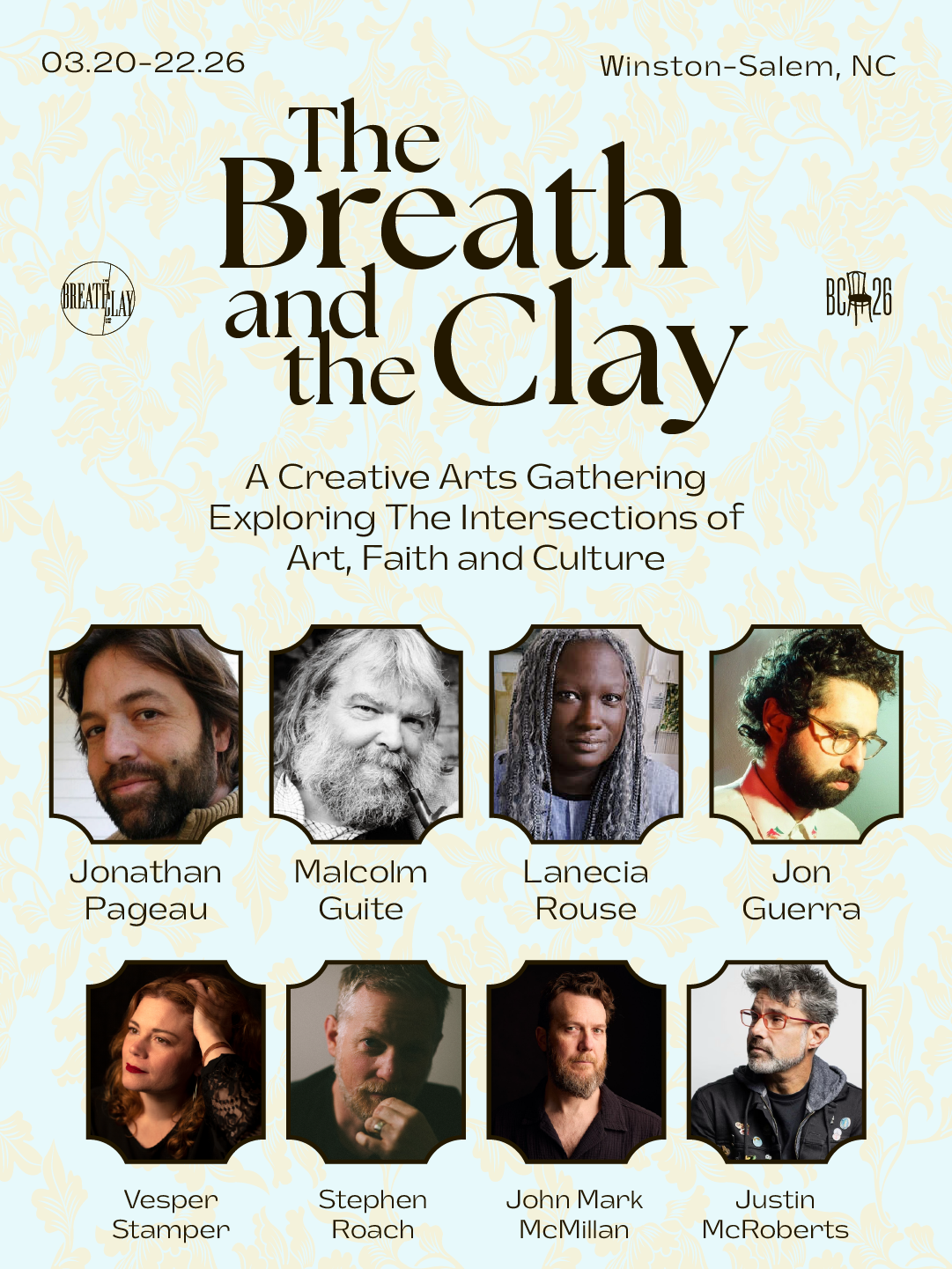
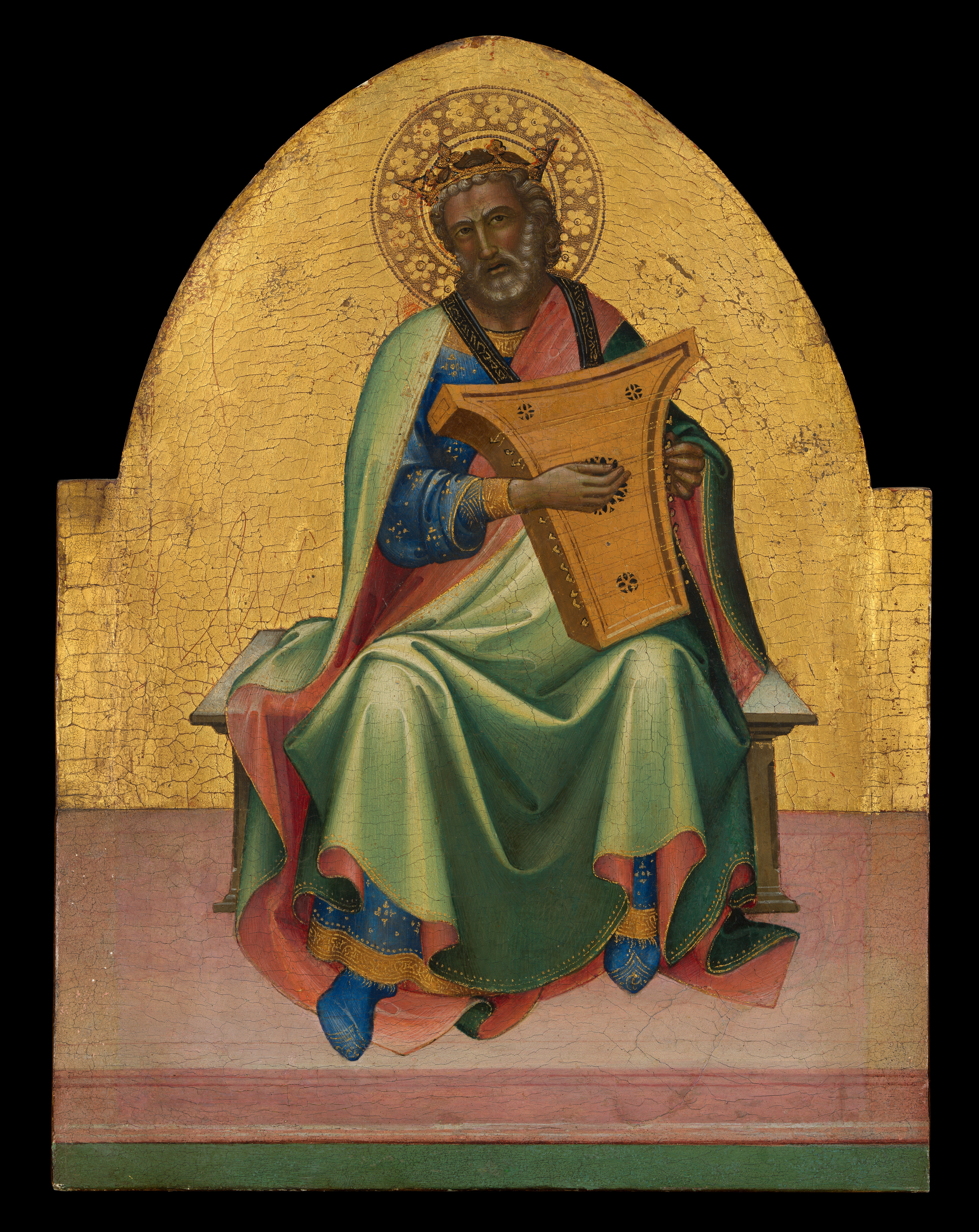
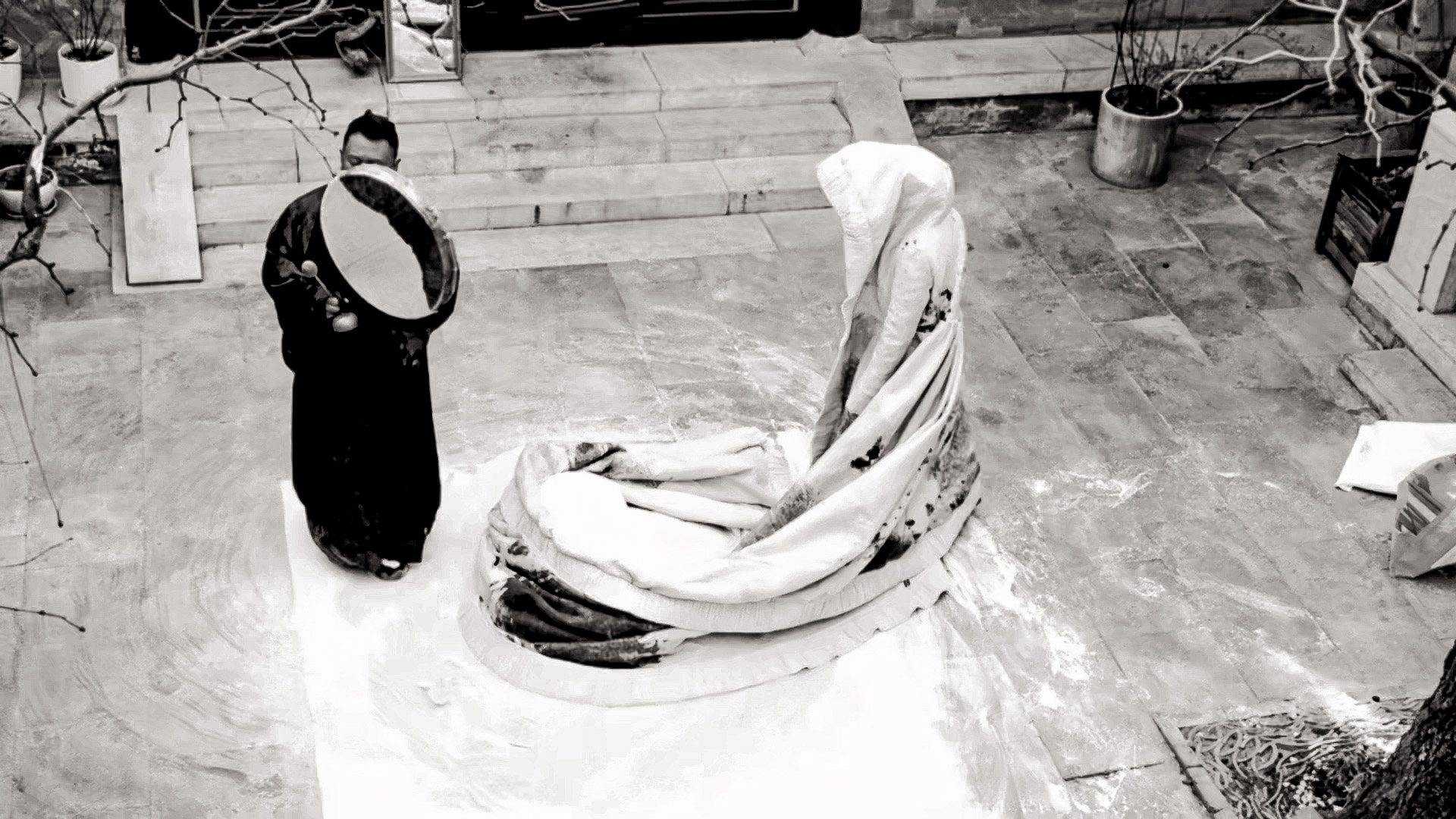
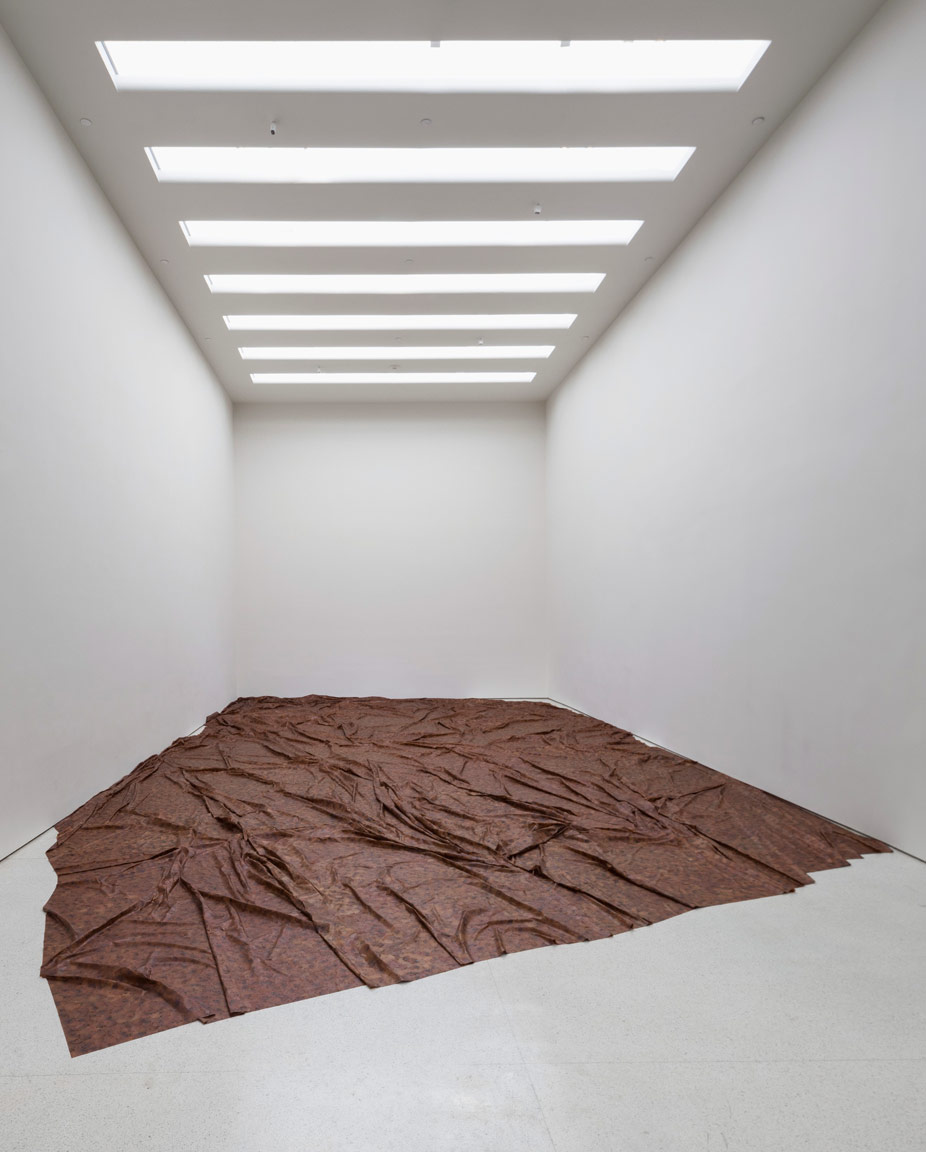
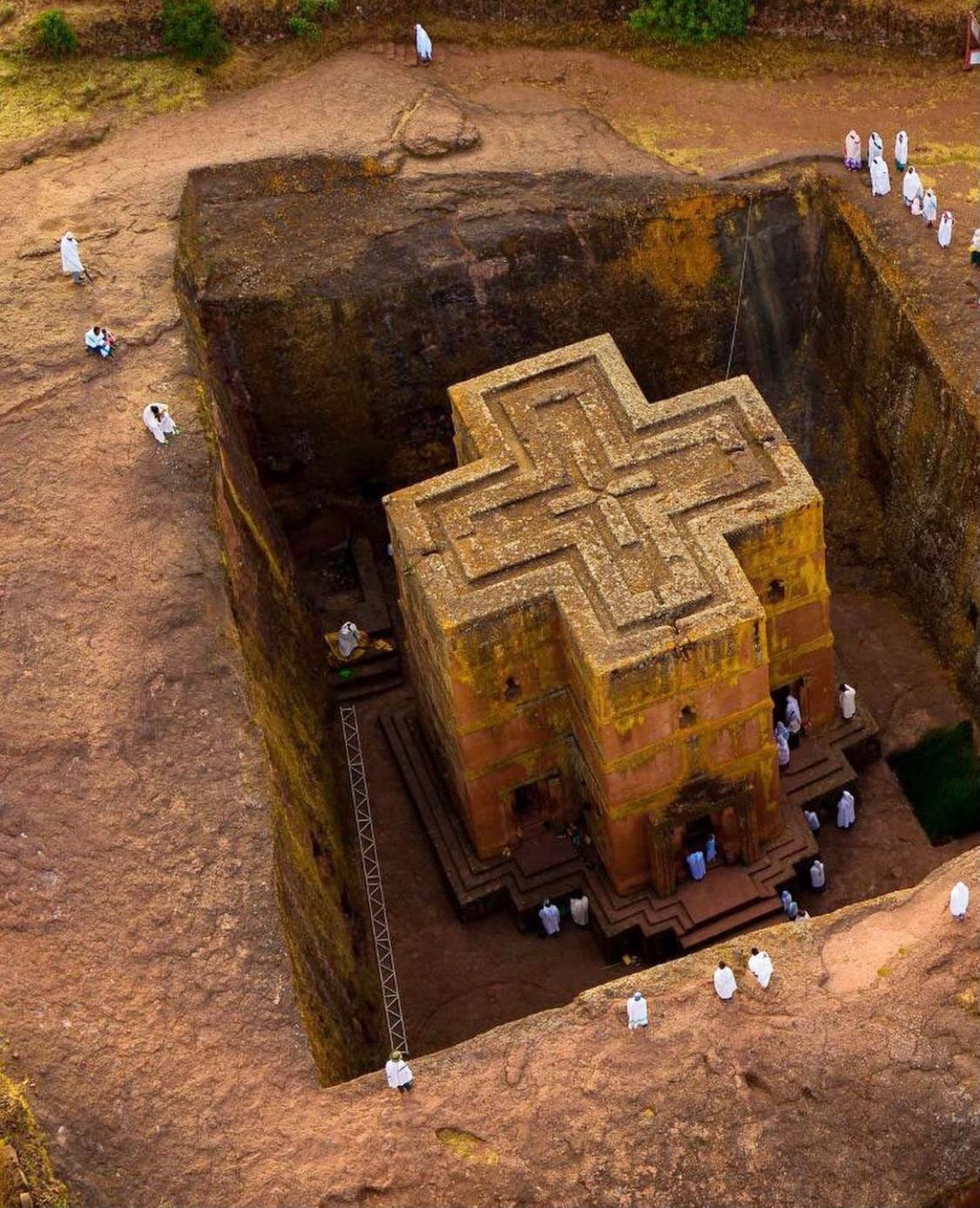
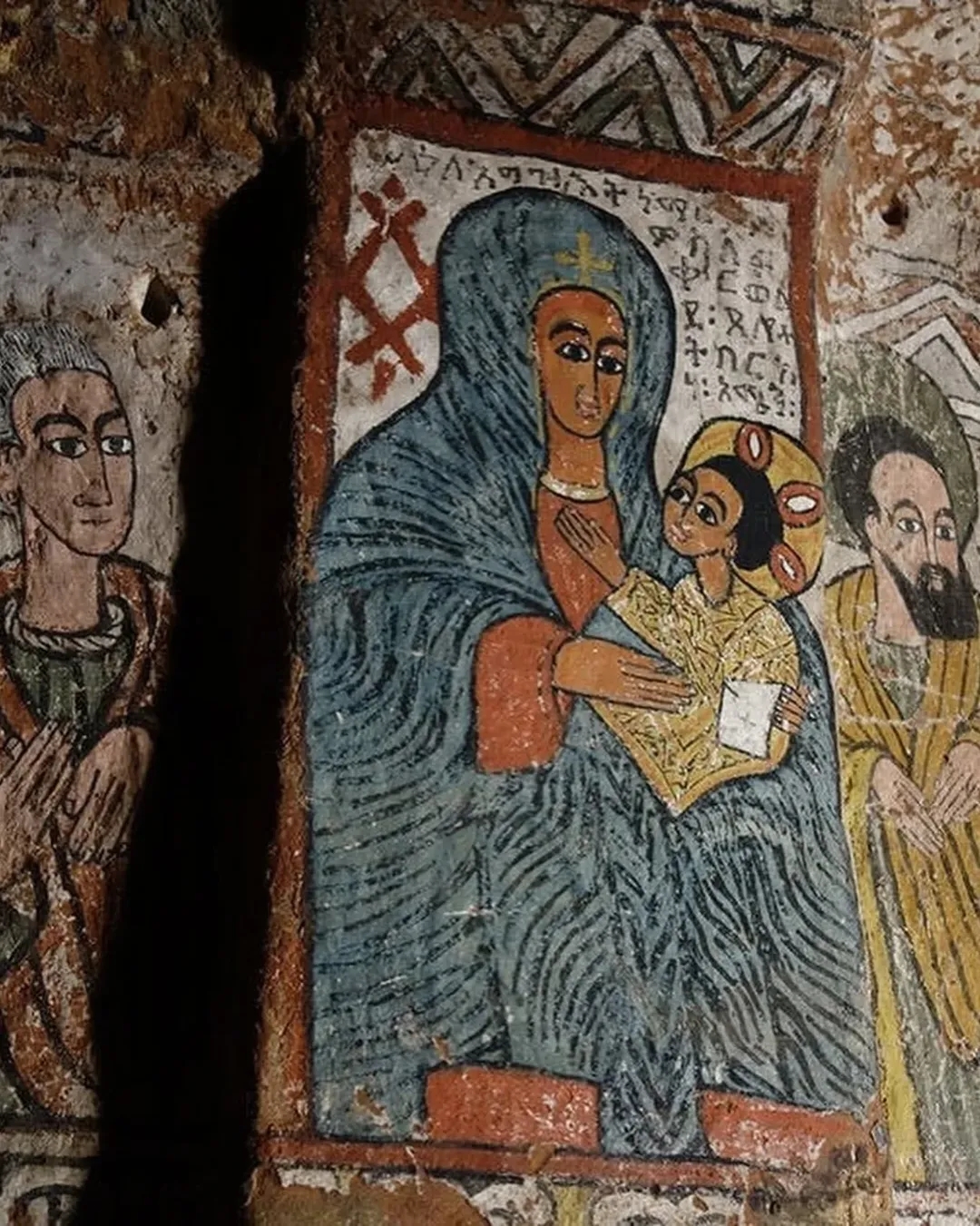
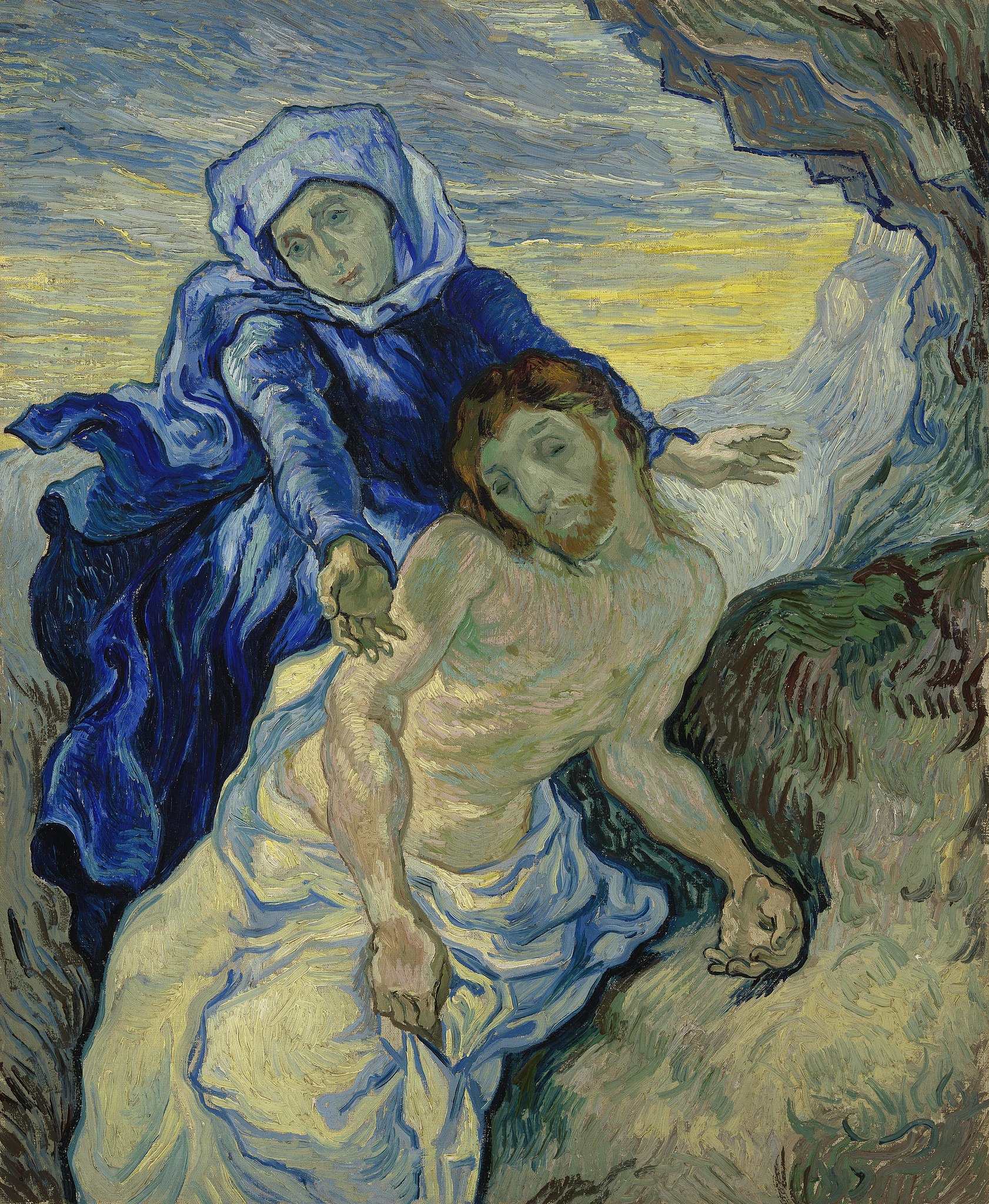
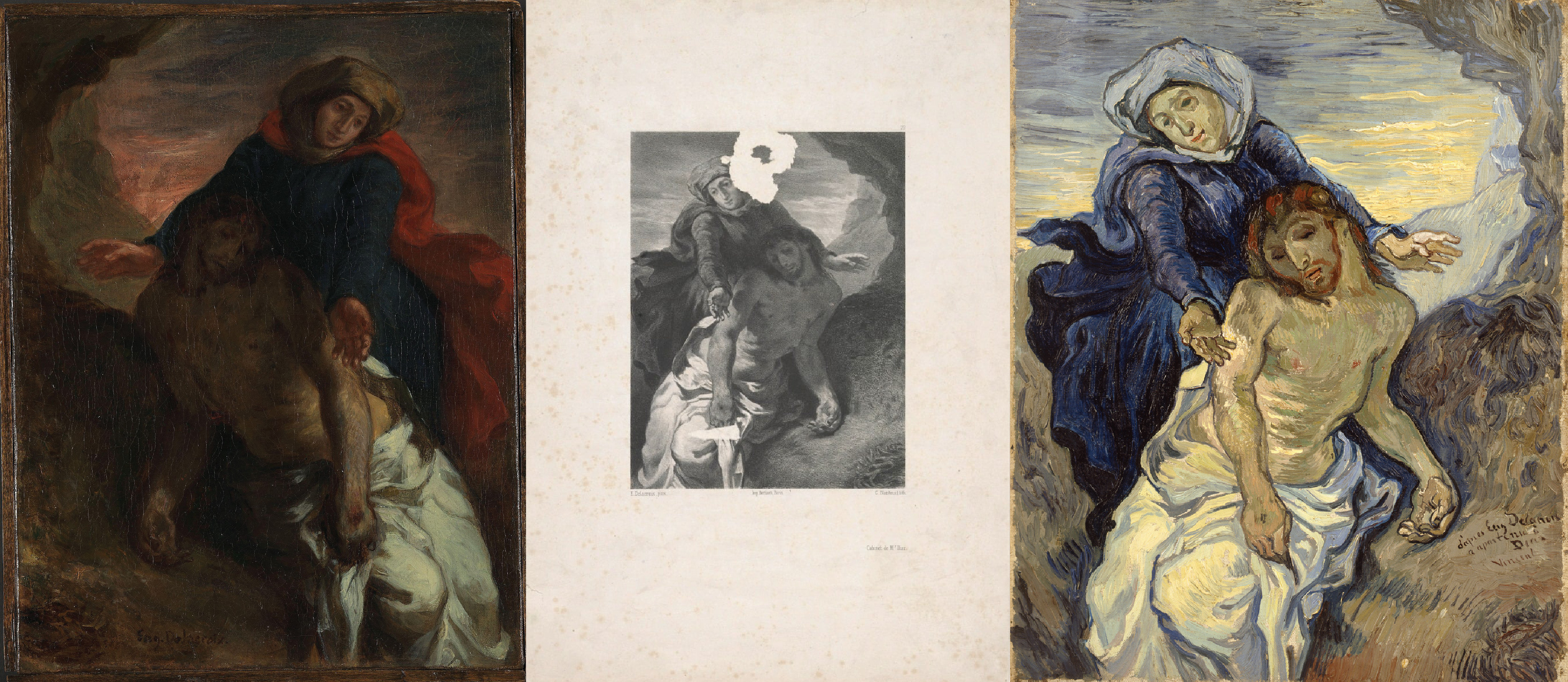
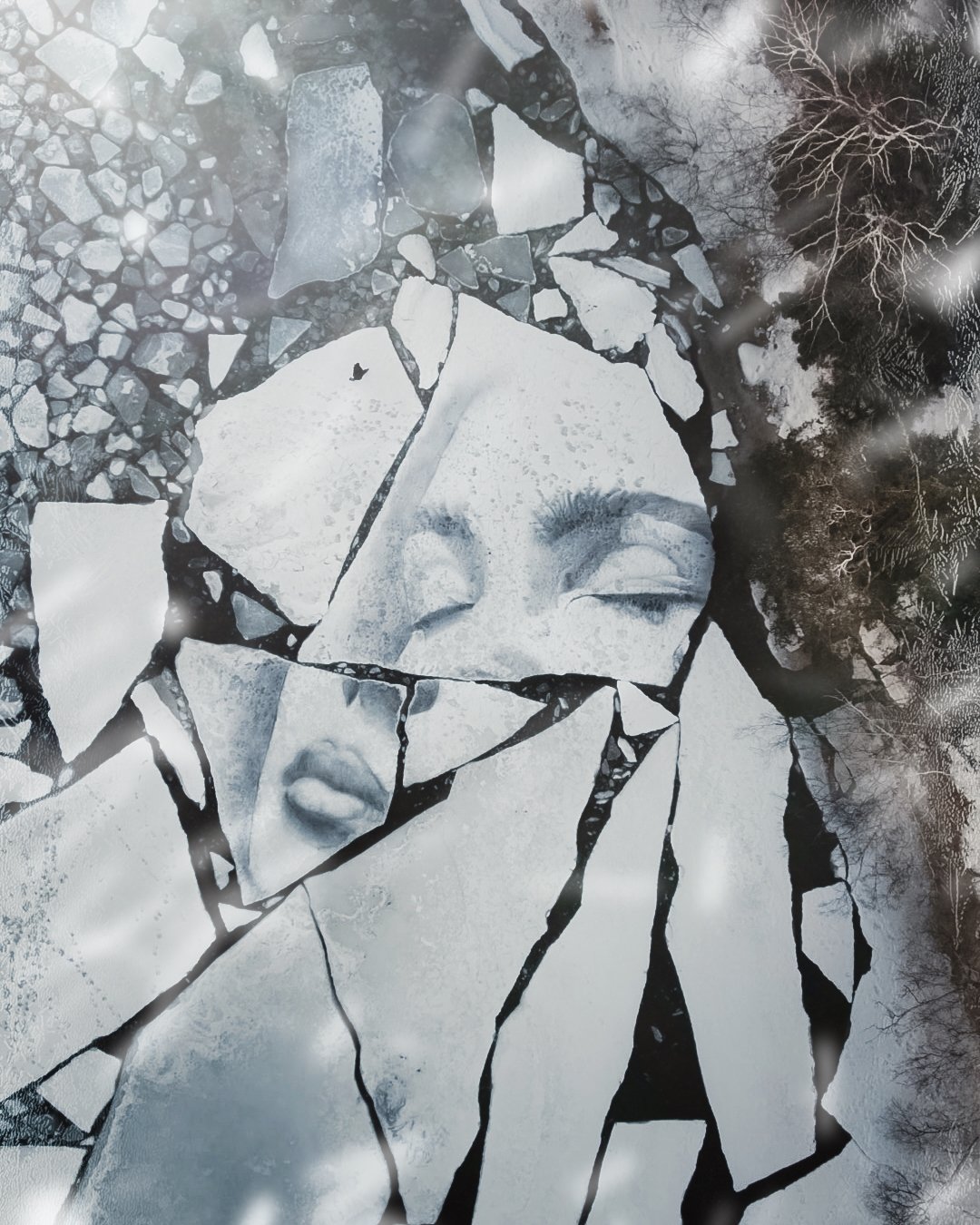
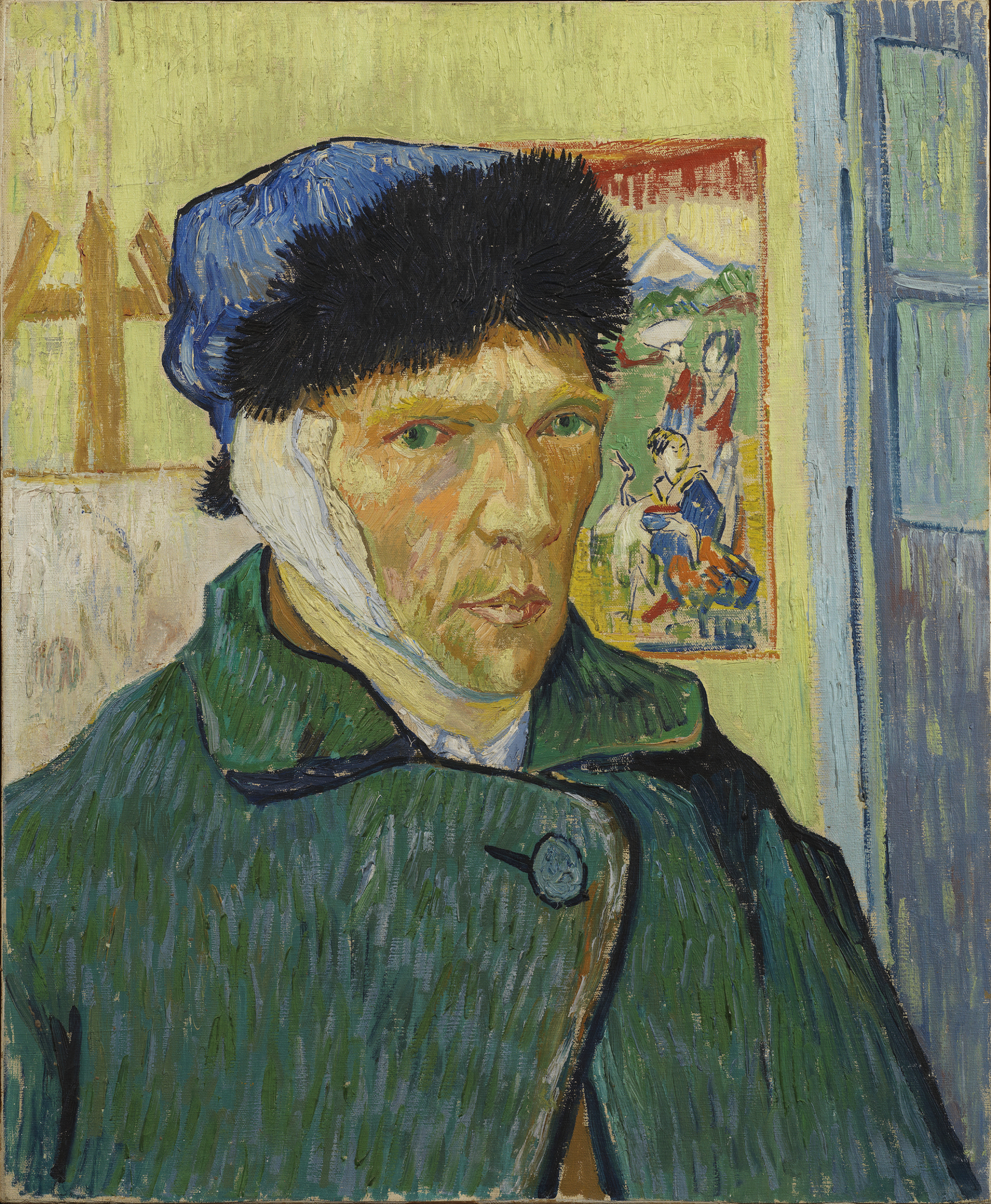
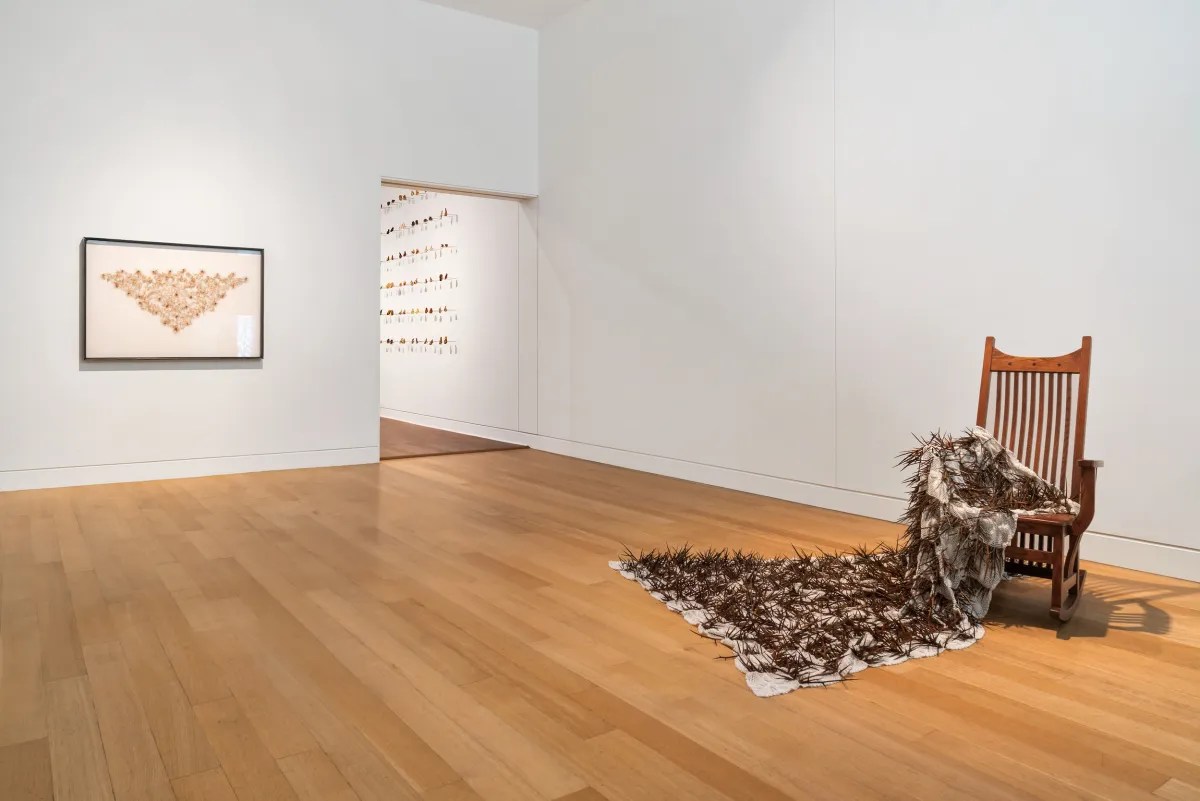

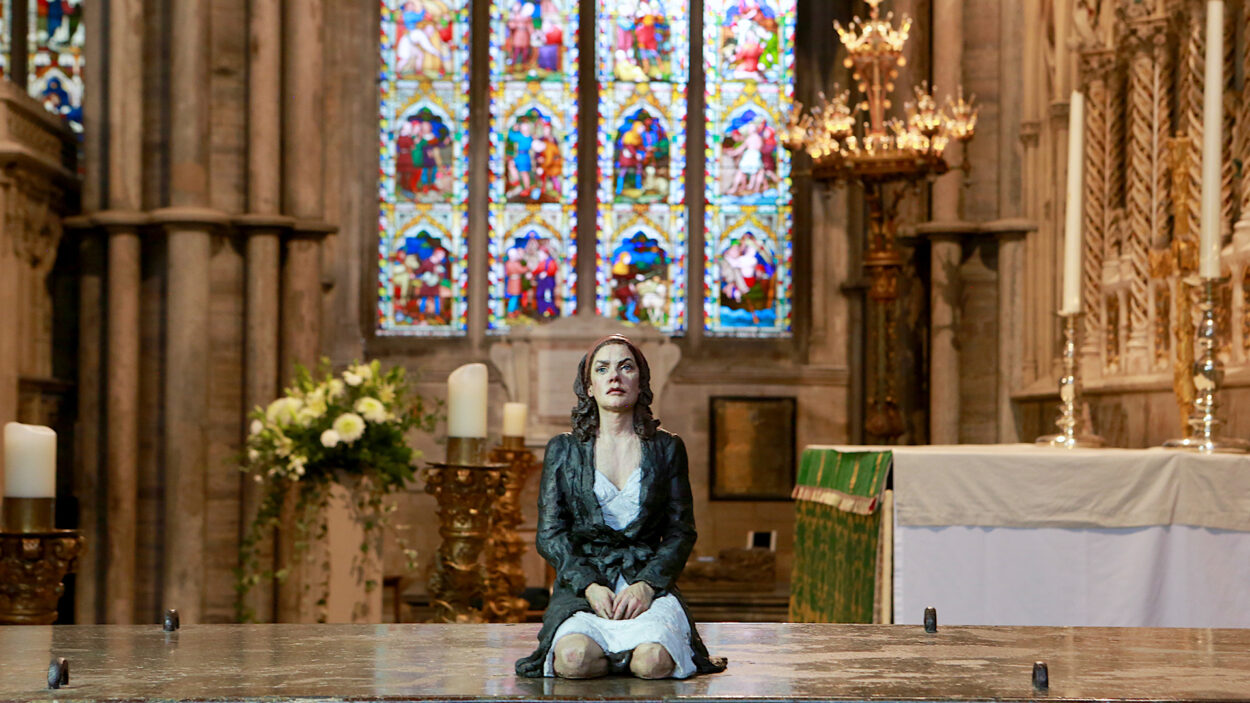


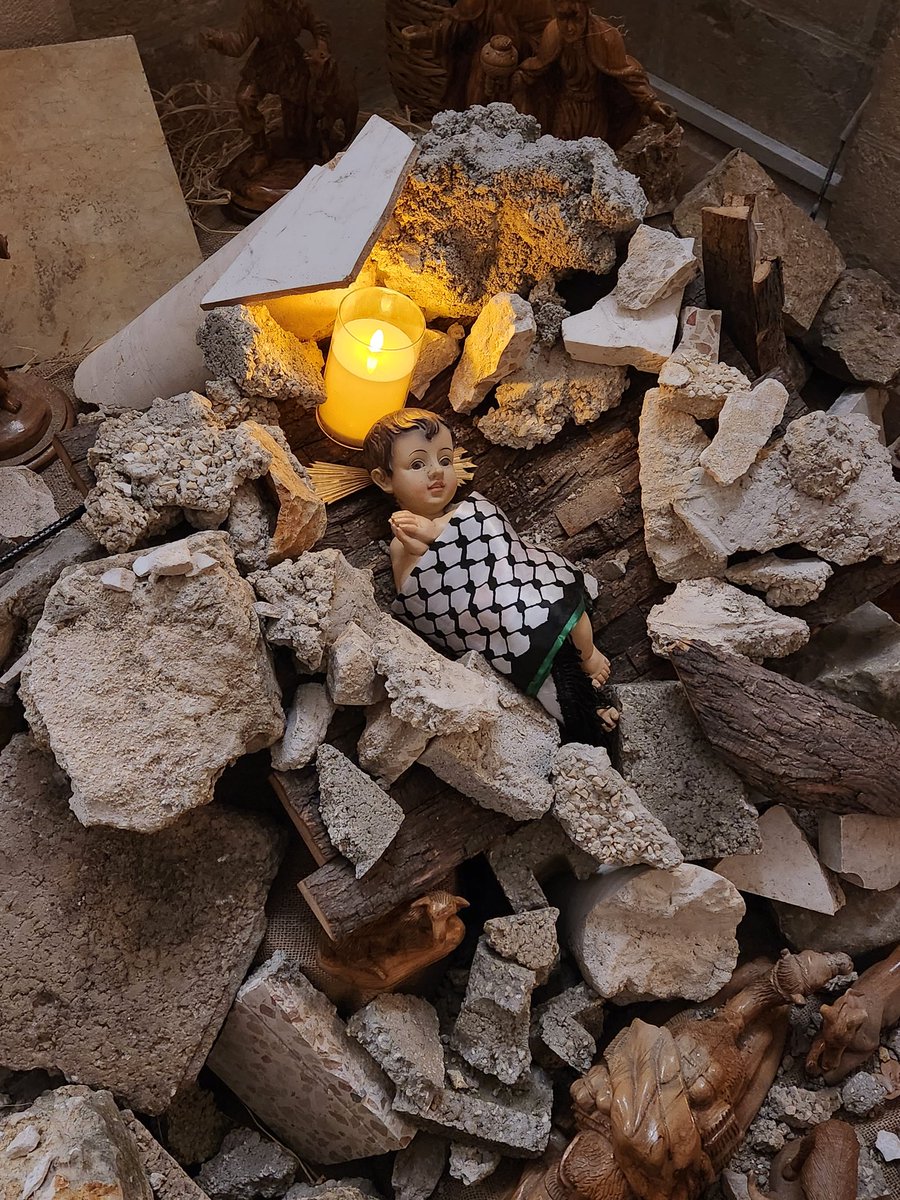

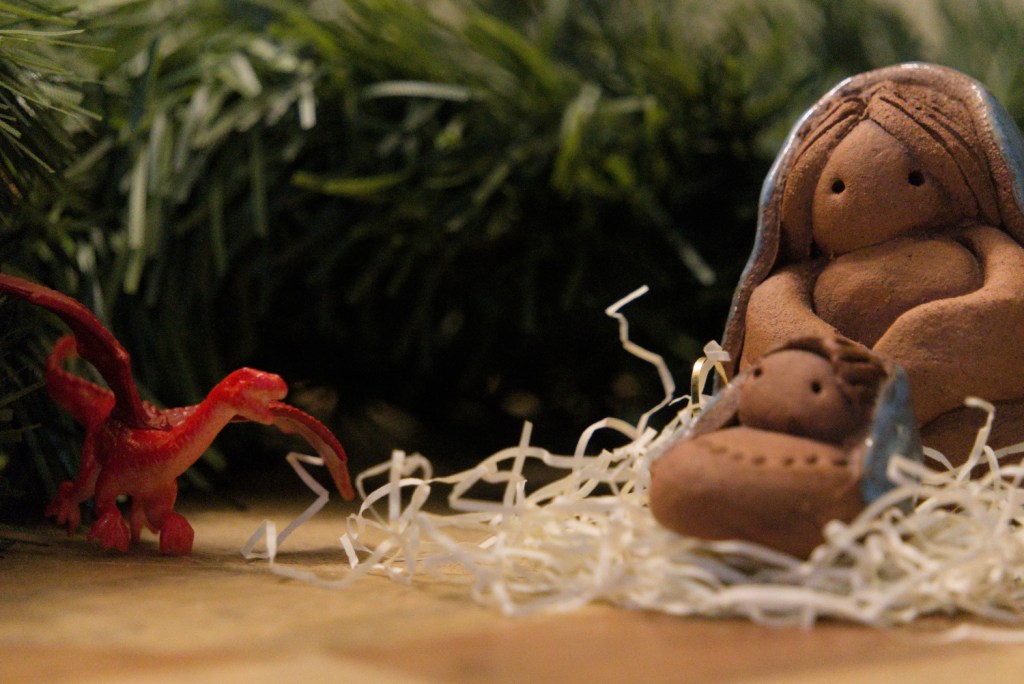


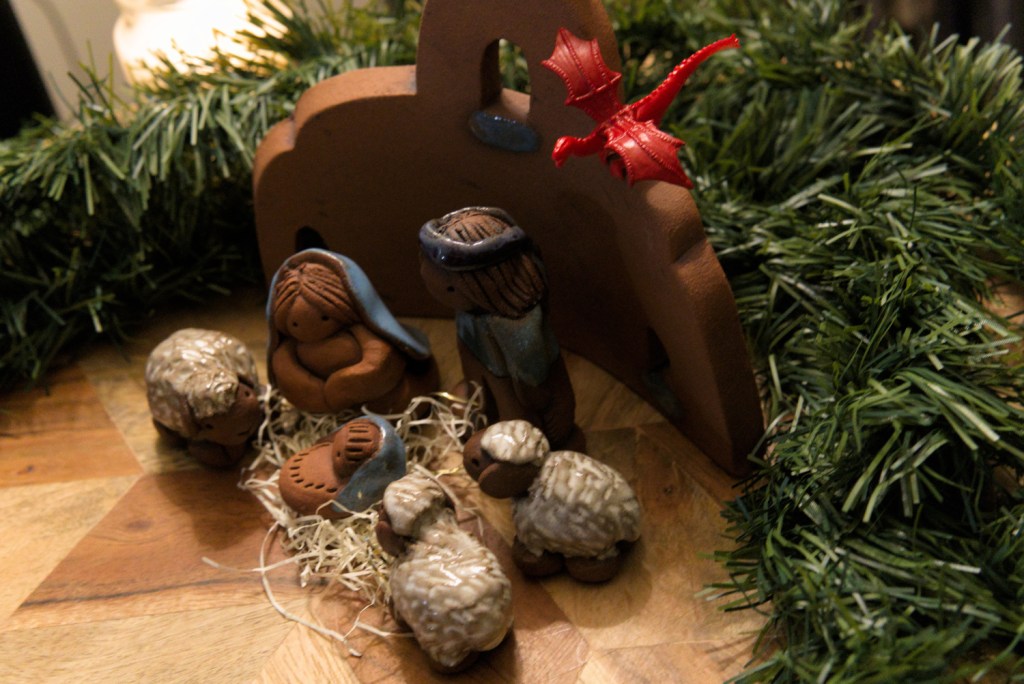

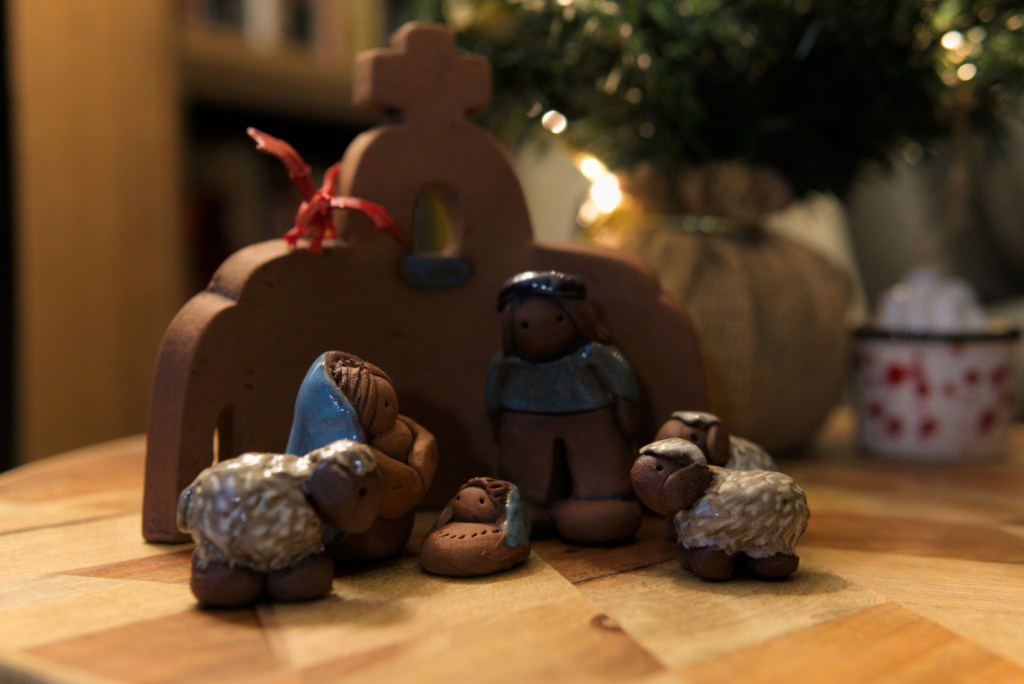


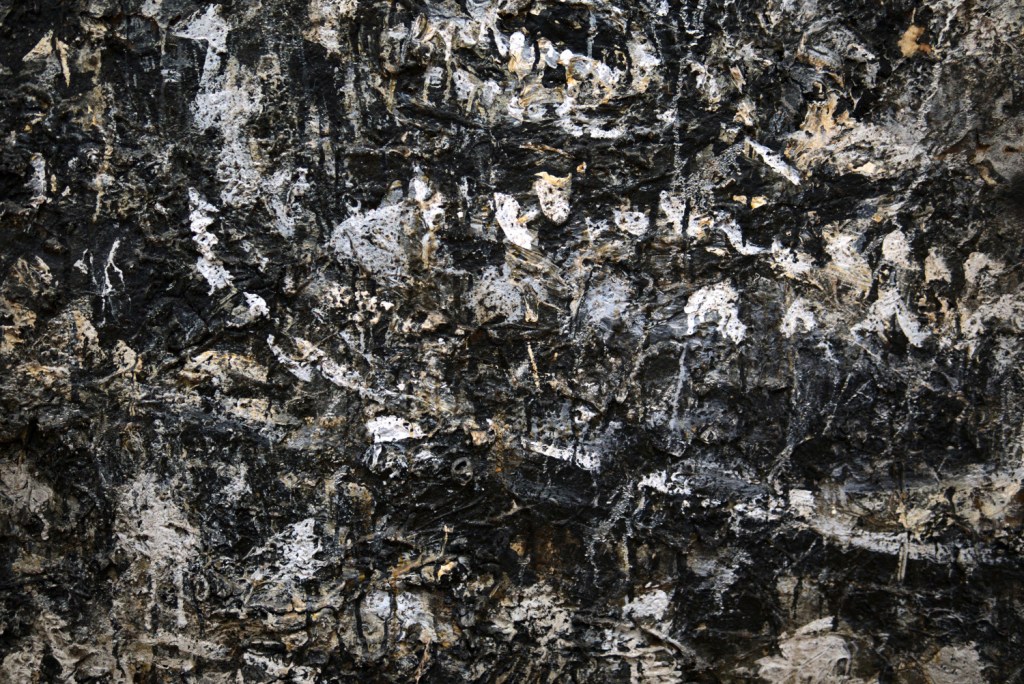


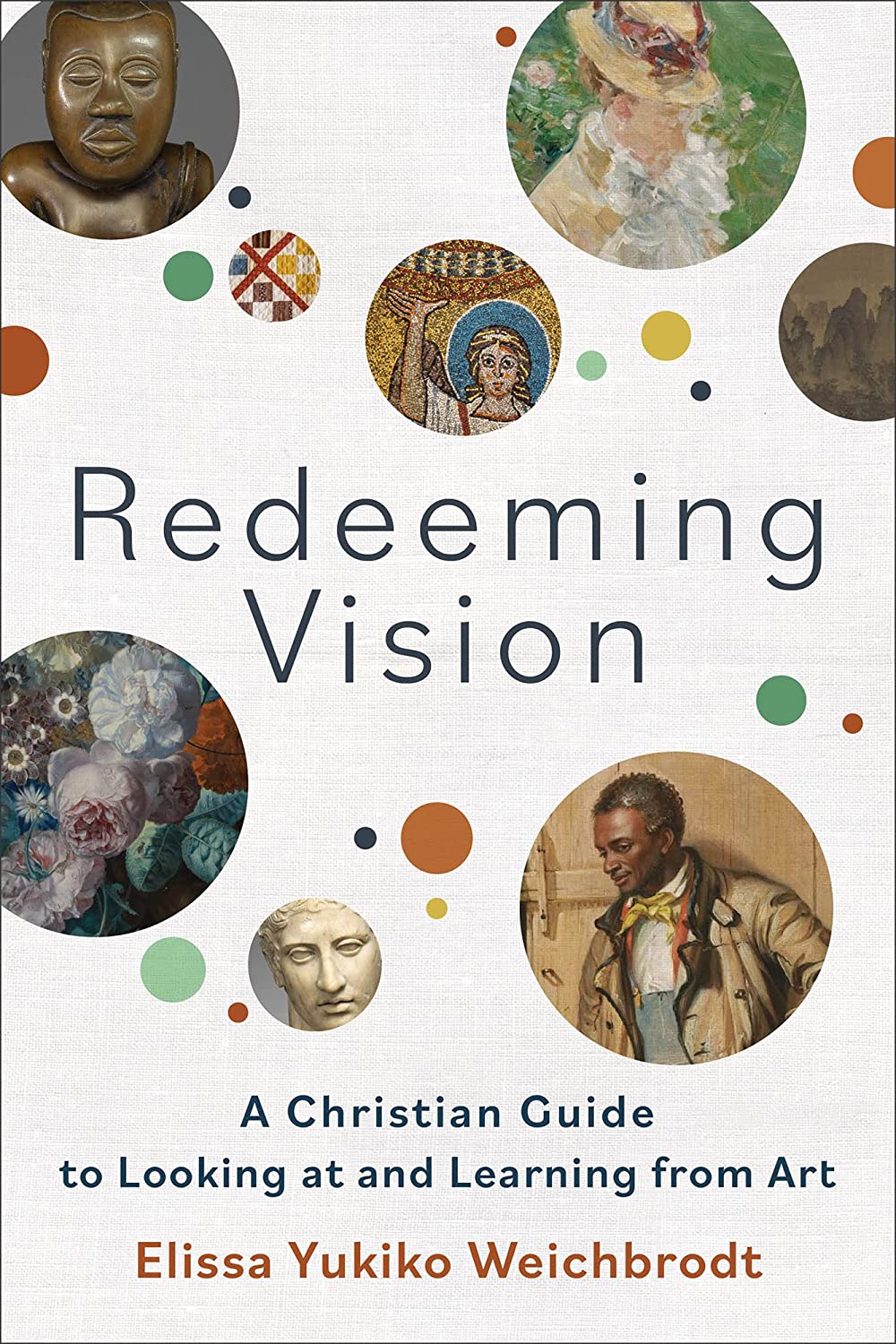


 Art & Theology